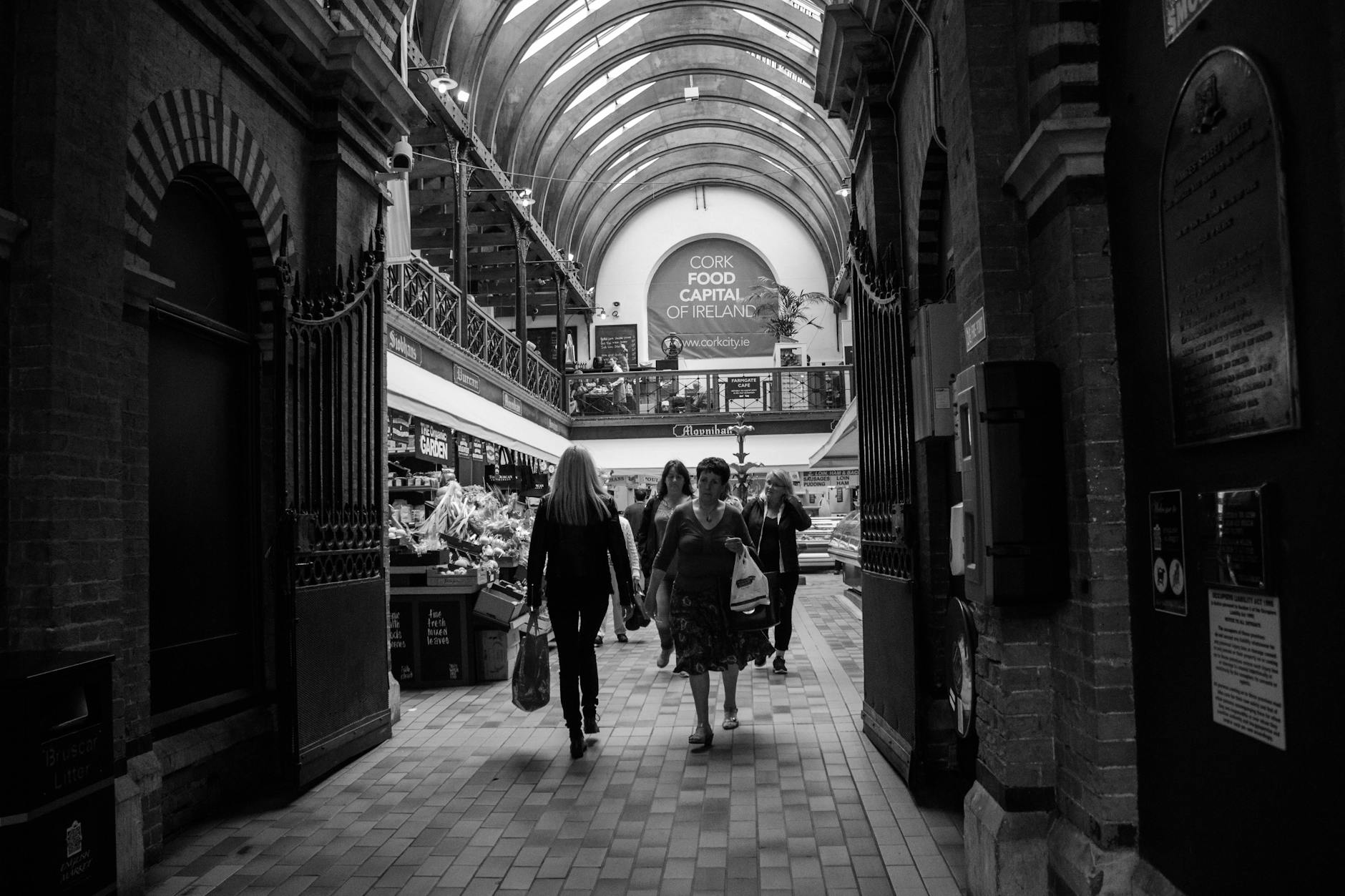
Cork can be a rewarding short trip for older travelers because the city offers food, music, markets, river streets, history, and nearby harbor towns without requiring a large capital-city itinerary. The challenge is that Cork still asks practical questions about arrival fatigue, wet weather, hills, uneven pavements, hotel access, taxis, and how much movement belongs in one day. A good Cork plan should protect comfort without flattening the trip into caution. The traveler needs a hotel that works, a pace that allows recovery, and a short list of experiences that justify the journey without making every day a test of stamina.
Build the trip around comfort, not stamina
Older travelers should decide early what comfort means for this specific Cork visit. For some travelers, that means a central hotel, short walks, and generous meal breaks. For others, it means taxis after dinner, a slower first morning, a private transfer, fewer day trips, or a room with reliable lift access and quiet at night.
The goal is not to make the trip timid. It is to reserve energy for the experiences that matter: the English Market, a good lunch, a river walk, a concert, a museum, a family visit, or one well-chosen County Cork excursion.
- Define comfort by walking tolerance, stairs, sleep, meals, medication, weather, and evening return.
- Protect the first day if arrival involves Dublin, Shannon, a long rail transfer, or jet lag.
- Spend energy on the Cork experiences that matter most rather than on avoidable logistics.

Choose arrival, hotel, and lift access carefully
Cork Airport can make arrival easier when flight options are sensible, but many older travelers will still compare Cork with Dublin or Shannon. The right answer depends on total travel time, transfer complexity, luggage, weather, cost, onward plans, and whether the traveler can handle a long arrival day without sacrificing the next morning.
Hotel choice matters just as much. A charming property may still be wrong if the lift is limited, rooms are reached by steps, taxis cannot stop easily, breakfast is awkward, or the route back from dinner is too steep or wet.
- Compare airports by transfer fatigue, luggage handling, rail or coach steps, taxi reliability, and arrival hour.
- Confirm lift access, room location, shower setup, breakfast, heating, noise, and luggage storage.
- Choose a base that makes evenings and bad-weather returns simple.
Plan Cork city walking in smaller loops
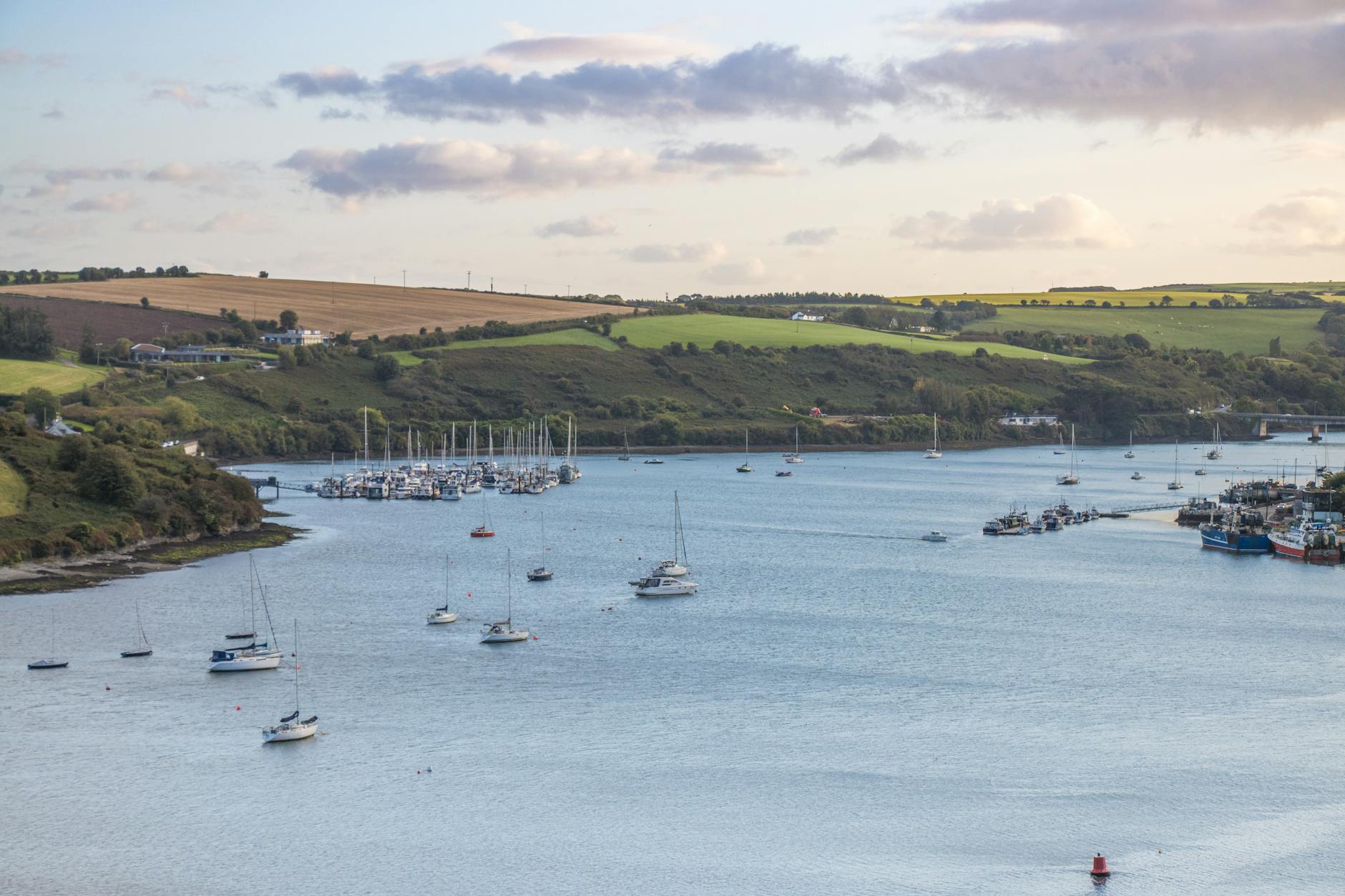
Cork's center can feel compact, but older travelers should not assume every useful route is flat, dry, or easy underfoot. Bridges, slopes, wet pavements, traffic crossings, crowds, and indoor stairs can turn a casual plan into a tiring one. Short loops with planned pauses usually work better than a long self-guided sweep.
A good day might combine a market visit, a coffee stop, one cultural site, and dinner within a manageable radius. The traveler should keep optional add-ons nearby rather than locking in a route that becomes unpleasant in rain or wind.
- Group sights into short loops with seating, toilets, food, and taxi options nearby.
- Check hills, wet pavement, stairs, crossings, and walking distance before committing to a route.
- Keep rainy-day alternatives close to the hotel or main meal plan.

Use taxis, meals, and restrooms deliberately
Cork is more comfortable when taxis, meals, and restrooms are treated as part of the plan rather than emergency fixes. A taxi after dinner may be the difference between a satisfying evening and a difficult walk back. A properly timed lunch can prevent fatigue from deciding the afternoon.
Restroom access should also be considered, especially during markets, museums, day trips, medications, or long transfers. Older travelers should choose restaurants and stops for comfort as well as reputation.
- Plan taxis for arrival, dinner return, rain, hills, luggage, and late evenings.
- Book meals at realistic times and check seating, noise, stairs, dietary needs, and distance.
- Identify restroom-friendly stops during city walks and County Cork excursions.
Handle medication, weather, and medical backup
Medication, prescriptions, travel insurance, mobility aids, glasses, hearing devices, and medical documents should stay in carry-on luggage, especially if the route enters Ireland through another airport before continuing to Cork. The plan should also cover pharmacy access, time-zone dosing, refrigeration needs, and what to do if luggage is delayed.
Weather deserves the same seriousness. Rain layers, practical shoes, warm clothing, and a backup indoor plan are not minor details in Cork. They are what keep the trip pleasant when conditions change.
- Carry medication, prescriptions, devices, insurance details, and essential documents personally.
- Know nearby pharmacies, medical options, and how to adjust plans if symptoms or fatigue appear.
- Pack for rain, wind, temperature shifts, wet streets, and slower movement.
Keep County Cork day trips selective
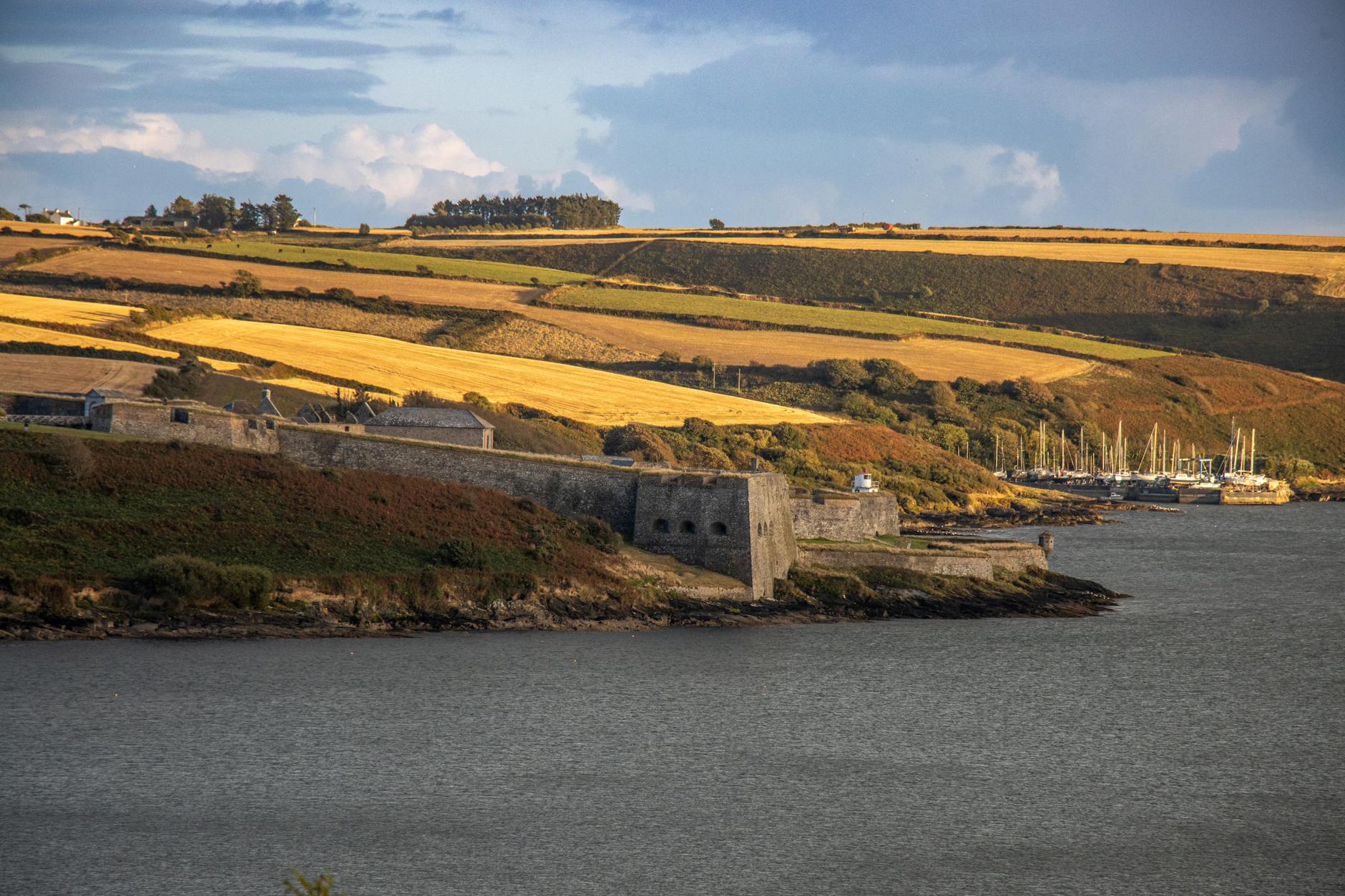
Cobh, Kinsale, harbor scenery, coastal meals, gardens, and heritage sites can be excellent additions for older travelers, but they should be chosen carefully. A day trip that looks easy online may involve station access, waits, weather exposure, uneven streets, limited toilets, or a longer return than expected.
One well-paced excursion is usually better than two rushed ones. The traveler should decide whether the day trip is worth the energy, what will be cut from Cork city, and whether a taxi, private driver, rail, bus, or rental car is the most comfortable choice.
- Choose one County Cork excursion that fits energy, weather, transport, meals, and restroom needs.
- Compare rail, bus, taxi, driver, and rental car options by comfort rather than only cost.
- Leave enough energy for dinner and the next morning after the excursion.
When to order a short-term travel report
An older traveler with a central hotel, simple Cork Airport arrival, strong mobility, and flexible plans may not need a custom report. A report becomes useful when arrival is through another airport, lift access is uncertain, walking tolerance is limited, medications or medical backup matter, weather could affect comfort, or the traveler wants to add Cobh, Kinsale, family visits, or evening events without overextending.
The report should test airports, transfers, hotel access, walking loops, taxis, meals, restrooms, medical support, weather alternatives, day trips, budget, and what to remove. The value is a Cork trip that feels generous and manageable rather than technically possible but tiring.
- Order when arrival, hotel access, walking tolerance, medication, taxis, day trips, or weather needs closer review.
- Provide dates, airport options, hotel ideas, mobility details, medical constraints, meal needs, day-trip goals, and budget.
- Use the report to protect comfort while keeping the trip worthwhile.