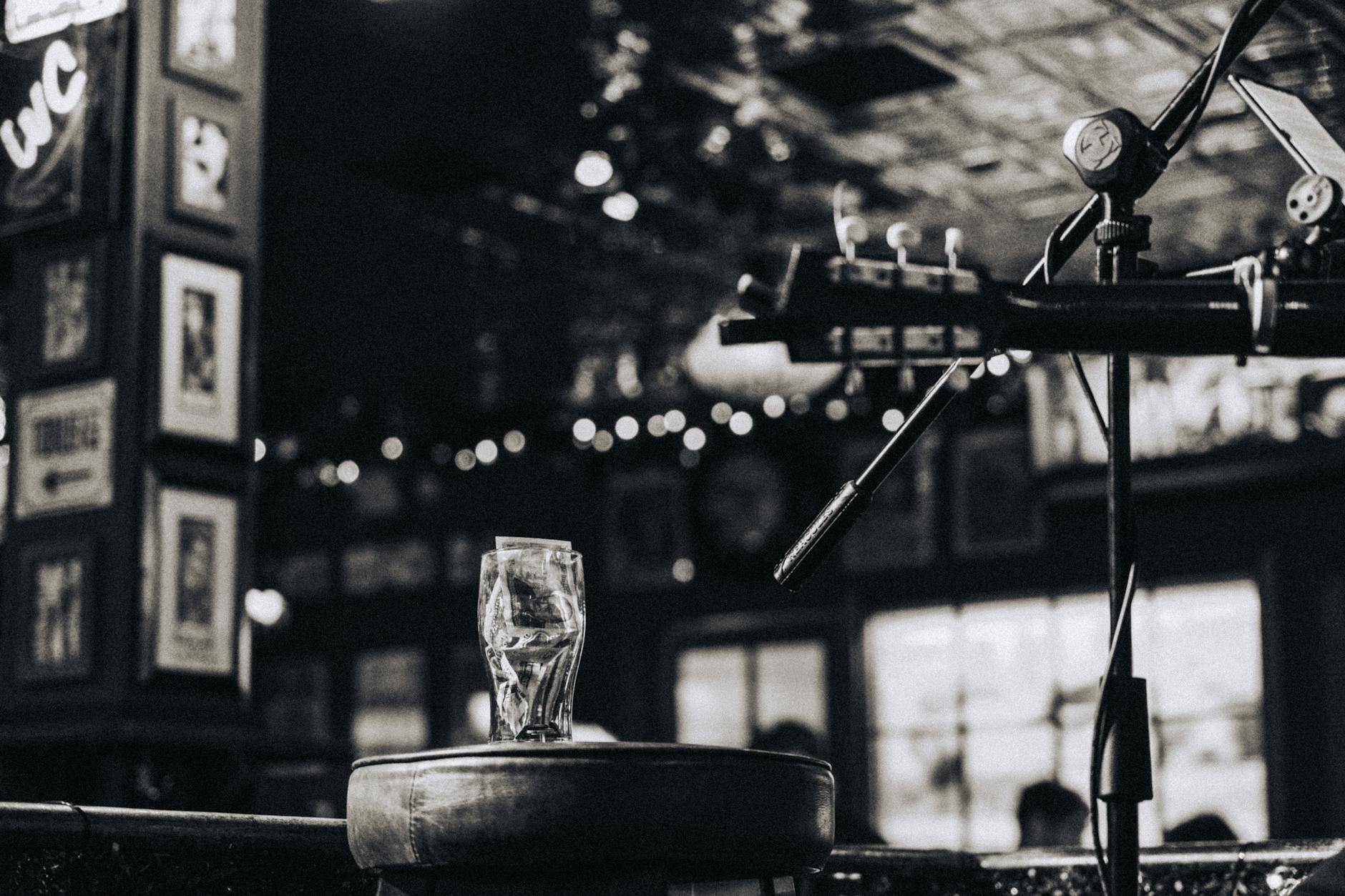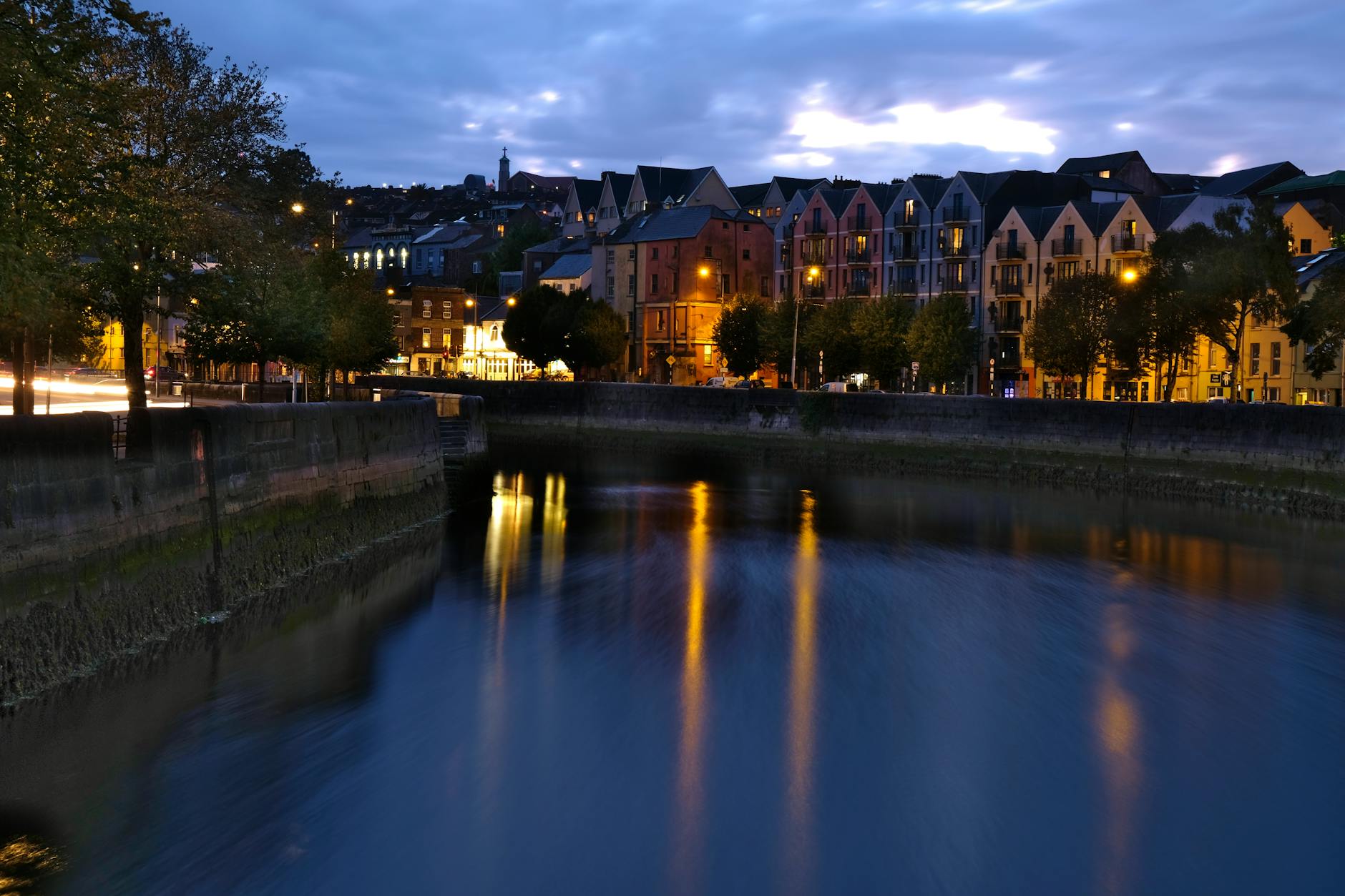
Cork can be an enjoyable nightlife city for travelers who understand its scale. The strongest evening may involve pubs, traditional music, restaurants, cocktail bars, student energy, hotel lounges, river walks, or a quieter county pub outside the center. It is not a place where every night needs to be treated like a big-city club crawl. A nightlife-focused Cork trip should be planned around lodging location, weather, dinner timing, pub etiquette, music schedules, late-night transport, group safety, and recovery. The right plan makes Cork feel lively without making the rest of the itinerary fragile.
Set expectations for Cork's evening scale
Cork nightlife is strongest when the traveler approaches it as a compact, social, pub-and-restaurant city rather than a sprawling late-night metropolis. The right evening might be a strong dinner, a few pubs, live music, a hotel bar, a comedy or cultural event, or a relaxed walk back along the river.
Travelers should check current hours, event listings, music schedules, and whether specific venues need booking. A good Cork night is often planned around a few anchors, not a long list of places to chase.
- Clarify whether the goal is pubs, music, restaurants, cocktails, student nightlife, or a group celebration.
- Check current hours, event calendars, booking needs, and seasonal demand.
- Build evenings around a small number of strong stops rather than an overloaded route.
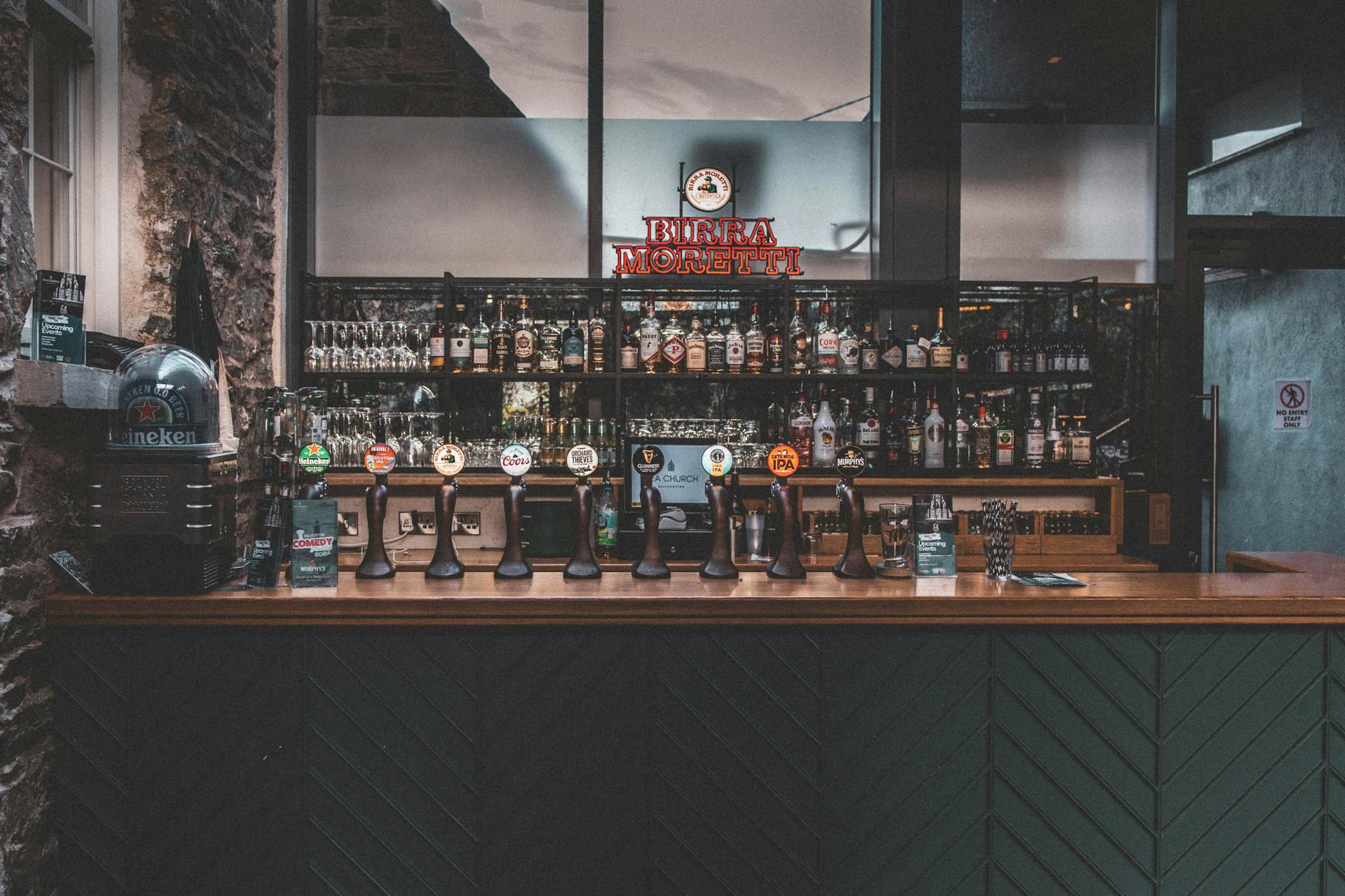
Choose lodging for the return, not only the room
A nightlife-focused traveler should choose lodging by the walk home, taxi options, lighting, weather exposure, noise, late-night entry, and group movement. A central hotel can reduce friction after dinner or drinks. A quieter property farther out may be better for sleep but worse for evening spontaneity.
Cork is walkable in places, but rain, hills, unfamiliar streets, and late-night fatigue still matter. The return plan should be clear before the evening starts.
- Map lodging to dinner, pubs, music venues, taxi pickup, lighting, weather, and late-night entry.
- Choose central lodging when multiple evenings and group movement are priorities.
- Do not assume everyone will want the same pace or return time.
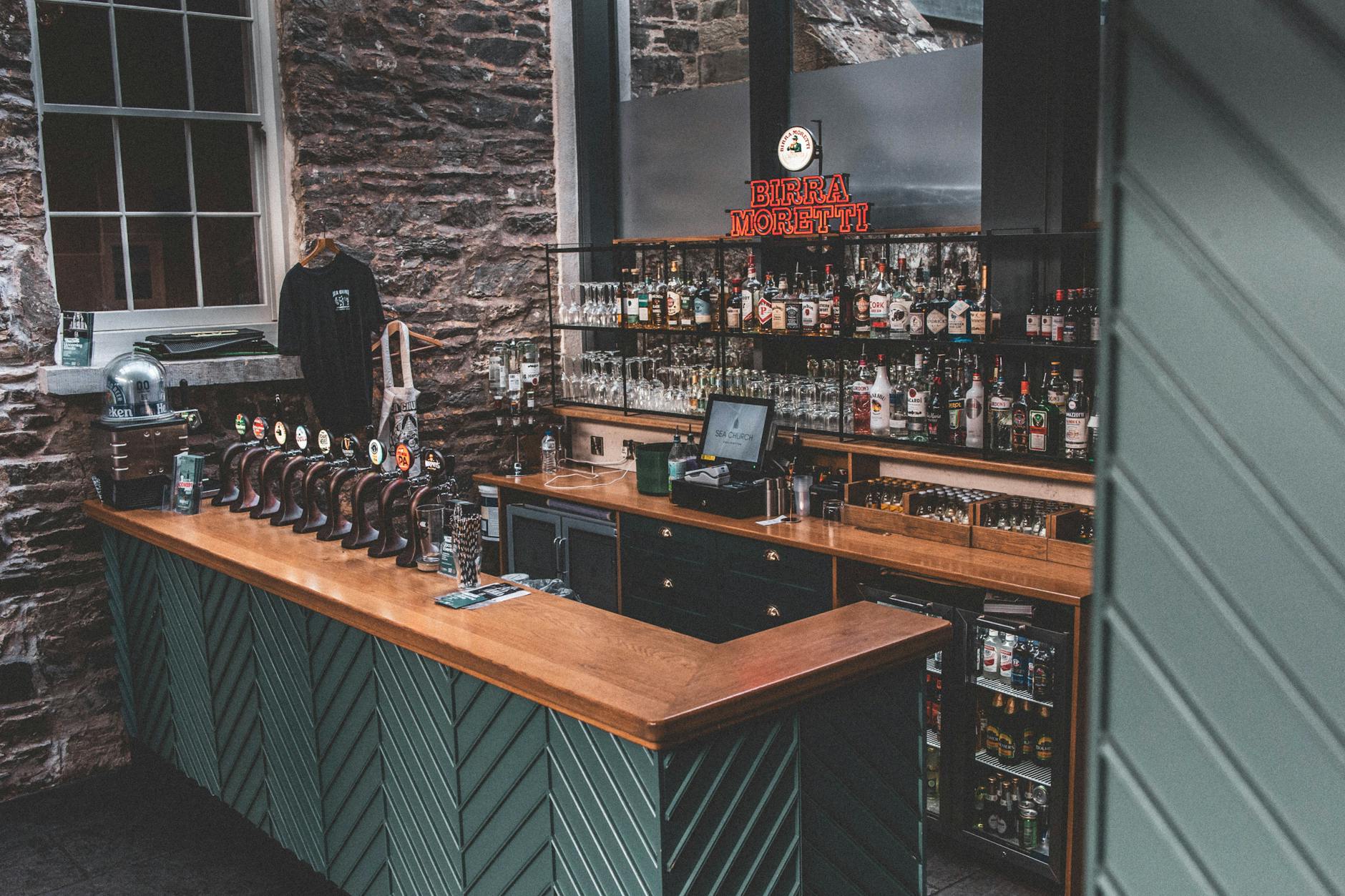
Treat dinner as part of the nightlife plan
Cork evenings often work best when dinner is not left to chance. Weekends, popular restaurants, group size, dietary needs, and late arrivals can make casual planning more difficult than expected. A traveler who waits too long to eat may turn the night into a hunt for whatever is still available.
The dinner plan should match the drinking plan, budget, and return route. A relaxed meal near the first pub may be more valuable than crossing the city repeatedly.
- Reserve dinner when group size, weekend demand, dietary needs, or special occasions matter.
- Check kitchen hours, cancellation rules, bar-food limits, and distance from lodging.
- Use food timing to keep the evening social, safe, and affordable.
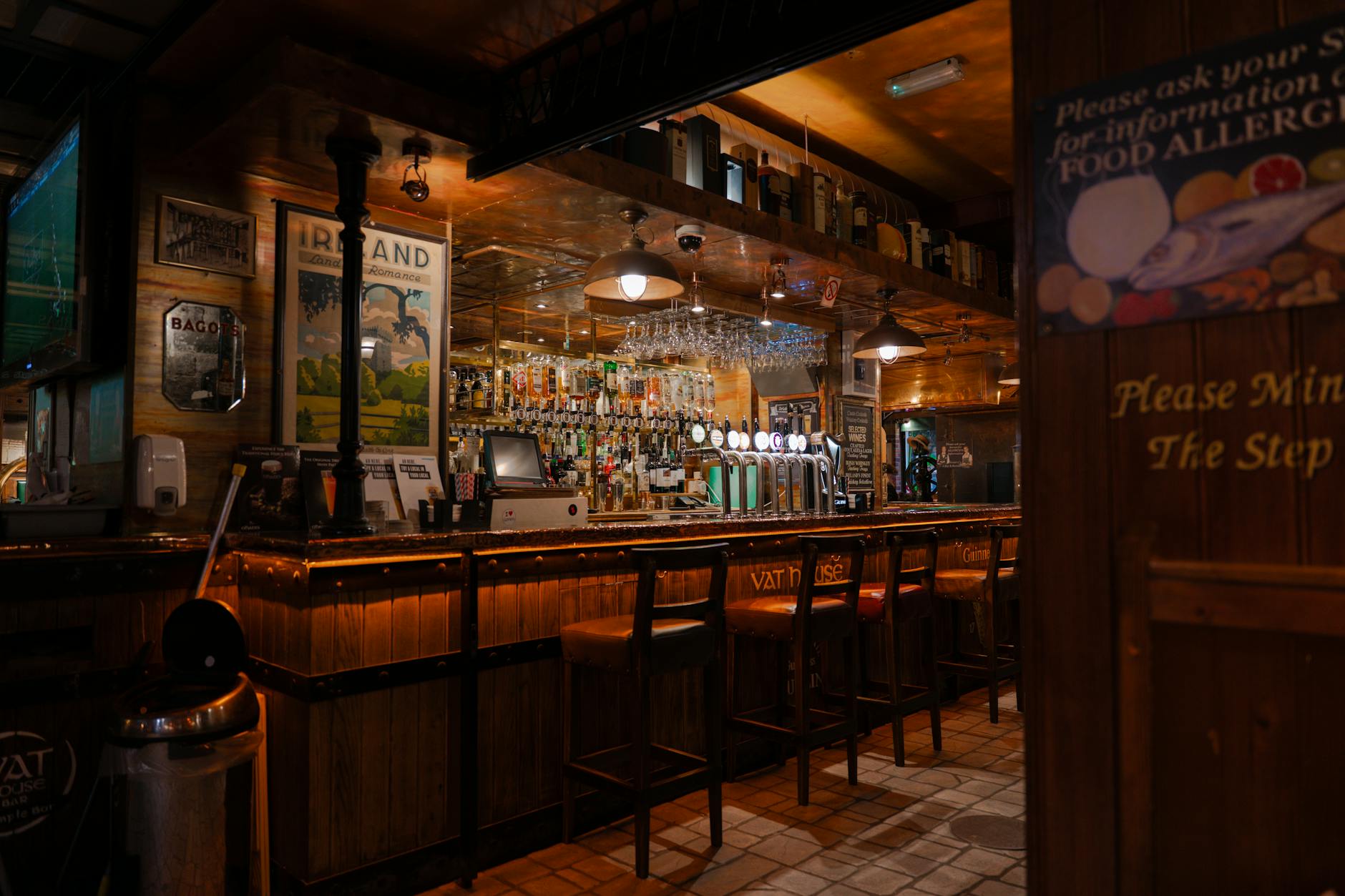
Respect pub and music etiquette
Pubs and live music are part of Cork's appeal, but they are not performances arranged solely for visitors. Travelers should be careful with filming, flash, loud conversation near musicians, blocking bar space, and treating regulars as scenery. A smaller social setting rewards attention and restraint.
If the traveler wants traditional music, a session, or a specific venue, it is worth checking the schedule and arriving with patience. The best night may depend on listening more than documenting.
- Ask before filming musicians, staff, regulars, or close-up pub interiors.
- Keep noise, flash, table behavior, and crowd movement respectful in smaller venues.
- Check live music schedules instead of assuming every pub has the same atmosphere.
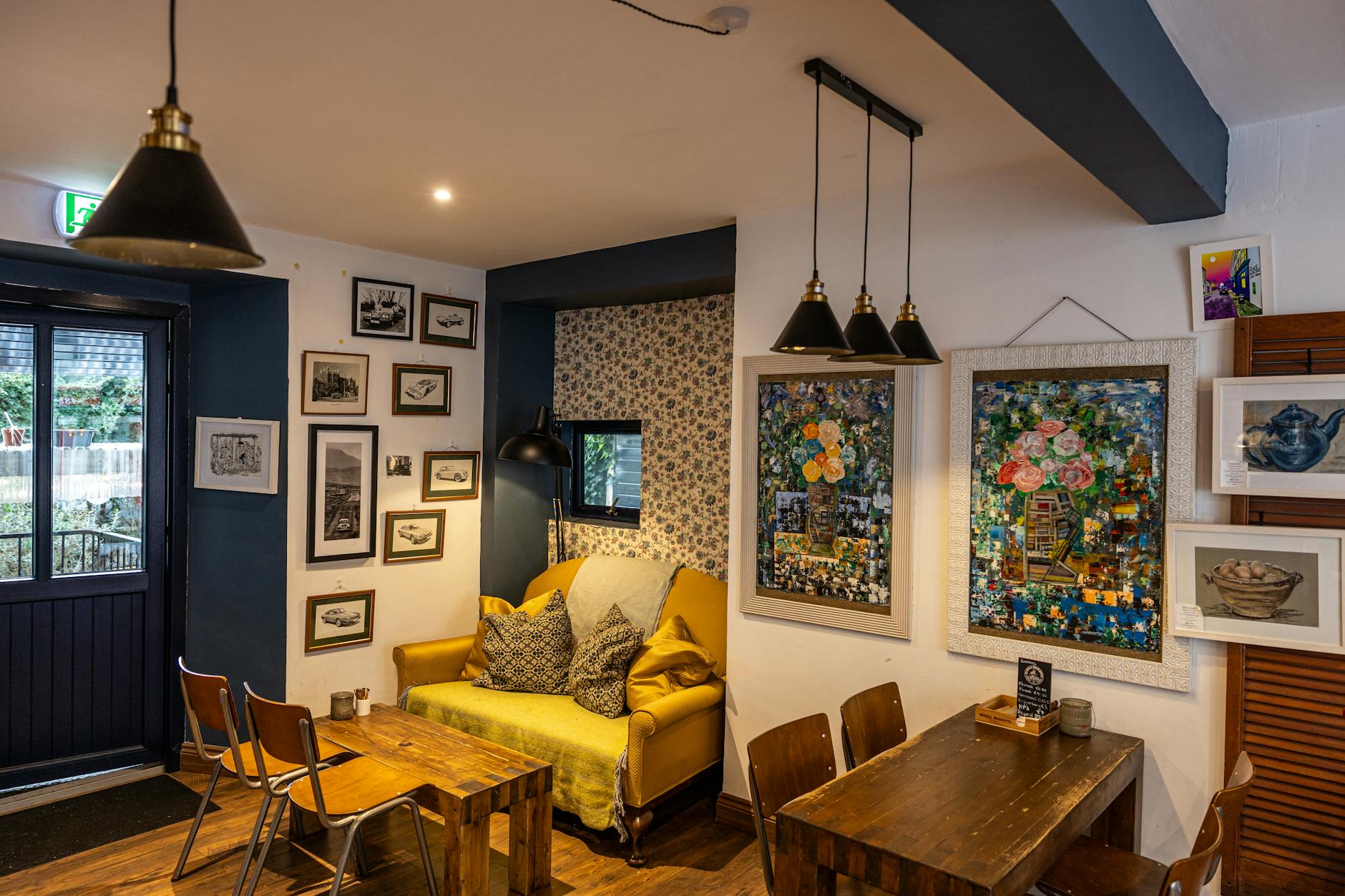
Plan alcohol, weather, and group safety together
Alcohol, wet pavements, cool nights, unfamiliar routes, phone batteries, and split groups can interact badly. The traveler should decide how people will return, what happens if someone leaves early, and how much drinking fits the next day's plan. A simple buddy plan can prevent a lot of unnecessary trouble.
Weather also affects clothing and footwear. Cork nightlife can involve short outdoor walks between venues, and those walks feel different in rain after midnight than they did at dinner.
- Set return plans, buddy checks, phone charging, taxi options, and group expectations before going out.
- Account for rain, cold, wet pavements, alcohol, medication, and next-day commitments.
- Avoid putting the biggest night before the most time-sensitive departure or excursion.
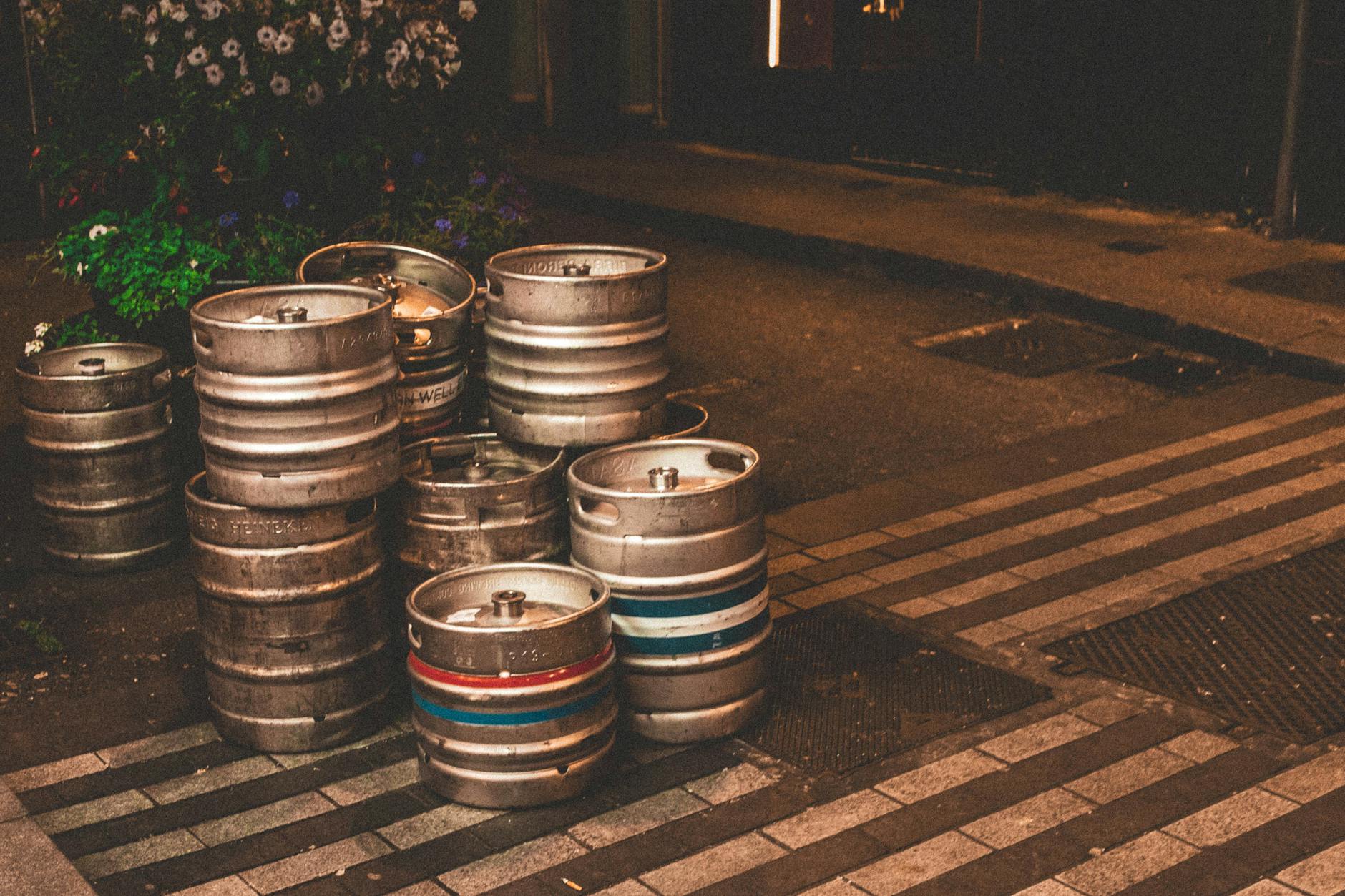
Budget for evenings and recovery
A Cork nightlife trip can become expensive through restaurants, drinks, taxis, covers, late snacks, tips, rain gear, and next-day recovery meals. The traveler should decide where the money actually improves the trip. One good dinner and a few well-chosen venues may beat an unfocused night of constant movement.
Recovery is part of the budget too. Breakfast, sleep, hydration, laundry, and a slower morning can keep the rest of the trip from being sacrificed to one evening.
- Budget for dinner, drinks, transport, tips, covers, late snacks, and recovery meals.
- Choose a few evening anchors rather than spending across too many marginal stops.
- Leave sleep and morning flexibility after the most social night.
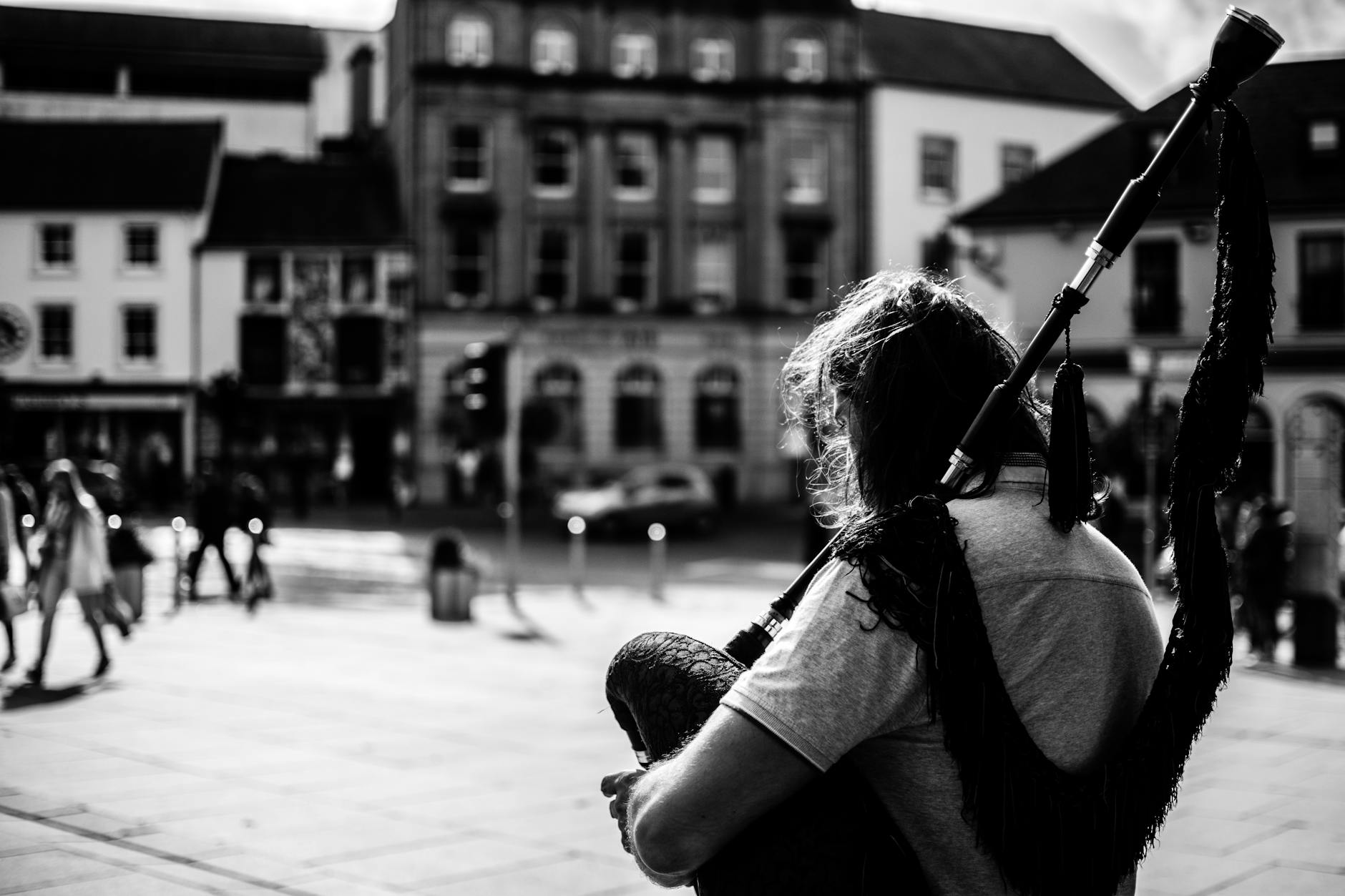
When to order a short-term travel report
A nightlife-focused traveler with central lodging and flexible evenings may not need a custom Cork report. A report becomes useful when the trip involves a group celebration, weekend demand, limited lodging, specific music goals, dietary needs, late arrival, mobility limits, safety concerns, or a need to balance evenings with daytime plans.
The report should test lodging location, dinner bookings, venue geography, pub etiquette, weather, late-night return, safety, budget, recovery, and what to skip. The value is a Cork evening plan that feels lively without undermining the rest of the trip.
- Order when lodging, reservations, music goals, group movement, weather, or late-night return needs testing.
- Provide dates, group size, lodging ideas, evening goals, dietary needs, mobility limits, budget, and daytime plans.
- Use the report to make the nights enjoyable without making the trip fragile.