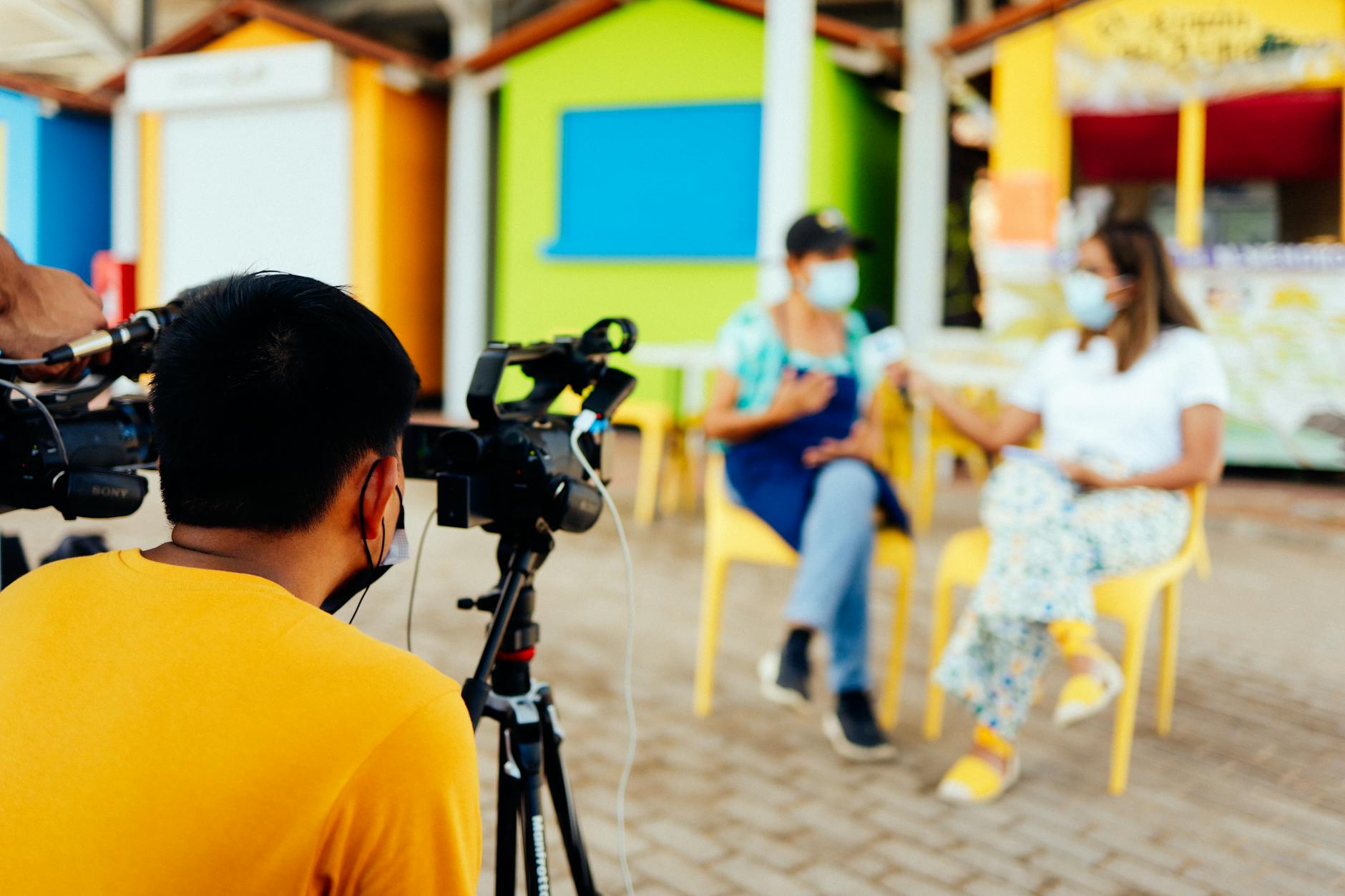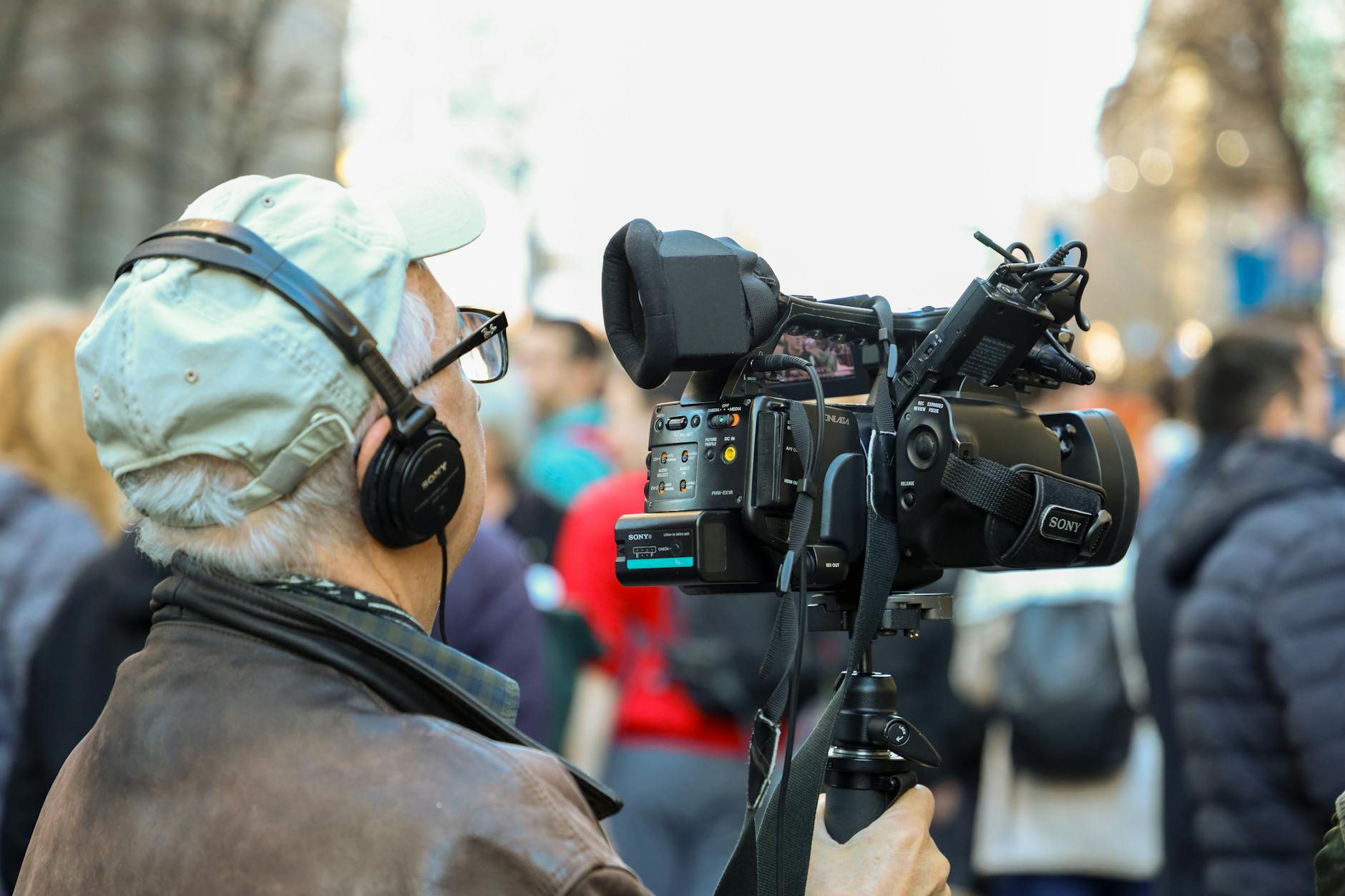
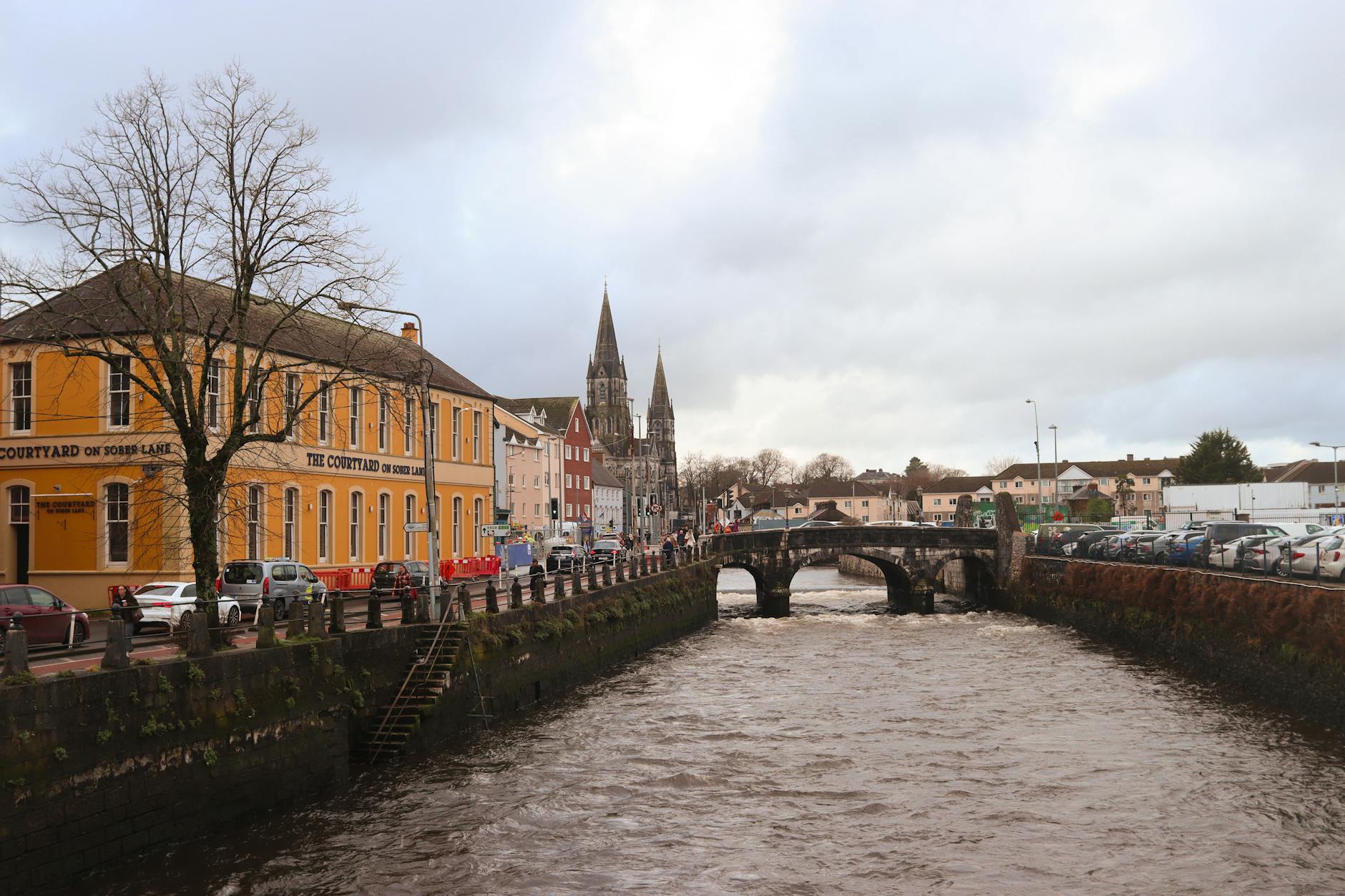
A Cork journalism trip should be built around the assignment map: who must be interviewed, where the story actually sits, whether filming or photography is needed, how public the reporter will be, and how quickly material must be filed. Cork is compact enough to support agile reporting, but only if the logistics are deliberate. The city and county can also complicate a compressed reporting schedule. Rain, source availability, transport outside the center, quiet workspace, local sensitivities, and filming rules can all matter more than the broad travel appeal of Cork.
Map the story before the city
A Cork journalist should begin by separating the story geography from the tourist map. The assignment may sit in the city center, a university setting, a port or industrial area, a rural County Cork community, a court or civic institution, a cultural venue, or a set of sources spread across several places.
Once the reporting geography is clear, the hotel, transport, filming, and filing decisions become easier. Without that map, the reporter may spend the trip chasing logistics instead of the story.
- List sources, locations, institutions, filming needs, and filing deadlines before booking.
- Separate Cork city reporting from Cobh, Kinsale, West Cork, or industrial-site reporting.
- Choose the base by assignment sequence, not by sightseeing preference.
Confirm access and permissions early
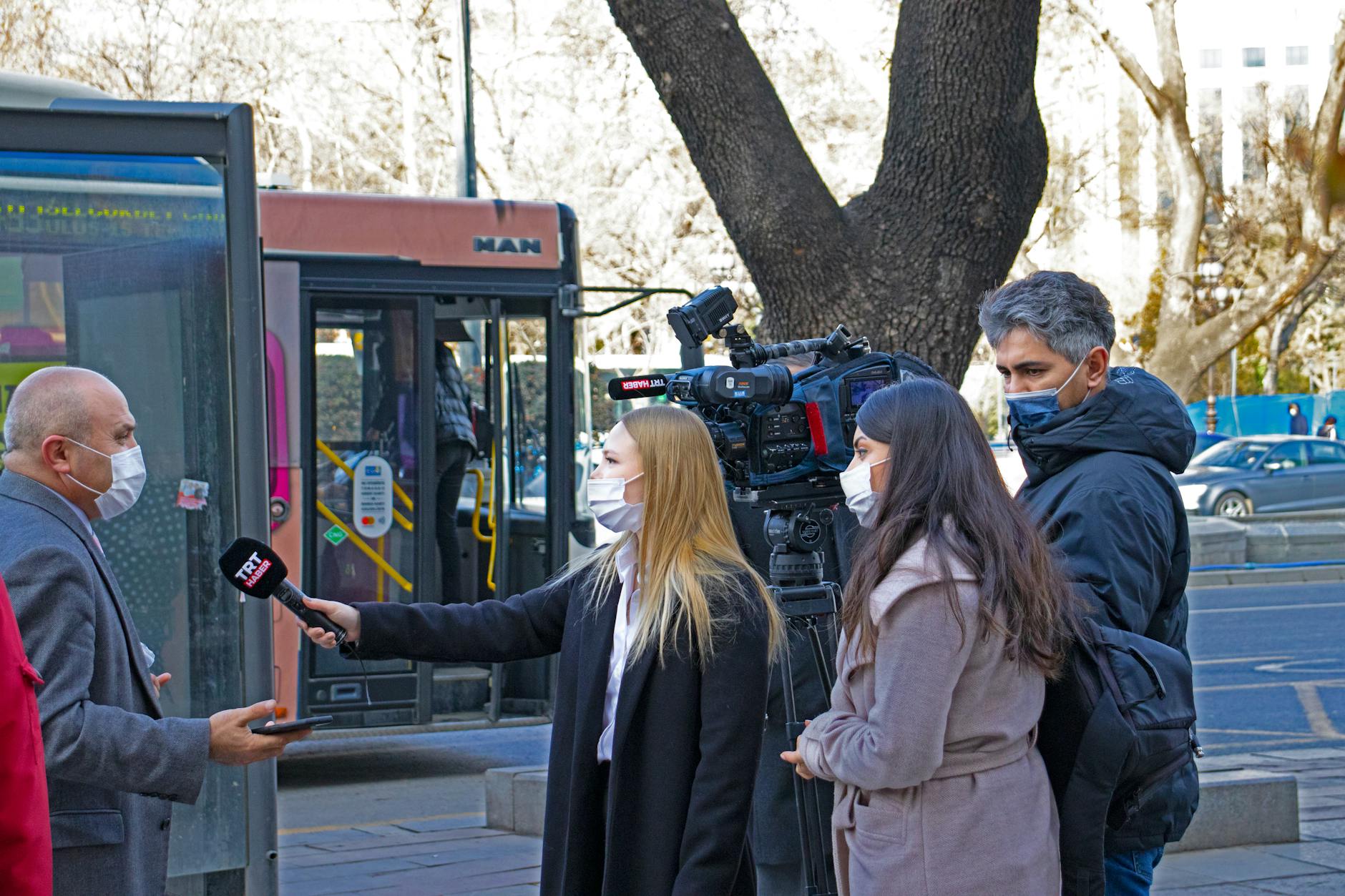
Journalists should verify interview access, press credentials, filming permissions, photography limits, institutional entry, and source comfort before arrival. Cork may feel informal, but schools, hospitals, courts, workplaces, private venues, religious sites, and community organizations still have rules.
A reporter who assumes permission can lose time or damage trust. The tighter the assignment, the more important it is to know which doors are actually open.
- Confirm interviews, credentials, filming permission, photography rules, and institutional entry.
- Check restrictions around schools, health settings, courts, private workplaces, and community organizations.
- Carry written confirmation for access-sensitive locations.
Choose lodging for filing and equipment
A journalist's hotel needs to support more than sleep. Reliable Wi-Fi, desk space, quiet calls, equipment charging, luggage security, early breakfast, late return, and taxi pickup can matter as much as location. A pretty room with weak workspace can make a Cork reporting trip harder than it should be.
The base should also protect equipment and allow quick return between interviews. That is especially important when the assignment involves video, audio, or photography gear.
- Prioritize Wi-Fi, desk space, quiet calls, charging, equipment security, and taxi pickup.
- Check whether the hotel supports late filing or early field starts.
- Choose a base that reduces repeated equipment movement.
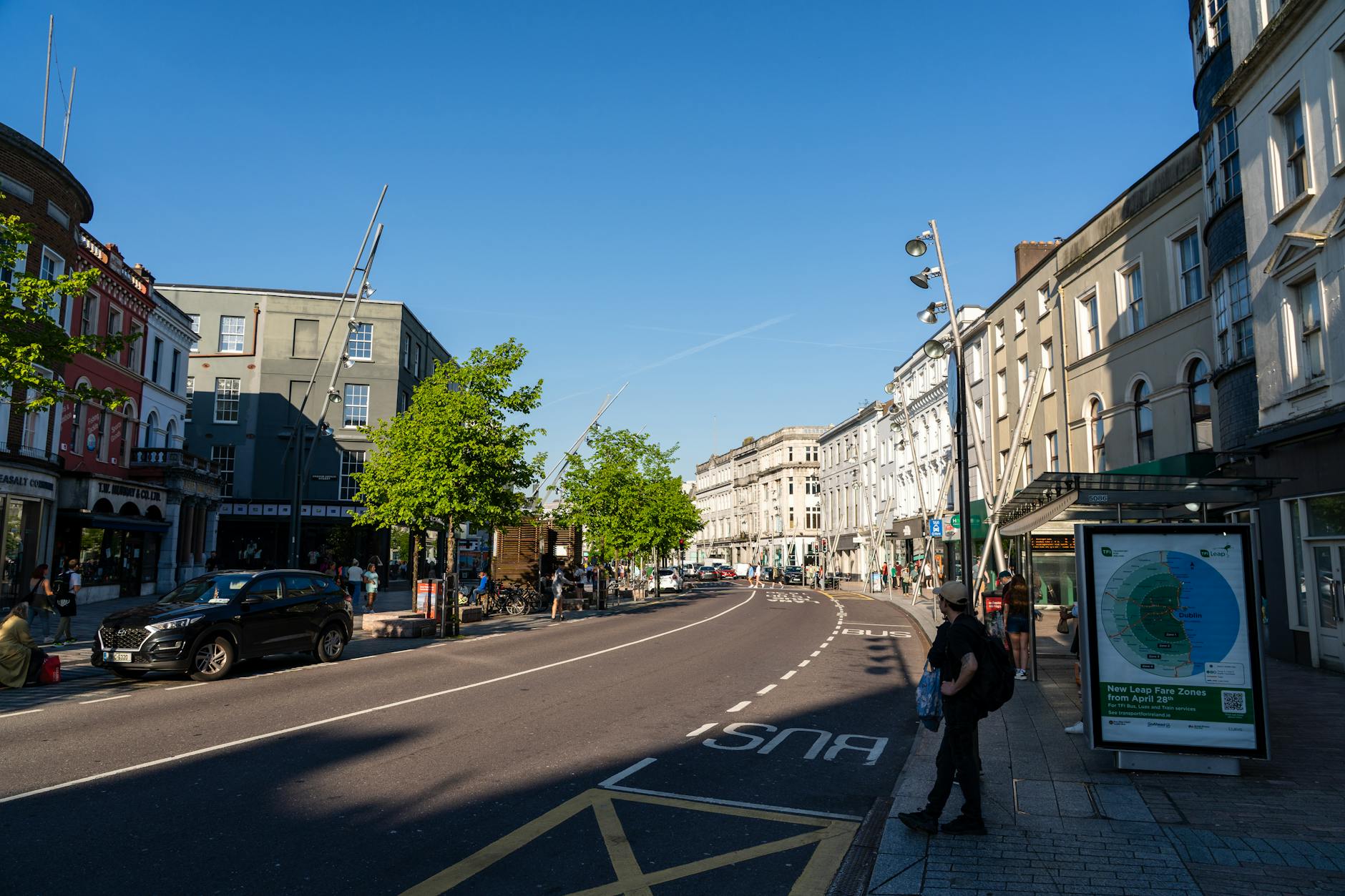
Protect source privacy and local trust
Cork's social scale can be an asset for reporting, but it can also make sources more visible than they expect. Interview locations, photographs, captions, public arrivals, and casual pub conversations can expose people in ways the reporter did not intend. Privacy should be designed into the itinerary.
The journalist should choose interview settings by sensitivity. A cafe or hotel lobby may be convenient and still be wrong for a source who needs discretion.
- Choose interview locations by source sensitivity, not only convenience.
- Think carefully about identifying backgrounds, captions, and public meeting places.
- Do not discuss sensitive reporting casually in taxis, pubs, or crowded hotel areas.
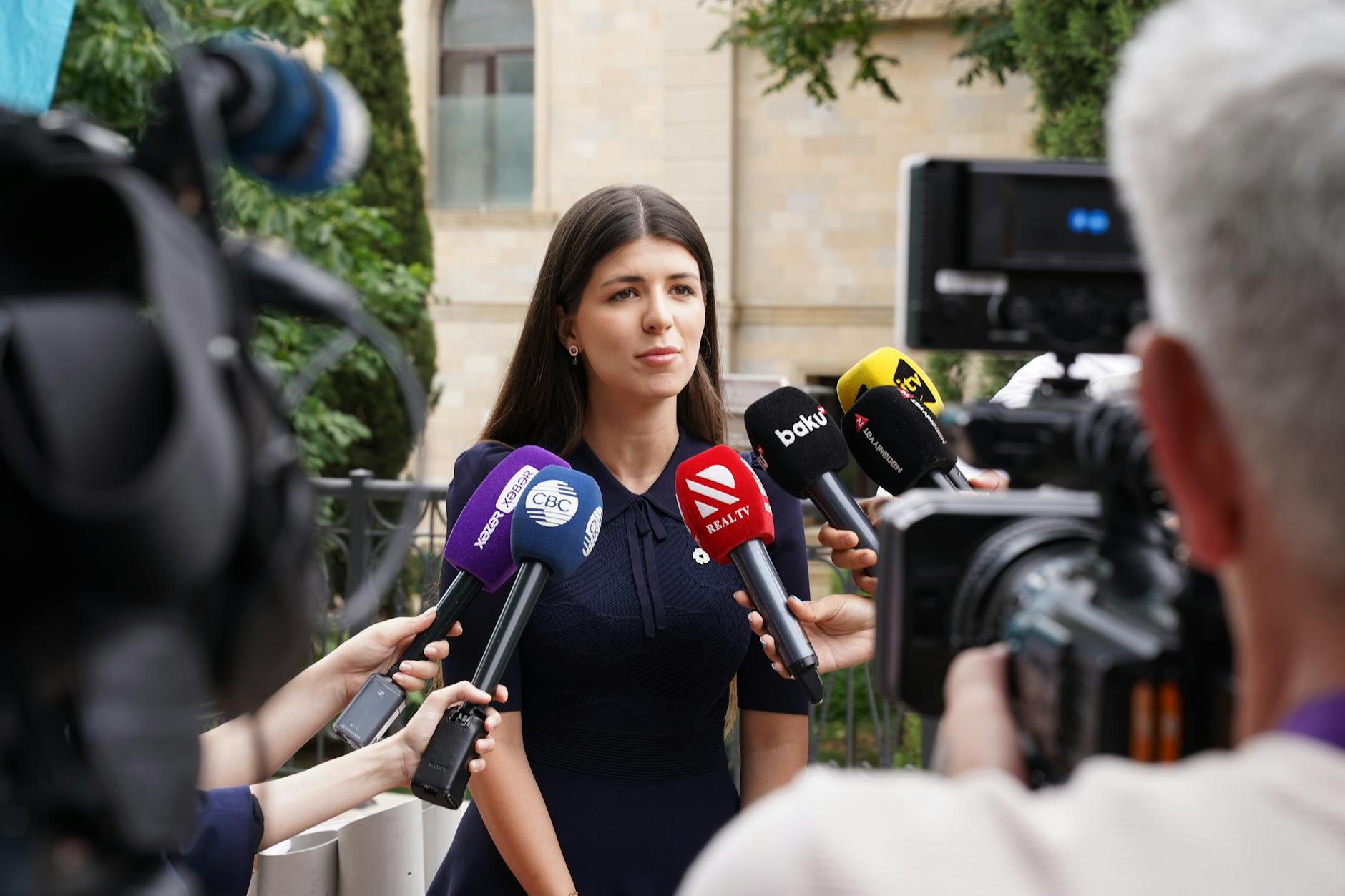
Plan weather, audio, and movement together
Cork weather can affect audio, camera protection, walking routes, taxi demand, source punctuality, and outdoor standups or photographs. Rain is not merely an inconvenience when microphones, lenses, notebooks, and tight interview windows are involved.
The field plan should include indoor alternates, waterproof gear, battery discipline, and realistic transfer time. A good reporting day is usually less packed than it looks on paper.
- Prepare for rain, wind, wet pavements, audio interference, and protected equipment movement.
- Keep indoor alternates for outdoor interviews, standups, and location photography.
- Add transfer buffers when carrying camera, audio, or laptop gear.
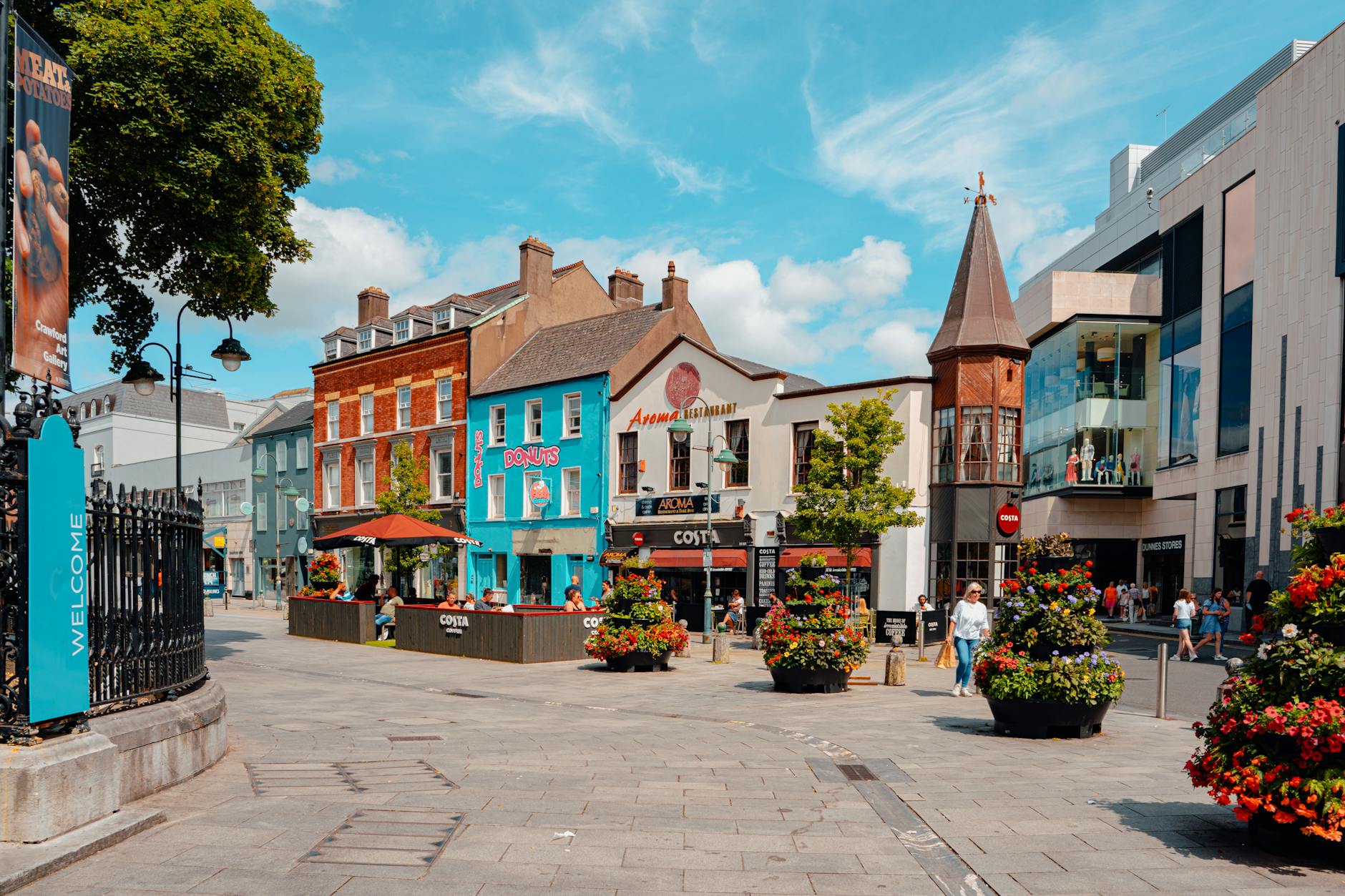
Use County Cork only when the story requires it
Cobh, Kinsale, West Cork, harbor areas, and rural communities can be relevant to a Cork assignment, but they are not casual add-ons when deadlines are tight. Travel time, source reliability, weather, filming permission, and the return filing window should decide whether wider movement belongs in the plan.
The journalist should avoid collecting atmospheric footage at the expense of primary reporting. Context is useful only when it sharpens the story.
- Add Cobh, Kinsale, West Cork, or rural reporting only when it serves the assignment.
- Confirm source timing, transport, filming permission, and return filing windows before leaving the city.
- Do not let scenic context displace evidence or interviews.
When to order a short-term travel report
A journalist with one confirmed Cork city interview and a flexible filing deadline may not need a custom report. A report becomes useful when the assignment includes multiple sources, filming, sensitive interviews, county travel, uncertain access, tight filing windows, equipment-heavy movement, or a need to keep the trip discreet.
The report should test assignment geography, access, hotel workspace, transport, source privacy, weather, filming and photography limits, filing windows, backup locations, and what not to chase. The value is a Cork reporting trip that gives the story enough operational room.
- Order when source access, filming, county movement, privacy, equipment, or deadlines create field risk.
- Provide locations, source types, assignment sensitivity, gear, filing deadlines, hotel ideas, transport comfort, and budget.
- Use the report to protect reporting time from avoidable logistics.