A Cork investor or deal-team visit is usually about judgment under time pressure. The traveler may need to see a management team, a facility, a university or research partner, a port-adjacent site, a pharma or technology location, a hotel meeting room, or several parties across Cork and County Cork. The trip should be designed around diligence, not around the general idea of Cork. The best plan protects confidentiality, movement reliability, prep time, and recovery between high-consequence conversations. Cork's scale helps when the geography is understood. It becomes risky when the team assumes every site is close enough to improvise.
Separate diligence geography from city geography
Deal travel to Cork should begin by mapping the target, advisers, lenders, management meetings, dinners, and any facility or site visits. A central Cork meeting, a Little Island office, a Ringaskiddy-related site, a university connection, or a wider County Cork asset all produce different transport and hotel logic.
The team should not let Cork's compact reputation obscure the actual route. A wrong base can make the day feel rushed before the first serious question is asked.
- Map the target site, advisers, management meetings, dinners, and airport movements before booking.
- Check whether the key locations are central Cork, suburban Cork, port-adjacent, or wider county sites.
- Choose the base by diligence sequence, not by tourist convenience.

Protect confidential work time
Investors and deal teams need places to review notes, compare impressions, handle calls, update models, and work through data-room questions without broadcasting the visit. A hotel lobby may be fine for a casual email and wrong for sensitive discussion. The room, meeting space, and private dining options matter.
The itinerary should include protected work blocks before and after management meetings. Those blocks are part of the diligence process, not administrative leftovers.
- Confirm quiet rooms, private meeting space, reliable Wi-Fi, and secure call locations.
- Build time for data-room review, notes, model updates, and adviser calls.
- Avoid discussing sensitive deal matters in exposed hotel, pub, taxi, or restaurant settings.

Control arrival and departure risk
Cork Airport may be the cleanest route, but deal teams often face limited flight options, late arrivals, or corporate travel constraints that point through Dublin or Shannon. The travel plan should be judged by diligence risk: missed first meeting, tired principals, lost prep time, or a departure that cuts off necessary follow-up.
When the meeting is high stakes, the team should arrive early enough to recover and leave late enough to process what was learned. Saving a night can be expensive if it weakens judgment.
- Compare Cork, Dublin, and Shannon by meeting risk, prep time, and team fatigue.
- Avoid tight same-day arrivals before management presentations or facility tours.
- Protect post-meeting time before departure for internal alignment.

Decide transport by site control
Central Cork meetings can work with taxis and walking. Suburban, industrial, university, port, or county sites may require prebooked taxis, client transport, or a rental car. The team should also consider privacy: a taxi may be convenient but not the right place for sensitive conversation.
The transport plan should identify who is moving together, who needs separate arrival, and how the team returns after dinners or site visits. Deal teams lose discipline when movement is handled casually.
- Choose taxis, client transport, or rental car based on site access, privacy, and timing.
- Confirm parking, reception protocols, visitor entry, and return options for every site.
- Do not rely on sensitive taxi conversations as part of the work process.
Use meals for judgment, not just hospitality
Management dinners, adviser meals, and informal drinks can reveal useful information, but only if the setting supports conversation. Cork's restaurant and pub culture can help, yet noise, table spacing, closing days, taxi return, and group size all affect whether the meal serves the diligence purpose.
The team should be clear about what each meal is for: relationship building, management read, adviser synthesis, or internal alignment. The venue should match the purpose and the confidentiality level.
- Choose meal venues by privacy, noise level, group size, timing, and taxi access.
- Reserve important dinners and avoid leaving sensitive meetings to chance.
- Separate management hospitality from internal deal-team debriefing.

Leave room for Cork context without overreading it
A deal visit may benefit from seeing Cork's city center, university life, port links, food scene, housing pressure, commutes, or regional business geography. Those observations can add context, but they should not become casual conclusions about the target's prospects.
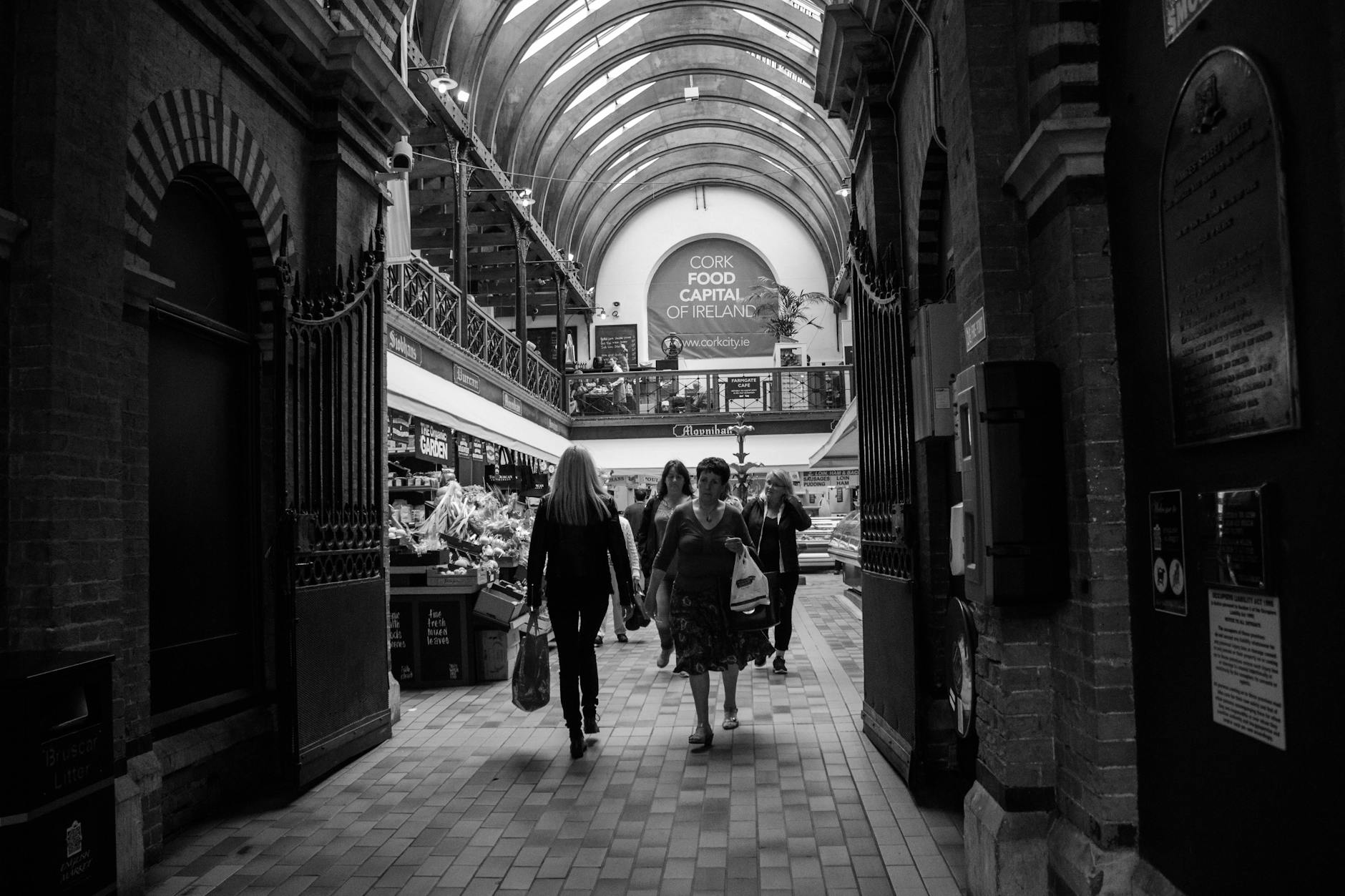
The team should decide which local observations actually matter to the investment question. The English Market, city streets, or a river walk may be useful context only if they connect to labor, customers, logistics, management retention, or market positioning.
- Use local context only when it connects to the actual investment thesis.
- Do not mistake a pleasant city impression for target-specific diligence.
- Protect time for evidence, not just atmosphere.
When to order a short-term travel report
An investor or deal-team member with one central meeting and direct Cork flights may not need a custom report. A report becomes useful when the visit includes multiple sites, confidential work needs, a management dinner, county travel, airport tradeoffs, a rental-car decision, or several stakeholders whose timing must be coordinated.
The report should test airport routing, hotel base, private work options, site geography, transport mode, meal strategy, weather, team movement, contingency time, and what not to add. The value is a Cork diligence trip that protects judgment and discretion.
- Order when site visits, airport routing, lodging, private work, meals, or team movement could affect diligence quality.
- Provide locations, meeting schedule, team size, confidentiality needs, airport options, hotel candidates, meal plans, and budget.
- Use the report to keep the deal visit disciplined, private, and correctly paced.