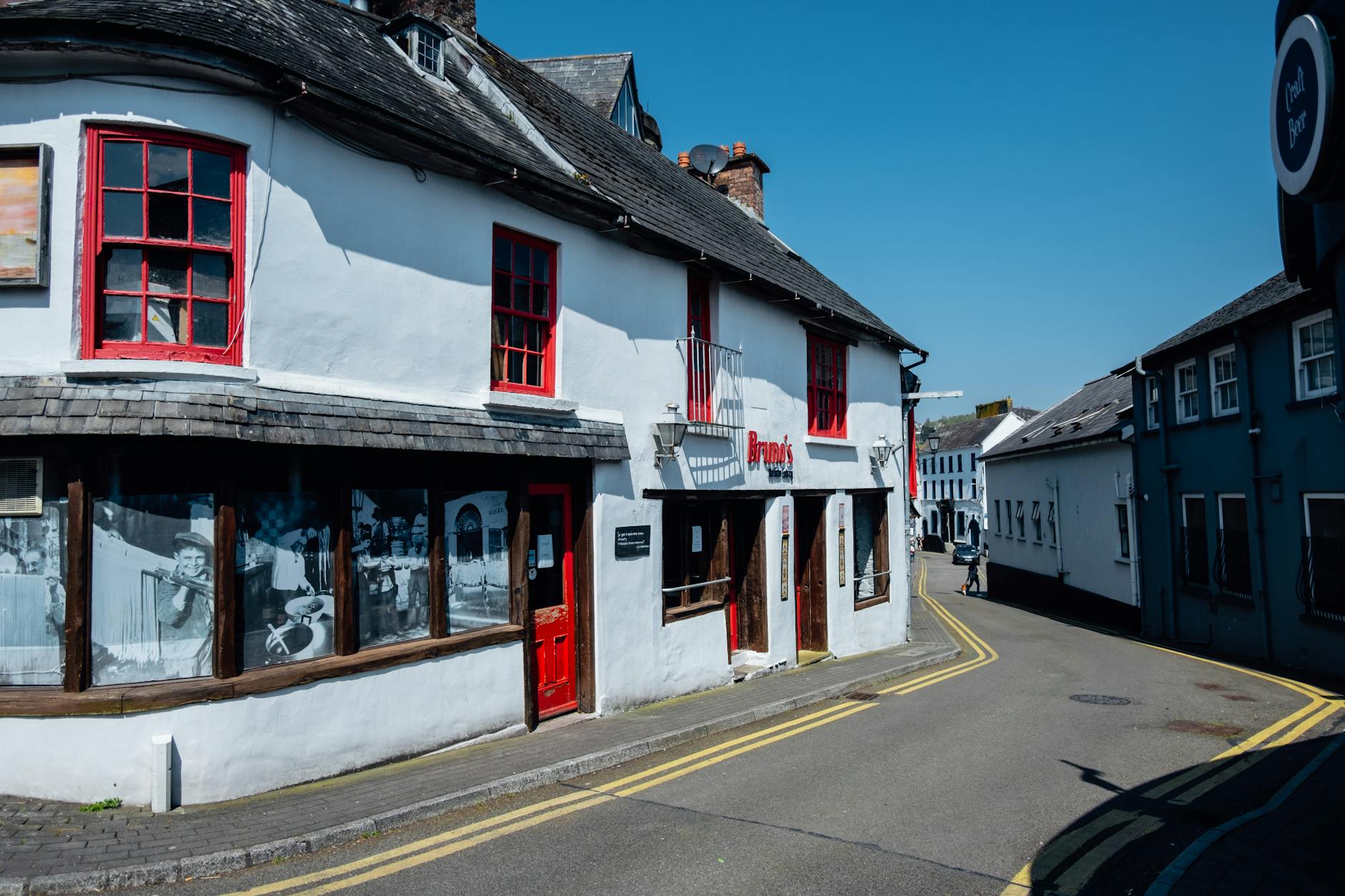
Cork rewards first-time visitors who treat it as a confident southern Irish city rather than a secondary stop after Dublin. The city is compact enough to feel approachable, but its value comes from food, river streets, neighborhoods, pubs, local confidence, and the wider County Cork possibilities around Cobh, Kinsale, and coastal or harbor settings. A first-time visitor should avoid trying to make Cork do every version of Ireland at once. The best short trip chooses a strong base, learns the city rhythm, protects meal and market time, and adds one wider County Cork move only when the schedule can absorb it.
Decide whether the trip is Cork city or County Cork
First-time visitors often blur Cork city and County Cork into one idea. That can create a satisfying trip, but only if the traveler chooses the balance deliberately. A city-first visit should focus on food, markets, river walks, pubs, neighborhoods, and a grounded hotel. A county-first visit needs more transport discipline and fewer city assumptions.
A short stay should not try to collect Cork, Cobh, Kinsale, Blarney, coastal villages, and every pub in one pass. Cork gets better when the traveler lets one version of the place lead.
- Choose whether Cork city, Cobh, Kinsale, harbor scenery, or a mixed stay is the main purpose.
- Do not overload a short first visit with too many County Cork day trips.
- Let the hotel location match the version of Cork you are actually planning.
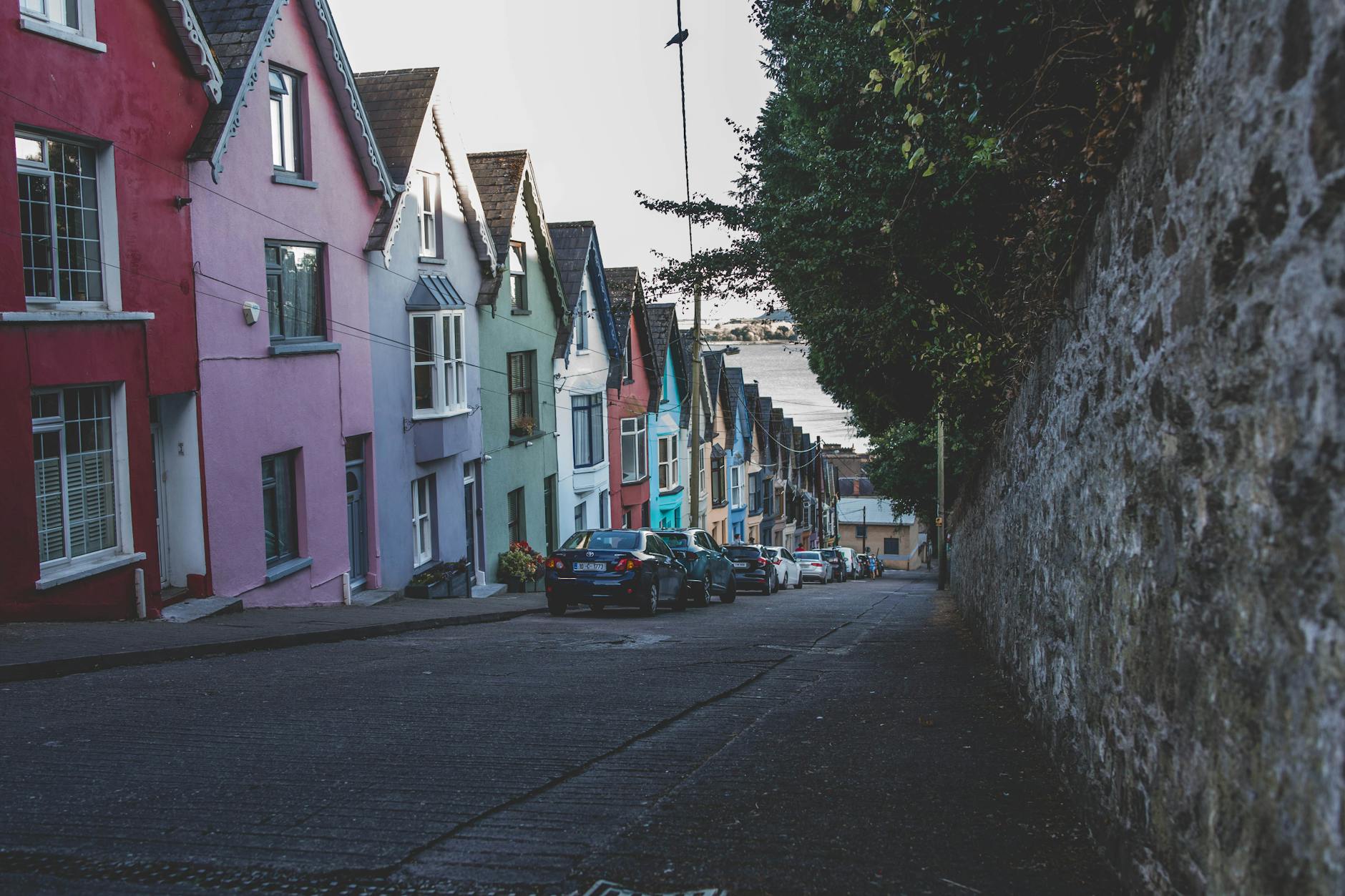
Choose access with the whole route in mind
Cork Airport can make arrival simple when flights line up, but first-time visitors may also arrive through Dublin or Shannon. The right choice depends on fare, flight time, rail or coach plans, rental car comfort, and whether the trip continues elsewhere in Ireland. A cheaper airport can make the first day feel like logistics instead of arrival.
The traveler should map arrival to the hotel and first evening before booking. If the first night is meant to be relaxed, the route should support that rather than dropping the visitor into a late train, long drive, or uncertain taxi plan.
- Compare Cork, Dublin, and Shannon by total travel time, cost, fatigue, and onward route.
- Map arrival to hotel, food, check-in, and first evening before choosing flights.
- Do not let a lower fare create an exhausted first impression.

Stay where evenings are easy
Cork works best for first-time visitors when the hotel supports walking, meals, pubs, market visits, and easy return after dark. A central base can make the city feel confident and low-friction. A distant or awkward base can turn a compact city into repeated transport decisions.
The traveler should check noise, hills, rain exposure, luggage storage, breakfast, taxis, and the walk back from dinner. The best hotel may not be the most romantic listing. It is the one that lets the visitor use the city without constantly recalculating.
- Check walking routes, hills, rain exposure, taxis, breakfast, noise, and evening return.
- Choose a base that supports meals, pubs, market time, and low-friction movement.
- Avoid lodging that makes every Cork experience require a transfer.
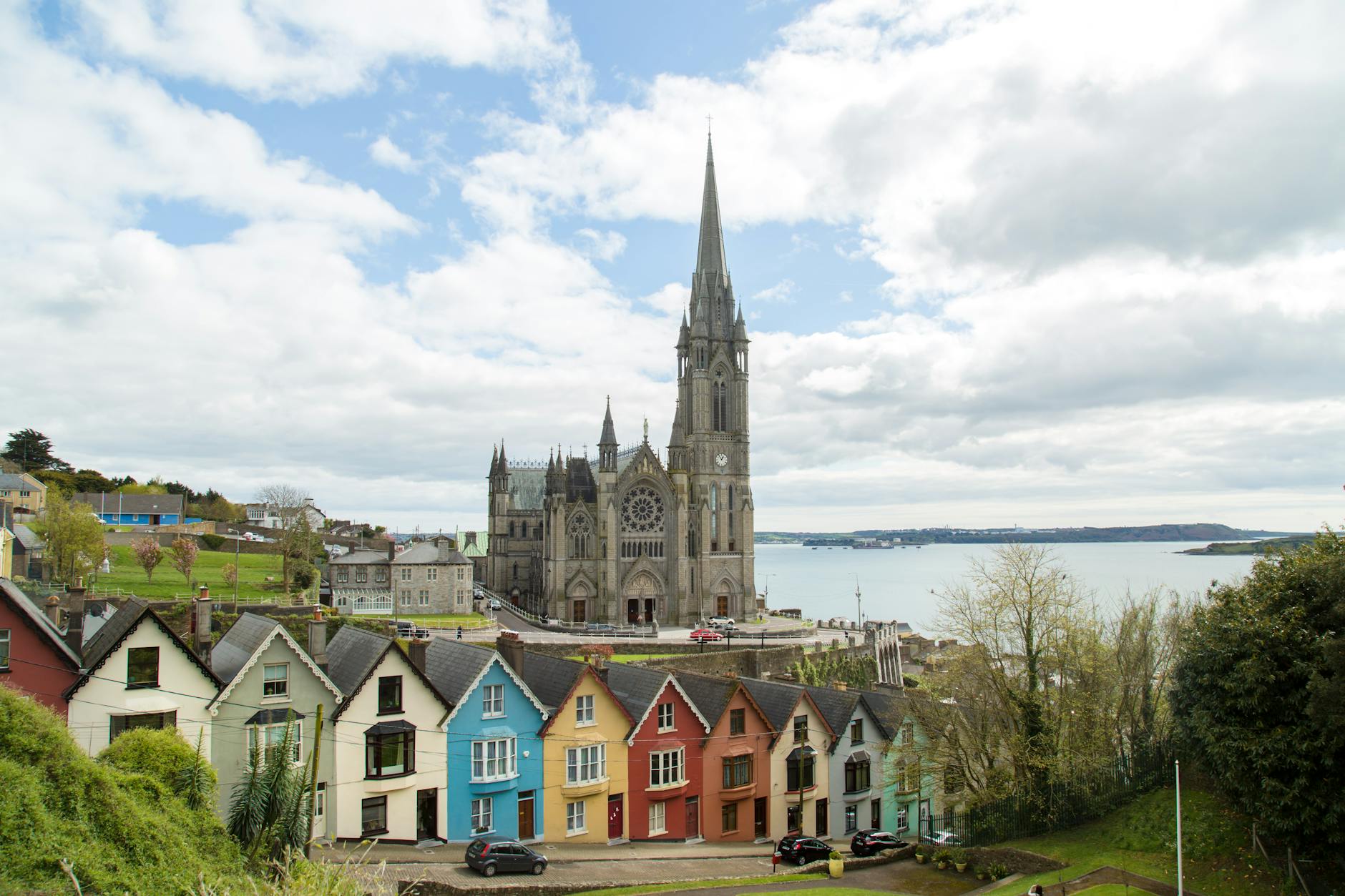
Let food and markets structure the day
Food is not a side detail in Cork. Market time, coffee, casual lunches, restaurants, and pubs can carry much of the first-time experience. A visitor who overfills the day with sightseeing may miss what makes Cork feel local and lived-in.
The traveler should plan at least one meal or market moment with intention, while leaving room for weather and opening hours. Cork is not only a list of sights. It is also a city of appetite, conversation, and street rhythm.
- Protect time for market browsing, coffee, lunch, dinner, and a well-chosen pub or bar.
- Check opening days, reservation pressure, dietary needs, and rain-friendly routes.
- Use meals to understand Cork rather than treating them as gaps between attractions.
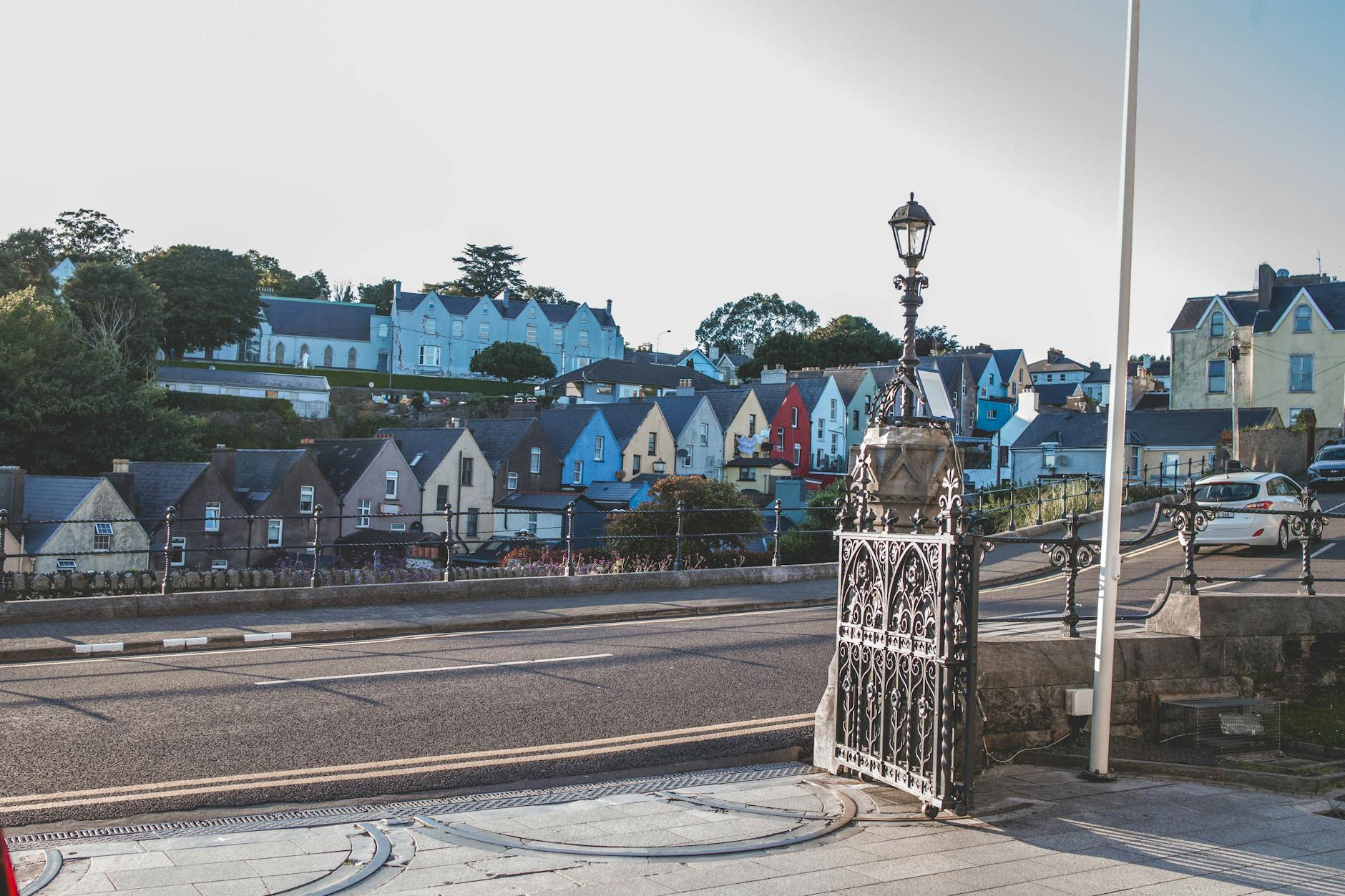
Add Cobh or Kinsale with restraint
Cobh and Kinsale can make a first Cork visit richer, but they should not be added casually just because they are nearby on a map. Each takes time, weather attention, transport planning, and enough energy to enjoy after the return. A day trip should clarify the trip, not scatter it.
The visitor should choose one wider County Cork move if the stay is short. A harbor town, coastal meal, or historic street can be excellent when it has space. It becomes weaker when squeezed between late arrival and early departure.
- Choose one wider County Cork day trip rather than several shallow add-ons.
- Check train, bus, rental car, taxi, weather, meal timing, and return plans.
- Skip the day trip if it leaves too little time for Cork city itself.
Plan for rain, slopes, and slower streets
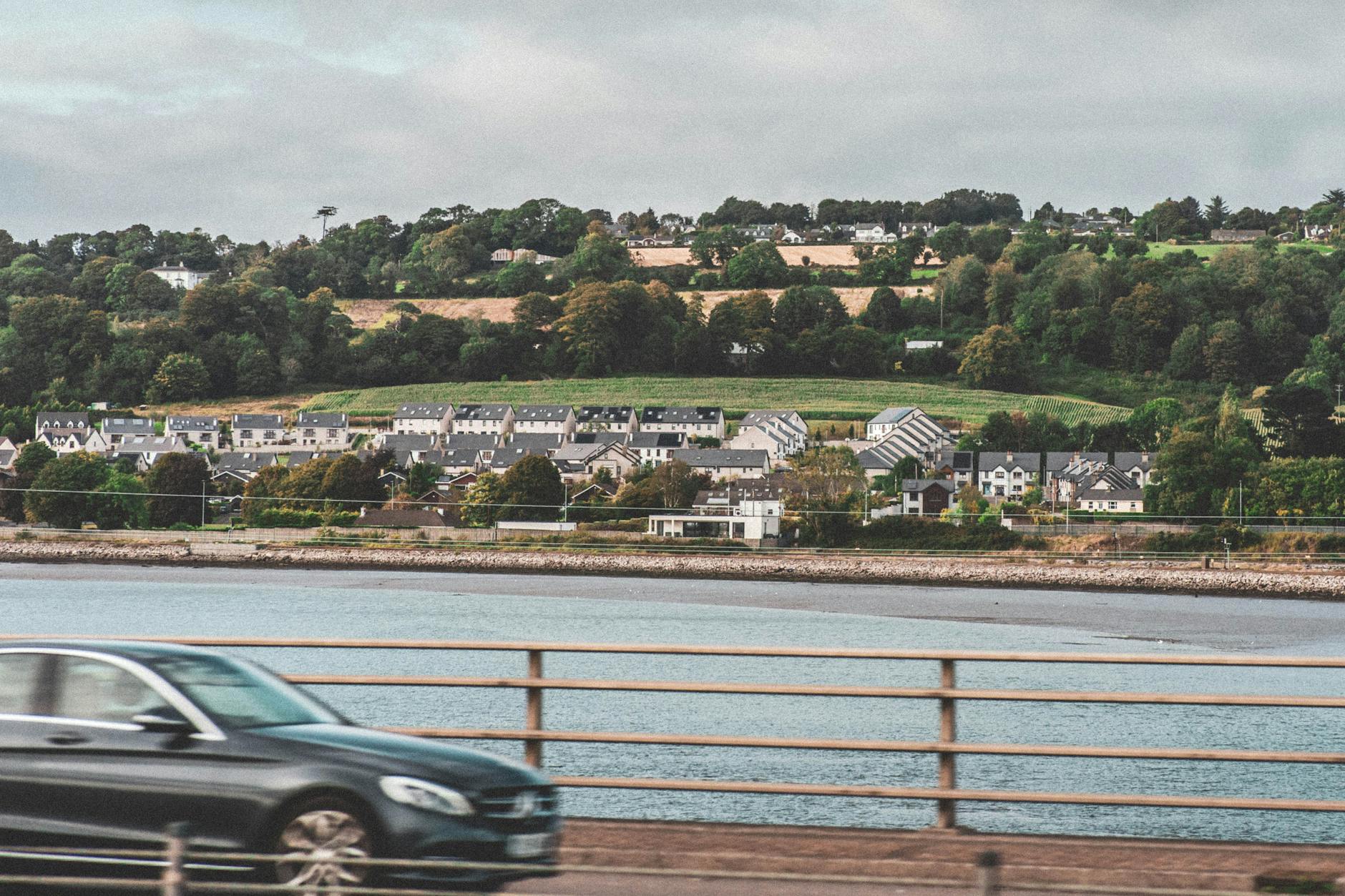
Cork is walkable in parts, but rain, wet pavements, slopes, bridges, crowds, and evening pub movement can affect comfort. A first-time visitor should pack practical shoes, a rain layer, and enough patience to let the city unfold. Bad weather does not ruin Cork if the itinerary has indoor and food-based alternatives.
The schedule should include places to pause. A compact city can still tire visitors who arrive jet-lagged, overbook day trips, or underestimate evening walks back to the hotel.
- Pack practical shoes, a rain layer, and clothes that work from daytime streets to dinner.
- Keep indoor, food, and museum options ready for wet weather.
- Avoid planning every hour as if Cork were flat, dry, and frictionless.
When to order a short-term travel report
A first-time visitor with flexible dates, a central hotel, and a simple Cork Airport arrival may not need a custom report. A report becomes useful when the traveler is choosing between Cork, Dublin, and Shannon access, trying to add Cobh or Kinsale, traveling with mobility limits, planning around rain, deciding between city and county focus, or trying to make a short stay feel substantial.
The report should test access, hotel location, first evening, food rhythm, day-trip choices, weather, walking comfort, budget, contingency, and what to skip. The value is a first Cork trip that feels edited rather than improvised.
- Order when airport choice, hotel location, day trips, weather, mobility, or pacing needs testing.
- Provide dates, arrival point, hotel ideas, interests, mobility constraints, meal preferences, day-trip goals, and budget.
- Use the report to decide what Cork should be on a short first visit.