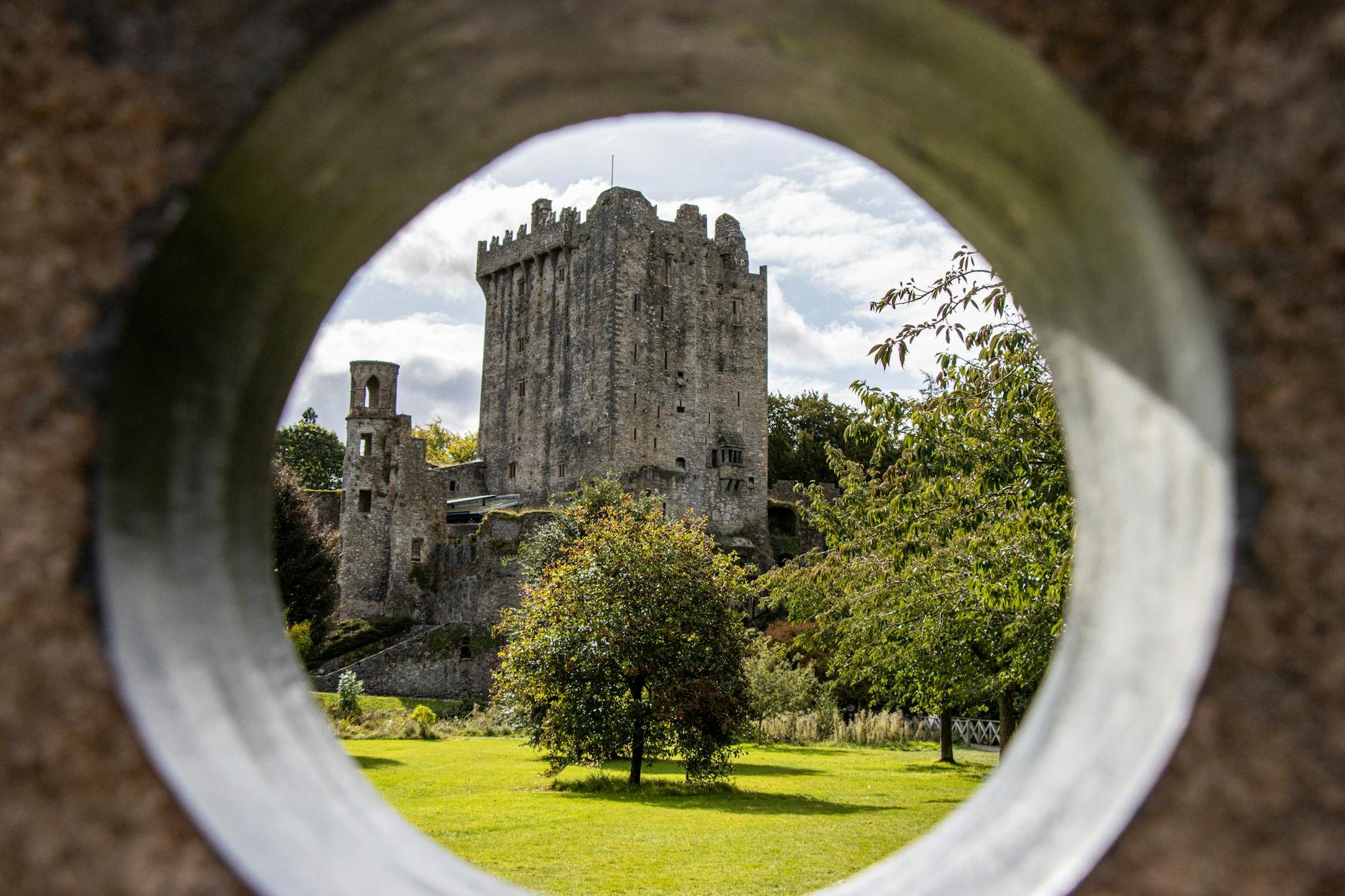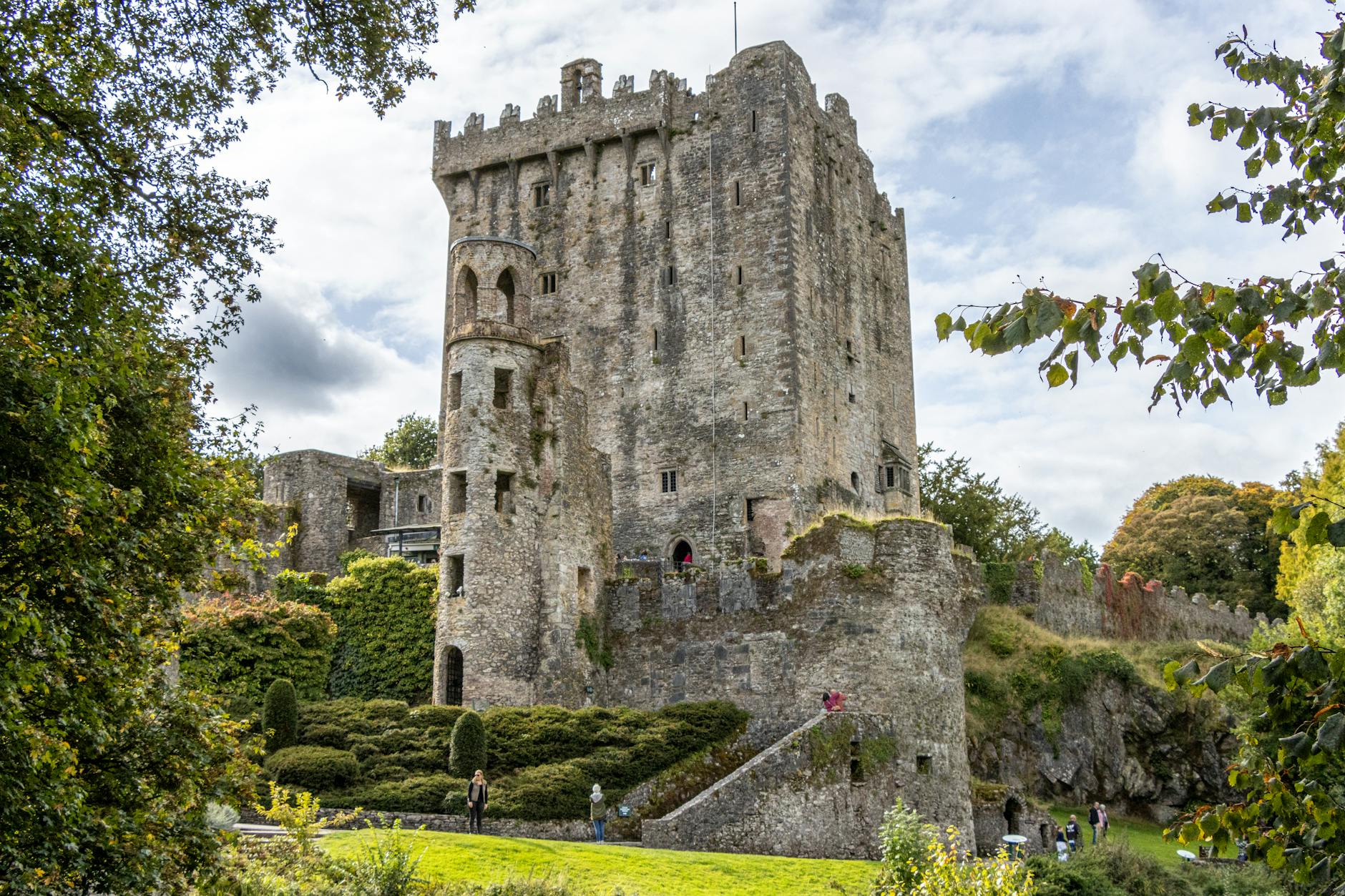
Cork can work well for families because it offers a compact city, food, markets, castles, gardens, harbor towns, wildlife options, and coast within reach. It also punishes vague planning. Rain, hills, tired children, car seats, meal timing, toilets, and day-trip logistics can quickly decide whether the trip feels charming or difficult. A strong family Cork itinerary should choose fewer moves, protect the first day, place meals early enough, and decide which County Cork outing actually fits the children in the group. The trip should feel local and memorable without asking children to behave like miniature adult tourists.
Plan by child age and energy first
A Cork family trip with toddlers, school-age children, teenagers, grandparents, or a mixed group should not use one generic plan. Nap needs, walking tolerance, food flexibility, stroller use, car seats, museum patience, and evening energy all change the answer. The itinerary should begin with the least flexible traveler.
Families often overestimate how many castles, markets, harbor towns, and meals can fit into a short stay. Cork works better when the family chooses one or two anchors and builds recovery around them.
- Plan around nap needs, walking tolerance, food timing, stroller use, car seats, and teen interests.
- Choose one or two family anchors instead of filling every day with attractions.
- Protect adults from carrying the whole trip through tired children and bad weather.
Make arrival and lodging family-proof
Cork Airport can make family arrival easier when flights line up, but families may still enter through Dublin or Shannon. The route should be judged by total fatigue, luggage, bathroom breaks, meal timing, car seats, rail or coach complexity, and how children handle a long transfer after flying.
Lodging should be checked for room configuration, stairs or lift, crib or bed setup, breakfast, laundry, noise, nearby food, taxis, parking, and the walk back after dinner. A family-friendly base is often worth more than a prettier but awkward property.
- Compare airports by total family fatigue, luggage, food, bathrooms, car seats, and arrival hour.
- Confirm room layout, lift access, crib or bed setup, laundry, breakfast, parking, and noise.
- Choose a base that makes evenings and rainy returns manageable.
Use Cork city for food, shelter, and rhythm
Cork city can give families a useful rhythm: market time, short walks, coffee or snacks, one cultural stop, and a dinner that does not require a long transfer. The English Market and central streets can be engaging, but children still need breaks, bathrooms, and food before the adults think they do.
The family should keep rainy-day options close to the hotel and avoid treating every city walk as open-ended. A compact city is still tiring when children are wet, hungry, or bored.
- Use market visits, snacks, short walks, and early meals to regulate the day.
- Identify toilets, indoor stops, and backup places before rain or hunger appears.
- Keep city loops short enough for the youngest or most tired traveler.

Choose Blarney, Fota, or harbor towns selectively
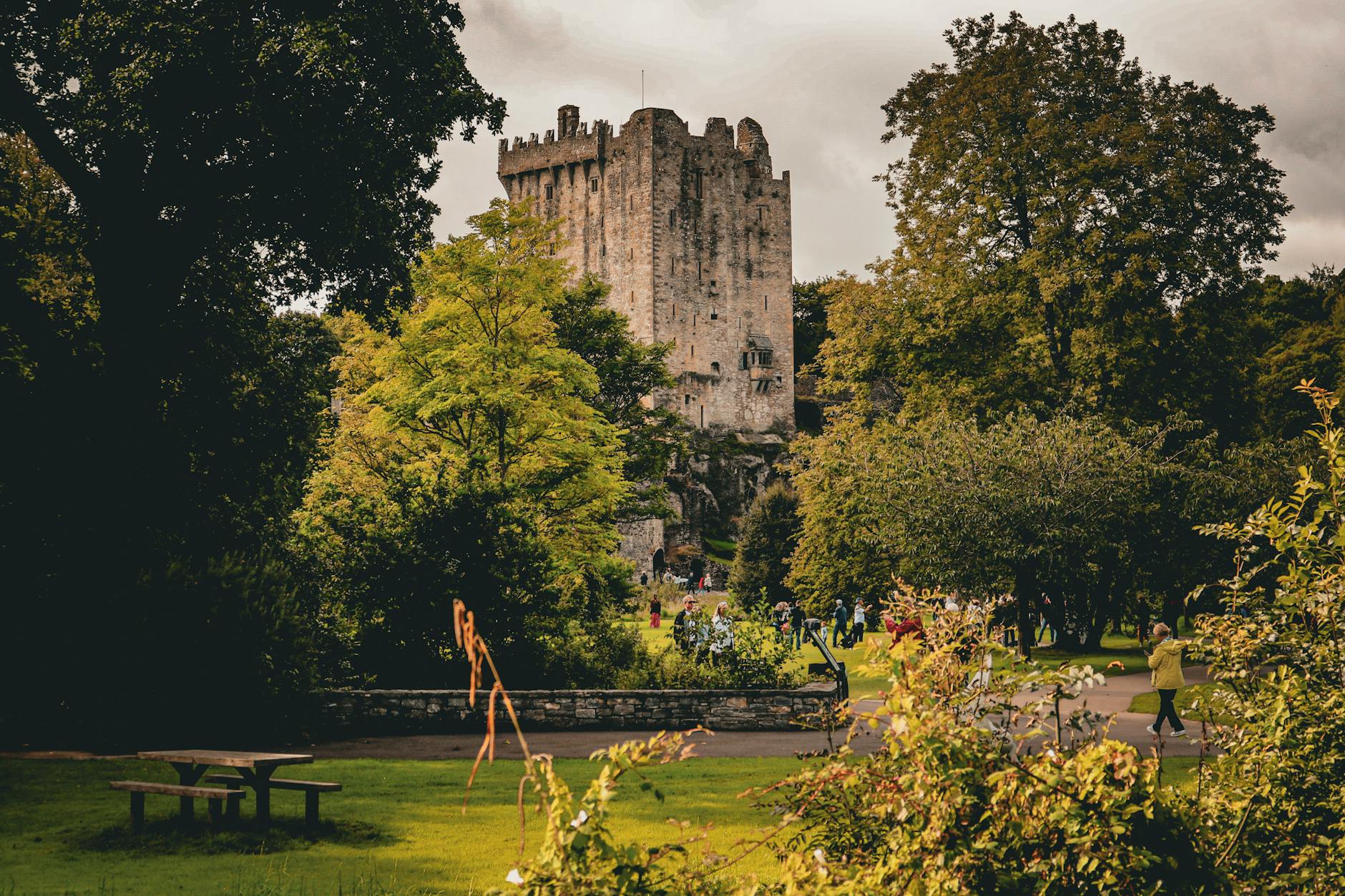
Blarney, Fota, Cobh, Kinsale, beaches, gardens, and harbor views can all be family-friendly in the right conditions. They are not interchangeable. Blarney may work for castle grounds and gardens, Fota may suit animal-focused children, Cobh can work for harbor atmosphere, and Kinsale can be good when food and strolling are the point.
The family should choose by age, weather, transport, bathrooms, food, and return timing. One excellent County Cork day is stronger than a schedule that drags children through three half-successful outings.
- Match Blarney, Fota, Cobh, Kinsale, or beach time to child age and weather.
- Check transport, bathrooms, food, stroller access, car seats, and return plans.
- Choose one strong outing instead of several exhausting ones.

Keep Cobh and Kinsale from becoming forced marches
Cobh and Kinsale are attractive family additions, but the experience depends on timing. A harbor stroll, colorful streets, a meal, a short museum stop, or a boat-and-waterfront day can be enough. Families should not turn these towns into long adult sightseeing routes if children only need a focused outing and a reliable return.
Transport matters. Rail, bus, taxi, rental car, or a driver will each change the day. Parents should know how they are getting back before the first tired child asks.
- Use Cobh or Kinsale for a focused harbor, street, meal, or short cultural outing.
- Confirm the return transport before committing to the day.
- Cut the route down when weather, hunger, or tired children make the original plan too ambitious.
Budget for comfort, not only attractions
Family costs in Cork are not limited to tickets. The real budget includes room size, breakfast, taxis, car seats, laundry, snacks, weather gear, backup meals, day-trip transport, and the occasional paid convenience that prevents a bad afternoon. Cutting every comfort item can make the trip more expensive in stress.
Parents should identify which spending actually protects the trip: a better room, central lodging, a driver for one day, earlier dinner reservations, flexible tickets, or a taxi back in rain. Cork is easier when the budget includes recovery.
- Budget rooms, meals, snacks, taxis, laundry, car seats, rain gear, tickets, and day-trip transport together.
- Spend on the comforts that prevent child fatigue from controlling the itinerary.
- Keep flexible money for wet weather and tired evenings.
When to order a short-term travel report
A family with older children, flexible dates, a central hotel, and a simple Cork Airport arrival may not need a custom report. A report becomes useful when the family is comparing airports, managing strollers or car seats, traveling with grandparents, choosing between Blarney, Fota, Cobh, and Kinsale, planning around rain, or trying to make a short stay satisfy both adults and children.
The report should test arrival, lodging, room setup, family walking loops, meals, toilets, transport, weather alternatives, day-trip choices, budget, and what to cut. The value is a Cork family trip with enough structure to stay enjoyable when children, weather, or logistics change the day.
- Order when airports, room setup, children, grandparents, day trips, rain, or transport need closer testing.
- Provide dates, ages, arrival options, hotel ideas, stroller or car-seat needs, interests, food constraints, and budget.
- Use the report to make the family trip realistic without making it dull.