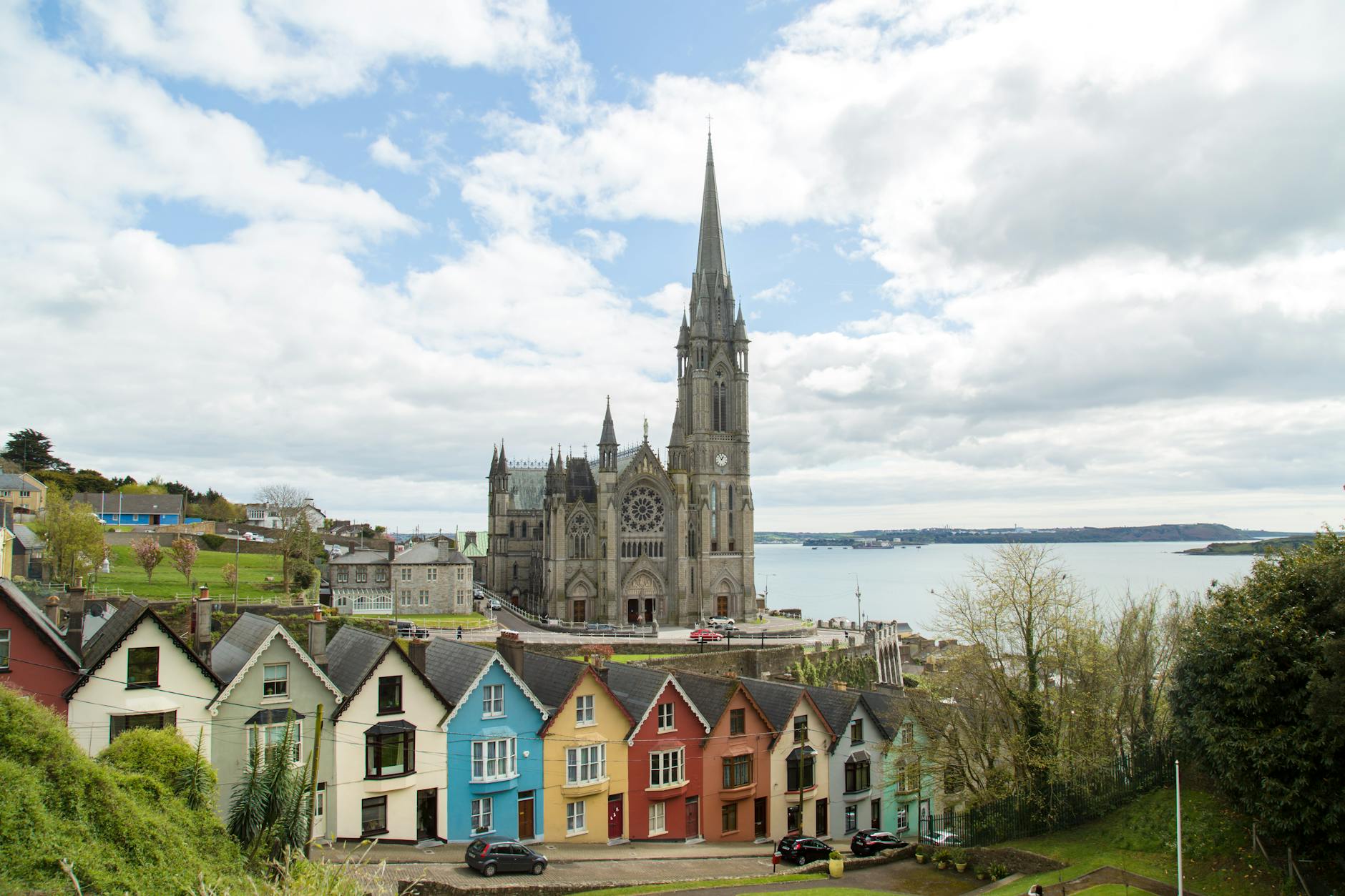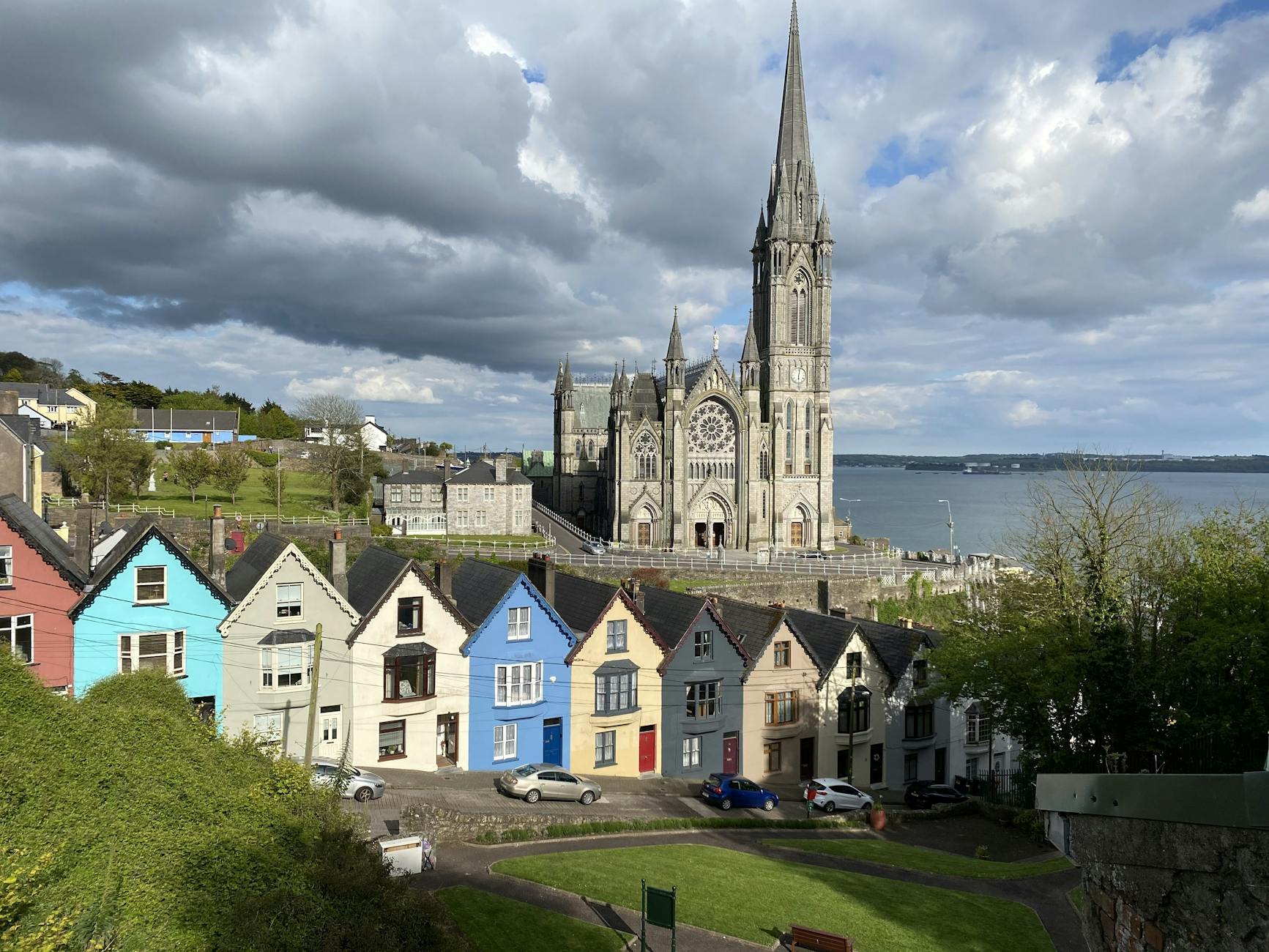
A Cork cruise or port-call day usually starts with Cobh, not with Cork city itself. That distinction matters. Cobh can be the easiest and most atmospheric choice for some travelers, while Cork city, Blarney, Kinsale, Midleton, or a private County Cork drive may be better for others. The right plan depends on ship timing, mobility, weather, tour availability, and how much risk the traveler is willing to carry. Cruise travelers should treat the day as a port operation, not as a normal city break. The return to ship is the fixed point. Everything else, including lunch, shopping, churches, museums, taxis, trains, and photo stops, should be built around that deadline.
Start with Cobh, not the brochure map
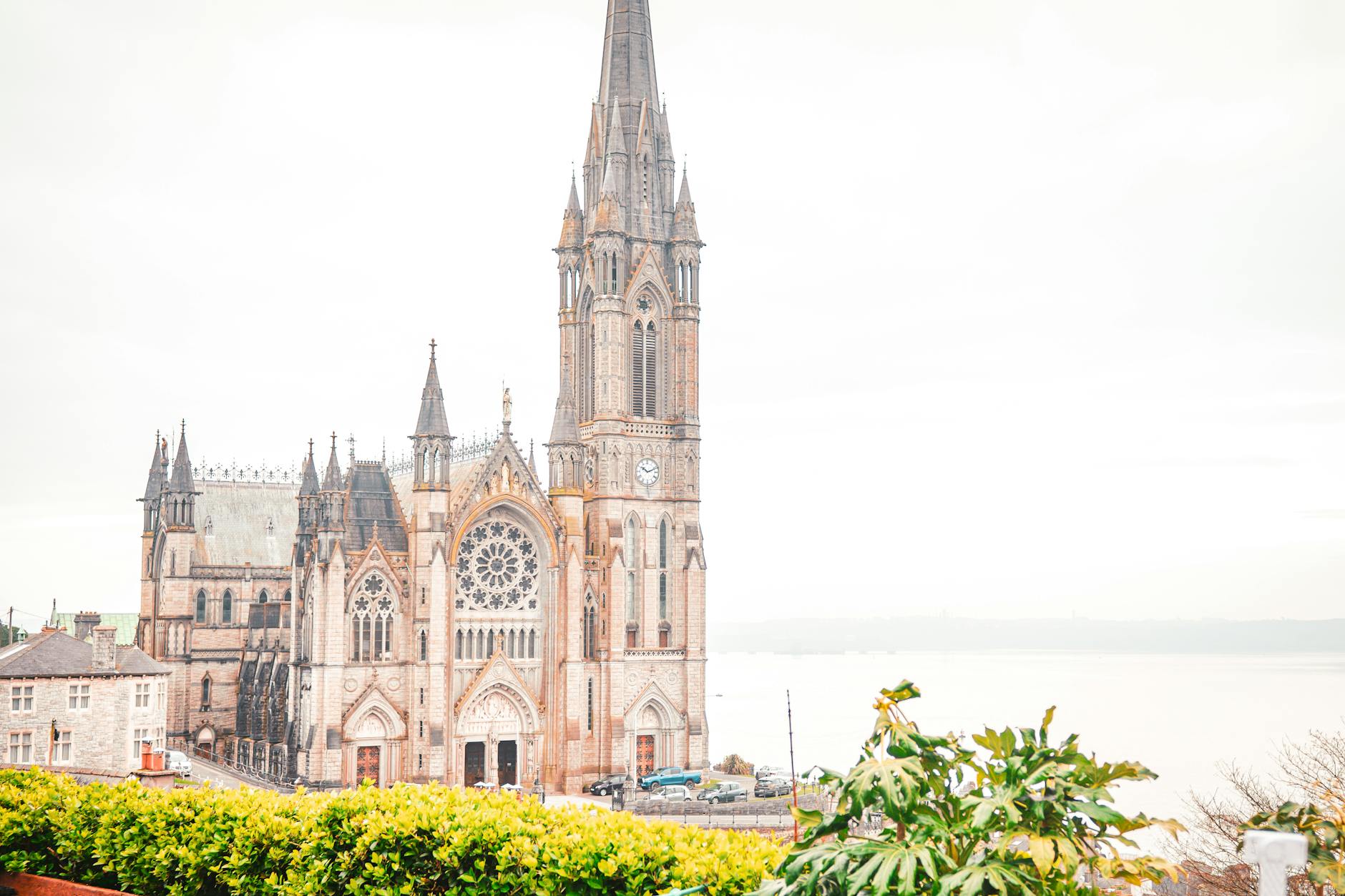
For many cruise passengers, Cobh is the immediate port experience and Cork city is the optional movement. Cobh has waterfront color, St. Colman's Cathedral, Titanic and emigration context, local cafes, hillside walking, and an easy sense of place. That may be enough for travelers who want a lower-risk port day.
Other travelers may still prefer Cork city, Blarney, Kinsale, or Midleton. The mistake is assuming that all of them fit naturally into one call. The ship clock should decide how ambitious the day can be.
- Decide whether Cobh itself is the main port day or only the starting point.
- Separate easy Cobh time from Cork city, Blarney, Kinsale, Midleton, and private-driver plans.
- Build the day around actual port hours rather than a county-wide wish list.
Protect the return to ship
The return deadline is not a suggestion. Trains, roads, taxis, queues, shopping, lunch service, weather, and group delays can all consume more time than expected. A traveler who uses independent transport should understand the last safe return option, not merely the last possible one.
If the ship provides a transfer or excursion, the traveler should still know the meeting point and return window. If using rail or a private driver, the schedule needs a buffer that would still work after a modest disruption.
- Identify the all-aboard time, last safe return, transfer point, and backup return method.
- Use independent transport only when the timing has real margin.
- Avoid placing shopping, pub stops, or distant sightseeing late in the port call.
Choose one outside objective
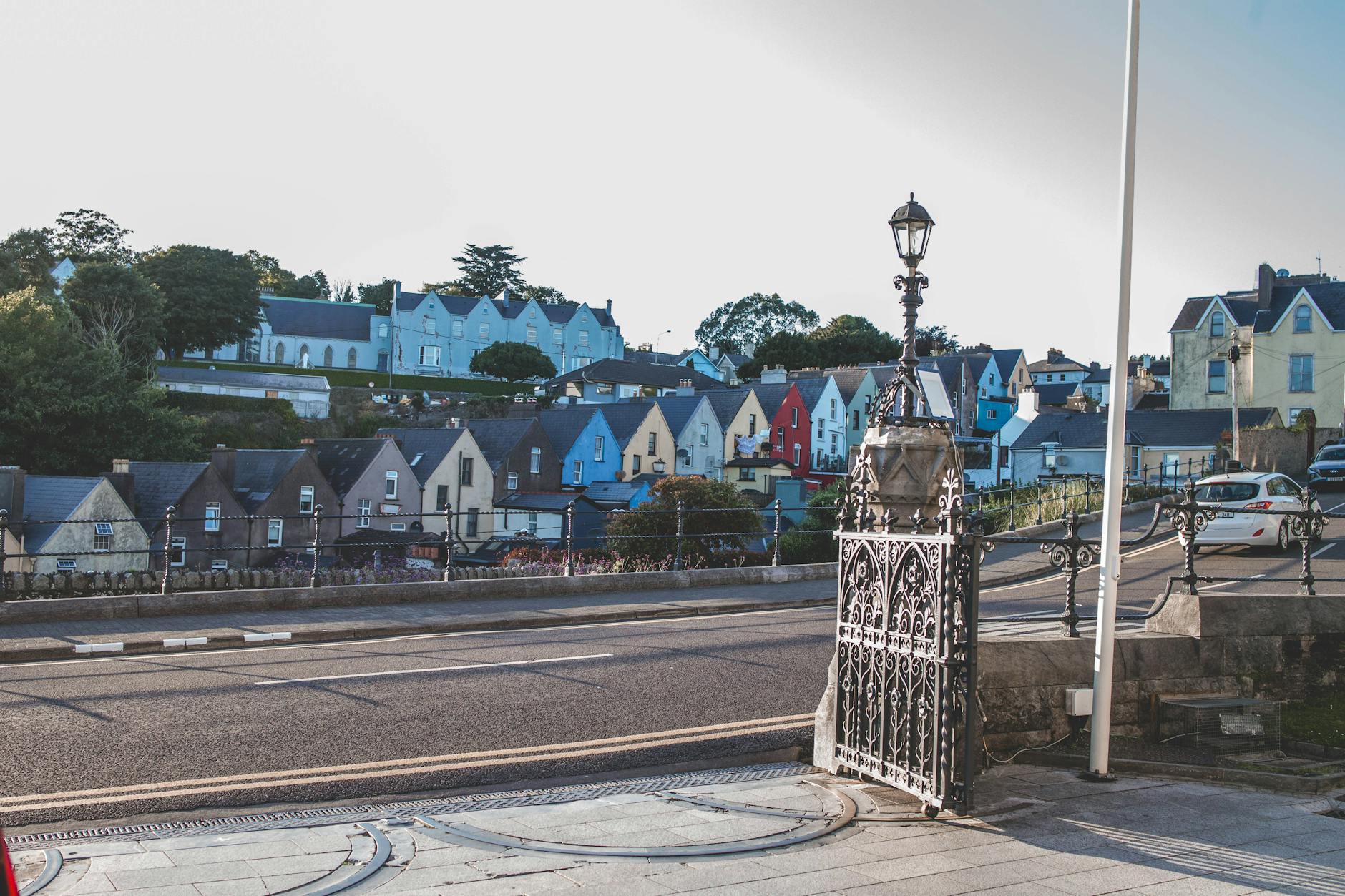
Cork city, Blarney, Kinsale, and Midleton can each make sense from a port call, but they should not all be treated as casual additions. Cork city suits markets, food, streets, and urban time. Blarney suits castle-focused visitors. Kinsale suits harbor scenery and food. Midleton may suit whiskey interests.
A stronger shore day usually has one outside objective and one fallback. The more places added, the more the traveler spends the port call moving instead of experiencing southern Ireland.
- Pick Cork city, Blarney, Kinsale, Midleton, or Cobh depth as the primary objective.
- Match the objective to transport reliability, weather, walking tolerance, and port hours.
- Do not turn a short call into a rushed county tour unless the timing is unusually generous.
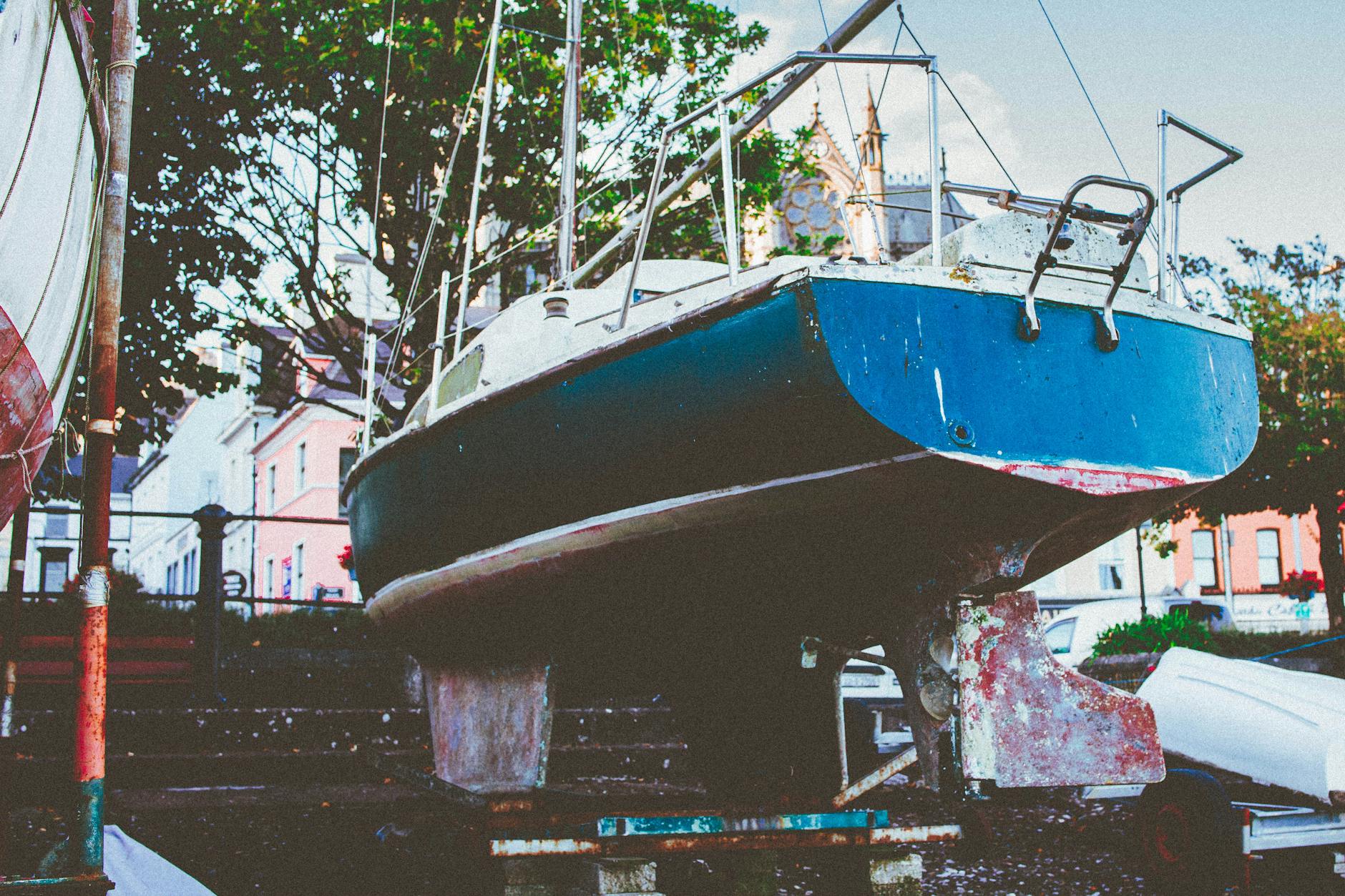
Plan weather and mobility before committing
Cobh's hills, cathedral approaches, wet pavements, waterfront wind, coach steps, train platforms, and cruise-terminal movement can matter for older travelers or anyone with mobility limits. Cork weather can also change quickly. A scenic route may feel different in rain when the ship return is fixed.
Travelers should check walking distance, gradients, seating, restrooms, lunch timing, and whether the chosen plan has indoor alternatives. A lower-mileage port day can be the better choice when the group includes mixed mobility.
- Check hills, steps, wet surfaces, wind, restrooms, seating, and coach or train access.
- Carry rain layers and footwear that work for cobbles, slopes, and waterfront conditions.
- Choose Cobh-focused time when mobility or weather makes wider movement fragile.
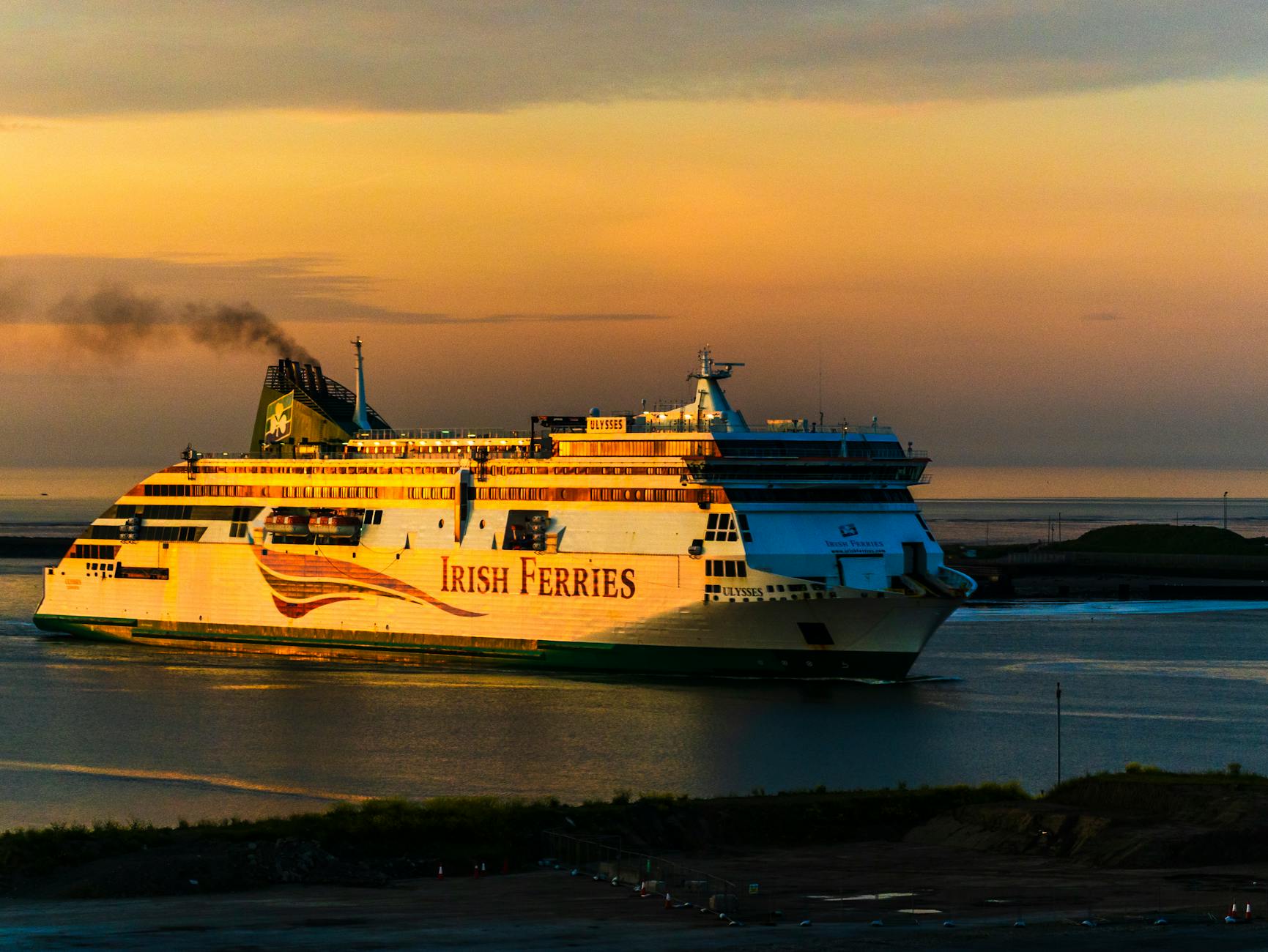
Use private tours carefully
A private driver or small-group tour can make a Cork port call smoother, especially for Blarney, Kinsale, or countryside movement. It can also create false confidence if the itinerary is overloaded. The traveler should verify pickup location, port familiarity, cancellation rules, lunch timing, and the operator's return discipline.
A good private tour should remove friction, not encourage every possible stop. The better question is what should be excluded so the day stays calm and ship-safe.
- Confirm pickup point, port access, vehicle size, return buffer, cancellation terms, and lunch plan.
- Ask the operator what they would cut if traffic or rain changes the day.
- Use private transport to simplify the port call, not to overload it.
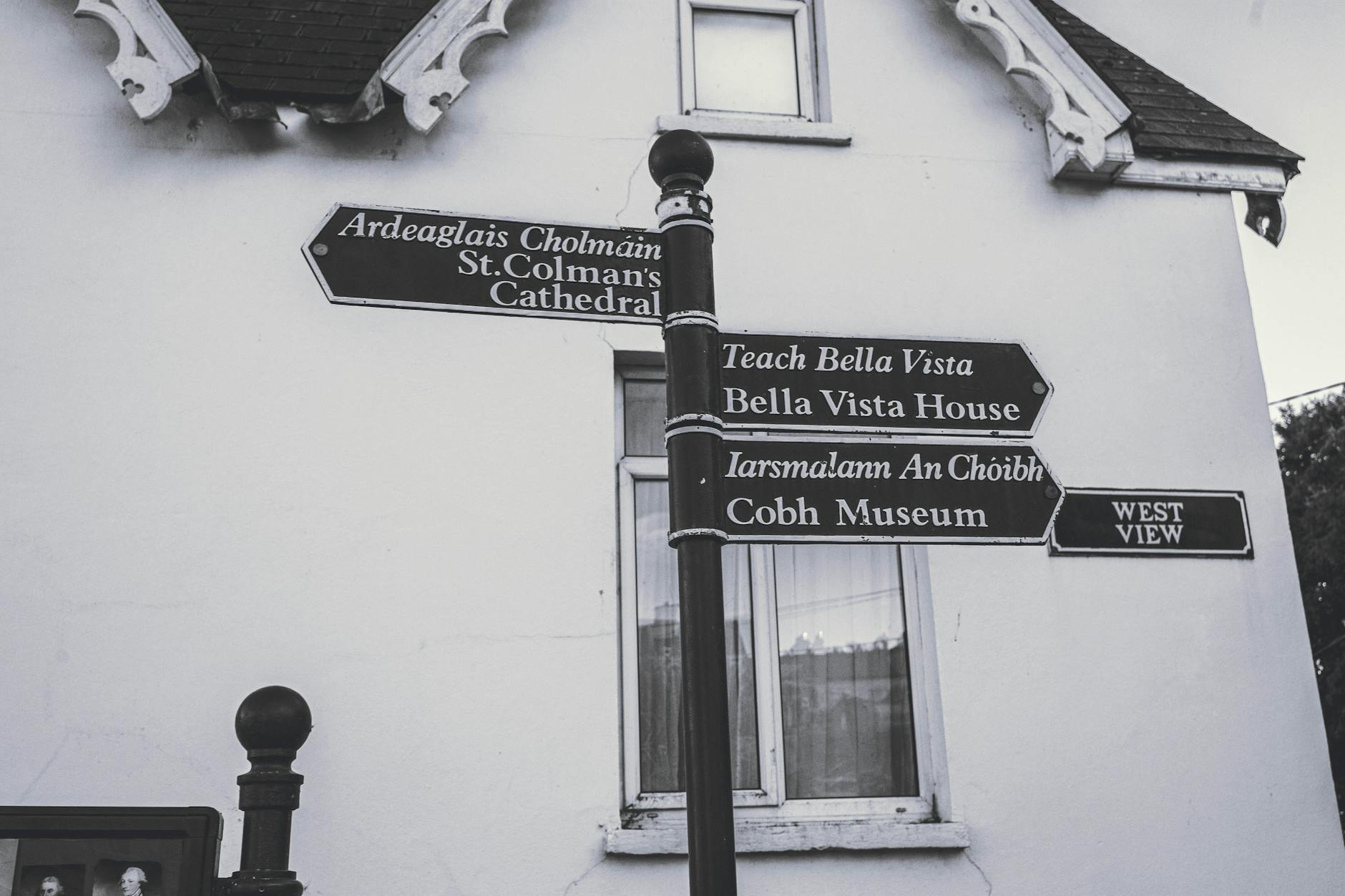
Leave time for food and local spending
Cruise passengers sometimes underestimate the value of a slower lunch, a local cafe, a bookstore, a small museum, or a simple harbor walk. A port call does not have to become a race away from the ship. Local spending also works better when the traveler is not rushing through the last hour with bags and souvenirs.
The plan should include a realistic meal window and a final low-risk period near the return route. That is often what makes the day feel like Cork rather than just transport.
- Reserve or identify lunch options that fit the route and return timing.
- Keep final shopping, cafe time, or waterfront walking close to the return path.
- Leave enough cash or card flexibility for small local purchases and tips.
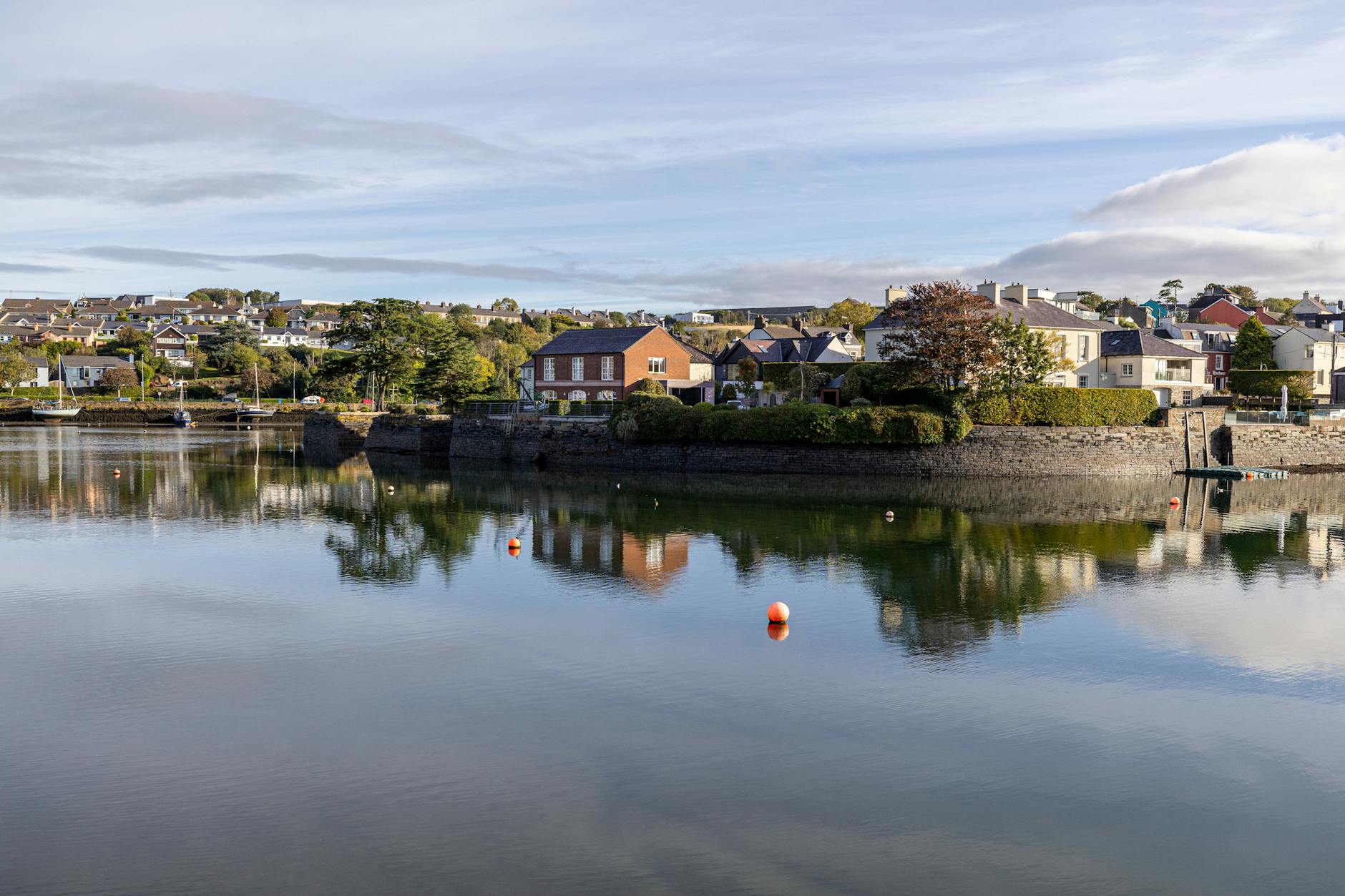
When to order a short-term travel report
A cruise traveler staying in Cobh with flexible expectations may not need a custom Cork report. A report becomes useful when the port call includes independent transport, Blarney, Kinsale, Cork city, mobility constraints, older travelers, a private driver, a tight ship schedule, weather concerns, or disagreement within the group about how ambitious the day should be.
The report should test port timing, Cobh options, Cork city movement, outside excursions, private tours, weather, mobility, food, local spending, return buffers, and what to skip. The value is a port day that feels full without gambling with the ship.
- Order when ship timing, independent transport, private tours, side trips, or mobility needs require testing.
- Provide ship schedule, passenger needs, desired stops, walking limits, tour ideas, meal needs, and budget.
- Use the report to make the Cork port call focused, local, and ship-safe.