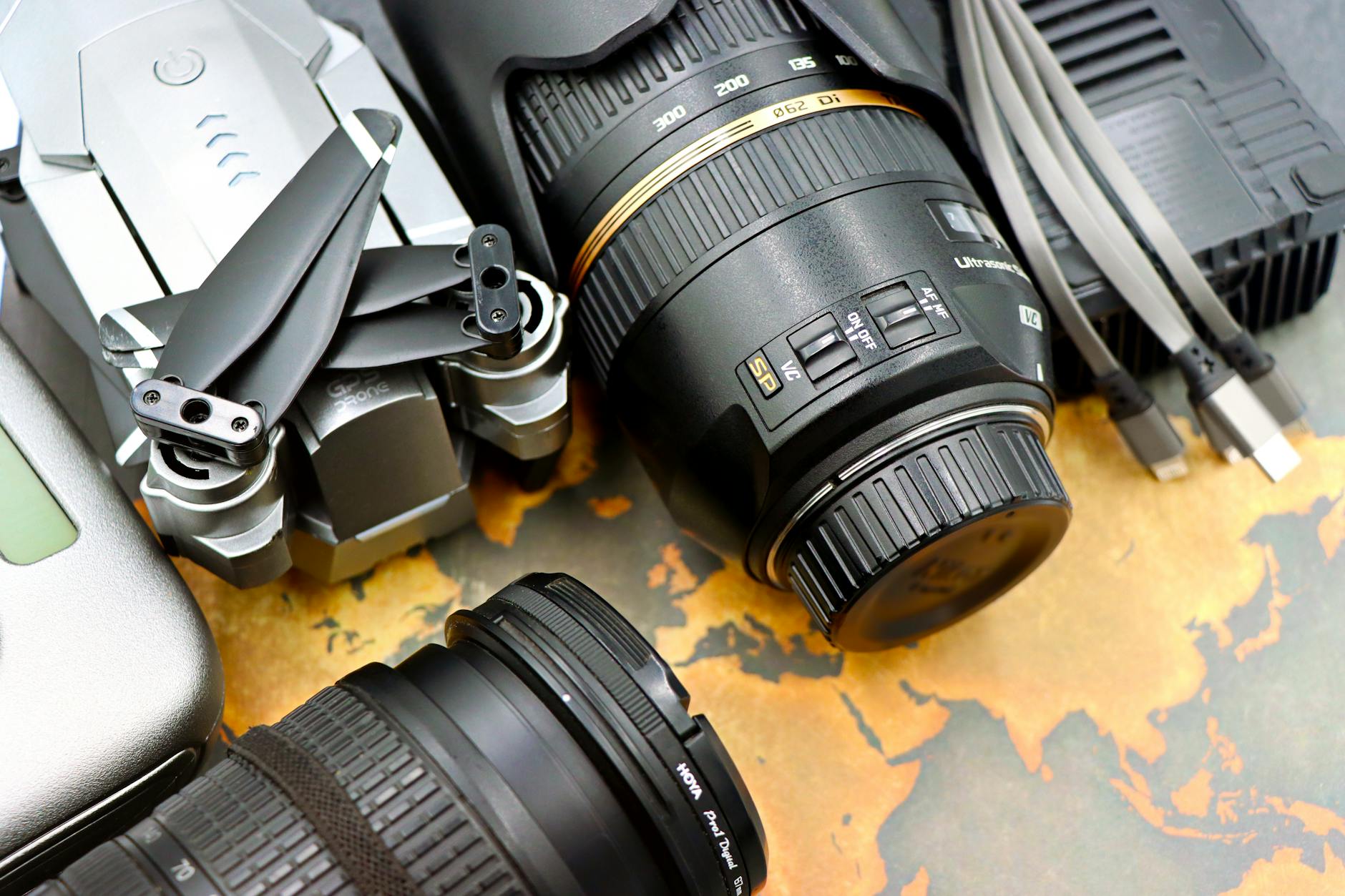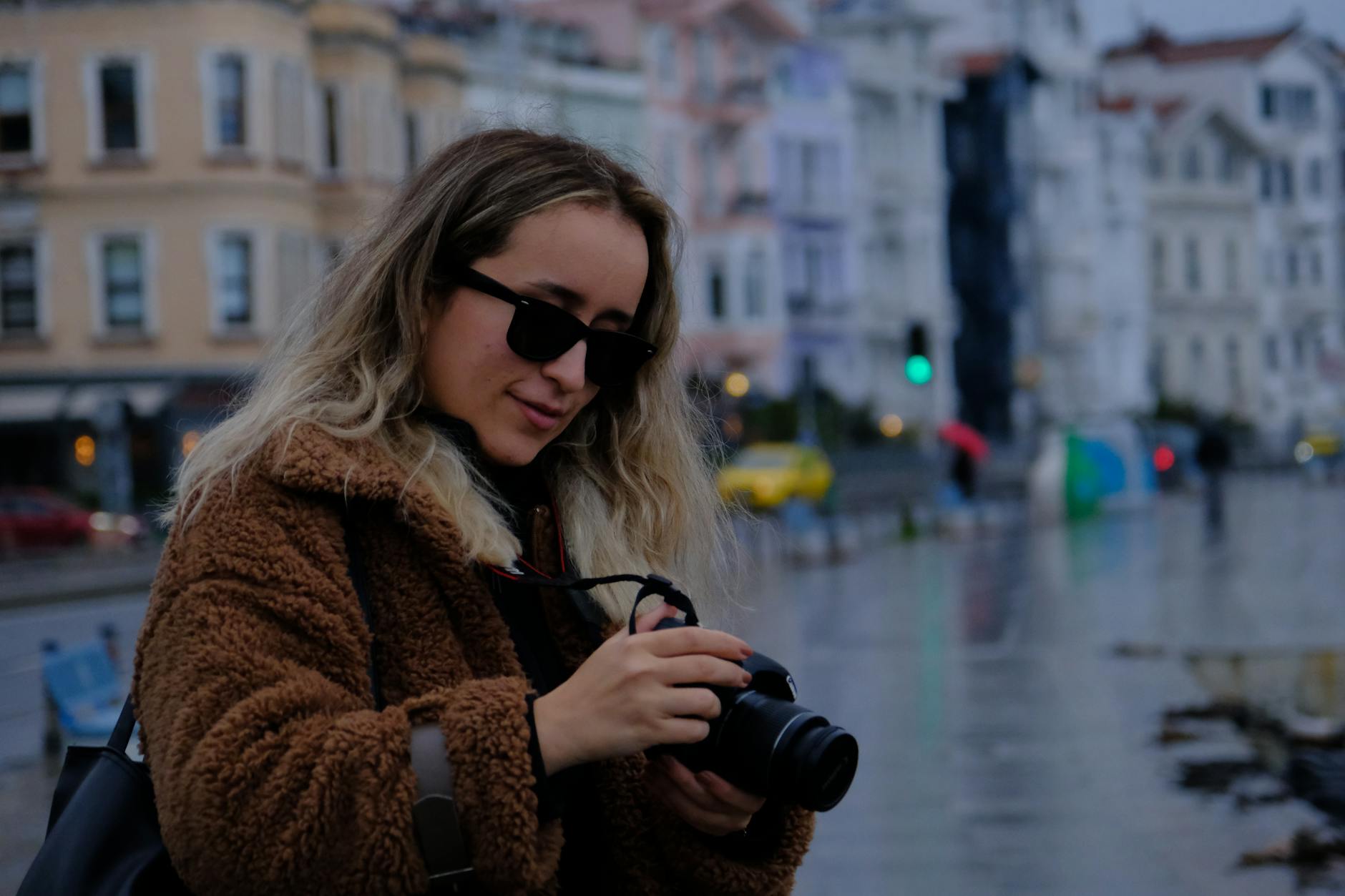
Cork can give a content creator real range: river streets, markets, pubs, cathedrals, Cobh color, Kinsale harbor, food scenes, rainy texture, and smaller-city intimacy. The trip works best when the creator decides what the content is actually about before arrival, instead of collecting unrelated clips until the schedule collapses. The practical side matters. Weather, permissions, battery management, storage, editing time, hotel workspace, quiet audio, and local etiquette can decide whether Cork produces a coherent story or just a folder of attractive fragments.
Define the Cork story before shooting
A content creator should decide whether Cork is being used for food, city texture, study-abroad life, Irish pubs, heritage, Cobh color, Kinsale harbor, West Cork scenery, or a practical travel guide. Each story needs different locations, light, audio, pacing, and captions.
Without a clear angle, Cork can become a scattered visual list. The better approach is to build a shot plan around one or two themes and leave room for genuine discovery.
- Choose the content angle before booking the shooting schedule.
- Match locations to the story rather than chasing every recognizable Cork scene.
- Leave some unscripted time without letting the whole trip become improvisation.
Plan routes by light, weather, and audio
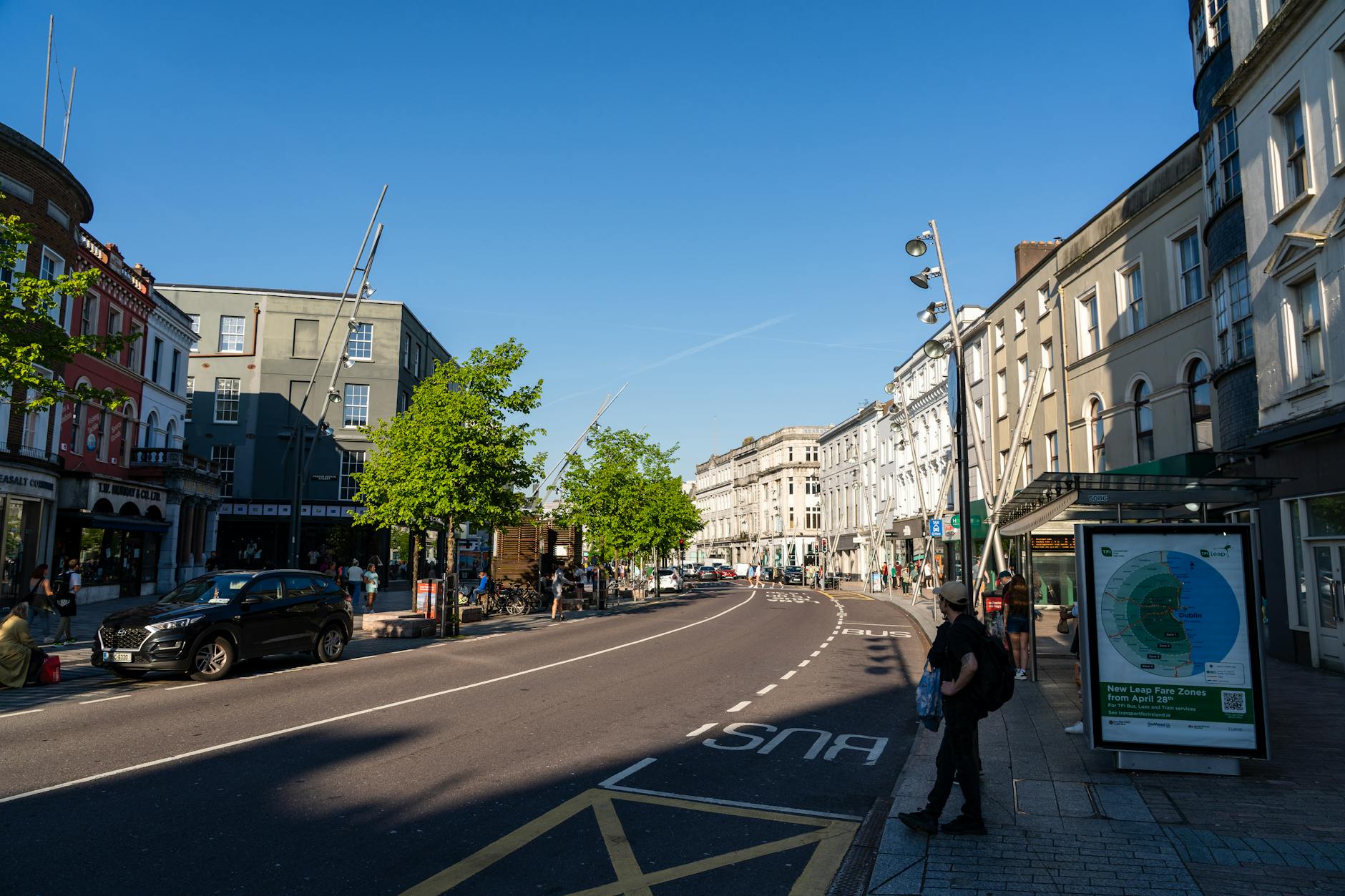
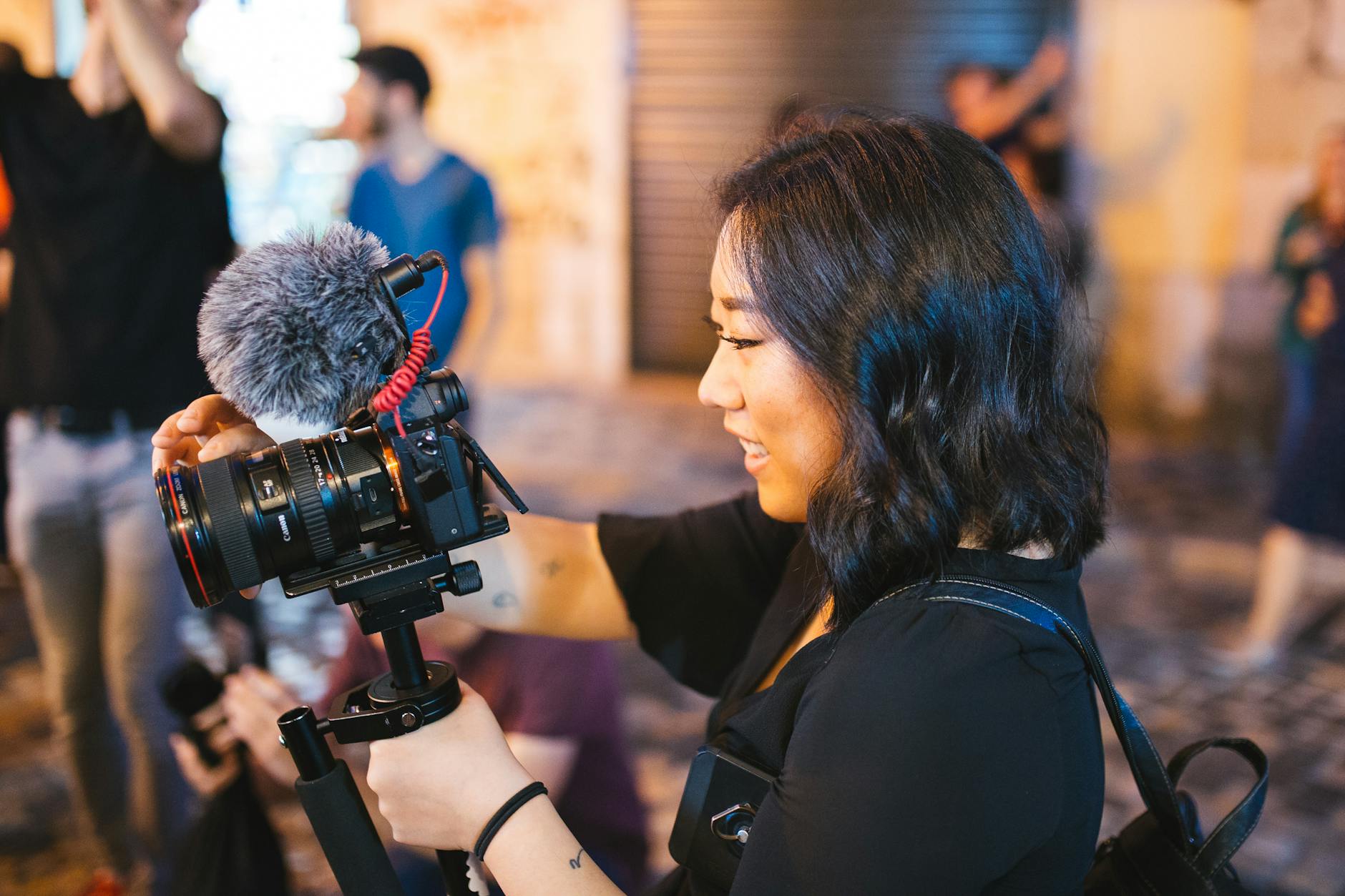
Cork's rain, cloud shifts, narrow streets, river reflections, and indoor spaces can help content if they are planned. They can also ruin audio, equipment, makeup, clothing continuity, and morale. The creator should know which shots need dry weather, which can use rain, and where to retreat when conditions change.
Audio matters especially in Cork's streets, pubs, markets, and waterfront areas. A beautiful frame is less useful if the sound cannot be used.
- Build routes around light, rain exposure, wind, noise, and indoor alternatives.
- Protect microphones, lenses, batteries, cards, and clothing continuity.
- Use weather as atmosphere only when it does not damage the production plan.
Treat markets, pubs, and people with care
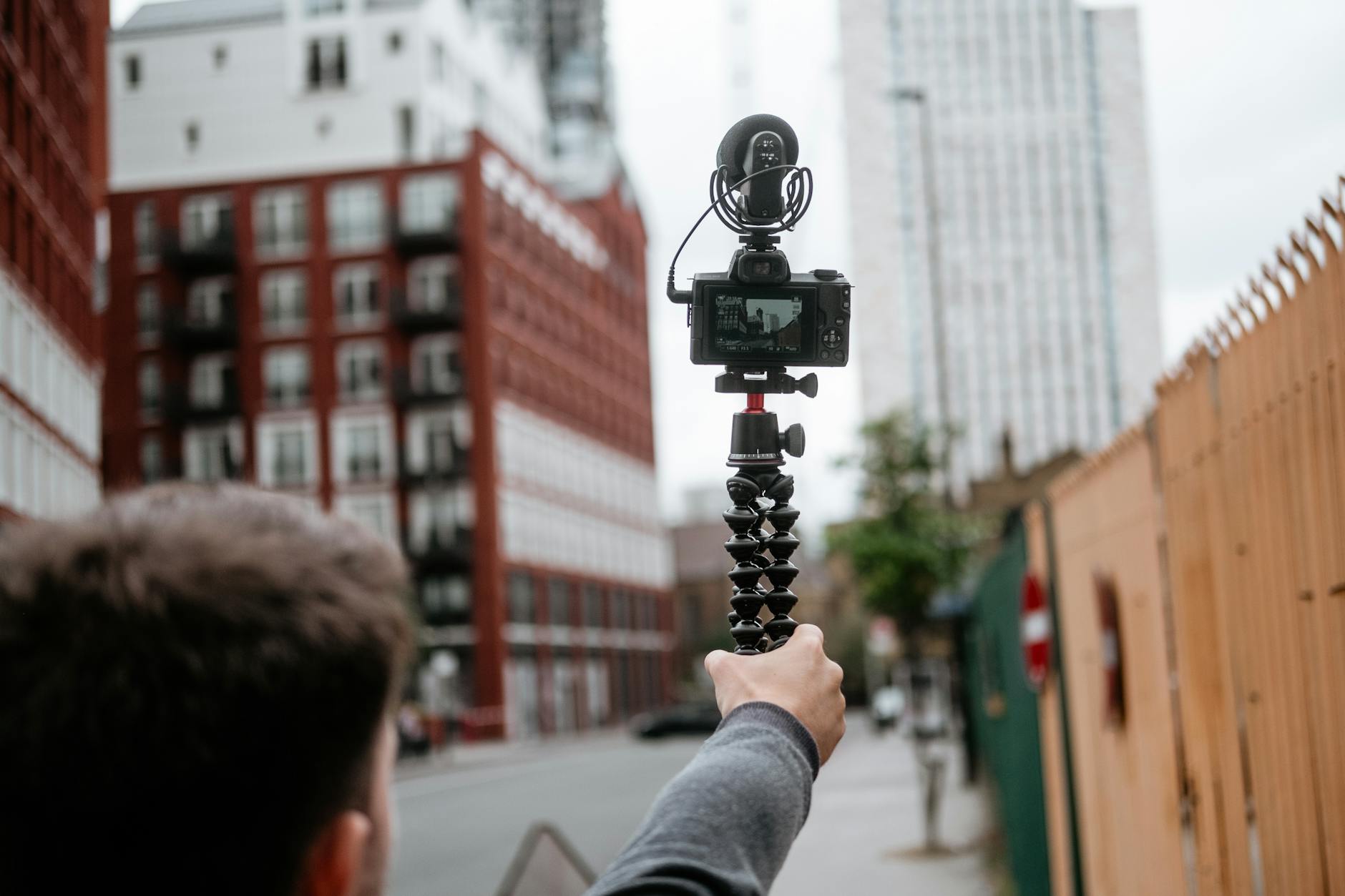
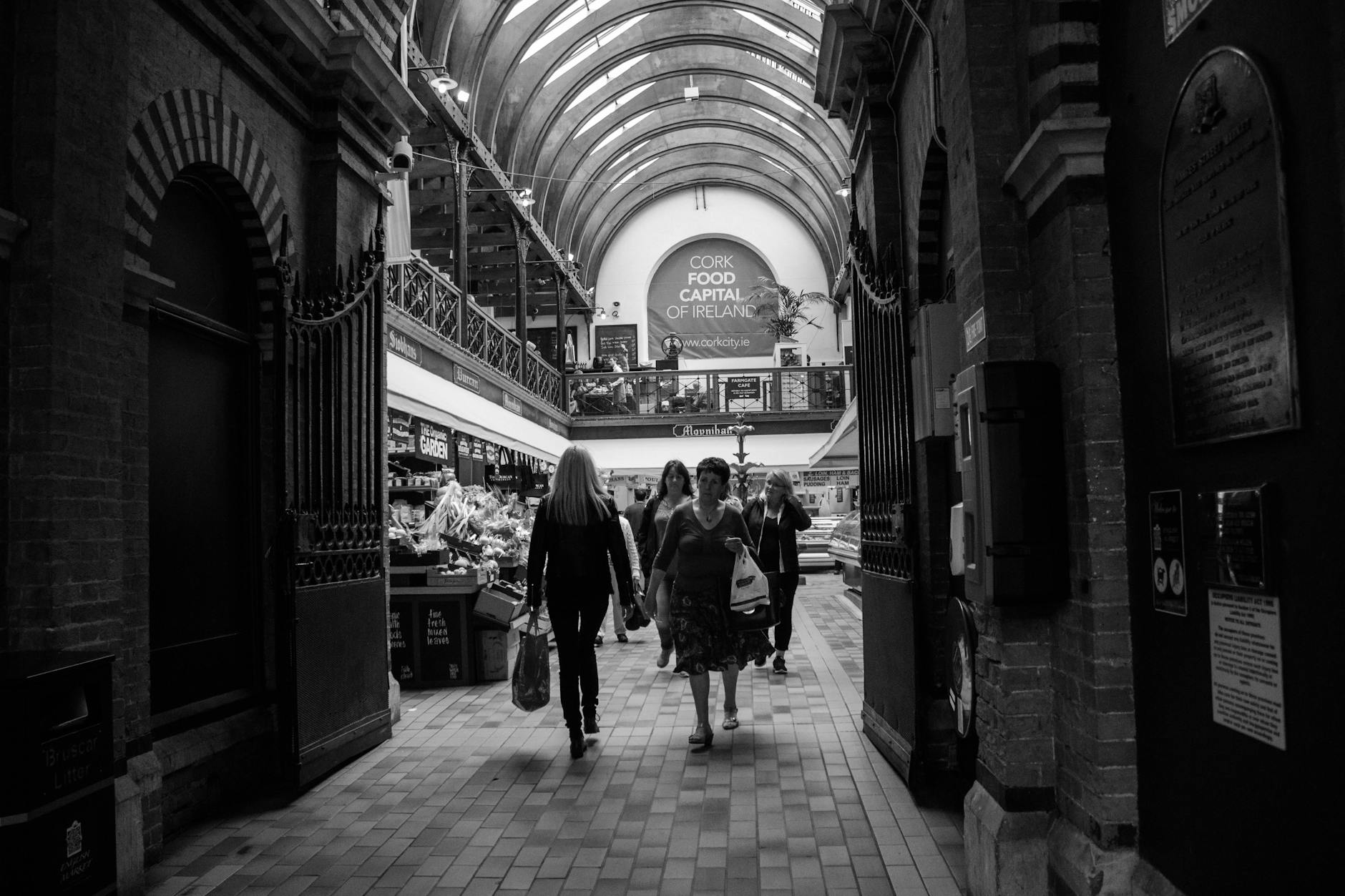
The English Market, pubs, cafes, streets, and small shops can be visually strong, but they are not sets. Filming staff, customers, musicians, children, or private conversations without care can damage the experience and the creator's credibility. Permission and restraint matter more in smaller social spaces.
The creator should ask, keep equipment modest where needed, and avoid blocking narrow routes. Good etiquette often produces better access than aggressive shooting.
- Ask before filming people, staff, musicians, private interiors, or recognizable children.
- Avoid blocking market aisles, pub entrances, church spaces, or narrow streets.
- Use captions and context carefully so local life is not reduced to props.
Choose a base that supports production
A content creator's hotel or apartment needs to support charging, backups, editing, quiet voiceover, wardrobe reset, rain recovery, and fast returns between locations. A photogenic room may be less useful than a practical base with real workspace and reliable Wi-Fi.
The creator should also think about stairs, storage, check-in time, and whether the base allows easy access to morning and evening shots. Production days are built from small efficiencies.
- Prioritize Wi-Fi, charging, workspace, quiet audio, storage, laundry, and easy route access.
- Check whether the base supports early starts, late returns, and rain resets.
- Do not choose lodging only because it looks good on camera.
Use evenings deliberately
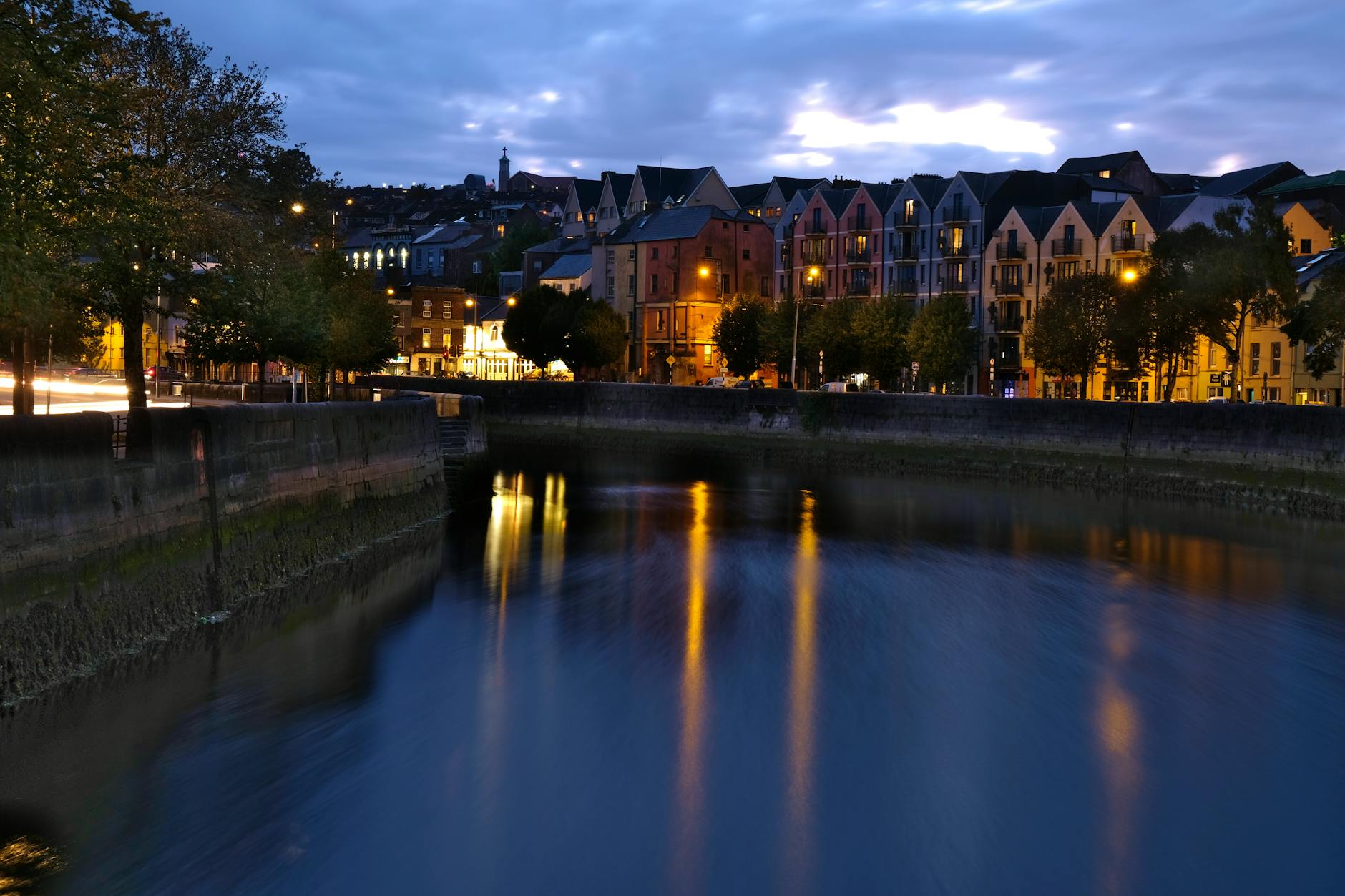
Cork evenings can give strong atmosphere: lit canals, pubs, dinner rooms, music, damp streets, and social texture. They also create low-light, noise, safety, and return-route issues. The creator should decide whether evening content is essential or just tempting.
If nightlife or pub culture is part of the story, plan the venue, consent, transport, and shooting style. If not, protect the evening for backups, edits, and sleep.
- Treat low light, alcohol settings, music rights, consent, and taxi return as production issues.
- Do not film nightlife casually if it is not part of the content strategy.
- Reserve some evenings for backups, logging, editing, and recovery.
Add Cobh, Kinsale, or West Cork only with a purpose
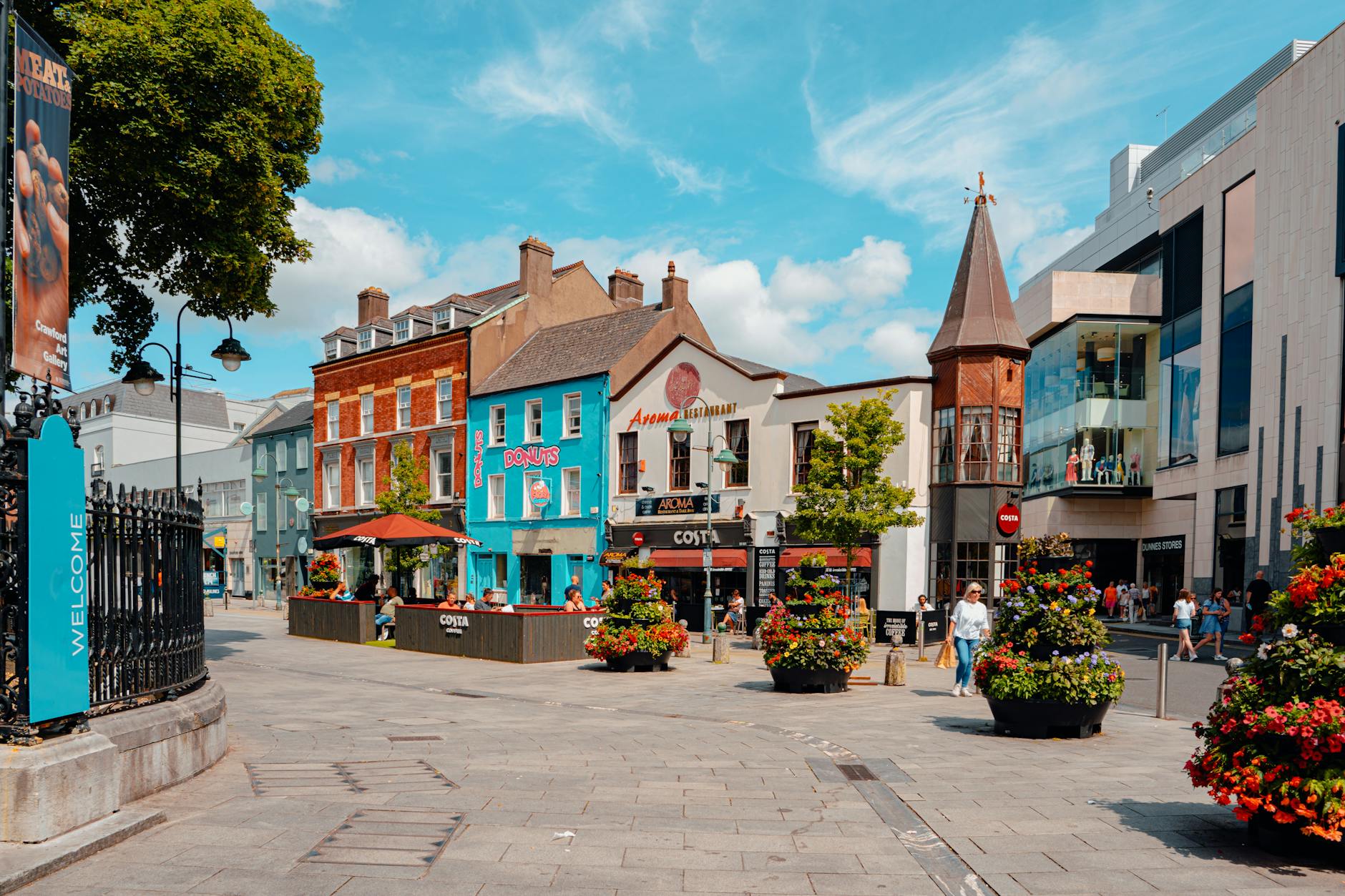
Cobh, Kinsale, and West Cork can add visual variety, but they also consume time and weather tolerance. The creator should know what each add-on contributes: color, harbor life, food, coastal scale, history, or contrast with Cork city. Otherwise the trip becomes a transport-heavy montage.
One well-planned outside sequence is usually stronger than three hurried ones. The creator should protect editing and backup time after any wider move.
- Use Cobh, Kinsale, or West Cork only when they serve the content angle.
- Check transport, light, weather, meal timing, and return logistics before adding the outing.
- Leave time afterward for file backup, captions, and story organization.
When to order a short-term travel report
A content creator with a simple Cork city shoot and flexible timing may not need a custom report. A report becomes useful when the creator needs a tight shot list, Cork plus Cobh or Kinsale, brand deliverables, equipment-heavy movement, weather-sensitive shoots, permission-sensitive interiors, or a schedule that must include editing and posting time.
The report should test locations, routes, light, weather, permissions, hotel workspace, backup plans, transport, evening shooting, side trips, and what to skip. The value is a Cork content trip that produces usable work instead of just movement.
- Order when deliverables, route design, permissions, weather, equipment, or side trips create production risk.
- Provide dates, content angle, deliverables, gear, platform needs, lodging ideas, must-shoot locations, and budget.
- Use the report to turn Cork into a coherent production plan.