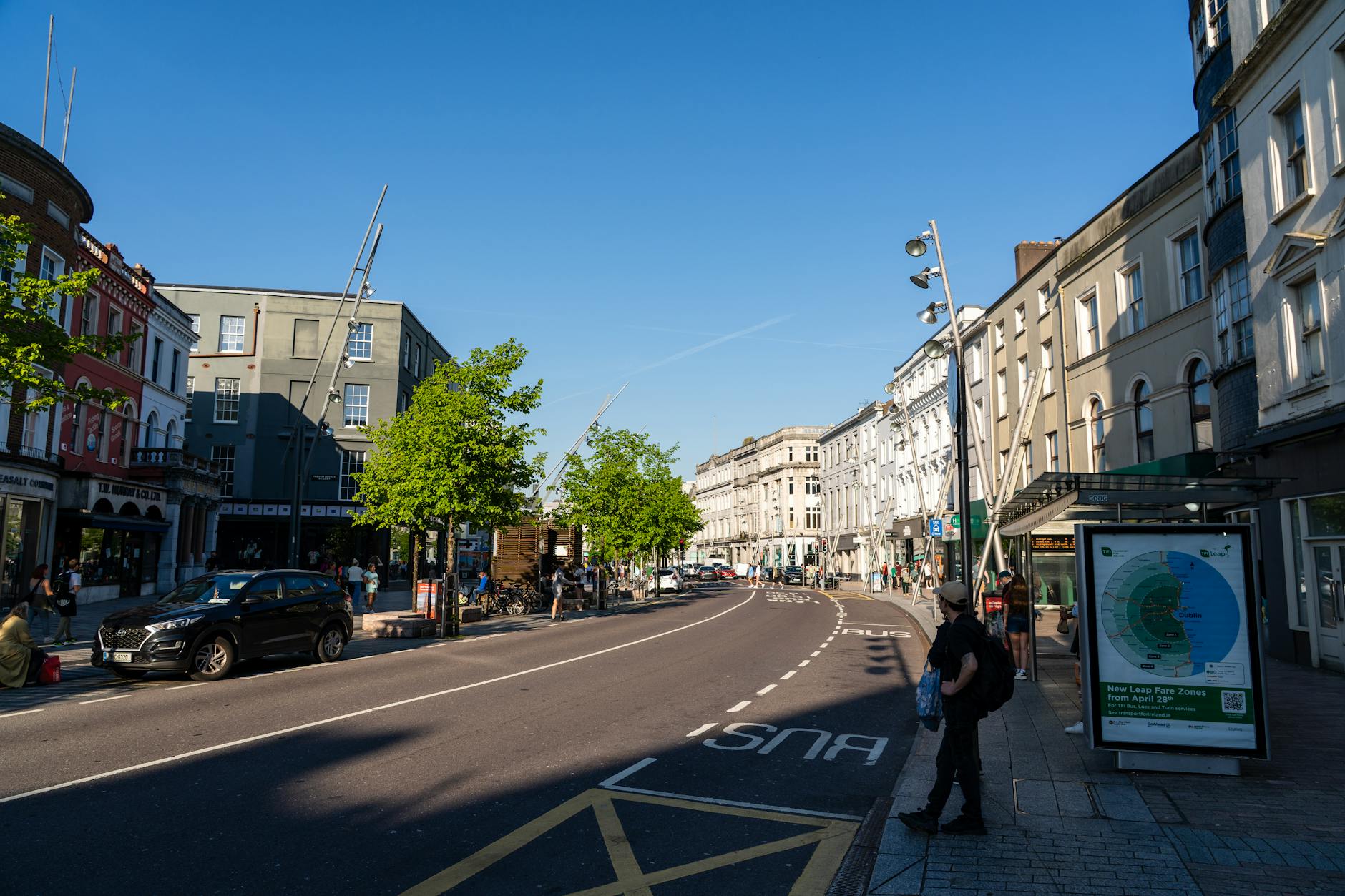
A consultant's Cork trip is usually judged by whether the work runs cleanly, not by whether the city was pleasant. Cork may involve a central client office, a university or hospital setting, a hotel workshop, a docklands meeting, a business park, or a County Cork site tied to pharma, technology, food, energy, or logistics. Those scenarios require different travel decisions. The useful plan starts by identifying where the actual work happens, how many times the consultant must move, what support is needed between meetings, and how much local flexibility remains. Cork can be efficient when the base is right. It can become awkward when the traveler treats it like a generic small city.
Define the work geography first
The consultant should begin by locating the real work: client headquarters, workshop venue, hotel meeting room, campus, hospital, industrial site, port-adjacent facility, or business park. Cork city center, Little Island, Mahon, Ringaskiddy, Ballincollig, and wider County Cork do not create the same transport answer.
Once the work geography is clear, the hotel, airport, taxi, rental car, meal, and buffer decisions become easier. Without that clarity, the consultant may choose a pleasant base that repeatedly fights the assignment.
- Map each client site, workshop venue, meal, and airport movement before booking lodging.
- Check whether the work is central Cork, suburban Cork, or wider County Cork.
- Let work geography decide the base before leisure preferences enter the plan.

Choose lodging for repeat movements
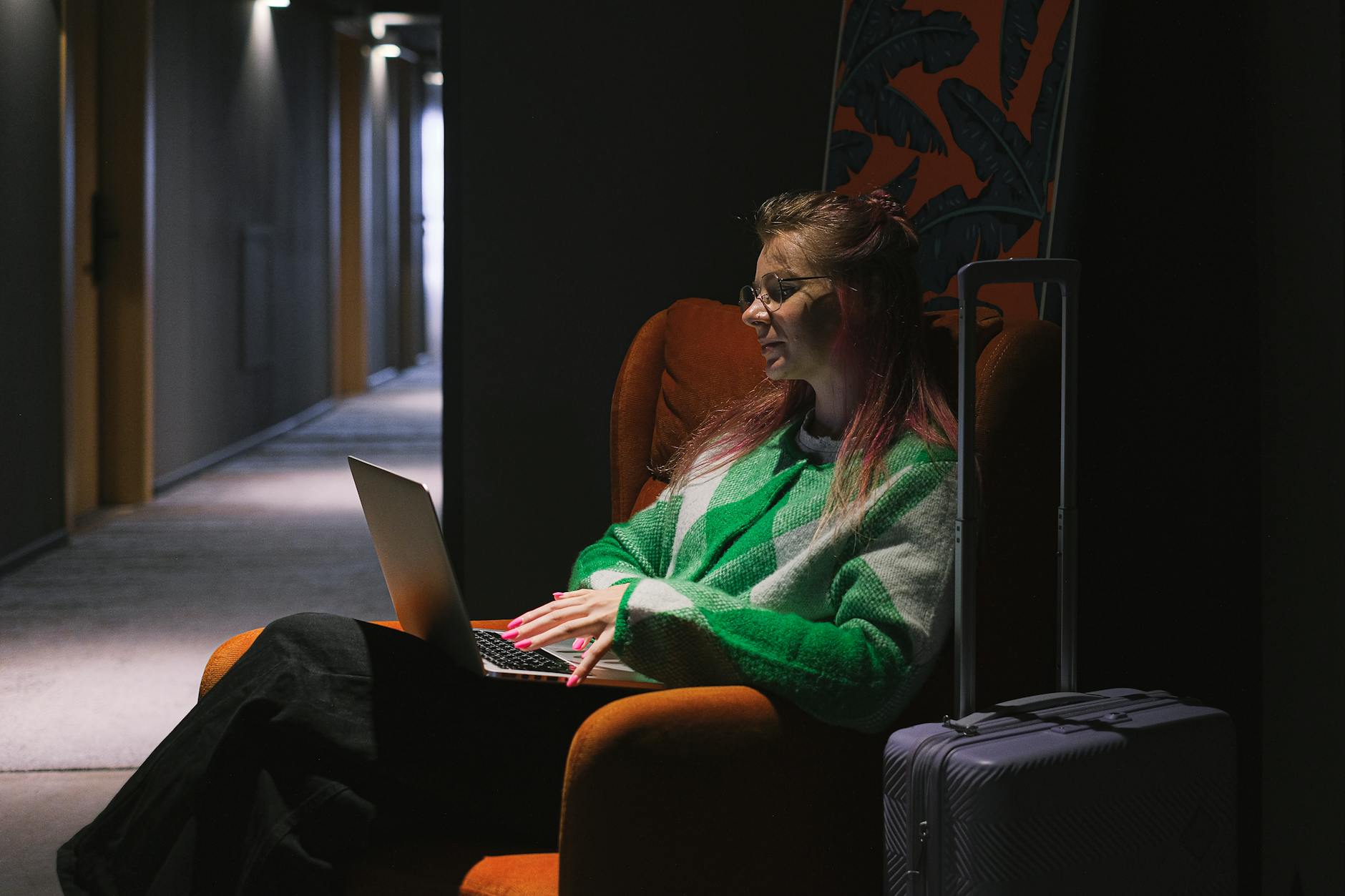
A consultant may need a hotel that supports early departures, late work, confidential calls, document review, reliable Wi-Fi, breakfast timing, taxis, laundry, and easy evening food. A charming Cork base can be wrong if it adds friction to every client movement.
The right lodging choice may be central, airport-adjacent, near a business park, or near the client dinner pattern. The answer depends on the assignment, not on a generic Cork recommendation.
- Prioritize Wi-Fi, workspace, breakfast timing, taxi access, quiet rooms, and evening meals.
- Choose central Cork only when it supports the actual movement pattern.
- Consider airport or business-park proximity when early starts or site visits dominate.
Control arrival and first-meeting risk
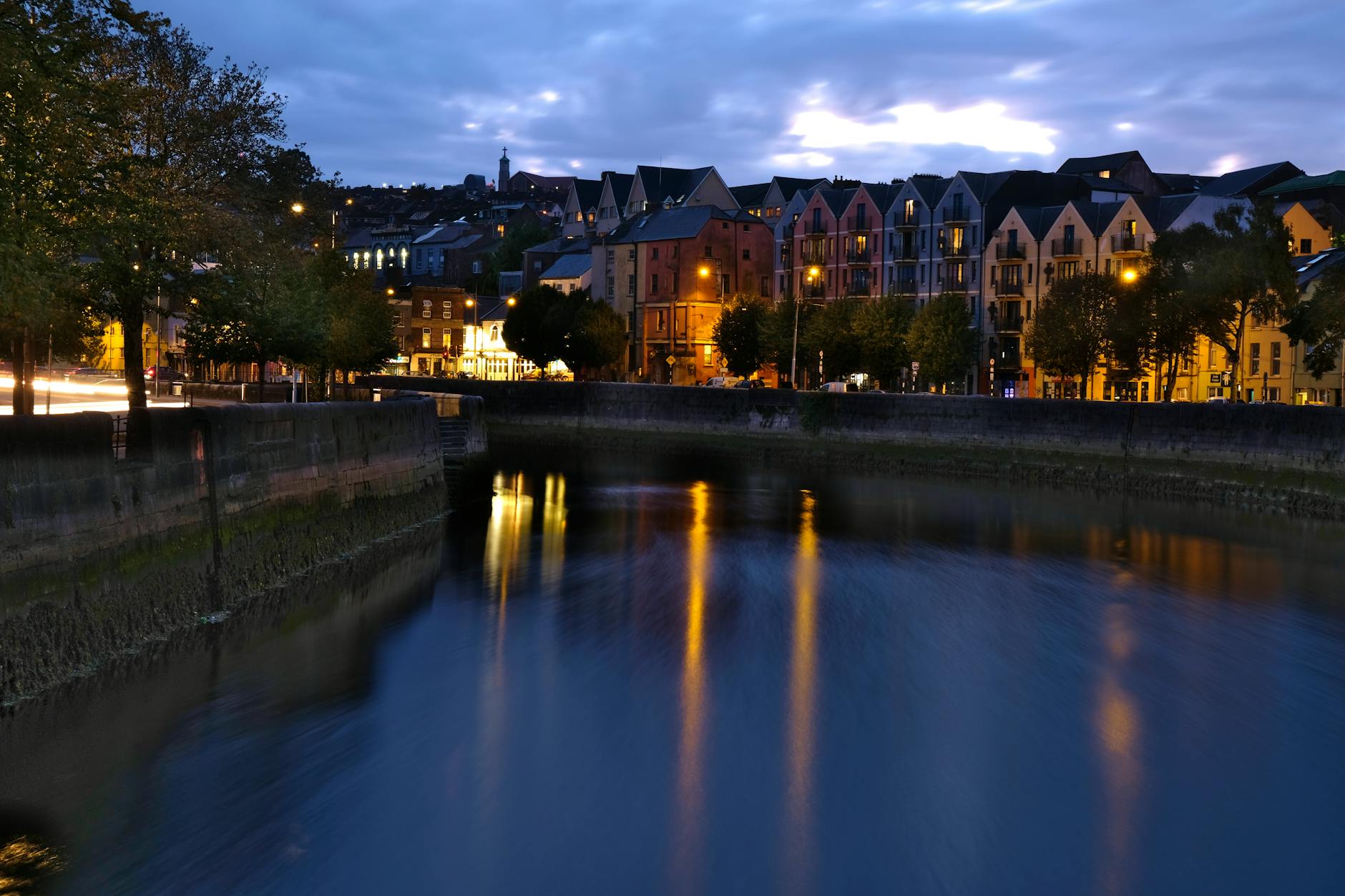
Cork Airport is often the cleanest answer, but some consultants will arrive through Dublin or Shannon because of route availability, fare, or corporate travel policy. The first meeting should not depend on a tight transfer, an unfamiliar road, or a same-day arrival after a long connection.
If the assignment starts early, the consultant should arrive the day before, confirm transfer time, and protect sleep. The cost of a failed first meeting usually exceeds the cost of a stronger arrival plan.
- Compare airports by meeting risk, not only fare or flight time.
- Avoid same-day arrival when the first meeting is strategic or workshop-heavy.
- Confirm transfer, hotel check-in, evening food, and morning route before departure.

Decide between taxis, rental car, and client transport
Cork consulting trips can involve short city hops, suburban offices, industrial estates, campus settings, or rural county sites. Taxis may work well for central movement and dinners. A rental car may be necessary for multi-site County Cork work, but it adds parking, navigation, weather, and fatigue considerations.
The consultant should decide transport mode by meeting reliability and local site access. Guessing can create late arrivals or wasted recovery time.
- Use taxis for predictable city movement and dinners when availability is clear.
- Consider a rental car only when site geography and parking make it worthwhile.
- Ask whether the client can provide transport for restricted or hard-to-reach sites.
Build work blocks instead of leftover time
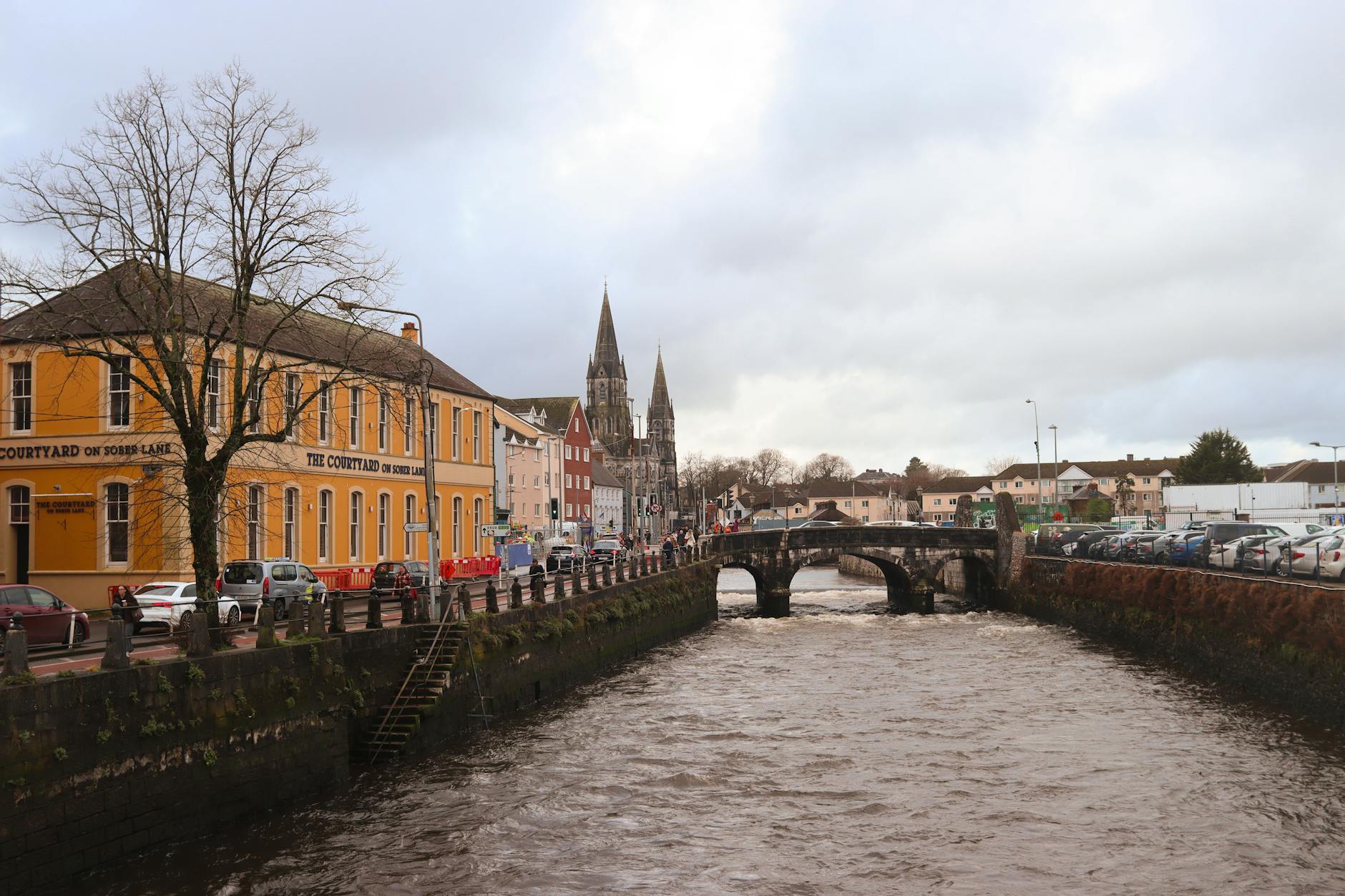
Consultants often underestimate the time needed outside meetings: synthesis, slide edits, stakeholder follow-ups, expenses, calls with the home team, and confidential work. Cork's pleasant city center can make it tempting to fill every gap, but the assignment usually benefits from protected work blocks.
The itinerary should include realistic quiet periods at the hotel or a suitable workspace. Those blocks are not lost travel time; they are what keep the trip from spilling into poor work.
- Reserve blocks for prep, synthesis, calls, document review, and post-meeting edits.
- Check whether the hotel room or lobby actually supports confidential work.
- Do not let small sightseeing gaps consume the time needed to deliver the assignment.

Use meals and Cork evenings deliberately
Cork can support good client meals, informal stakeholder conversations, and a useful decompression walk after work. The consultant should still plan meals by purpose: confidential conversation, team reset, solo recovery, or relationship building. Restaurant size, noise, closing days, taxis, and weather all matter.
A strong evening plan keeps the consultant functional for the next day. A weak one turns a pleasant city into another source of fatigue.
- Choose meals by business purpose, group size, noise level, and return route.
- Reserve important dinners and check Sunday or late-evening patterns.
- Leave one low-friction evening for recovery if the work is intense.
When to order a short-term travel report
A consultant with one central Cork meeting and a direct flight may not need a custom report. A report becomes useful when the assignment includes multiple sites, client dinners, county travel, a non-Cork airport, a tight first meeting, confidential work needs, a rental-car decision, or a small team moving together.
The report should test airport routing, hotel base, client-site geography, taxi and rental-car choices, workspace quality, meal strategy, weather, contingency time, and what not to attempt. The value is a Cork consulting trip built around delivery rather than guesswork.
- Order when site geography, arrival timing, transport mode, lodging, meals, or work blocks could affect delivery.
- Provide client-site locations, meeting times, airport options, hotel candidates, team size, work needs, meals, and budget.
- Use the report to make the trip operationally clean before the consultant lands.