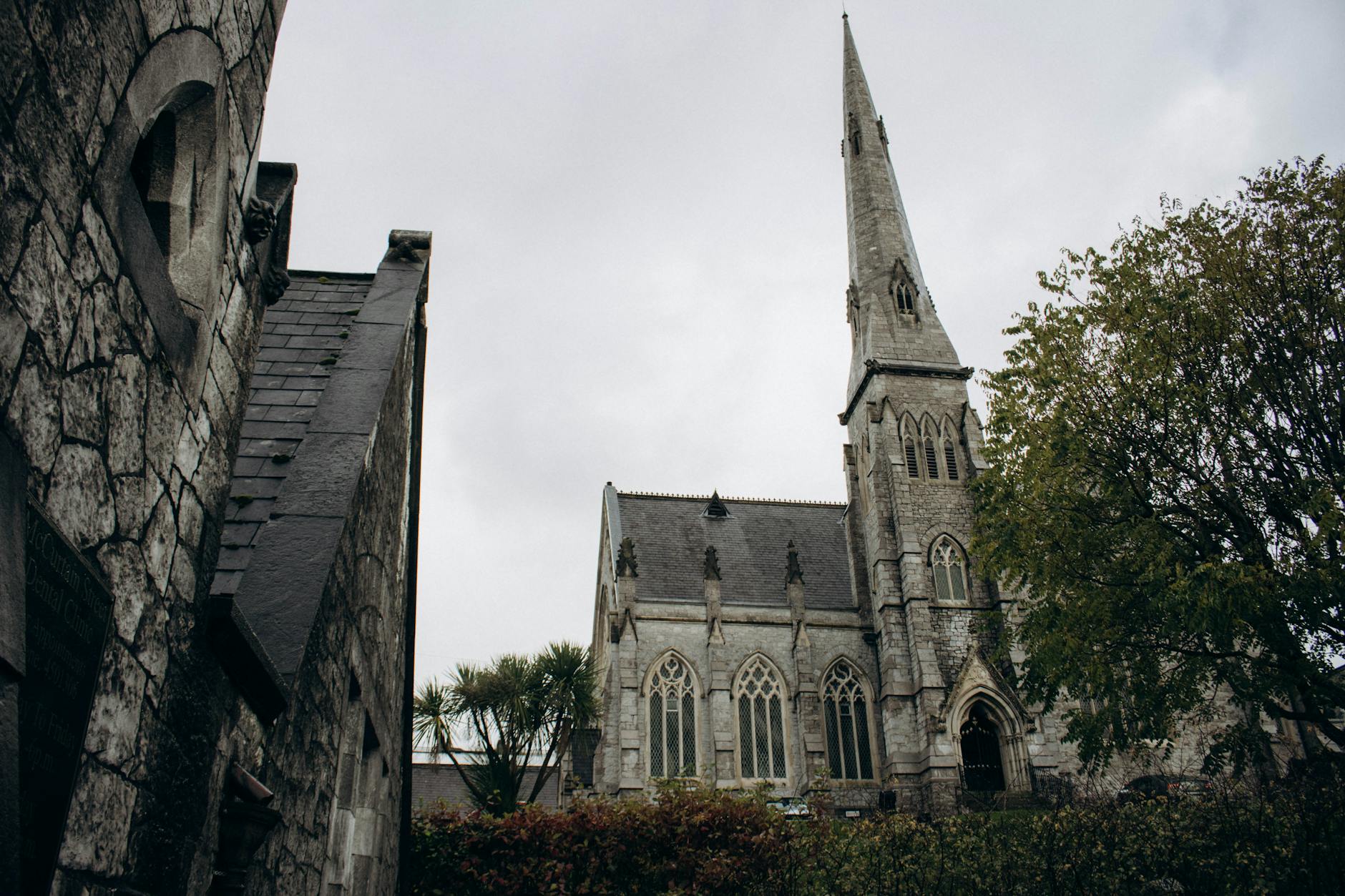
Cork can be a strong conference destination because it is compact enough for focused professional travel while still offering food, pubs, river streets, university links, and County Cork add-ons for visitors with time. The same compactness can mislead attendees into underplanning venue access, hotels, rain, session movement, and evening returns. A conference attendee should treat Cork as a working trip first. The goal is to arrive reliably, participate fully, network well, and use the city where it strengthens the conference rather than letting sightseeing or logistics dilute the purpose.
Start with venue geography and event role
A Cork conference plan should begin with the exact venue, registration location, session rooms, reception sites, dinner areas, and the attendee's role. A general attendee, presenter, sponsor, exhibitor, board member, or speaker has different tolerance for delays and different needs for materials, quiet time, and proximity.
The attendee should map the venue against hotels, taxis, walking routes, rain exposure, and evening events. A hotel that looks close enough on a map may still be wrong if hills, weather, luggage, or late returns make the movement awkward.
- Map venue, registration, sessions, receptions, hotels, dinner areas, taxis, and rain-safe routes.
- Plan differently for attendees, speakers, exhibitors, sponsors, and organizers.
- Choose lodging by event usefulness before optimizing for charm or price.
Choose arrival by session timing
Cork Airport can be ideal when schedules align, but Dublin or Shannon may offer better international options. The attendee should compare total travel time, rail or coach reliability, luggage, presentation materials, arrival hour, and whether a delay would affect registration, setup, a reception, or the first session.
A same-day arrival may be acceptable for a low-stakes attendee with an evening start. It is weaker for speakers, exhibitors, or anyone with an early meeting. The travel plan should protect the professional commitment, not merely reach the city.
- Compare Cork, Dublin, and Shannon by total time, reliability, fatigue, luggage, and session risk.
- Use a buffer when missing registration, setup, a meeting, or a presentation would matter.
- Carry essential conference materials and medication in hand luggage.
Plan registration, sessions, and materials
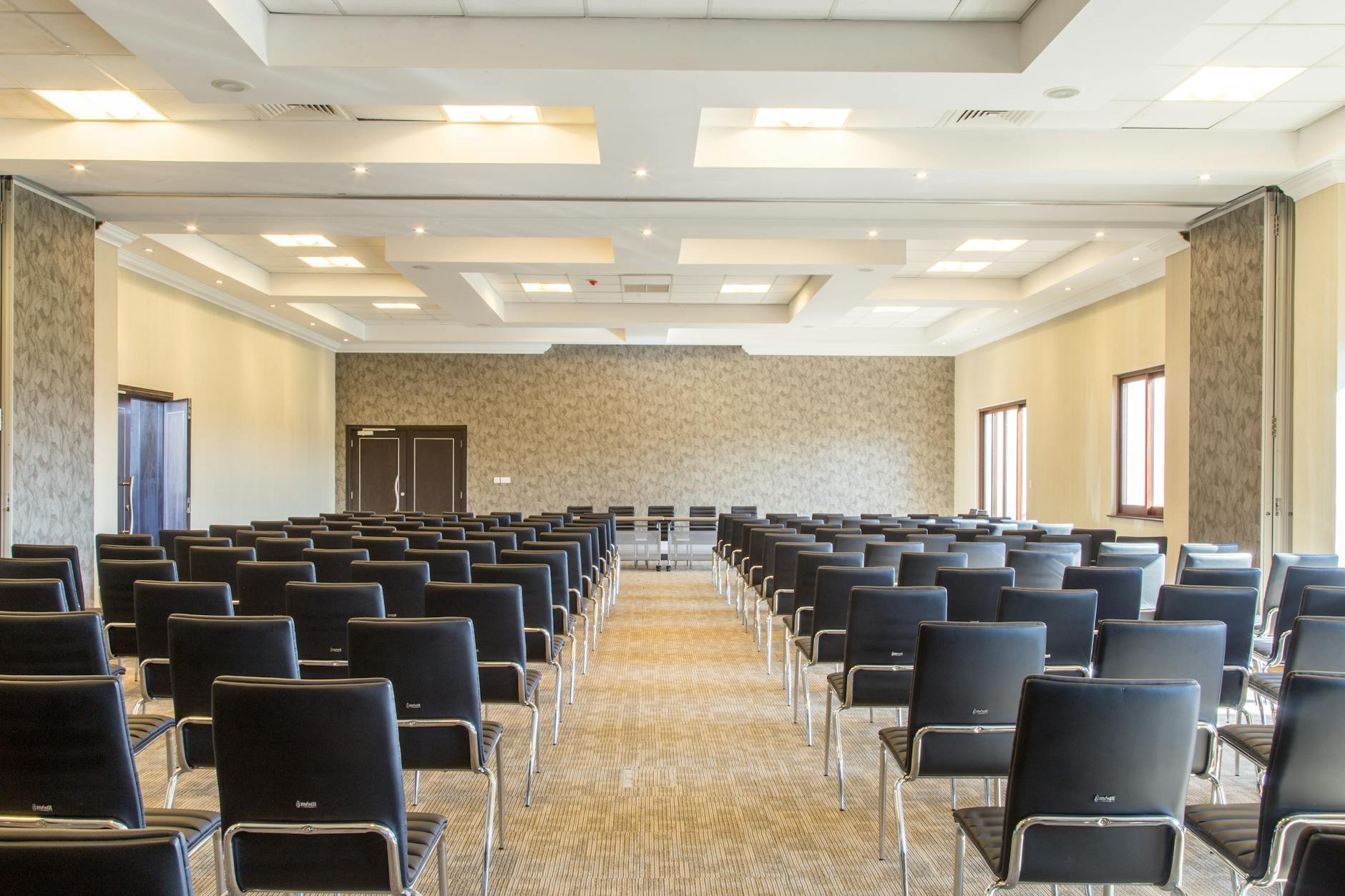
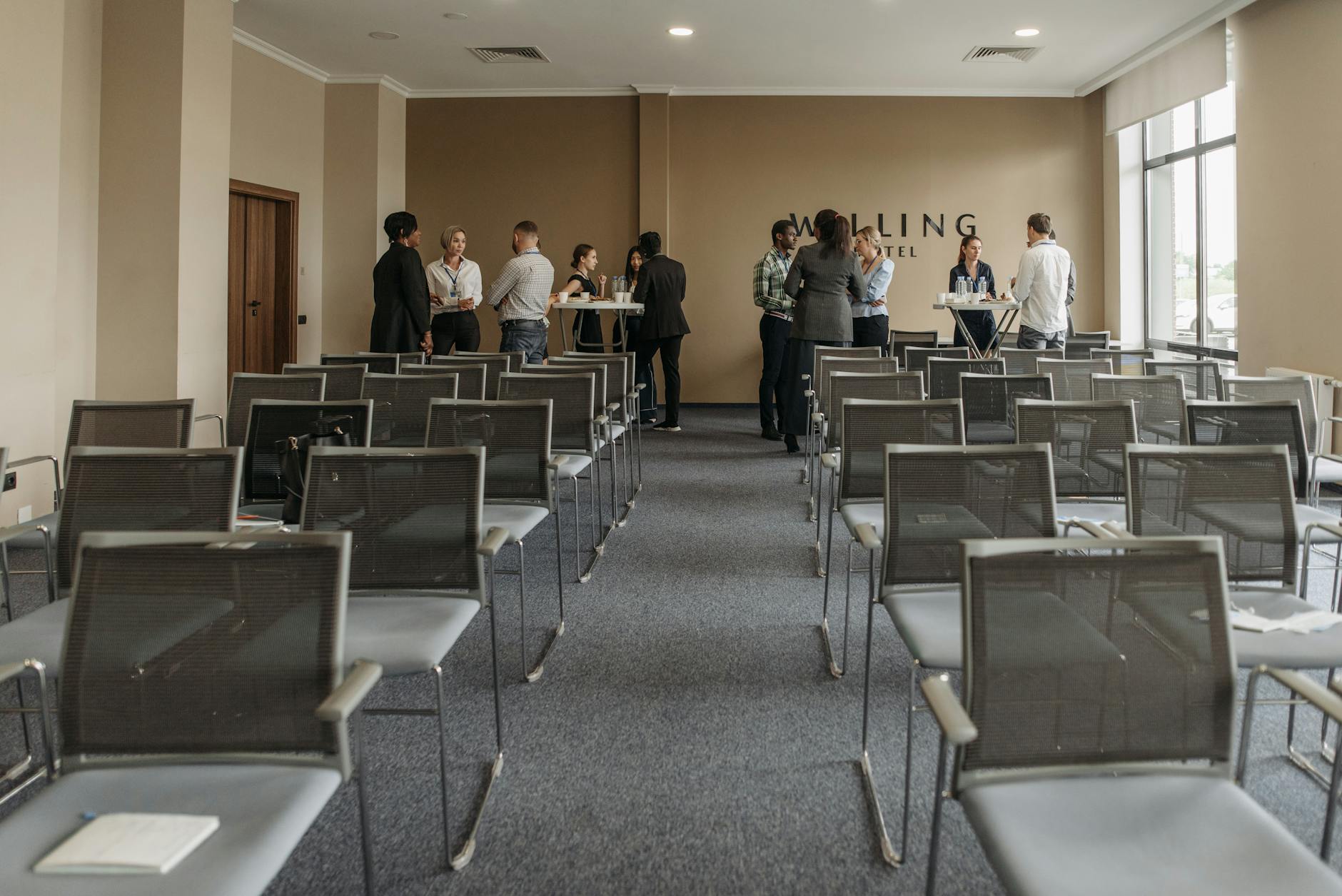
Conference logistics should be confirmed before arrival: badge pickup, session locations, Wi-Fi, charging, room technology, presentation format, exhibitor load-in, poster or handout handling, coat storage, and where private calls can happen. Cork's friendly scale does not eliminate the need for professional setup.
Attendees should also prepare for wet weather between hotel, venue, dinners, and receptions. Shoes, outerwear, laptop protection, and timing matter when rain arrives at the same moment as a session change.
- Confirm registration hours, session rooms, Wi-Fi, charging, technology, materials, and call space.
- Protect laptops, posters, handouts, chargers, badges, and presentation files from weather and delay.
- Know where quiet work or follow-up can happen between sessions.
Use meals and networking deliberately
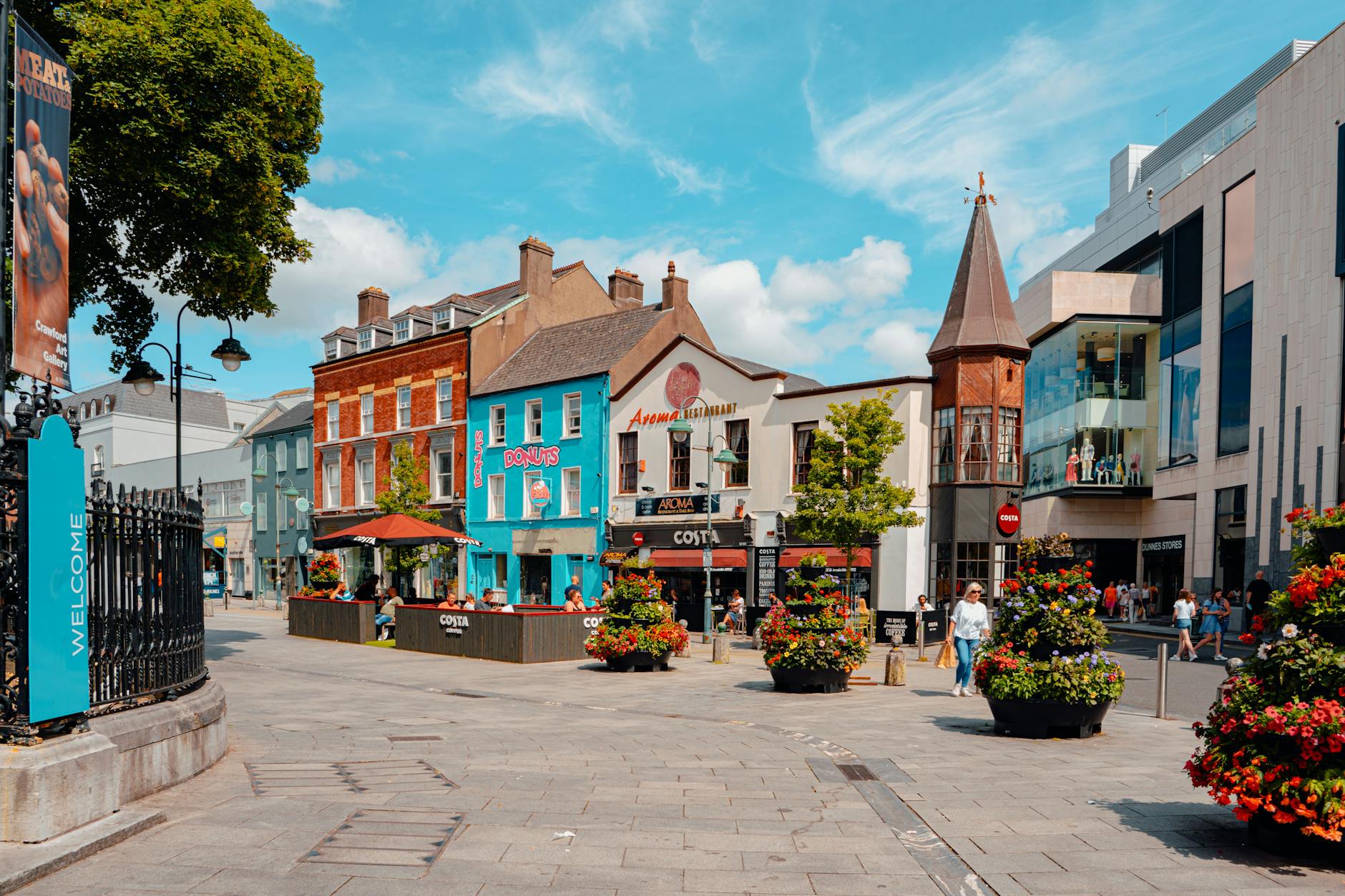
Cork's food and pub culture can make conference networking feel less generic, but meals still need structure. Important dinners, dietary needs, noise levels, private conversation, distance from the venue, and taxi return should be decided before the day fills with sessions.
Networking works best when the attendee knows which conversations matter. A targeted breakfast, coffee, small dinner, or post-session drink can be more valuable than drifting through every reception without a plan.
- Identify priority meetings, meals, sponsor events, receptions, and follow-up conversations before arrival.
- Reserve important meals and check noise, dietary needs, distance, and return options.
- Use Cork's social setting to support professional goals, not replace them.
Handle weather, evenings, and movement
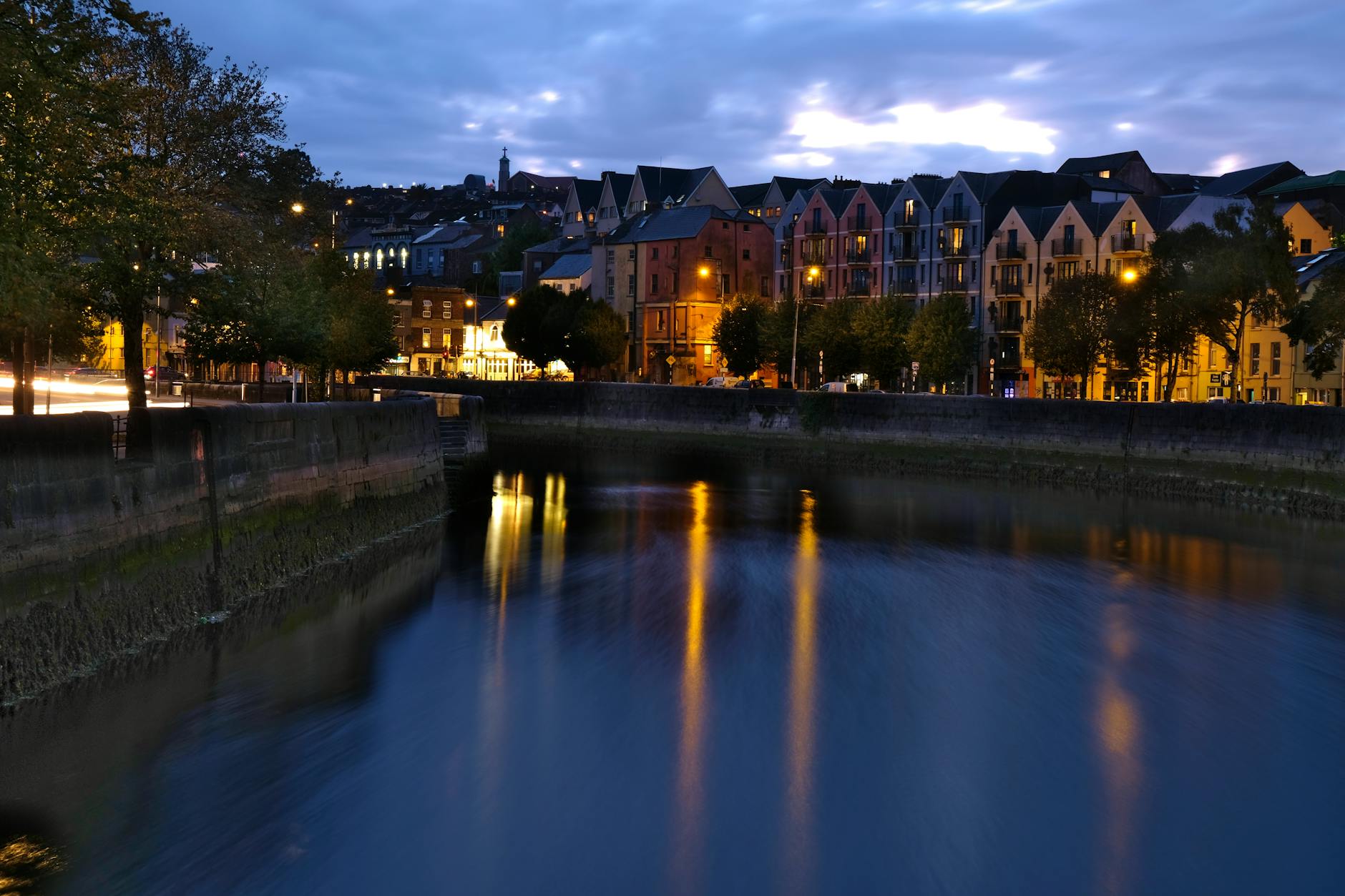
Rain, wind, wet pavements, hills, bridges, taxi demand, and evening pub traffic can all affect a conference attendee's day. The schedule should not assume dry, flat, frictionless movement between hotel, venue, dinner, and reception.
Evening events deserve special attention. A reception that ends late may still be close enough to walk in good weather and awkward in rain. The attendee should know when to walk, when to taxi, and when to leave so the next morning's sessions are not damaged.
- Plan shoes, layers, laptop protection, and rain gear for session-to-dinner movement.
- Know taxi options and late-return routes before evening events begin.
- Do not let one reception compromise the next morning's professional commitments.
Decide whether County Cork add-ons fit
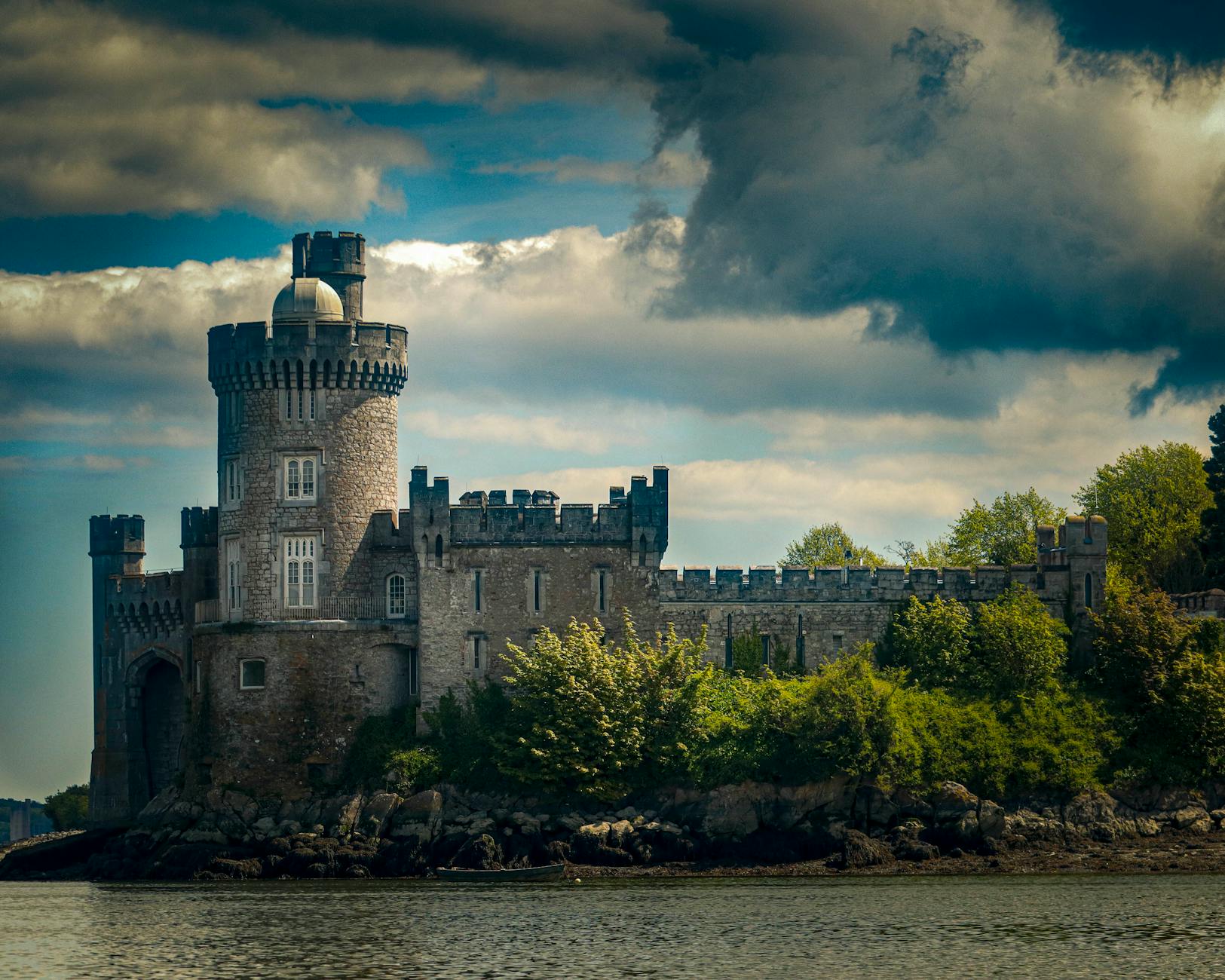
Cobh, Kinsale, Blarney, Fota, and harbor meals can make a Cork conference trip more memorable, but they should not be added automatically. The attendee should decide whether the add-on belongs before the conference, after it, or not at all. A rushed excursion between sessions rarely helps.
The best add-on is one that has real schedule margin, transport certainty, weather tolerance, and a clear reason. A serious conference trip may be stronger with one well-placed dinner or harbor visit than with a scattered sightseeing list.
- Add County Cork only where the schedule has margin and transport certainty.
- Choose one excursion or meal that supports the trip rather than several shallow moves.
- Protect sessions, meetings, follow-up, and rest before adding sightseeing.
When to order a short-term travel report
A conference attendee staying at the event hotel with a simple Cork Airport arrival may not need a custom report. A report becomes useful when the trip involves another airport, tight registration timing, presentation or exhibitor duties, multiple venues, expensive hotels, important meals, accessibility needs, evening events, or a desire to add County Cork without weakening the conference purpose.
The report should test airport choice, venue geography, hotel fit, session movement, materials, meals, networking, weather, evening return, add-ons, budget, and what to cut. The value is a Cork conference trip that works professionally and still uses the city intelligently.
- Order when airports, venue geography, hotels, presentations, networking, evenings, or add-ons need testing.
- Provide dates, venue, role, schedule, hotel options, arrival details, meeting goals, constraints, and budget.
- Use the report to make the conference trip purposeful rather than merely possible.