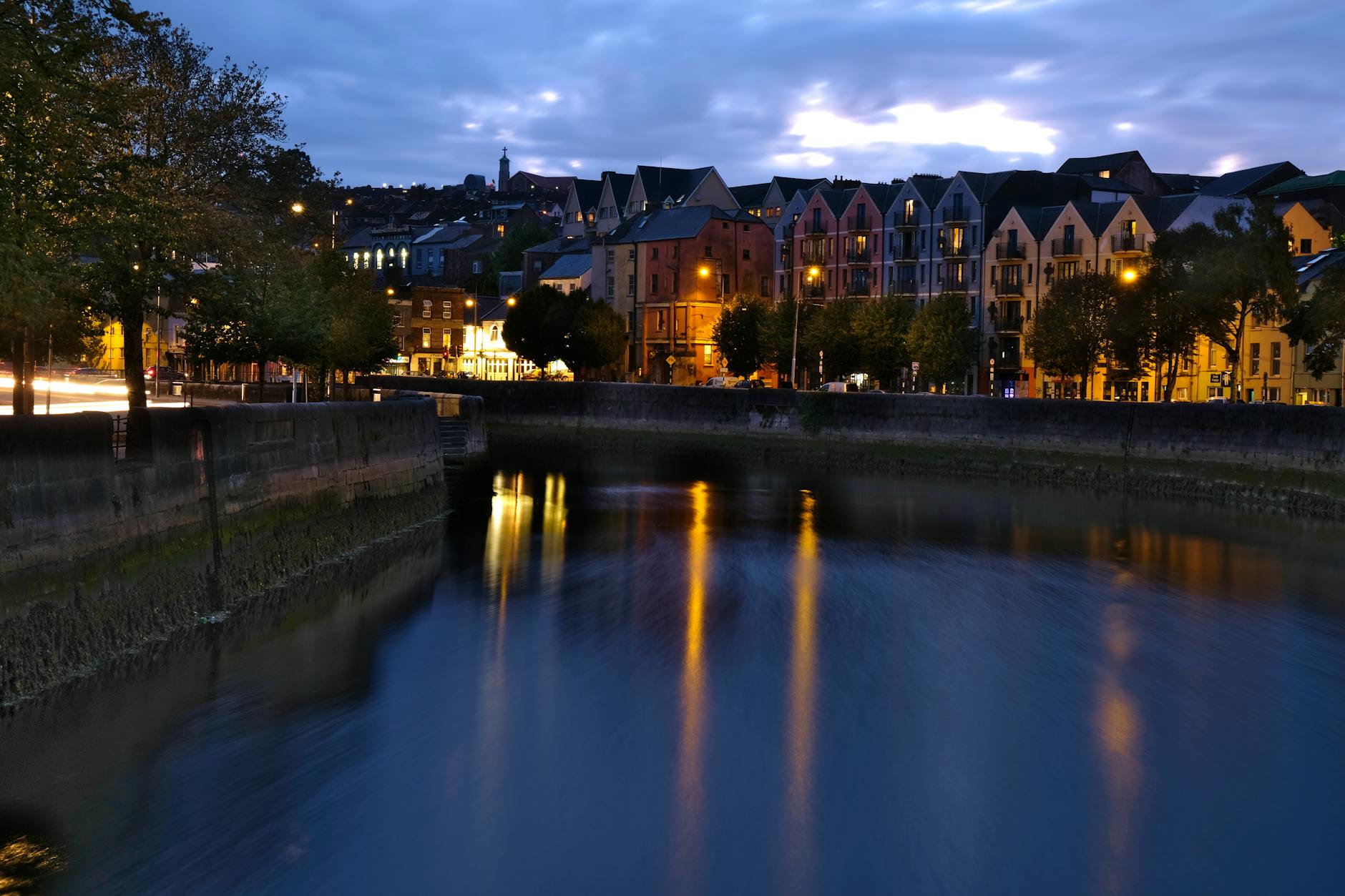
Cork is a real business destination, not merely a scenic Irish add-on. It can involve pharmaceutical, technology, food, education, port, energy, startup, professional services, and regional client work, with a city center that is compact but not frictionless. A short business trip needs access decisions, hotel discipline, meeting geography, and enough local context to avoid treating Cork like a smaller Dublin. A business visitor should plan Cork around purpose and movement. The right airport, hotel, dinner location, meeting sequence, and work block can make the trip feel grounded and efficient. The wrong assumptions can turn a short visit into too much road time, too many casual meals, and not enough useful work.
Choose the access point before choosing the hotel
Cork Airport can be convenient when routes line up, but many business travelers still compare Cork with Dublin or Shannon depending on origin, fare, schedule, meetings, and onward plans. A cheap flight into the wrong airport can create a long road or rail day that weakens the trip before the first meeting.
The visitor should map airport arrival, ground transport, luggage, meeting time, and return route together. In a short business trip, the best airport is the one that protects the meeting sequence, not merely the one with the lowest fare.
- Compare Cork, Dublin, and Shannon by schedule, ground time, reliability, fare, and meeting geography.
- Map airport arrival to hotel, first meeting, luggage, meals, and return timing.
- Avoid saving on airfare if the ground transfer erodes the business day.
Map the meetings to Cork's real geography
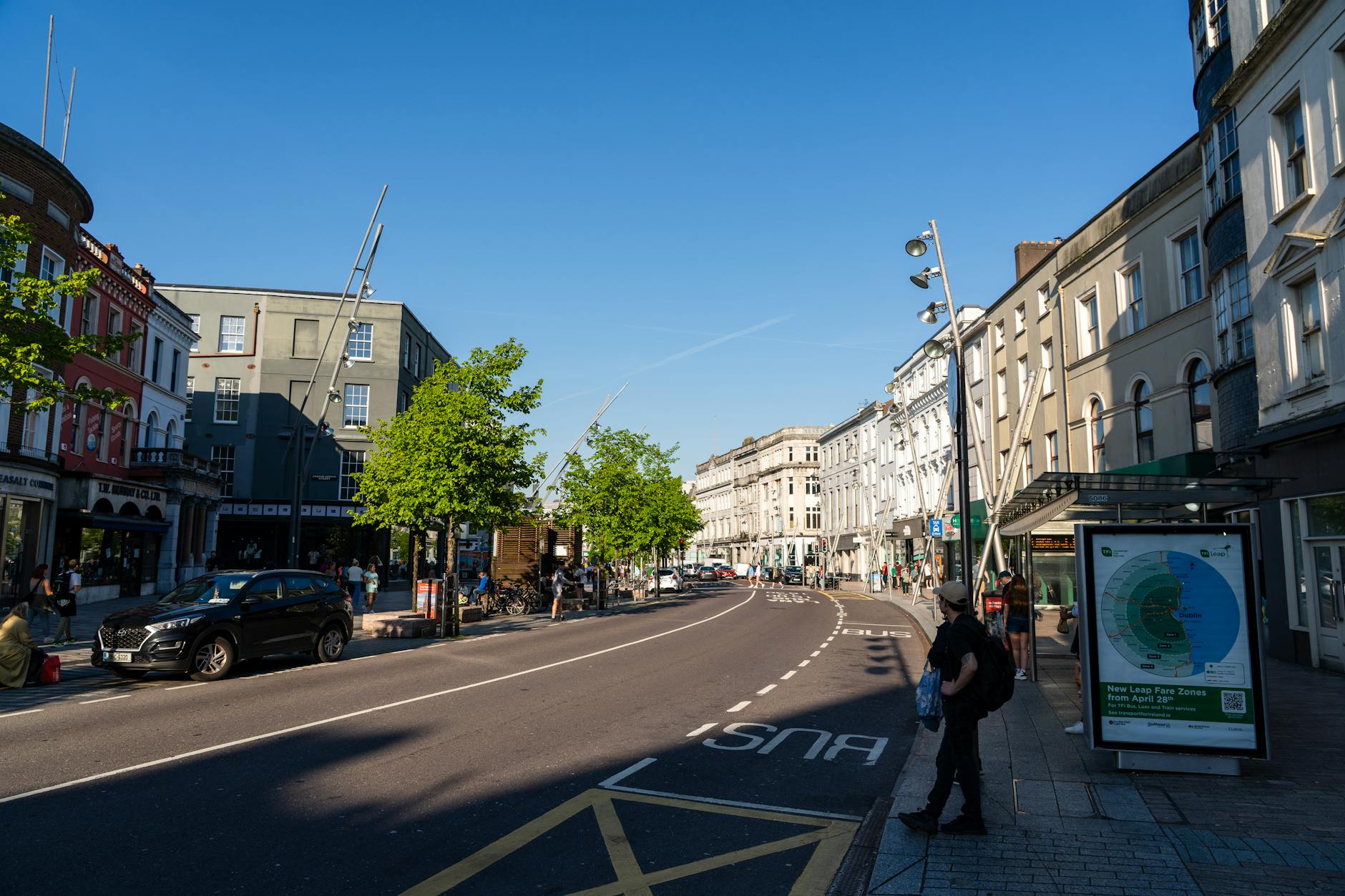
Cork city center is compact in parts, but business visits may involve offices, hotels, university settings, industrial estates, port-related locations, regional clients, or County Cork site visits. A traveler who only checks the city-center map may miss the actual movement pattern of the trip.
The schedule should show where each meeting happens, how long the transfer really takes, what happens in rain, and whether a taxi, hired car, train, or local contact is the practical answer. Cork can be efficient when the geography is honest.
- Map city-center meetings, university visits, port-related work, industrial areas, and County Cork site visits separately.
- Check realistic transfer times, rain exposure, parking, taxi availability, and local contact support.
- Do not assume every Cork meeting is walkable just because the city looks compact.
Use local industry context
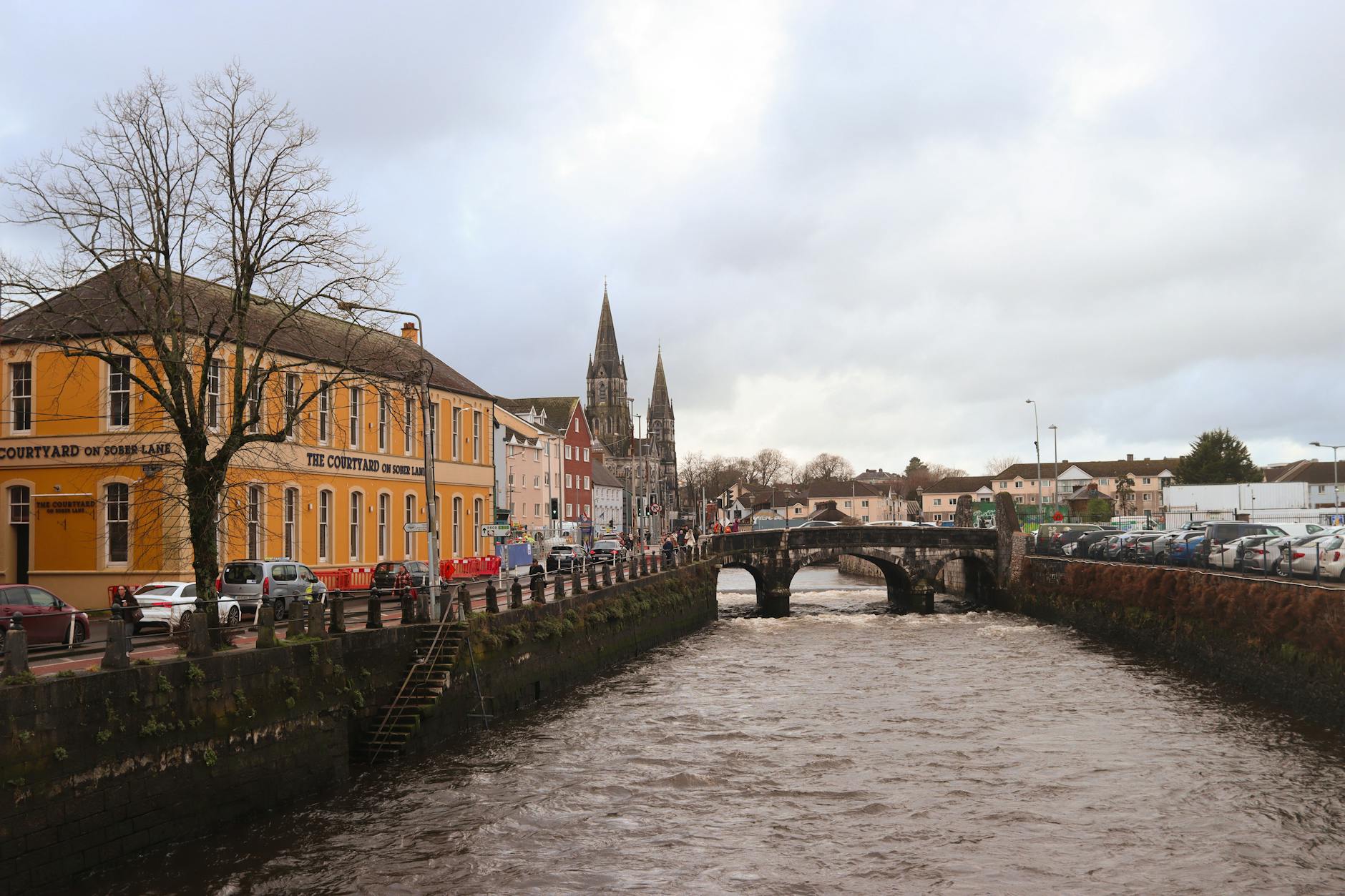
Cork business travel can involve multinational operations, life sciences, food and drink, maritime activity, education, tourism, technology, professional services, and regional development. The visitor should understand why the meeting is in Cork and what local context affects the conversation.
A business visitor who treats the city as generic Ireland may miss the practical and cultural signals. Knowing whether the trip is about a regional client, a campus, a plant, a supplier, a port issue, or a senior relationship changes how the traveler should prepare.
- Identify whether the visit relates to life sciences, food, education, port activity, technology, tourism, or regional clients.
- Prepare questions that reflect Cork's southern Ireland context rather than generic capital-city assumptions.
- Use local knowledge to make meetings more specific and credible.

Choose a hotel that supports work and evening flow
Hotel choice in Cork should support the actual business rhythm: arrival, meetings, work calls, dinner, sleep, and departure. A central hotel can simplify evening movement and meals, but the best answer depends on meeting locations, noise tolerance, parking, desk space, breakfast timing, and whether the traveler needs a quiet place for calls.
The visitor should not choose purely by charm or rate. A short business stay needs Wi-Fi, a desk, reliable checkout, practical taxis, and easy return after dinner. Small hotel-location differences can shape the whole trip.
- Check desk space, Wi-Fi, breakfast, parking, taxis, noise, checkout, and evening return.
- Choose a central base when meals and city meetings matter more than parking.
- Choose a meeting-adjacent base when early site visits or regional transfers dominate.

Plan meals as relationship infrastructure
Cork's food culture can make business meals more useful than a generic hotel dinner. A client dinner, supplier lunch, market-adjacent coffee, or pub conversation can add warmth and local texture. That only works if timing, dietary needs, noise, and reservation pressure are handled before arrival.
The visitor should know which meals are for relationship building, which are for private work, and which are simply fuel. A business trip can benefit from Cork's evening character without letting meals consume the schedule.
- Reserve important client meals and check dietary needs, noise, distance, and cancellation terms.
- Use Cork's food culture when it strengthens the relationship or the local context.
- Protect private work meals when notes, follow-up, or confidential calls matter more.
Protect work time, weather, and confidentiality
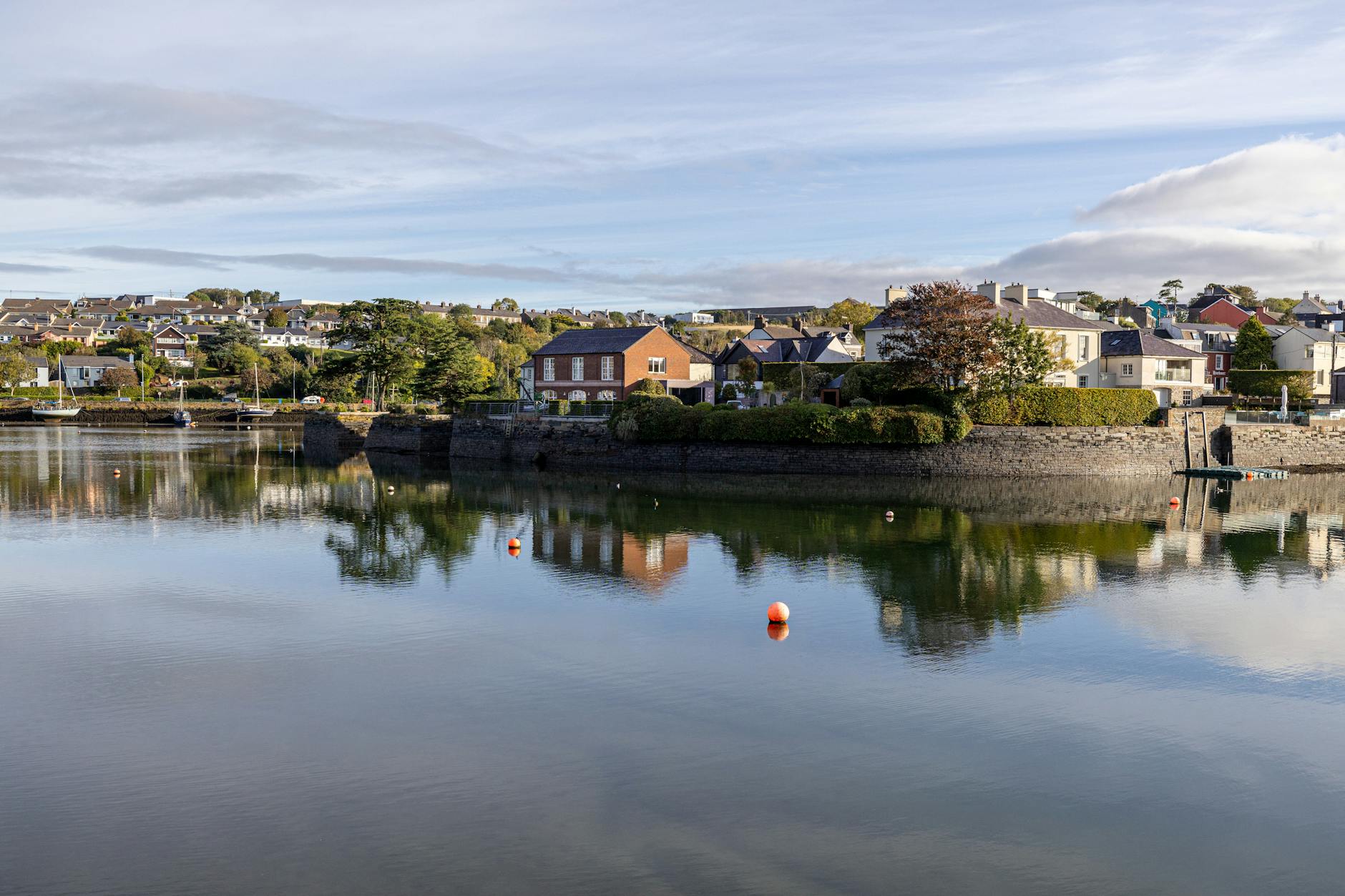
Rain, wind, short daylight, wet streets, and regional travel can affect Cork business days more than travelers expect. The visitor should carry practical shoes, weather layers, chargers, adapters, backup files, and a plan for calls if the hotel room is not ready. A rushed walk through rain before a meeting is not a strategy.
Confidentiality also matters. Public cafes, hotel lobbies, trains, taxis, and restaurants may not be suitable for sensitive calls or documents. A short trip should include at least one controlled work block for follow-up and secure communication.
- Pack for rain, wet streets, chargers, adapters, backup files, and practical meeting clothes.
- Reserve quiet time for calls, notes, proposals, and follow-up before departure.
- Avoid sensitive work in public spaces when client or deal information is exposed.

When to order a short-term travel report
A business visitor with a single meeting, known hotel, and simple Cork Airport routing may not need a custom report. A report becomes useful when the trip involves Dublin or Shannon alternatives, multiple meeting locations, regional site visits, senior clients, confidential work, tight return timing, expensive hotels, weather-sensitive movement, or a need to decide whether Cork can be handled in one night.
The report should test airport choice, ground transport, hotel location, meeting sequence, meals, work space, weather, confidentiality, budget, contingency, and what to cut. The value is a Cork business trip that stays purposeful instead of becoming a southern Ireland logistics puzzle.
- Order when airport choice, meeting geography, regional transfers, hotels, or confidentiality needs testing.
- Provide dates, meeting locations, airport options, hotel shortlist, work requirements, client needs, and budget.
- Use the report to keep the Cork visit efficient, credible, and decision-ready.