Cork can work well for budget travelers because many of its pleasures are not expensive: walking the center, using the English Market, choosing pubs carefully, visiting churches and streets, and taking selective day trips by public transport. The difficulty is that bad location, wet weather, late arrival, luggage, and too many county add-ons can make a cheap trip feel costly in other ways. A good budget Cork plan is not the cheapest possible plan. It is the plan that spends enough on access, lodging, food, and timing to keep the trip functional while using the city's low-cost strengths intelligently.
Define budget by total friction
Budget travelers should look beyond the headline price. A cheaper airport, distant room, awkward bus, or late arrival can create extra taxi costs, lost sleep, bad meals, and weak first impressions. Cork can be affordable, but only when the traveler treats time and energy as part of the budget.
The best low-cost plan usually protects a walkable base, simple arrival, and enough money for food and rainy-day adjustments. Cutting too close can make Cork feel harder than it needs to be.
- Compare choices by total cost, time, fatigue, luggage, weather, and evening safety.
- Do not save on lodging location if it creates repeated taxi or bus dependence.
- Keep a small buffer for rain, meals, late arrivals, and transport mistakes.
Choose airport and transport carefully
Cork Airport may cost more on some routes but save time and transfer stress. Dublin or Shannon may be cheaper or better connected, but the traveler should price rail, coach, taxis, luggage, food, and arrival time before deciding. A bargain flight can lose its value if it forces a long and tiring transfer.
Public transport can work well when the schedule is realistic. The budget traveler should avoid building a plan where one missed bus or late train consumes the savings.
- Compare Cork, Dublin, and Shannon by fare plus onward transport, food, luggage, and arrival hour.
- Check rail and coach schedules before booking flights or lodging.
- Budget for one taxi if weather, fatigue, or late timing makes public transport weak.
Pick lodging by walkability and sleep
Hostels, guesthouses, budget hotels, and apartments can all work in Cork, but the cheapest bed is not always the best value. The traveler should check walkability, late check-in, lockers, shared-room comfort, heating, noise, stairs, luggage storage, kitchen access, and whether the location makes meals easy.
A slightly better base can reduce transport spending and make evenings safer and more enjoyable. Budget travel works best when the traveler pays for the parts that prevent daily friction.
- Check location, check-in hours, lockers, stairs, noise, heating, kitchen access, and luggage storage.
- Use a walkable base to reduce taxis and preserve evening flexibility.
- Spend a little more when the cheaper room undermines sleep or safety.

Eat well without chasing expensive meals
Cork is helpful for budget travelers because food can be part of the experience without requiring every meal to be a restaurant reservation. Market browsing, bakeries, casual lunches, pub food, grocery stops, and one selected dinner can carry the trip well if the traveler plans around opening hours and location.
The danger is false economy: skipping proper meals, walking too far for a cheaper option, or letting hunger decide the day. A budget plan should still make food reliable.
- Use markets, bakeries, casual meals, grocery stops, and one chosen dinner strategically.
- Check opening hours, Sunday patterns, dietary needs, and distance from lodging.
- Do not let underplanned meals damage the afternoon or evening.
Use free and low-cost Cork before paying for distance
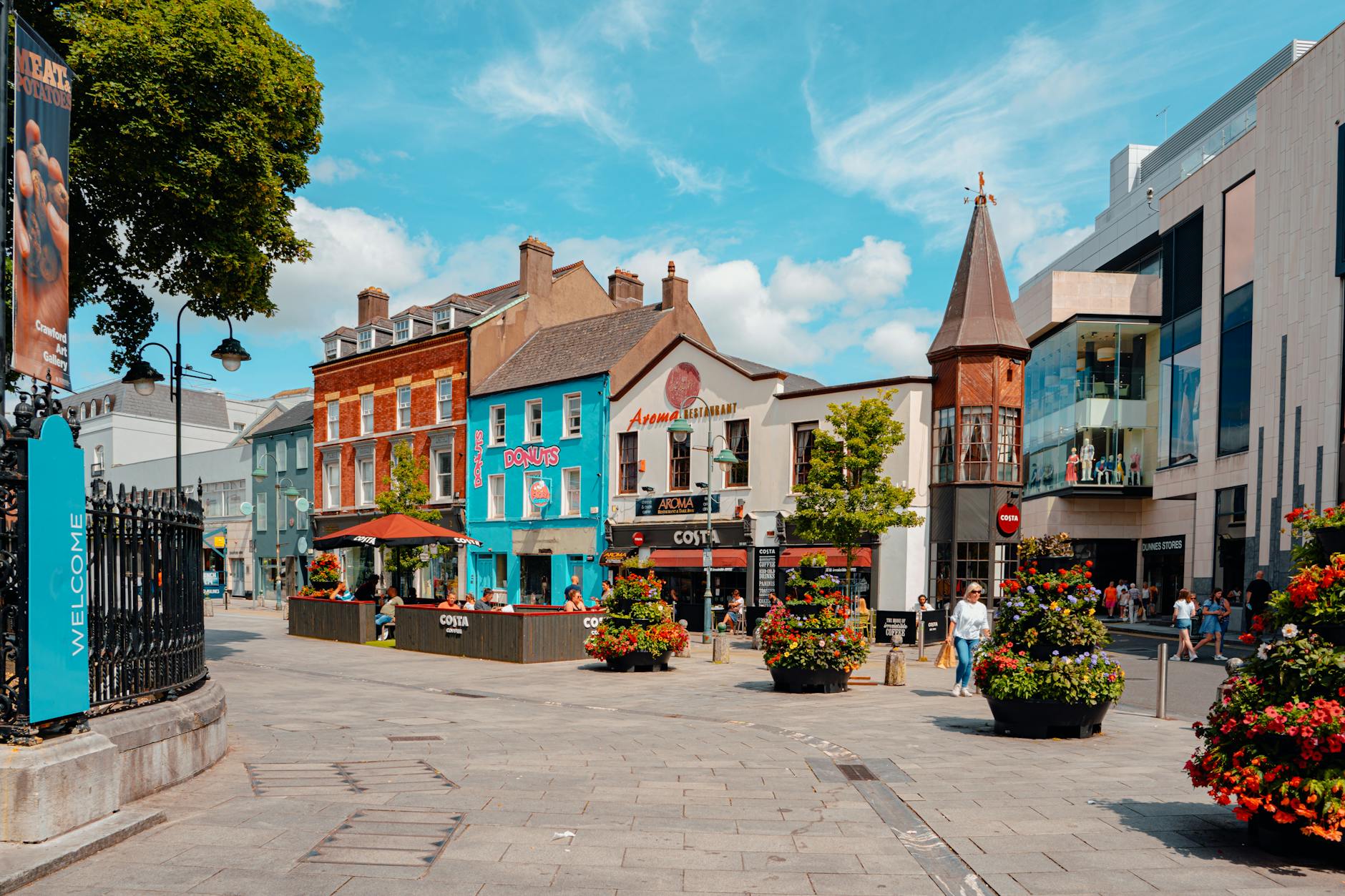
Budget travelers can build strong days from Cork's streets, river crossings, churches, markets, public spaces, pubs, and neighborhoods. Paid attractions and day trips should be added only when they clearly improve the trip. Spending money to leave the city every day can make a budget Cork visit less coherent.
A good approach is to make Cork city the low-cost foundation, then add one outside move that has enough time and value. That could be Cobh, Kinsale, Blarney, or another County Cork choice depending on the traveler.
- Use Cork's walkable streets, markets, churches, pubs, and river routes as the base.
- Add paid attractions only when they fit the purpose and budget.
- Do not spend the entire budget escaping the city you came to visit.
Choose day trips by real net cost
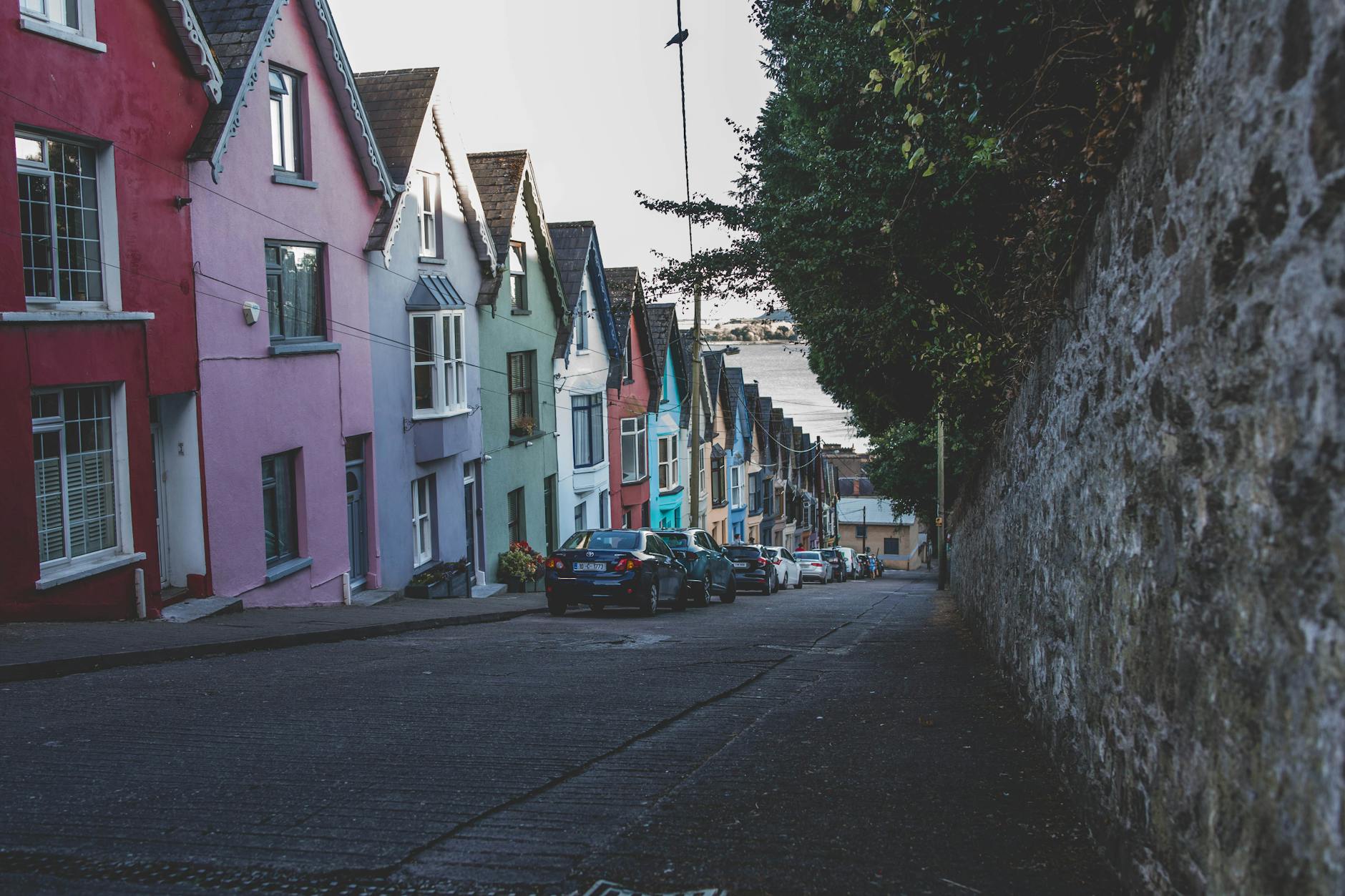
Cobh and Kinsale may look inexpensive until transport, meals, taxis, weather gear, museum entries, and return timing are included. Blarney, Fota, West Cork, and coastal routes can cost more in time than in tickets. Budget travelers should price the full day before adding it.
One well-chosen day trip is usually stronger than several underfunded ones. The traveler should know what gets cut from Cork city, how they will return, and what happens if rain or delay changes the plan.
- Price transport, meals, tickets, taxis, weather, and time before committing to a day trip.
- Choose one outside move that clearly improves the Cork stay.
- Keep enough money and energy for the return evening.

When to order a short-term travel report
A budget traveler with flexible dates, a central low-cost bed, and a simple Cork Airport arrival may not need a custom report. A report becomes useful when the traveler is comparing airports, trying to use Dublin or Shannon cheaply, choosing between hostels and budget hotels, planning multiple day trips, traveling solo, or trying to avoid spending more through poor timing.
The report should test full-route cost, lodging location, public transport, meals, free sights, day trips, weather, evening safety, contingency money, and what to skip. The value is a Cork budget trip that is genuinely economical rather than merely cheap.
- Order when airport choice, lodging, public transport, day trips, meals, or safety could change the true cost.
- Provide dates, airport options, lodging candidates, budget, day-trip goals, solo or group context, and constraints.
- Use the report to spend less without making the trip brittle.