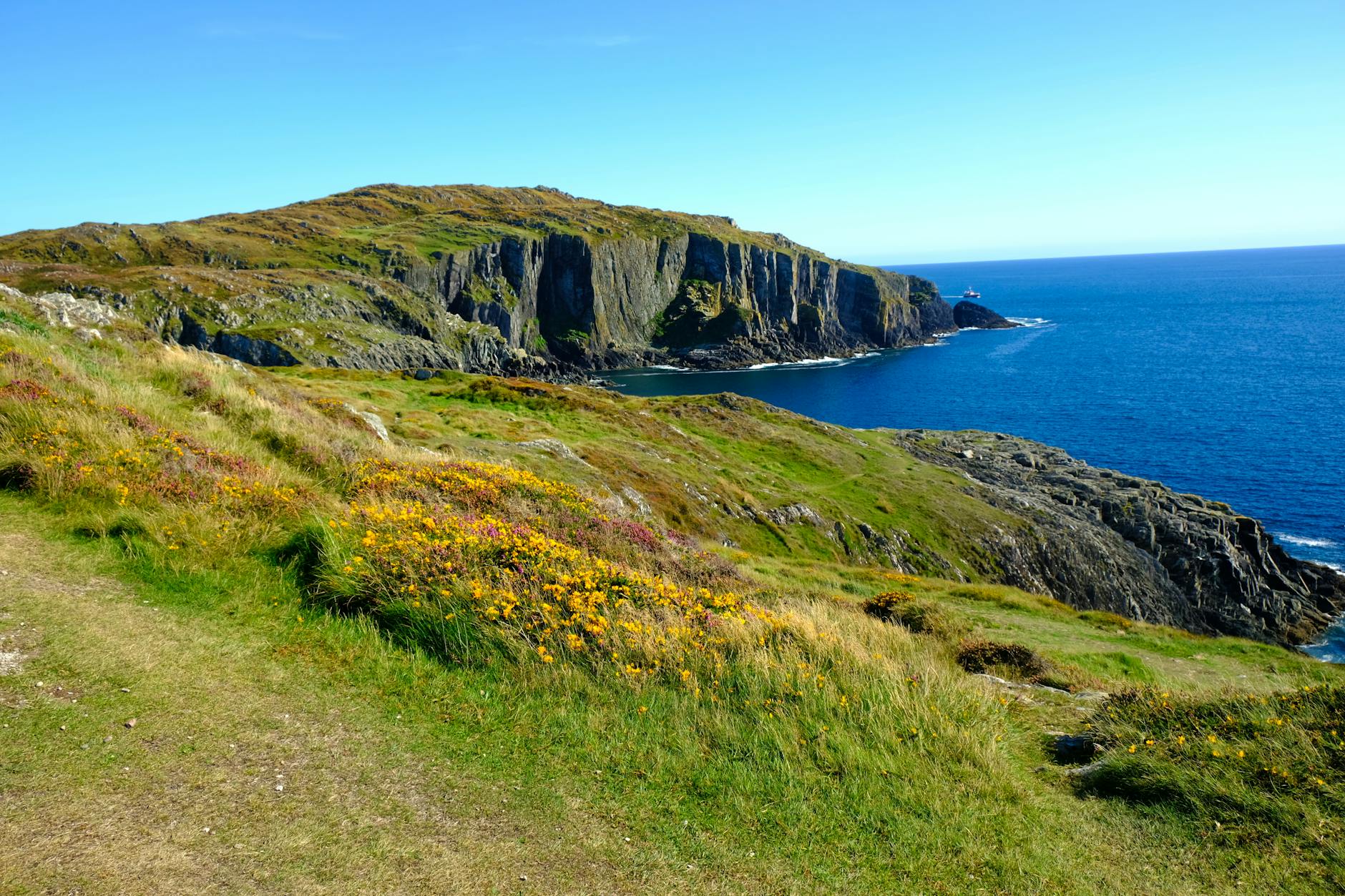
Cork can work well for an outdoor traveler, but not because every adventure is sitting inside Cork city. The stronger trip may include coastal walks, Kinsale, Cobh, West Cork scenery, harbor views, kayaking, cycling, beaches, cliffs, Blackrock Castle, or countryside roads. Each choice has different weather, transport, daylight, equipment, and safety requirements. A short outdoor trip to Cork should be planned with restraint. Rain, wind, rural transfers, seasonal daylight, fitness, footwear, and recovery time can decide whether the itinerary feels adventurous or merely wet and rushed.
Choose the outdoor trip you actually have time for
Cork outdoor travel can mean a city-and-river walking base, a Kinsale harbor day, a Cobh and coastal viewpoint plan, a West Cork road trip, a kayaking outing, a cycling route, or a cliff-and-beach itinerary. Those are not interchangeable. The traveler should choose one primary outdoor shape before adding extras.
A short visit does not reward a scattered map. One strong outdoor day with a weather backup usually works better than trying to collect every coastline, harbor, and trail within reach.
- Pick whether the trip is city walks, coastal towns, kayaking, cycling, hiking, or West Cork scenery.
- Match the route to the number of nights, daylight, transport, and fitness level.
- Build one good backup day instead of relying on optimism about weather.
Plan for rain, wind, and changing surfaces
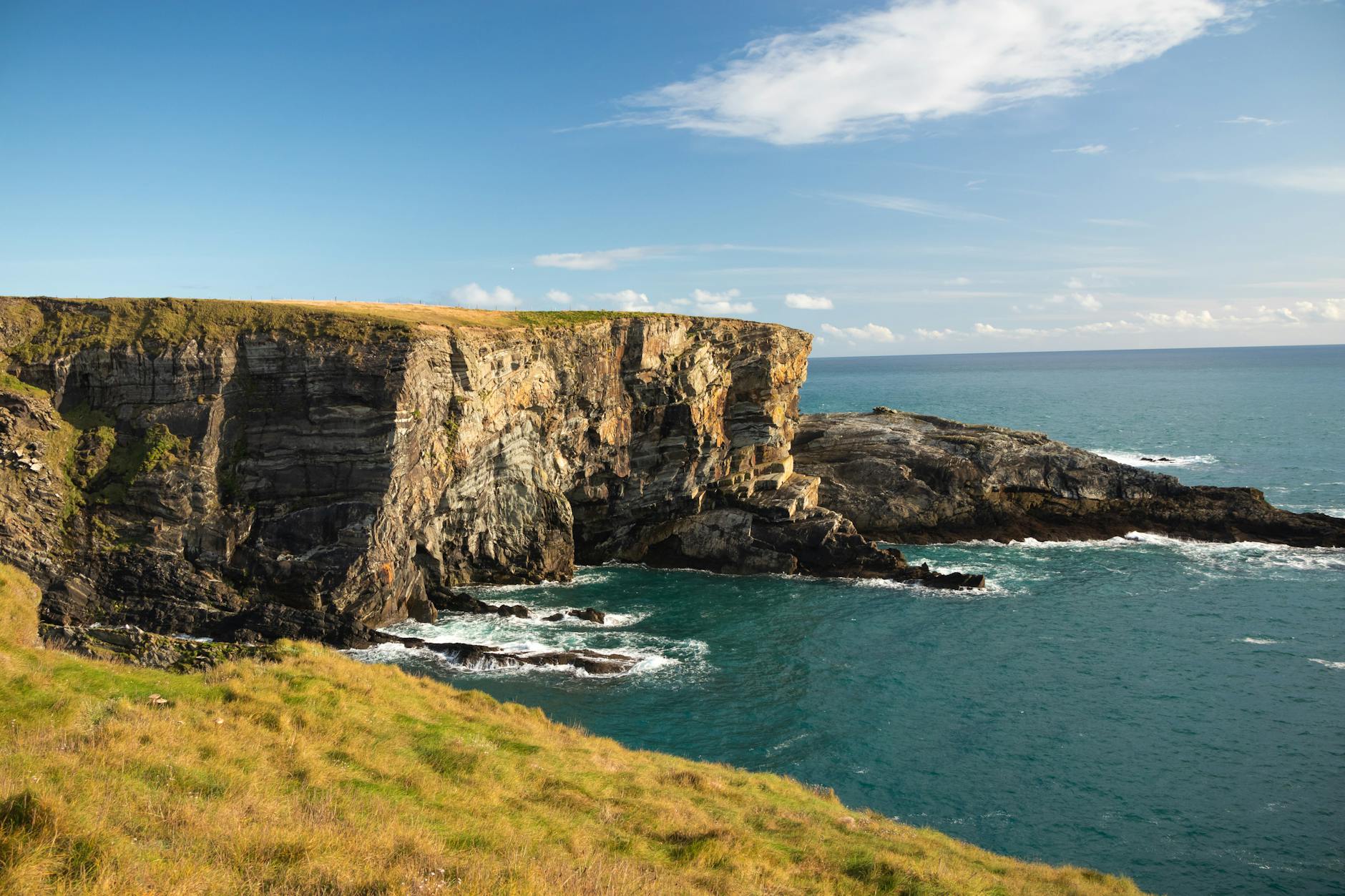
Cork weather can shift from pleasant to wet quickly, and outdoor plans should assume that surfaces, visibility, clothing, and morale may change. Rain is not a reason to cancel every walk, but wind, slippery paths, wet stone, coastal exposure, and cold hands can make a casual route more demanding than expected.
Footwear, layers, waterproof storage, spare socks, and realistic route length matter. Travelers should also think about what happens after the activity: dry clothes, hot food, laundry, and a comfortable return.
- Pack waterproof layers, grippy footwear, dry storage, spare socks, and battery protection.
- Check coastal wind, wet stone, muddy paths, and daylight before committing to distance.
- Plan where to dry gear, eat, warm up, and recover afterward.
Use Kinsale, Cobh, and West Cork selectively
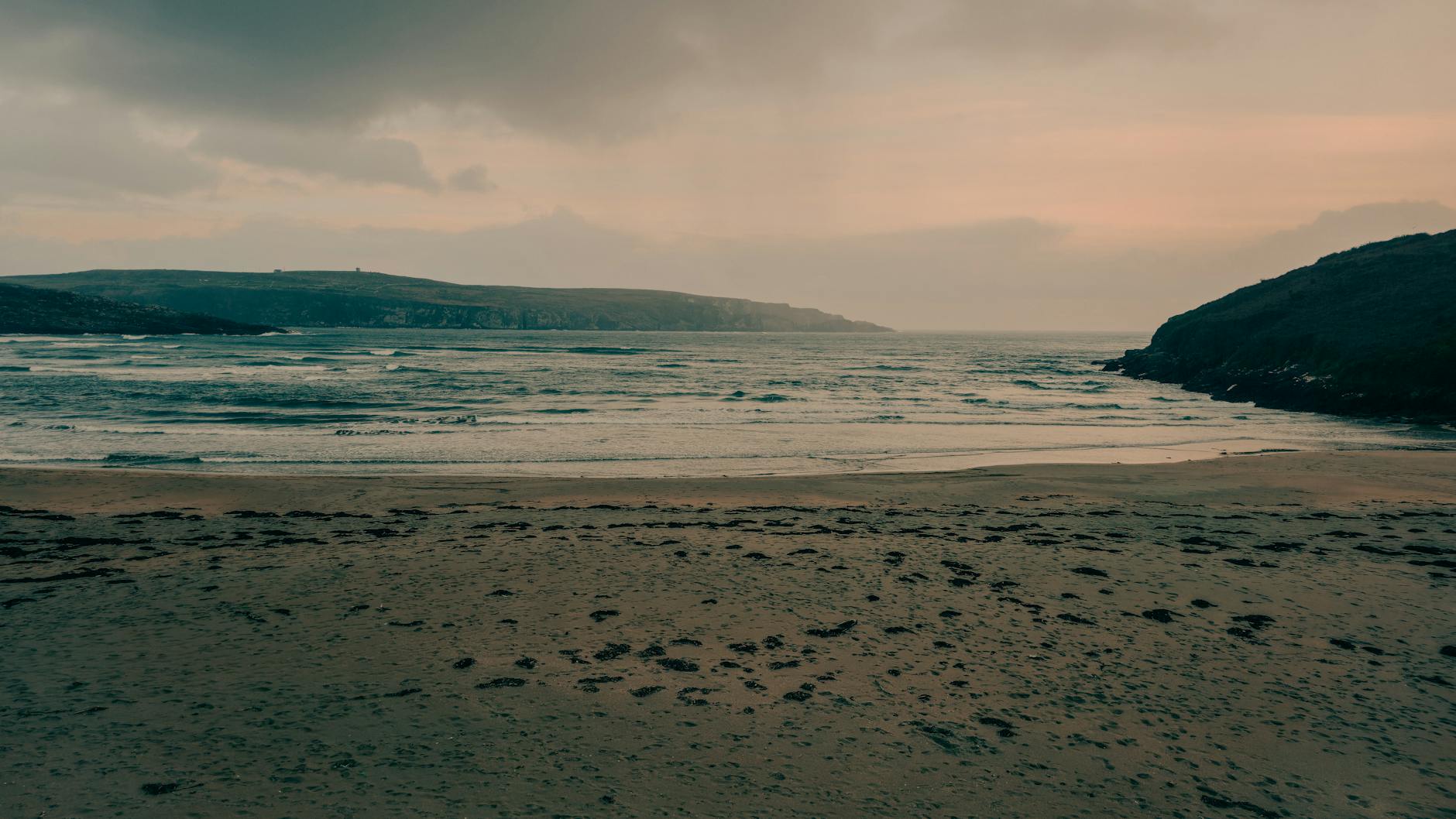
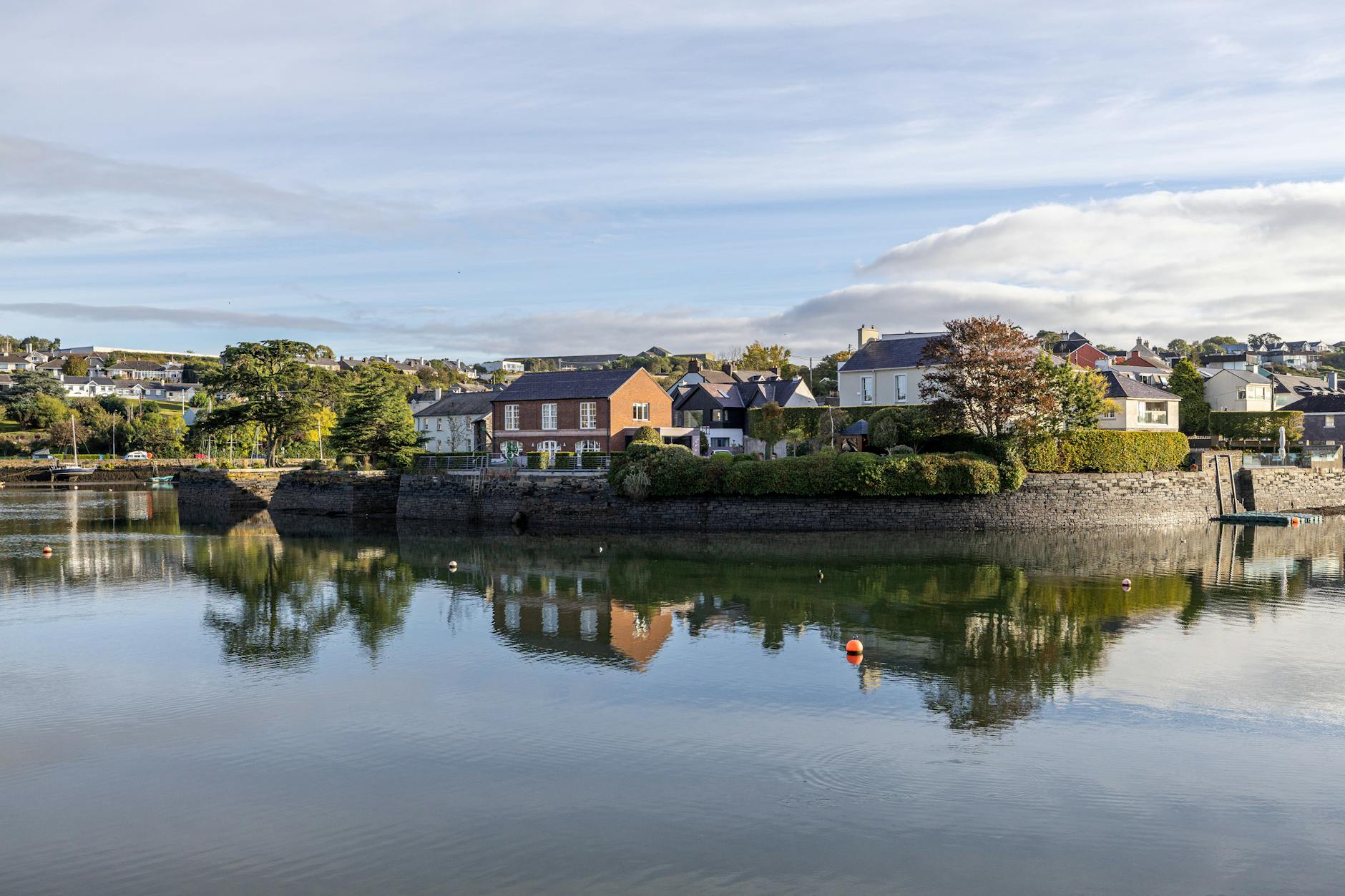
Kinsale, Cobh, and West Cork can add harbor views, coastal walks, food, color, history, and open landscapes. They also add transfer time and weather exposure. A traveler without a car should check return options carefully; a traveler with a car should respect rural roads, parking, fatigue, and unfamiliar driving.
The best outside-Cork outing is usually the one that serves the trip's main activity. Kinsale may fit food and harbor walking; Cobh may fit color and cathedral views; West Cork may fit a more deliberate scenic day.
- Choose Kinsale, Cobh, or West Cork by activity value, not simply name recognition.
- Check train, bus, taxi, rental-car, parking, and return timing before leaving the city.
- Avoid adding a distant outing after a late arrival or before a fixed departure.
Treat water activities as weather-dependent
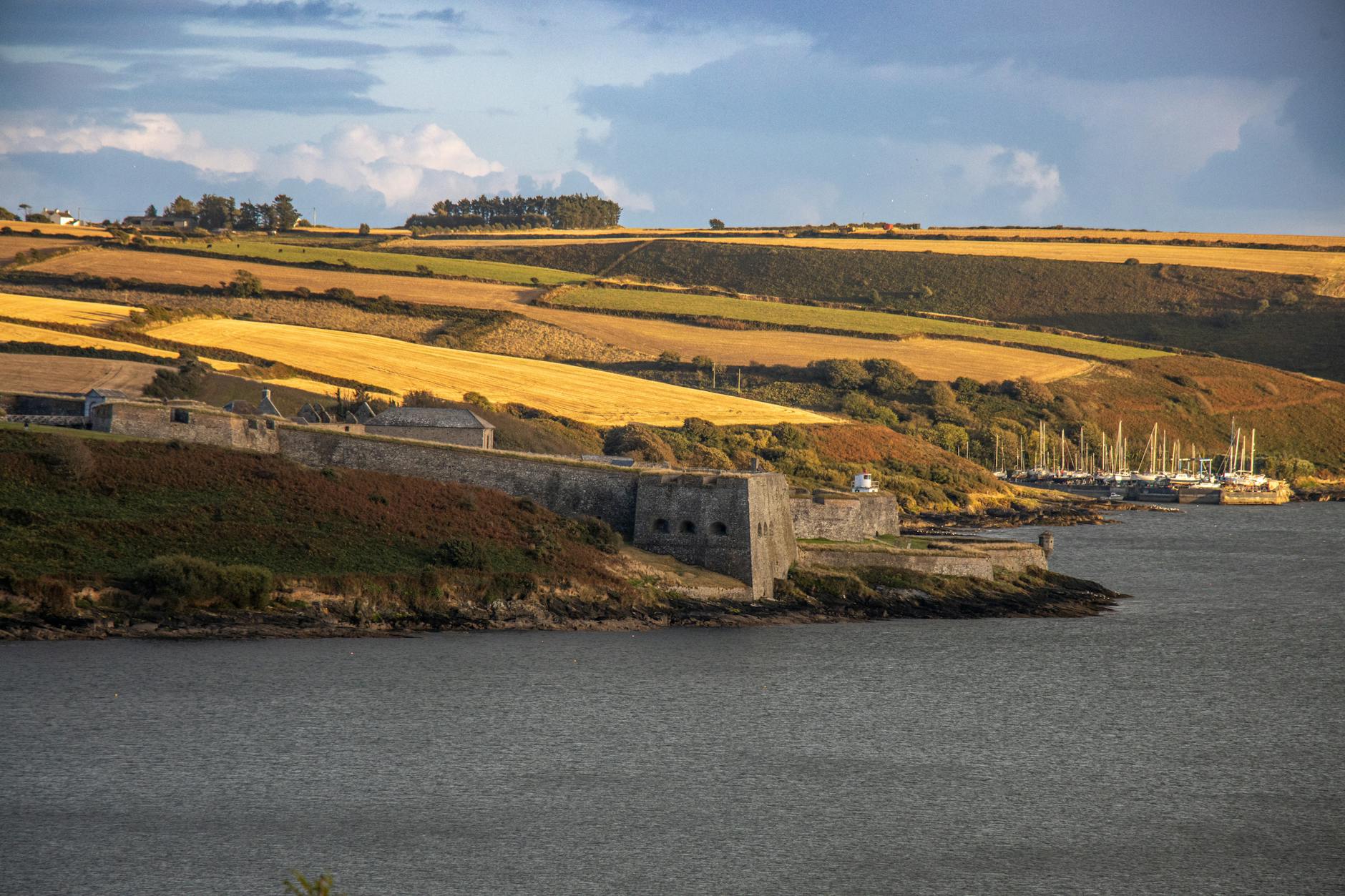
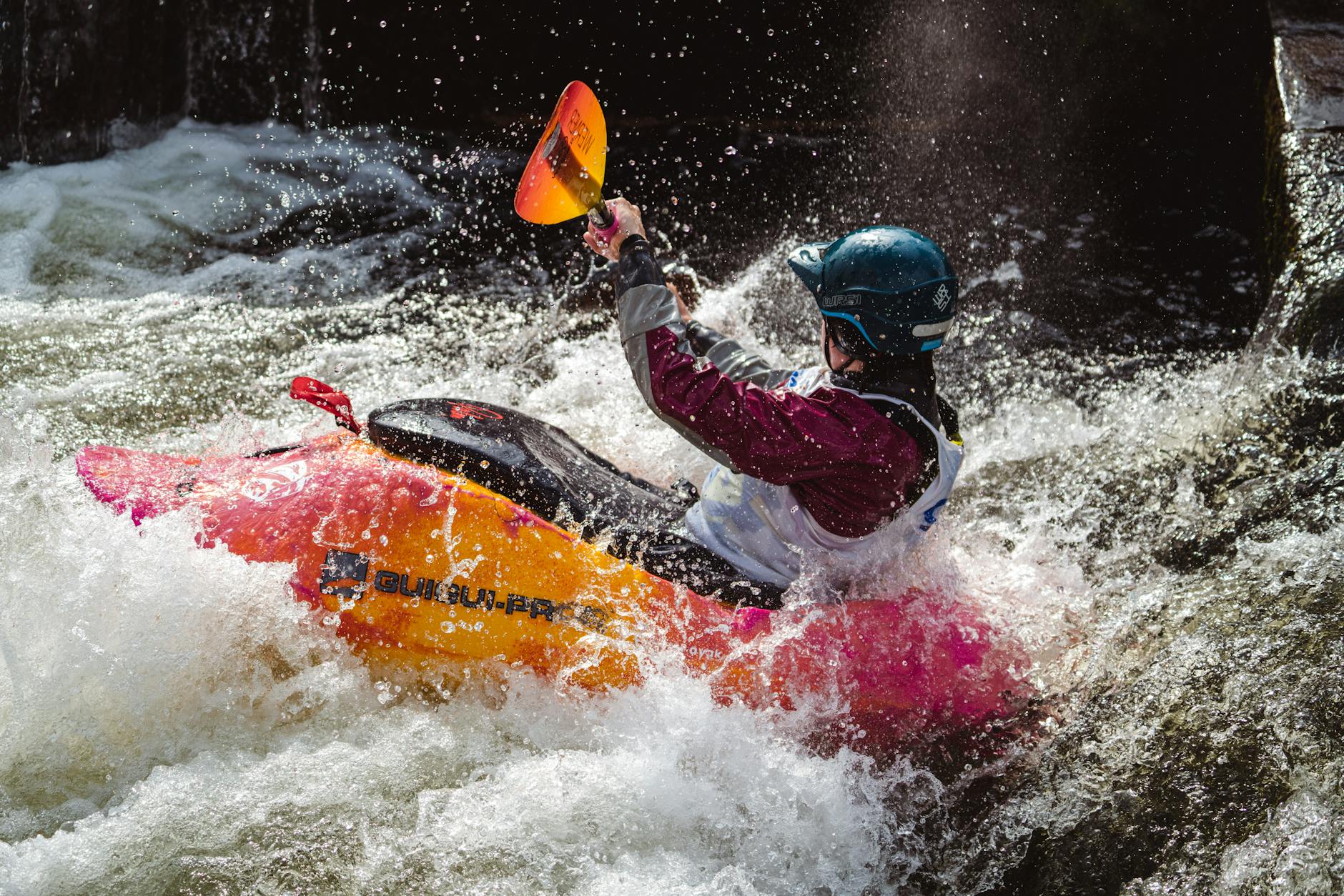
Kayaking, harbor movement, coastal boat plans, swimming, and waterfront cycling all depend on weather, tides, operator rules, clothing, and experience. A calm image online does not tell the traveler what the day will feel like. Current local advice should matter more than the original wish list.
Travelers should confirm operators, equipment, cancellation policies, changing facilities, return transport, and what to do if conditions are poor. A water plan without a dry backup is fragile.
- Confirm operator rules, weather thresholds, tides, equipment, changing options, and cancellation terms.
- Do not force kayaking, boating, swimming, or exposed waterfront plans in poor conditions.
- Keep a land-based backup that still feels like Cork rather than a filler day.
Match lodging to gear and recovery
An outdoor traveler needs lodging that supports more than sleep. Wet gear, early starts, breakfast, laundry, secure storage, taxi pickup, parking, bike handling, and quiet recovery can matter as much as charm. A central hotel may be excellent for city walks and food; a more rural stay may be better only if the route justifies it.
The base should reduce friction before and after activity. If the traveler must cross the city repeatedly with muddy shoes, damp jackets, or borrowed equipment, the plan will feel heavier than it looked.
- Check breakfast hours, gear drying, laundry, storage, parking, taxi access, and early departures.
- Choose a central Cork base for mixed city and day-trip plans unless a rural route truly needs another base.
- Keep recovery time in the itinerary after wet or strenuous activity.
Set safety limits before the day starts
Outdoor travel becomes safer when decisions are made before fatigue or weather pressure arrives. The traveler should know when to turn back, who has the lowest fitness or mobility margin, what route information is reliable, and how to handle a missed bus, closed path, injury, or soaked clothing.
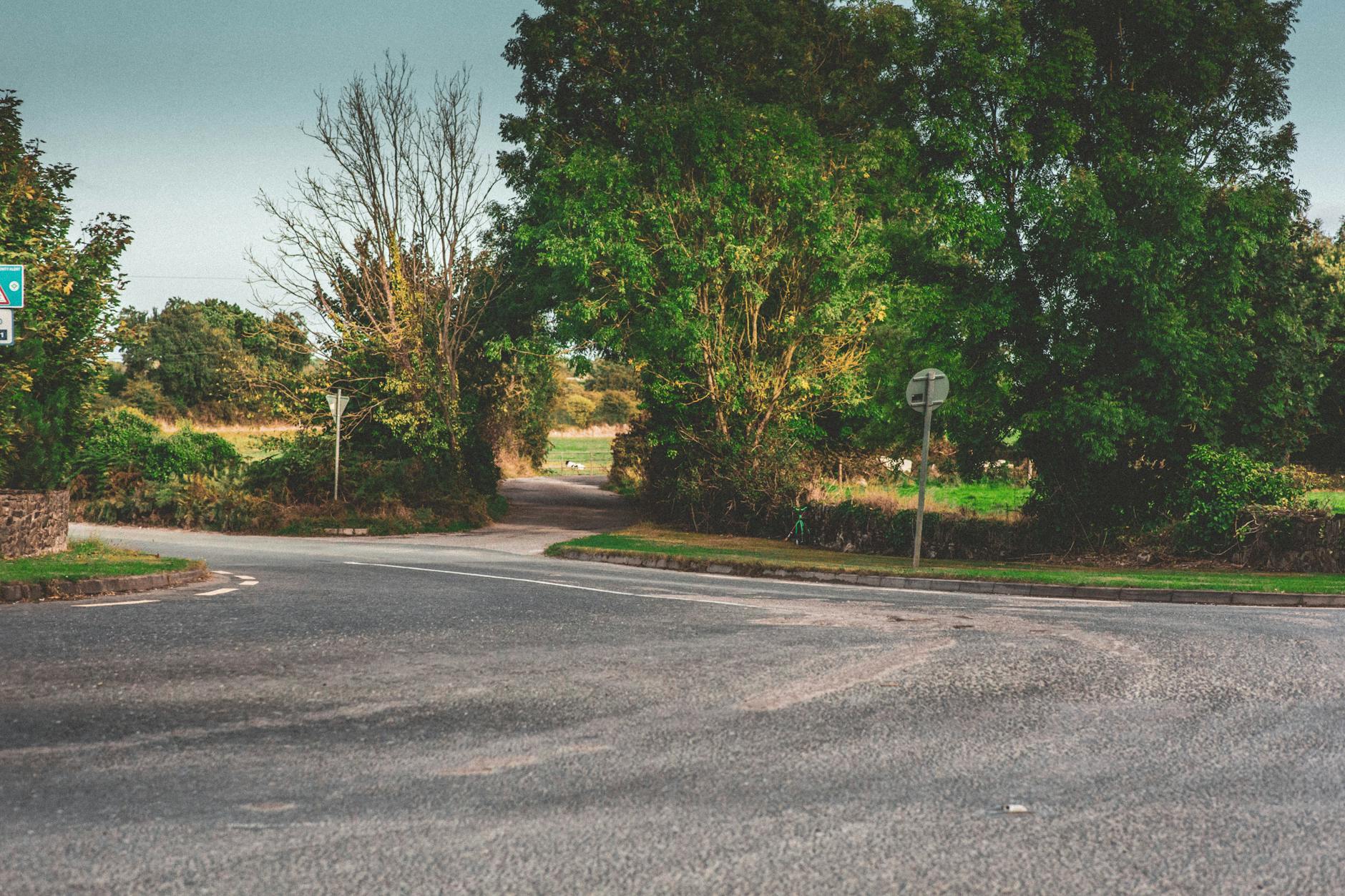
Cork is not an extreme destination by default, but rural roads, coastal edges, wet paths, darkness, and unfamiliar transport can still create avoidable risk. A short trip has little room for a poor judgment day.
- Set turnaround rules for weather, daylight, fatigue, injury, route uncertainty, and missed transport.
- Share route plans when heading outside the city or using rural roads.
- Keep phone power, offline maps, medication, food, and emergency contacts accessible.
When to order a short-term travel report
An outdoor traveler with flexible dates and a simple Cork city walking plan may not need a custom report. A report becomes useful when the itinerary includes Kinsale, Cobh, West Cork, kayaking, cycling, uncertain transport, tight weather windows, older travelers, mobility limits, rental cars, or a need to choose which outdoor plans are actually worth the time.
The report should test season, weather, routes, transport, lodging, activity operators, gear, safety, recovery, budget, and what to cut. The value is a Cork outdoor trip that is active without being careless or overloaded.
- Order when weather, transport, side trips, gear, operators, or mixed ability levels need testing.
- Provide dates, activities, fitness level, lodging options, transport comfort, medical constraints, and budget.
- Use the report to choose the strongest outdoor plan for the time available.