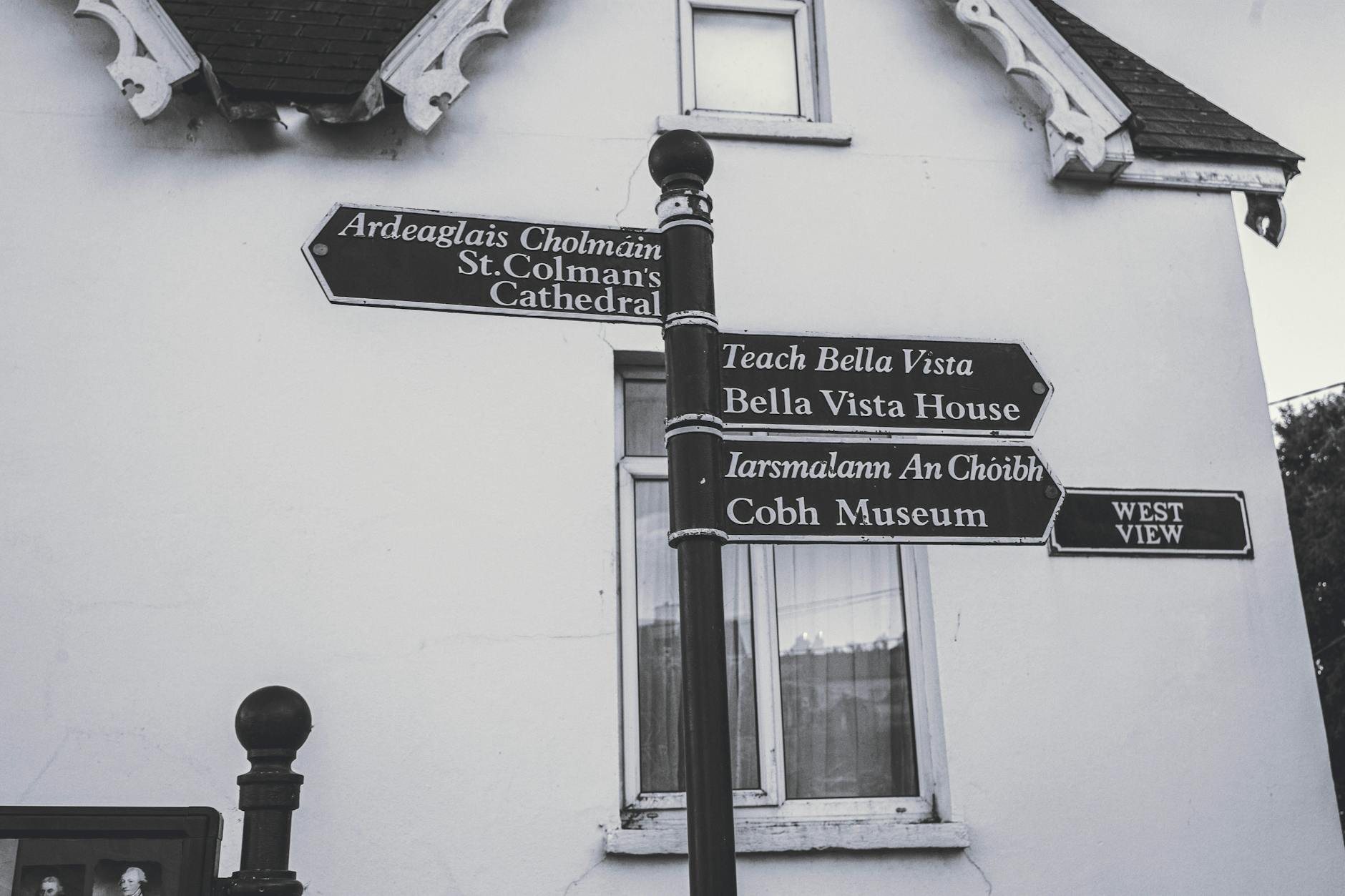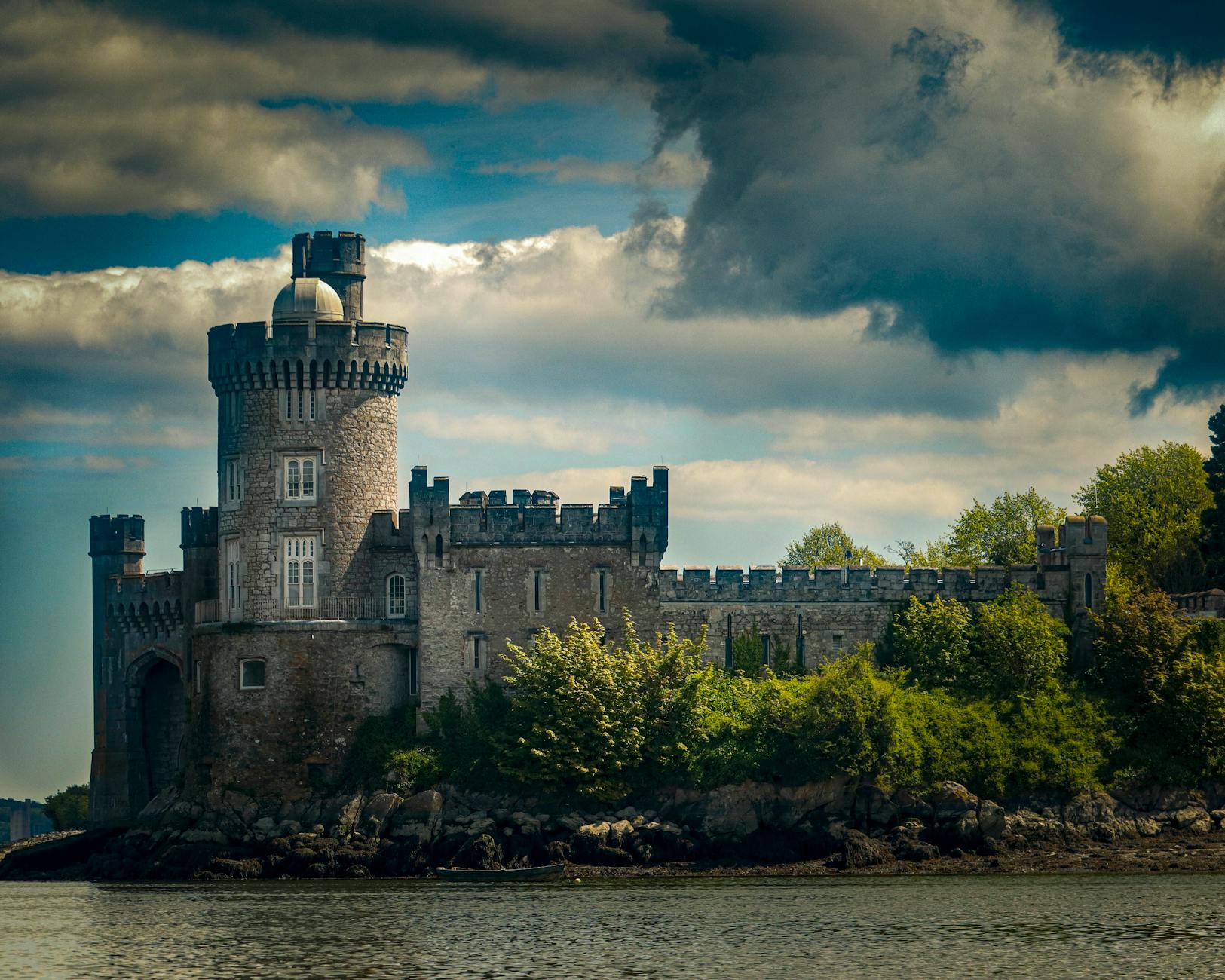
Cork can be an excellent conference city when the attendee treats it as a real academic and regional center rather than a soft add-on to Dublin or a scenic stop in southern Ireland. A conference may be hosted around a university, hotel, cultural venue, professional institute, or city-center meeting space, and each version creates different transport, lodging, meal, and work requirements. An academic conference attendee should plan Cork around the conference purpose first: presenting, listening, networking, supervising students, meeting collaborators, interviewing for future work, or adding a field visit. The trip improves when the venue, arrival, hotel, meals, weather, and post-session work blocks support that purpose instead of competing with it.
Start with the conference venue and role
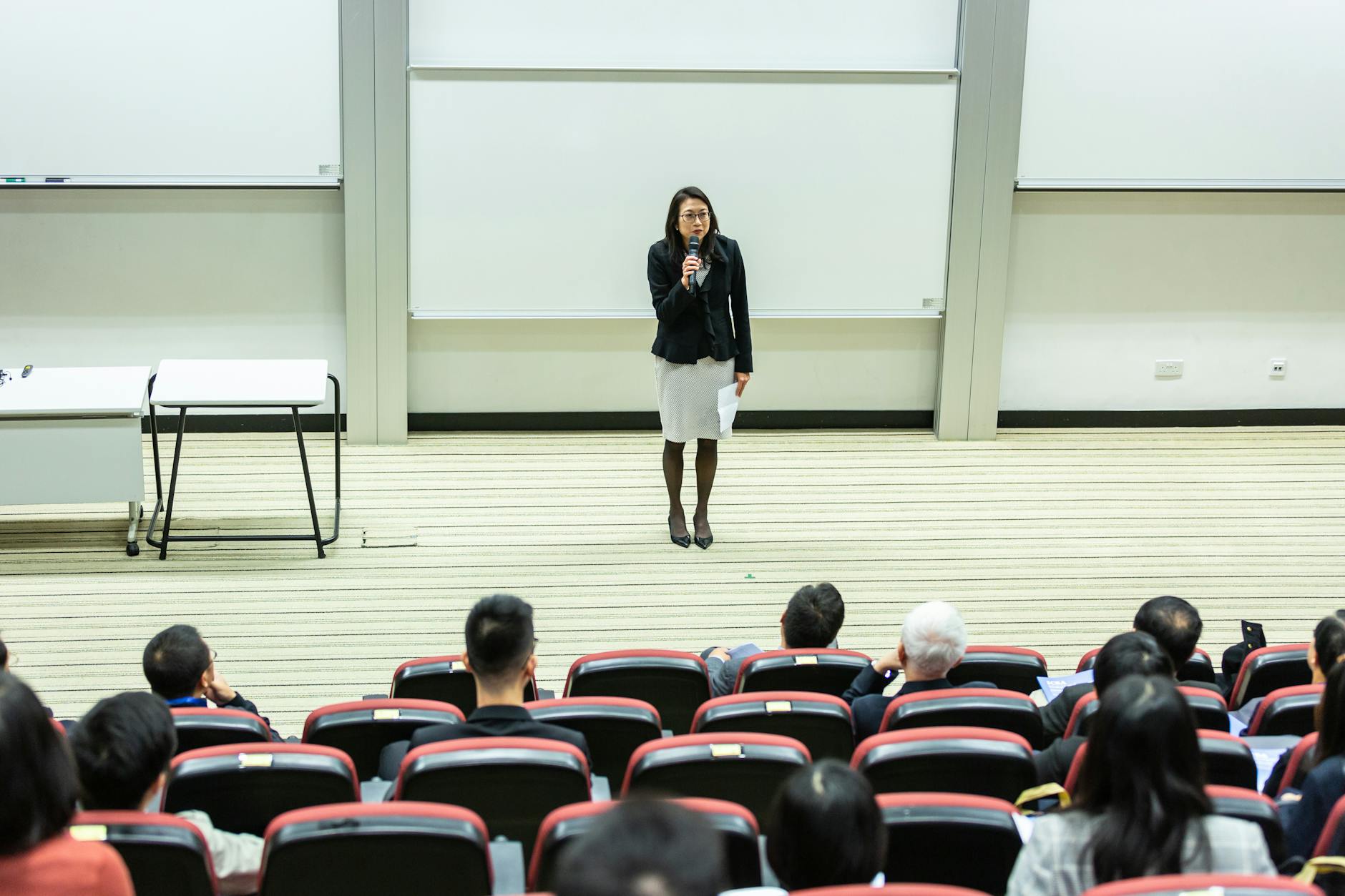
A Cork conference can feel simple on paper until the attendee checks where sessions, receptions, poster halls, workshops, and informal dinners actually happen. A university venue, city hotel, civic space, or regional site visit will each produce a different day. The attendee's role matters too: a keynote speaker, poster presenter, panel chair, doctoral student, or observer needs different margins.
Before booking, the attendee should know the required attendance windows, presentation time, setup rules, registration desk hours, reception location, and whether any meetings happen away from the main venue. Cork is manageable when the schedule is understood precisely.
- Confirm venue, registration hours, session rooms, reception locations, and any off-site events.
- Plan differently for presenting, chairing, networking, supervising students, or simply attending.
- Do not assume every conference event is in the same building or easy walking distance.
Choose Cork, Dublin, or Shannon access carefully
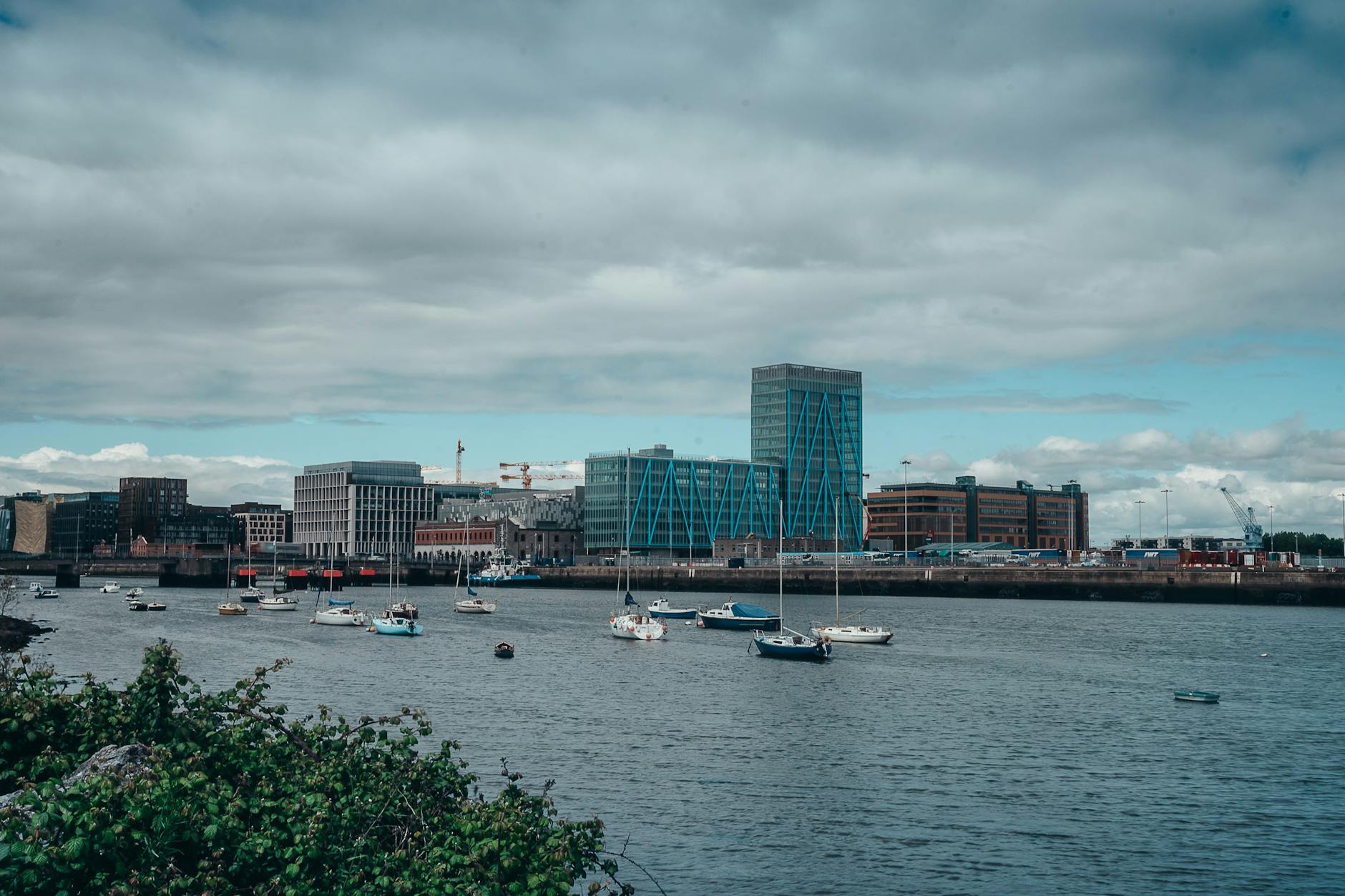
Cork Airport can be efficient when the route works, but attendees may also compare Dublin or Shannon depending on fares, flight times, rail or road links, and the conference schedule. A lower fare can disappear if it creates a long transfer before an early panel or after the closing session.
The attendee should build the arrival plan around the first immovable academic commitment. If the paper, keynote, poster session, or meeting matters, a buffer night is usually more useful than a heroic same-day arrival.
- Compare Cork, Dublin, and Shannon by total travel time, reliability, cost, and session timing.
- Use a buffer when delay would affect a paper, panel, poster, workshop, or grant meeting.
- Carry presentation files, adapters, medication, and essential notes in hand luggage.
Book lodging for venue access and recovery
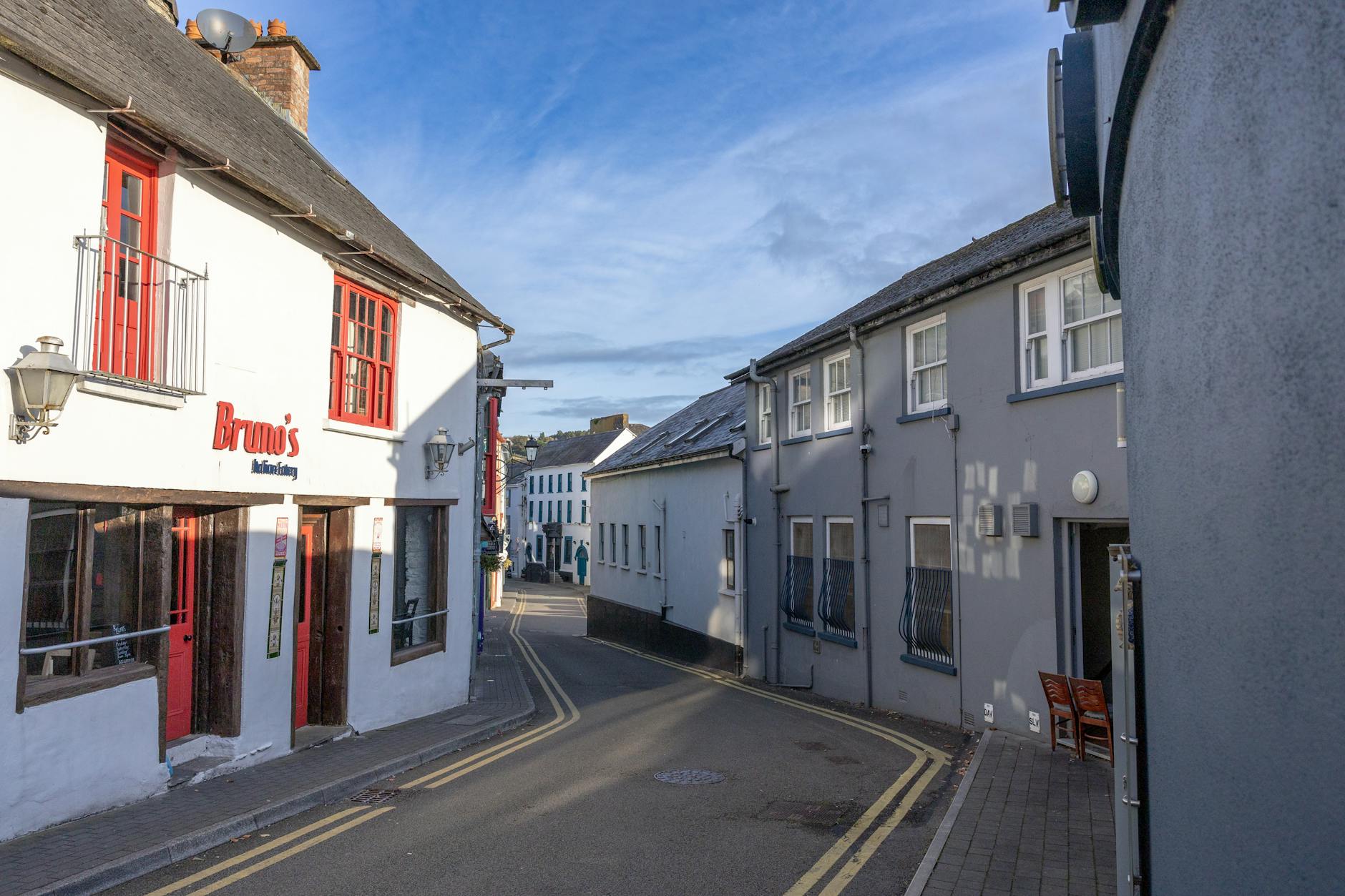
Conference hotels and nearby rooms can sell out quickly, especially when the event is attached to a university calendar, festival period, or high-demand travel season. A cheaper room farther out may make mornings, rain, taxis, and late receptions more difficult than the savings justify.
The attendee should check walking routes, hills, weather exposure, taxi availability, breakfast timing, desk space, Wi-Fi, quiet, and evening return. A strong base lets the attendee participate fully without turning every break into logistics.
- Map hotel to venue, reception, dinner areas, transit, taxis, and rain-safe walking routes.
- Check desk space, Wi-Fi, quiet, breakfast timing, luggage storage, and checkout rules.
- Book earlier when conference housing is limited or the city is busy.

Protect presentation and technical readiness
A short academic trip can be damaged by small technical failures. Slides, posters, adapters, laptop ports, upload deadlines, print rules, microphone needs, captions, time limits, and backup files should be sorted before Cork rather than at the registration desk. International visitors should also account for plugs, roaming, and institutional login requirements.
The attendee should keep local copies and cloud copies of papers, slides, posters, schedules, and contact details. If the trip includes a poster or materials, the plan should cover transport, printing, and what happens if luggage is delayed.
- Confirm slide format, time limits, room technology, poster dimensions, printing, and upload deadlines.
- Carry adapters, chargers, backups, cloud copies, and essential presentation material personally.
- Plan for delayed luggage if posters, books, samples, or handouts are involved.
Use Cork context for better networking
Cork is useful for academic travel partly because it gives conversations a regional setting. Meetings over coffee, walks through the city, or dinners in the center can make collaboration feel less generic. But the attendee should understand who is local, who is visiting, and what institutional or regional context matters to the field.
Networking should be scheduled rather than left to chance. A short conference can disappear into sessions unless the attendee protects time for one-on-one meetings, student introductions, publisher conversations, lab visits, or future project planning.
- Identify collaborators, supervisors, students, publishers, funders, or local hosts before arrival.
- Schedule key meetings instead of relying only on reception conversations.
- Use Cork's setting to deepen academic exchange, not to replace preparation.

Plan meals, weather, and quiet work time
Cork's food and pub culture can support good conference evenings, but meals still need structure. Important dinners, dietary needs, noise levels, distance from the venue, and late-session fatigue should be handled in advance. A loud pub may be useful for social energy and poor for a serious collaboration conversation.
The attendee should also reserve quiet time for notes, email, revised slides, follow-up messages, and rest. Rain, wind, and wet streets can affect movement between sessions, so practical shoes and layers matter more than a conference packing list might suggest.
- Reserve important meals and check dietary needs, noise, distance, and timing.
- Protect quiet work blocks for notes, slides, email, and follow-up.
- Pack for rain, wet streets, chargers, adapters, and conference-to-dinner transitions.
When to order a short-term travel report
An academic conference attendee with a simple Cork Airport arrival, conference hotel, and no presentation duties may not need a custom report. A report becomes useful when the attendee is presenting, chairing, traveling with students, comparing airports, managing accessibility, adding field visits, meeting senior collaborators, or trying to keep the trip short without losing academic value.
The report should test airport choice, venue geography, hotel fit, presentation logistics, meals, weather, accessibility, quiet work time, budget, contingency, and what to cut. The value is a Cork conference trip that supports the academic purpose instead of merely delivering the attendee to the room.
- Order when airport choice, venue geography, presentation logistics, hotels, or accessibility needs testing.
- Provide dates, venue, role, session schedule, hotel options, presentation needs, meetings, constraints, and budget.
- Use the report to make the conference trip efficient, useful, and sustainable.