Choose a base near the first priorities
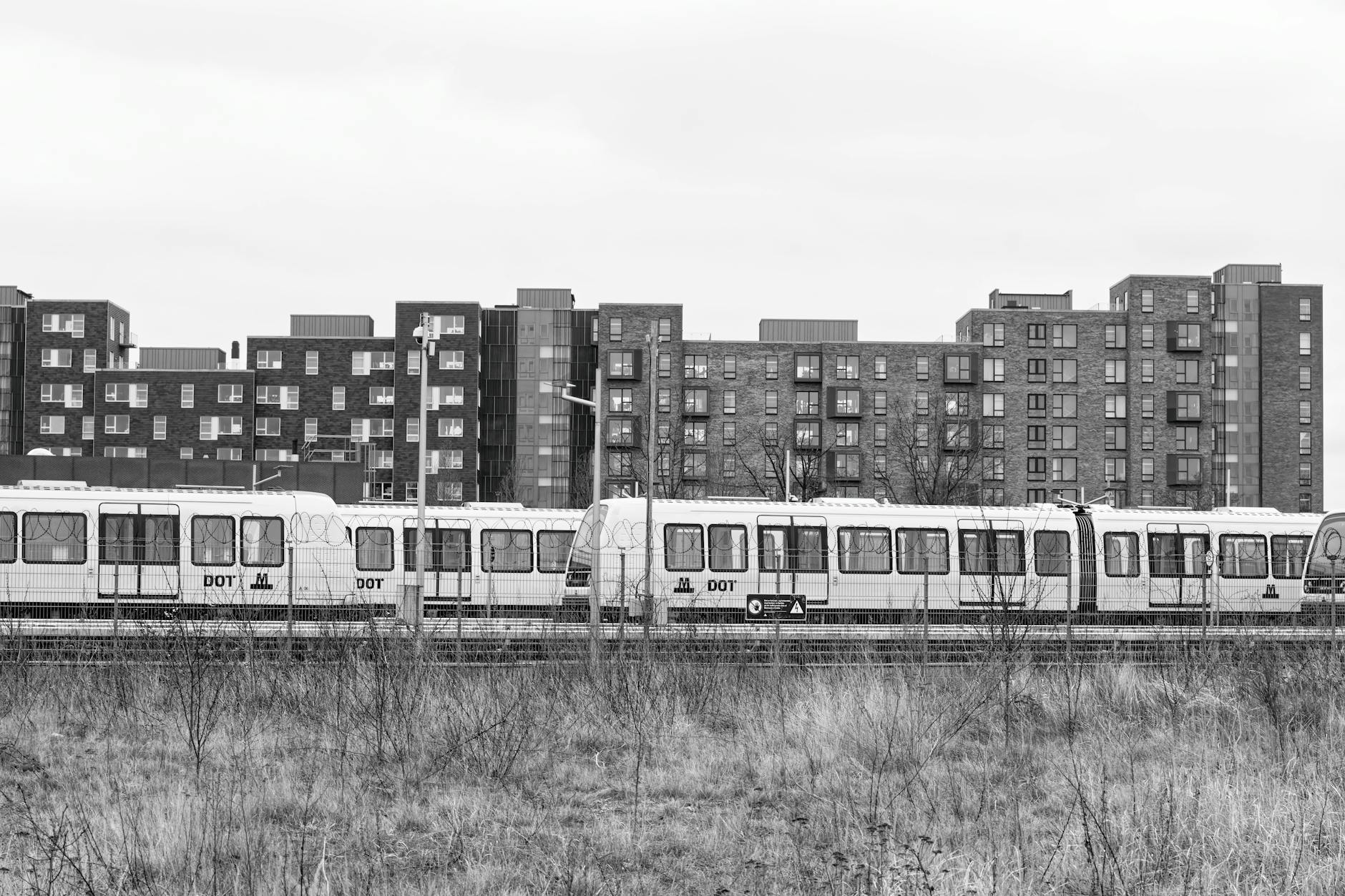
A tourist can lose too much time crossing the city if the hotel is chosen only by price or appearance. Copenhagen is compact, but the base should still match the first day's sights, evening plans, airport route, and likely weather.
The right base reduces wasted movement.
- Choose lodging near central sights, metro or rail access, cafes, and the first planned route.
- Check luggage storage, breakfast hours, room quiet, elevator access, and late arrival procedures.
- Avoid a distant base if it turns a short tourist stay into repeated transfers.
Prioritize sights instead of collecting them
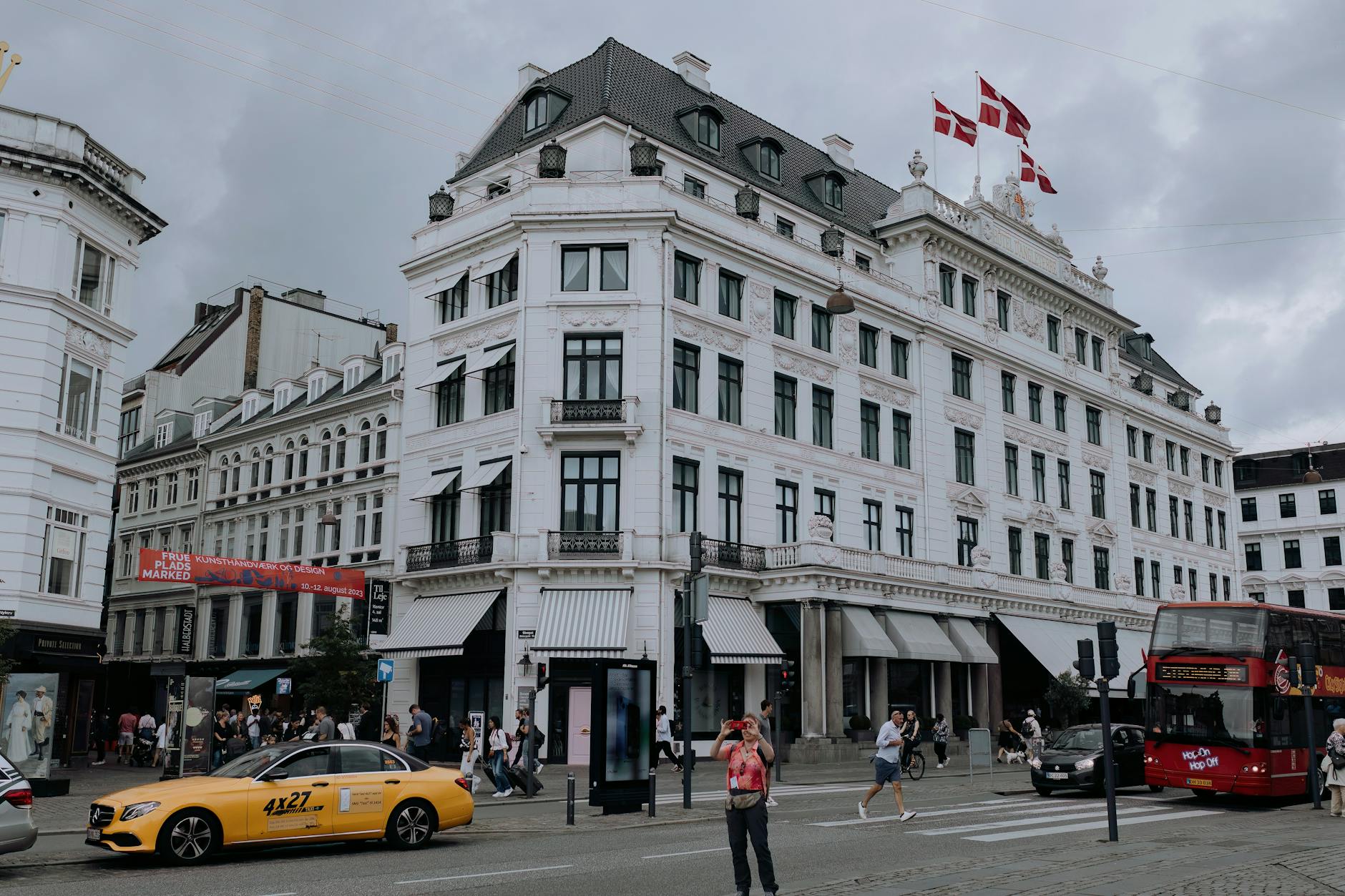
Copenhagen has enough attractions to overfill a short stay. A tourist should separate must-see places from nice-to-have stops, then group them by geography so the day does not become a zigzag between palaces, museums, canals, and shops.
A shorter list usually creates a better trip.
- Pick two or three main sights per day and place smaller stops nearby.
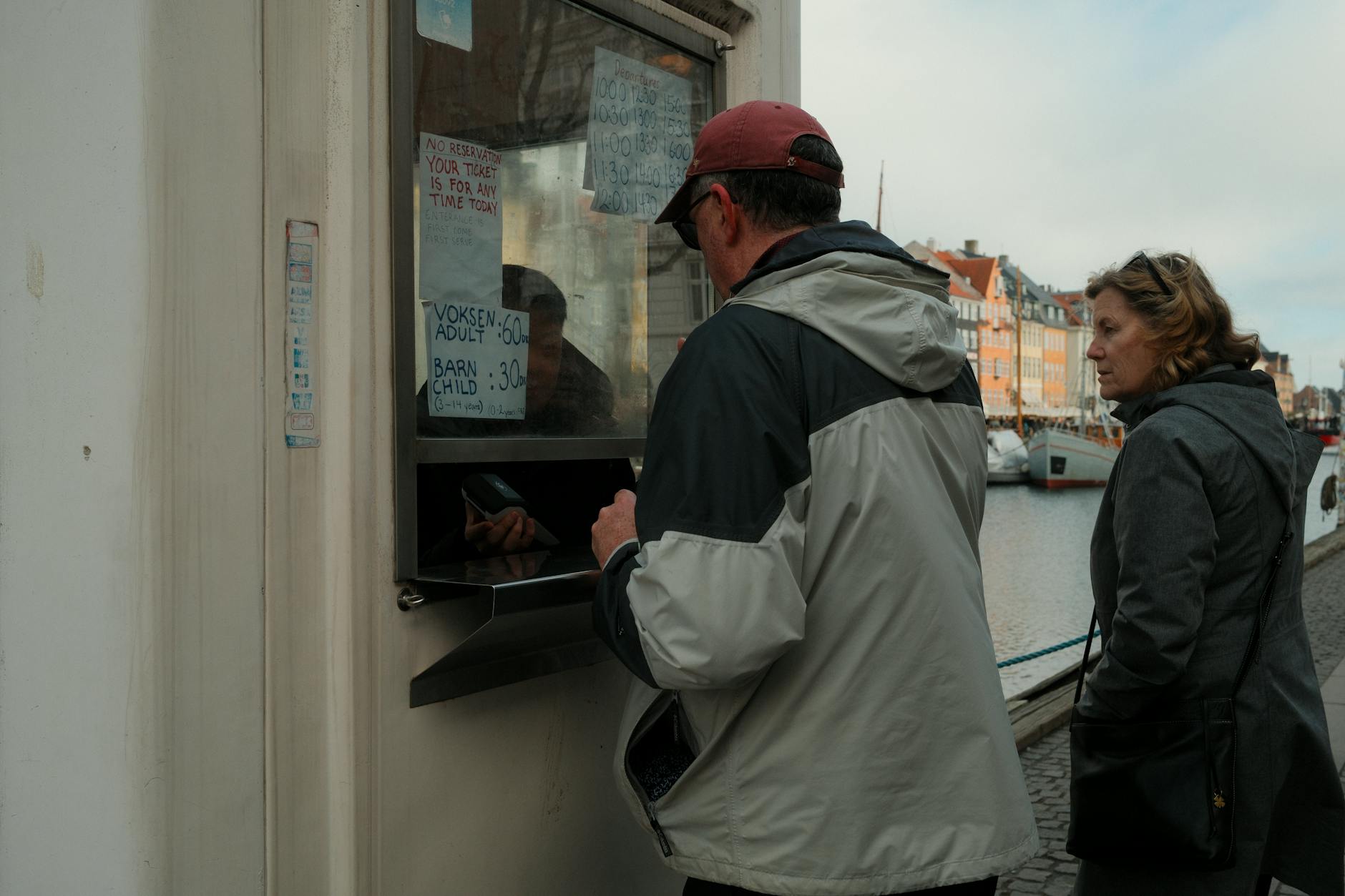
- Check opening hours, ticket rules, reservation needs, and closing days before arrival.
- Leave room for walking, photos, cafes, and weather changes between headline stops.
Use canals and water time deliberately
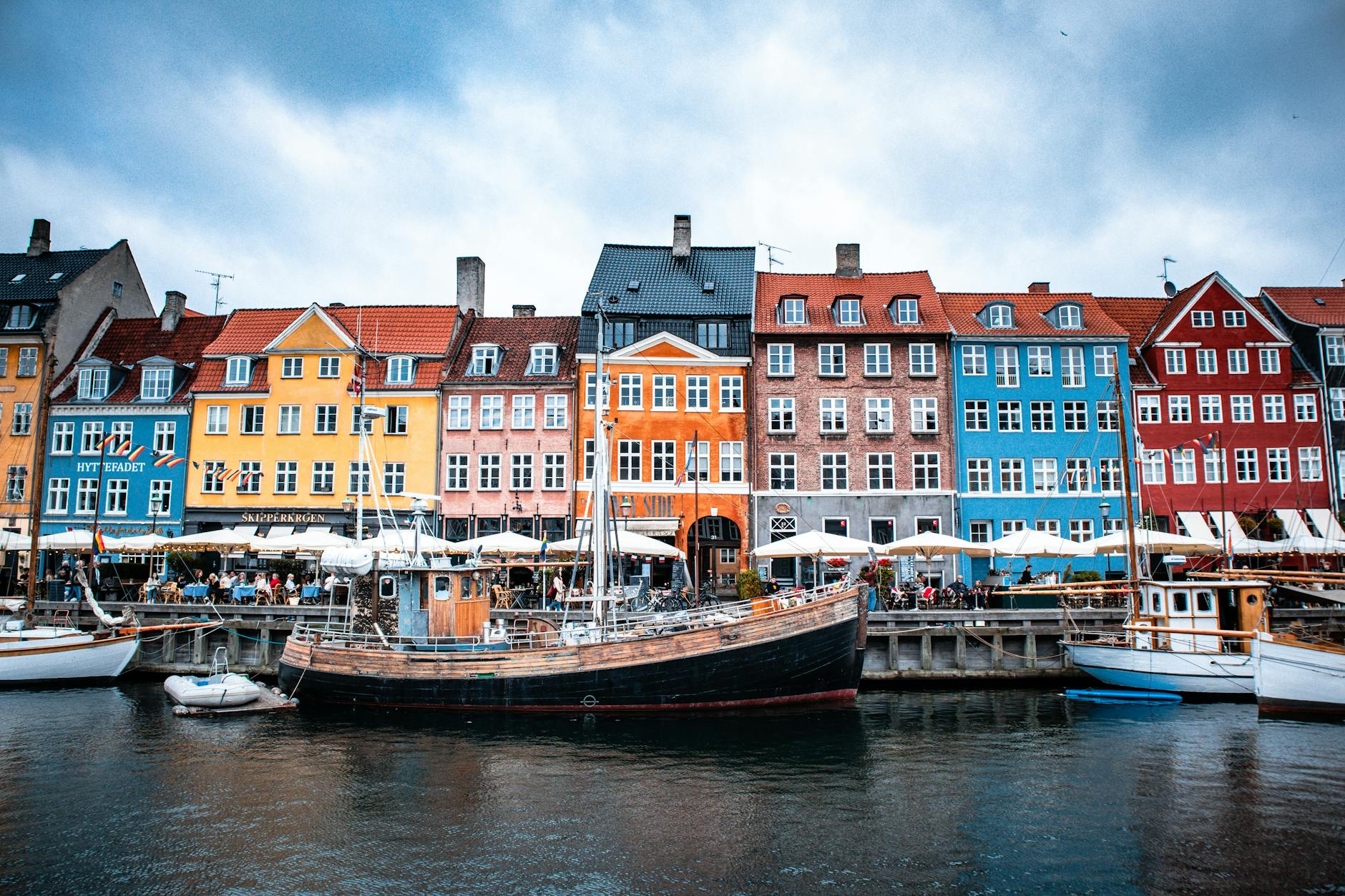
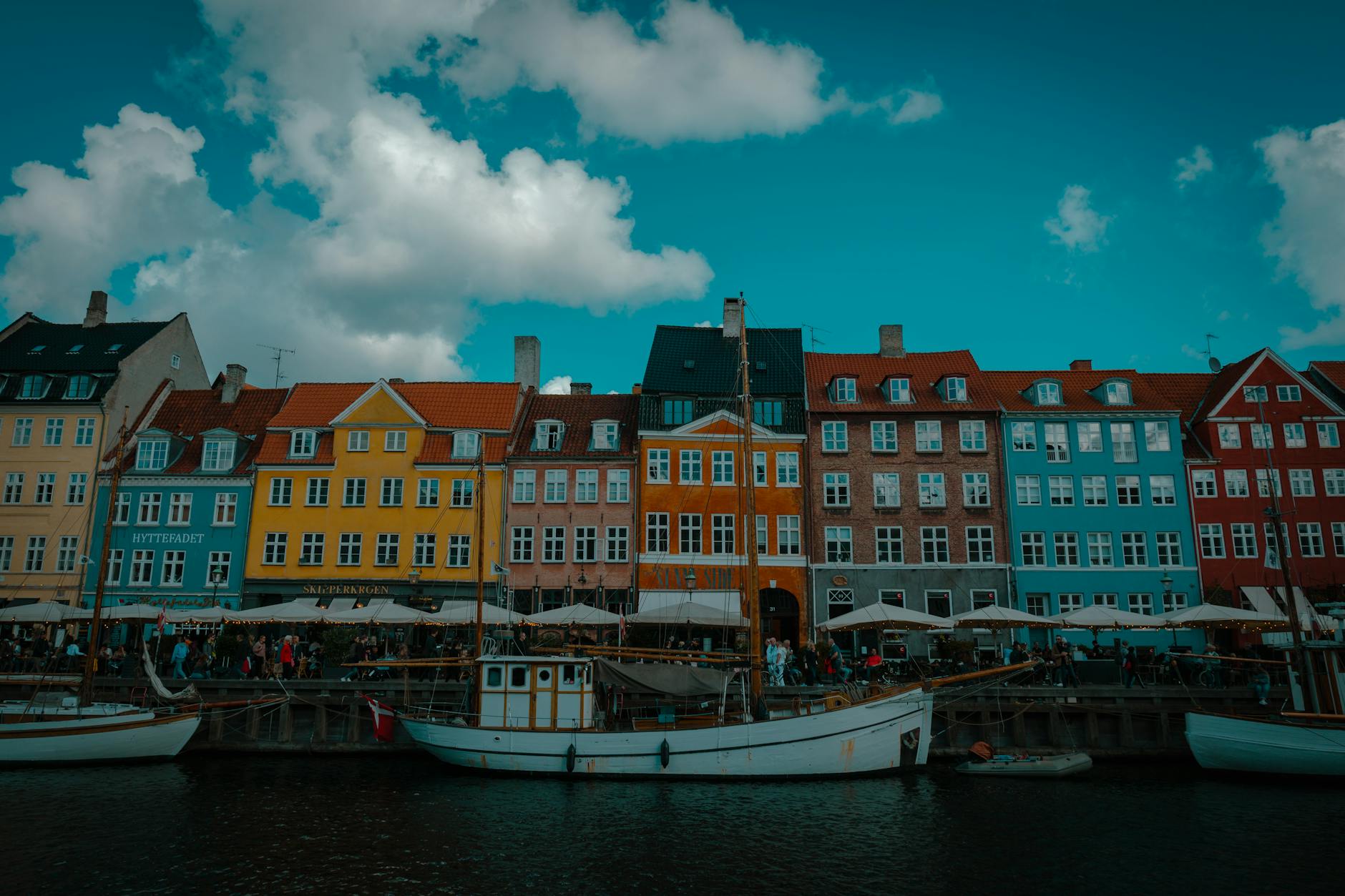
Canals, harbor walks, bridges, and boat routes are central to Copenhagen's appeal, but they need weather awareness. A tourist should decide whether water time is a major experience or a short orientation layer around the rest of the day.
The harbor is better when the conditions fit.
- Check boat schedules, boarding points, weather exposure, sunset, and daylight before committing.
- Pair Nyhavn or canal time with a nearby meal, museum, or walking route.
- Keep an indoor backup when wind or rain would make exposed plans less enjoyable.
Treat Tivoli as an anchor, not an add-on
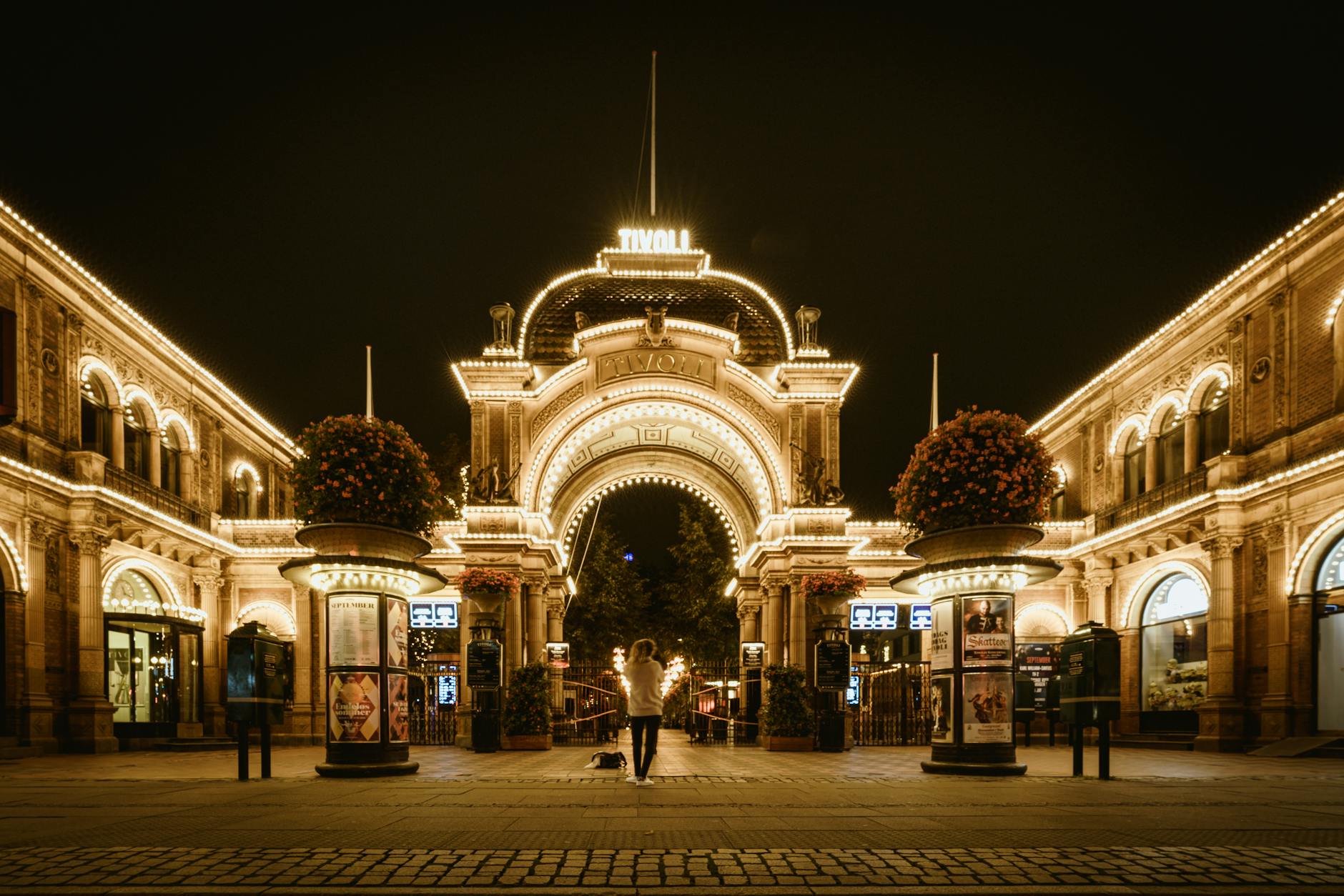
Tivoli can be a highlight, especially at night, but it deserves enough time for entry, food, rides, gardens, music, and crowds. A tourist should plan it as a main block rather than squeezing it after a full sightseeing day.
A strong evening needs space around it.
- Check seasonal opening dates, ticket types, ride access, events, and weather.
- Decide whether Tivoli is a family outing, a dinner setting, a night walk, or the main attraction.
- Leave an easy return route to the hotel after the visit.
Plan meals before the expensive decisions
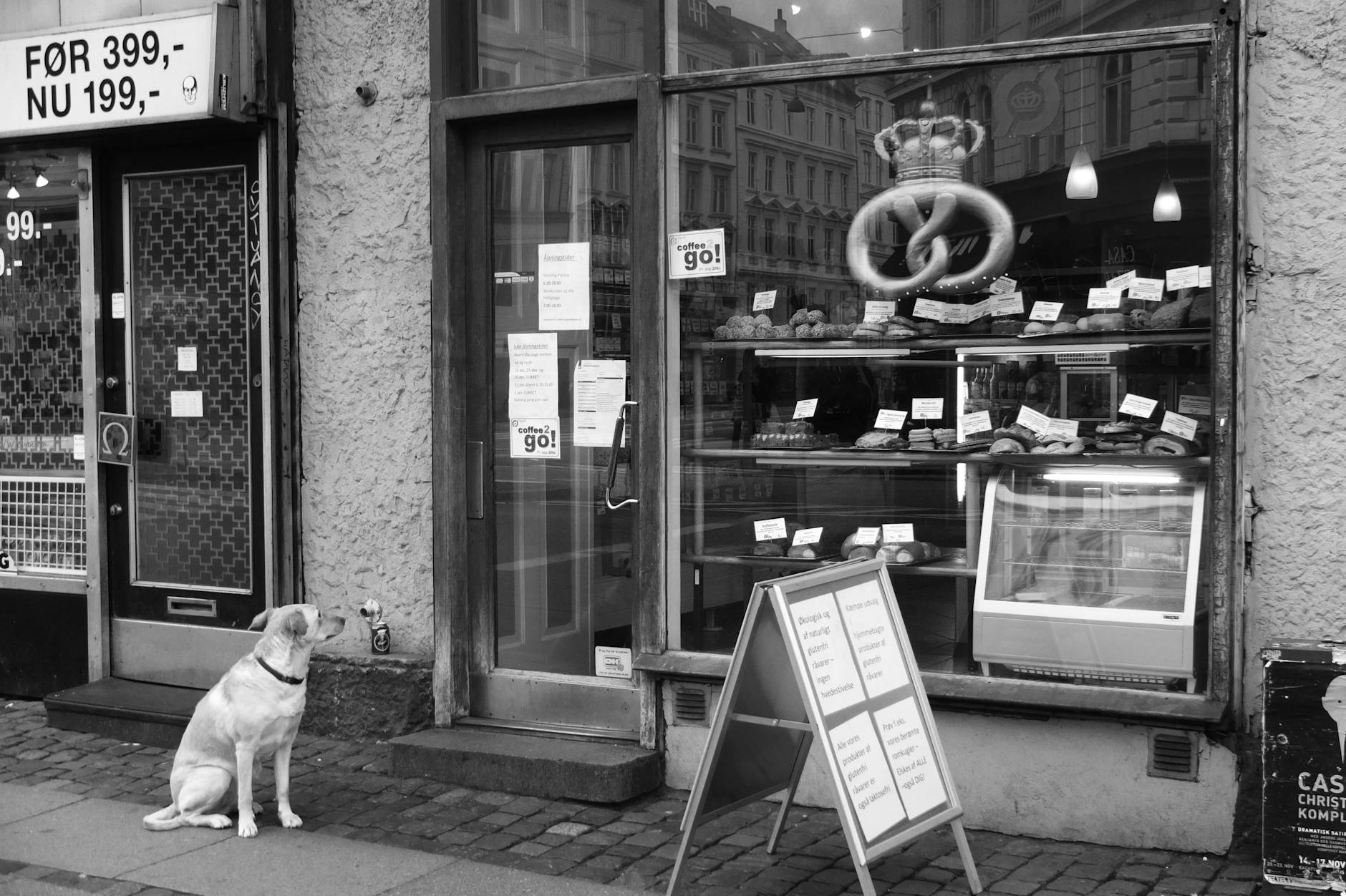
Copenhagen can be rewarding for bakeries, cafes, food markets, casual restaurants, and special dinners, but tourists can spend heavily by default. Meal planning helps separate worthwhile splurges from simple fuel stops.
Food should support the day, not surprise the budget.
- Mark bakeries, markets, cafes, and casual meals near each route.
- Reserve only the restaurants that genuinely matter to the trip.
- Use lunch, early dinner, or market meals when a full-service dinner would crowd the schedule.
Make movement simple in all weather
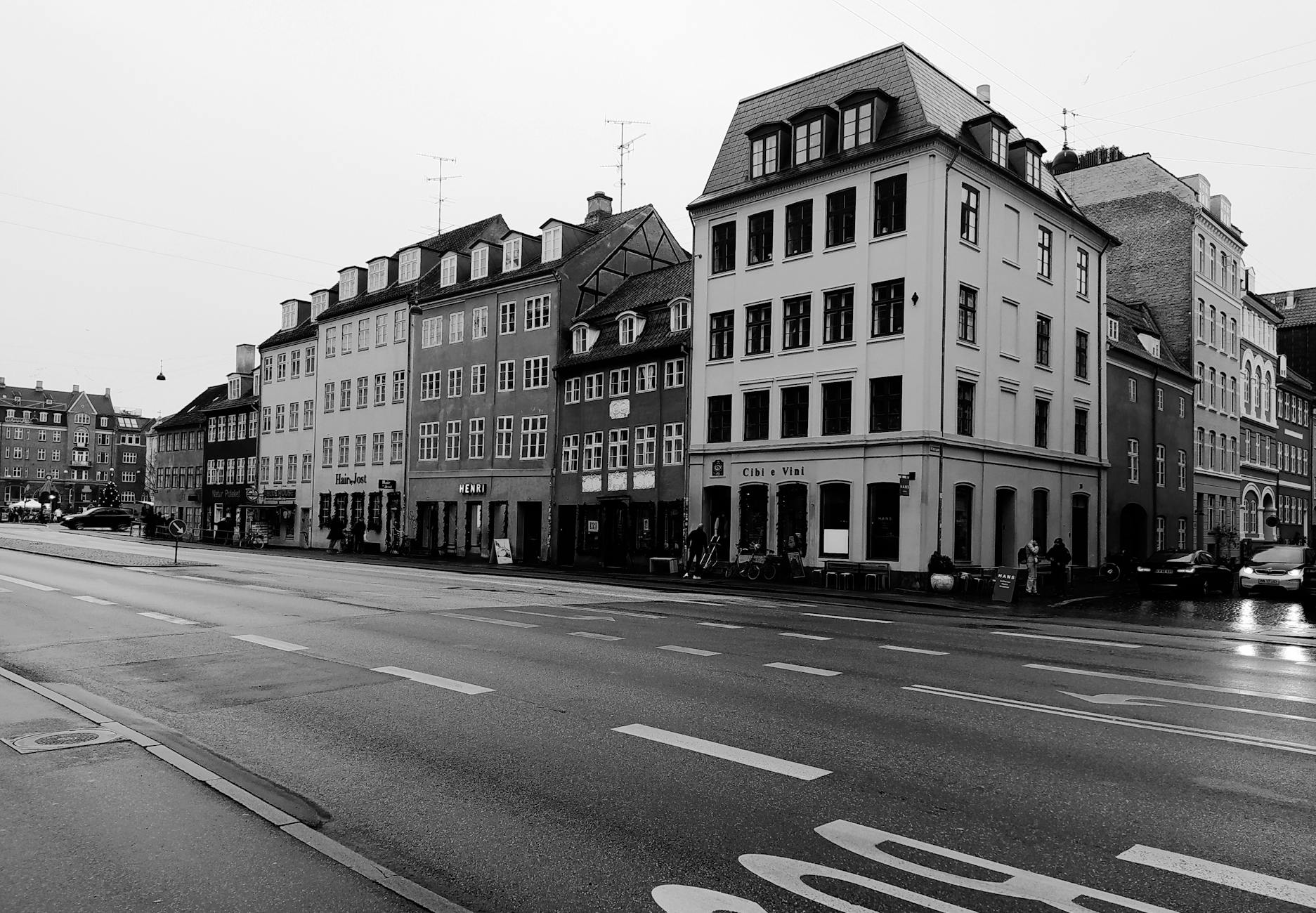
Walking, metro, rail, buses, harbor routes, bikes, and taxis can all be useful in Copenhagen. Tourists should choose movement based on distance, weather, luggage, and how much energy the day still requires.
Transit should make the trip smaller.
- Use metro or rail for airport access and clear cross-city movement.
- Walk when sights are clustered and the weather supports it.
- Use taxis or shorter routes when rain, fatigue, or luggage would make transit harder.
When to order a short-term travel report
A tourist with flexible days and a simple hotel may not need a custom report. A report becomes useful when the stay is short, sights compete with each other, Tivoli timing matters, dining needs planning, or weather could affect several outdoor choices.
The report should test hotel location, sight sequence, canal timing, Tivoli plans, meals, transit, weather backups, ticket needs, and departure buffers. The value is a Copenhagen tourist stay that feels full without being overpacked.
- Order when lodging, sightseeing, tickets, canals, Tivoli, meals, transit, weather, or departure timing need coordination.
- Provide dates, arrival details, hotel options, must-see sights, food interests, budget, mobility notes, and pace preferences.
- Use the report to turn a short Copenhagen visit into a clear, enjoyable route.