Choose a hotel that lowers daily effort
For an older traveler, Brisbane lodging should be judged by comfort and repeat use. Elevator access, room quiet, breakfast, nearby meals, taxi pickup, shaded walks, and simple river or CBD access may matter more than a dramatic view.
The hotel should make every day easier.
- Check elevators, step-free access, room quiet, air conditioning, breakfast, laundry, and taxi pickup.
- Choose lodging near the main daily area rather than assuming every transfer will feel easy.
- Avoid a base that requires exposed walks in heat or complicated returns after dinner.
Respect heat, storms, and walking exposure
Brisbane weather can turn a short walk into a tiring one. Heat, humidity, storm risk, glare, and shade should shape the pace, especially when sightseeing, meals, and transfers sit on the same day.
Comfort is part of the itinerary.
- Check heat, humidity, storm risk, shade, and walking distance before finalizing each day.
- Use taxis, rideshare, ferries, or shorter routes when weather makes walking less pleasant.
- Carry water, sun protection, medication, rain protection, and a clear rest plan.
Make transport predictable
Brisbane's river crossings, ferries, trains, buses, taxis, and rideshares can all help, but they should be chosen for predictability. An older traveler should not have to solve payment, pickup points, or platform direction when already tired.
Movement should feel settled before the day starts.
- Confirm airport transfer, taxi pickup points, ferry stops, ticketing, and walking distance at both ends.
- Use direct rides when transfers, heat, luggage, or mobility concerns make transit less attractive.
- Keep the hotel address, emergency contact, and return route available offline.
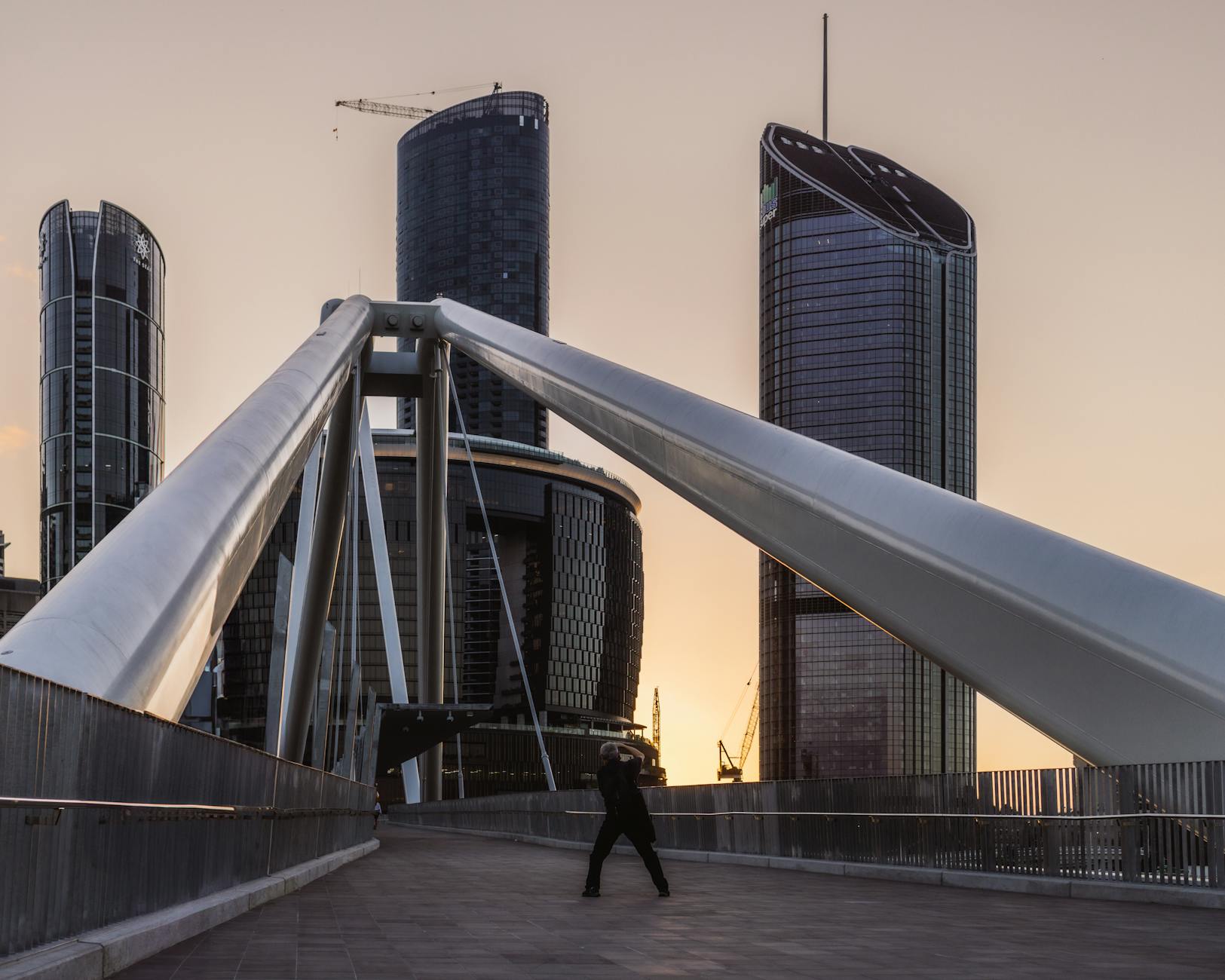
Choose gentle anchors with real seating
A strong Brisbane day for an older traveler may include South Bank, a river view, a gallery, gardens, a shorter ferry ride, or a relaxed meal. The plan should consider seating, restrooms, shade, slopes, and how easy it is to leave if energy changes.
Good anchors are easy to enjoy and easy to exit.
- Choose attractions with seating, restrooms, shade, cafes, and simple transport nearby.
- Limit each day to one major anchor and one lighter complement.
- Keep an indoor option ready for heat, rain, fatigue, or a slower morning.
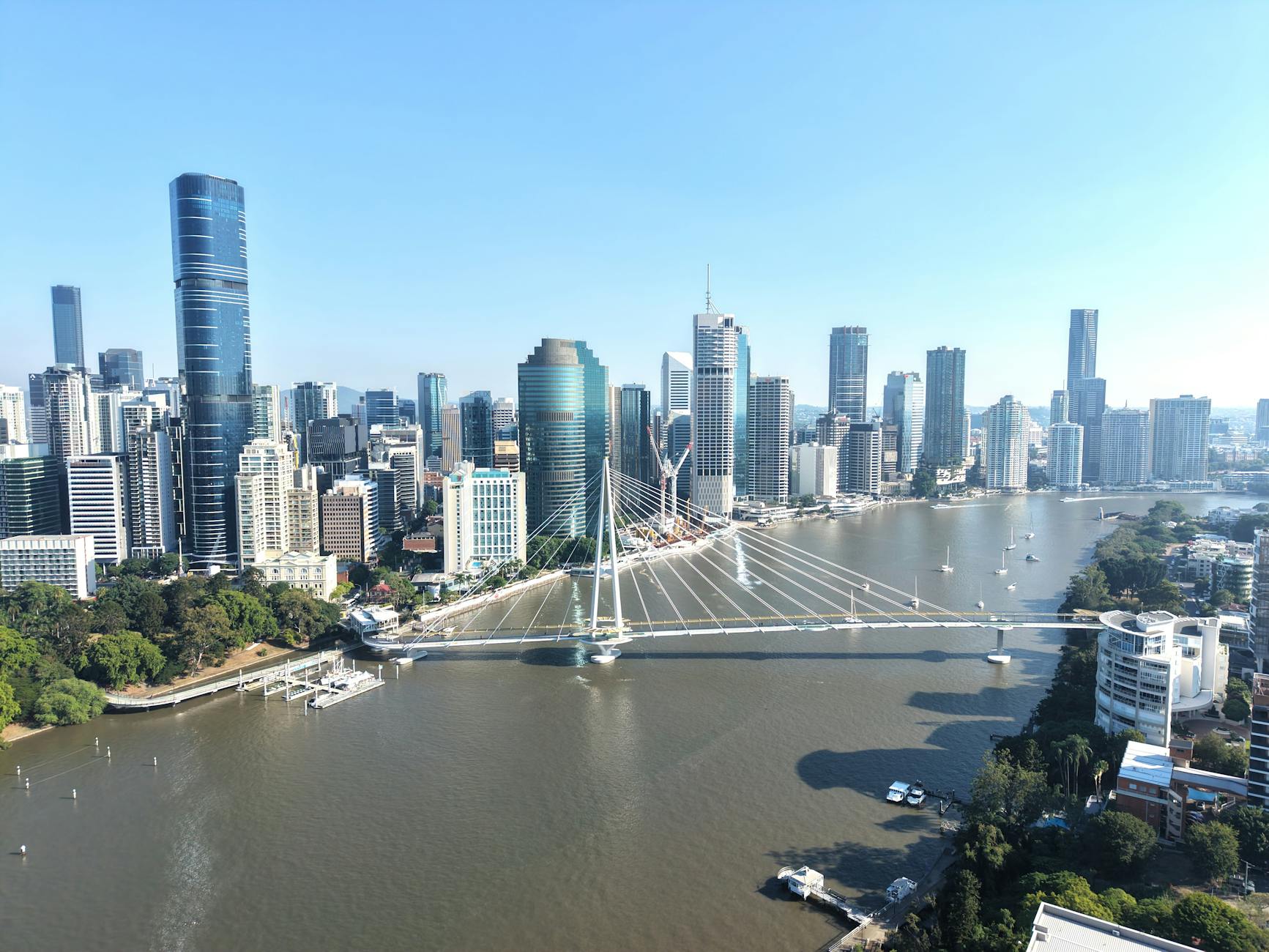
Plan meals, medication, and restrooms early
Meals, medication timing, hydration, and restroom access can determine whether a short Brisbane day feels smooth. These details should be placed along the route before hunger, heat, or tiredness forces rushed decisions.
Practical comfort protects the trip.
- Map breakfast, lunch, hydration stops, restrooms, pharmacies, and medication timing before leaving the hotel.
- Reserve meals that matter and keep simpler options near the hotel or main attraction.
- Avoid long gaps between food, shade, restrooms, and transport.
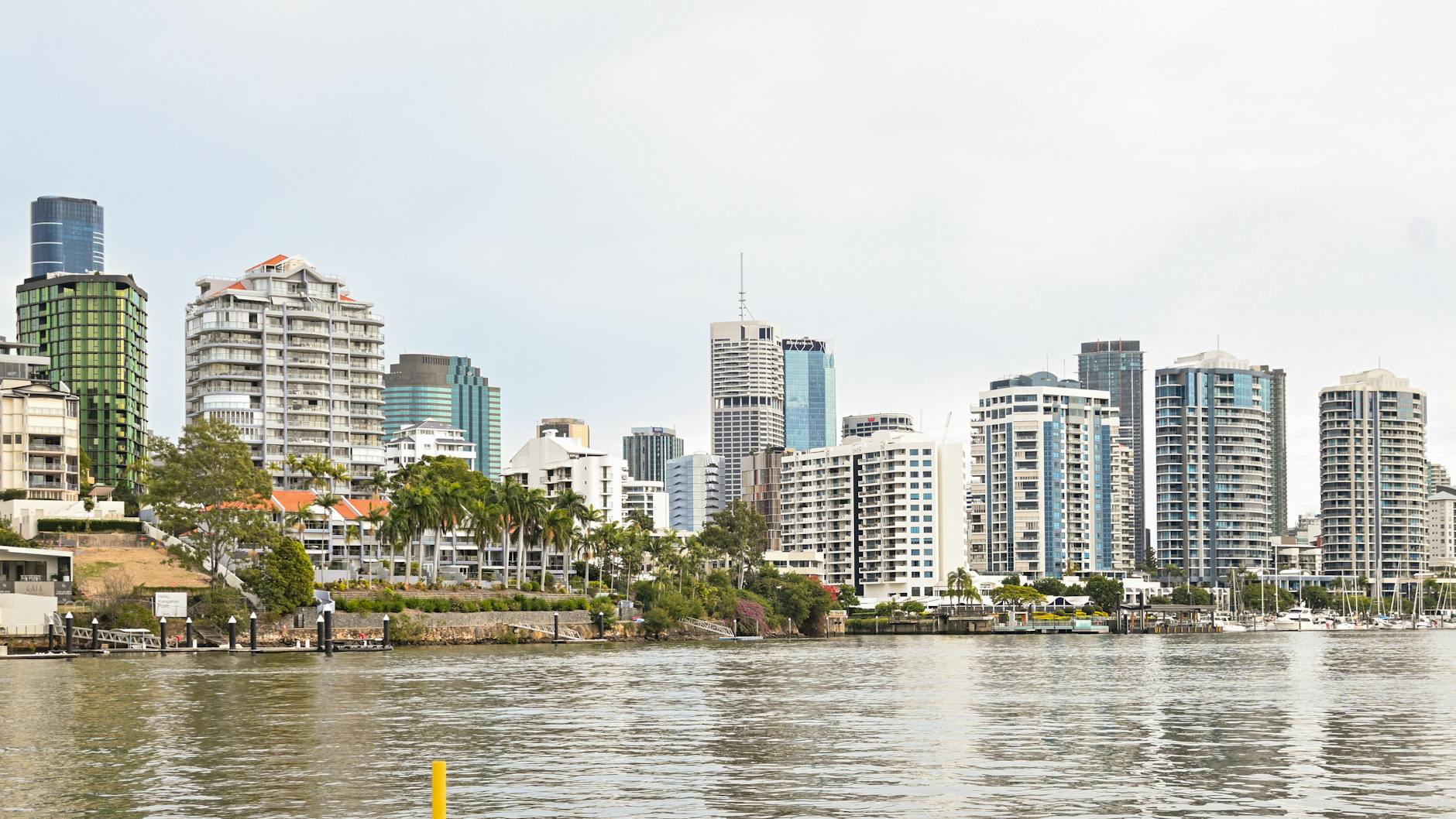
Keep evenings comfortable and close
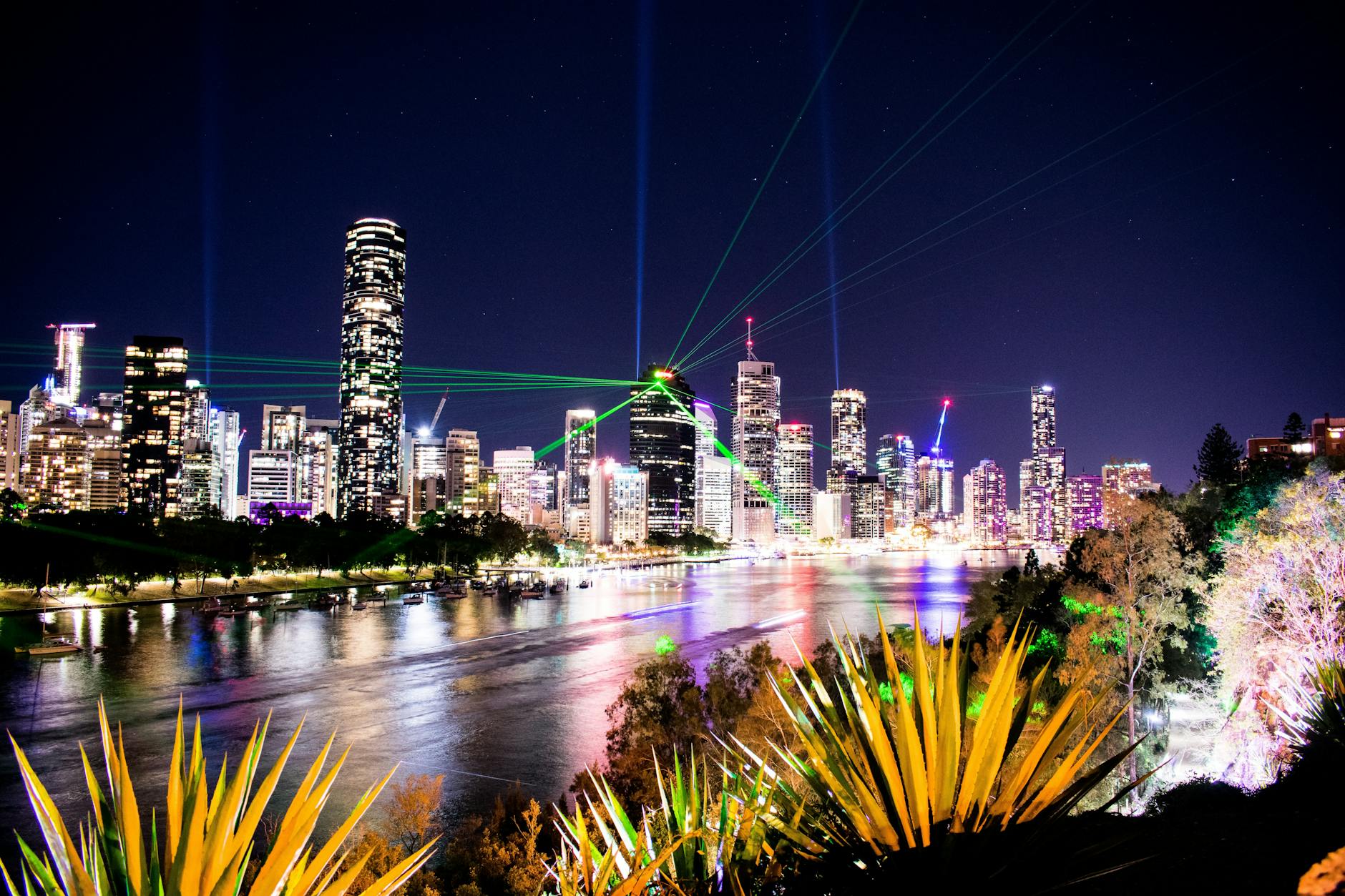
Evening Brisbane can be beautiful, but late plans should not create difficult returns. A riverfront dinner, bridge view, performance, or relaxed drink works best when the route back is short, well-lit, and easy to manage.
A good evening should not overdraw the next day.
- Choose dinner or evening views near the hotel, a taxi point, or a clear ferry or rideshare route.
- Check lighting, crowding, weather, and return timing before committing to a late plan.
- Keep the next morning lighter after a longer evening or arrival day.
When to order a short-term travel report
An older traveler with family support or a familiar hotel may not need a custom report. A report becomes useful when hotel access, heat, walking distance, transport, meals, medical needs, rest breaks, and departure timing need to work together during a short Brisbane stay.
The report should test lodging access, airport transfer, walking exposure, shade, transport choices, gentle attractions, meals, restrooms, medical logistics, weather backups, and departure buffers. The value is a Brisbane trip that stays comfortable without becoming timid.
- Order when lodging access, transport, heat, walking, meals, medication, restrooms, or departure timing need coordination.
- Provide dates, flight details, hotel options, mobility limits, medical or meal needs, interests, budget, and preferred pace.
- Use the report to make Brisbane more comfortable, clearer, and easier to enjoy.