Use the river to understand the city
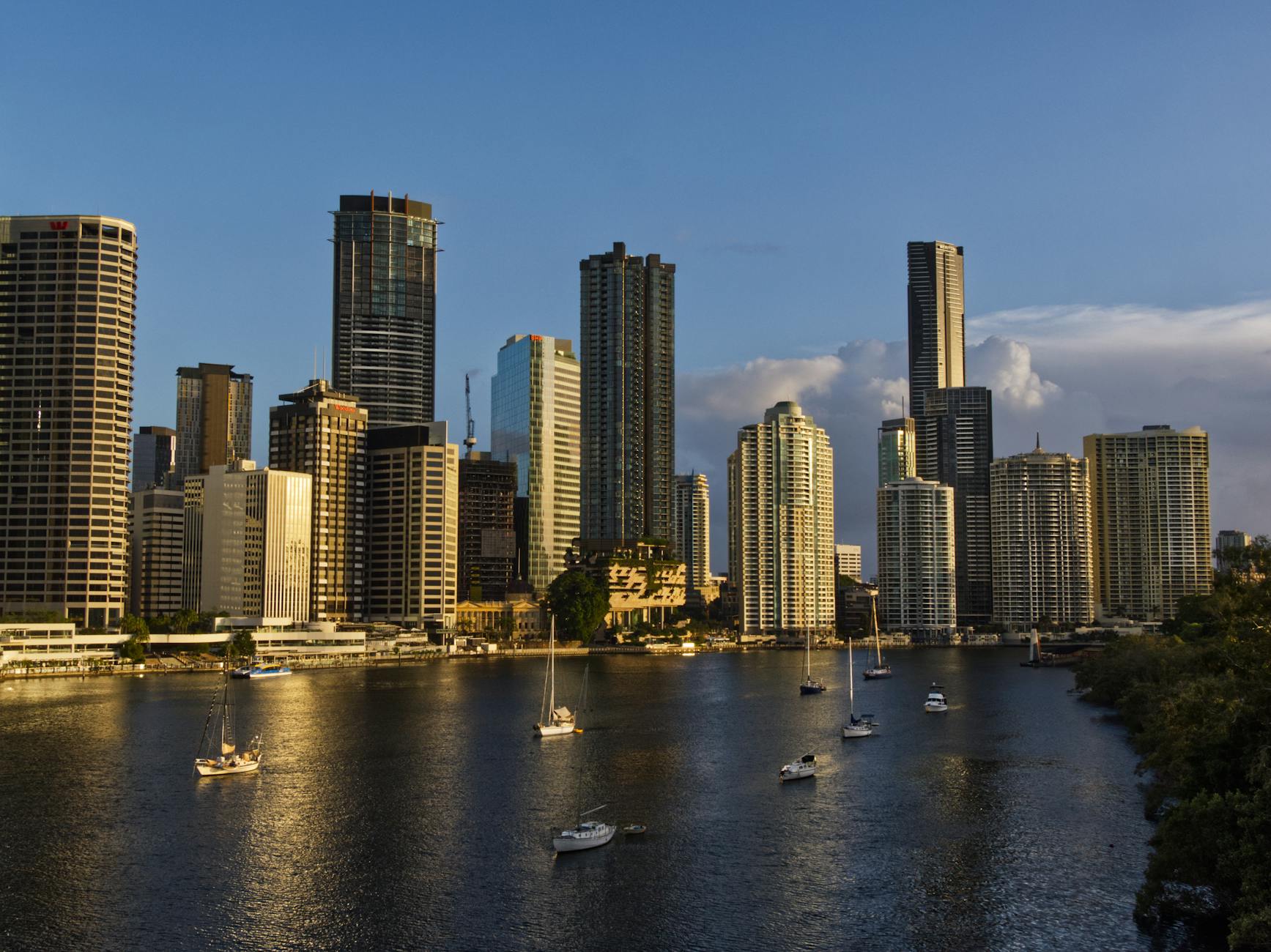
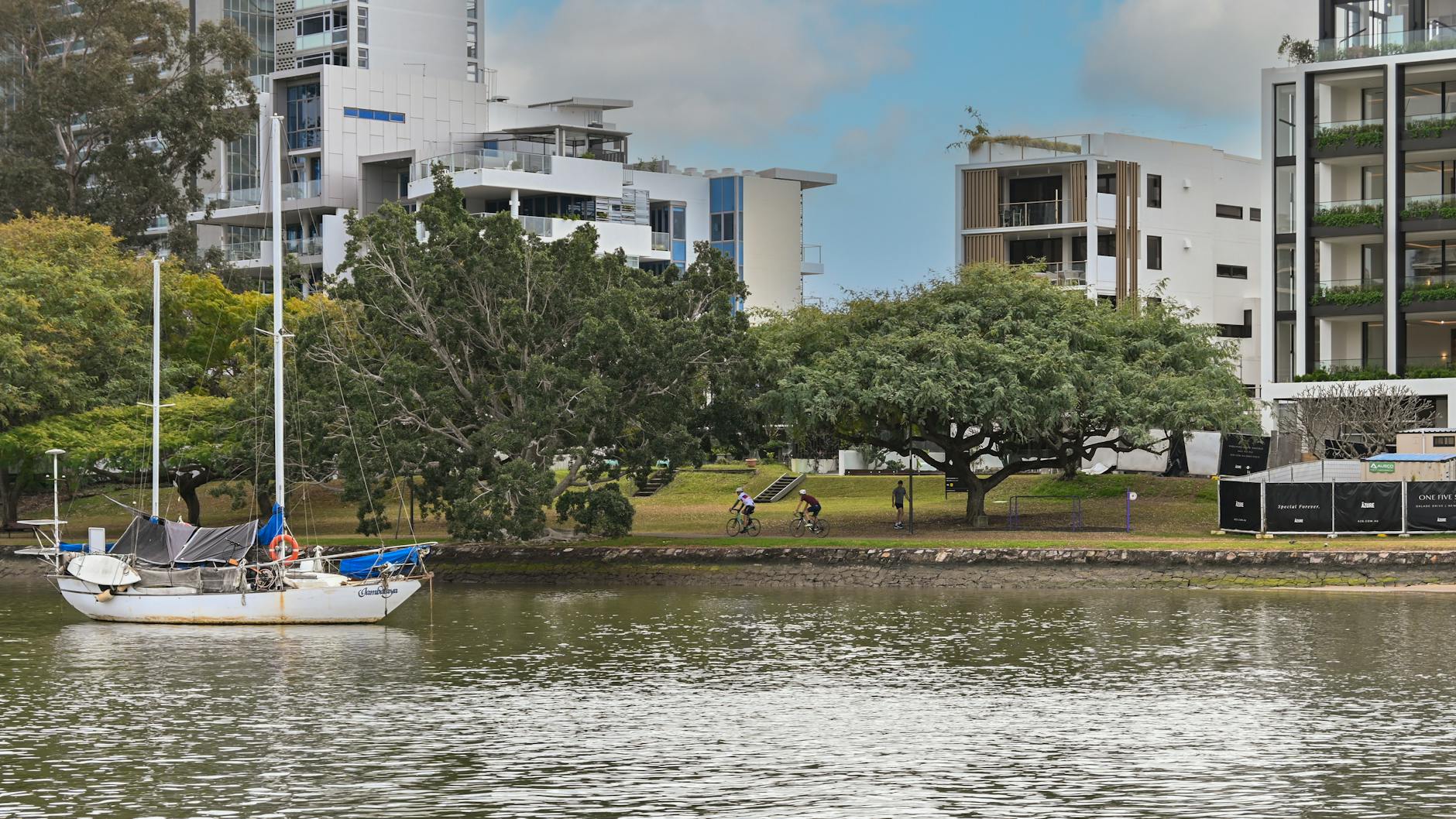
Brisbane makes more sense when the visitor first understands the CBD, South Bank, bridges, river bends, and ferry routes. A first trip should not treat the city as a flat downtown grid.
The river is the orientation tool.
- Map the hotel, CBD, South Bank, major bridges, ferry stops, and evening areas before arrival.
- Use the river walk or a short ferry segment to connect the city visually early in the stay.
- Avoid building a first day that crosses the river repeatedly without a clear reason.
Choose the base by the version of Brisbane you want
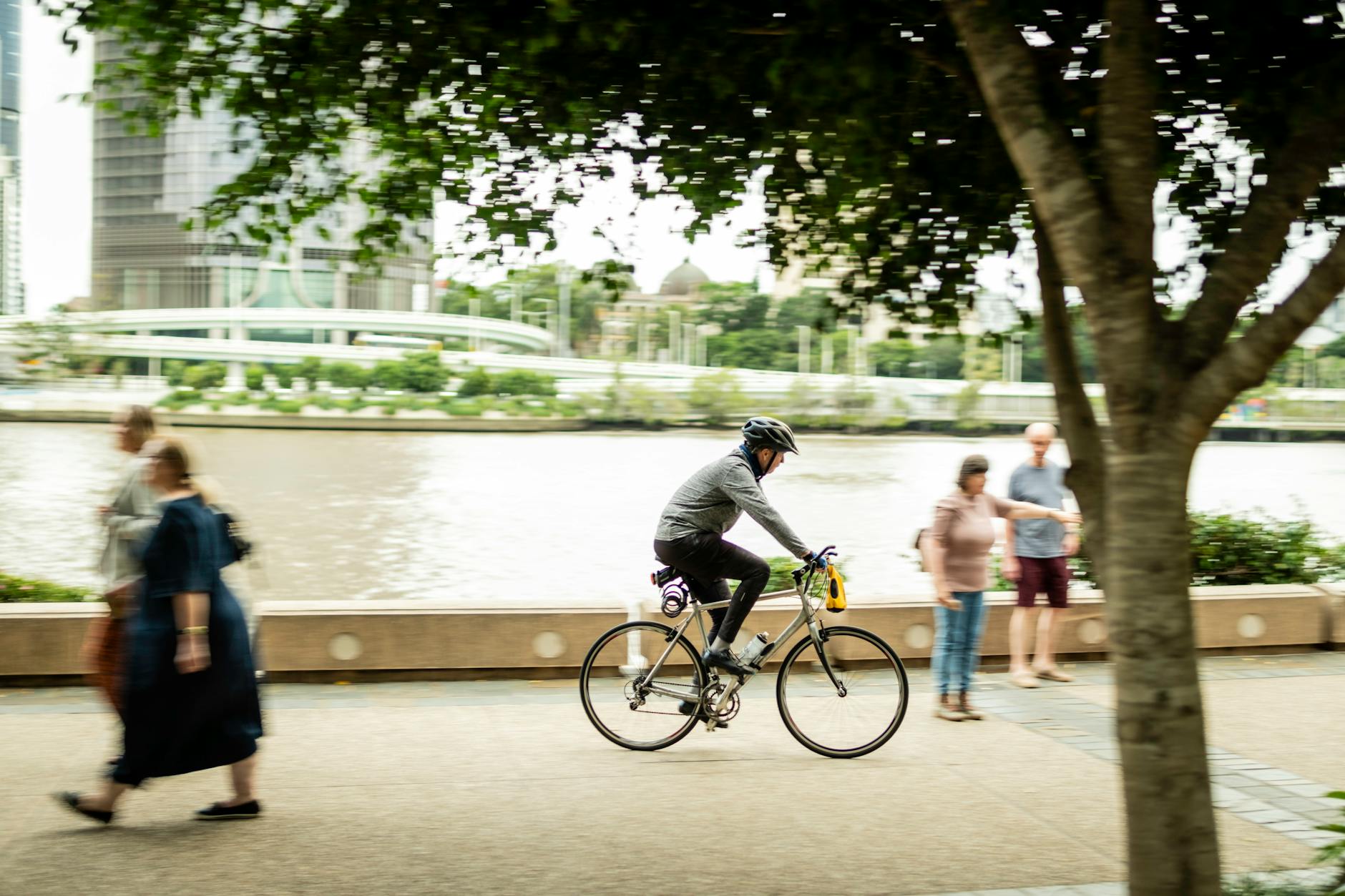
A first-time visitor can stay for CBD convenience, South Bank culture, riverfront views, Fortitude Valley evenings, or a quieter hotel pattern. The right base depends on the kind of short stay being built.
Hotel geography shapes the whole first impression.
- Choose lodging by airport access, river access, evening plans, meal options, and walking comfort.
- Check whether the hotel area still works after dark, in rain, or during a hot afternoon.
- Avoid a generic base that makes every meaningful stop require a transfer.
Build the first day around weather and energy
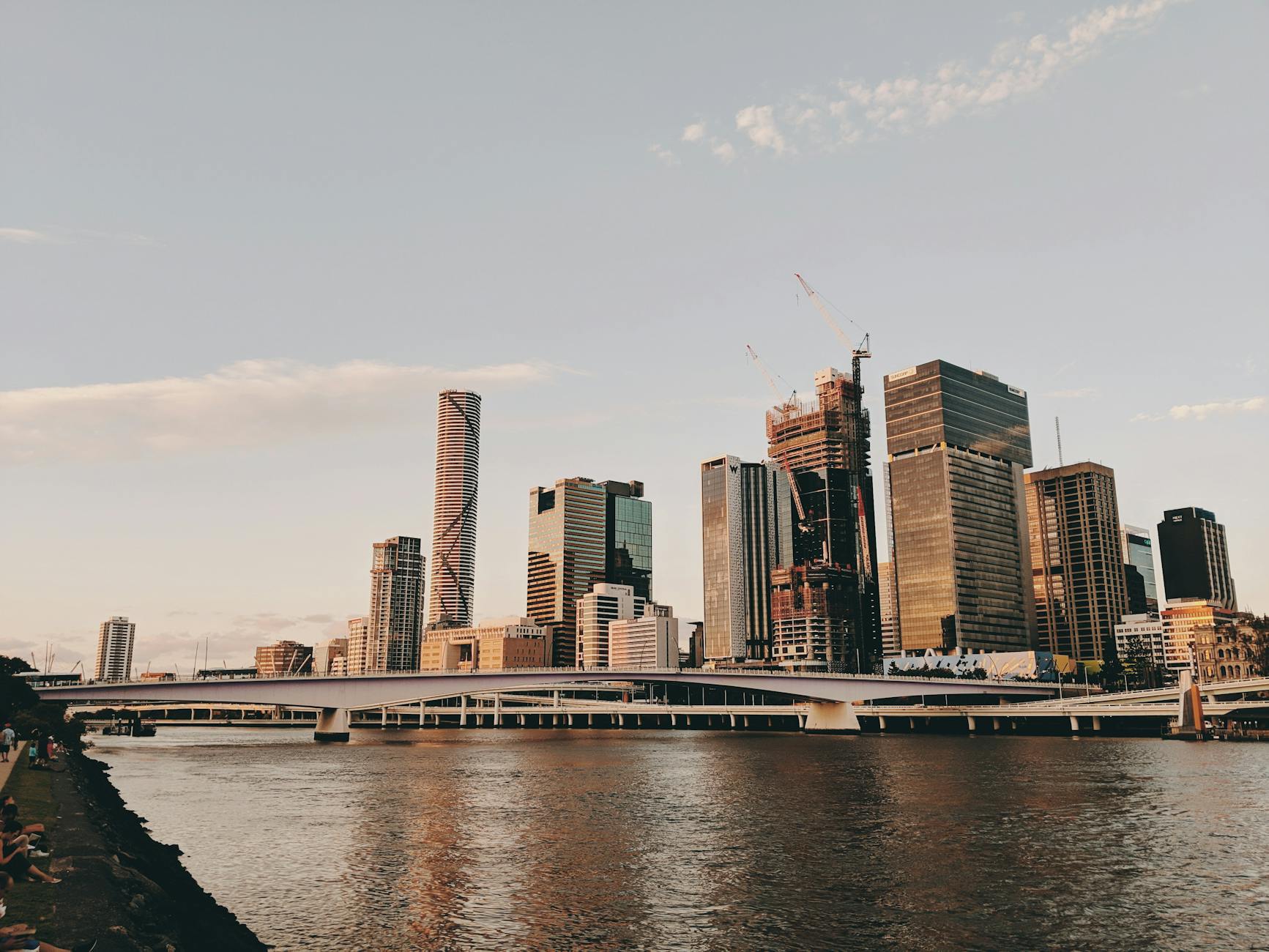
Brisbane can feel wonderfully easy, but heat, humidity, storms, long walks, and jet lag should still shape the first day. The visitor should start with a manageable route, not a proof-of-effort itinerary.
A first day should help the city open up.
- Check heat, rain, storm risk, and arrival fatigue before choosing the first route.
- Use shaded walks, cafes, galleries, ferries, or hotel returns to keep the day comfortable.
- Save optional long walks or late nights for after the city feels familiar.
Pick a few anchors instead of covering everything
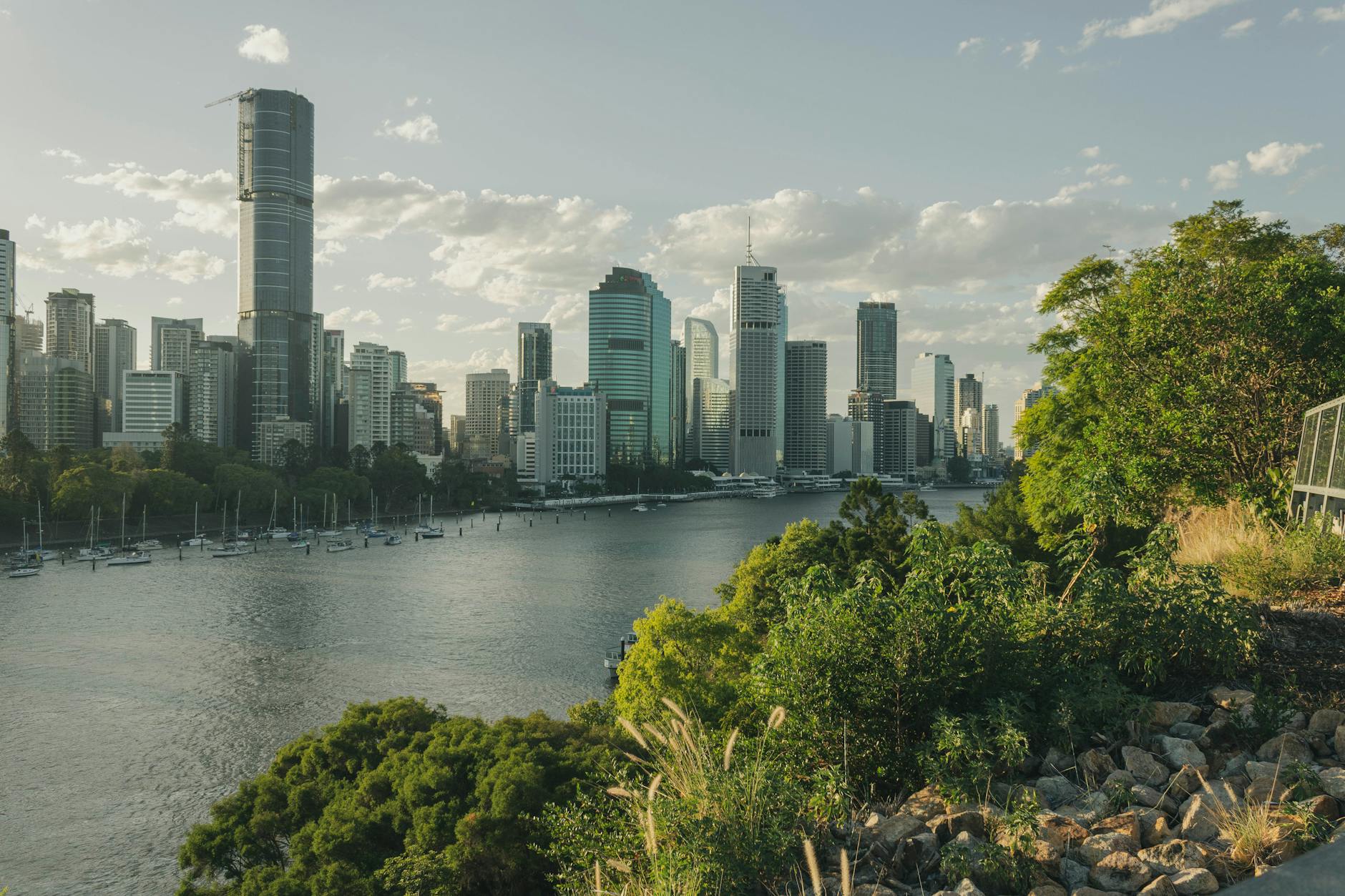
A short first visit can include South Bank, the river, a gallery or museum, a neighborhood meal, Story Bridge views, gardens, or a ferry ride. It should not try to turn every name on the map into a stop.
Brisbane rewards a cleaner first route.
- Choose two or three anchors and place food, shade, and transport around them.
- Use South Bank, the CBD, the river, or a neighborhood as a daily frame rather than a random list.
- Leave a flexible block for weather, fatigue, or a place that deserves more time.
Plan meals by district and timing
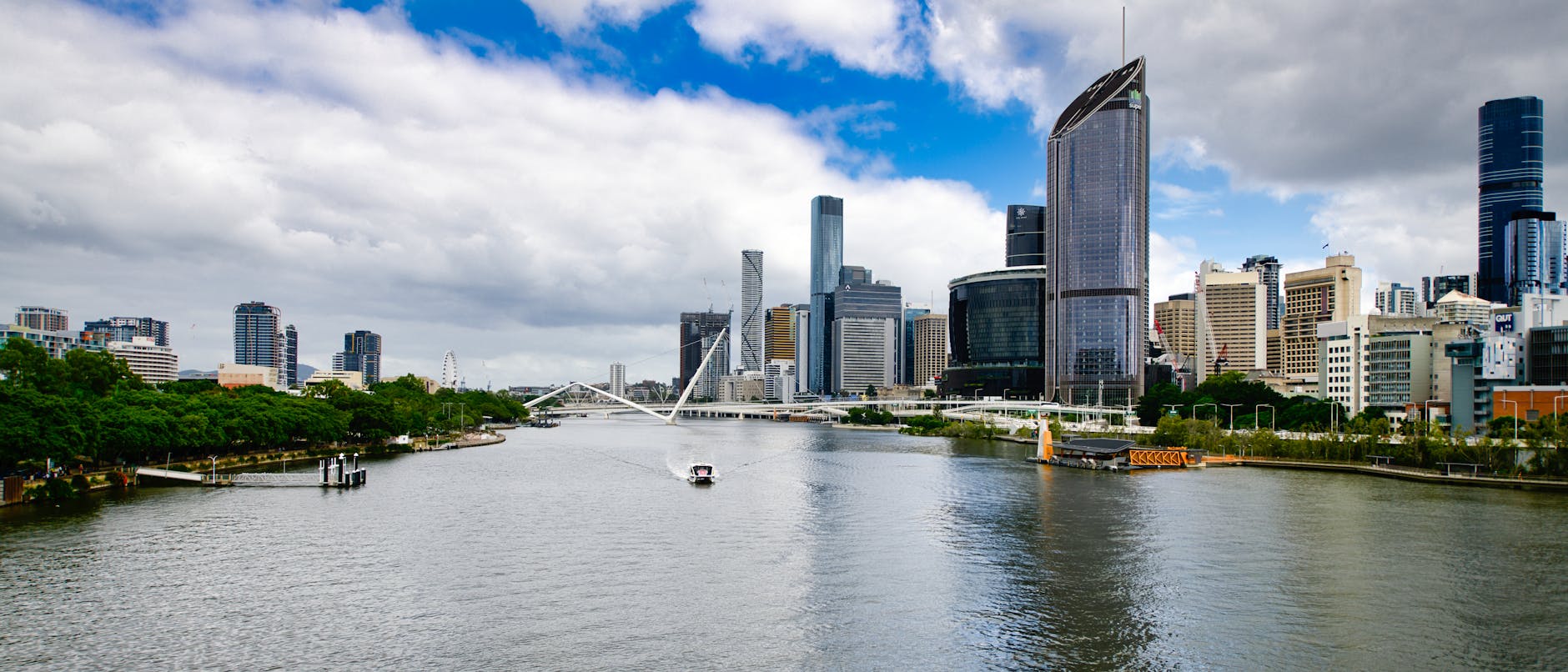
Food can make Brisbane feel more specific, but it should support the route. Breakfast, coffee, casual lunches, riverfront meals, and better dinners all work best when placed near the day's actual geography.
Meals should stabilize the trip.
- Identify breakfast, coffee, lunch, and dinner options near the hotel or daily route.
- Reserve important meals when timing, river views, or a specific restaurant matters.
- Keep easy backup options for late arrivals, rain, heat, or tired evenings.
Use evenings for views, not overreach
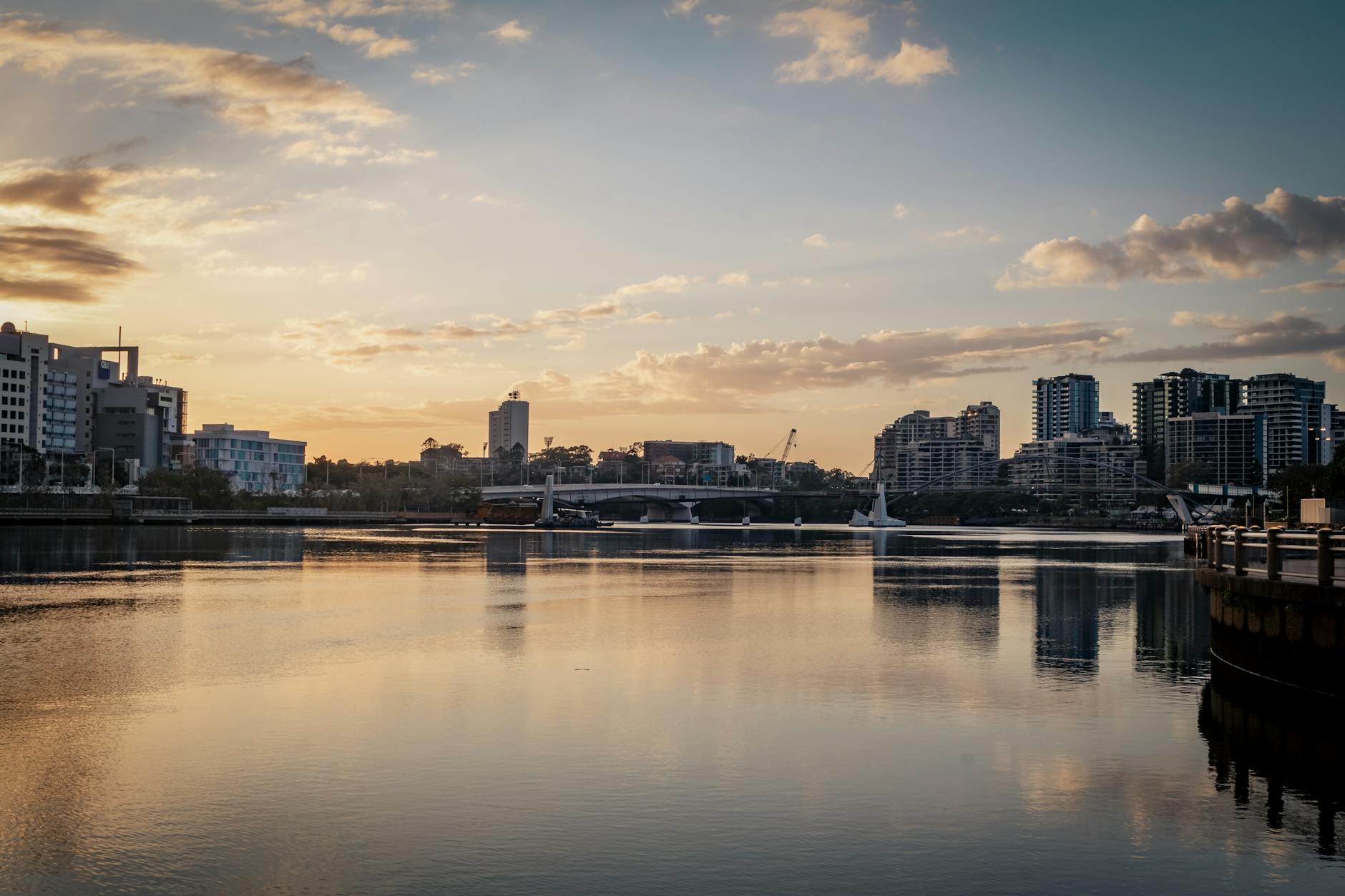
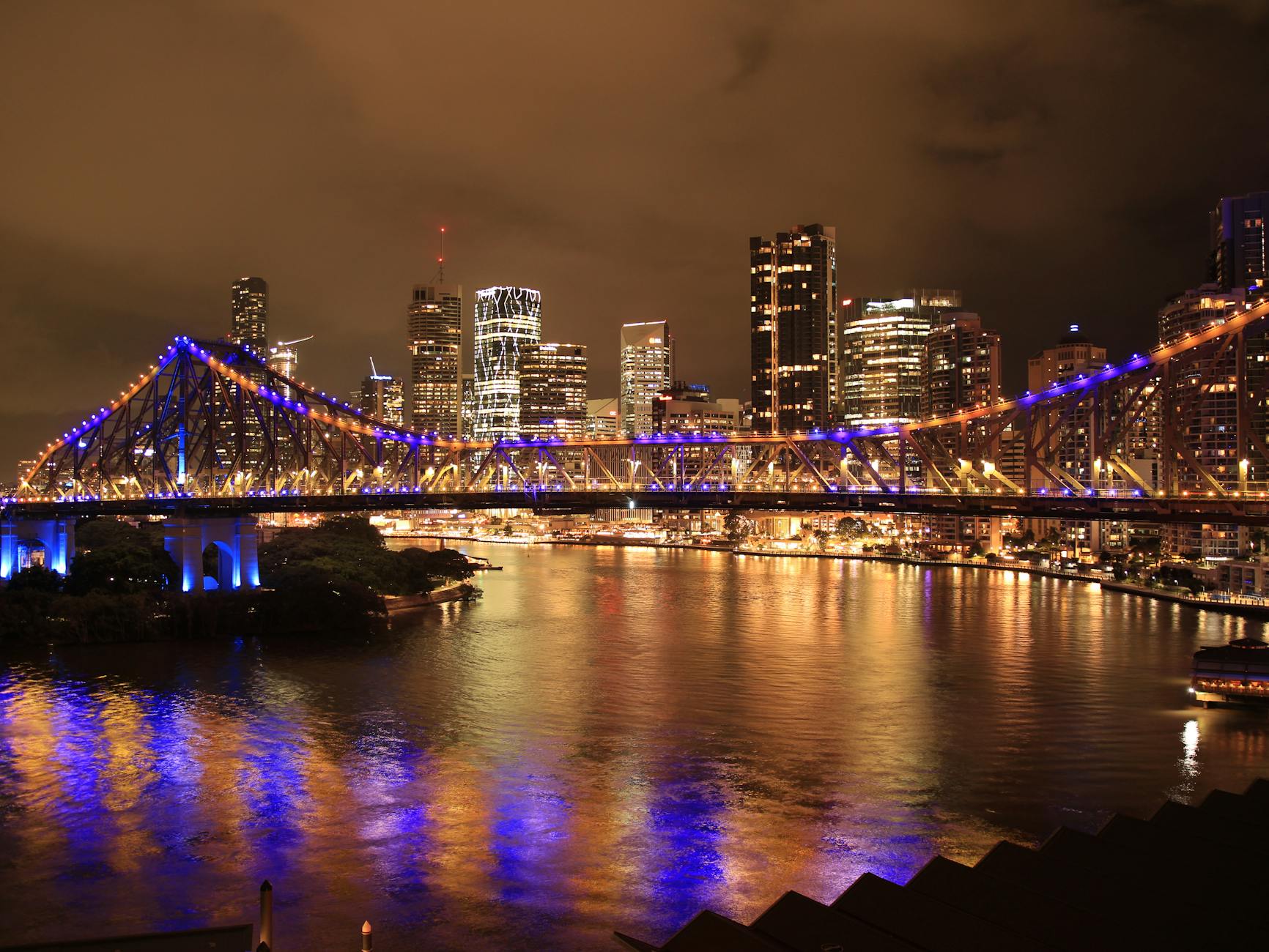
Brisbane can be especially appealing at dusk and after dark, but the evening should have a clear return route. Story Bridge views, river reflections, bars, and relaxed dinners work better when the visitor does not drift too far after a full day.
A good first night should be easy to finish.
- Choose one evening area with dinner, views, and a clear ride or walk back.
- Check weather, ferry timing, rideshare pickup, and hotel access before staying out late.
- Keep the first night lighter if the next morning has a flight, tour, or early booking.
When to order a short-term travel report
A first-time visitor with a simple weekend may not need a custom report. A report becomes useful when hotel choice, river geography, weather, meals, attractions, neighborhoods, transport, and departure buffers need to fit into a short Brisbane stay.
The report should test airport arrival, hotel area, first-day routing, river movement, South Bank and CBD options, meals, weather backups, evening plans, and departure timing. The value is a first Brisbane trip that feels clear rather than generic.
- Order when lodging, arrival, river geography, attractions, meals, weather, evenings, or departure timing need coordination.
- Provide dates, flight details, hotel options, interests, mobility needs, meal preferences, budget, and pace limits.
- Use the report to make Brisbane easier to understand from the first hour.