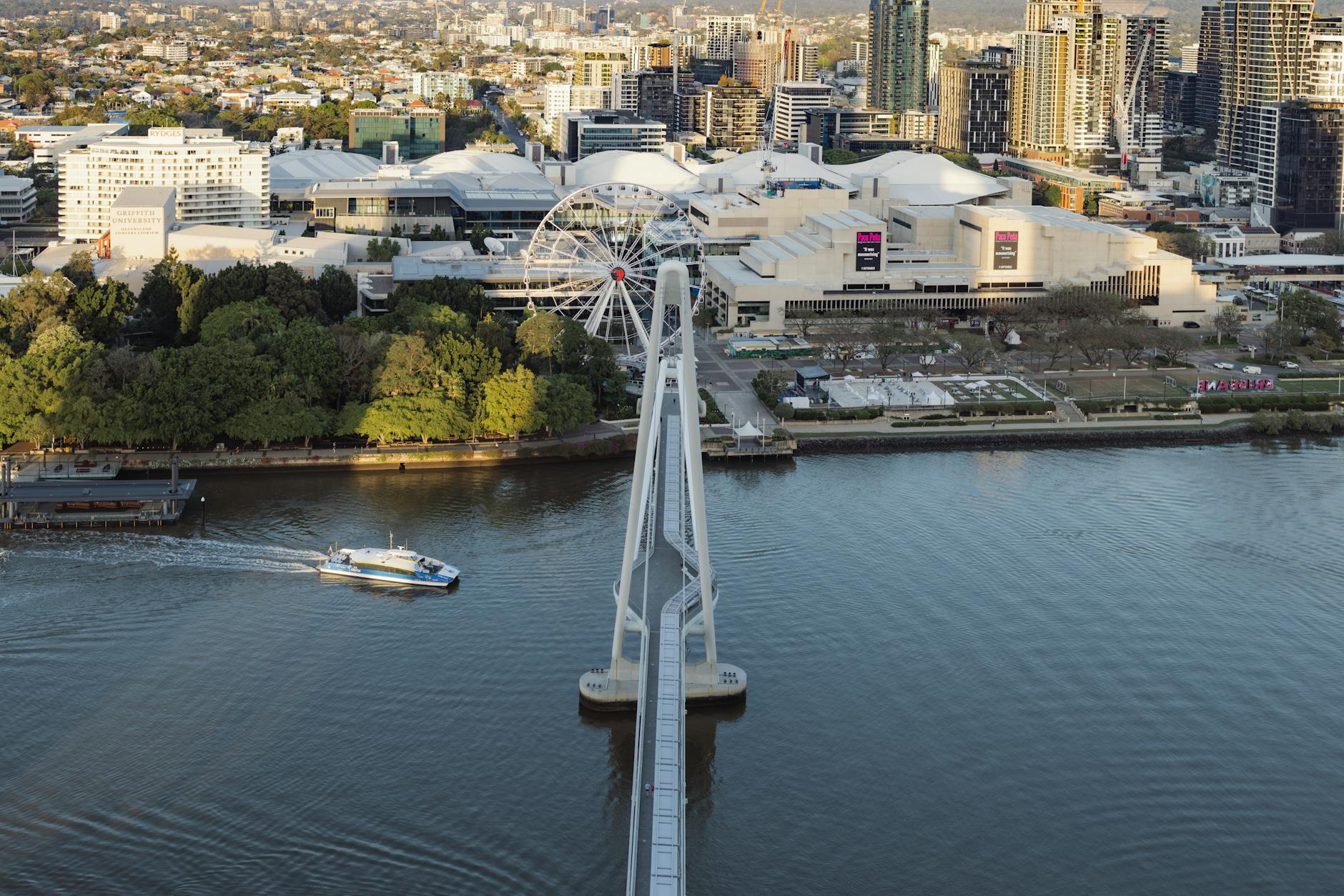
Map the venue before choosing the hotel
Brisbane conference logistics depend on whether the venue sits in the CBD, South Bank, a university setting, a hotel ballroom, or another riverside district. The attendee should map sessions, registration, poster areas, evening events, and transit before booking by price or view.
The venue map should control the stay.
- Confirm the exact venue entrance, registration desk, session rooms, poster area, and evening-event locations.
- Choose lodging that keeps the first session, last session, and any reception easy to reach.
- Check whether river crossings, hills, heat, or rain would make a slightly distant hotel less practical.
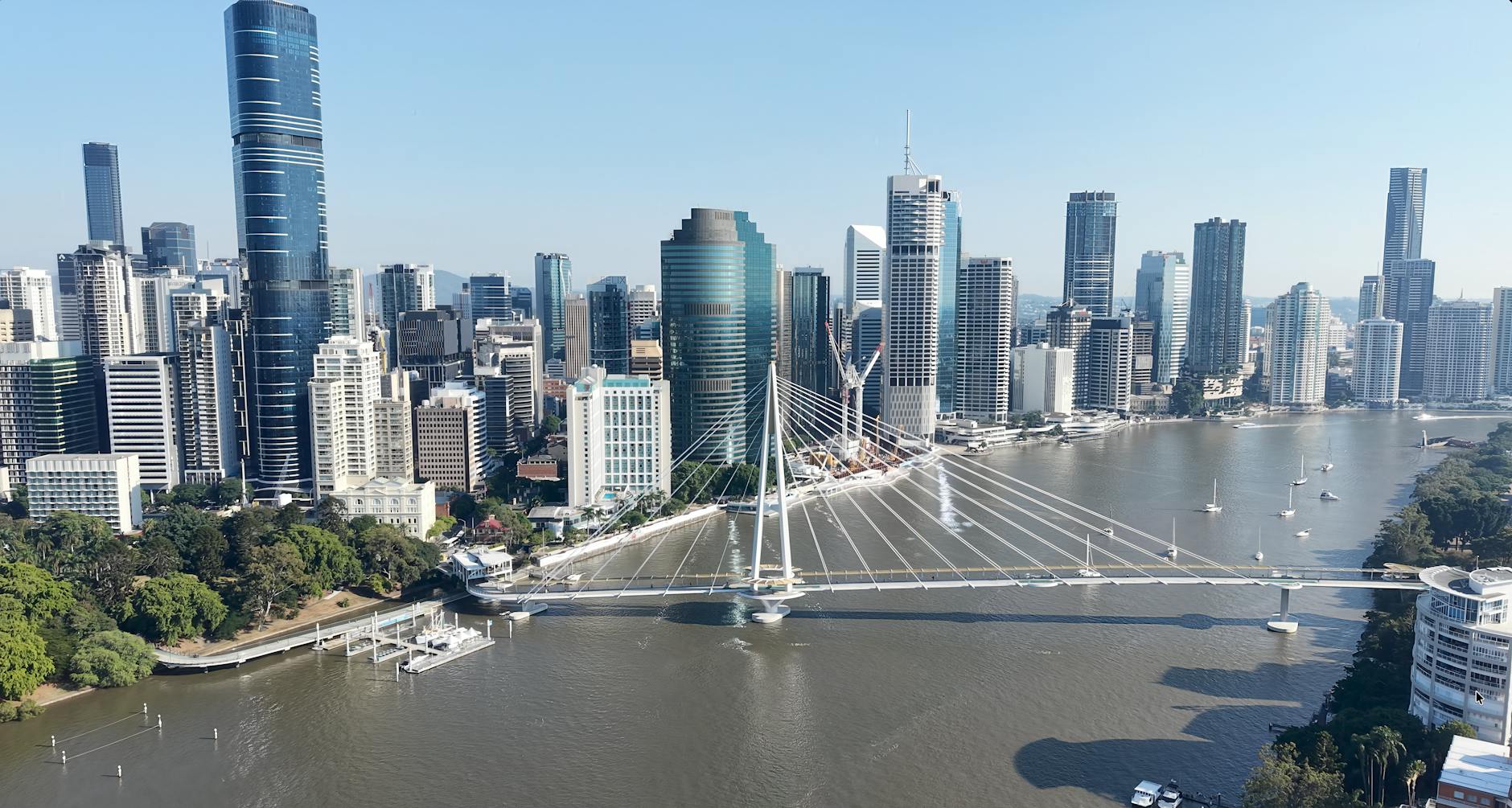
Choose lodging for session mornings
Conference days start better when the hotel supports breakfast, ironing, quiet sleep, elevator access, and a simple morning route. A room that looks fine on a map can still be wrong if it adds heat exposure or awkward transfers before the keynote.
The base should make academic mornings calm.
- Check breakfast timing, desk space, Wi-Fi, laundry, ironing, elevator access, and noise before booking.
- Keep the hotel close enough for a midday reset if the schedule includes poster sessions or evening networking.
- Avoid lodging that requires long outdoor walks in conference clothing during hot or stormy weather.
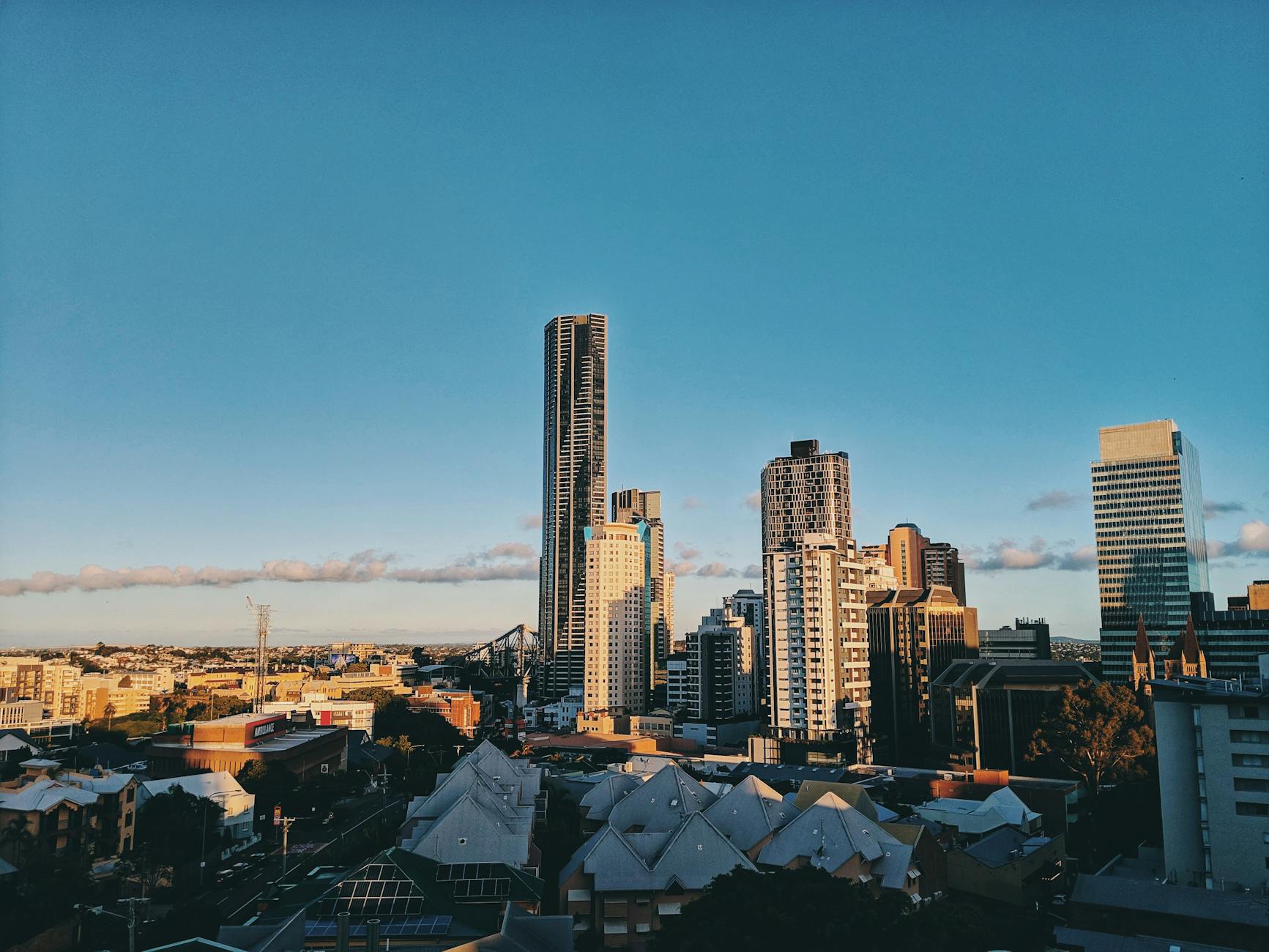
Build arrival and registration buffers
Academic trips often carry fragile timing: flights, registration windows, badge pickup, poster setup, audiovisual checks, and first meetings. Brisbane is manageable, but the arrival plan should still protect the first professional obligation.
The first conference task should not depend on a perfect flight.
- Leave time for airport transfer, hotel check-in, registration, badge pickup, and presentation checks.
- Carry slides, poster files, adapters, chargers, and conference clothing in hand luggage when possible.
- Use a taxi, rideshare, or train based on the actual arrival pressure, not only the cheapest route.
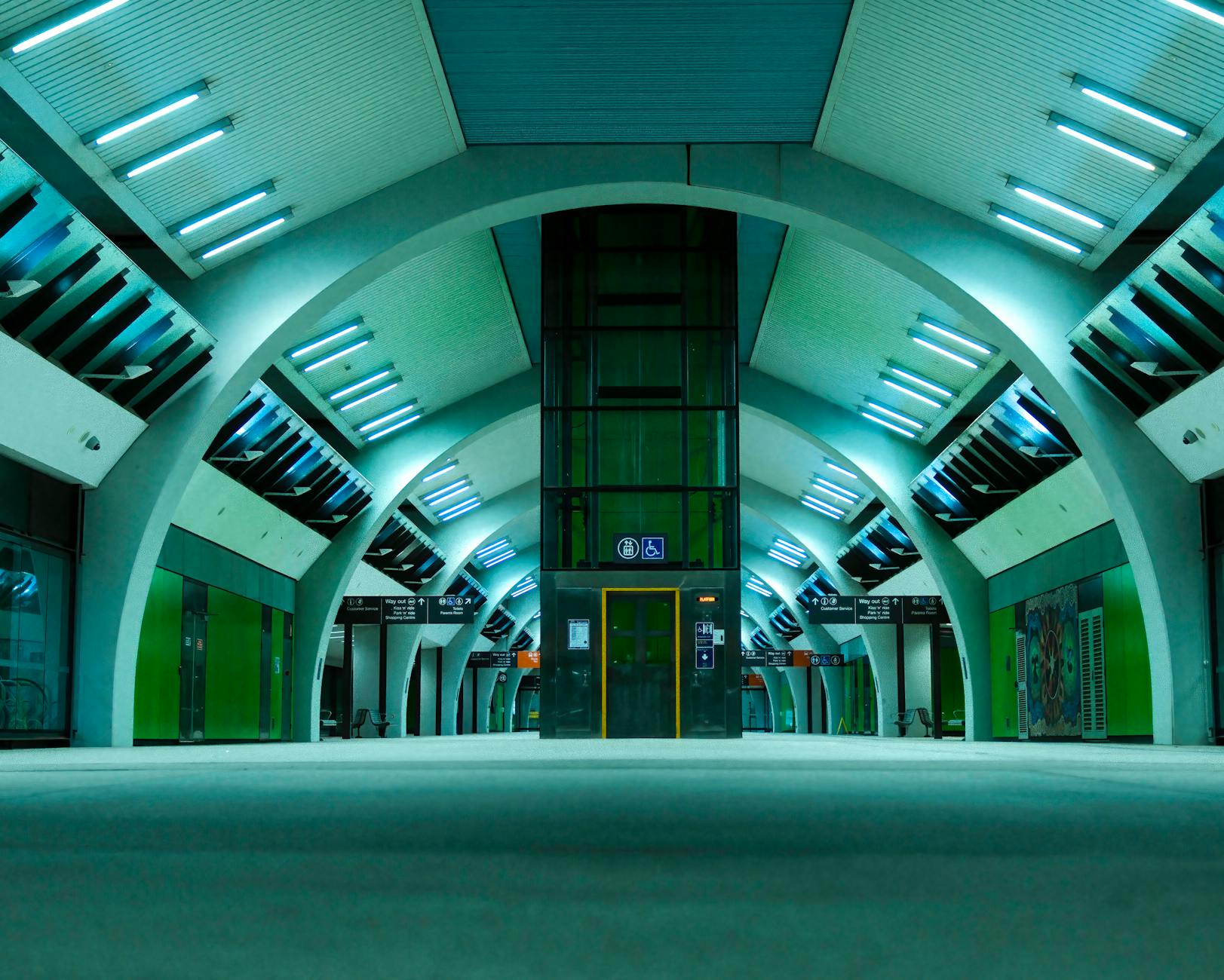
Plan around heat, storms, and presentation comfort
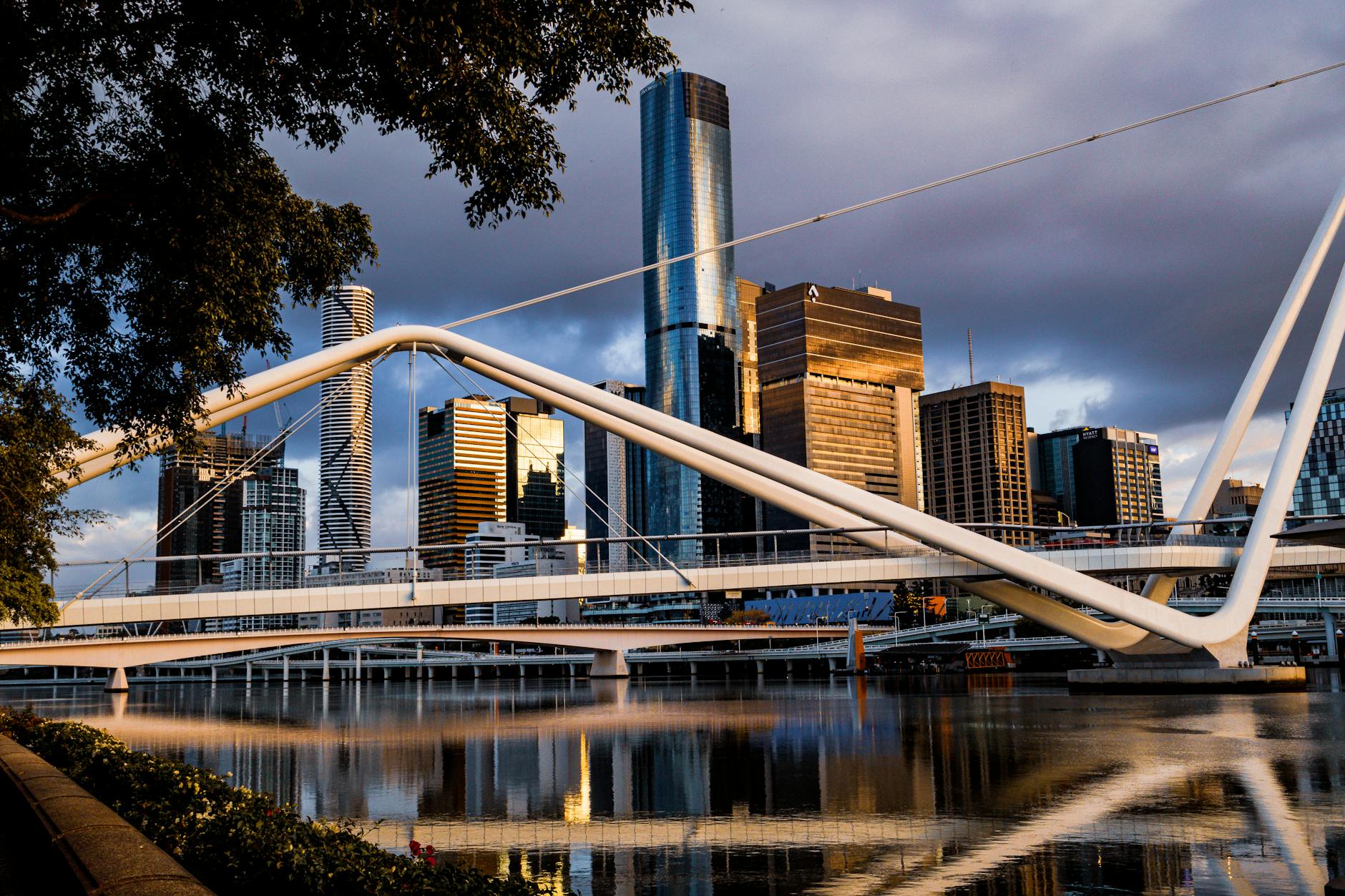
Brisbane weather can affect how composed an attendee feels before presenting or networking. Heat, humidity, summer storms, and exposed walks should shape clothing, transport, buffer time, and the choice between walking and a short ride.
Comfort supports performance.
- Check forecast, heat, humidity, storm risk, and walking exposure before finalizing each day.
- Carry water, compact rain gear, a backup shirt, and presentation essentials in a reliable bag.
- Use transport for short hops when weather would make arrival less professional or less comfortable.
Treat networking as part of the itinerary
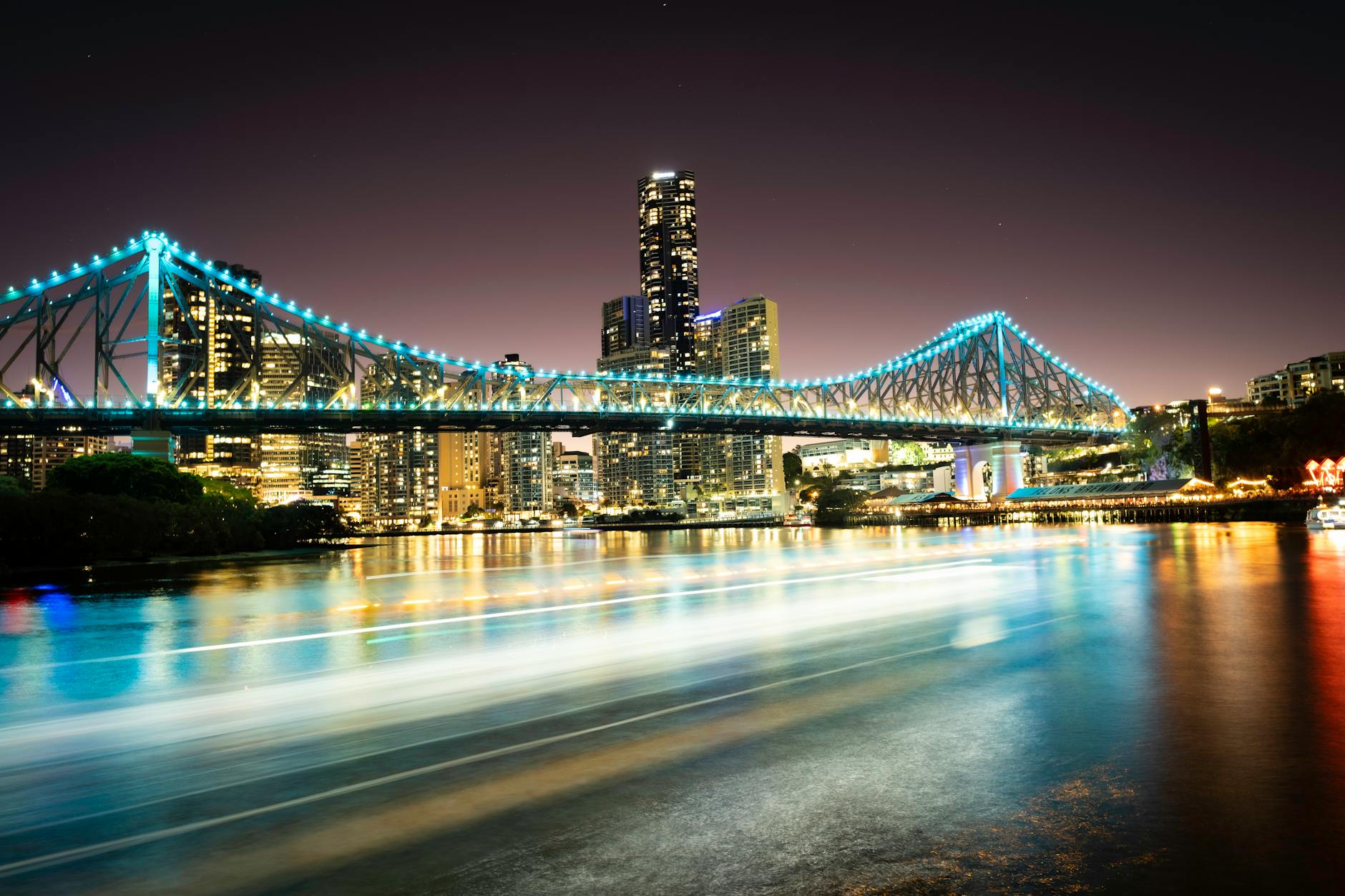
Conference value often comes from coffee breaks, dinners, receptions, poster conversations, and short follow-up meetings. Brisbane's riverfront and central districts can support that well when venues, timing, and return routes are chosen deliberately.
Networking needs a route, not just enthusiasm.
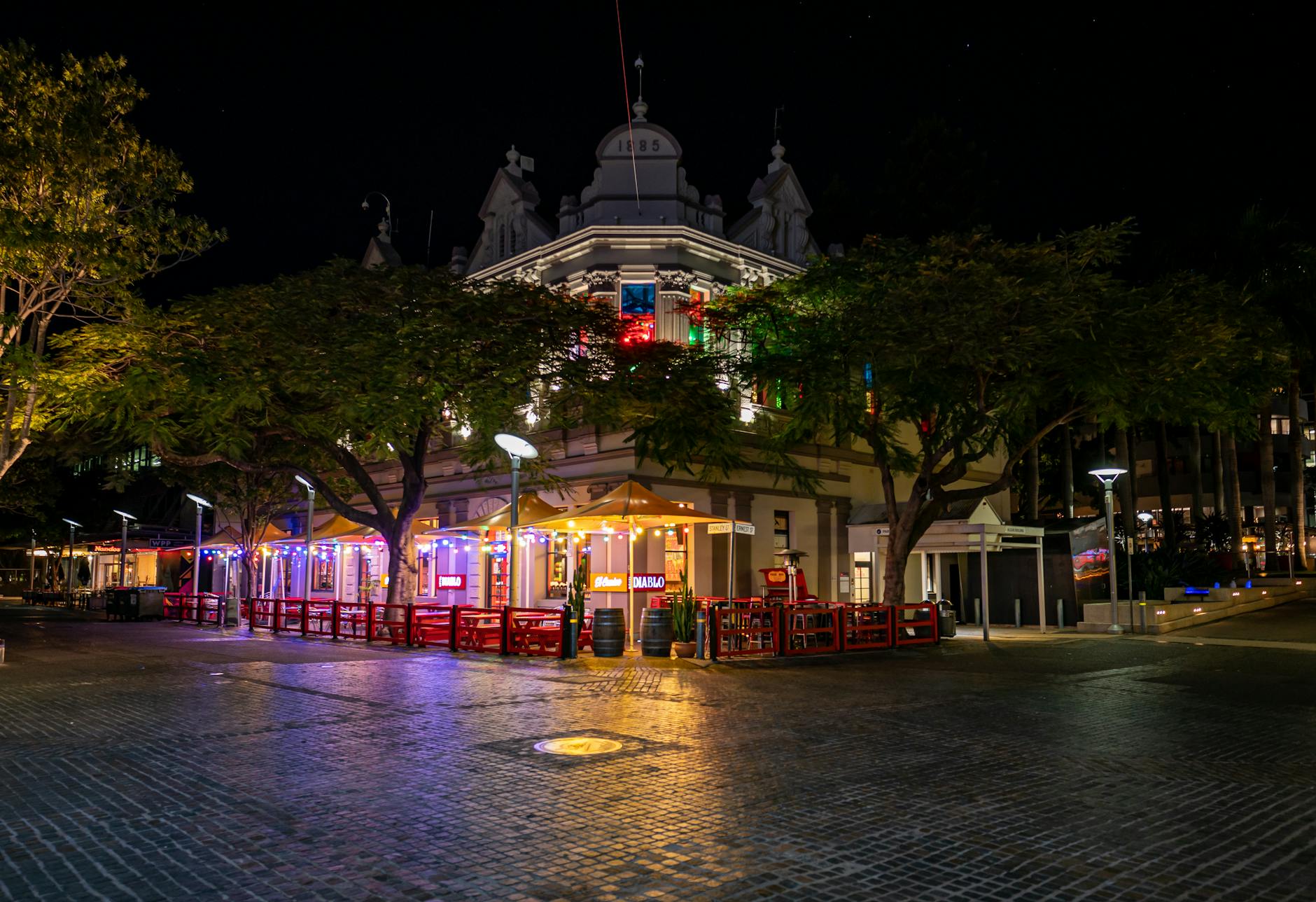
- Identify coffee, dinner, reception, and quiet conversation spots near the venue or hotel.
- Leave time between formal sessions and evening events for rest, email, and changing clothes.
- Keep late returns simple when conversations run long or weather changes.
Protect work blocks and recovery
An academic conference can create more work, not less. Slides, notes, grant conversations, emails, teaching obligations, and follow-up messages need time. The attendee should schedule quiet blocks before the trip becomes a chain of sessions and meals.
A productive conference needs space to process.
- Reserve time for slide review, notes, email, follow-up meetings, and quiet decompression.
- Check hotel desk comfort, Wi-Fi, lobby spaces, nearby cafes, and backup work locations.
- Avoid filling every free hour when jet lag, heat, or an early session needs recovery.
When to order a short-term travel report
An attendee with a conference hotel and simple schedule may not need a custom report. A report becomes useful when venue geography, flight timing, lodging, presentation setup, networking, meals, weather, and departure buffers need to fit into a short Brisbane stay.
The report should test venue access, hotel fit, airport transfer, session timing, presentation needs, meal options, networking areas, weather exposure, work blocks, and departure timing. The value is a Brisbane conference trip that supports the academic purpose instead of competing with it.
- Order when flights, venue location, lodging, presentation needs, meals, networking, weather, or departure timing need coordination.
- Provide conference venue, dates, session schedule, presentation details, hotel options, flight details, work needs, and pace limits.
- Use the report to make the Brisbane conference stay easier to execute and easier to recover from.