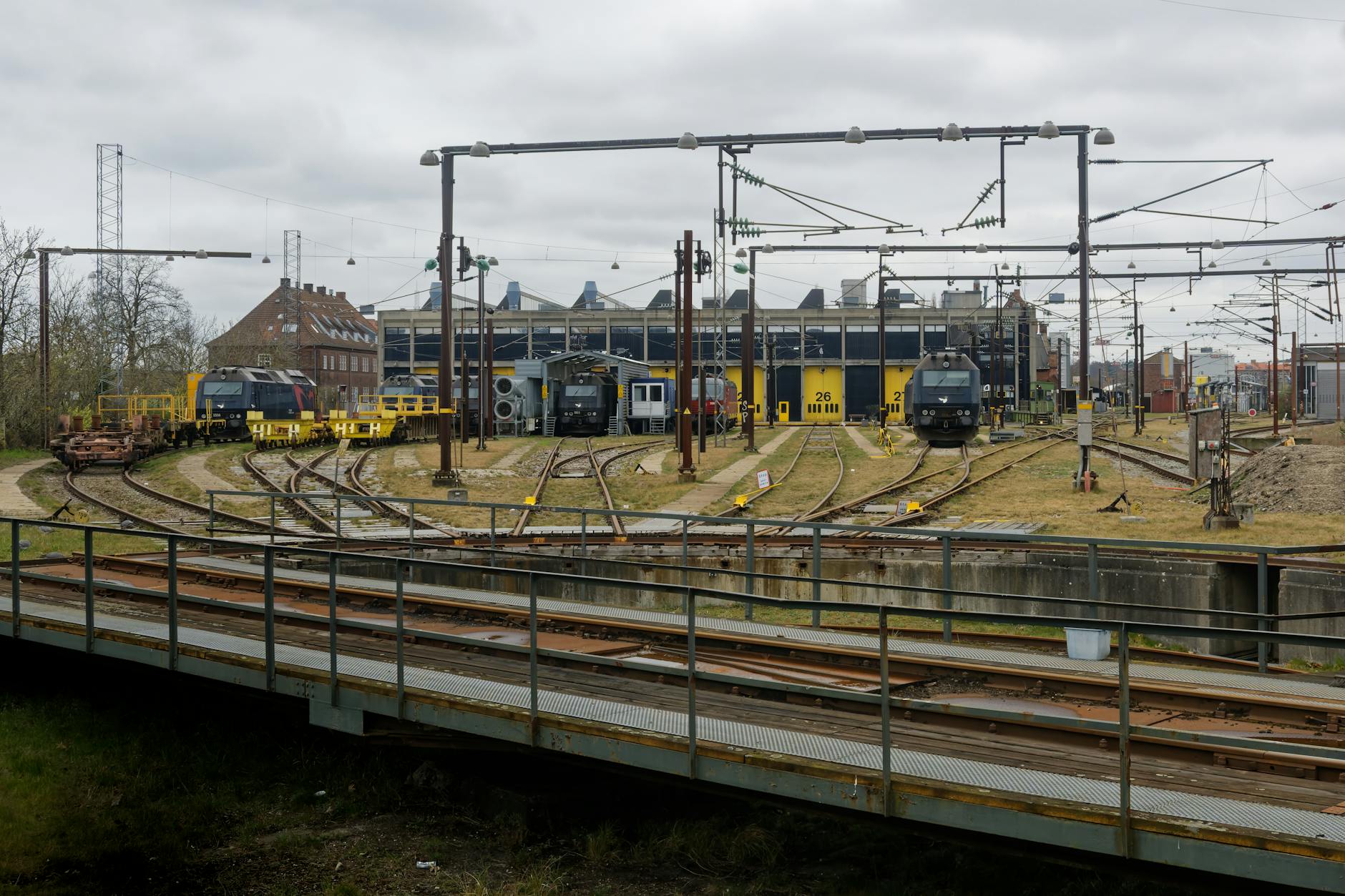
Map the venue before choosing a hotel
Hotel choice should start with the venue, not the prettiest neighborhood. Copenhagen conference schedules can include early sessions, evening receptions, off-site dinners, and airport transfers, so the base should reduce repeated friction.
The best hotel is the one that makes the event easier.
- Map the venue, registration desk, session rooms, reception spaces, and likely dinner districts before booking.
- Compare hotels by transfer time, transit simplicity, breakfast hours, work space, luggage storage, and late return comfort.
- Avoid a charming location if it adds transfers before early sessions or after networking events.
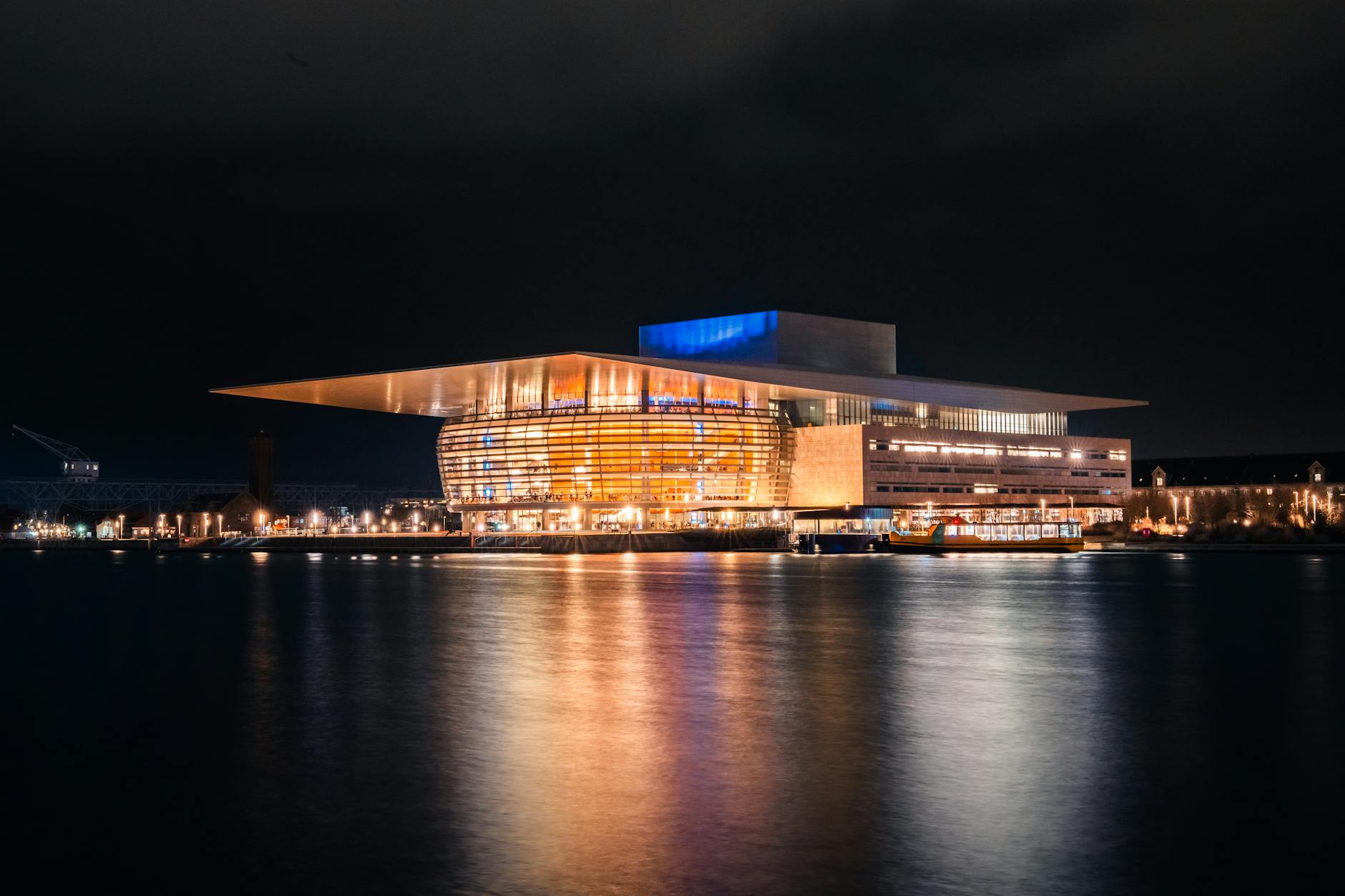
Protect registration and session timing
A conference trip can feel rushed when arrival, hotel check-in, registration, and the first session are too close together. The attendee should build buffers around badge pickup, wardrobe changes, coffee, and finding the right room.
The first event hour should not be a scramble.
- Confirm registration hours, badge pickup, security rules, coat check, Wi-Fi, and the first session location.
- Leave time for hotel check-in delays, luggage storage, a quick reset, and weather changes.
- Keep key event details, QR codes, tickets, and contacts available offline.
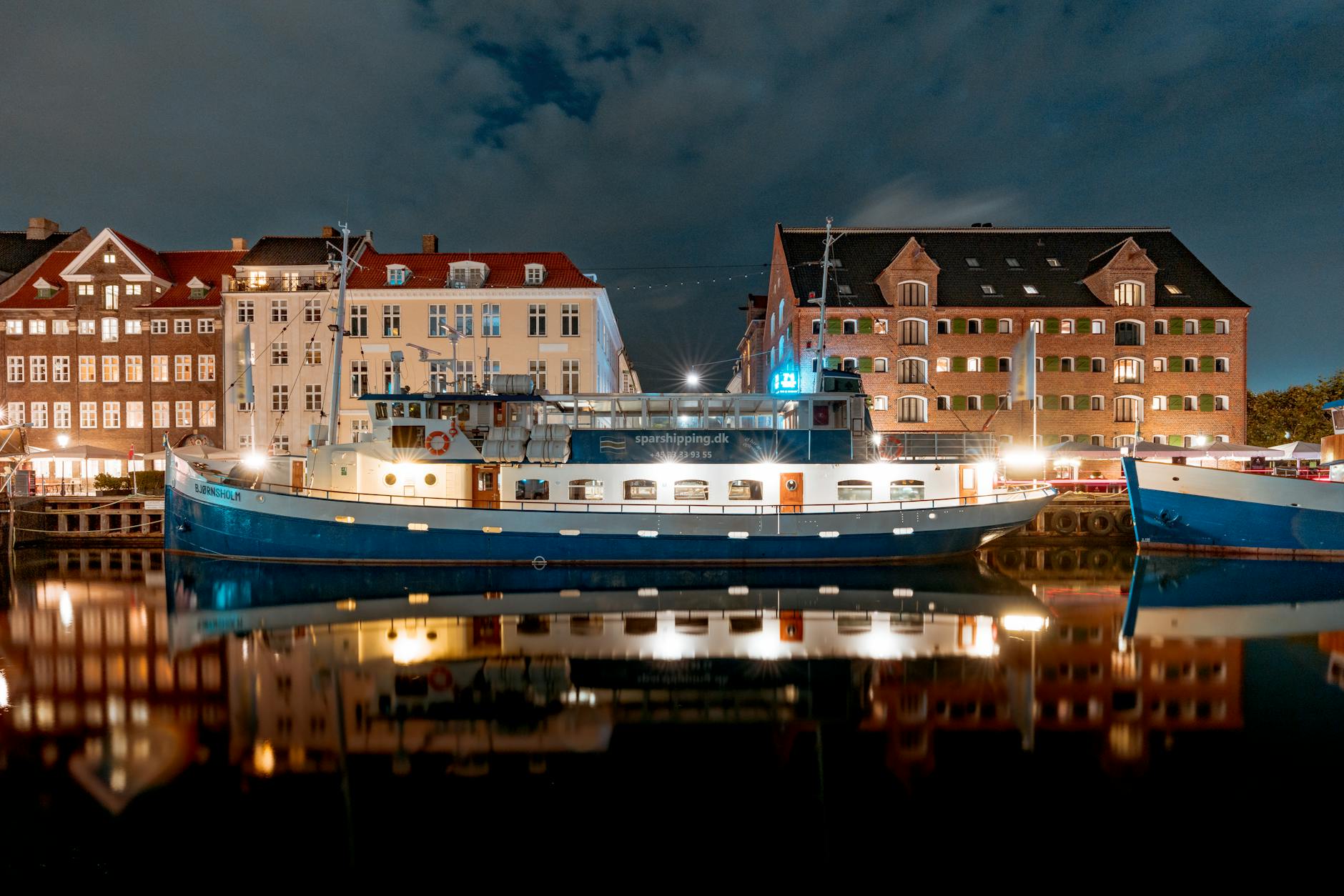
Make transfers simple and repeatable
Copenhagen's airport, rail, metro, taxis, and walking routes can work well, but conference attendees often repeat the same transfer under time pressure. The route between hotel, venue, dinners, and airport should be tested for morning and evening conditions.
Repeatable beats clever.
- Identify the simplest hotel-to-venue route and a taxi backup before the first morning.
- Check transfer times during the actual event windows, not only midday.
- Keep one route for bad weather, late receptions, luggage, or a tight departure.
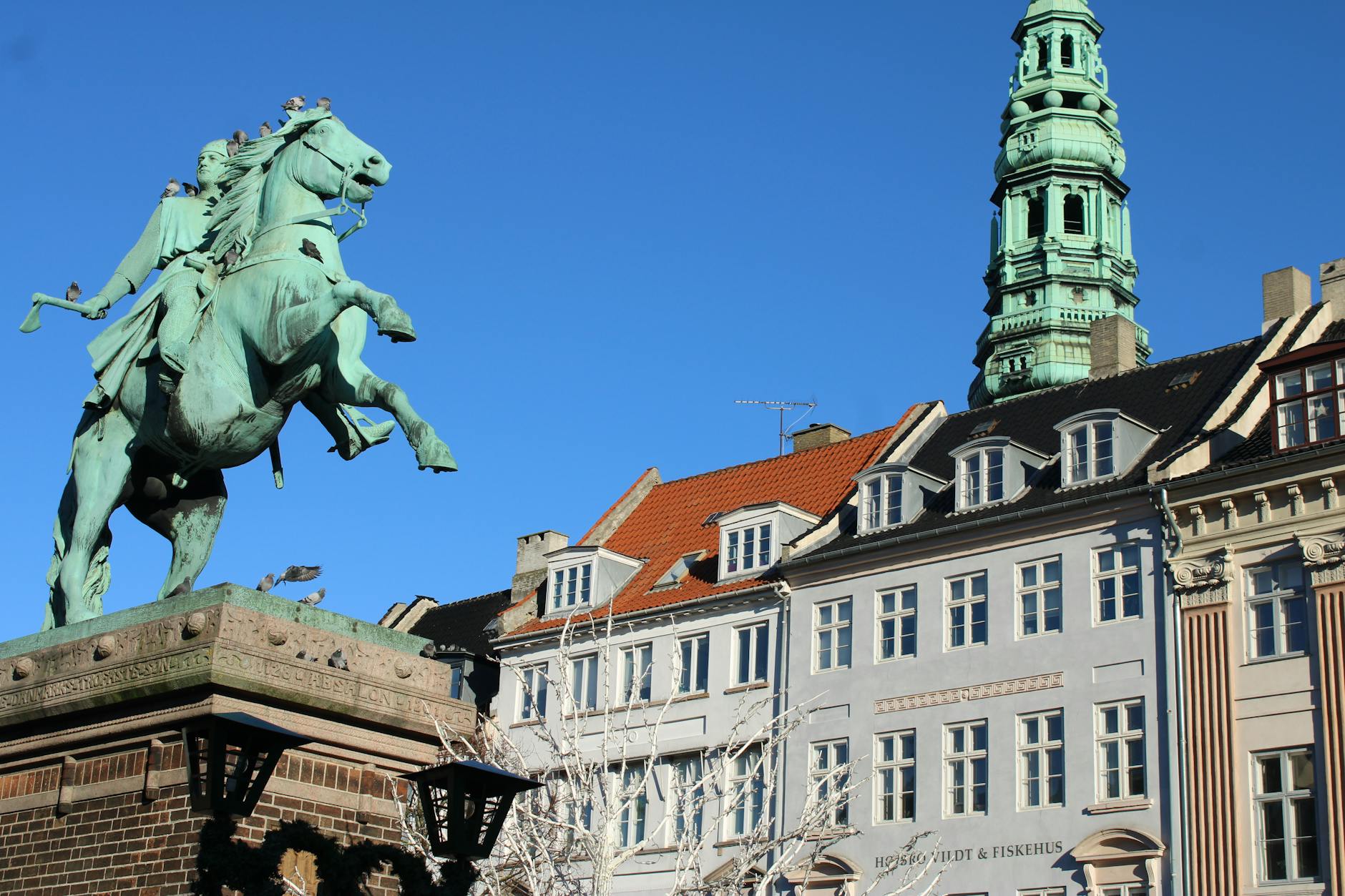
Plan networking and meals by district
Networking meals can be the real value of a conference trip, but Copenhagen dining needs timing and location awareness. The attendee should choose restaurants, cafes, bars, or reception areas that fit the venue and the group's schedule.
A good dinner plan protects the business purpose of the trip.
- Reserve important dinners early and keep casual options near the venue and hotel.
- Choose meal locations with easy transit or taxi access for guests coming from different hotels.
- Build in time for walking, weather, coat storage, payment, and returning after the meal.
Keep work blocks and recovery visible
Conference days can fill with sessions, meetings, emails, calls, receptions, and late dinners. The attendee should protect small work blocks and recovery windows so the trip does not become a backlog of missed obligations.
The schedule should show where work actually happens.
- Reserve time for email, calls, slide review, expense notes, and follow-up messages.
- Choose a hotel with a practical desk, reliable Wi-Fi, quiet space, and breakfast that fits the event schedule.
- Leave recovery time after long sessions or late networking before adding sightseeing.
Add Copenhagen only where the schedule allows
A conference attendee may want canals, design shops, museums, harbor walks, or a strong meal, but those plans should not compete with the professional reason for the trip. City time works best as a focused block before, after, or between event commitments.
Copenhagen should support the trip, not crowd it.
- Choose one or two city experiences that fit the event geography and weather.
- Use short walks, cafes, waterfront time, or a single museum when the schedule is compressed.
- Avoid ambitious cross-city sightseeing on days with early sessions, meetings, or late receptions.
When to order a short-term travel report
A conference attendee with a clear venue hotel and simple schedule may not need a custom report. A report becomes useful when venue location, hotel choice, transfers, networking meals, work blocks, weather, and departure timing need to fit around a dense event.
The report should test venue geography, hotel fit, registration timing, transfers, dinner districts, meeting locations, work blocks, city add-ons, weather backups, and departure buffers. The value is a Copenhagen conference trip that stays productive without wasting the short stay.
- Order when venue logistics, hotels, transfers, meals, meetings, city time, weather, or departure timing need coordination.
- Provide dates, event venue, session schedule, arrival details, hotel options, meeting plans, meal goals, budget, and work needs.
- Use the report to keep the professional schedule smooth while still making Copenhagen usable.