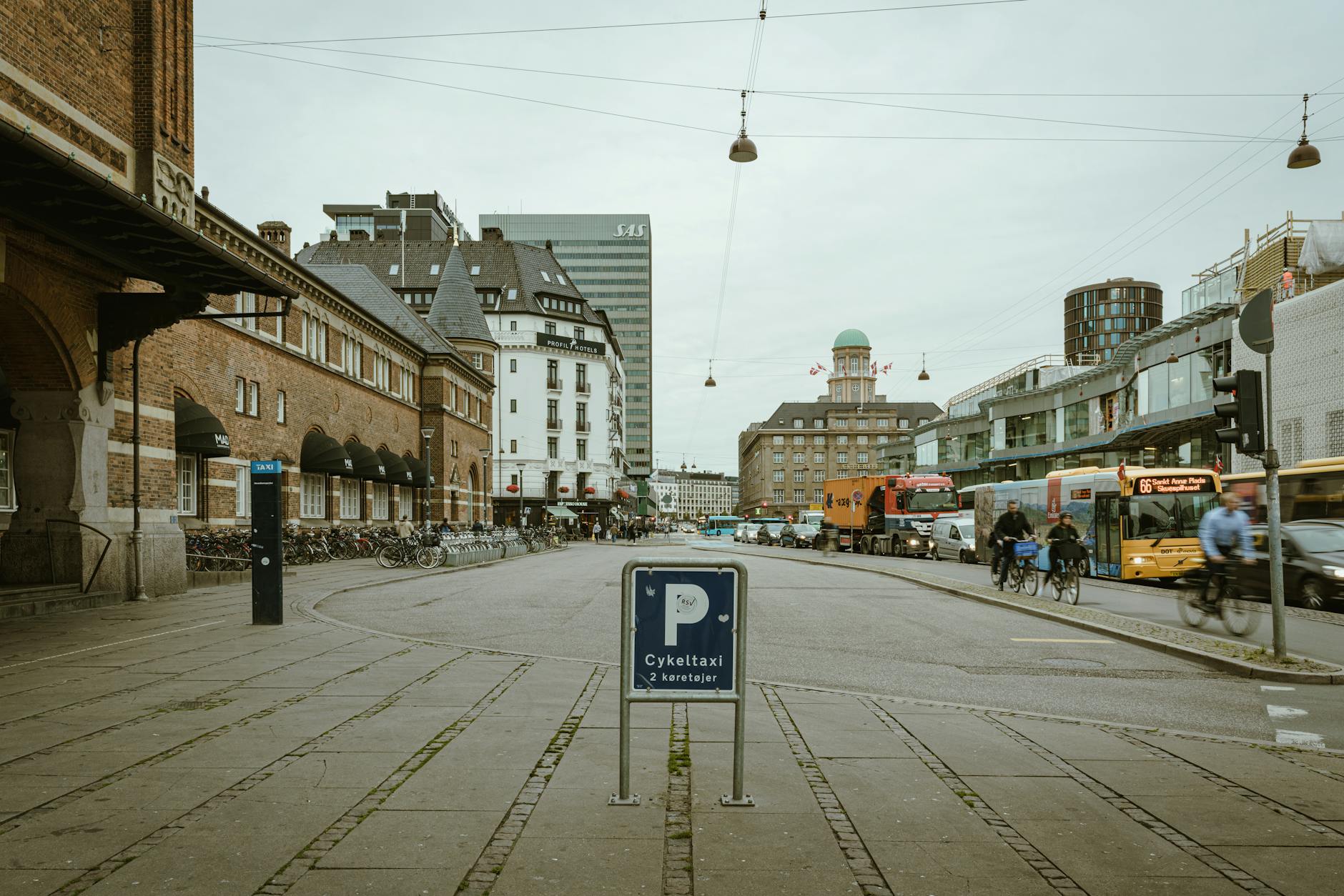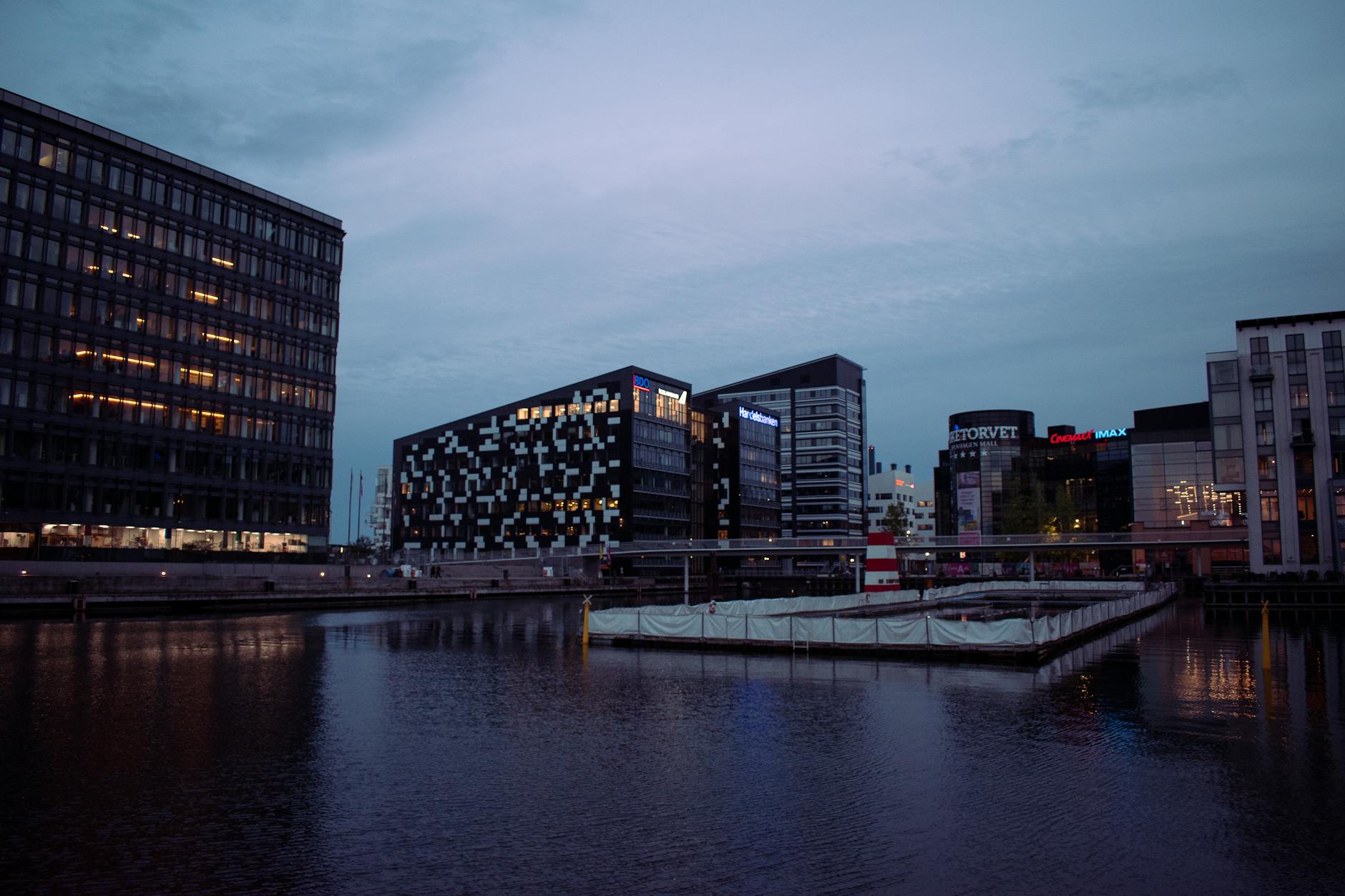
Map meetings against Copenhagen's districts
Copenhagen is compact, but meeting geography still matters. A schedule split between the airport corridor, central offices, harbor districts, conference hotels, and client dinners can create more movement than the map suggests.
The calendar should be arranged around district logic.
- Place every meeting, hotel, dinner, and transfer on the same map before booking.
- Group appointments by district or transit corridor when the traveler controls the schedule.
- Leave buffer between harbor, center, airport, and suburban meetings rather than relying on ideal transfer times.
Choose the hotel for work rhythm
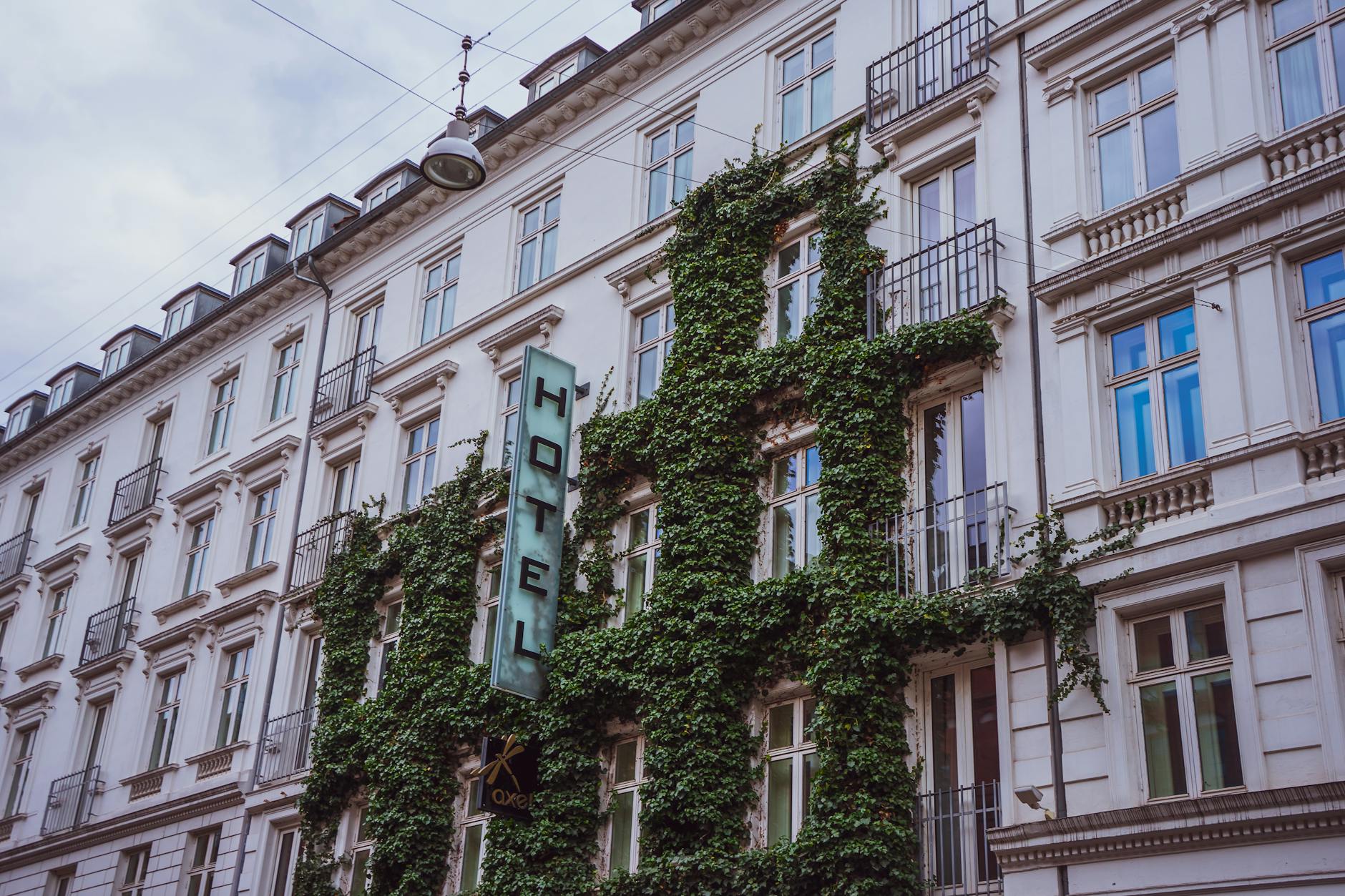
A business hotel should support sleep, breakfast timing, meeting access, quiet calls, desk work, late arrival, luggage storage, and quick returns after dinner. Copenhagen has attractive neighborhoods, but the right base is the one that makes the workday easier.
The hotel is part of the operating plan.
- Compare hotels by meeting access, airport route, desk quality, quiet, breakfast, gym, and late check-in.
- Choose a base near the dominant work area rather than a purely leisure address.
- Check whether luggage storage and early or late arrival support the first and last workdays.
Protect presentations, calls, and meeting basics
Copenhagen's ease can hide small operational risks: room setup, visitor registration, Wi-Fi, adapters, printed material, slides, confidentiality, and video-call fallback. The traveler should solve these before the meeting day begins.
Business trips fail in details more often than in landmarks.
- Confirm meeting address, entrance, host contact, room setup, screen connection, Wi-Fi, and arrival procedure.
- Carry adapter options, offline files, printed essentials, and a hotspot or phone tethering backup.
- Build a quiet work block before high-stakes meetings instead of arriving straight from a transfer.
Use transit where it is genuinely efficient
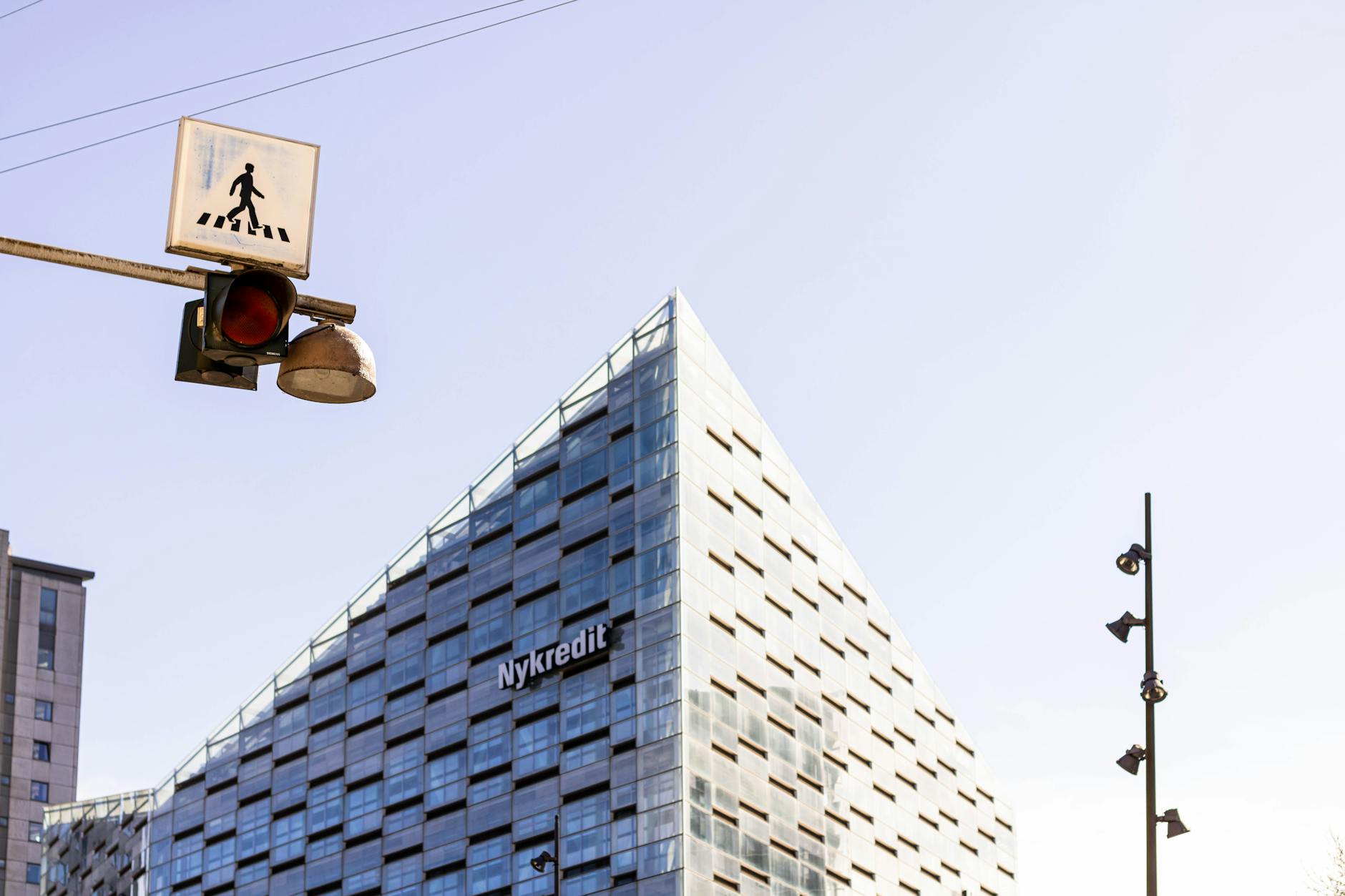
Copenhagen transit can be excellent for business visitors, especially between the airport and city, but taxis may still be better for some schedules, luggage, weather, or multi-stop days. The traveler should choose movement by reliability, not habit.
The simplest transfer is often the most professional one.
- Compare metro, rail, taxi, walking, and cycling by time, luggage, weather, and meeting formality.
- Check ticketing, platform direction, service disruptions, and payment before the first transfer.
- Use taxis when luggage, rain, timing, or presentation materials make transit less efficient.

Plan client meals with timing and tone
Copenhagen can make client meals feel polished without being stiff, but reservations, dietary needs, neighborhood choice, and timing still matter. The meal should match the business purpose and should not create an awkward transfer before or after the meeting.
Food should support the relationship and the schedule.
- Reserve important meals early, especially for popular restaurants or small groups.
- Choose restaurants near the meeting, hotel, or next obligation unless the meal itself is the point.
- Confirm dietary needs, payment expectations, dress tone, and realistic end time before the day starts.

Build weather and recovery into the schedule
Copenhagen weather, winter darkness, harbor wind, rain, and cycling-city expectations can affect how a business visitor feels between obligations. The schedule should include enough margin for clothing, drying out, rest, and quiet work.
A compressed trip still needs recovery.
- Pack shoes and outerwear that work for rain, wind, cobblestones, and business settings.
- Leave a hotel reset or quiet work block between travel and important meetings when possible.
- Do not turn every free evening into networking when the next day carries high-value work.

When to order a short-term travel report
A business visitor with one meeting and a familiar hotel may not need a custom report. A report becomes useful when meetings are spread across Copenhagen, airport timing is tight, client meals matter, presentation logistics are high-stakes, or weather and recovery need to be managed.
The report should test meeting geography, hotel fit, airport and rail access, taxi needs, meal options, work blocks, presentation logistics, weather, payment norms, and departure buffers. The value is a Copenhagen business trip that feels calm because the practical details were handled before arrival.
- Order when meeting geography, hotel choice, airport transfers, client meals, work blocks, weather, or departure timing need coordination.
- Provide dates, flight details, meeting addresses, host contacts, hotel options, meal needs, presentation requirements, and budget.
- Use the report to make the Copenhagen trip efficient without losing the city's useful ease.