Map accounts before choosing a hotel
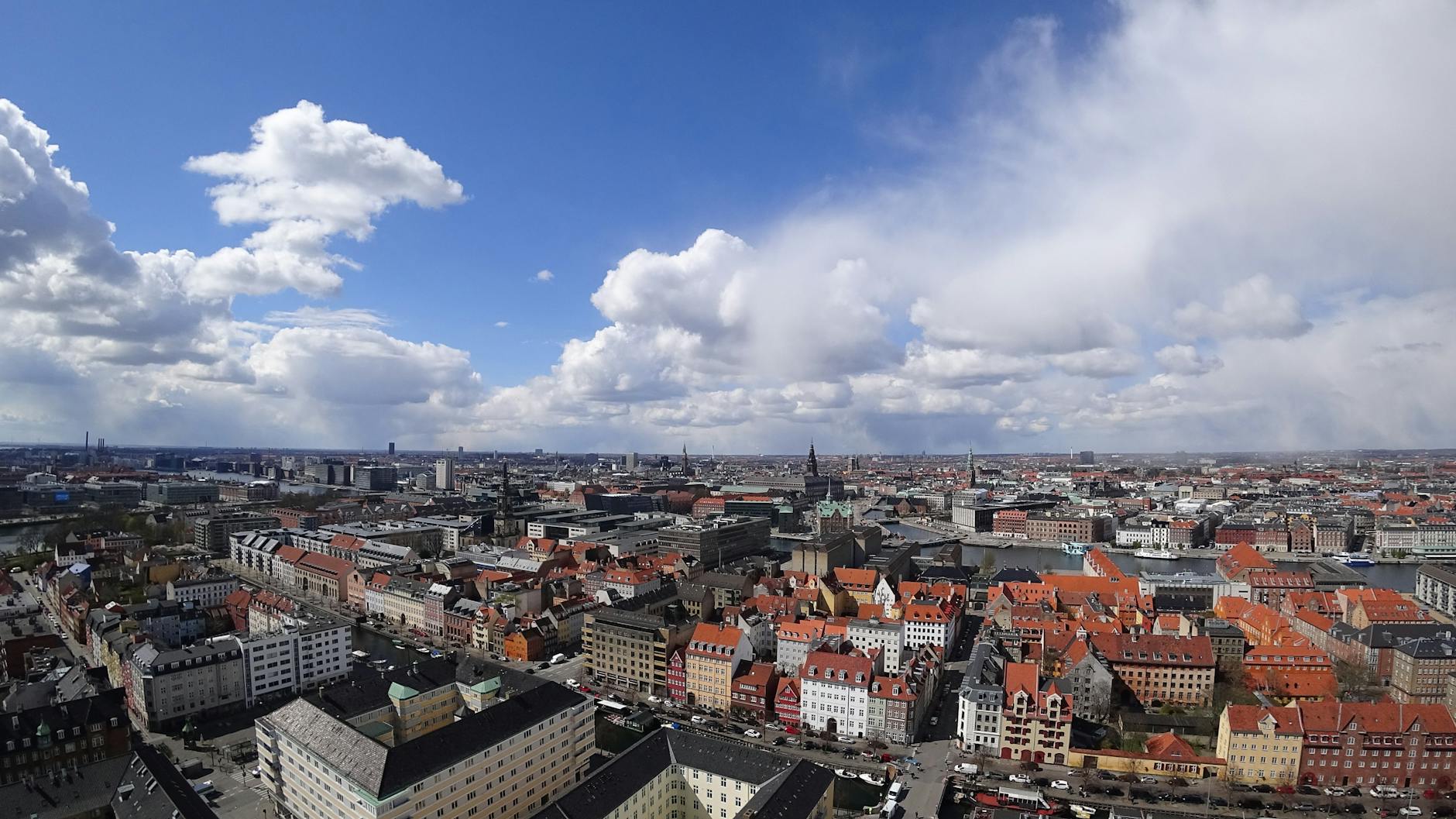
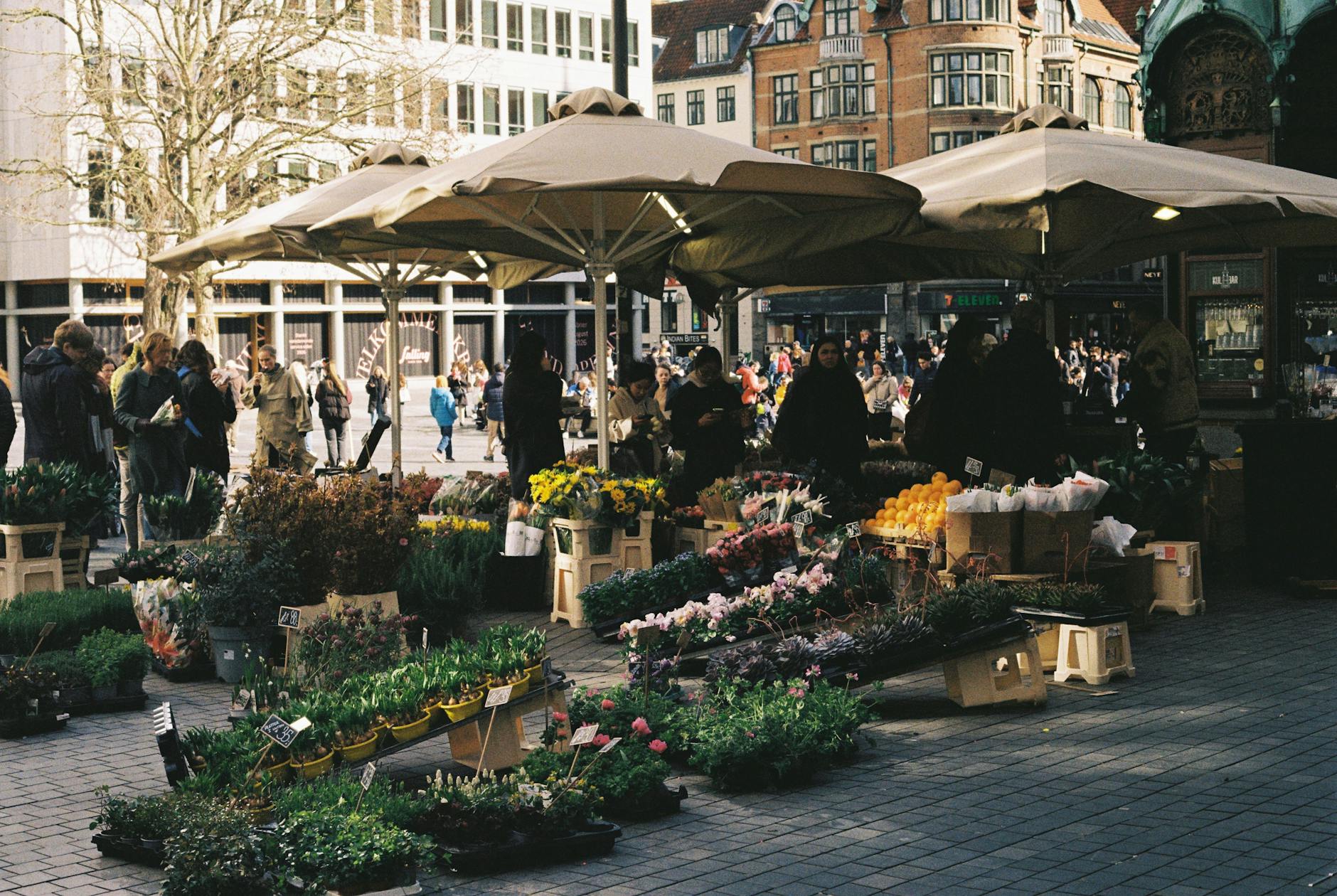
The sales itinerary should start with client geography, not the most attractive hotel district. Copenhagen can be easy to cross, but scattered meetings, rain, laptop bags, and late dinners can turn small routing errors into lost energy.
The account map should drive the base.
- Map client offices, meeting venues, dinner locations, transit stops, and taxi pickup points before booking.
- Choose lodging by account access, airport route, room quiet, desk setup, and late return comfort.
- Avoid a sightseeing-friendly base if it creates repeated transfers before important meetings.
Keep first-meeting arrival low risk
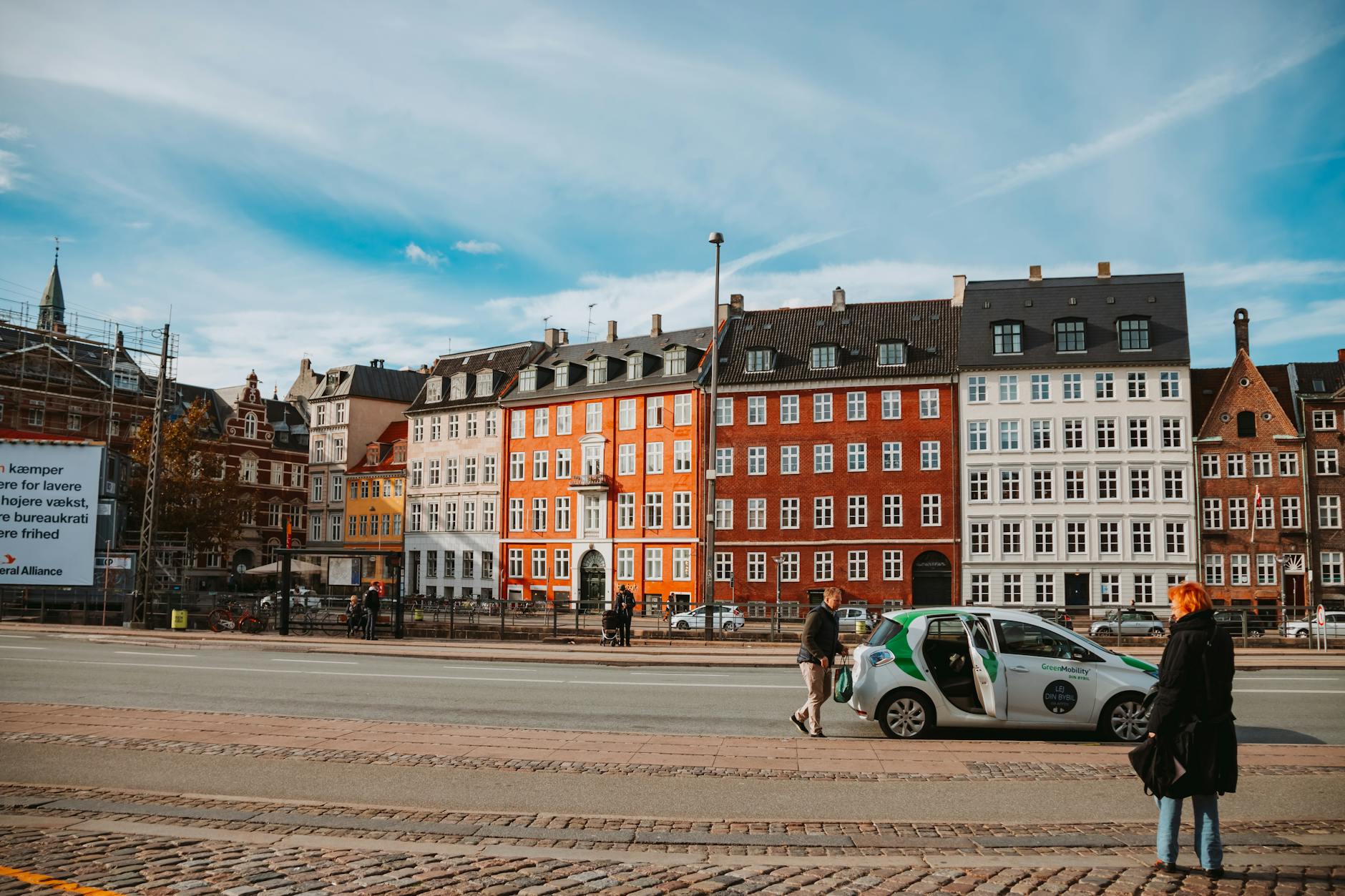
A first meeting sets the tone, so the route should be tested before the calendar is tight. The traveler should know the building entrance, security process, nearby cafe, backup taxi route, and what time to leave if weather changes.
The first impression starts before the room.
- Confirm client address, entrance, security rules, reception contact, and meeting room location.
- Leave time for transit delays, rain, formal clothing, bag checks, and coffee before the meeting.
- Keep presentation files, chargers, adapters, business cards, and key notes in carry-on or day luggage.
Build routes by meeting clusters
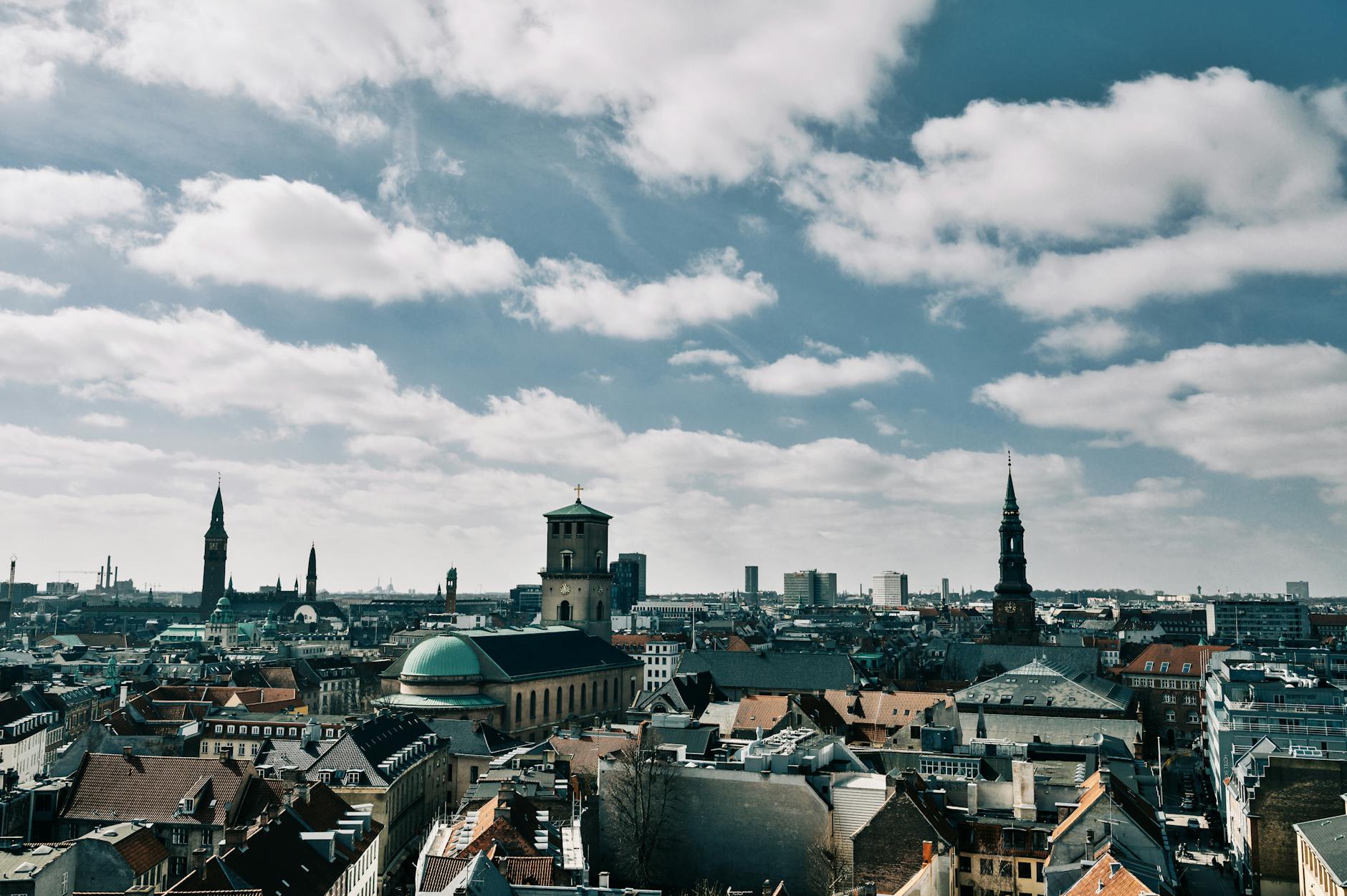
Sales trips often fail when meetings are accepted in the order they arrive. In Copenhagen, the traveler should cluster accounts by area and compare walking, metro, rail, taxi, and bike options by actual time of day.
Routing is part of sales discipline.
- Group meetings by neighborhood or transit line when possible.
- Use metro or rail for predictable cross-city movement and taxis when materials, weather, or timing justify it.
- Leave enough buffer between accounts for notes, follow-up tasks, and a short reset.

Protect prep and follow-up time
A sales traveler needs space to prepare, update the CRM, send notes, and tailor the next conversation. Those blocks should be visible in the trip plan instead of left for late-night hotel work.
Follow-up is where the trip becomes useful.
- Reserve time for account notes, proposal changes, CRM updates, and internal calls.
- Identify hotel, office, or cafe spaces where calls and document work are realistic.
- Avoid filling every gap with sightseeing when the next meeting needs preparation.

Plan client meals with a clear purpose
Copenhagen meals can help a sales trip, but the restaurant should fit the account, timing, privacy, noise level, and ease of return. A good dinner is not just a reservation; it is a useful setting for the next step in the relationship.
Meals should support the pipeline.
- Choose cafes, bars, or restaurants by proximity, noise, seating, dietary needs, and payment expectations.
- Reserve important client meals early and keep a simpler backup near the hotel or meeting area.
- Leave margin for weather, taxis, late conversation, and next-day preparation.
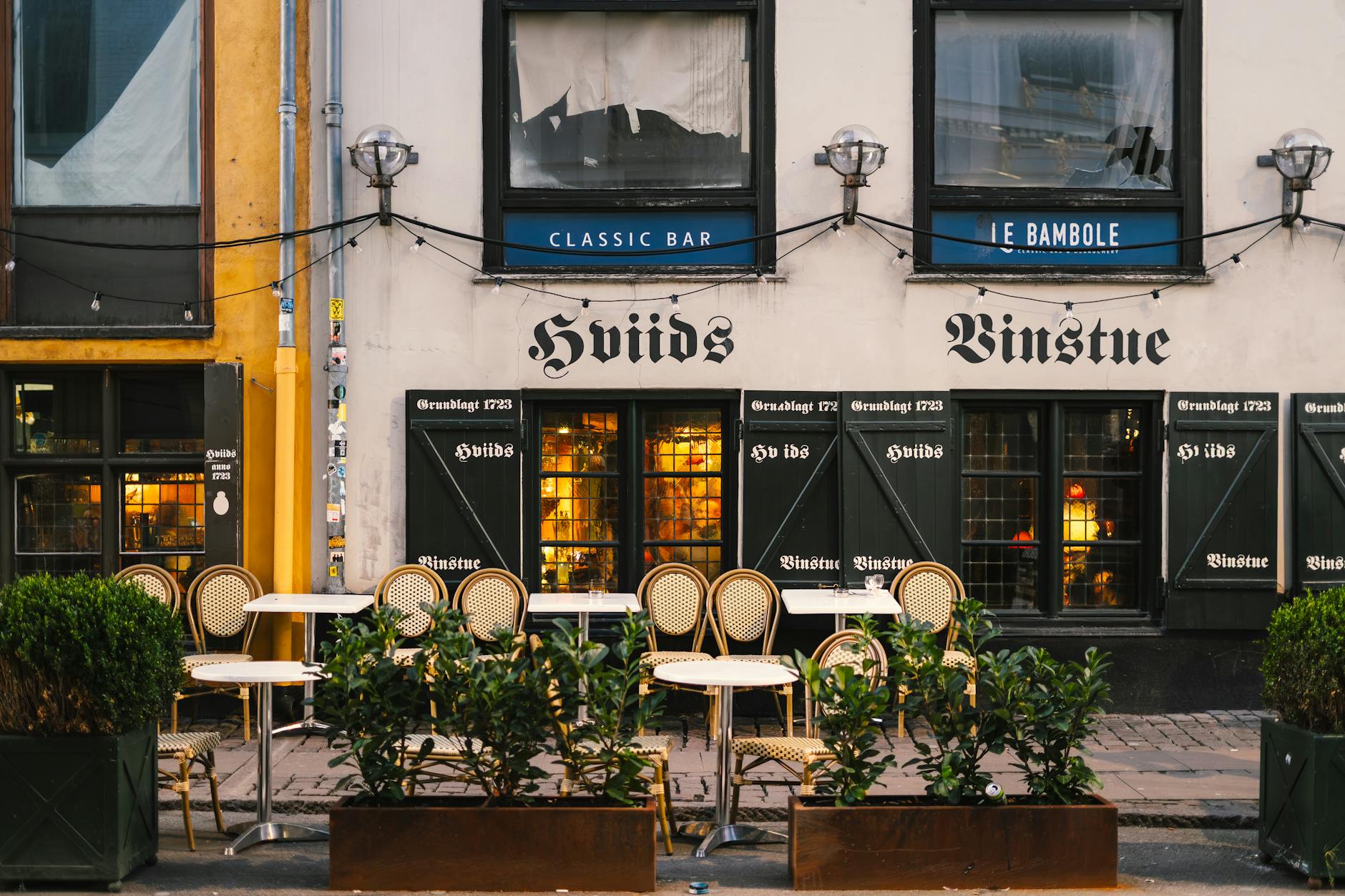
Use city time as a reset
A sales traveler may only have room for a waterfront walk, one cafe, a quick design stop, or a calm dinner. Copenhagen city time works best when it restores focus instead of adding another obligation to the calendar.
The trip can include the city without crowding the work.
- Choose one compact city experience near the hotel, client area, or dinner route.
- Use harbor walks, cafes, or simple central routes when the schedule is compressed.
- Skip optional plans when weather, meeting changes, or follow-up work need the margin.
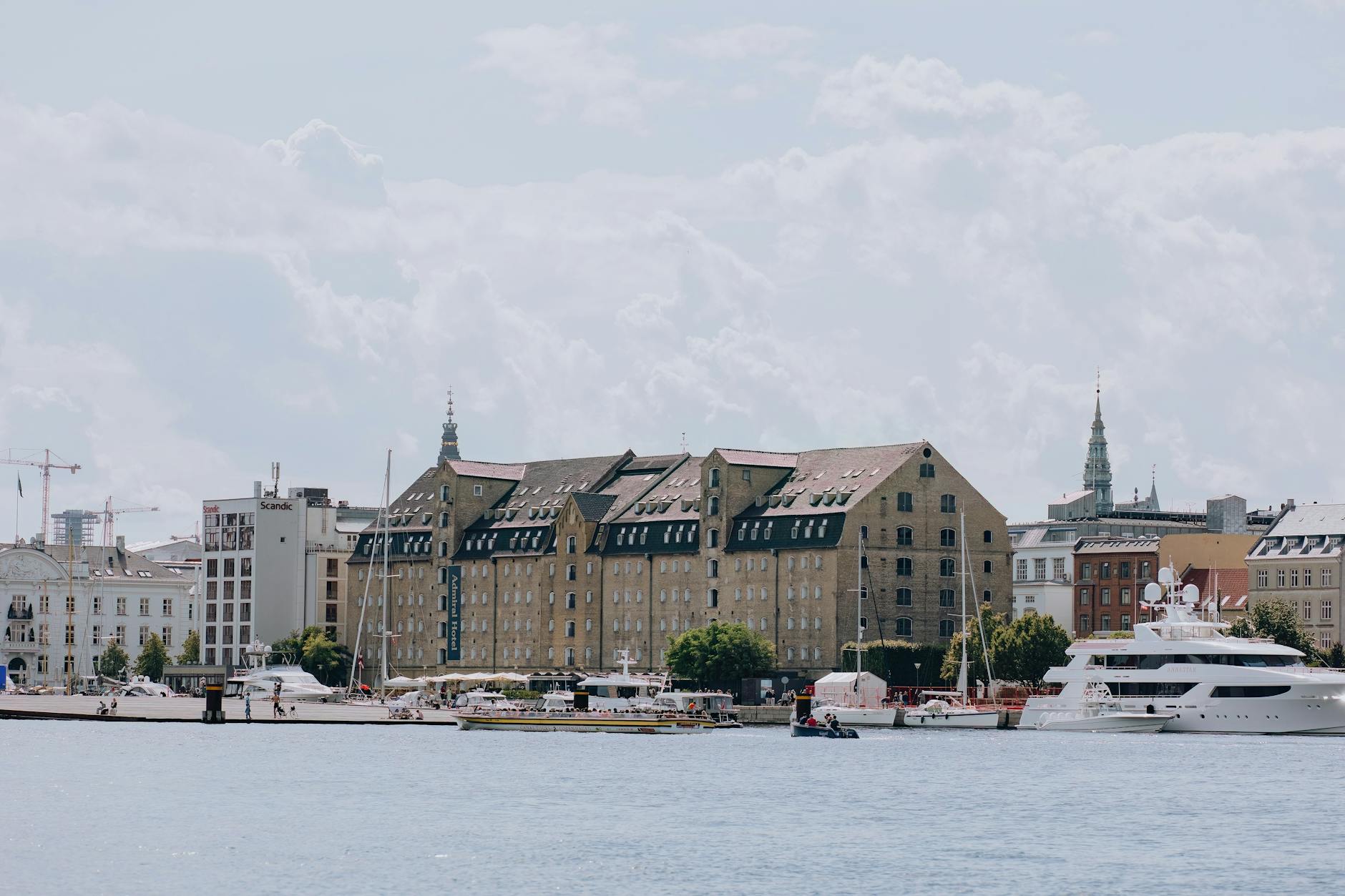
When to order a short-term travel report
A sales traveler with one simple client meeting may not need a custom report. A report becomes useful when account geography, hotel choice, meeting buffers, client meals, transit options, follow-up blocks, weather, and airport timing need to fit into a short stay.
The report should test account locations, hotel fit, commute options, meeting timing, workspaces, client meals, weather backups, city reset options, and departure buffers. The value is a Copenhagen sales trip that keeps attention on the customer.
- Order when accounts, lodging, meeting routes, client meals, work blocks, weather, or departure timing need coordination.
- Provide dates, arrival details, account locations, meeting schedule, hotel options, meal goals, materials, budget, and work needs.
- Use the report to make the sales trip easier to run and easier to follow up.