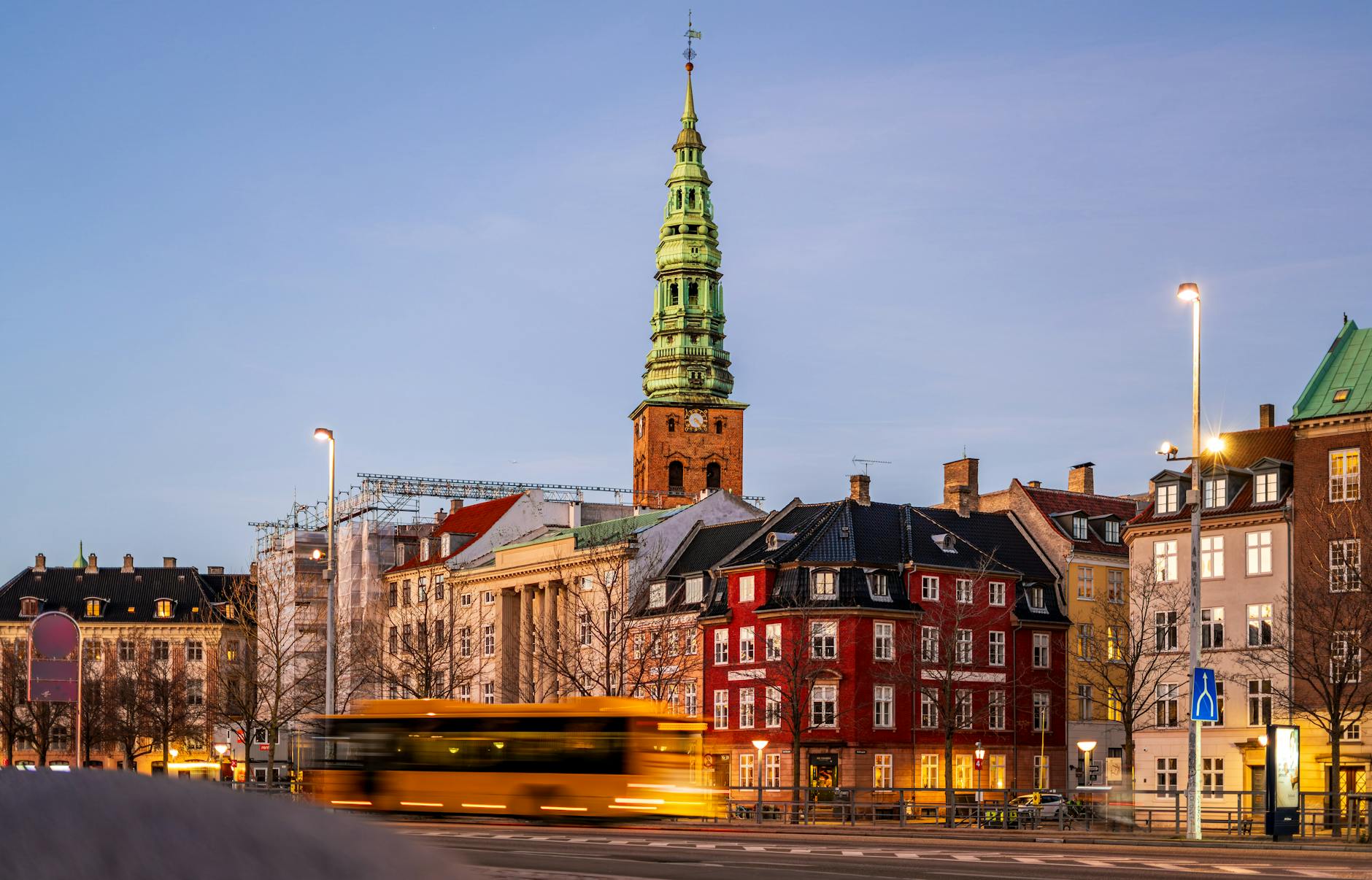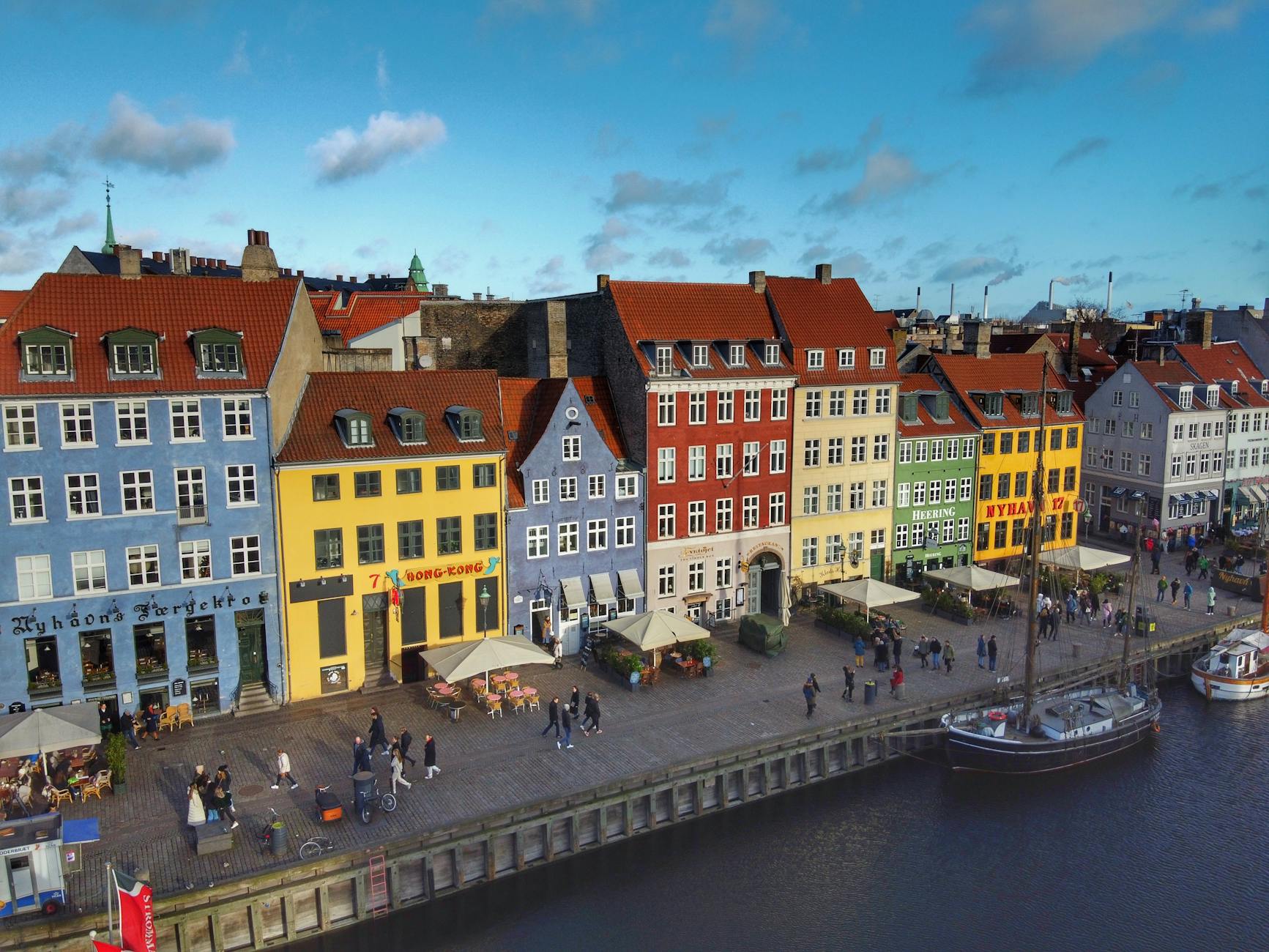
Anchor the trip around diligence flow
The itinerary should follow the logic of the deal: management sessions, advisor meetings, site visits, document review, internal decision time, and final follow-up. Copenhagen geography matters because each transfer can compress the working day.
The diligence sequence should lead the travel plan.
- Map management offices, advisor locations, site visits, hotels, dinner venues, and airport route before booking.
- Place the most time-sensitive meetings where transfer risk is lowest.
- Keep internal discussion blocks separate from movement between meetings.
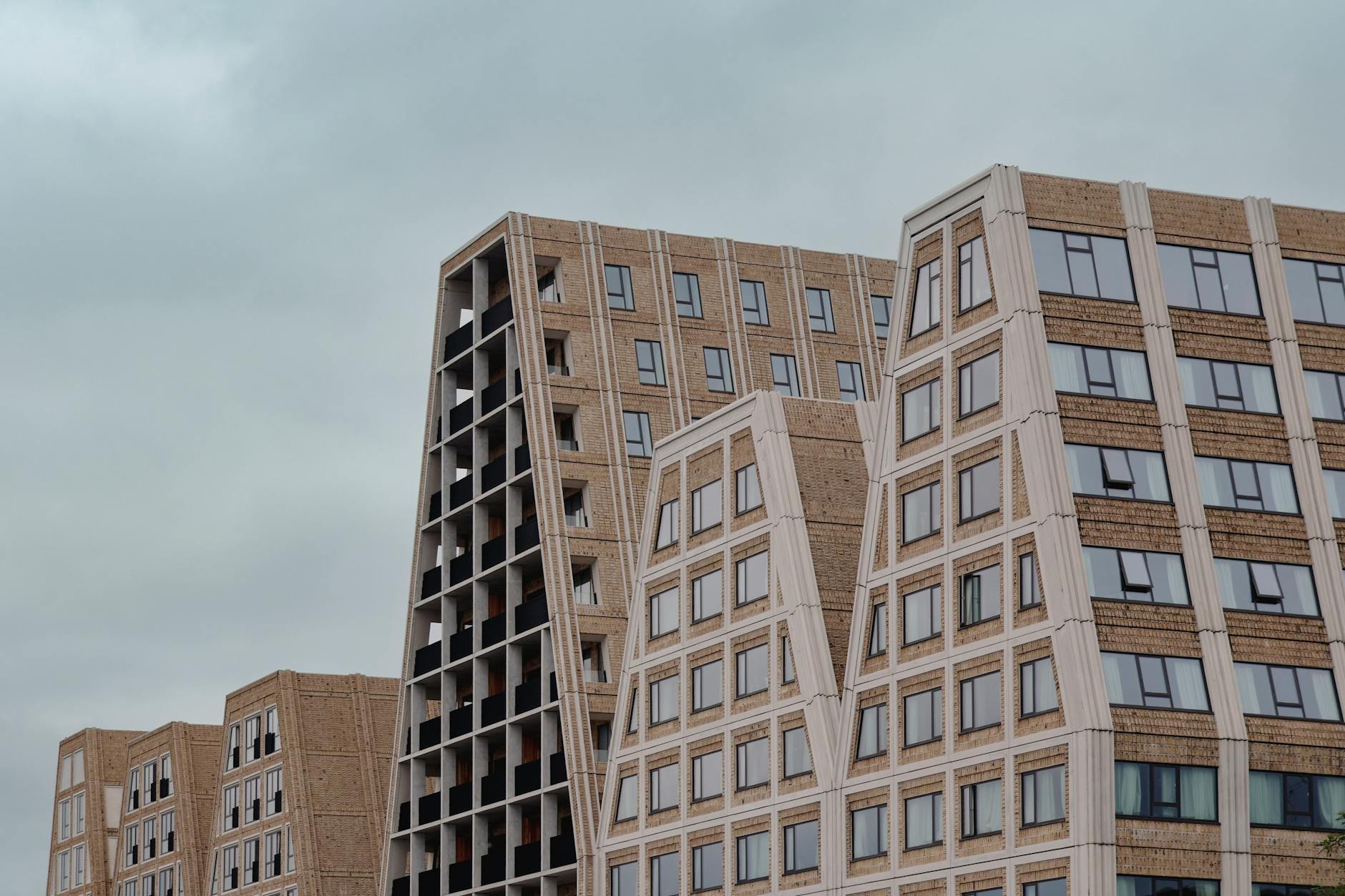
Choose lodging for confidential work
The hotel needs to support quiet document review, calls, early starts, late work, and discreet arrivals. Location still matters, but Wi-Fi, desk space, lobby privacy, meeting rooms, room quiet, and late checkout may matter more than style.
The hotel is part of the deal room.
- Check workspace, Wi-Fi, privacy, meeting rooms, breakfast hours, room quiet, and luggage storage.
- Choose lodging that makes client sites, advisor offices, and airport access predictable.
- Avoid public work setups for sensitive calls, materials, or internal debate.
Control documents and meeting materials
Deal travel often depends on the right document being available at the right time. The team should plan secure access, offline copies, chargers, adapters, signature needs, printed materials, and who carries what before arrival.
Information logistics need ownership.
- Assign responsibility for documents, devices, chargers, adapters, presentation files, and secure access.
- Keep critical files available offline while respecting confidentiality rules.
- Build short review blocks before and after management sessions.
Make transfers boring and reliable
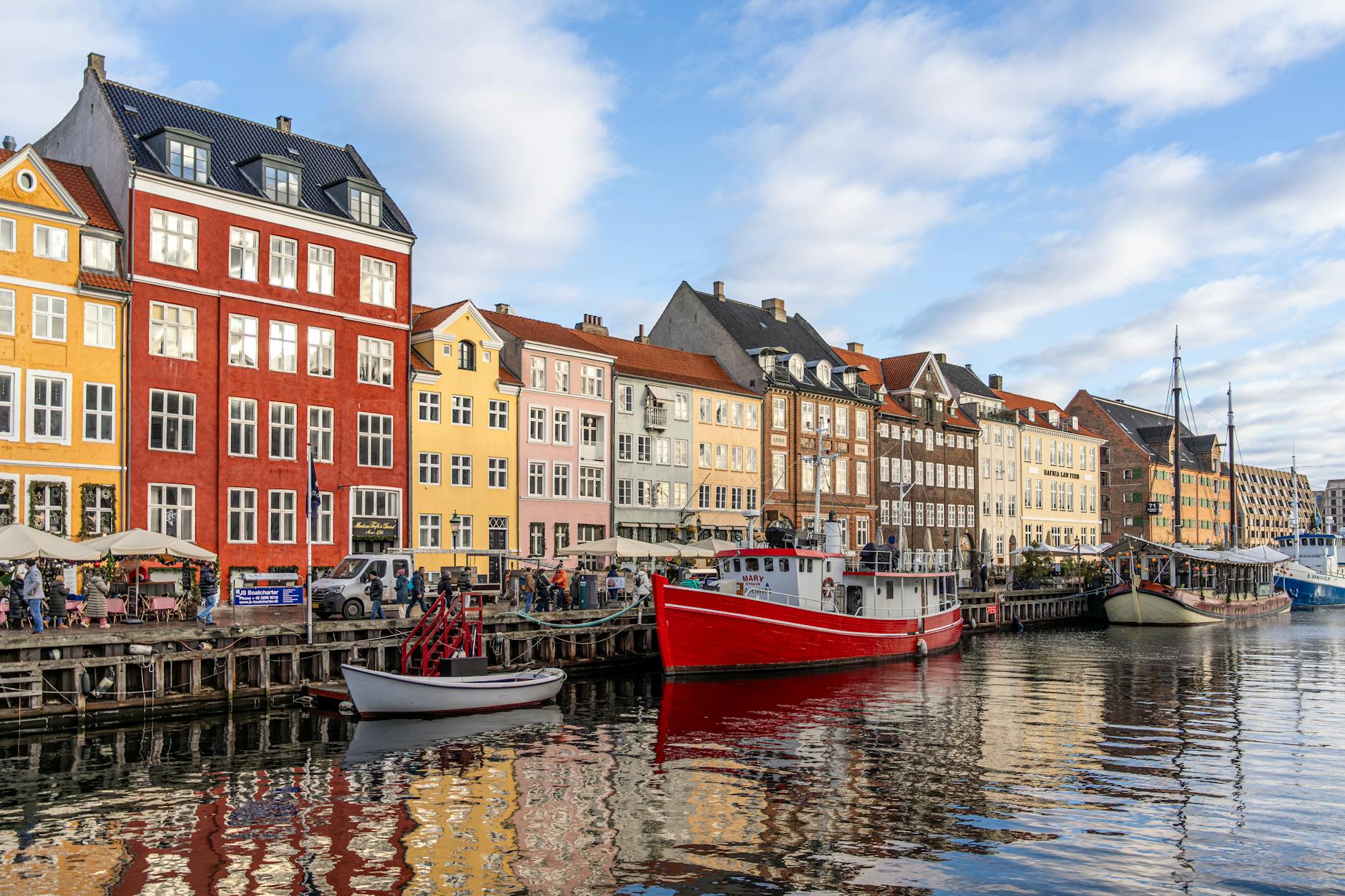
Copenhagen transit can work well, but a deal team should choose movement by reliability, confidentiality, luggage, weather, and meeting stakes. A taxi may be the right choice when a delay would disrupt the whole diligence sequence.
Predictable movement protects the agenda.
- Compare car, metro, rail, walking, and taxi options by meeting window and actual geography.
- Use cars when documents, formal clothing, weather, or confidential team discussion matter.
- Keep airport buffers large enough for final calls, checkout, and revised materials.
Use meals for the right conversations
Meals can help management rapport, advisor alignment, or internal discussion, but they must fit the purpose. Noise, privacy, seating, timing, and distance from the hotel or meeting site matter more than novelty.
A meal should support the transaction context.
- Choose restaurants or private spaces by privacy, noise, proximity, dietary needs, and payment expectations.
- Separate management meals from internal debriefs when the conversations require different settings.
- Leave enough time after dinner for notes, follow-up, and next-day preparation.
Protect decision time
A compressed Copenhagen trip can fill every hour with external meetings, but deal teams need time to compare notes, challenge assumptions, and decide what has changed. Those blocks should be protected before the calendar is full.
Judgment needs quiet time.
- Hold time for internal debriefs, advisor calls, model updates, and next-step decisions.
- Avoid placing important internal discussion only after late dinners or before airport departure.
- Use a quiet hotel room, meeting room, or private workspace rather than a crowded cafe for sensitive debriefs.
When to order a short-term travel report
An investor or deal team with a single meeting and familiar local support may not need a custom report. A report becomes useful when multiple meetings, hotel work needs, confidential calls, meals, transfer risk, weather, and airport timing all need to fit into a short Copenhagen trip.
The report should test meeting geography, hotel fit, workspaces, transfer options, meal settings, internal decision blocks, privacy needs, weather backups, and departure buffers. The value is a Copenhagen deal trip that leaves more attention for the transaction.
- Order when meeting geography, lodging, workspaces, confidentiality, meals, transfers, weather, or departure timing need coordination.
- Provide dates, arrival details, meeting locations, advisor schedule, hotel options, work needs, meal plans, privacy needs, budget, and timing constraints.
- Use the report to keep the trip organized around diligence and decision quality.