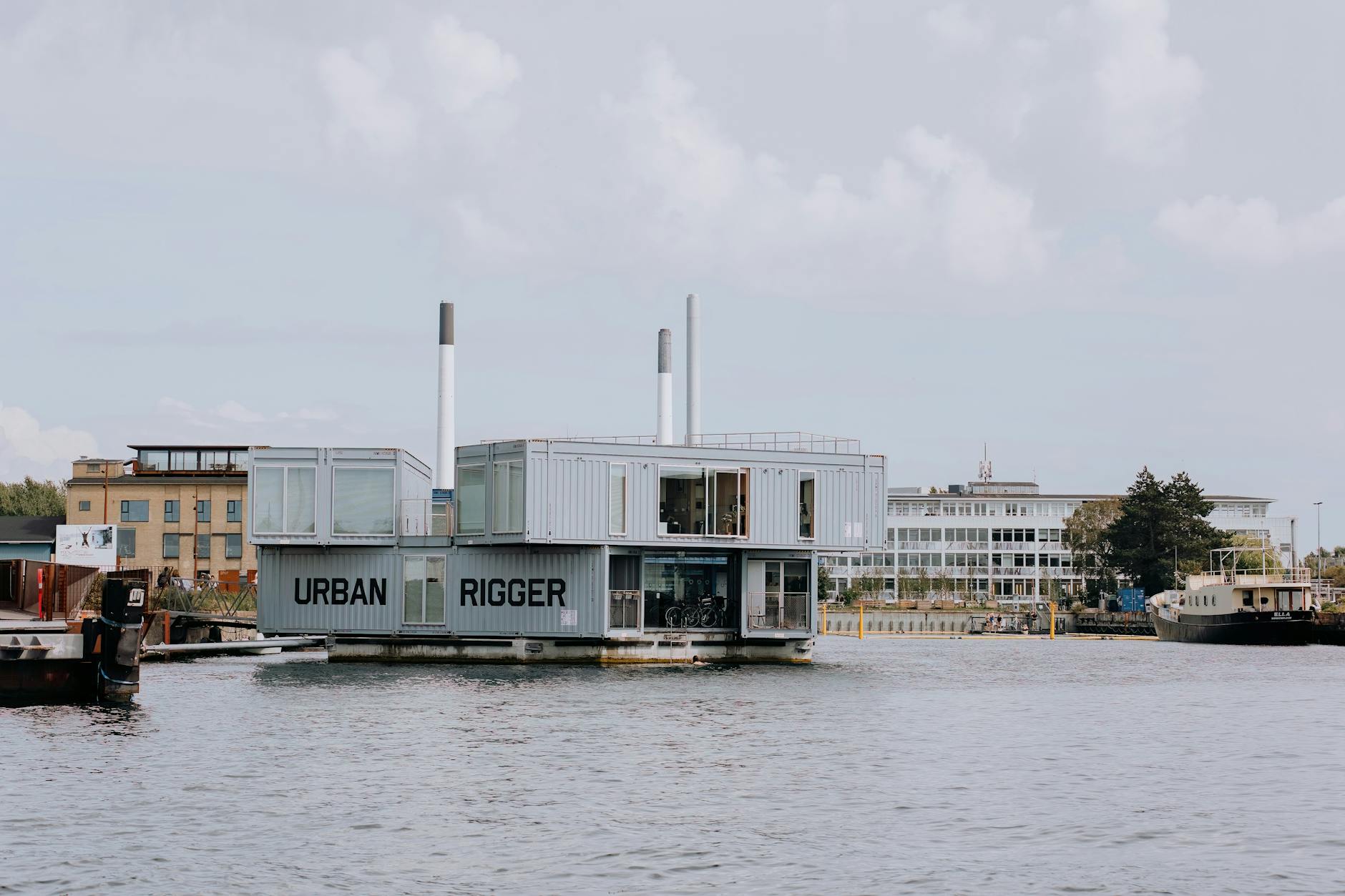
Confirm the program structure first
A short program can involve classes, site visits, group meals, project time, curfews, housing rules, or faculty-led movement. The student should understand the fixed schedule before making independent plans.
The program calendar is the backbone.
- Confirm class times, orientation, site visits, group dinners, attendance rules, and emergency contacts.
- Identify which blocks are truly free and which are likely to change.
- Keep program documents, IDs, insurance, and local contacts available offline.
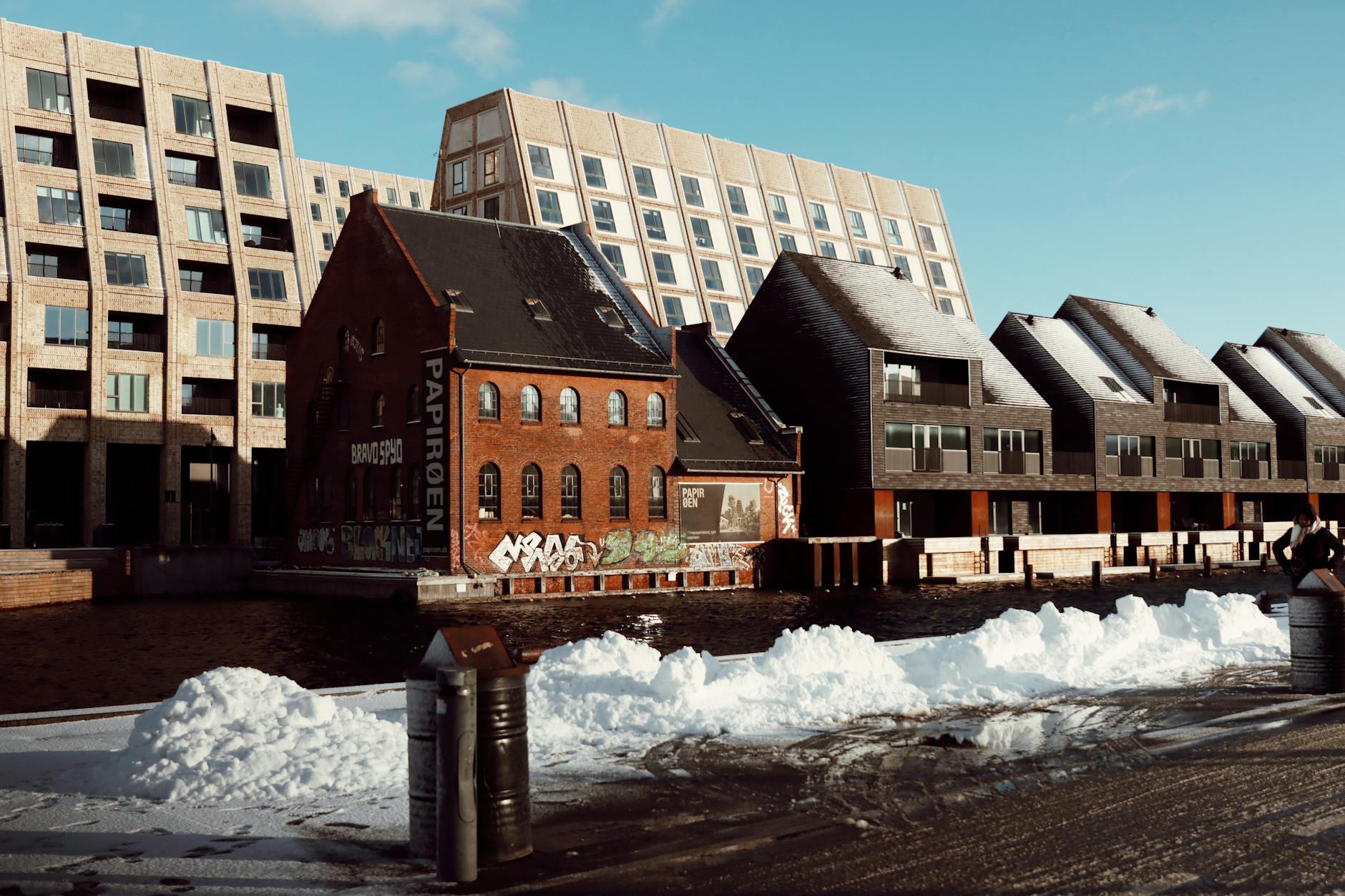
Choose housing by commute and support
Student housing, hostels, apartments, or university-arranged lodging can all work differently. The student should compare commute time, room sharing, laundry, kitchen access, quiet, safety, supervision, and late entry rules before arrival.
Housing should support the program rhythm.
- Check commute to class, room setup, laundry, kitchen access, quiet hours, storage, and entry rules.
- Choose housing near transit and affordable food when the program schedule is dense.
- Avoid relying on late-night transfers if group activities or study work will run long.
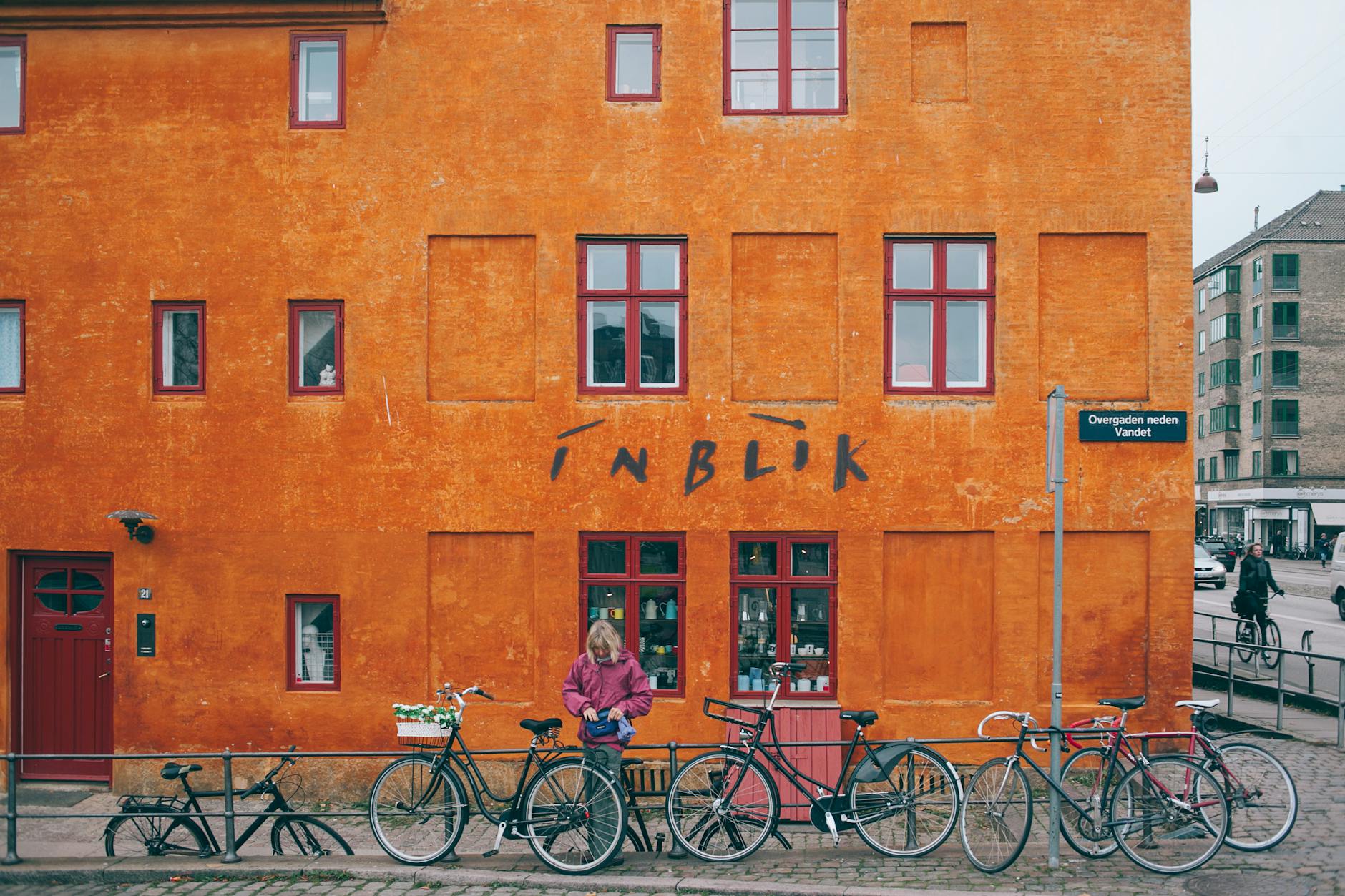
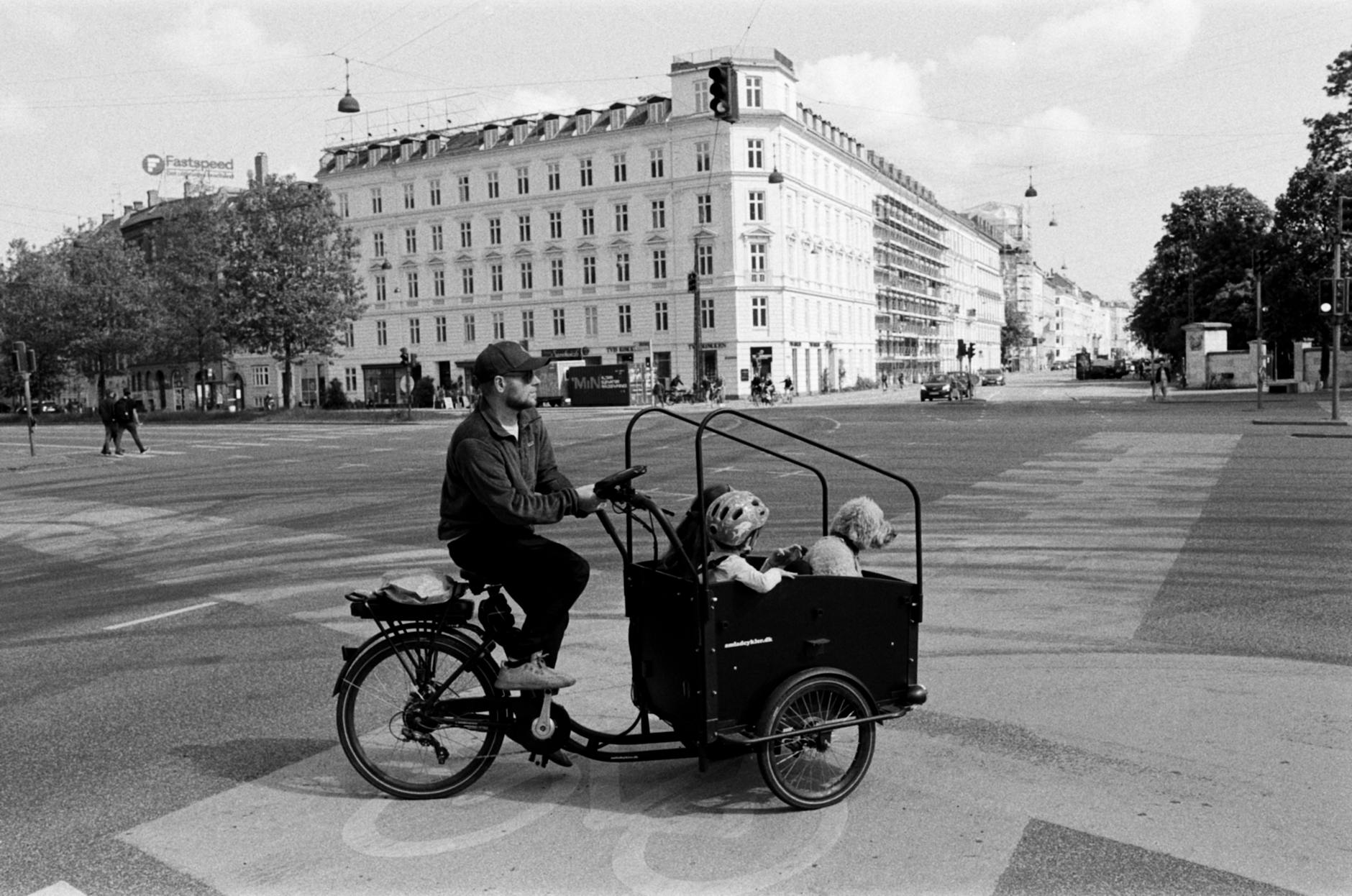
Learn transit and bike rules early
Copenhagen is easy to admire from a bike lane, but students should understand transit tickets, zones, cycling etiquette, bike rental rules, and weather before committing to daily movement. The first day should make the rest of the stay easier.
Mobility habits should be learned before the schedule gets busy.
- Review transit tickets, student discounts, airport route, nearest stops, and late-night options.
- Use bikes only when the student understands lane behavior, signals, parking, locks, and rental costs.
- Keep a simple transit backup for rain, fatigue, group plans, or late returns.
Control daily food and spending
Copenhagen can strain a student budget if every meal is improvised. Bakeries, grocery stores, shared kitchens, student cafeterias, markets, and occasional affordable cafes should be mapped early.
A simple food plan keeps the program affordable.
- Identify grocery stores, bakeries, markets, cafes, and low-cost meals near housing and class.
- Use kitchen access or group meals when available to reduce daily spending.
- Reserve money for transit, laundry, museum entries, social plans, and departure-day food.
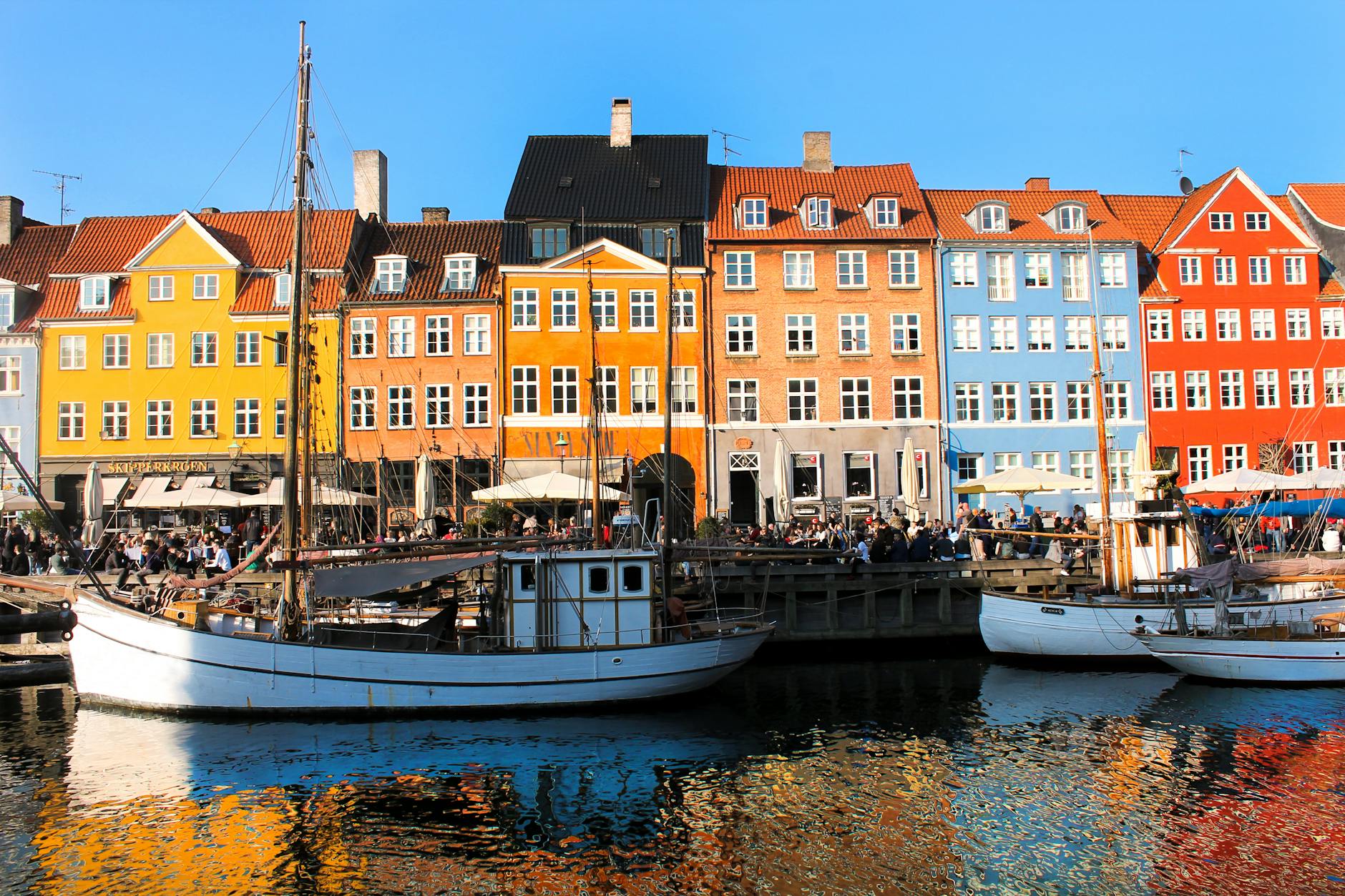
Use museums and site visits intentionally
Short programs often include academic or cultural goals, so free time should support the subject without becoming homework. Museums, design spaces, libraries, architecture, harbor areas, and neighborhoods can deepen the stay when chosen by theme.
The city can extend the classroom.
- Choose museums, galleries, public spaces, or neighborhoods that connect to the program topic.
- Check student discounts, opening hours, bag rules, and travel time before going.
- Pair academic stops with food or social time so free blocks remain sustainable.
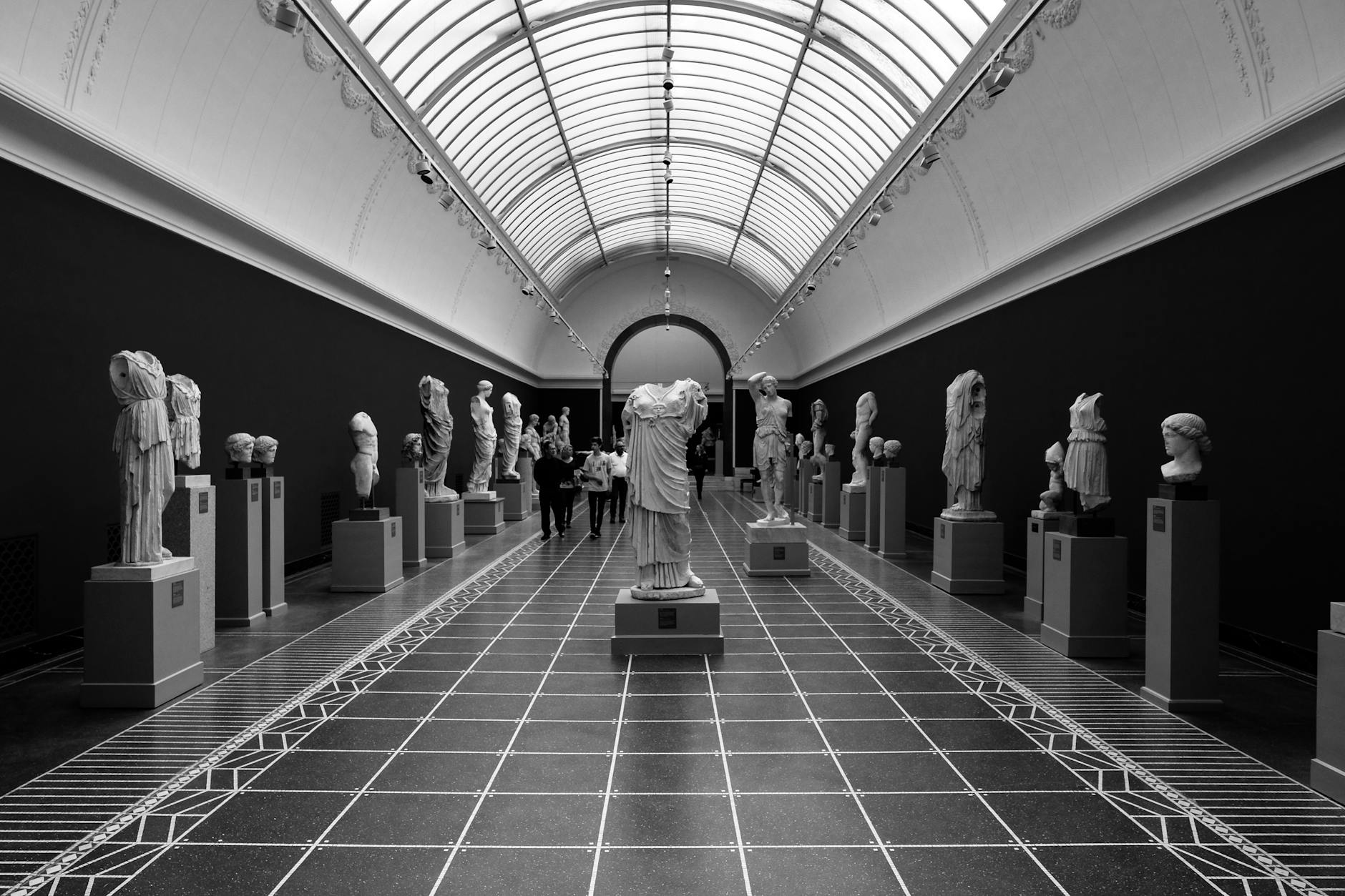
Plan social time with safety and recovery
A short Copenhagen program can include group dinners, cafes, nightlife, harbor walks, or weekend outings, but students still need return plans, phone battery, payment backups, and enough sleep for the next day.
Social plans should not break the program schedule.
- Keep group meeting points, transit routes, housing address, emergency contacts, and payment backups accessible.
- Set a return plan before nightlife, late dinners, or cross-city social plans.
- Leave recovery time after late nights, long field days, or heavy walking.
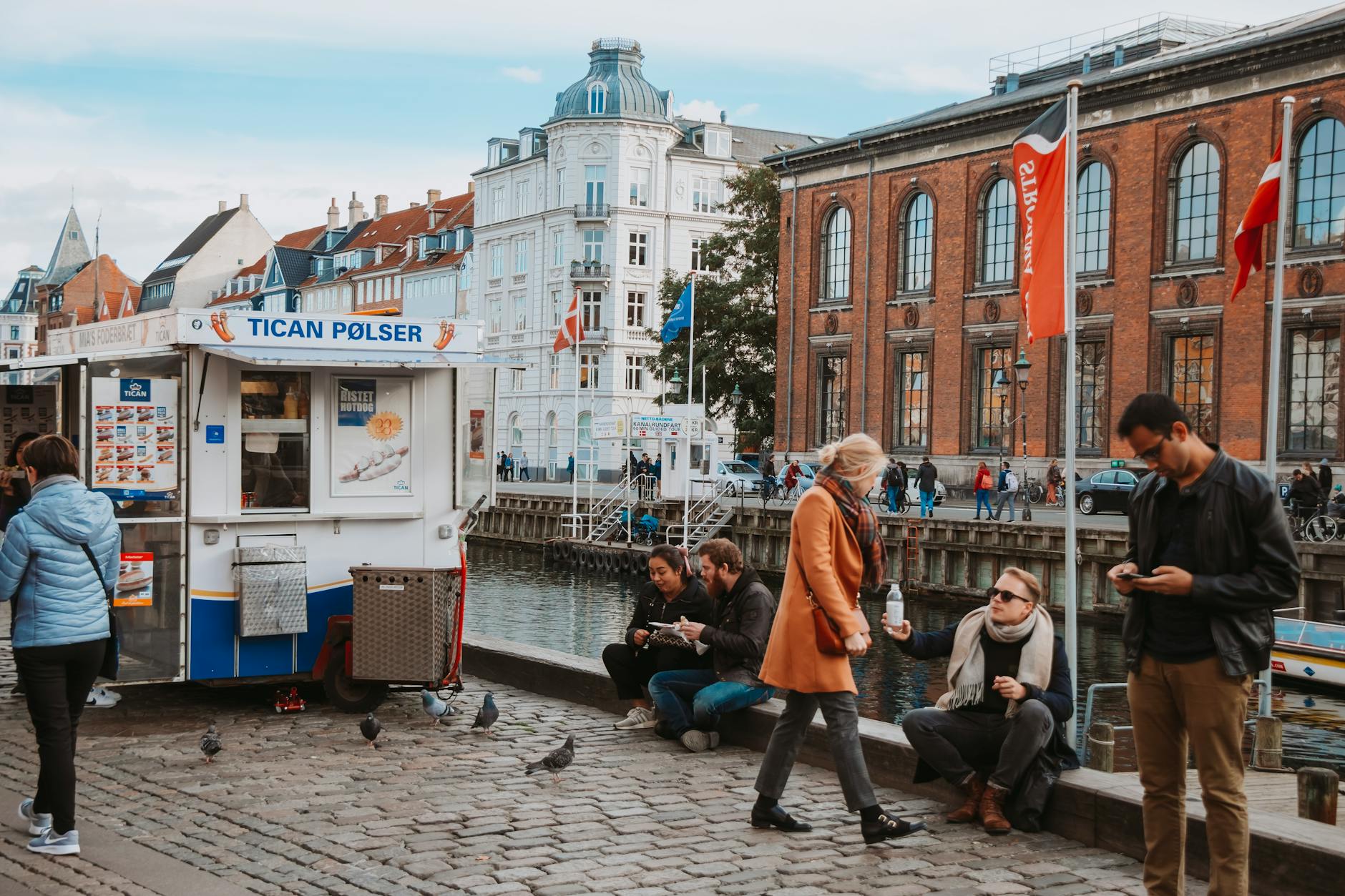
When to order a short-term travel report
A student with a fully arranged program may not need a custom report. A report becomes useful when housing, commute, daily costs, free-time choices, museums, food, safety, weather, and departure timing need to be coordinated around a short program.
The report should test program geography, housing fit, transit, food costs, student discounts, cultural options, social plans, weather backups, safety notes, and departure buffers. The value is a Copenhagen student stay that supports both learning and independence.
- Order when housing, transit, daily costs, free time, museums, meals, safety, weather, or departure timing need coordination.
- Provide dates, program location, schedule, housing options, budget, student status, food needs, interests, and supervision rules.
- Use the report to make the Copenhagen program easier to manage from the first day.