Be honest about lodging tradeoffs
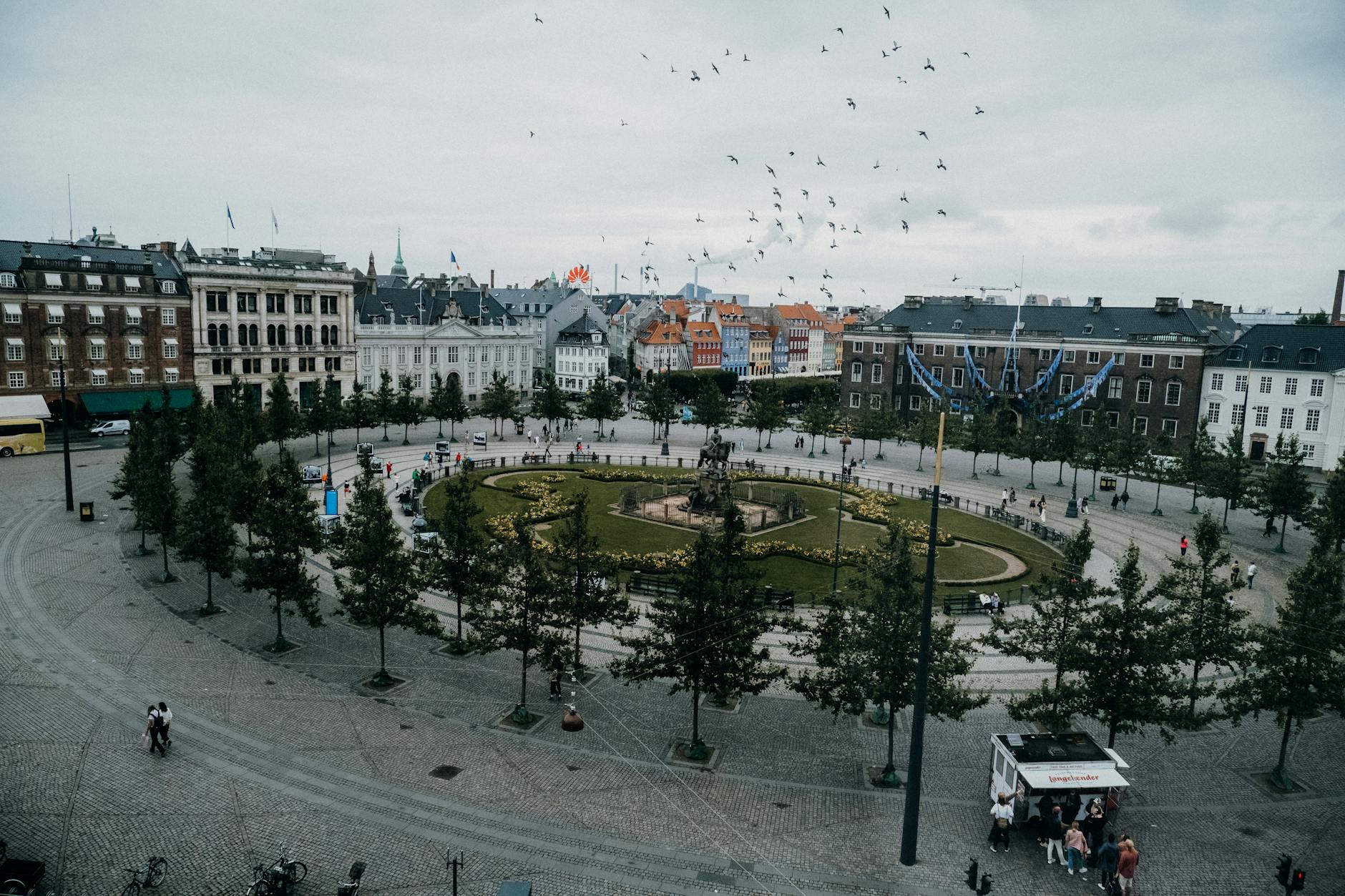
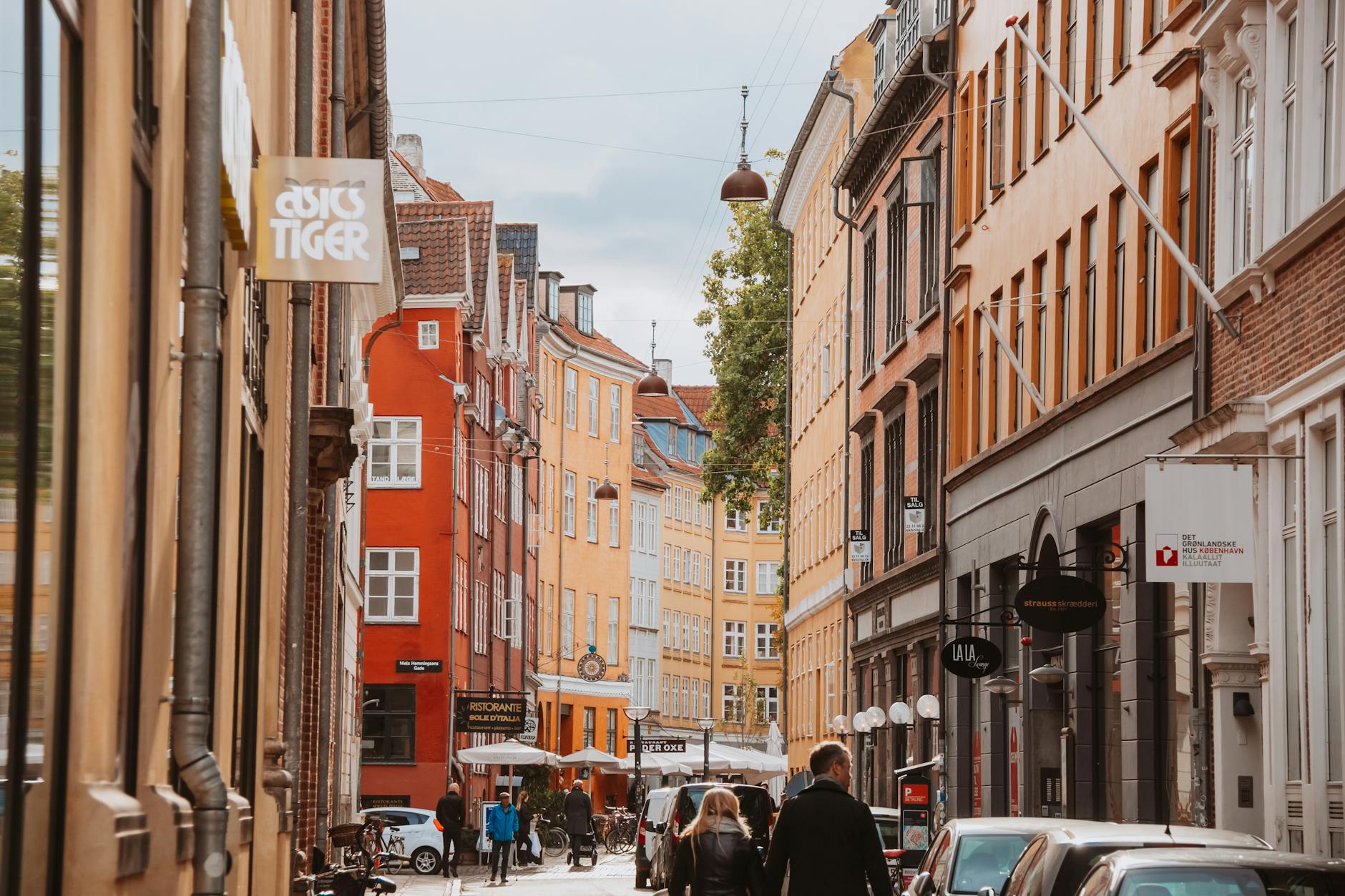
The cheapest bed can become expensive if it adds long transfers, weak sleep, luggage problems, or repeated food costs. Budget travelers should compare hostels, budget hotels, apartments, and outer neighborhoods by total trip friction, not room price alone.
A good base protects both money and energy.
- Compare nightly rate against transit cost, airport access, kitchen access, breakfast, lockers, laundry, and check-in timing.
- Choose a base near a metro or rail stop if central lodging is too expensive.
- Avoid saving a small amount if it creates late-night transfers or poor recovery.
Use free and low-cost sights as anchors
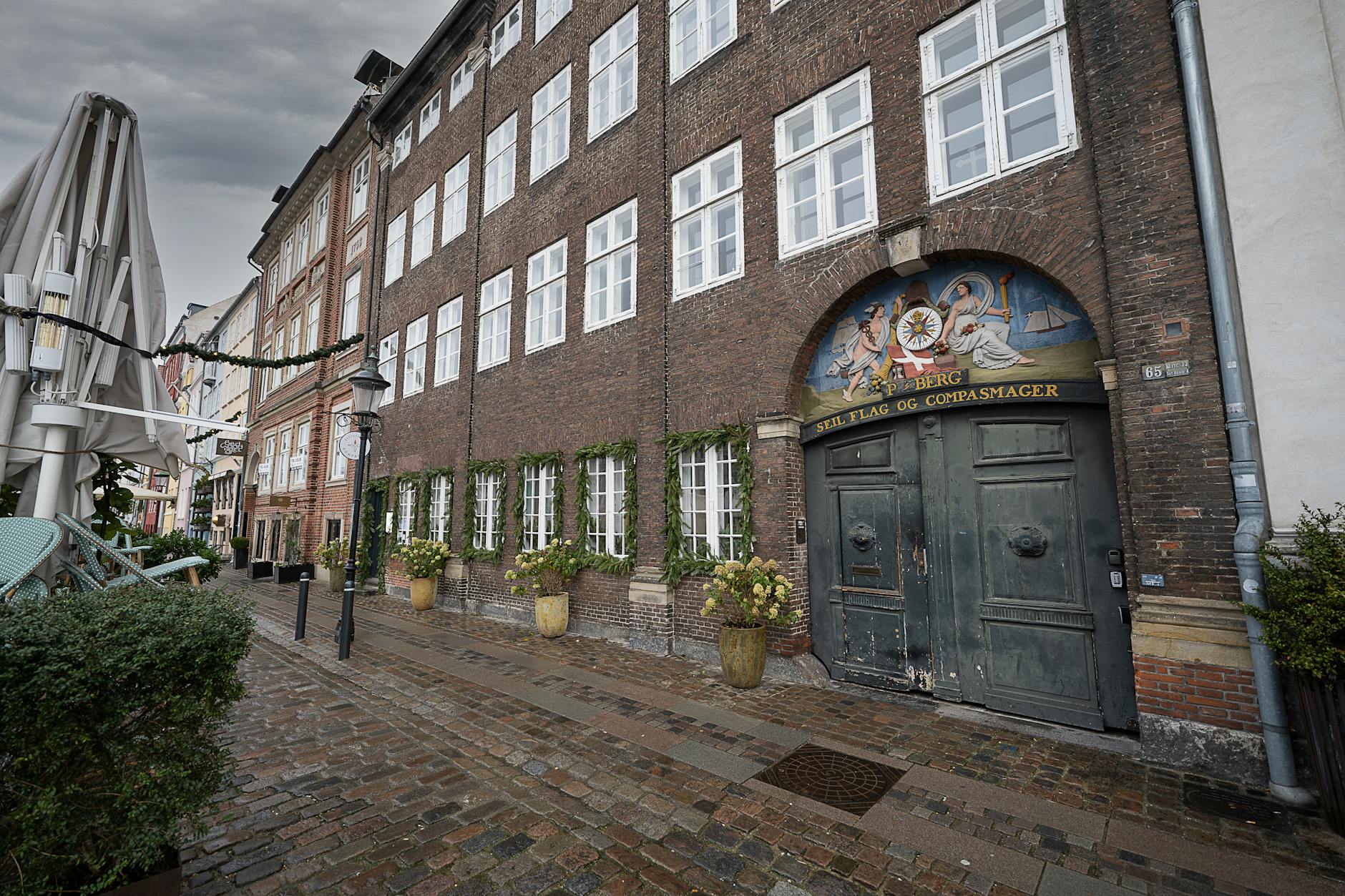
Copenhagen offers strong free value through streets, canals, harbor views, parks, churches, public architecture, neighborhoods, and seasonal events. Paid attractions can still matter, but they should be chosen carefully.
The city itself can carry much of the trip.
- Build routes around canals, harbor walks, churches, parks, design streets, and public architecture.
- Choose paid museums, towers, tours, or Tivoli only when they are central to the trip.
- Check free days, student rates, city passes, and timed-ticket rules before buying.
Control transit before costs leak
Copenhagen's public transport can save time, but a budget traveler should understand zones, passes, airport pricing, and walking distances before tapping through the day. Small transit decisions can add up quickly.
The cheapest route is the one that still works.
- Compare single tickets, day passes, walking routes, and airport transfers before arrival.
- Group sights by area so transit is used for distance, not poor sequencing.
- Keep a taxi backup only for late arrivals, heavy luggage, bad weather, or missed connections.
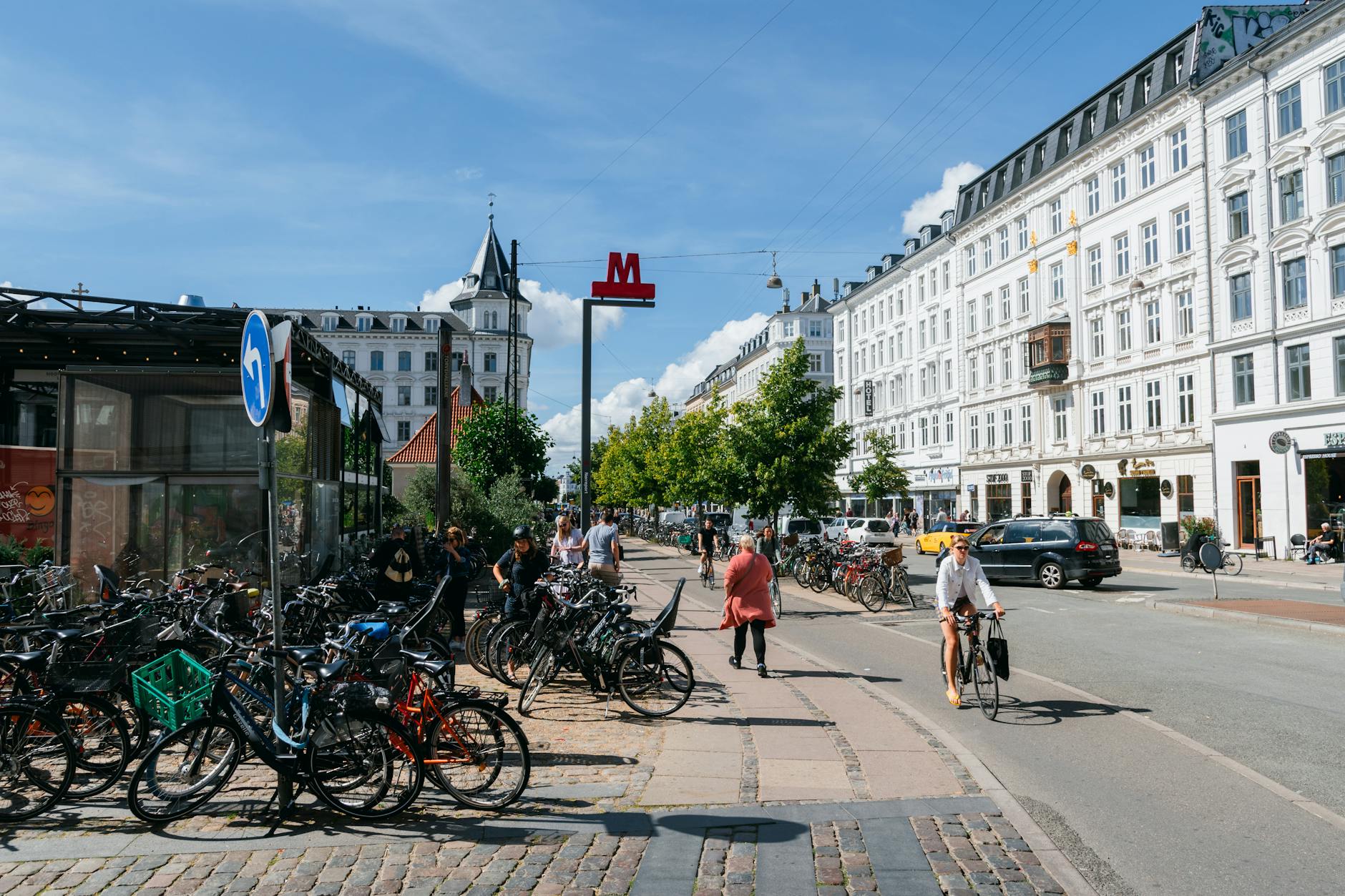
Plan food around bakeries and markets
Copenhagen food can be expensive, but budget travelers can still eat well by using bakeries, grocery stores, food halls, street stands, cafes, and one planned splurge if it matters. Meal timing matters because last-minute choices often cost more.
Food planning keeps the trip enjoyable.
- Mark bakeries, grocery stores, markets, casual cafes, and affordable dinner options near each route.
- Use breakfast, lunch, or snacks as value meals when dinner will be more expensive.
- Reserve or skip expensive restaurants deliberately rather than drifting into them by default.
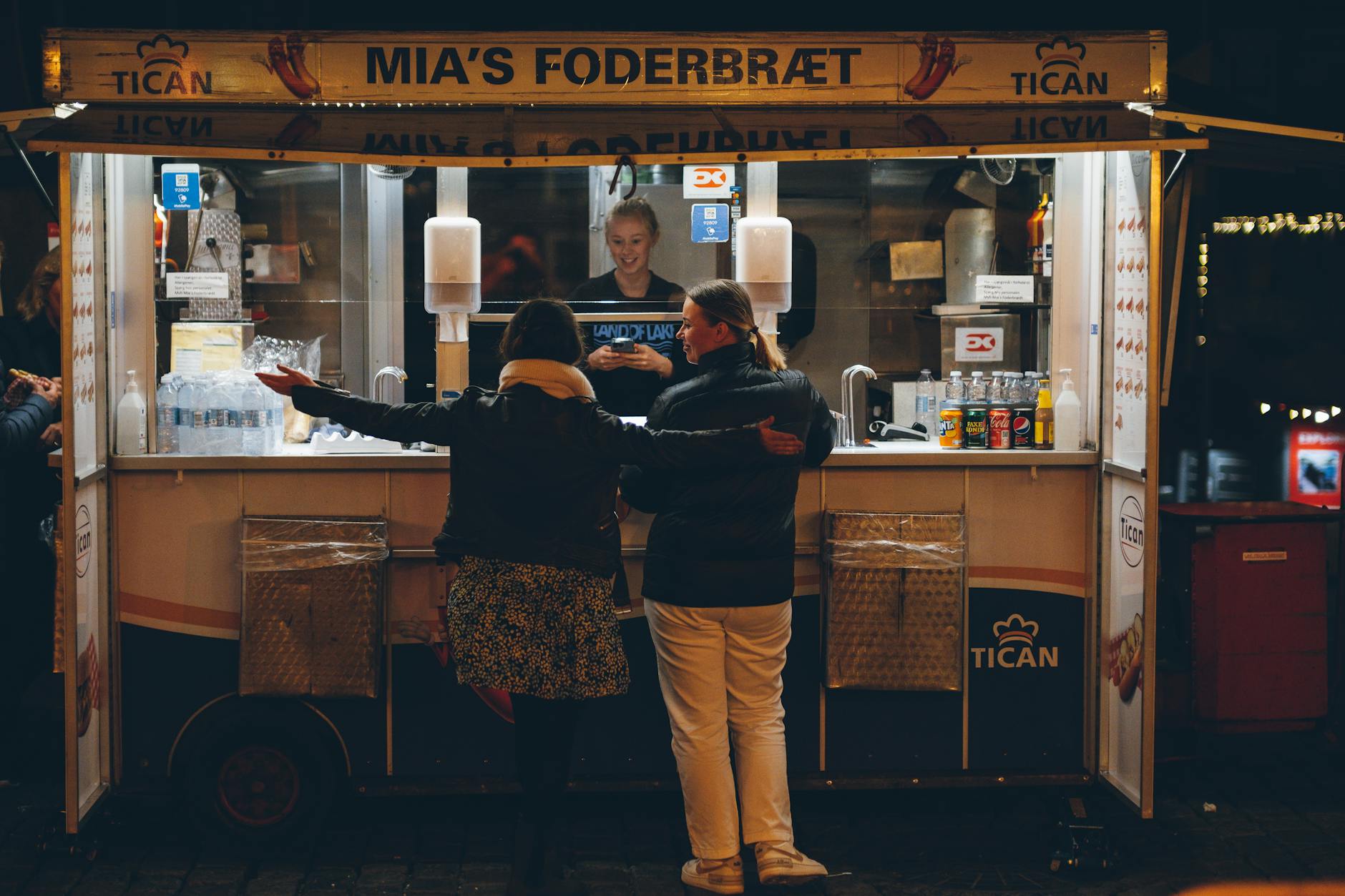
Use bikes only when they truly save value
Cycling can be useful in Copenhagen, but bike rental is not automatically cheaper or easier than walking and transit. A budget traveler should consider confidence, weather, route safety, parking, and rental rules before using bikes as the main plan.
Cheap movement should still be comfortable.
- Rent a bike only when the route, weather, and traffic comfort make it worthwhile.
- Use walking for compact central routes and transit for longer movement.
- Check rental pricing, deposits, locks, late fees, and rules before committing.
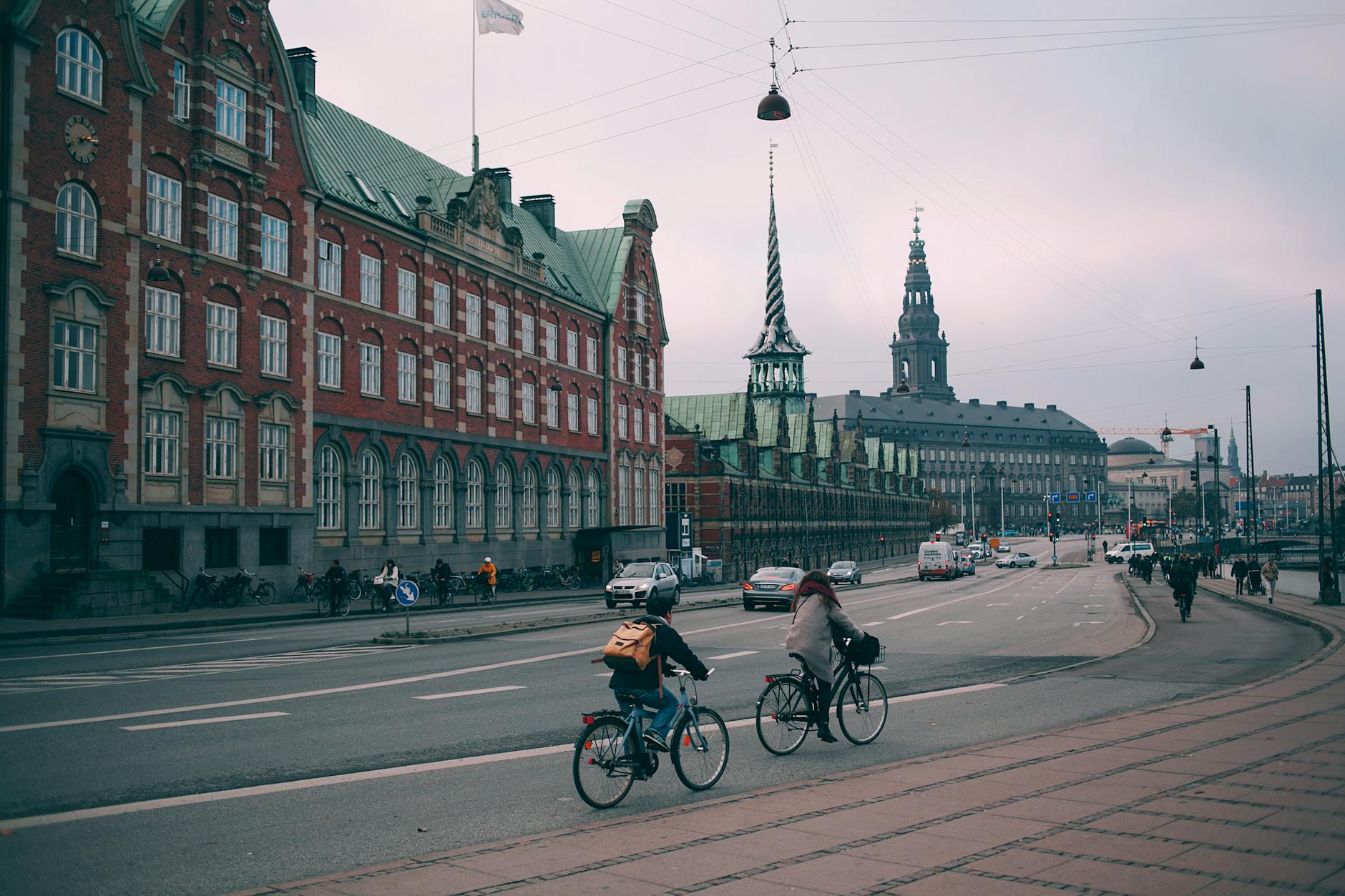
Let parks and waterfronts do more work
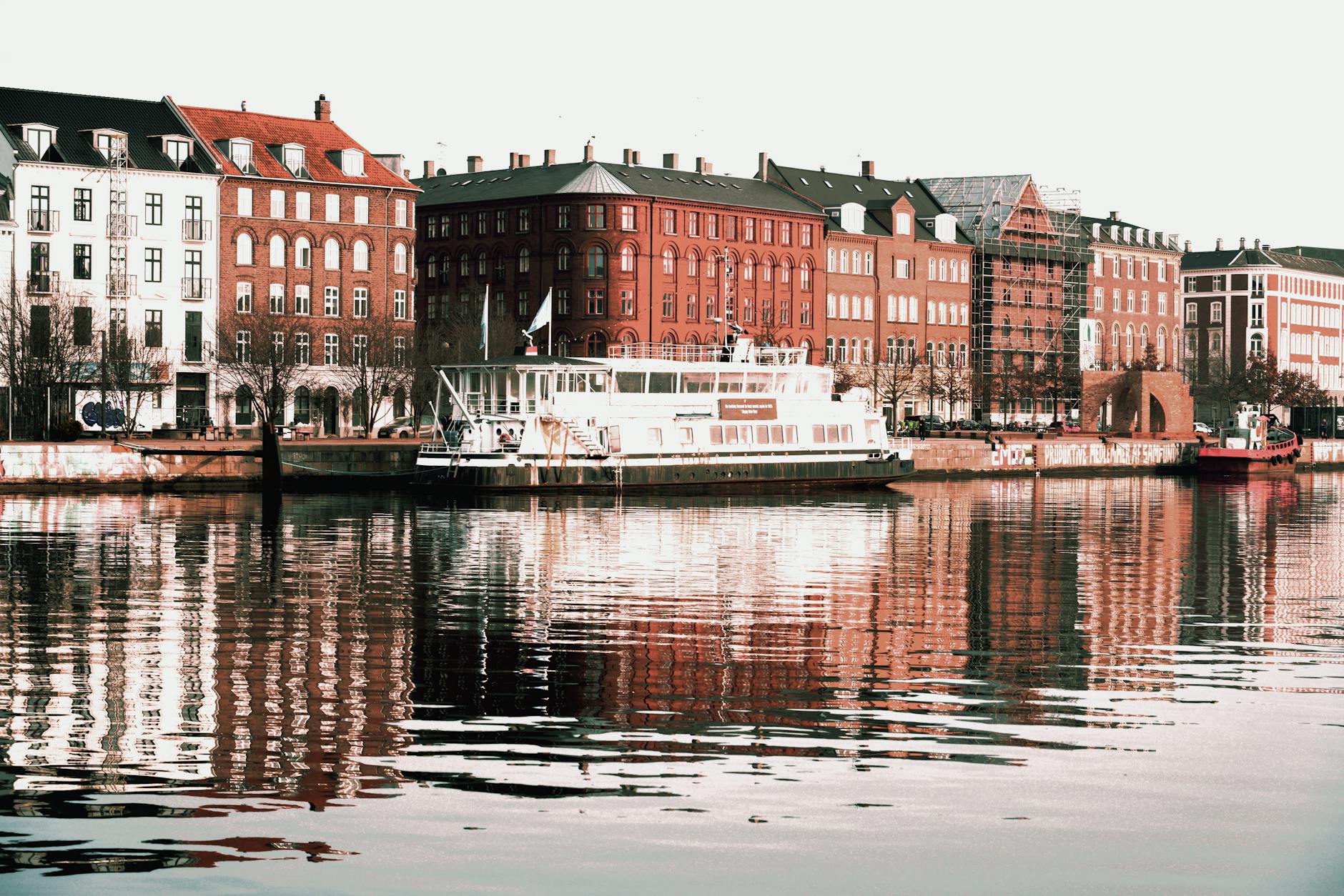
Copenhagen's parks, lakes, canals, harbor, bridges, and public spaces can make a budget trip feel generous. The traveler should use these places as real itinerary anchors, not only filler between paid activities.
Free time can still feel premium.
- Plan low-cost blocks around lakes, harbor walks, gardens, parks, bridges, and public viewpoints.
- Pair outdoor time with affordable food, coffee, or grocery snacks.
- Keep indoor backups for rain, wind, cold, or low energy.
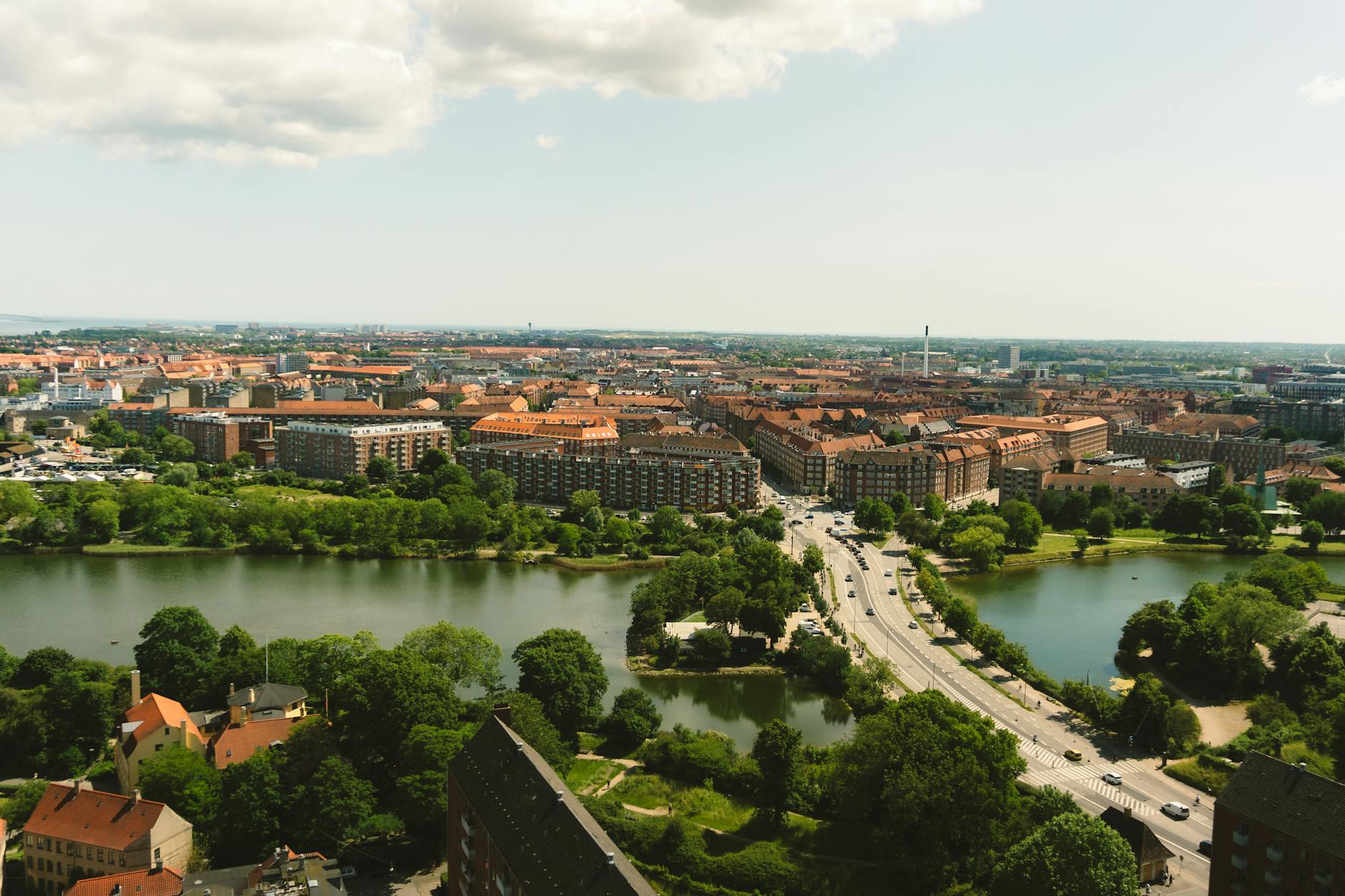
When to order a short-term travel report
A budget traveler with flexible time and simple priorities may not need a custom report. A report becomes useful when lodging tradeoffs, transit passes, free sights, meal planning, bike choices, weather, and airport timing need to be compared before money is spent.
The report should test hotel or hostel location, total transit cost, free routes, paid attraction value, meal strategy, bike use, weather backups, luggage timing, and departure buffers. The value is a Copenhagen budget trip that feels intentional rather than restricted.
- Order when lodging, transit, free sights, paid attraction value, food, bikes, weather, or departure timing need coordination.
- Provide dates, arrival details, lodging options, budget, must-see sights, food constraints, walking tolerance, and pace preferences.
- Use the report to spend less while keeping the short Copenhagen stay satisfying.