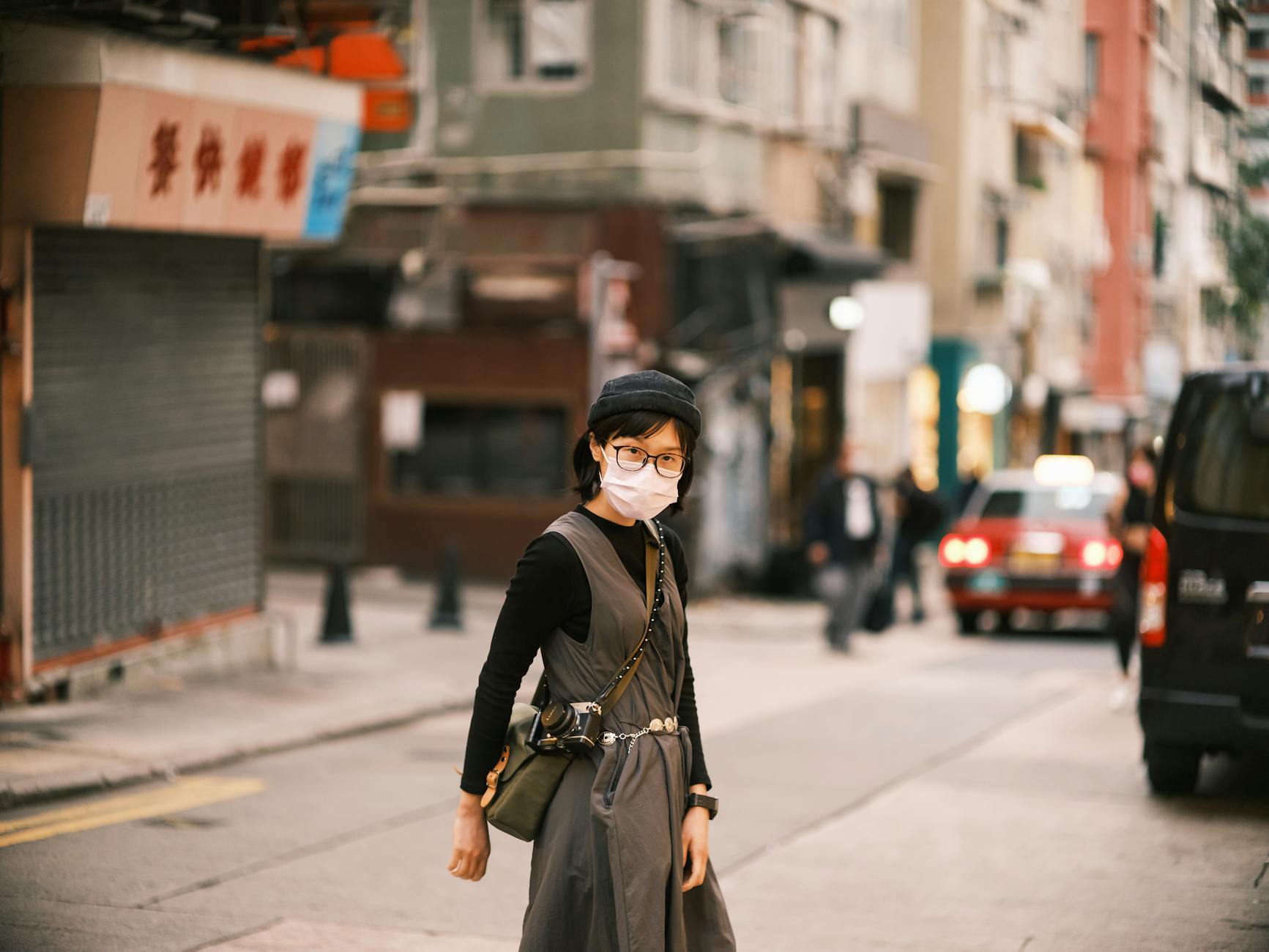
Central Hong Kong can be an excellent base for a woman traveler because it is busy, well connected, service-rich, and full of hotels, restaurants, offices, ferries, malls, and transport options. It is also a district where small choices matter. Slopes, late returns, bar streets, quiet uphill routes, humid walks, taxi pickup points, and hotel entrances can change how comfortable a short stay feels. A good plan does not treat Central as dangerous or effortless. It treats it as a high-density district that rewards clear logistics. The traveler should know where she is staying, how she will arrive, how she will return after dinner, when to use transit or taxis, and what to do if the day feels more tiring than expected.
Choose lodging for confidence at the edges of the day
A woman traveler should judge a Central hotel by more than rate, brand, or view. The practical test is how the hotel works at arrival, after dinner, in rain, with luggage, and when the traveler wants to stop making decisions. Entrance visibility, lobby staffing, lift access, taxi pickup, nearby food, room quiet, and the route from transport all matter.
A hotel that looks central on a map may still be awkward if the final approach is steep, confusing, poorly lit, or too exposed late at night. A slightly more expensive base can be worth it when it makes the first and last ten minutes of each day simpler.
- Check hotel entrance visibility, staffing, lift access, taxi pickup, nearby food, and room quiet.
- Test the route from airport transfer, MTR, ferry, and evening venues before booking.
- Choose the base that makes arrival and late returns feel simple, not just stylish.
Settle arrival before landing
Arrival is when a woman traveler is most likely to be tired, carrying bags, checking a phone, and making several decisions at once. The route from the airport or rail connection to Central should be decided before travel. Airport Express, taxi, hotel transfer, or private car can all work, but the choice should match arrival hour, luggage, budget, comfort level, and weather.
The traveler should know where the driver or train route ends, how payment works, what happens if the room is not ready, and where the first meal or reset will happen. The first hour should not depend on improvising with luggage on a curb.
- Choose Airport Express, taxi, hotel transfer, or private car before arrival.
- Confirm payment, pickup, luggage, hotel check-in timing, and first food or rest plan.
- Avoid solving the first transfer while tired and visibly managing bags alone.

Understand Central's vertical routes
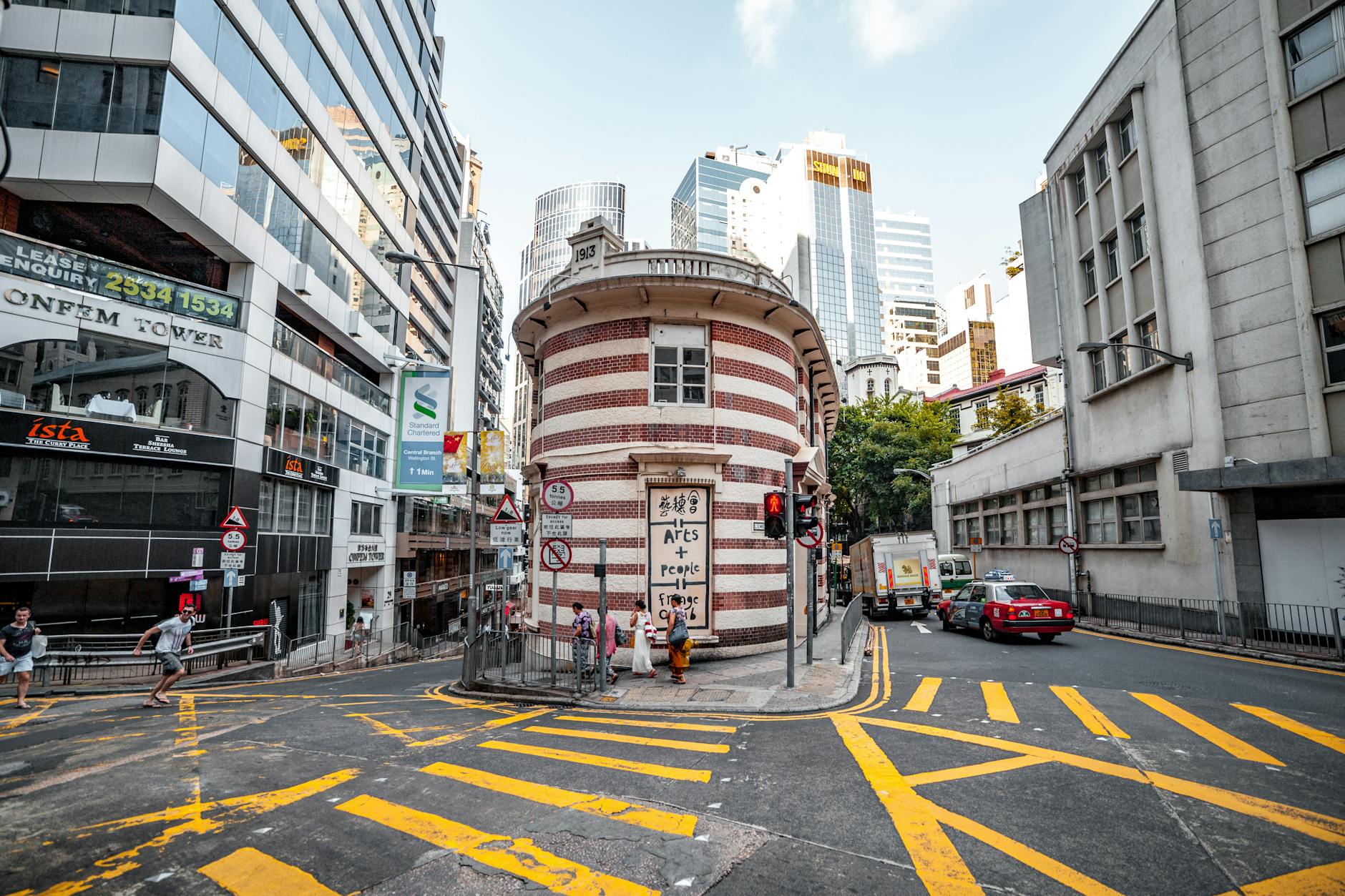
Central can look compact and still feel demanding. A route may involve hills, stairs, elevated walkways, station exits, malls, escalators, tower lobbies, and crowded crossings. For a woman traveler, route clarity affects comfort as much as timing, especially when dressed for dinner, carrying shopping, or returning after dark.
The traveler should learn the difference between a scenic walk, a practical covered route, and a route that is not worth taking in heat or late at night. Knowing when to stop walking and switch modes is part of traveling well in Central.
- Check hills, station exits, footbridges, escalators, stairs, mall links, and tower entrances.
- Use covered or busier routes when weather, footwear, bags, or time of day make them smarter.
- Do not let a short map distance override comfort or judgment.
Use transport by situation, not habit
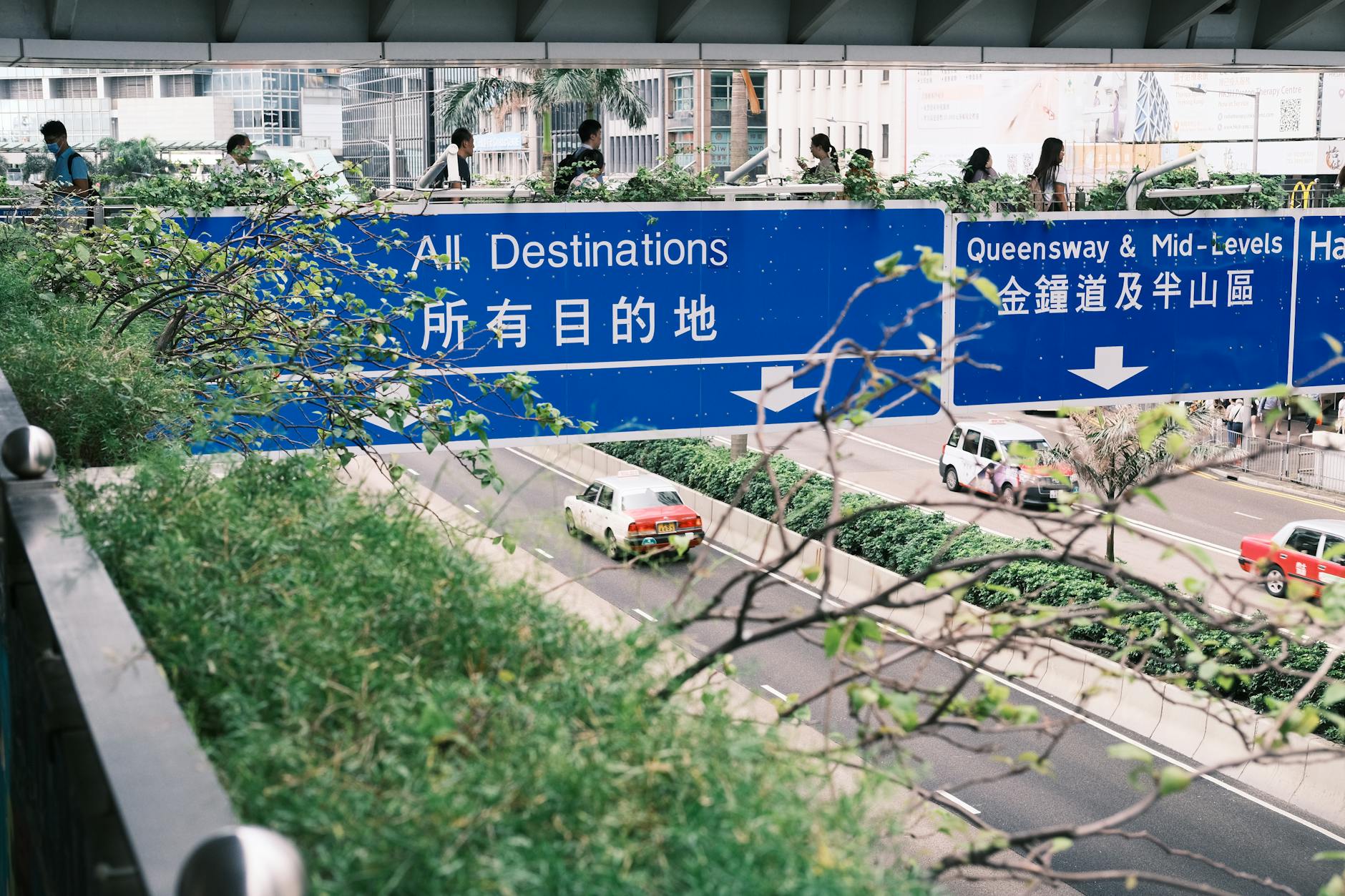
Central gives women travelers several good movement choices. The MTR can be predictable. Ferries can make the harbor easy and enjoyable. Taxis can reduce walking in rain or after dinner. Walking can be excellent when the route is clear and the traveler has energy. None of those options should be automatic.
The best plan identifies the return option before the outing starts. This matters for dinner, drinks, shopping, views, meetings, and cross-harbor routes. A traveler should not have to decide under pressure whether to walk uphill, find a taxi, or search for an MTR entrance after the evening has already run long.
- Use MTR, ferry, taxi, car, or walking based on weather, bags, dress, route, and time of day.
- Know the return option before dinner, drinks, shopping, views, or meetings.
- Switch to taxis or hotel support early when fatigue or discomfort changes the plan.
Plan social and evening settings deliberately
Central's restaurants, hotel bars, rooftops, private clubs, and nightlife streets can be a highlight for a woman traveler. They can also create avoidable friction if the route home, dress, alcohol, phone battery, and payment are not settled. The evening should be chosen, not allowed to drift.
A strong plan distinguishes between a hotel-adjacent dinner, a lively bar route, a quiet harbor view, a work reception, and a late social night. Each one needs different return planning. There is no virtue in stretching the evening after the traveler's judgment or energy has faded.
- Match dinner, bars, receptions, and views to energy, dress, alcohol, budget, and return route.
- Keep phone battery, backup payment, hotel address, and transport options ready.
- Avoid late wandering through steep or unfamiliar streets when a taxi or hotel route is cleaner.
Prepare for heat, rain, crowds, and visibility
Central can move from humid outdoor streets to cold air-conditioned interiors in minutes. A woman traveler should prepare for practical shoes, rain, light layers, water, phone battery, payment, medication, and a small bag strategy. Shopping bags, jewelry, laptops, cameras, and visible phone navigation can draw attention in crowded places.
The point is ordinary control. Keep valuables managed, avoid leaving bags loose in cafes or bars, and use the hotel as a reset point when weather or crowds make the day feel less comfortable.
- Pack for humidity, rain, air conditioning, crowds, hills, and long indoor-outdoor transitions.
- Manage devices, jewelry, shopping bags, passport, cards, and medication deliberately.
- Use hotel resets, covered routes, and taxis when visibility or fatigue starts to rise.
When to order a short-term travel report
A woman traveler with a familiar hotel and flexible schedule may not need a custom Central Hong Kong report. A report becomes useful when the traveler is arriving late, choosing among hotel locations, planning solo evenings, balancing work and leisure, carrying valuables, managing mobility or medical concerns, or trying to fit Central into a short wider Hong Kong stay.
The report should test hotel siting, arrival route, transport choices, evening returns, dining, social settings, weather, medical access, device and payment setup, budget, and what to cut. The value is a stay that feels independent because the fragile points have already been handled.
- Order when arrival, hotel location, evenings, transport, weather, valuables, or comfort need testing.
- Provide dates, flights, hotel options, planned evenings, constraints, comfort concerns, and budget.
- Use the report to make Central Hong Kong clear, confident, and practical for a woman traveler.