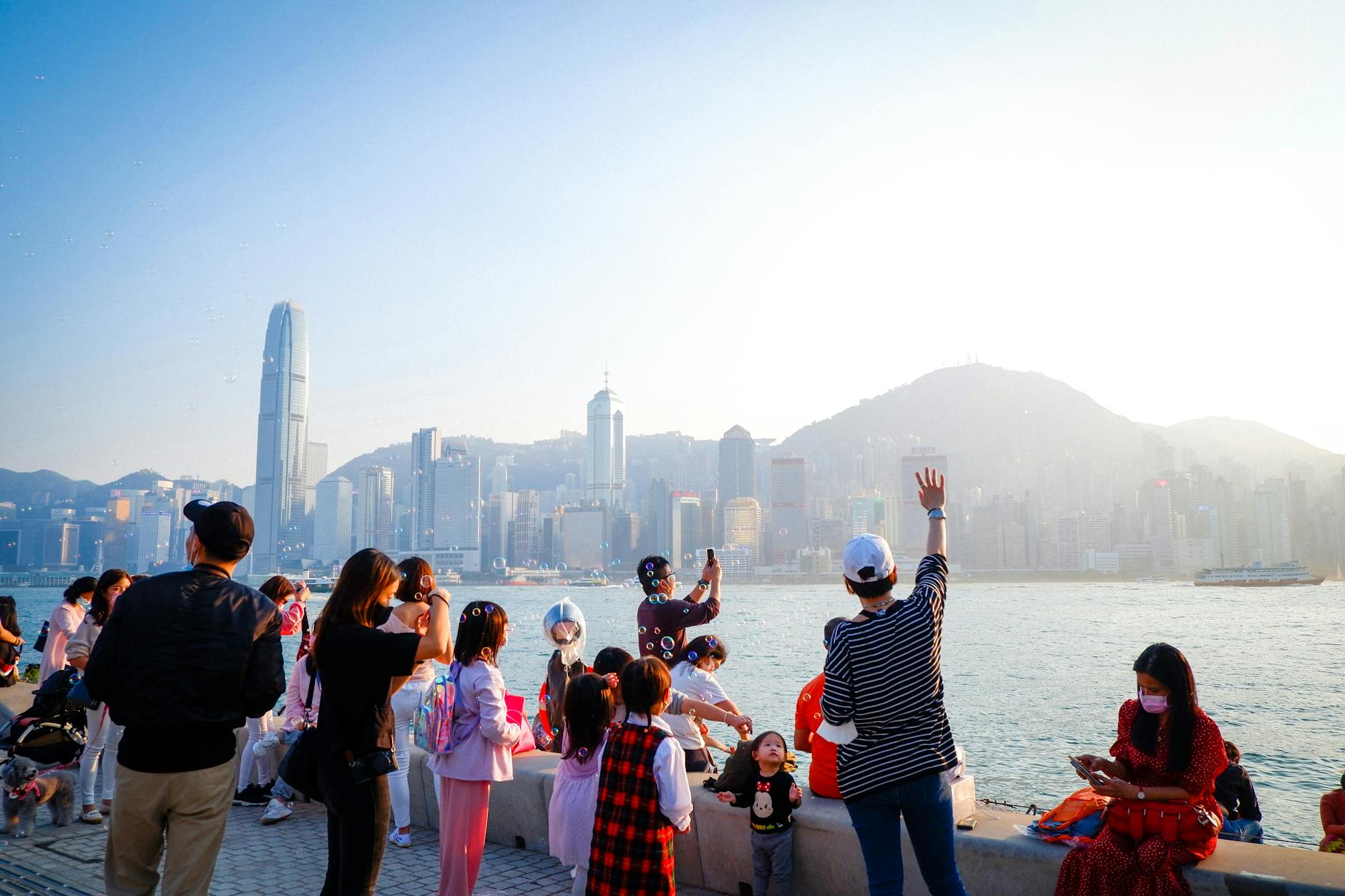
Central Hong Kong can be a useful base for a volunteer or NGO traveler because it has strong transport, hotels, offices, consulates, meeting spaces, ferries, and access to other districts where community work may actually happen. It is also expensive, fast-moving, and not the same thing as the whole city. A traveler who treats Central as a convenient control point still needs to understand the host organization, project site, local partners, and daily movement pattern. The trip should begin with the work, not the skyline. A short service visit may involve meetings, field visits, workshops, donor briefings, site checks, training, or observation rather than hands-on work every day. The traveler should know who is responsible for them, what they are qualified to do, how they will move, and what boundaries protect both the traveler and the community.
Verify the host and the real work
A volunteer or NGO traveler should verify the host organization before treating the trip as confirmed. That means understanding the legal entity, local partner, supervisor, project purpose, volunteer role, schedule, safeguarding expectations, language needs, insurance, and what the traveler should not do. Good intentions do not replace operational clarity.
Central may be the meeting district while the actual work is elsewhere. The traveler should ask whether days involve office meetings, site visits, community contact, donor briefings, training, or observation. The difference changes clothing, transport, timing, documentation, and personal boundaries.
- Confirm the host entity, local partner, supervisor, role, schedule, safeguards, and insurance.
- Clarify whether the work is office-based, field-based, training, observation, or donor-facing.
- Do not arrive assuming good intentions are enough to make the role useful or appropriate.
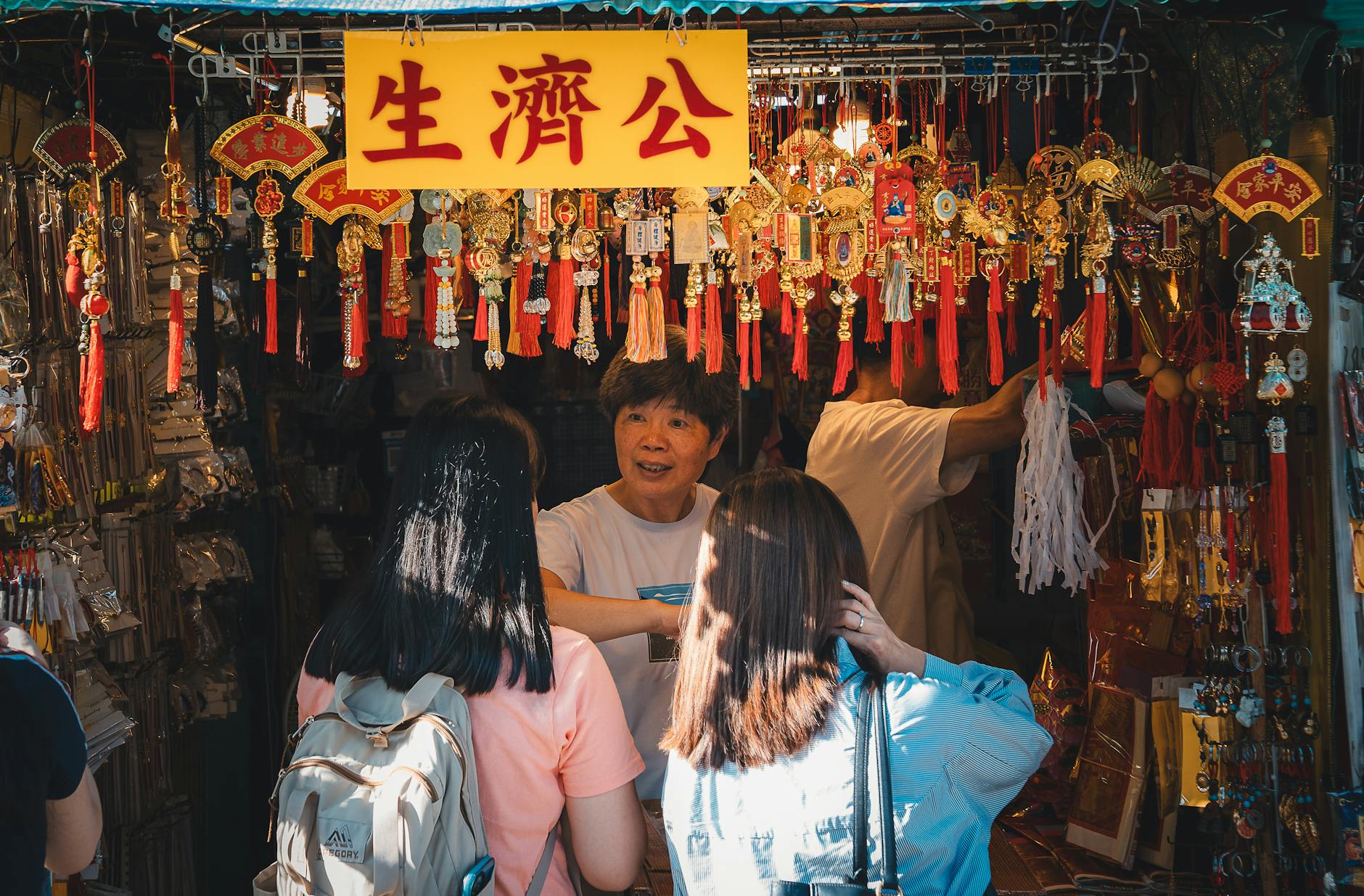
Map project sites separately from the hotel
Central can be a convenient base, but volunteer or NGO work may point toward community centers, schools, clinics, partner offices, outlying districts, Kowloon, New Territories, or cross-harbor meetings. A hotel that is easy for donors may be inconvenient for daily project access, while a cheaper base may complicate evening returns.
The traveler should map every required site and meeting point before choosing lodging. This includes how the traveler gets there, who meets them, whether the route is appropriate after dark, and what happens if the schedule changes.
- Map host office, project site, partner meetings, lodging, transit, meals, and airport links.
- Check whether Central is the base, donor district, meeting point, or only a transit hub.
- Confirm who receives the traveler at unfamiliar sites and how returns work after long days.
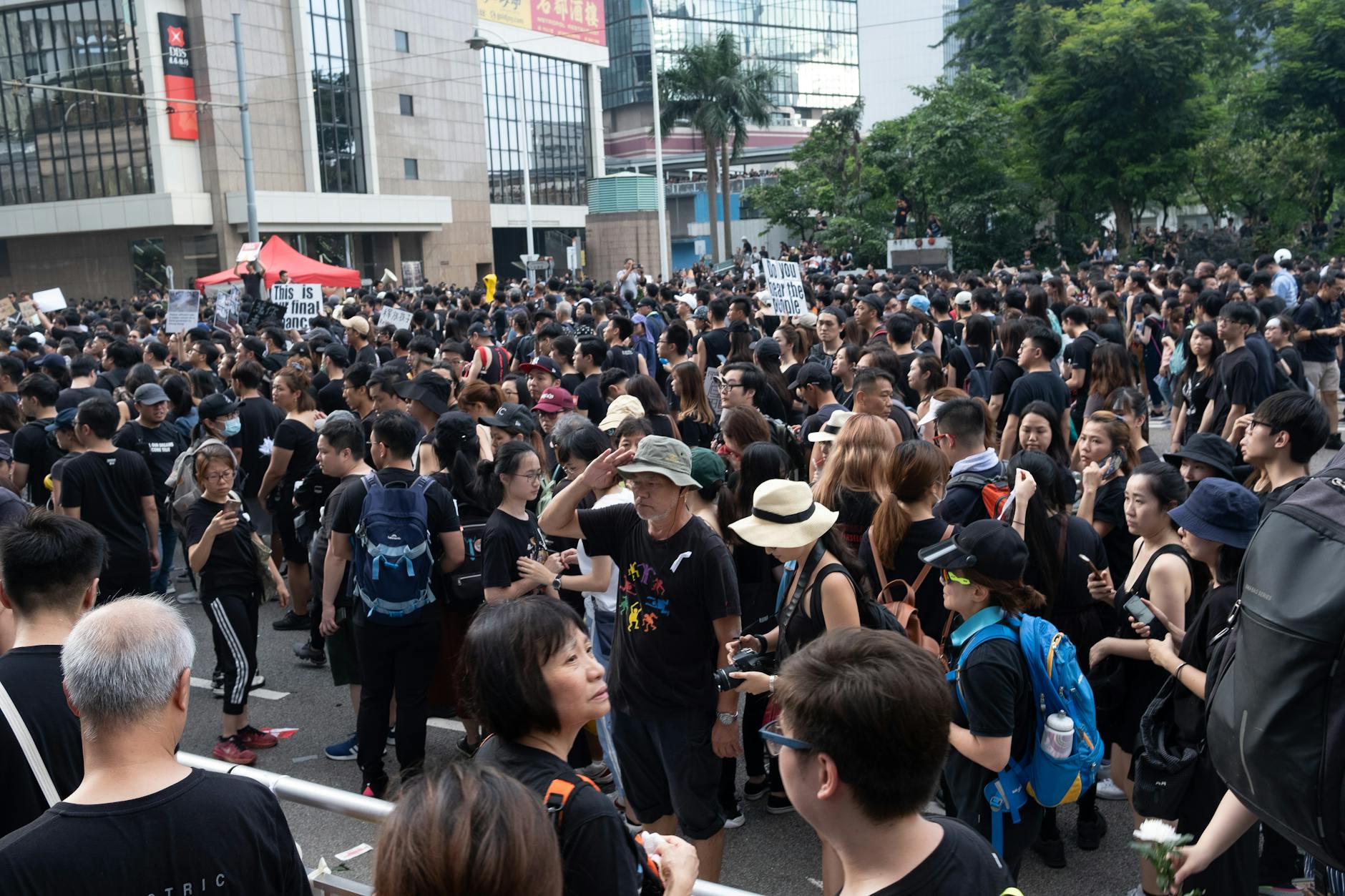
Choose lodging for access, cost, and accountability
Volunteer and NGO travelers often need lodging that balances budget with reliability. The traveler should check transit access, late return routes, breakfast, Wi-Fi, laundry, room quiet, document storage, nearby affordable food, and whether the host expects the traveler to stay near a team or project site.
Central lodging can be expensive, but the cheapest alternative is not always better. If a low-cost room creates long commutes, late-night uncertainty, or poor rest, it can weaken the usefulness of the trip. Housing should help the traveler show up on time, rested, and accountable.
- Compare lodging by transit, late returns, food, Wi-Fi, laundry, sleep, storage, and team expectations.
- Balance budget with the need to arrive reliably and return safely after project days.
- Ask whether the host has location requirements or preferred practical areas.
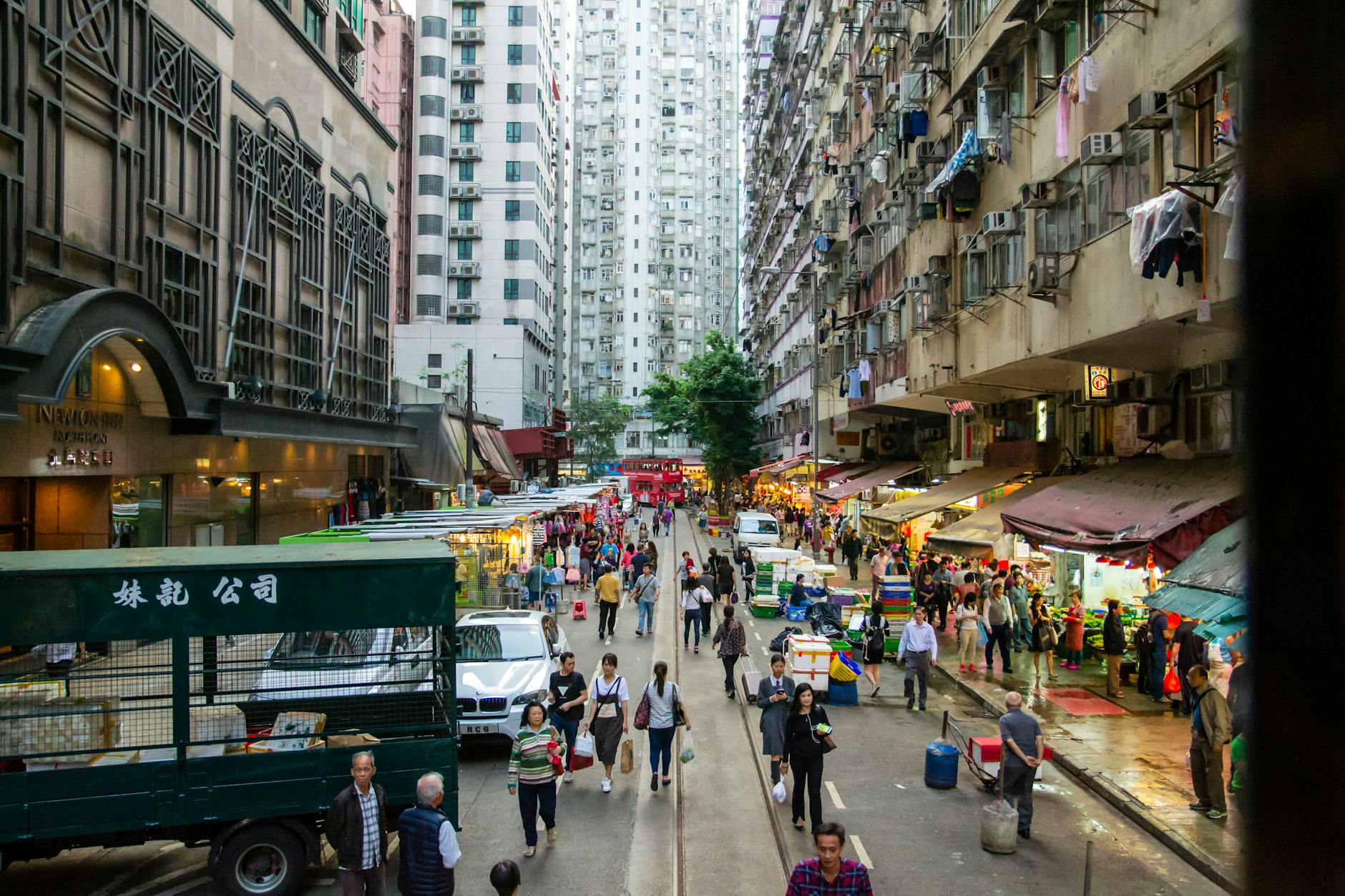
Plan transport as part of the duty of care
Transport is not just a convenience issue for volunteer and NGO travel. It affects punctuality, safety, fatigue, and whether the traveler can follow host instructions. MTR, buses, taxis, ferries, and walking can all work in Hong Kong, but each route should be checked against time of day, weather, local familiarity, and whether the traveler is carrying materials.
The traveler should have host addresses in English and local format where possible, offline maps, payment setup, phone battery, and a backup return method. A field visit should not depend on guessing which exit to use while the group is waiting.
- Set up transit payment, offline addresses, phone battery, backup payment, and return options.
- Check MTR exits, taxi points, ferry routes, bus timing, and walking burden for each project site.
- Follow host movement guidance when a route has local context the traveler lacks.
Respect community context and documentation limits
A short service trip can do harm if the traveler treats people, neighborhoods, or institutions as content. Photos, interviews, names, children, health information, political context, and beneficiary stories should be handled only under host rules and consent procedures. Central's international polish should not make the traveler careless about local sensitivity.
The traveler should ask what can be photographed, what cannot be shared, what language to use around the project, and whether any reporting or donor documentation needs review before posting or sending. Respectful restraint is part of competent NGO travel.
- Follow host rules for photos, interviews, names, children, health details, and beneficiary stories.
- Ask before sharing project images, locations, partner names, or sensitive context.
- Treat restraint and consent as operational requirements, not public-relations extras.

Protect budget, health, and emotional bandwidth
Volunteer or NGO travelers should not confuse service purpose with unlimited personal margin. Central can be costly, humid, crowded, and intense. The traveler should plan affordable meals, water, medication, rest, laundry, communication, and quiet time. A short assignment becomes less useful when the traveler is depleted or financially surprised.
Emotional bandwidth also matters. Community work, briefings, field visits, and donor dynamics can be heavier than ordinary tourism. The traveler should leave space to process the day, communicate with the host, and avoid turning every free evening into social or sightseeing pressure.
- Budget for meals, transit, data, laundry, water, taxis, contingencies, and host-approved expenses.
- Carry medication, insurance details, emergency contacts, and enough rest capacity.
- Leave quiet time after demanding project days instead of overfilling every evening.
When to order a short-term travel report
A volunteer or NGO traveler with a fully hosted itinerary may not need a custom Central Hong Kong report. A report becomes useful when the traveler is choosing lodging, moving independently to project sites, balancing donor meetings with field visits, managing a tight budget, arriving alone, or extending the trip around the assignment.
The report should test host geography, lodging, arrival, transport, budget, project-site access, communications, health needs, documentation rules, food, rest, weather, and what to cut. The value is a short service trip that is useful, respectful, and practical from the first day.
- Order when host geography, lodging, project access, transport, budget, or safety needs testing.
- Provide dates, host contacts, project sites, lodging options, schedule, budget, constraints, and role details.
- Use the report to make Central Hong Kong service travel accountable and workable.