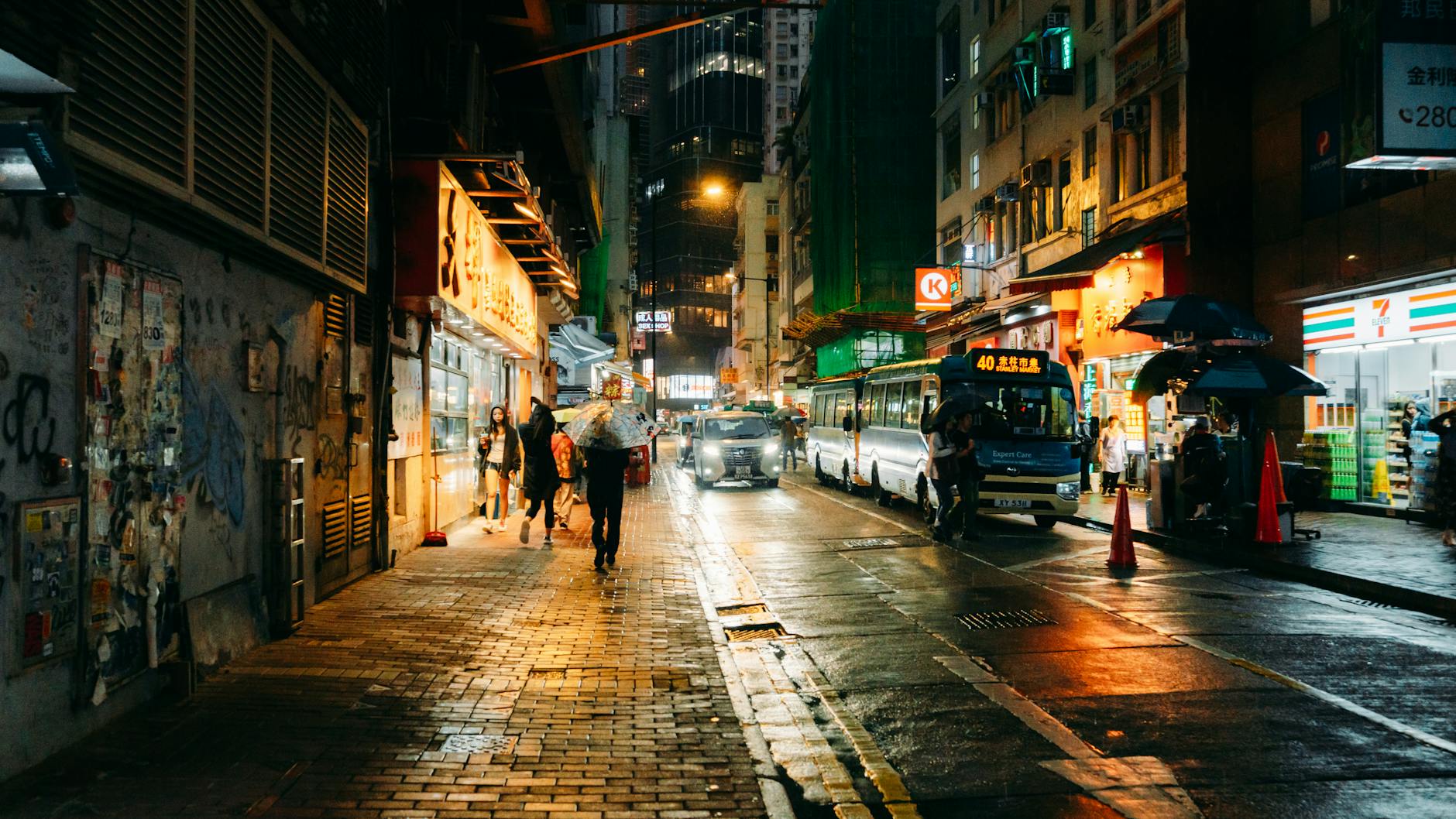
Central Hong Kong can be practical for a traveler with mobility limitations because it has strong hotels, taxis, rail, ferries, covered walkways, malls, restaurants, medical services, and staffed buildings. It is also one of those districts where a short distance on a map can hide stairs, slopes, footbridges, station exits, crowded crossings, heat, rain, and long indoor routes. The trip should be built door to door. A good plan checks the hotel entrance, the specific MTR exit, the taxi pickup point, the ferry boarding route, the restaurant approach, and the available reset points before the traveler is tired. Central can work very well, but it works best when access is treated as the main itinerary logic rather than an afterthought.
Start with the exact access problem
Mobility limitations are not all the same. A traveler who can stand but not climb many stairs needs a different Central plan from a traveler using a wheelchair, cane, walker, scooter, or companion support. Fatigue, balance, pain, heat sensitivity, vision, luggage, and transfer ability all change the answer.
The traveler should identify the trip failure point before booking: steep approaches, station exits without convenient lifts, long air-conditioned corridors, uneven sidewalks, taxi access, bathroom uncertainty, or too much standing. That specific problem should control hotel choice and daily routing.
- Name the mobility limitation clearly before choosing hotel, transit, meals, or activities.
- Check whether stairs, slopes, long corridors, heat, standing, luggage, or bathroom access is the main risk.
- Build the Central plan around the limiting factor rather than hoping each route will work.
Check hotel access from the curb to the room
A Central hotel should be judged by the full arrival path. The question is not only whether the property has lifts. It is whether the traveler can move from taxi, Airport Express, MTR, ferry, or drop-off point to the lobby, lift, room, breakfast, restaurant, and street without exhausting negotiation.
Slope, entrance placement, revolving doors, steps, lobby seating, room shower setup, breakfast access, elevator reliability, and staff support all matter. A hotel with a less dramatic view may be the better choice if it makes every departure and return easier.
- Confirm curb access, entrance, lifts, lobby seating, room setup, breakfast, and restaurant routes.
- Ask about steps, slopes, shower entry, elevator reliability, and staff help with luggage or taxis.
- Choose the hotel that works physically at arrival, after dinner, and in bad weather.
Use taxis and cars for the right moments
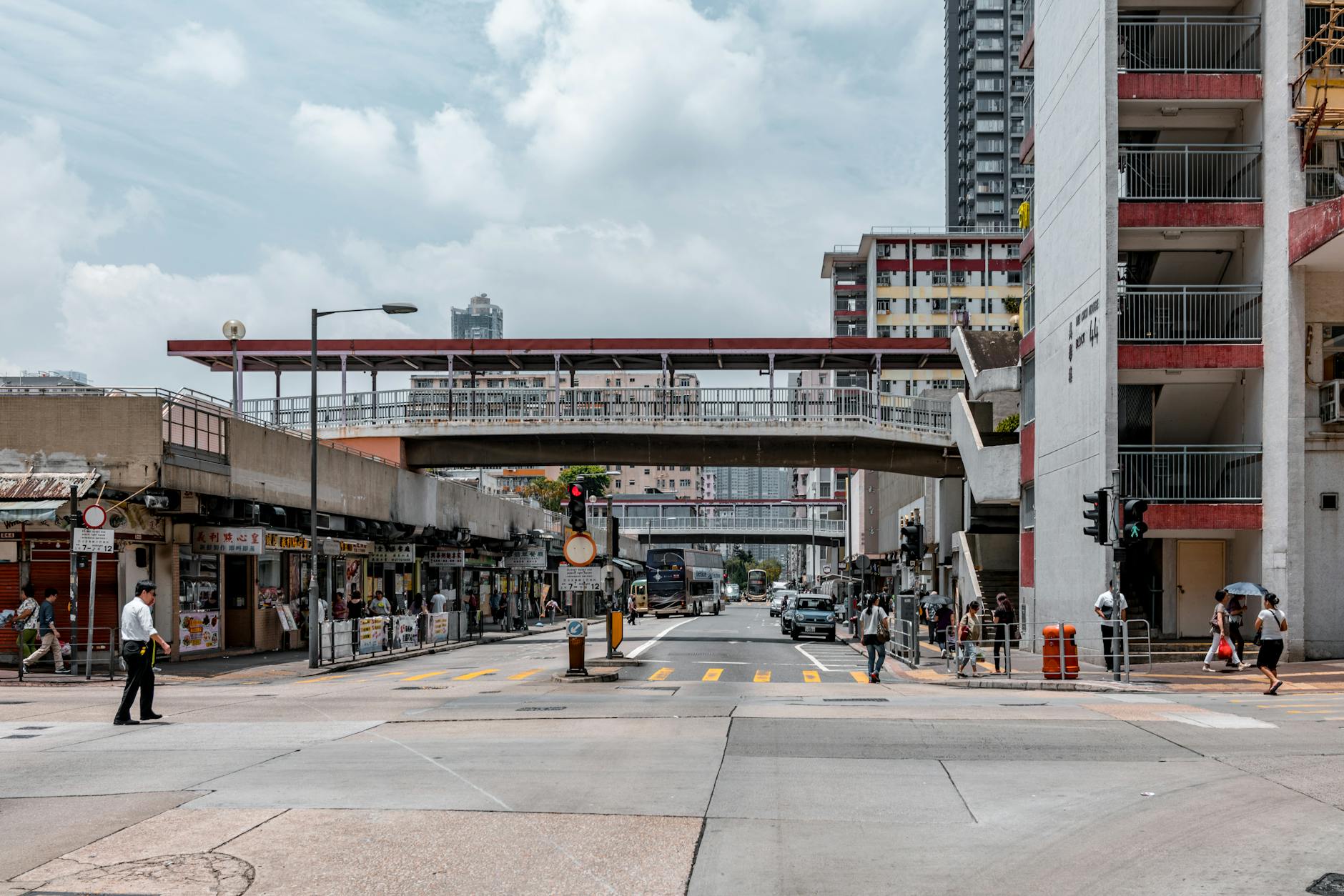
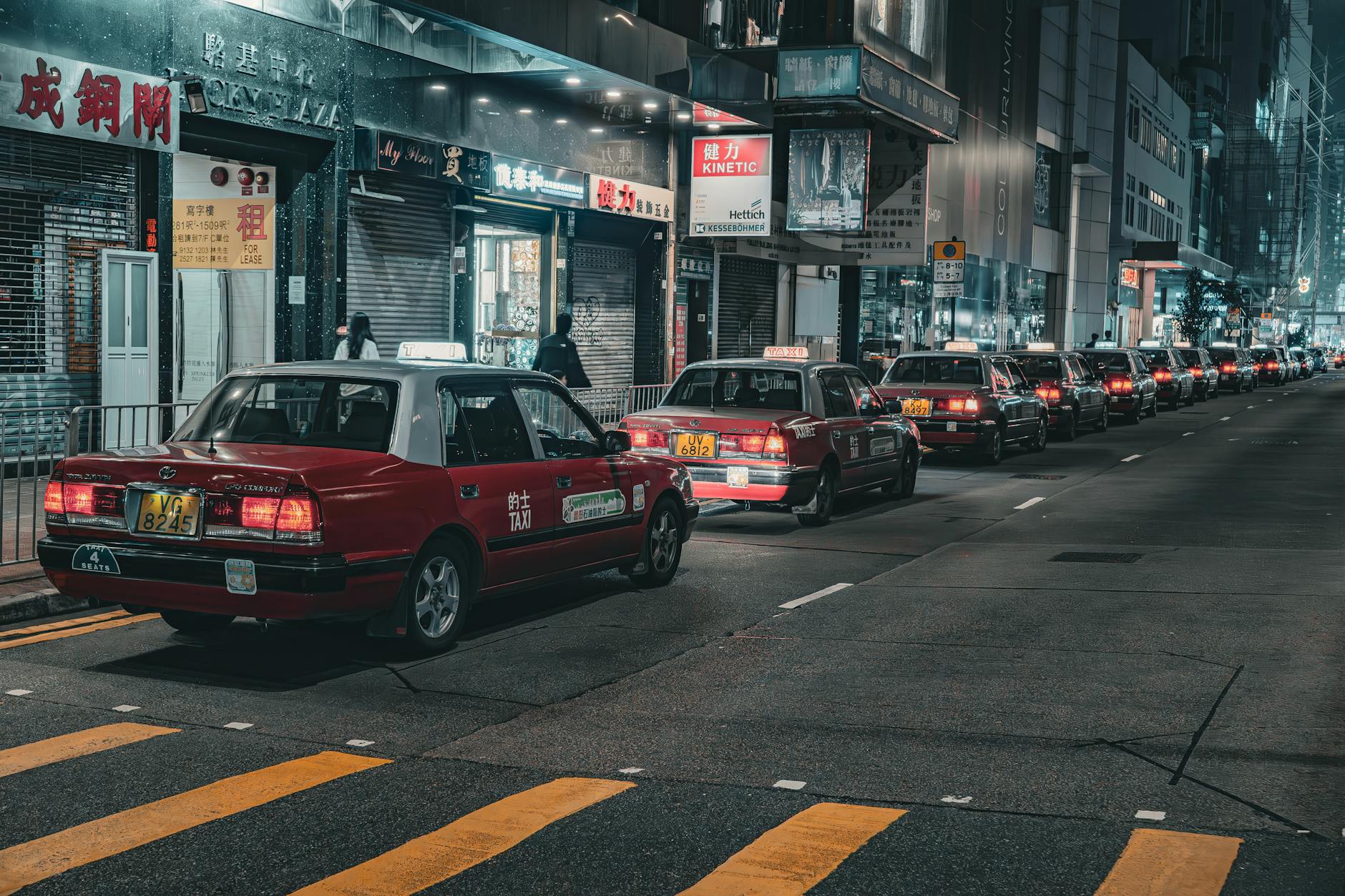
Taxis can be valuable in Central, but they are not a complete mobility solution. Pickup points, curb position, traffic, vehicle height, luggage, payment, rain demand, and the final approach to the destination all matter. A taxi that stops across a busy street or below a steep approach may not solve the real problem.
The traveler should identify reliable pickup points near the hotel, restaurants, piers, malls, and meeting places. For some arrivals, a private car or hotel-arranged transfer may be worth the cost because it reduces uncertainty before the traveler has local orientation.
- Check taxi pickup and drop-off points, not just the address.
- Use hotel-arranged cars or private transfers when arrival, luggage, or equipment makes uncertainty costly.
- Budget for taxis when rain, heat, hills, fatigue, or late returns make walking unrealistic.
Separate MTR, ferries, walkways, and escalators
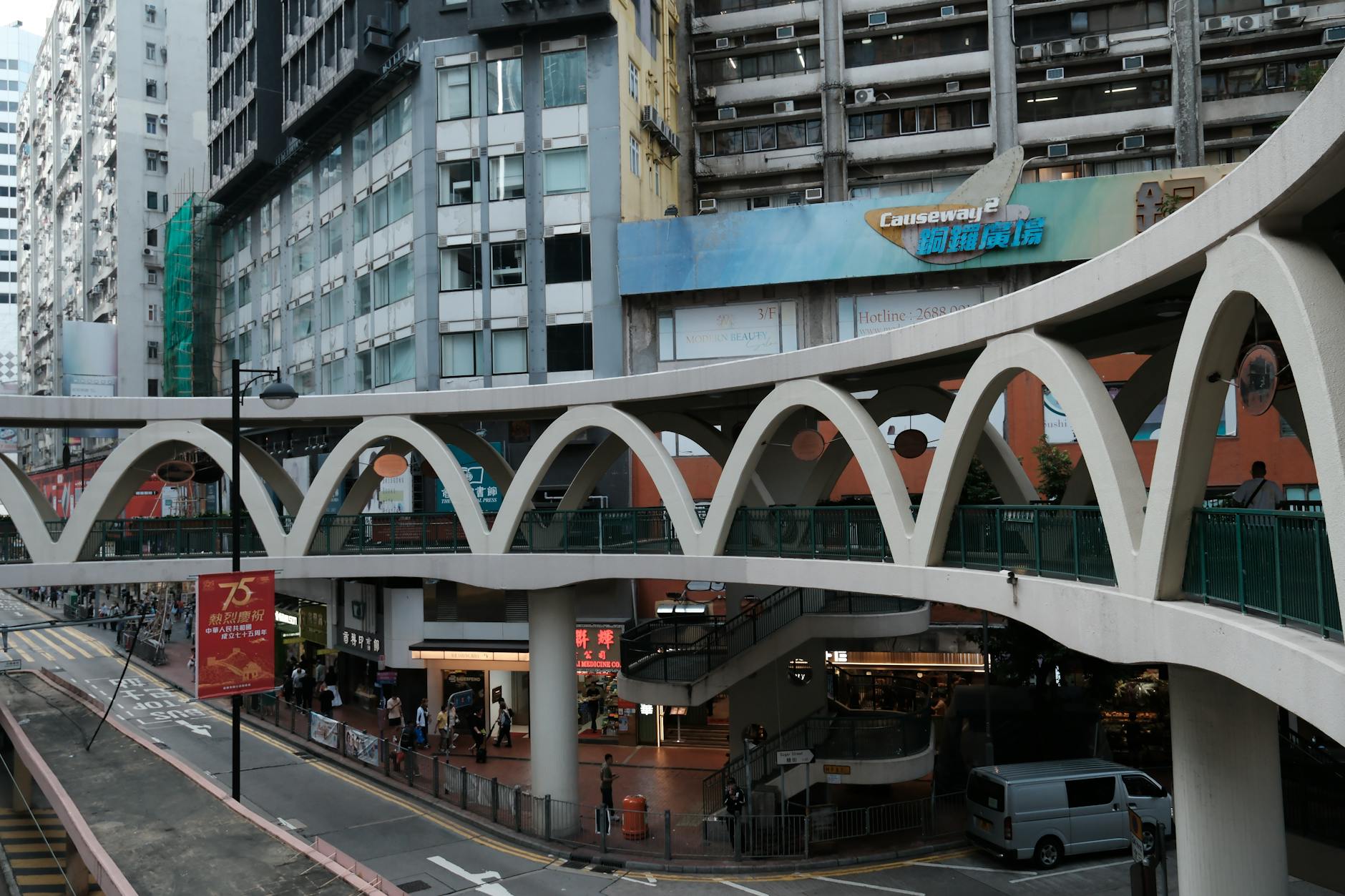
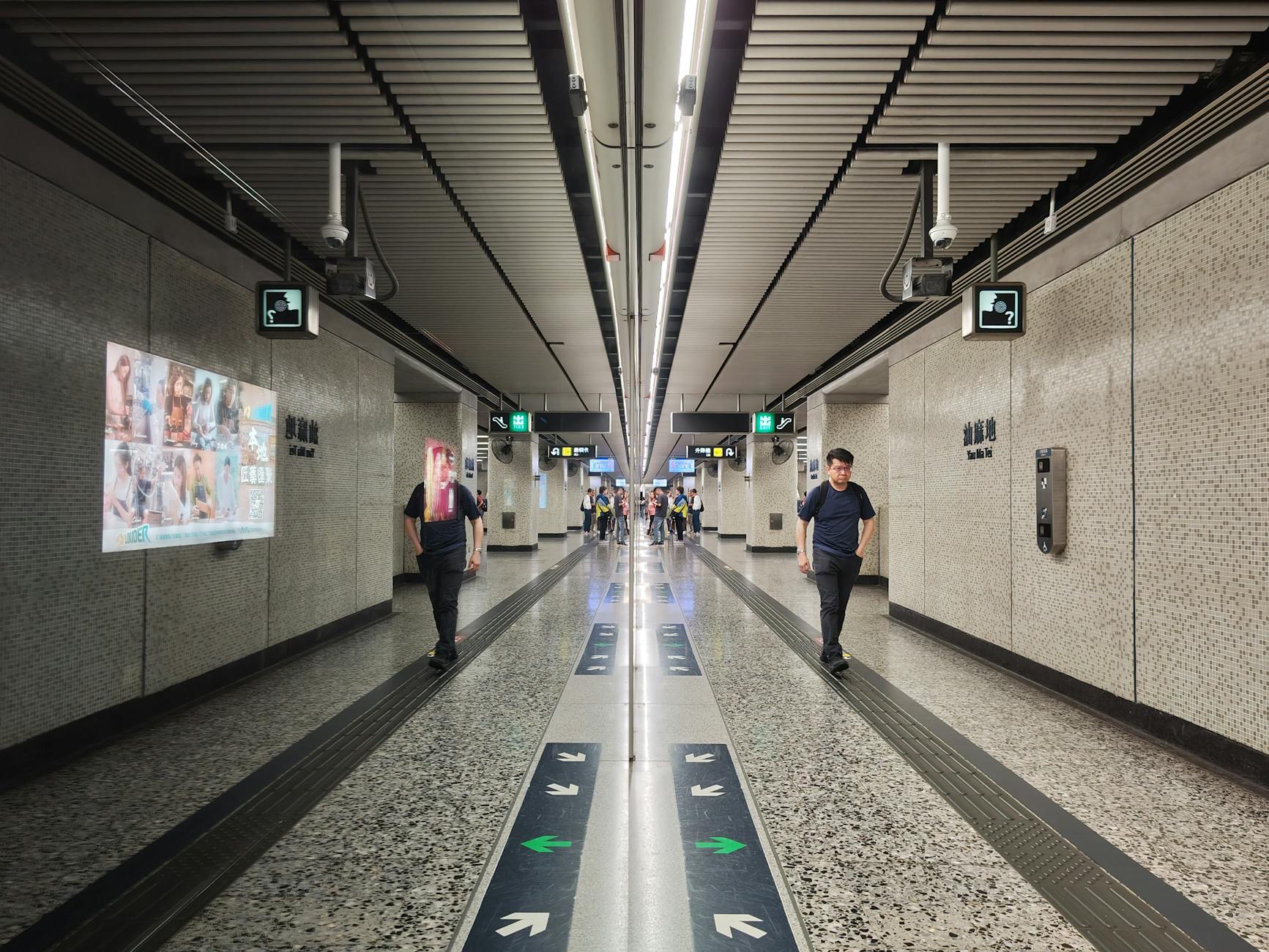
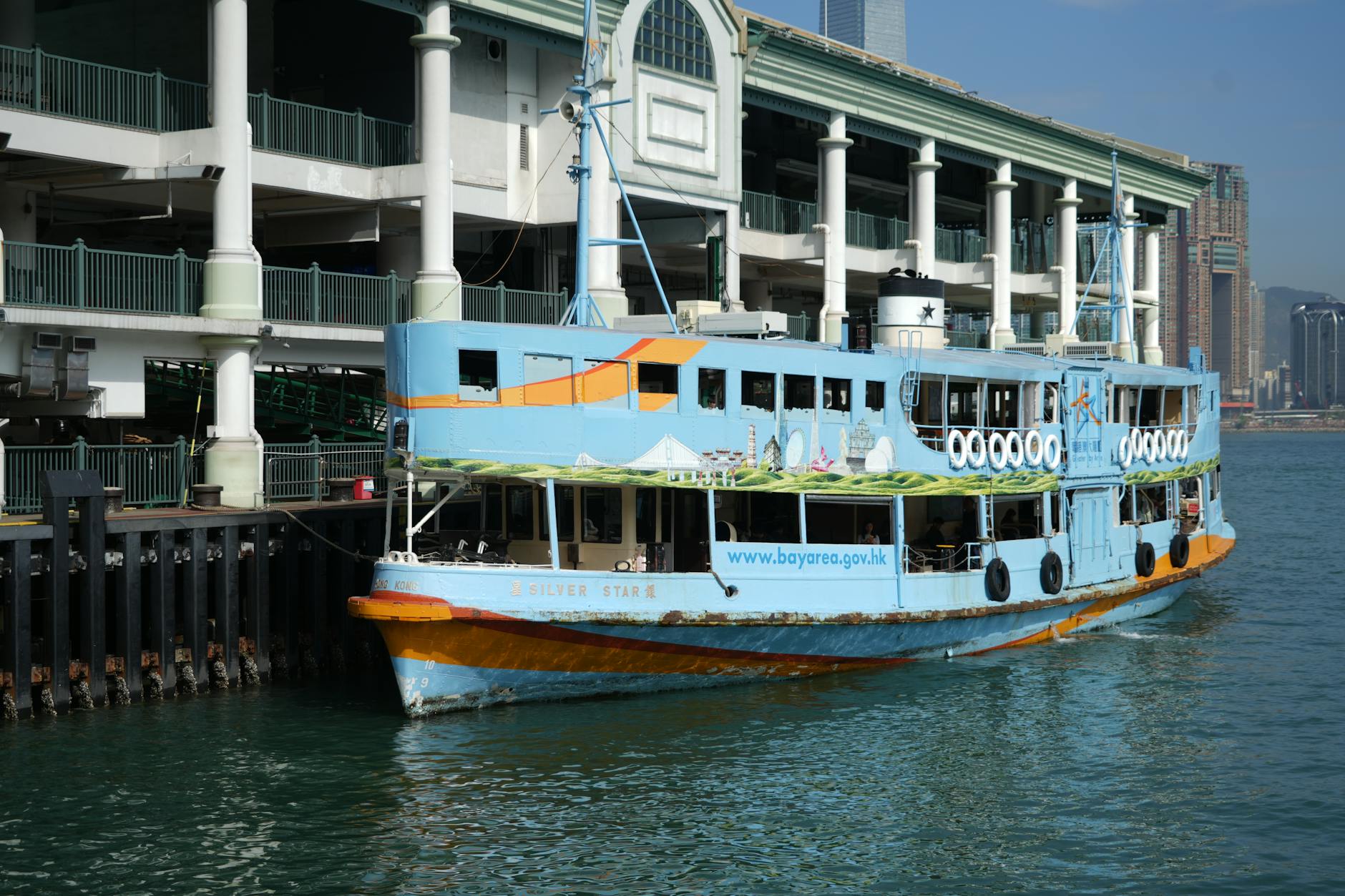
Central's movement systems are useful but uneven. The MTR may be efficient only if the correct lift exit is used. Elevated walkways can avoid street crossings but add distance. Ferries can be easier than road traffic on some routes but still require boarding checks. The Mid-Levels escalator may help some travelers who can stand, but it is not the same as a step-free route.
The traveler should choose each mode for a specific segment. A route that is accessible in one direction may be harder in the other. A smart plan names the exit, pier, bridge, lift, mall connection, taxi point, and fallback before the day starts.
- Check exact MTR lift exits, pier access, walkway distance, escalator limits, and taxi fallbacks.
- Do not assume a covered or elevated route is short or step-free.
- Plan outward and return routes separately, especially after dinner or in rain.
Build days around fewer, stronger anchors
A mobility-limited Central trip usually improves when the traveler chooses fewer anchors and gives them more support. A hotel breakfast, one harbor movement, one view, one park or mall reset, one restaurant, or one meeting can make a good day. Trying to stitch together every nearby attraction can turn the district into a physical obstacle course.
Central's density makes it tempting to add just one more stop. The better approach is to design each day with a clean stopping point, a nearby bathroom, seating, weather cover, and a taxi or hotel route back.
- Use one or two strong anchors per day rather than many small stops.
- Pair each outing with seating, bathrooms, weather cover, food, and a clear return route.
- Treat the hotel, mall, park, or restaurant reset as part of the plan, not wasted time.
Plan weather, seating, bathrooms, and medical margin
Heat, humidity, rain, cold interiors, crowds, and hills can reduce mobility quickly. The traveler should plan water, medication, snacks, accessible bathrooms, shade, seating, light layers, rain protection, device battery, and enough time between movements. Central is manageable when these details are deliberate.
Medical margin also matters. Travelers should know where their hotel can direct them for urgent care, how to communicate the address, and which companion or hotel contact can help if the plan changes. The goal is not alarm; it is removing avoidable uncertainty.
- Carry medication, water, snacks, battery, rain protection, light layers, and mobility essentials.
- Map bathrooms, seating, shade, indoor resets, pharmacy options, and hotel support.
- Leave time between movements so weather or fatigue does not control the day.
When to order a short-term travel report
A traveler with mild limitations and a familiar hotel may be able to manage Central with direct property questions. A report becomes useful when the traveler uses mobility equipment, has limited stamina, is choosing among hotels, plans ferries or cross-harbor movement, has medical constraints, or needs to coordinate companions with different walking speeds.
The report should test hotel access, room setup, arrival, taxi points, MTR exits, ferries, elevated routes, meals, bathrooms, seating, weather, medical access, rest blocks, budget, and what to cut. The value is a short Central stay built around physical reality instead of optimistic distances.
- Order when lodging, station exits, taxis, ferries, bathrooms, stamina, or equipment needs testing.
- Provide dates, hotel options, mobility details, equipment, arrival plans, priorities, and budget.
- Use the report to make Central Hong Kong physically workable before the trip starts.