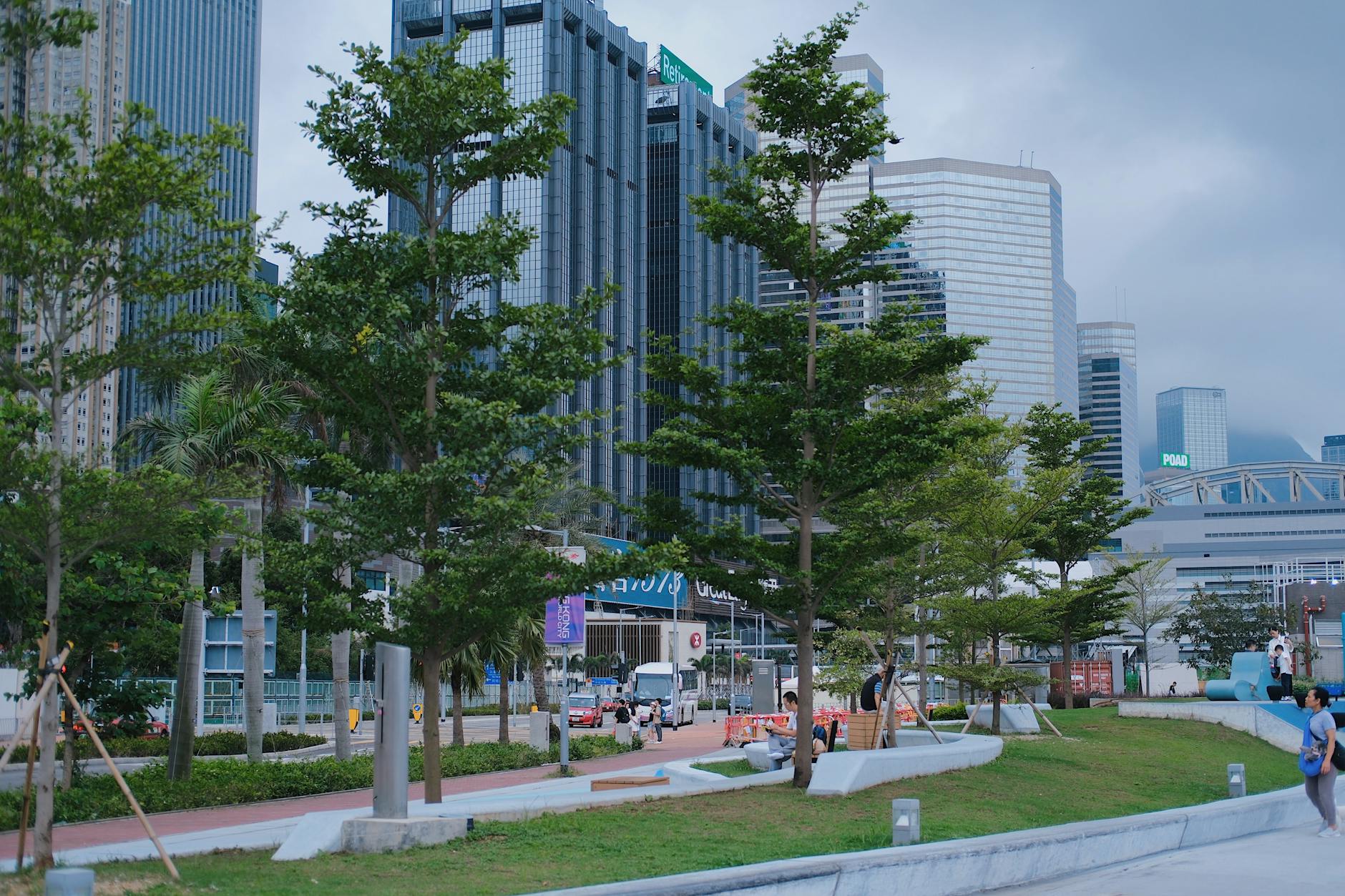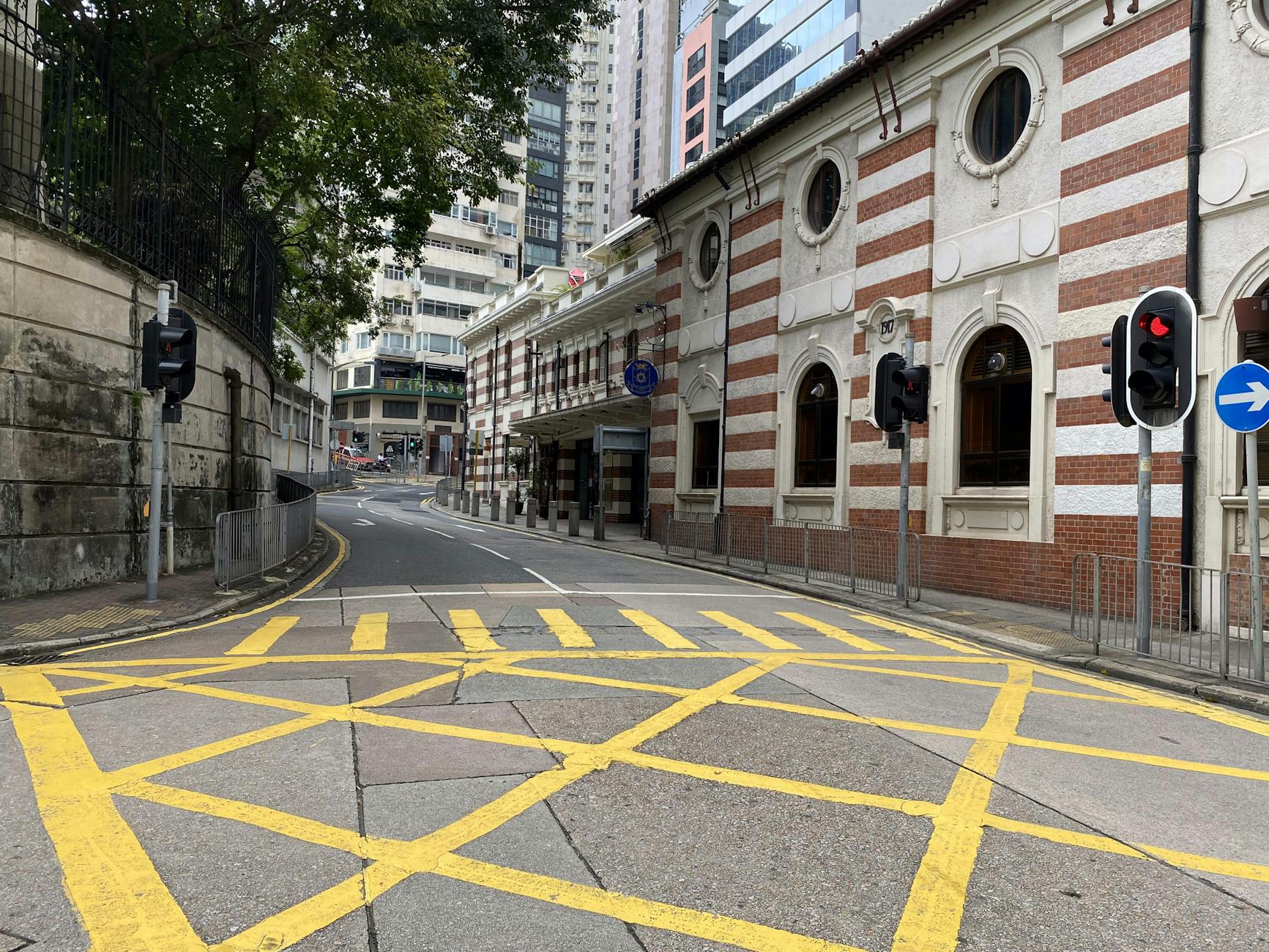
Central Hong Kong can be a practical base for travelers with medical constraints because it has strong hotels, transport, pharmacies, private medical services, taxis, restaurants, and access to wider Hong Kong care. It can also be demanding. Hills, stairs, station exits, humidity, crowds, cold interiors, traffic, and long indoor-outdoor transitions can all affect a traveler whose margin is limited. The plan should not simply ask whether Central is safe. It should ask whether the traveler can move, eat, rest, medicate, recover, and get help without turning every day into a test of endurance. A short stay works better when medical needs shape the itinerary from the beginning.
Start with the specific medical constraint
Medical planning should begin with the traveler's actual constraint, not a generic health checklist. Diabetes, cardiac issues, respiratory sensitivity, mobility limits, chronic pain, immunosuppression, food restrictions, medication timing, heat sensitivity, and anxiety around care all create different Central Hong Kong plans.
The traveler should identify what would make the trip fail: missed medication, inaccessible lodging, heat exposure, long station walks, unsuitable food, lack of rest, a delayed transfer, or uncertainty about where to seek help. That failure point should control the hotel, route, and daily pacing.
- Name the specific medical risks before choosing hotel, transport, meals, or daily pace.
- Identify the trip failure point: heat, stairs, medication, food, fatigue, access, or care uncertainty.
- Build the itinerary around the constraint rather than trying to work around it each day.
Choose lodging by access, recovery, and care proximity
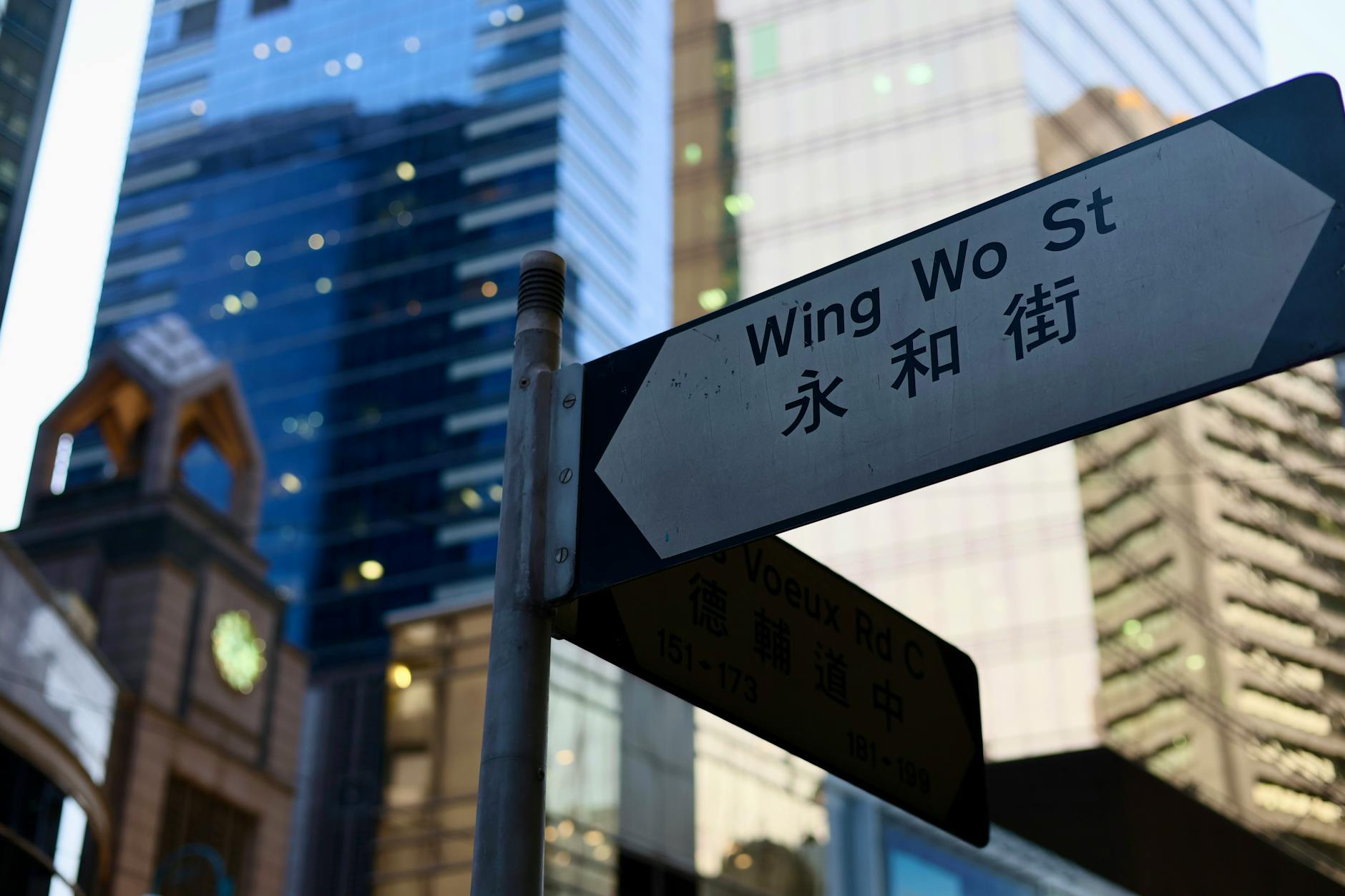
The hotel should be evaluated as a medical support point. Room access, elevators, bathroom layout, air conditioning, refrigerator availability, breakfast timing, quiet sleep, nearby pharmacies, taxi pickup, and the ability to rest between outings may matter more than view or design.
Central hotels vary in how easy they are to reach from the street. Some routes involve slopes, stairs, footbridges, mall connections, or confusing entrances. A medically constrained traveler should not discover that friction after arrival.
- Check elevators, room layout, bathroom practicality, refrigerator needs, quiet, breakfast, and air conditioning.
- Confirm taxi pickup, entrance grade, pharmacy proximity, and the route from transit to the lobby.
- Choose the hotel that makes rest and care easier, not only the one with the best view.
Plan medication, documents, and medical access before travel
Medication planning should be settled before the traveler reaches Hong Kong. Prescriptions, original packaging, dosage schedule, time-zone adjustment, refrigeration, emergency supply, doctor contact, insurance, allergy notes, and translated or clearly written medical summaries can all matter on a short trip.
The traveler should also know where nearby clinics, hospitals, pharmacies, and hotel support options are. Strong local services are useful only if the traveler knows how to reach them, what insurance may require, and what information to provide.
- Carry prescriptions, original packaging, dosage schedule, doctor contacts, insurance, and medical notes.
- Plan refrigeration, spare supply, time-zone adjustment, allergies, and emergency medication access.
- Identify nearby pharmacies, clinics, hospitals, hotel support, and transport to care before arrival.
Respect heat, humidity, rain, and air conditioning
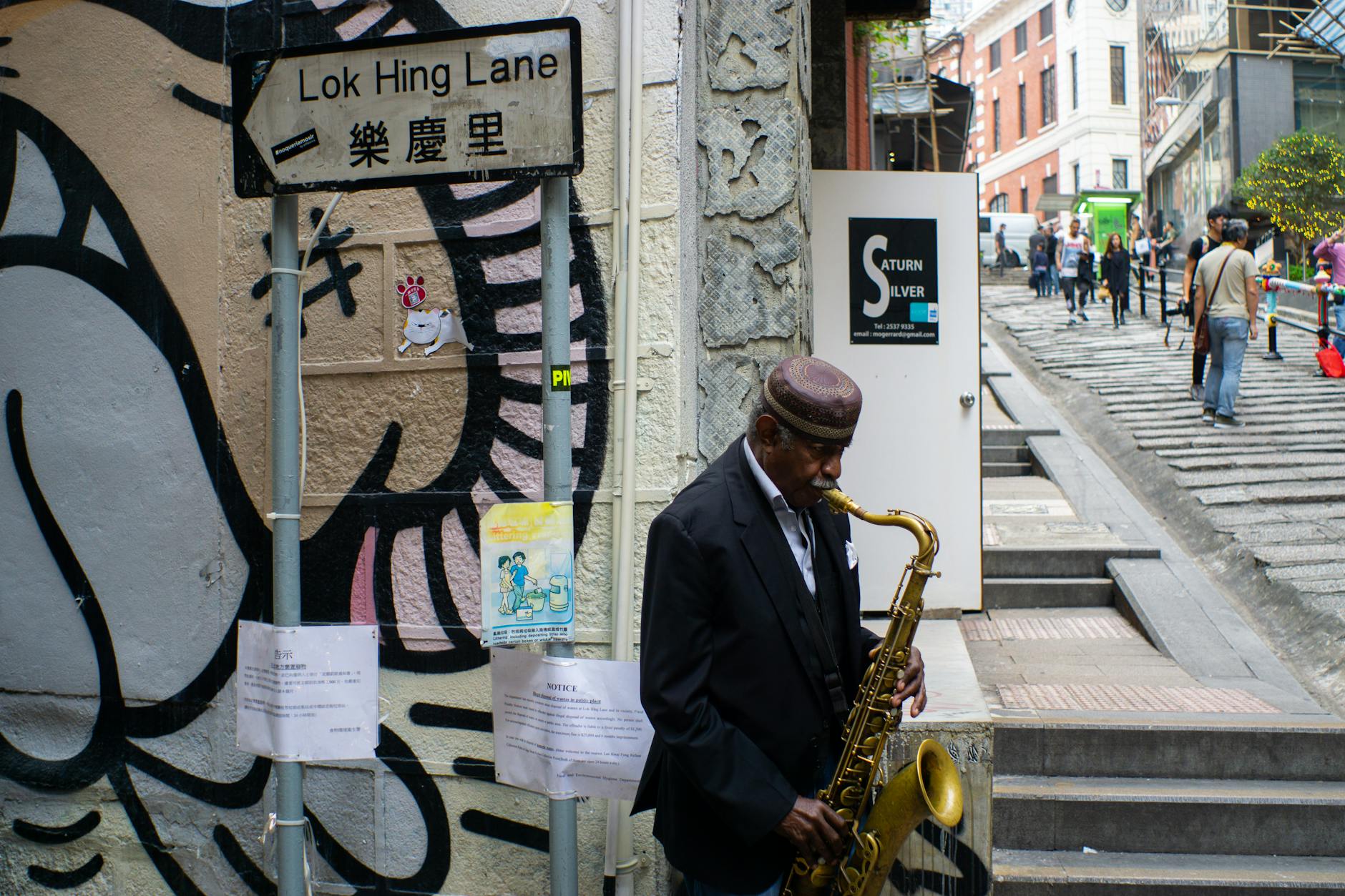
Central can be physically stressful because outdoor heat and humidity, rain, steep routes, crowded sidewalks, and cold interiors may all appear in one day. Travelers with respiratory, cardiac, pain, fatigue, or medication-related constraints should treat weather as a planning factor, not an inconvenience.
The day should include water, shade, indoor resets, meal timing, and a willingness to use taxis or covered routes. A route that is manageable in mild weather may be a poor choice in humidity or heavy rain.
- Plan around heat, humidity, rain, air conditioning, steep streets, and crowded transitions.
- Use shorter outing blocks with hydration, shade, indoor resets, meals, and hotel breaks.
- Change routes or transport when weather increases medical strain.
Use transport to reduce medical load
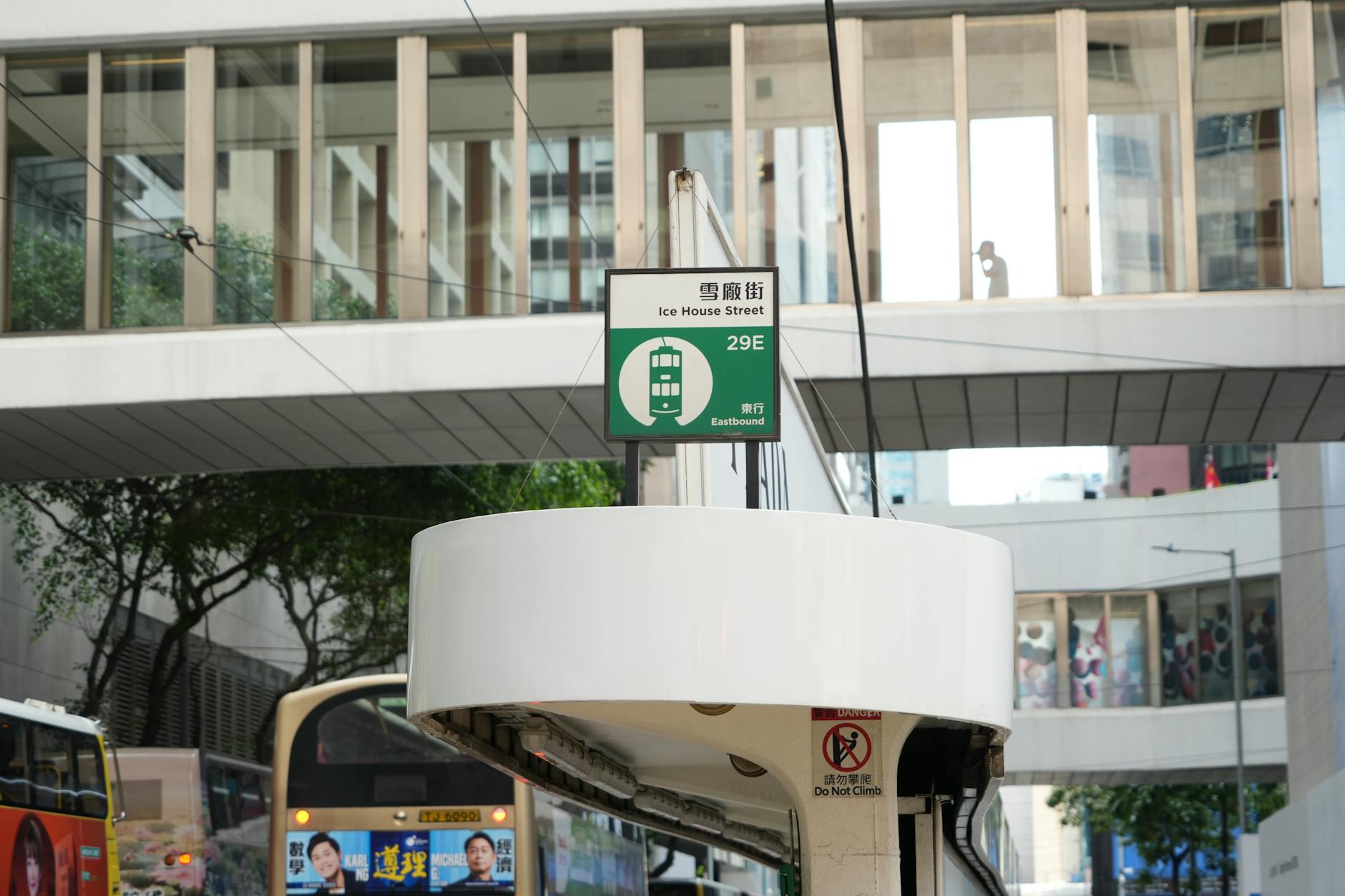
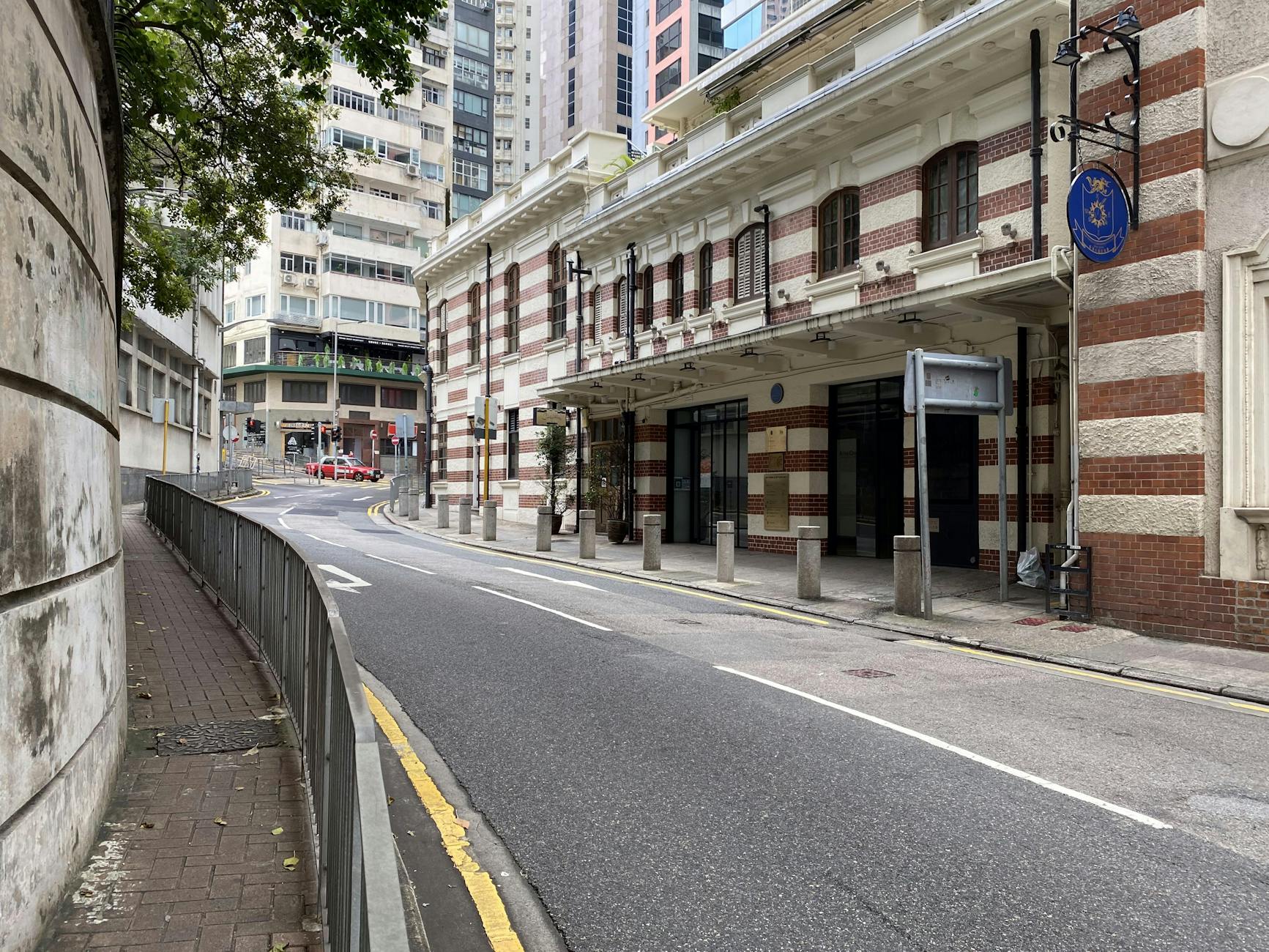
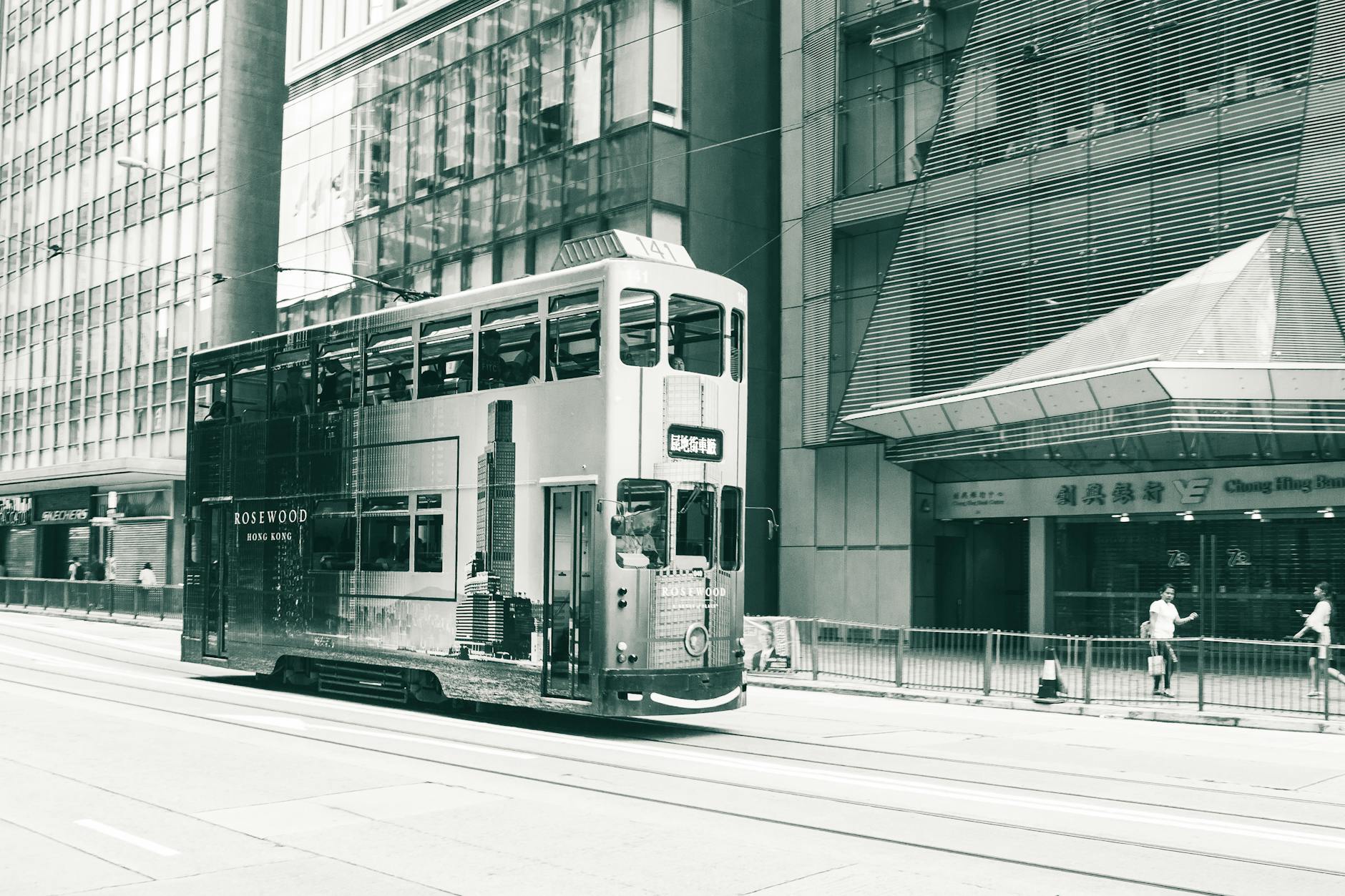
The MTR, taxis, cars, ferries, and walking can all be useful, but each should be tested against the medical constraint. MTR routes may involve long station walks or stairs. Taxis can reduce walking but may be delayed by traffic or pickup confusion. Ferries may be pleasant but still require pier access. Walking can become too much when heat, slope, or pain accumulates.
A medically constrained traveler should preselect the low-friction option for critical movements. This includes airport arrival, medical appointments, important meals, and the return to the hotel after a long day.
- Check MTR exits, elevators, station walks, ferry pier access, taxi pickup, and traffic assumptions.
- Use taxis or cars when heat, pain, fatigue, luggage, or medication timing makes walking fragile.
- Keep fallback transport for every important outing and evening return.
Match meals, sleep, and activity to the condition
Central's dining range is useful for medically constrained travelers only when meals fit the condition. Timing, blood sugar, sodium, allergens, alcohol, hydration, seating, noise, proximity to bathrooms, and distance back to the hotel may all matter. A famous restaurant is not helpful if it disrupts medication or recovery.
Sleep and rest blocks should be treated as medical controls. The traveler may need a lighter first day, earlier dinner, midday room reset, or fewer cross-harbor ambitions. The itinerary should preserve capacity rather than prove capacity.
- Choose meals by timing, dietary needs, hydration, seating, bathrooms, noise, and return route.
- Protect sleep, medication windows, rest blocks, and recovery after long-haul travel.
- Cut activities before the medical constraint starts controlling the day.
When to order a short-term travel report
A traveler with mild, familiar constraints and a relaxed hotel stay may not need a custom Central Hong Kong report. A report becomes useful when the constraint affects hotel choice, mobility, medication, food, heat tolerance, medical access, insurance planning, arrival timing, or whether the itinerary is realistic.
The report should test hotel access, room needs, routes, MTR and taxi choices, pharmacies, clinics, hospitals, medication timing, meals, weather, rest blocks, emergency steps, budget, and what to cut. The value is not medical advice. It is a travel plan that respects the medical reality.
- Order when medical constraints affect lodging, transport, meals, medication, weather, or care access.
- Provide dates, hotel options, condition-related constraints, medication needs, mobility details, and budget.
- Use the report to make Central Hong Kong medically practical as a short trip.