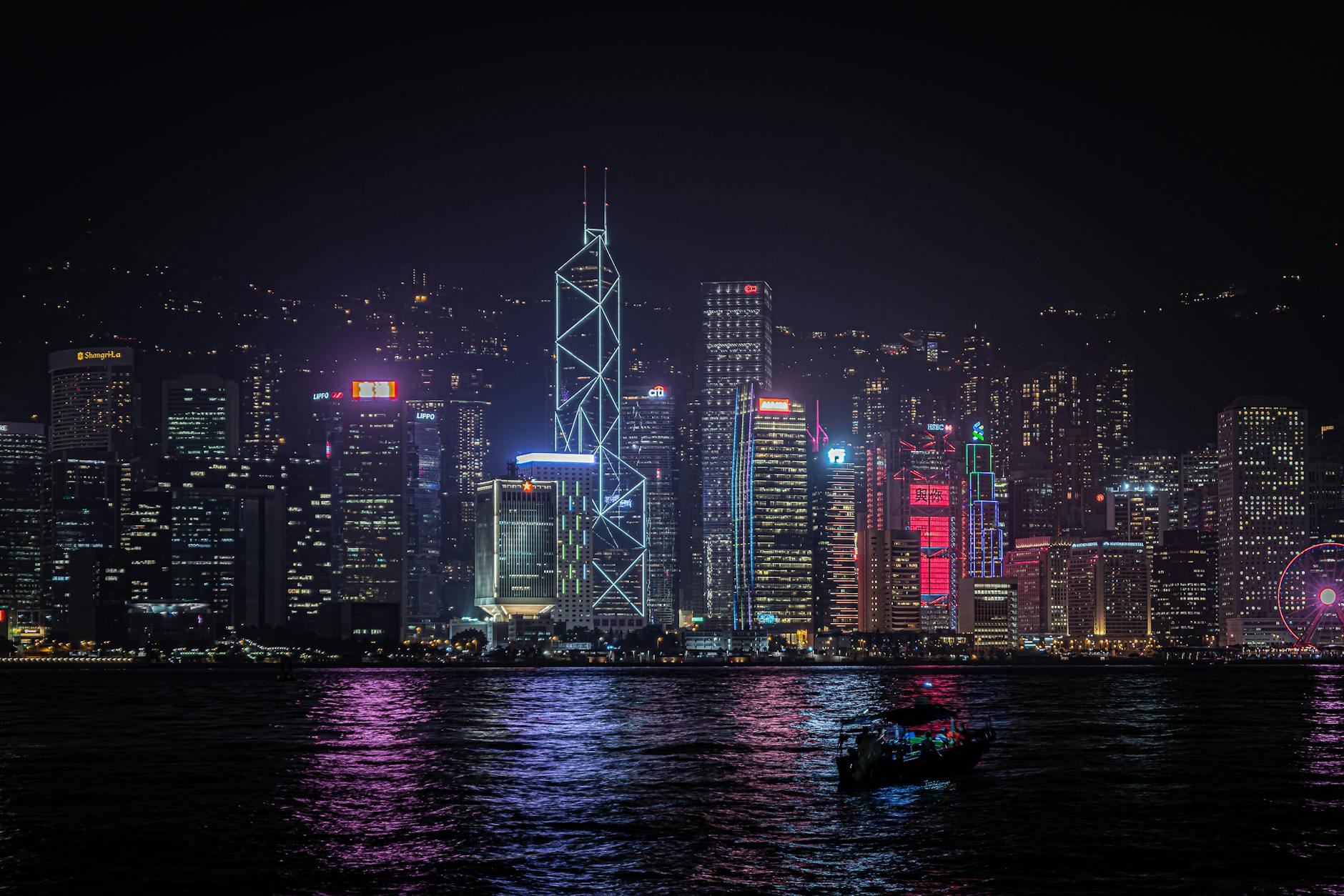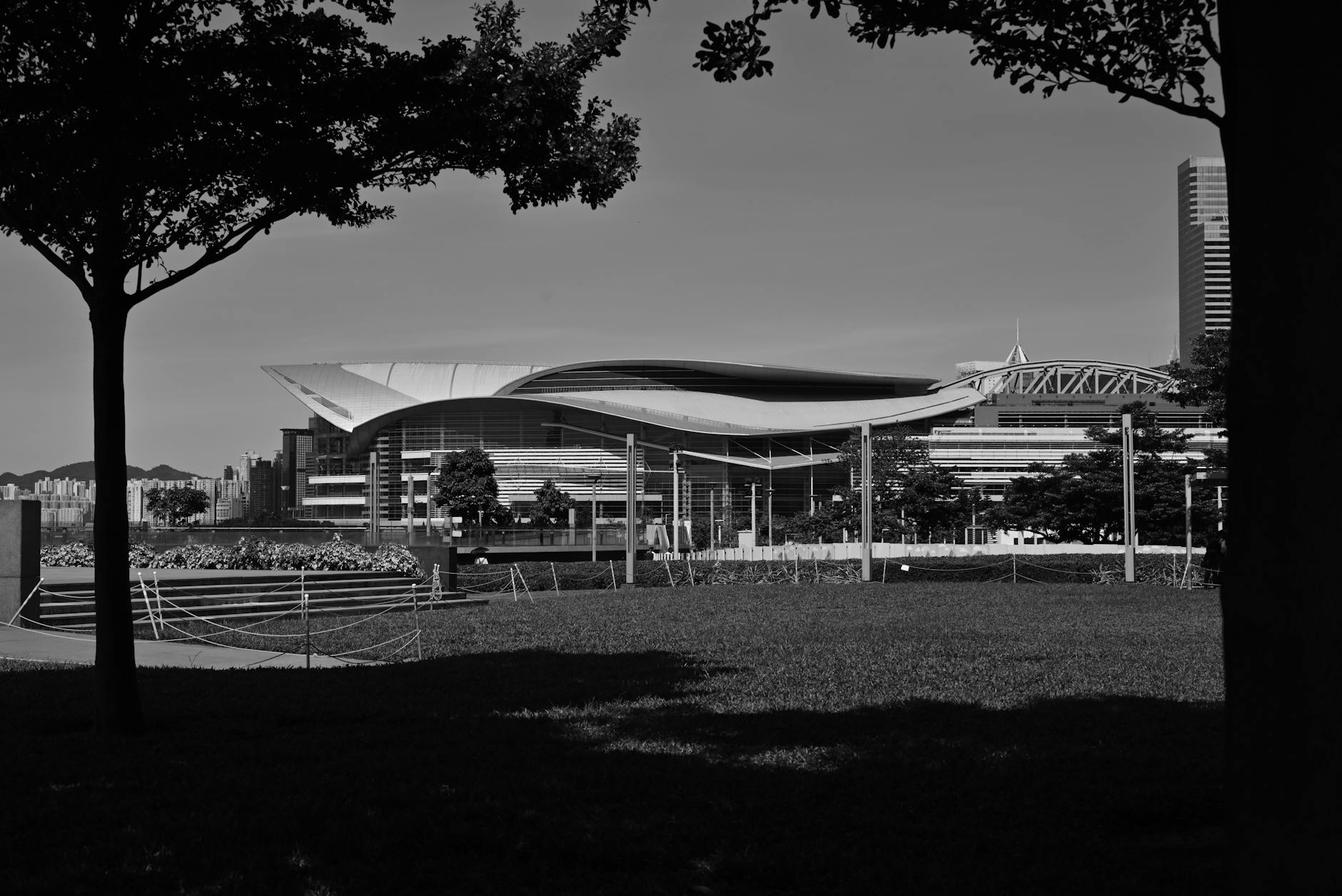
Central Hong Kong can be a powerful base for a trade-show attendee, especially when the trip includes finance, professional services, hospitality, client dinners, investor meetings, or office visits around the business core. The trade-show floor, however, may sit outside Central, often around Wan Chai, a hotel venue, Kowloon, or another event space. That distinction matters. A short trade-show trip should be planned around fixed obligations: booth duty, badge pickup, material handling, meetings, receptions, hosted meals, follow-up work, and departure timing. Central can support those obligations well when the attendee treats venue geography, transport, clothing, weather, and client hosting as operational details instead of background.
Confirm the show venue before choosing Central
The first trade-show question is whether Central is the best base, not whether Central is attractive. The main floor may be at the Hong Kong Convention and Exhibition Centre in Wan Chai, a hotel ballroom, a Kowloon venue, or a smaller industry space. Central may still be right if side meetings and dinners are there, but the decision should be made against the full schedule.
The attendee should map the show entrance, badge desk, loading or material point, meeting rooms, sponsor events, hotel, client offices, and airport links. A prestigious Central hotel is not useful if it makes every booth shift and meeting transfer fragile.
- Map show venue, badge pickup, material handling, meetings, receptions, hotel, and airport links.
- Compare Central, Wan Chai, Admiralty, Kowloon, and host hotels against the actual schedule.
- Choose Central when it improves meetings and hosting, not simply because it is prestigious.
Treat booth materials as travel logistics
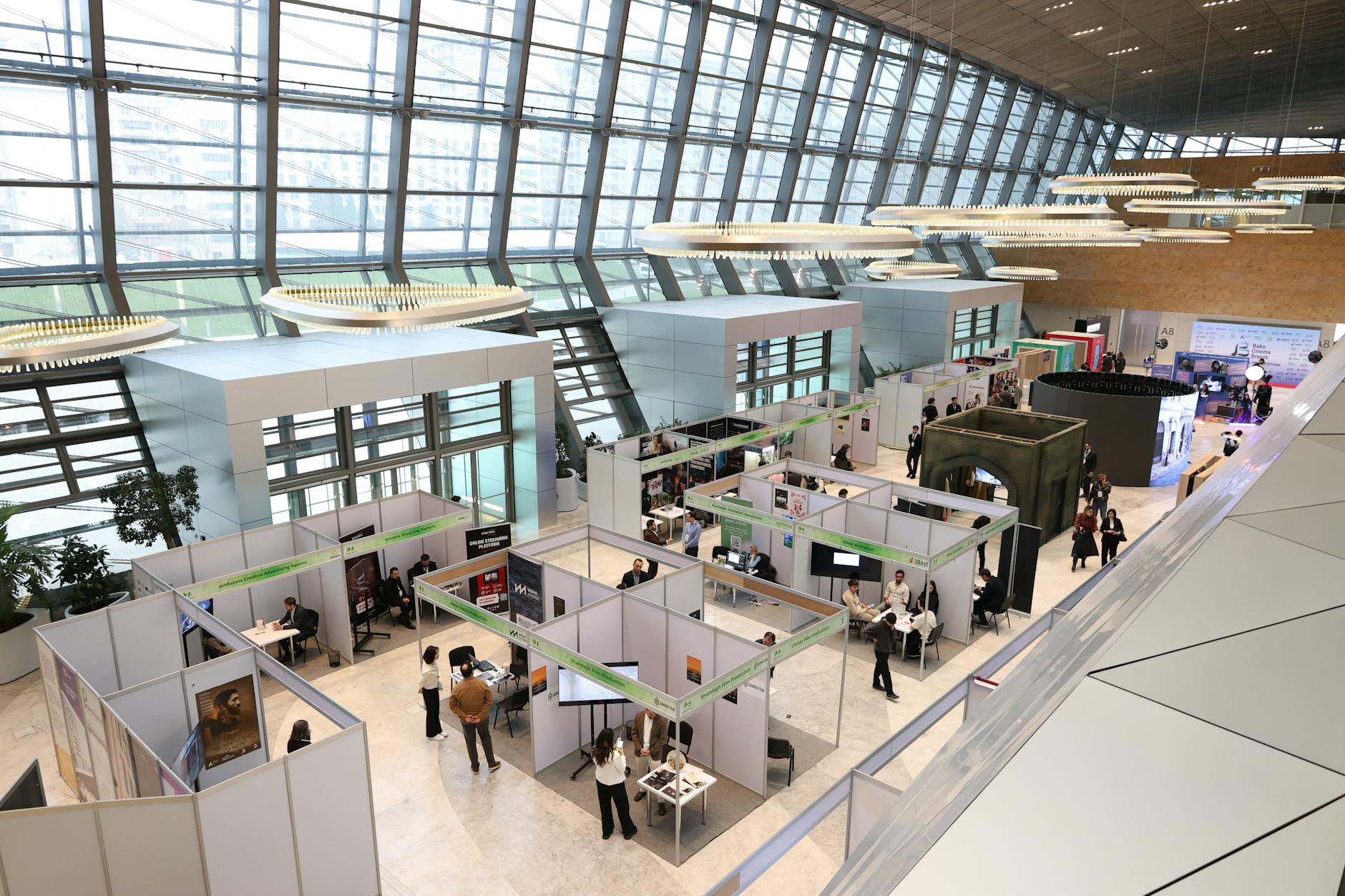
Trade-show travel often breaks down around objects: samples, banners, chargers, adapters, literature, branded clothing, demo equipment, business cards, shipping labels, and luggage. Central can be convenient, but the attendee still needs to know how materials move from airport, hotel, taxi, storage, booth, and return shipment.
If the attendee is carrying anything that cannot be comfortably managed on foot, transport choices change. The MTR may be wrong with bulky items. A taxi may still need a useful drop-off point. Hotel storage and courier timing should be confirmed before arrival, not negotiated when the floor opens.
- List samples, banners, devices, adapters, literature, cards, shipping items, and booth clothing.
- Confirm hotel storage, courier timing, venue delivery rules, and return-shipment needs.
- Match transport to what is being carried, not just to the cheapest route.
Choose lodging for floor days and recovery
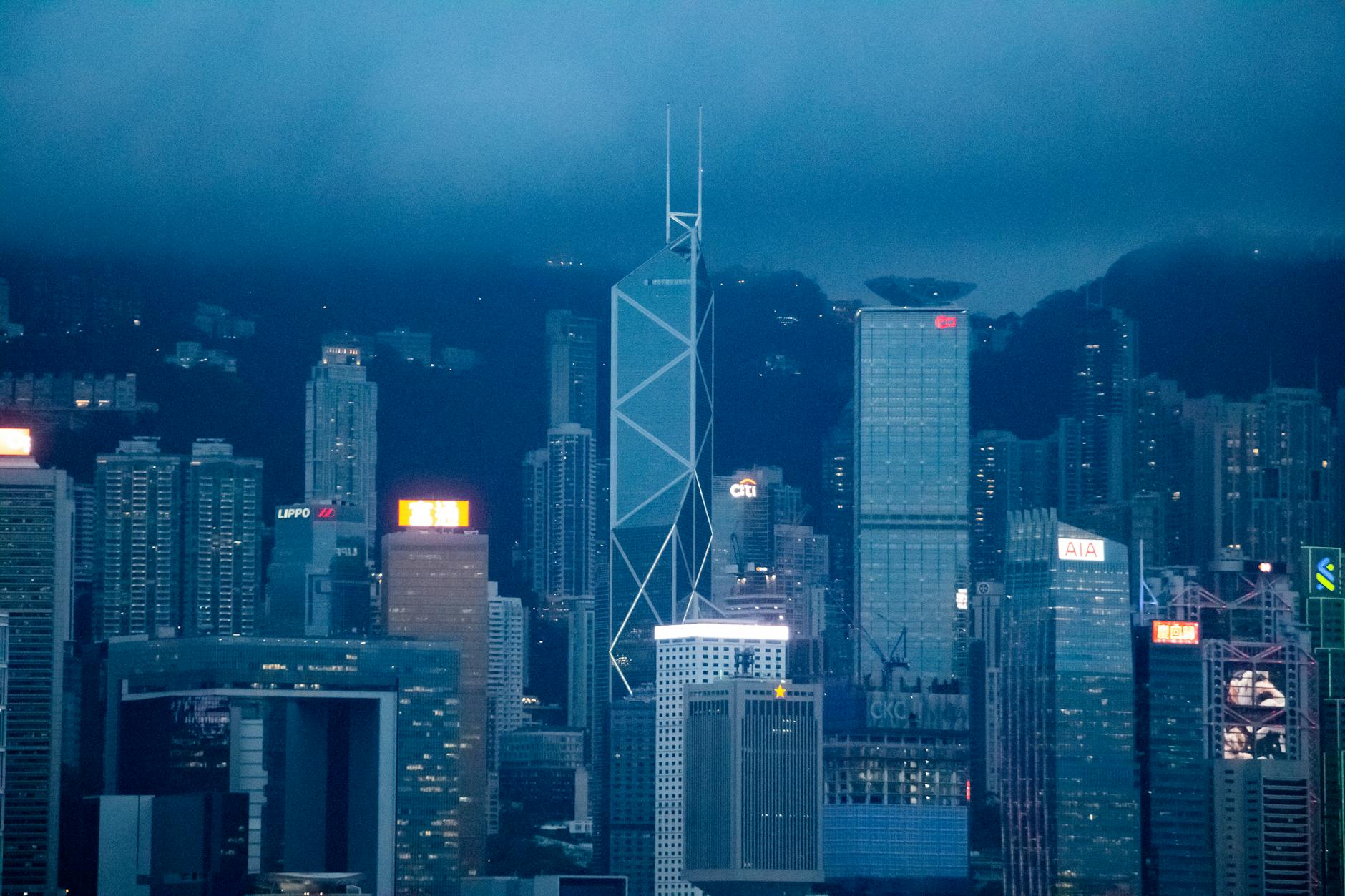
A trade-show hotel should protect the attendee's work capacity. That means reliable sleep, breakfast, iron or laundry access, desk space, Wi-Fi, bag storage, taxi pickup, easy evening returns, and enough proximity to either the venue or the highest-value side meetings. A hotel that is excellent for leisure may be irritating for repeated business movements.
The attendee should test morning and evening routes separately. A route that is tolerable once may be too much after a full day standing, talking, carrying materials, and attending receptions.
- Compare hotels by venue route, taxi pickup, breakfast, desk, Wi-Fi, storage, sleep, and laundry.
- Check the return path after receptions, not only the morning trip to the show.
- Prioritize recovery if the show requires long standing days or heavy conversation.
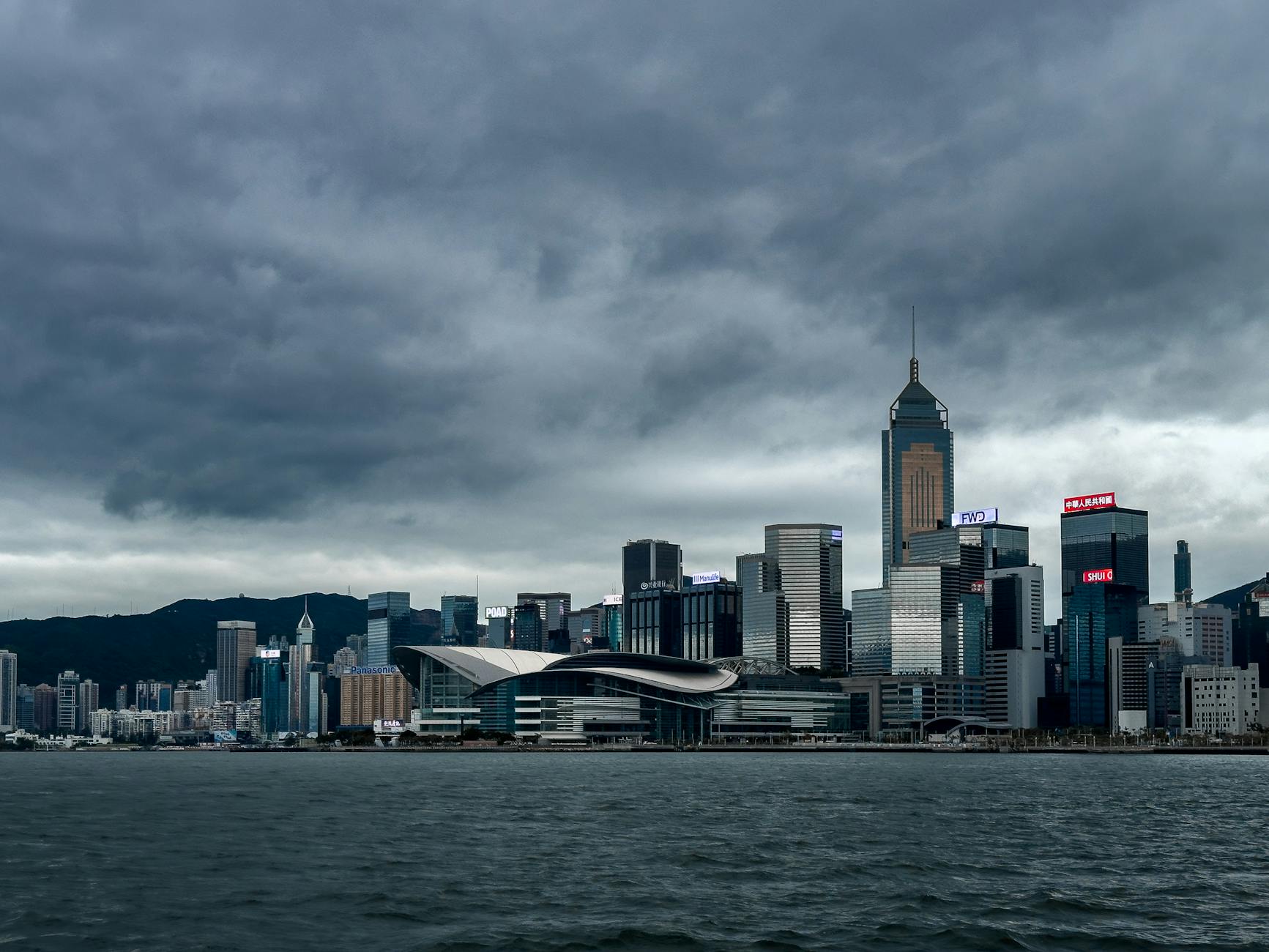
Build badge days with real margin
Badge pickup, security, elevators, coat and bag handling, booth setup, meeting-room finding, and first conversations can consume more time than expected. Trade-show attendees should not plan the first morning as if the venue were already familiar. The opening hour needs margin, especially if the attendee is presenting, staffing a booth, hosting a buyer, or coordinating a team.
The same applies to lunch breaks and end-of-day movement. A show floor can absorb time. The attendee should build a realistic plan for meals, calls, email, follow-up notes, and rest before the evening program begins.
- Buffer badge pickup, security, venue entry, booth setup, room finding, and first meetings.
- Carry documents, chargers, adapters, cards, demo backups, notes, and offline venue details.
- Protect lunch, calls, follow-up, and rest instead of letting the floor consume every gap.
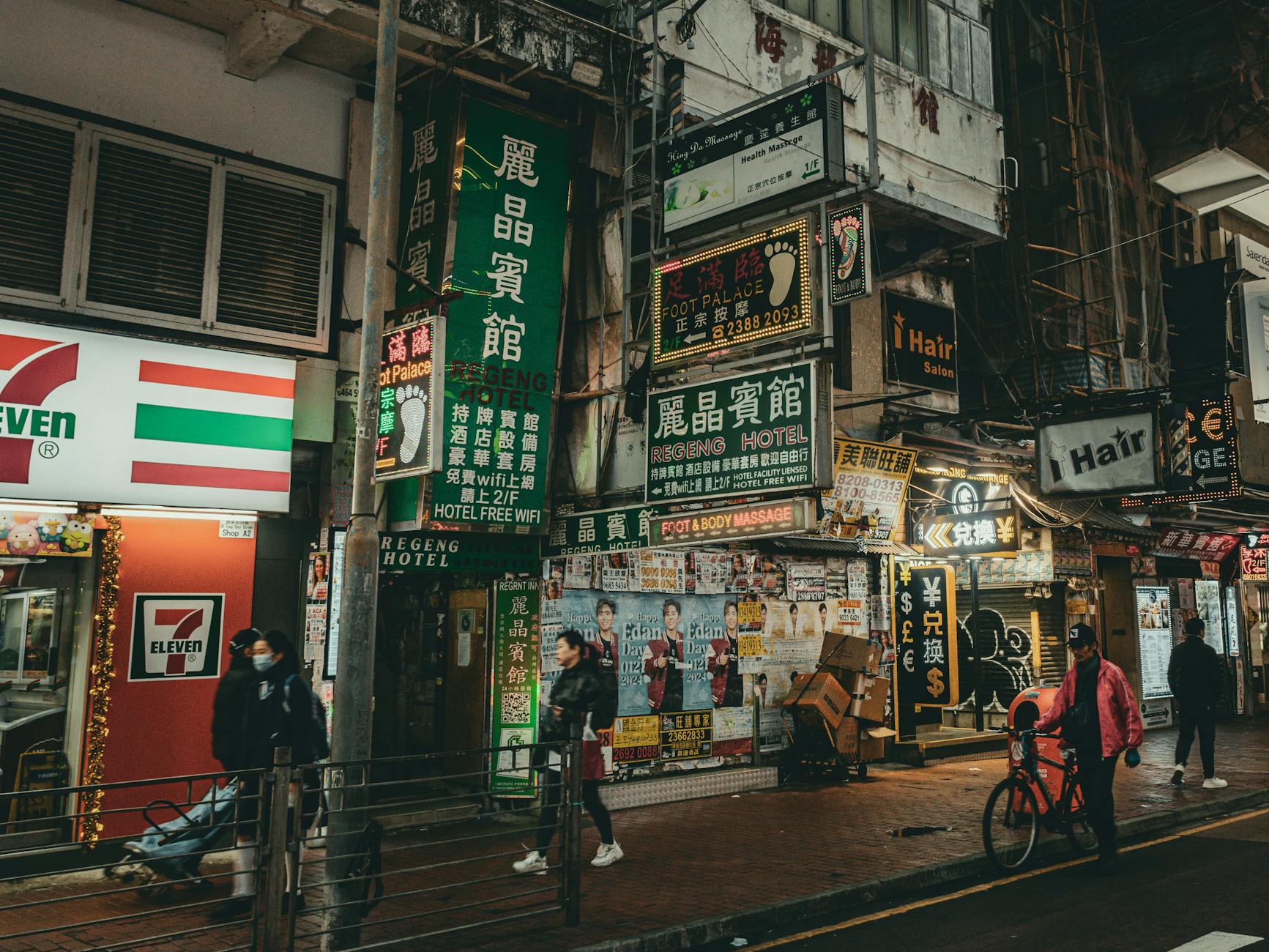
Use transport by schedule pressure and load
Central gives trade-show attendees useful movement options. The MTR can be predictable for light days. Taxis can help with samples, formal clothing, rain, late returns, and tight transfers. Ferries may be useful for some cross-harbor plans. Walking is only efficient when heat, slope, footwear, and load make sense.
The route should be selected for each movement. A cheap route that leaves the attendee sweaty before a buyer meeting is poor business travel. A car that sits in traffic before the opening session is not premium. The plan should use the right mode at the right time.
- Choose MTR, taxi, ferry, car, or walking by load, clothing, weather, timing, and venue entrance.
- Check pickup points, station exits, footbridges, traffic, and covered routes before show days.
- Plan separate routes for setup, floor duty, side meetings, dinners, and airport departure.
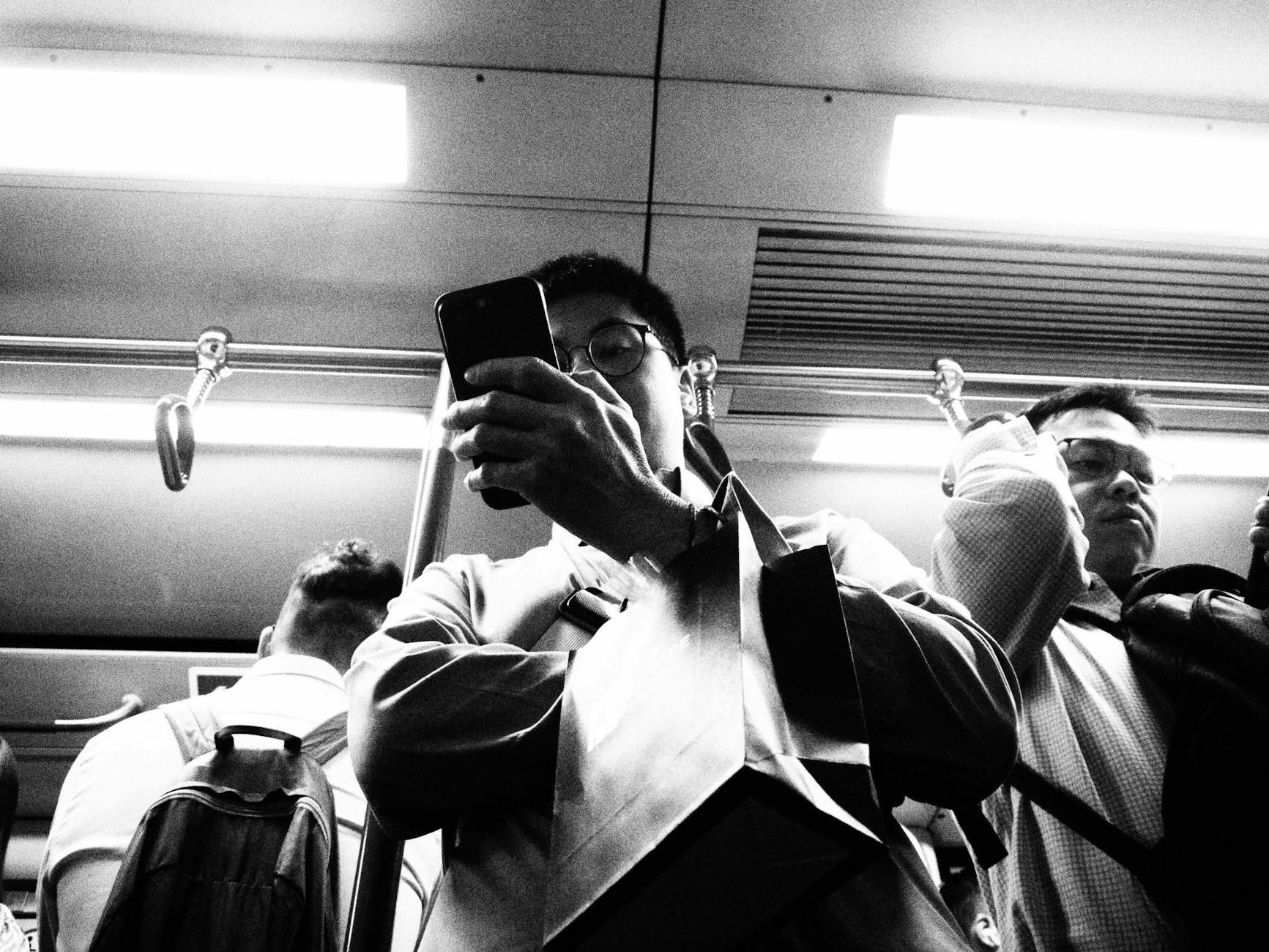
Make hosting and follow-up deliberate
Central is strong for client dinners, hotel bars, private dining, coffee meetings, and post-show conversations. That strength can become a problem if the attendee says yes to everything. The trip should rank buyers, partners, press, investors, and internal meetings by value so the best conversations receive the best settings and energy.
Follow-up also needs protected time. Trade-show value is often created after the conversation, when notes, contact records, proposals, samples, and next steps are handled. A Central hotel with a usable desk or quiet lounge may matter more than another late reception.
- Prioritize hosting by buyer, partner, press, investor, and internal value.
- Choose dinners, coffees, bars, and lounges by privacy, noise, route, and next-day demands.
- Reserve time for notes, contact cleanup, proposals, samples, and follow-up messages.
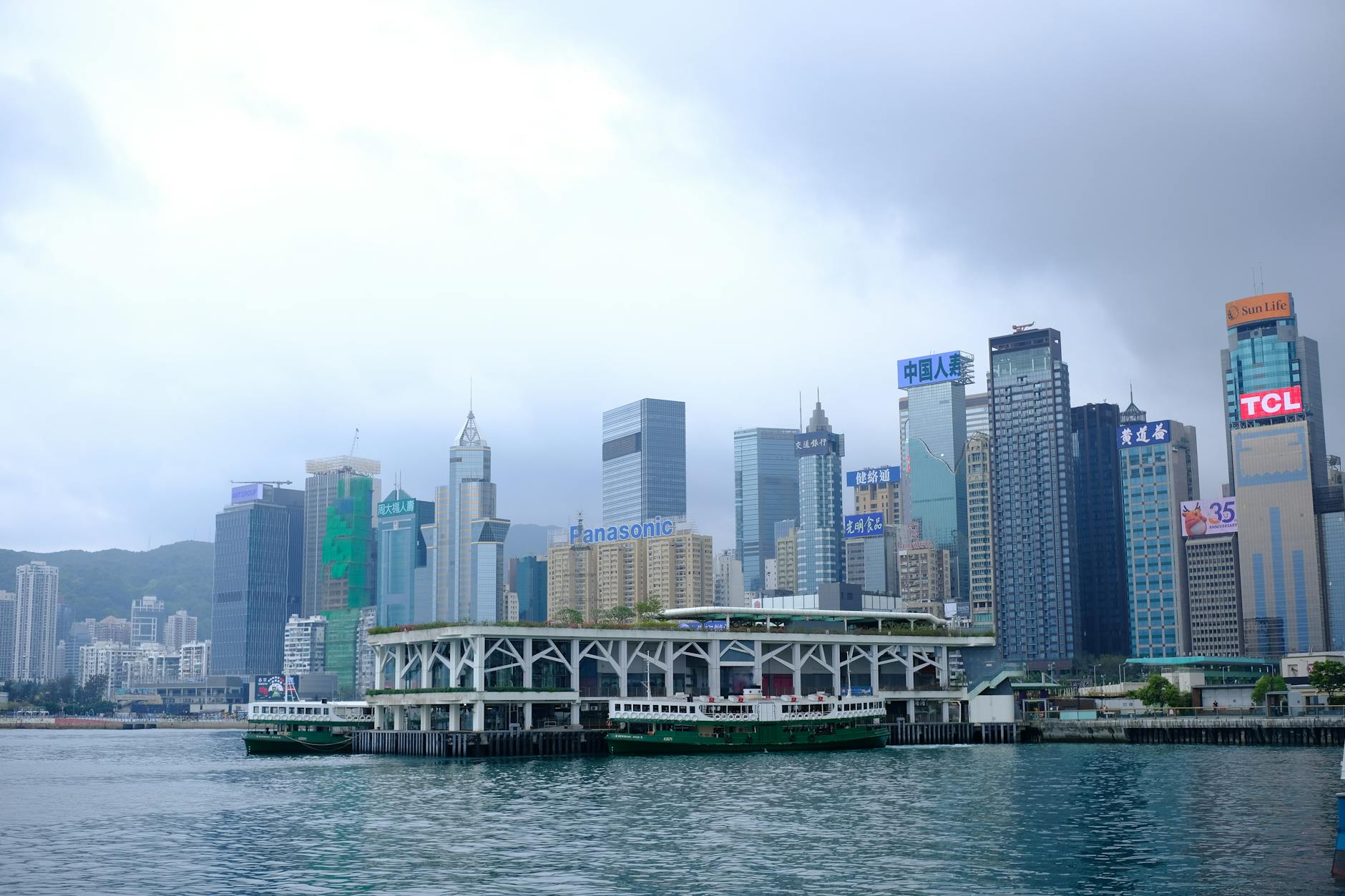
When to order a short-term travel report
A trade-show attendee with a hosted hotel, no materials, and a simple schedule may not need a custom Central Hong Kong report. A report becomes useful when the traveler is choosing a base, carrying materials, staffing a booth, hosting clients, attending receptions, coordinating a team, or balancing the trade-show floor with Central meetings.
The report should test venue geography, hotel siting, badge timing, material logistics, transport modes, client hosting, work blocks, weather, meals, evening returns, airport transfers, budget, and what to cut. The value is a trade-show trip that protects the commercial purpose instead of letting logistics erode it.
- Order when venue geography, booth materials, lodging, transport, hosting, or follow-up needs testing.
- Provide dates, venue, hotel options, floor schedule, materials, meetings, constraints, and budget.
- Use the report to keep the Central Hong Kong trade-show trip commercially focused and realistic.