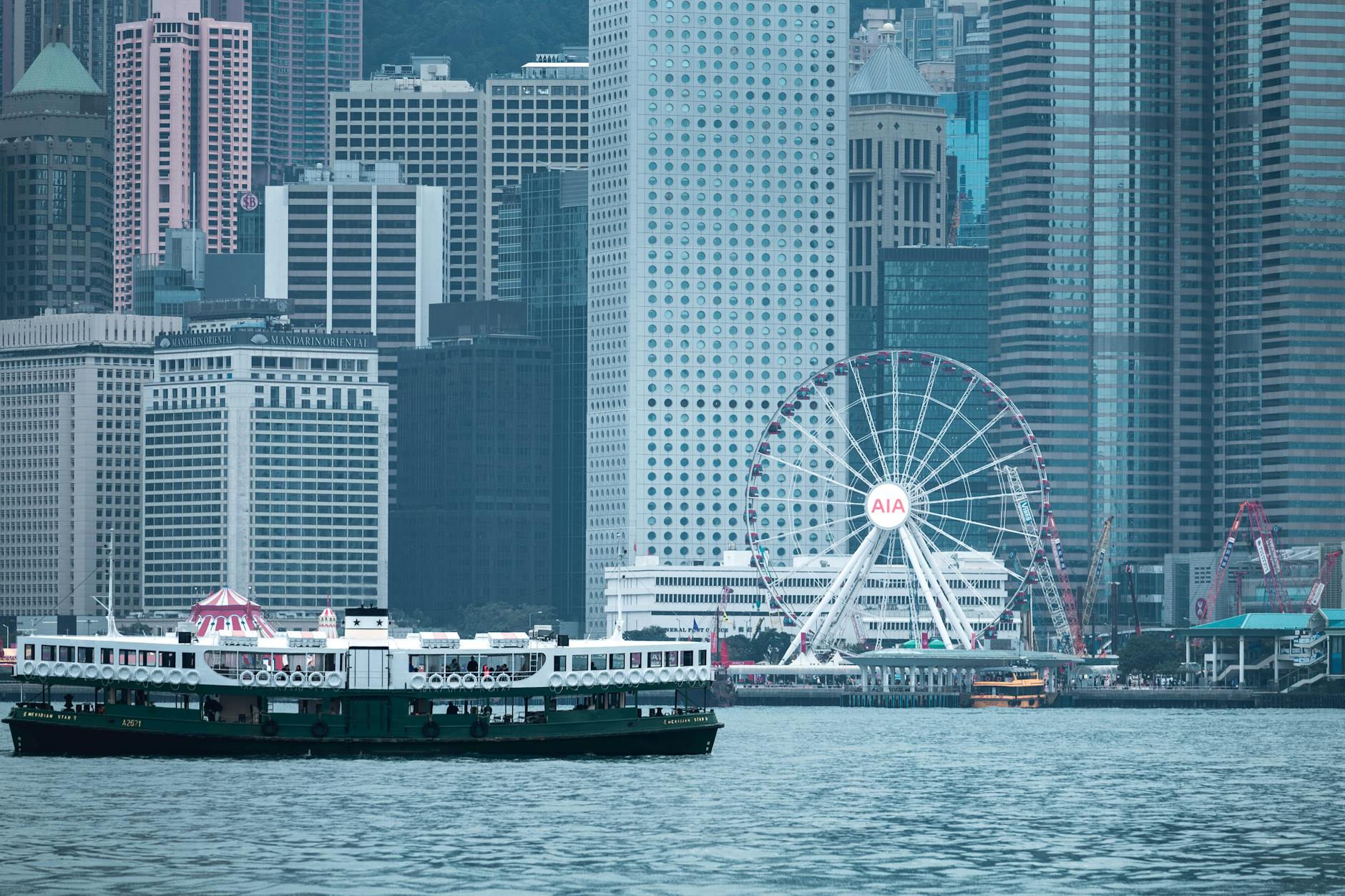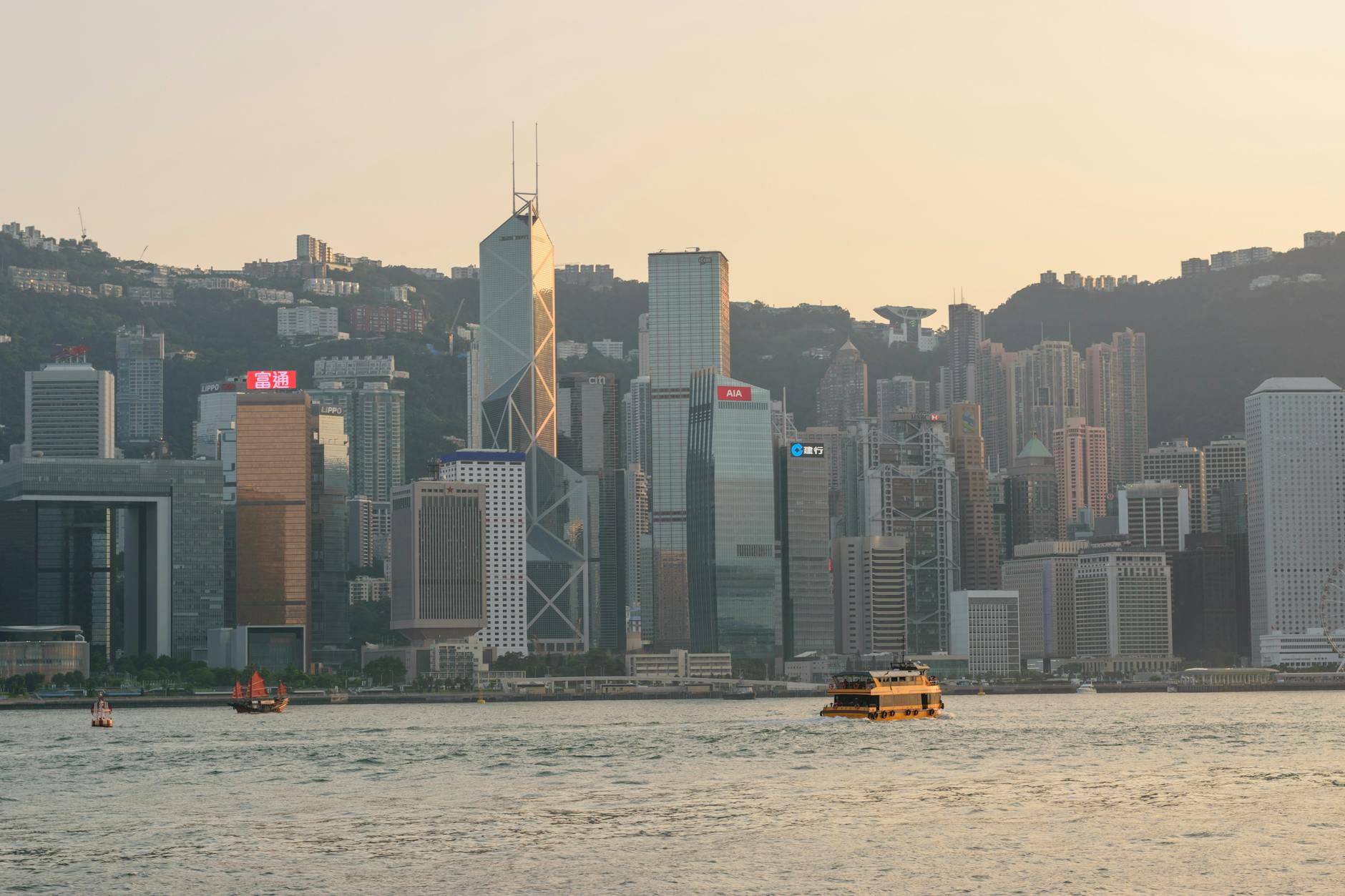
Central Hong Kong is one of the easiest places to misunderstand as a tourist. It looks like a compact downtown with skyline views, ferries, malls, restaurants, hillside streets, bars, and transport in every direction. In practice, it is vertical, crowded, weather-sensitive, and layered. A visitor can have an excellent short stay if the plan treats Central as a base with distinct routes rather than one simple sightseeing zone. A tourist should use Central for orientation, harbor access, food, a view plan, and smart links to other districts. The trip becomes weaker when every famous stop is forced into one day or when the traveler keeps walking uphill because the map says the next stop is close.
Use Central as an orientation base, not a checklist
Central is useful for tourists because it explains a lot of Hong Kong quickly: harbor, towers, ferries, money, shopping, hillside streets, food, and nightlife. That does not mean the visitor should treat the district as a checklist to clear in one push. A short visit works better when Central provides orientation and a few strong experiences.
The tourist should decide whether the stay is about skyline views, food, the Peak, ferries, shopping, history, nightlife, or wider Hong Kong movement. Central can support all of those, but not all at once without fatigue.
- Choose the trip's main Central purpose before adding every nearby sight.
- Use Central to understand harbor, hills, ferries, towers, food, and transport layers.
- Avoid turning the first day into an overloaded downtown checklist.
Choose lodging by routes and recovery
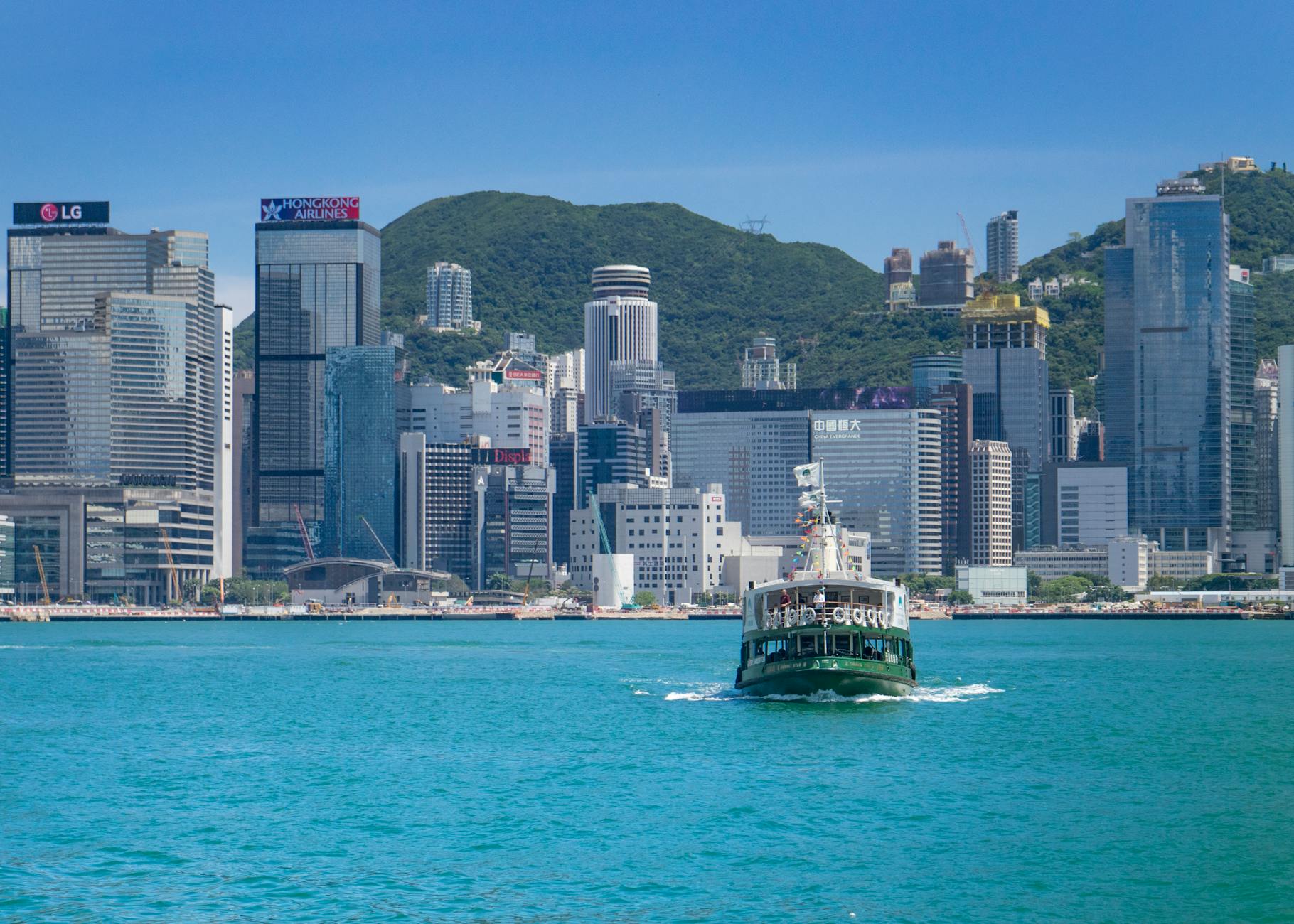
A tourist hotel in Central should make arrival, breakfast, MTR access, ferry movement, taxi pickup, food, and late returns easier. A hotel can be attractive and still poorly matched to the way the visitor wants to move. Slopes, station exits, mall links, and confusing entrances can matter as much as room view.
The traveler should choose a base that supports the first night and the return after long sightseeing days. The best hotel is often the one that makes it easy to stop before the day becomes too long.
- Compare hotels by arrival route, MTR exits, ferry access, taxi pickup, food, and late returns.
- Check whether the final approach involves hills, stairs, malls, or confusing entrances.
- Favor a base that makes recovery easy after a dense sightseeing day.
Plan the Peak and skyline around weather
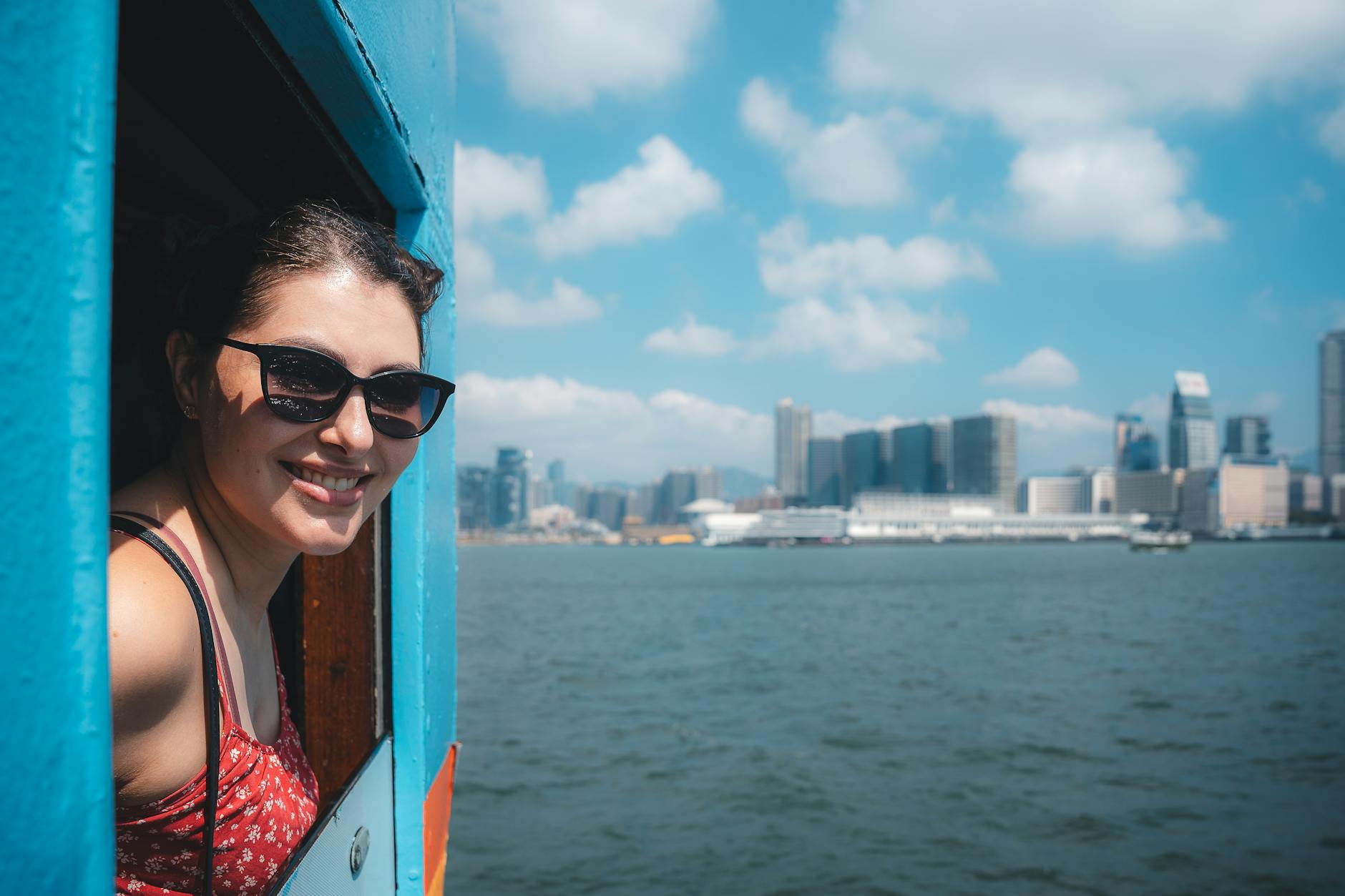
Tourists often build a Central day around the Peak, skyline photos, ferries, and harbor views. Those plans depend on weather, visibility, queues, heat, and timing. A hazy or rainy view block may not be worth protecting at the expense of better food, museums, shopping, or a ferry ride.
The visitor should keep view plans flexible. Central is strong because it offers alternatives: covered routes, restaurants, malls, galleries, ferry movement, and evening lights. A better tourist plan lets conditions decide which view is worth the effort.
- Check visibility, rain, heat, queues, and sunset timing before committing to view plans.
- Keep Peak, ferry, harbor, and skyline choices flexible rather than fixed.
- Use indoor or food-focused alternatives when weather weakens the view day.
Use ferries, MTR, taxis, and walking for different jobs
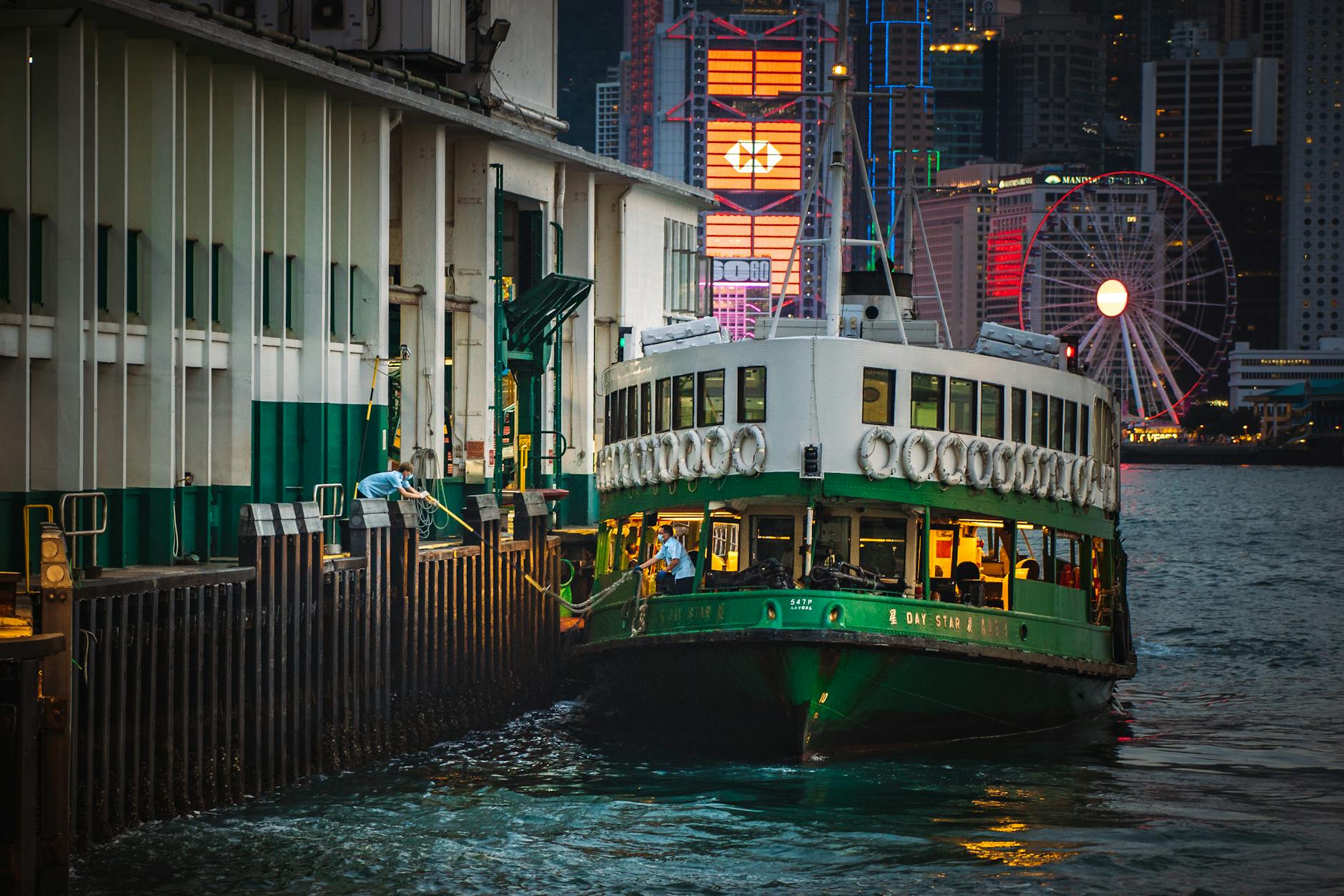
Central gives tourists excellent movement choices. The MTR is efficient for many district-to-district trips. Ferries make the harbor feel real. Taxis help with rain, luggage, and late returns. Walking can reveal the city when the route is deliberate. The mistake is using one mode by habit.
The visitor should learn the station exits, ferry piers, taxi pickup points, and when walking stops being useful. A route that is beautiful in the morning may be irritating in humidity or after dinner.
- Use MTR for efficient movement, ferries for harbor orientation, taxis for rain or fatigue.
- Walk when the route is worth seeing and the slope, heat, and footwear make sense.
- Check exits, piers, footbridges, and pickup points before time pressure appears.
Make food part of the route
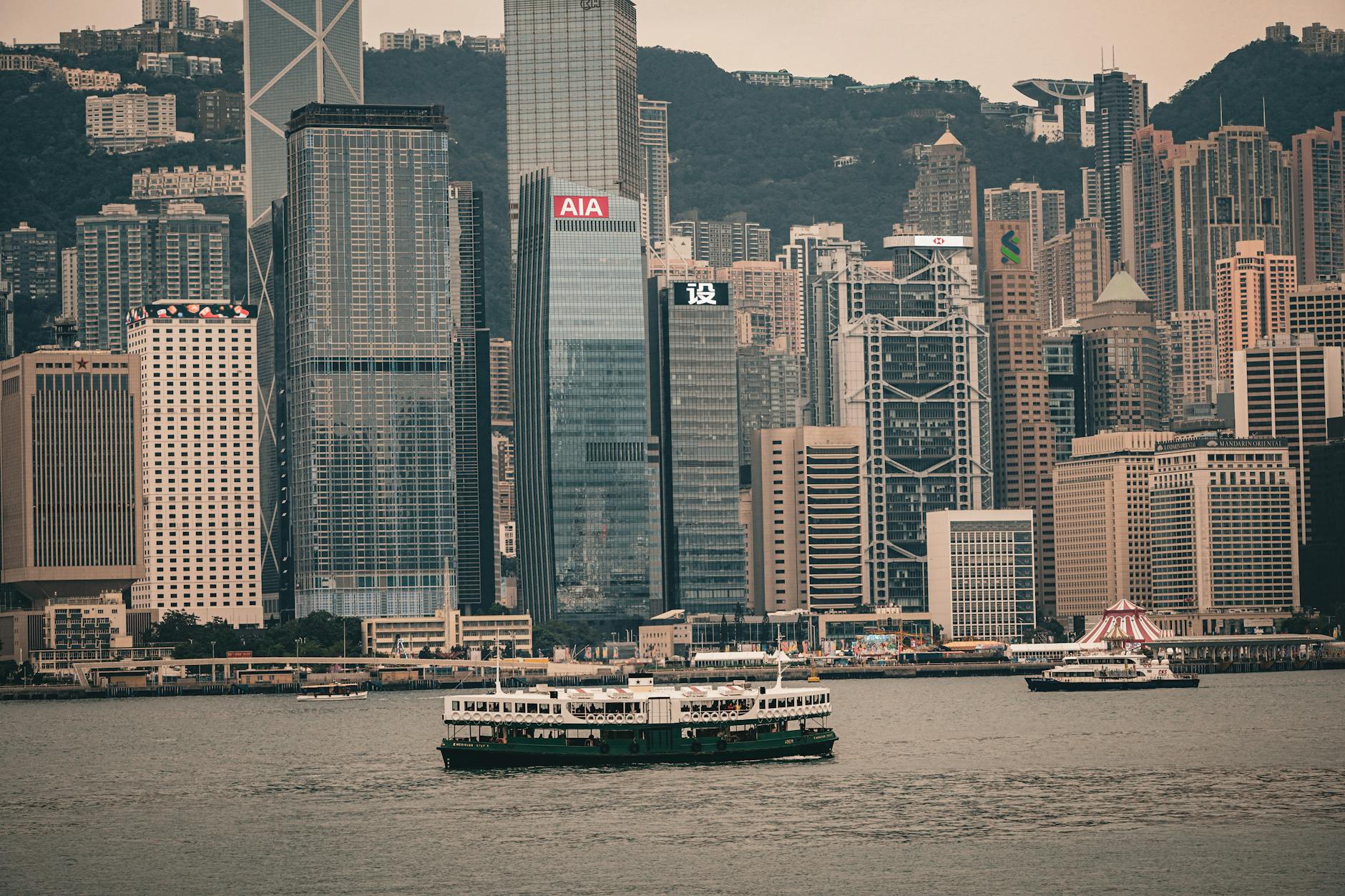
Central can support everything from simple snacks to serious reservations, but tourists should not let hunger decide the route. A good day places meals near the hotel, ferry, view point, market, mall, or evening plan. That keeps the visitor from drifting between options after energy has dropped.
Food planning should consider budget, dress, reservations, service charges, dietary needs, queue tolerance, and the route back. A memorable meal works best when it does not strand the traveler uphill or across the harbor at the wrong time.
- Anchor meals near the hotel, ferry, view plan, shopping area, or evening route.
- Check reservations, budget, dietary needs, queues, service charges, and return path.
- Keep a simple backup meal for arrival night or bad weather.
Keep evenings and weather practical
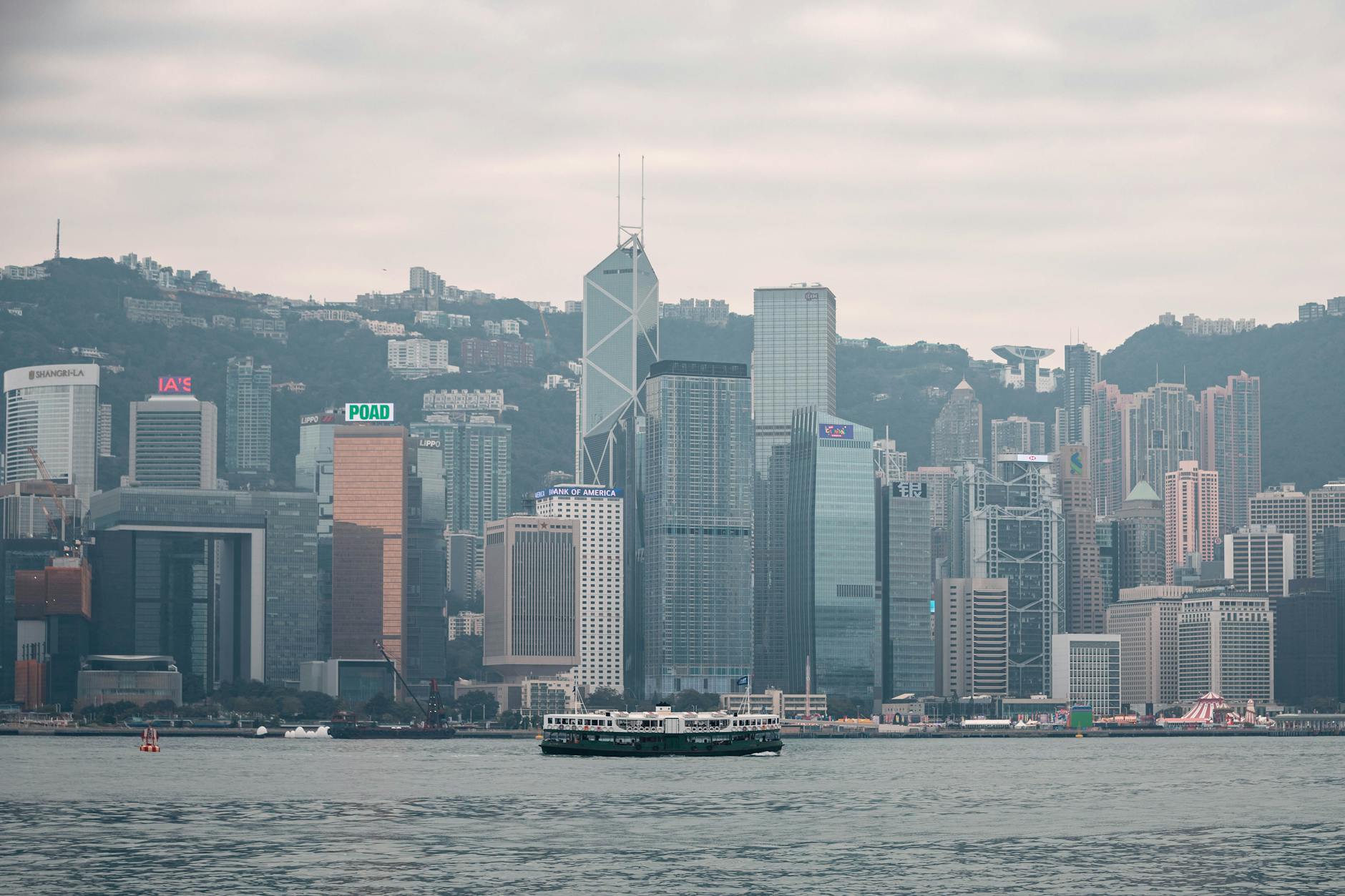
Central evenings can be one of the best parts of a tourist stay: lights, harbor movement, restaurants, hotel bars, nightlife streets, and hillside routes. They can also become tiring if the traveler keeps adding stops after heat, rain, or jet lag has already taken a toll.
The visitor should decide how the evening ends before it starts. The route from dinner or views back to the hotel should be obvious, and the traveler should have a taxi or transit fallback if rain, crowds, or fatigue change the plan.
- Plan dinner, views, bars, and walks with the return route settled first.
- Prepare for humidity, rain, air conditioning, crowded sidewalks, and steep streets.
- Stop the evening while the route home is still easy, not after judgment is worn down.
When to order a short-term travel report
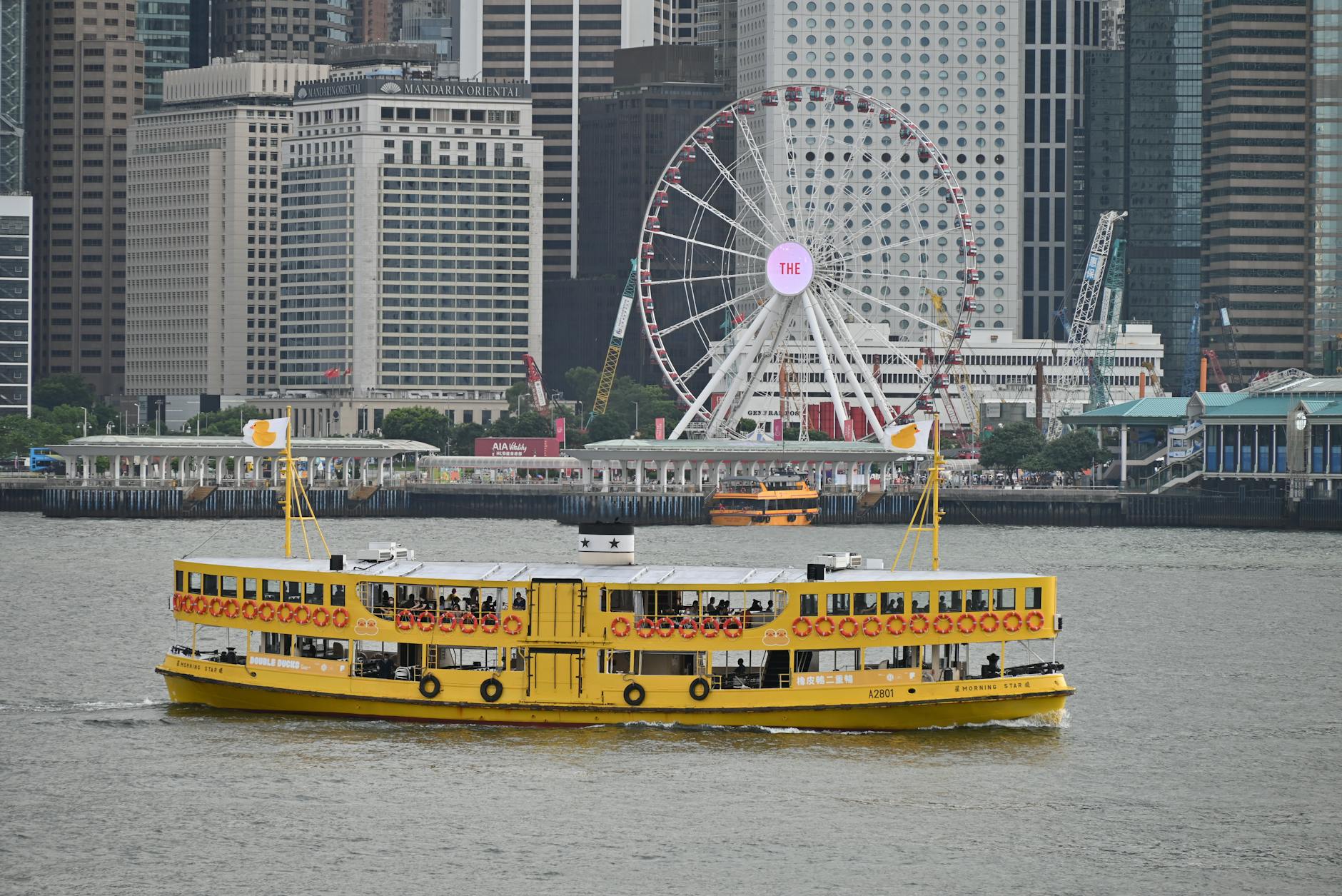
A tourist with several flexible days and a familiar hotel may not need a custom Central Hong Kong report. A report becomes useful when the stay is short, the hotel choice is unclear, the traveler wants strong food and view timing, mobility is limited, weather matters, budget is tight, or Central must be balanced with Kowloon and other Hong Kong districts.
The report should test hotel siting, arrival, Peak timing, ferries, MTR routes, food, evening returns, weather, medical access, budget, and what to cut. The value is a tourist stay that feels full without becoming chaotic.
- Order when hotel choice, views, food, transport, weather, budget, or pacing need testing.
- Provide dates, flights, hotel options, interests, mobility limits, food priorities, and budget.
- Use the report to make Central Hong Kong rewarding without overloading the trip.