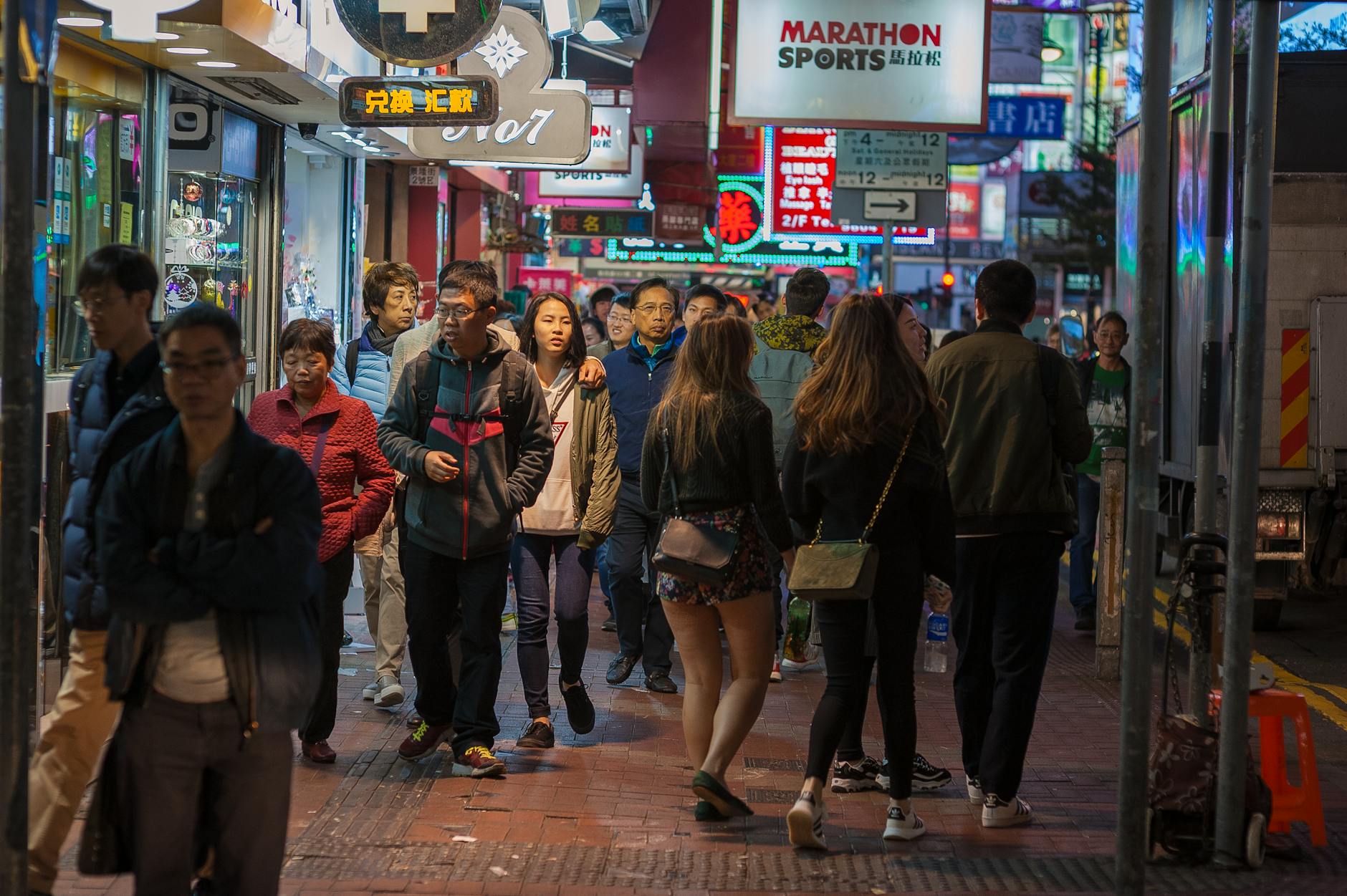
Central Hong Kong can be exciting for a student on a short program because it offers dense city life, transit, harbor movement, parks, cafes, museums, food, and access to wider Hong Kong. It can also be expensive, vertical, humid, crowded, and logistically confusing if the student assumes that a short program will organize every practical detail. The student should understand where the program actually happens, where they will sleep, how they will commute, what is included, and what they must handle independently. A short academic or professional program is not long enough to learn every lesson slowly. The plan should make the first week usable from the first day.
Confirm where the program actually operates
A student should not assume that a program labeled Hong Kong or Central is based in the same place every day. Lectures, site visits, housing, coworking sessions, university partners, company visits, and cultural activities may be spread across Central, Admiralty, Wan Chai, Kowloon, or campus locations elsewhere.
The first task is to map the required places and times. That map should shape housing, transit budget, meal planning, and how much independent exploration is realistic. A program schedule that looks light on paper can become demanding when commuting and heat are included.
- Map lectures, housing, site visits, company visits, cultural activities, and meeting points.
- Check whether Central is the base, a meeting district, or only one part of the program.
- Build commute time, weather, and meals into the academic schedule.
Treat housing as the main practical decision
Student housing in or near Central can be expensive, compact, and highly variable. The student should check room size, air conditioning, laundry, bathroom setup, desk space, Wi-Fi, building access, curfew or guest rules, kitchen access, nearby food, and the route from transit. A cheaper option can become stressful if it adds long commutes or difficult late returns.
The housing decision should also consider independence. Some students want a social residence. Others need quiet, privacy, or a simple route to class. A short program gives little time to recover from a poor housing fit.
- Check room size, air conditioning, desk, Wi-Fi, laundry, bathrooms, kitchen, rules, and access.
- Compare housing by commute, late returns, food nearby, sleep quality, and total cost.
- Choose the base that supports the program rhythm rather than only the lowest price.

Learn the transit system before orientation day
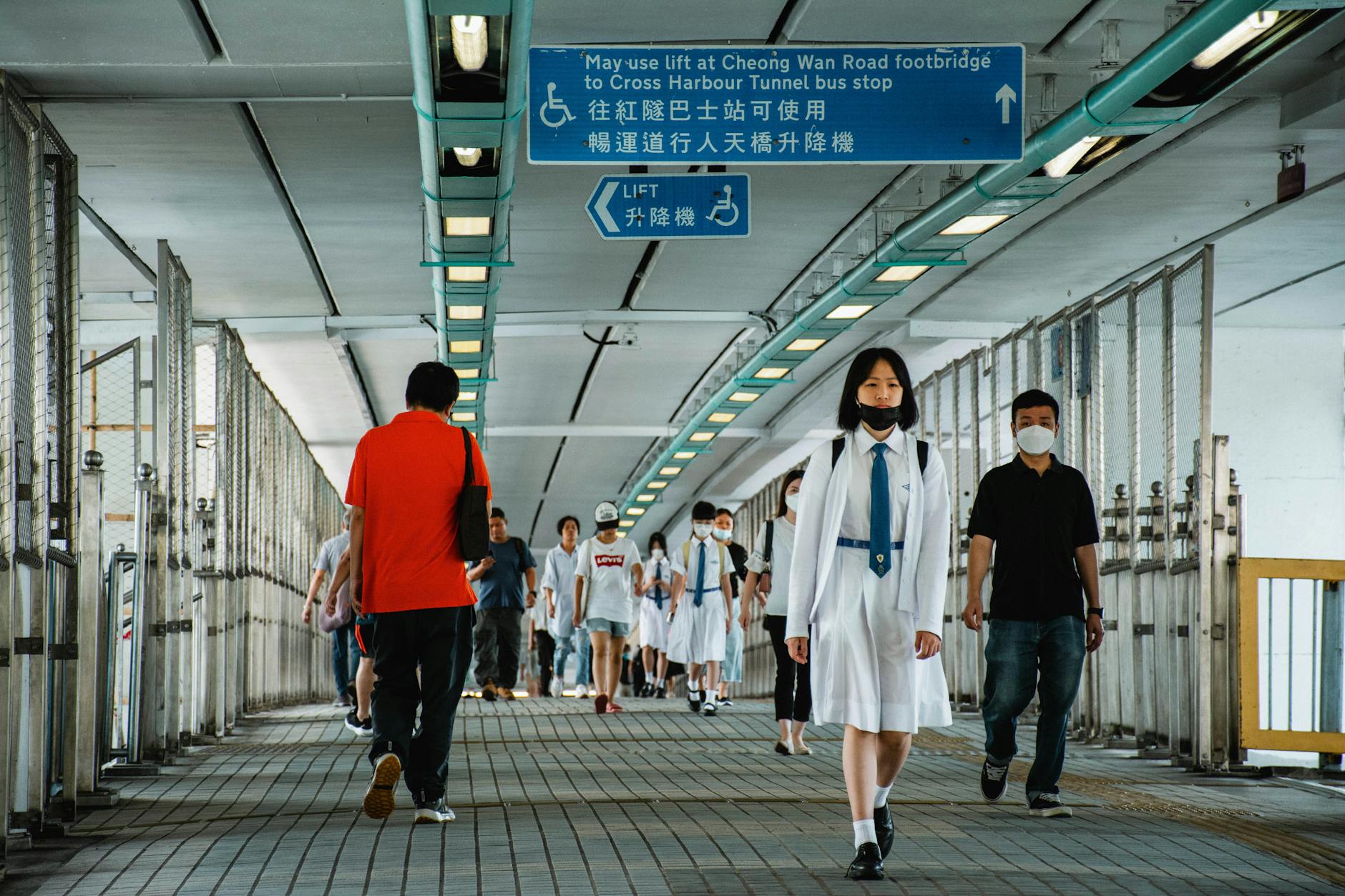
Central gives students excellent transport choices, but the first few days can still be confusing. MTR exits, ferries, buses, trams, elevated walkways, Octopus payment, phone navigation, and walking routes all need a little practice. The student should understand the required commute before a late or graded activity depends on it.
Transit is also a budget issue. Small rides add up, but walking everywhere is not always smart in humidity, rain, or after evening events. The student should learn when to pay for convenience and when a walk or ferry is part of the experience.
- Set up transit payment, phone navigation, offline addresses, and required commute routes early.
- Check MTR exits, ferry piers, bus stops, elevated walkways, and late return options.
- Use walking, transit, ferries, and occasional taxis according to weather, timing, and safety.
Make the budget specific before arrival
Central can make student spending feel slippery. Coffee, transit, convenience food, group meals, phone data, laundry, nightlife, taxis, museum entries, and weekend activities can add up quickly. The student should separate included program costs from personal costs before arrival.
A useful budget names everyday food options, one or two worthwhile paid experiences, emergency money, and a limit for social spending. The goal is not to make the trip joyless. It is to avoid reaching the final days with no flexibility left.
- Separate included costs from food, transit, data, laundry, activities, nightlife, taxis, and emergency money.
- Map affordable meals, supermarkets, bakeries, casual restaurants, and water or snack options.
- Decide which paid experiences are worth protecting before small expenses consume the budget.

Balance academic work with city use
A short program can tempt students to treat every free block as sightseeing time. That works only if the academic obligations are light and the student has enough sleep. Presentations, site reflections, group work, language practice, interviews, readings, or professional visits may require more preparation than expected.
Central has good study settings, but the student should identify them before deadlines arrive. A quiet cafe, residence study room, library-like space, or hotel desk can protect the program from becoming a blur of tired city movement.
- Reserve time for readings, group work, presentations, reflections, interviews, or professional prep.
- Identify quiet study places before the first deadline or group assignment.
- Use city exploration as part of the program, but do not let it erase the academic purpose.

Plan independence, safety, and social time
Central is busy and generally navigable, but students still need practical boundaries. Late returns, group nightlife, alcohol, unfamiliar stair routes, phone battery, payment backup, room access, and meeting-point clarity all matter. A student should know how to get back independently even when moving with friends.
Social time can be one of the strongest parts of a short program, but it should not become accidental risk or constant exhaustion. The student should keep a clear return plan, share location or check-in expectations when appropriate, and leave room for rest.
- Keep phone battery, payment backup, residence address, transit options, and return route ready.
- Set boundaries around late nights, alcohol, group splitting, and unfamiliar routes.
- Protect sleep and rest so social time does not damage the program itself.
When to order a short-term travel report
A student on a fully hosted program with housing, transfers, and clear daily structure may not need a custom Central Hong Kong report. A report becomes useful when the student must choose housing, commute independently, manage a tight budget, arrive alone, balance academic work with exploration, or extend the trip before or after the program.
The report should test program geography, housing, arrival, transit, budget, food, study settings, safety, weather, medical access, social plans, weekend options, and what to cut. The value is a short Central stay that helps the student learn and function instead of improvising every practical detail.
- Order when housing, arrival, commute, budget, food, safety, study time, or extensions need testing.
- Provide dates, program locations, housing options, budget, interests, rules, constraints, and arrival details.
- Use the report to make the Central Hong Kong short program easier to manage from day one.