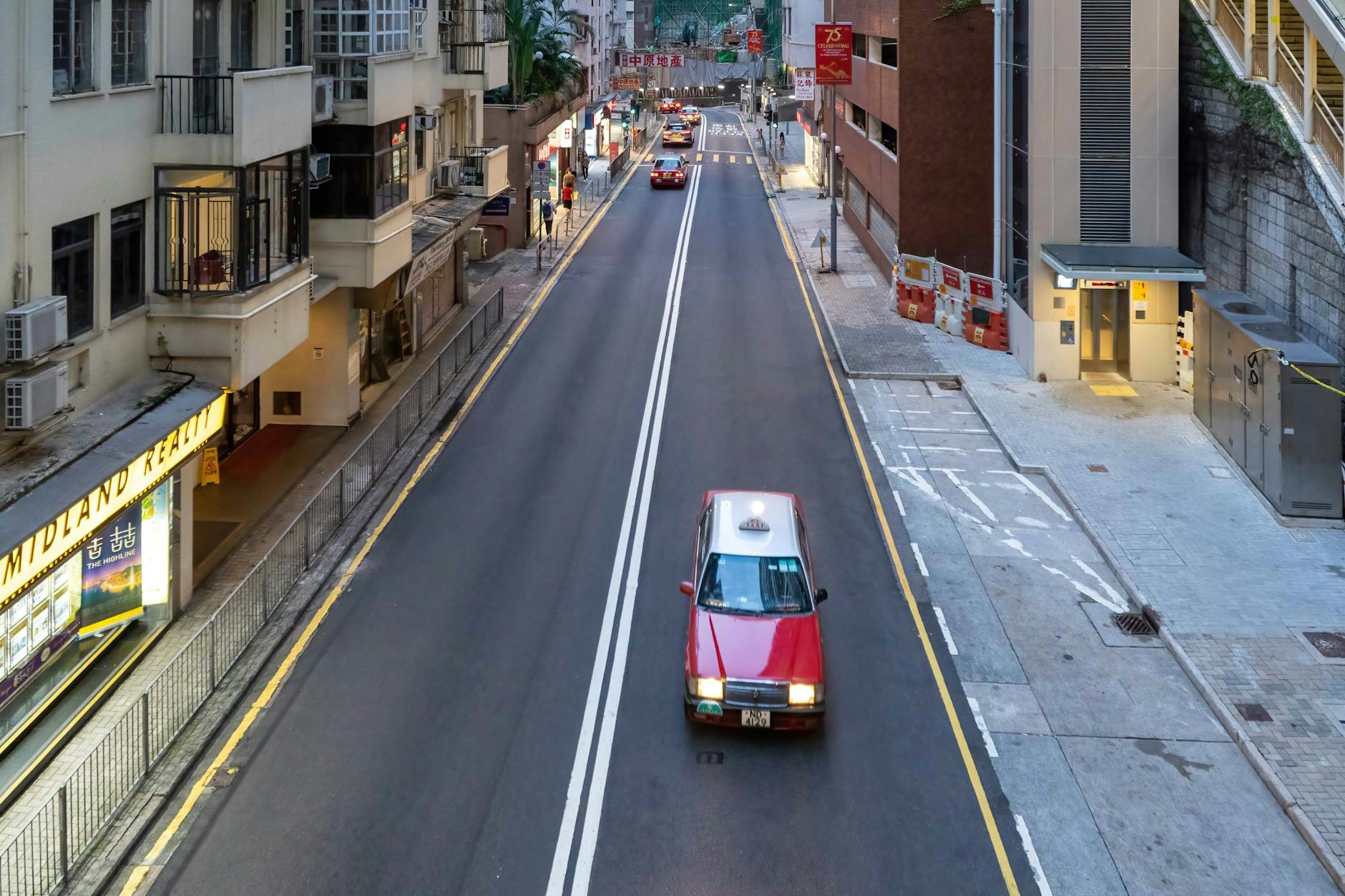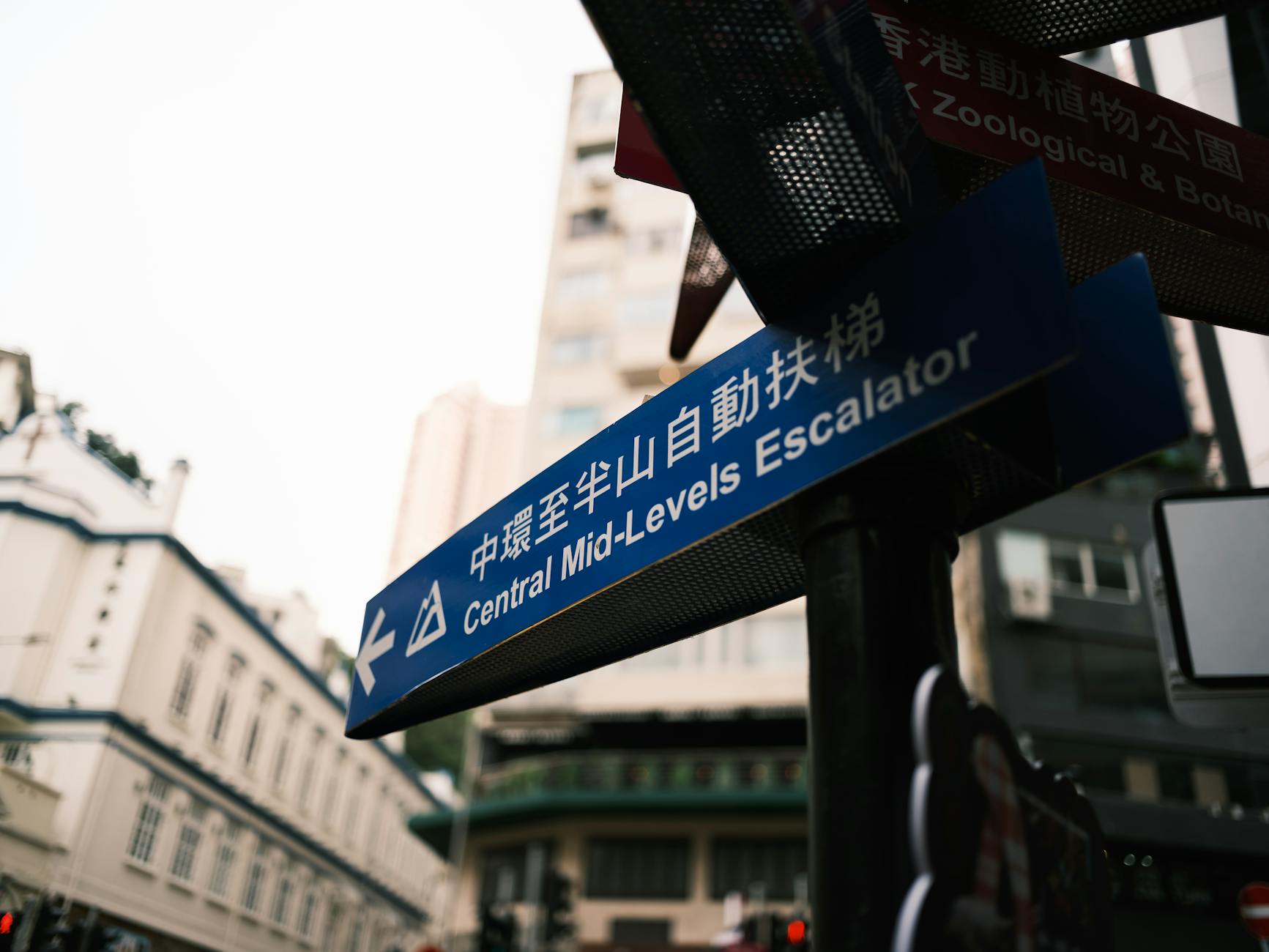
Central Hong Kong can be a strong solo base because it is dense, well connected, full of food and hotel options, and easy to use as a launch point for wider Hong Kong. It is also intense. The district can move quickly from office crowds to steep quiet streets, bar clusters, ferry piers, malls, late taxis, and humid uphill walks. A solo traveler should plan for independence without pretending every decision will be easy in the moment. The goal is not to make Central feel risky. It is to make the trip feel controlled. A good solo plan settles arrival, hotel location, first-night food, movement choices, evening returns, and backup options before the traveler is tired, carrying bags, and navigating alone.
Choose a base that makes solo arrival easy
A solo traveler should not choose a Central hotel only by rate or style. The first arrival matters: airport transfer, luggage, entrance visibility, front-desk hours, elevator access, street lighting, food nearby, and how simple the route feels when tired. A hotel that is technically central but hidden up a steep or confusing route can make the first night harder than necessary.
The better base gives the traveler an easy first meal, a clear return route, and enough transport options to avoid feeling trapped. Central has many good choices, but the right one depends on arrival time, budget, luggage, walking tolerance, and evening plans.
- Check arrival route, entrance visibility, luggage handling, elevator access, and late check-in.
- Choose lodging near food, transit, taxis, and a simple first-night return route.
- Avoid saving money with an address that makes every solo movement harder.
Learn the district in layers
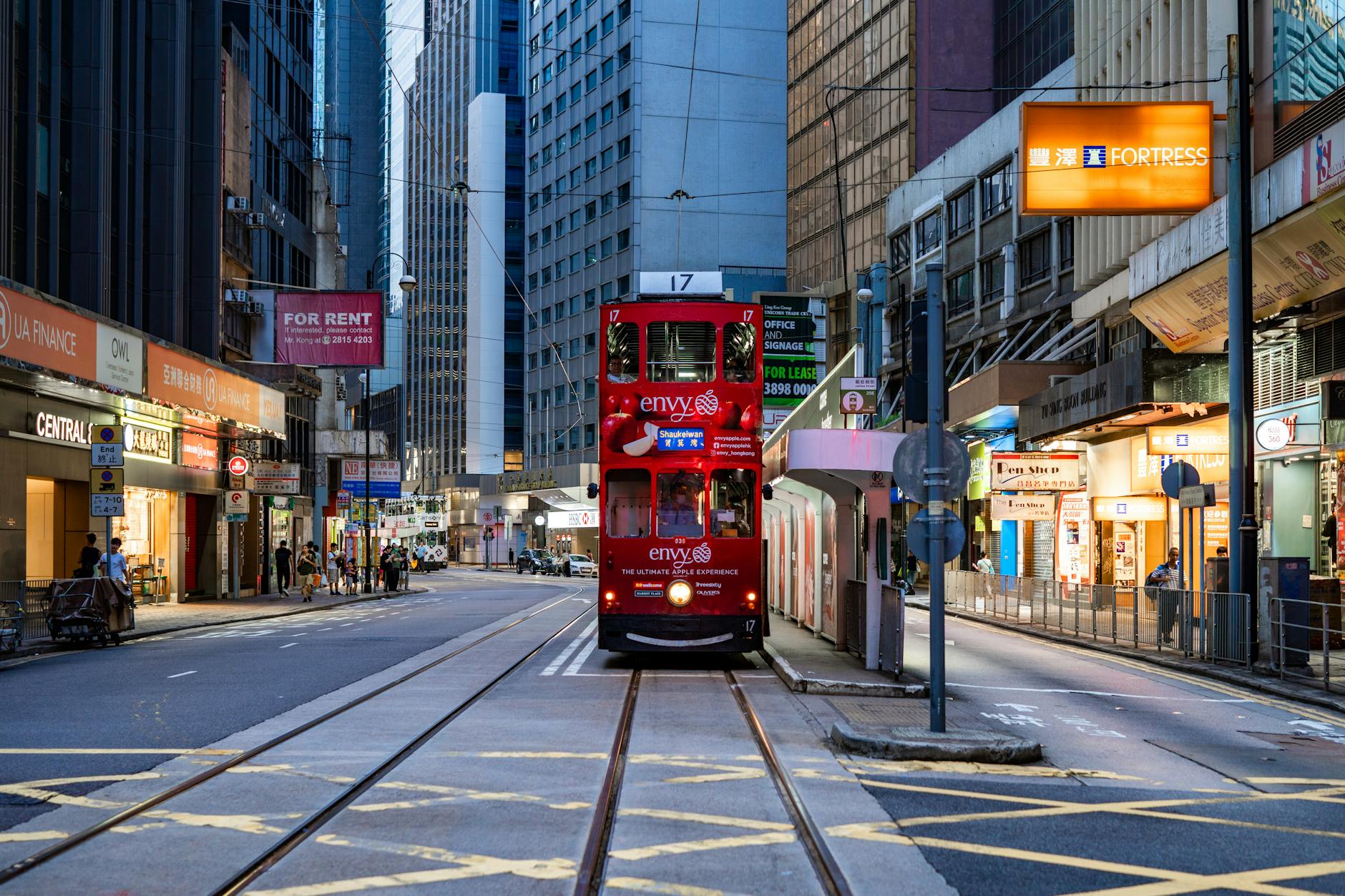
Central is easier for solo travelers when it is understood as layers: harbor edge, office core, malls, elevated walkways, hillside streets, Mid-Levels escalator, nightlife blocks, ferry piers, and MTR exits. A solo traveler should not rely on one map view to explain how the district will feel at street level.
A modest first loop can do more than an ambitious checklist. The traveler can learn where the hotel sits, where to get food, which station exit matters, how steep nearby streets are, and where the easiest taxi or ferry option is. That small orientation makes later independence more confident.
- Treat harbor, offices, malls, walkways, hills, escalators, and nightlife areas as different layers.
- Use a short first orientation loop to learn exits, food, slopes, and return routes.
- Do not judge difficulty by map distance alone.
Use transport to preserve energy and confidence
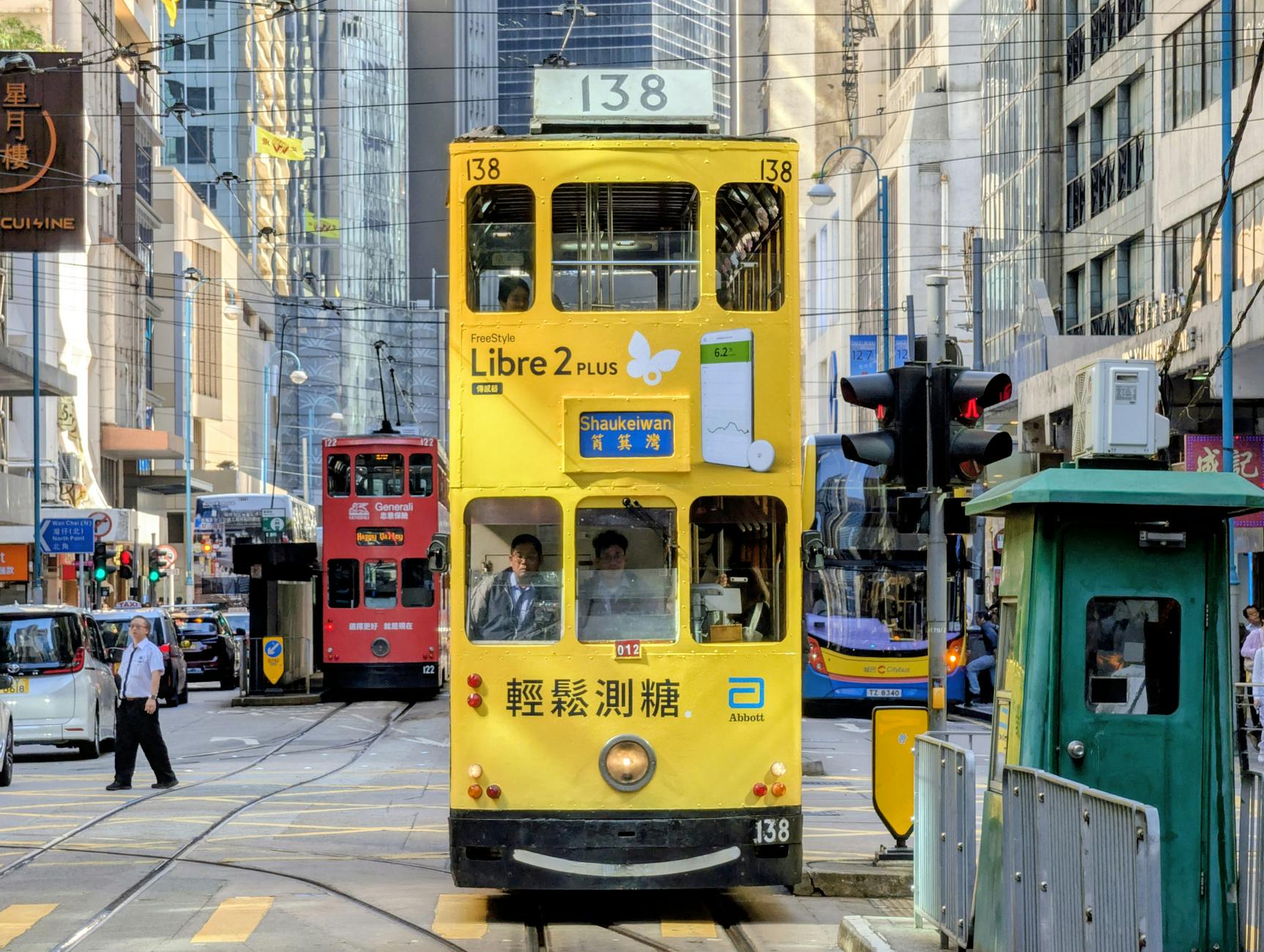
Central gives solo travelers strong transport options, and the best choice changes by moment. The MTR may be efficient for daytime movement. The ferry can make a solo harbor crossing enjoyable and simple. Taxis can help with rain, late returns, luggage, or uphill fatigue. Walking can be rewarding when the route is deliberate.
The traveler should decide before each outing what the return option is. Solo travel becomes weaker when the traveler keeps extending the day until tired, then has to work out a route from an unfamiliar block.
- Use MTR, ferries, taxis, and walking for different jobs rather than as fixed habits.
- Know the return route before dinner, drinks, views, shopping, or cross-harbor plans.
- Switch modes early when heat, rain, slopes, or fatigue make walking less useful.
Plan meals so solo dining feels intentional
Central can be excellent for solo dining, but the traveler should match meals to mood and timing. A quick arrival meal, a counter seat, dim sum, a hotel bar, a reservation, a market snack, or a quiet cafe can all be right on different days. The wrong choice is the one that leaves the traveler wandering hungry and indecisive after energy has dropped.
Solo travelers should know which meals require booking, which places are comfortable alone, how dress and budget work, and how far the return is. A good food plan gives the traveler freedom without forcing every meal to be a research project.
- Identify easy arrival meals, solo-friendly counters, reservations, cafes, and backup options.
- Match food plans to jet lag, budget, dress, noise tolerance, and return route.
- Keep one nearby fallback for nights when the traveler does not want to keep searching.
Be deliberate after dark
Central evenings can be lively, social, and rewarding for a solo traveler. They can also become messy if the traveler drifts between steep streets, bar areas, taxis, late MTR timing, and unfamiliar exits without a plan. The point is not to avoid nights out. It is to choose the night out with the return already solved.
A solo traveler should be practical about alcohol, phone battery, payment, route sharing, backup cash, and whether the route home involves hills or quiet stretches. A shorter, better-planned evening often produces more confidence than a longer improvised one.
- Choose bars, views, restaurants, and evening walks with the return route settled first.
- Manage phone battery, payment, alcohol, backup cash, and route sharing deliberately.
- Avoid extending the night into unfamiliar uphill or quiet streets after fatigue sets in.
Prepare for weather, crowds, and small friction
Solo travelers feel small friction more sharply because there is no second person to hold a bag, watch a table, check an exit, or call a car while the other navigates. Central's heat, rain, crowds, stairs, air conditioning, and confusing building connections should be planned for in small practical ways.
Shoes, umbrella, light layer, phone battery, data, transit payment, cash, medication, and a simple day bag can change the whole trip. The traveler should also leave enough unscheduled time to recover when the city takes more energy than expected.
- Carry shoes, rain layer, water, light layer, data, battery, payment, cash, and medication basics.
- Use covered routes, cafes, taxis, or hotel resets when weather and crowds reduce judgment.
- Leave open time so a solo day can change without feeling like failure.
When to order a short-term travel report
A confident solo traveler with several flexible days may not need a custom Central Hong Kong report. A report becomes useful when the stay is short, arrival is late, hotel choices are unclear, the traveler wants strong food or night planning, budget matters, mobility is limited, or the trip includes first-time Hong Kong decisions.
The report should test hotel siting, arrival, first-night food, transport choices, solo dining, evening routes, weather, phone and payment setup, medical access, budget, and what to cut. The value is a trip that feels independent because the awkward parts have already been thought through.
- Order when arrival, hotel choice, solo dining, evenings, mobility, weather, or budget need testing.
- Provide dates, flights, hotel options, interests, comfort level, constraints, and budget.
- Use the report to make Central Hong Kong independent, clear, and easier to enjoy alone.