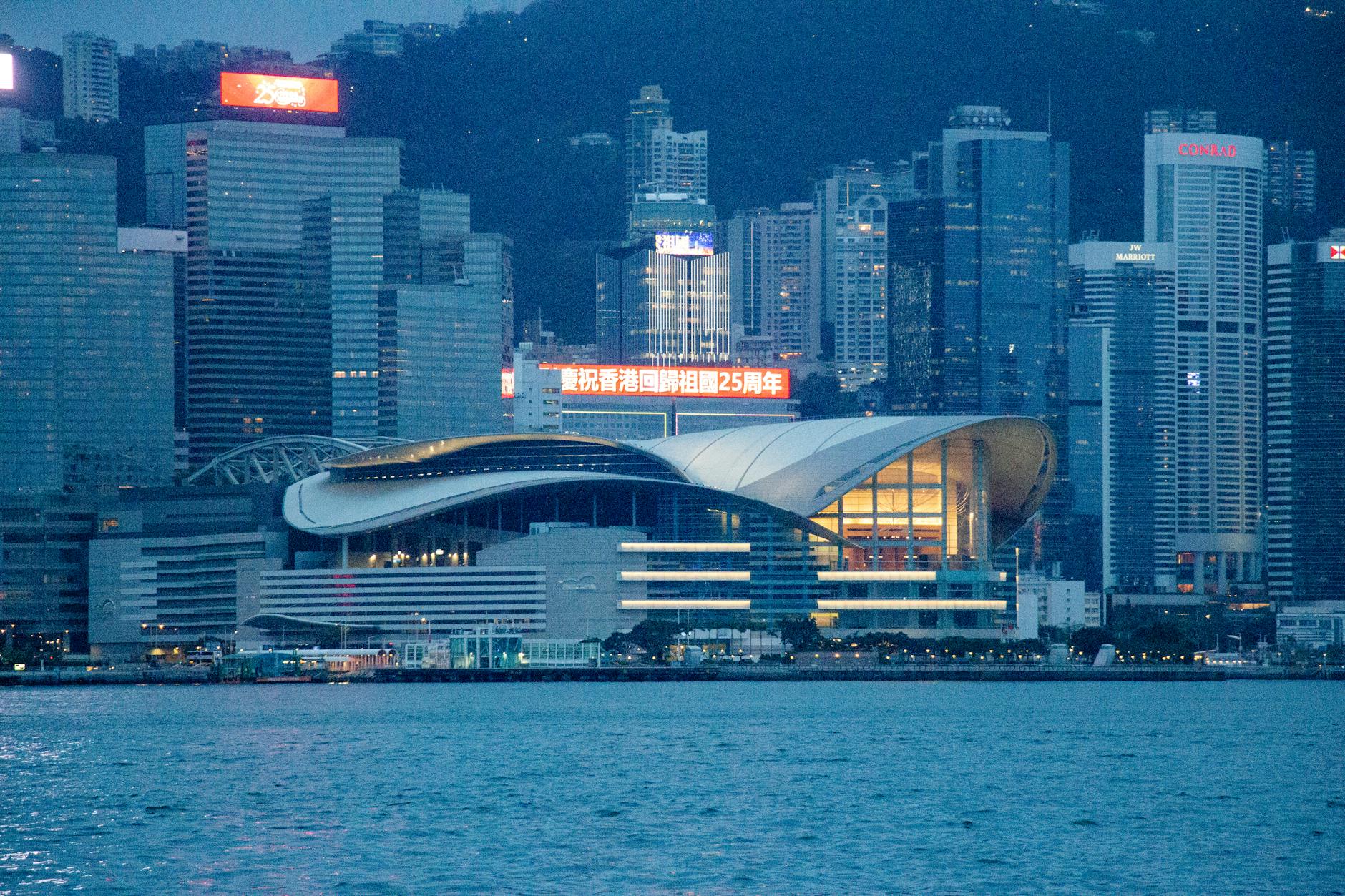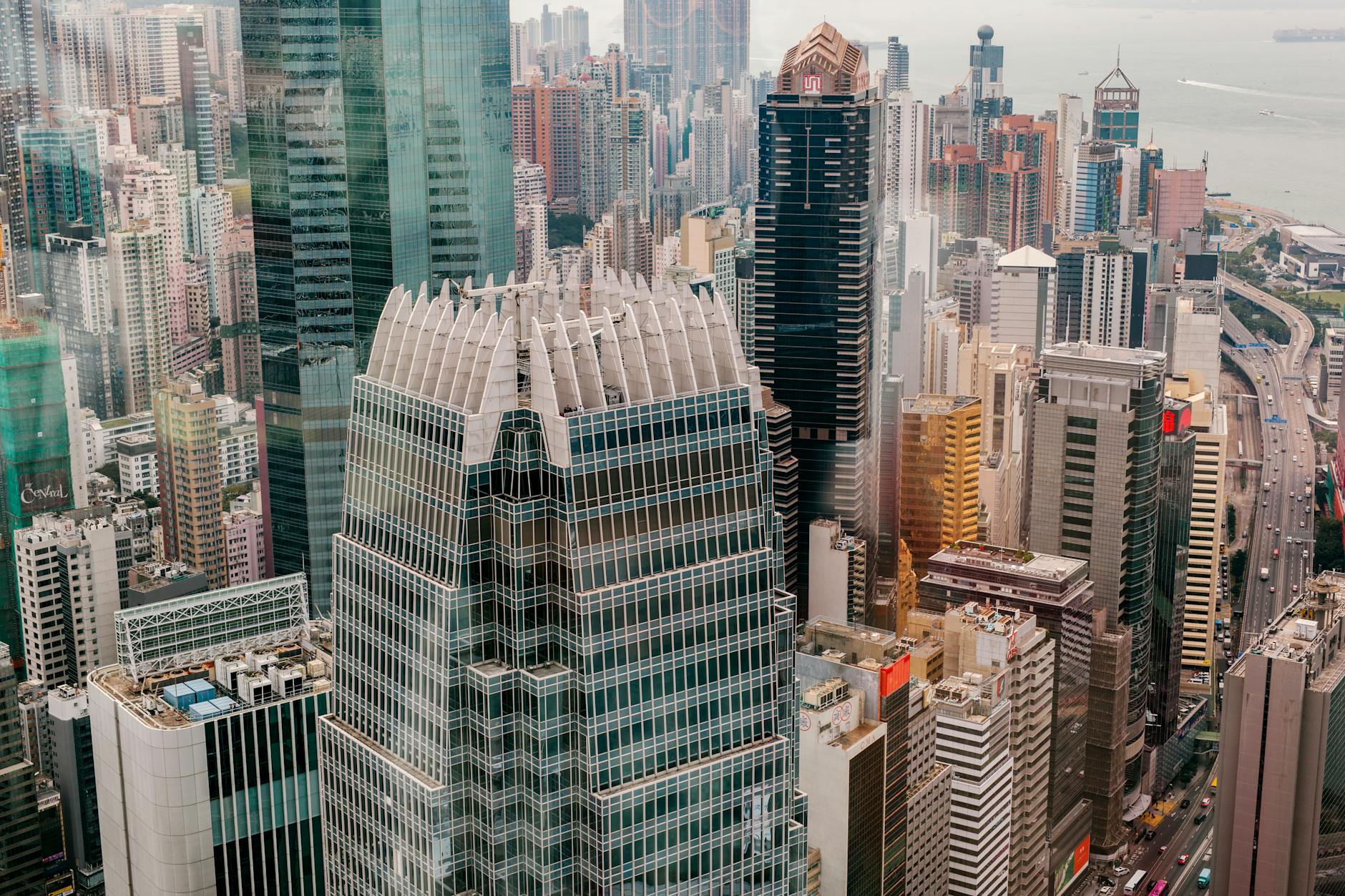
Central Hong Kong is a strong base for sales travel because it concentrates banks, professional services, corporate offices, hotels, restaurants, private rooms, and fast links to the rest of the city. That concentration can make the trip feel deceptively easy. A sales traveler still has to arrive composed, move between towers, protect client time, manage meals, handle follow-up, and keep enough energy for the conversation that actually matters. The trip should be built around the sales objective rather than around the city itself. Prospecting, renewal, partner management, enterprise sales, channel development, and executive relationship building do not need the same hotel, schedule, dinner plan, or transport choices. Central works best when the traveler knows which meeting is supposed to change the outcome.
Define the sales purpose before booking the base
A sales trip to Central should start with the commercial purpose. A first prospect meeting, renewal conversation, partner visit, investor-adjacent introduction, regional account review, or post-contract relationship trip each needs a different schedule. The traveler should identify the decision maker, influencer, internal champion, and next step before building the travel day.
Central is often convenient, but the client may actually be in Admiralty, Wan Chai, Kowloon, Quarry Bay, or another office cluster. The base should protect the highest-value conversations, not simply place the traveler near the most impressive skyline.
- Define whether the trip is prospecting, renewal, partner management, account review, or executive selling.
- Map decision makers, influencers, client offices, dinners, hotel, and airport links before booking.
- Choose Central when it supports the sales objective, not just because it is a recognizable address.
Sequence meetings by value and recovery
Sales travelers often try to maximize meeting count, but Central rewards sequencing by value. A senior buyer meeting should not be placed after an overheated cross-town transfer. A casual coffee should not consume the buffer before a difficult renewal conversation. A late dinner should not damage the next morning's strategic meeting.
The strongest schedule gives the most important meeting the cleanest arrival, best prep window, and easiest follow-up. Lower-value conversations can fill the edges only when they do not weaken the main commercial moment.
- Put the highest-value buyer or partner meeting where energy, preparation, and timing are strongest.
- Avoid stacking difficult meetings after long transfers, heat exposure, or late client dinners.
- Keep preparation and follow-up windows visible on the schedule.
Choose lodging as a sales tool
The hotel should help the traveler sell well. That means reliable sleep, breakfast, desk space, call privacy, iron or laundry access, fast taxi pickup, nearby client meals, easy bag storage, and a return route that still works after dinner. A hotel that looks stylish may be a weak sales base if it adds friction before every serious conversation.
A Central hotel can also function as a hosting platform. Lobby tone, lounge quality, restaurant access, and discretion matter when a prospect or partner is joining the traveler nearby. The base should make the traveler look prepared without forcing unnecessary spend.
- Check sleep, desk, Wi-Fi, call privacy, laundry, breakfast, taxi pickup, and bag storage.
- Consider whether the hotel can support coffee, drinks, dinner, or quiet client conversation.
- Choose the base that protects sales readiness and hosting, not just rate or view.
Move by appearance, materials, and client seniority
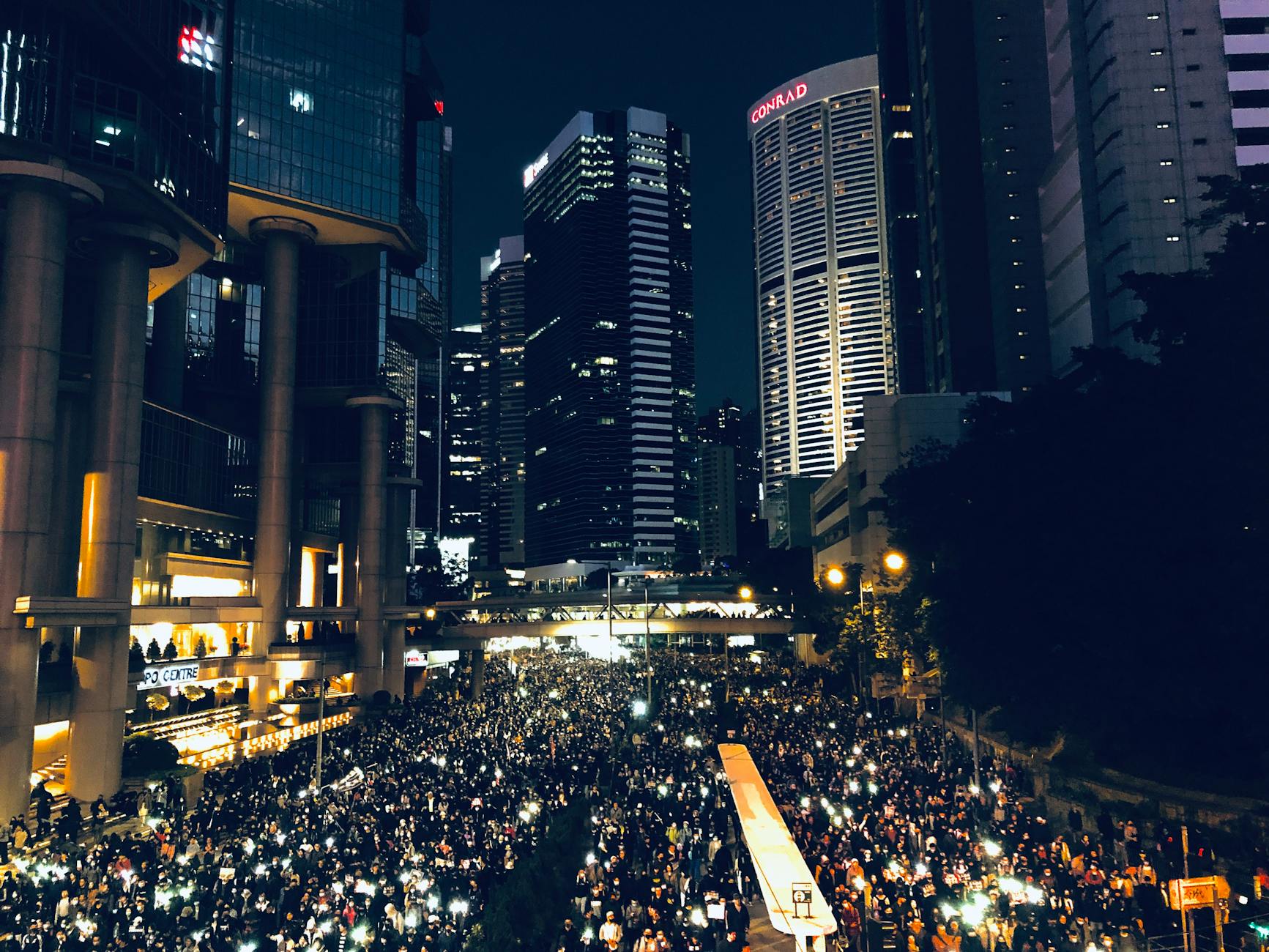
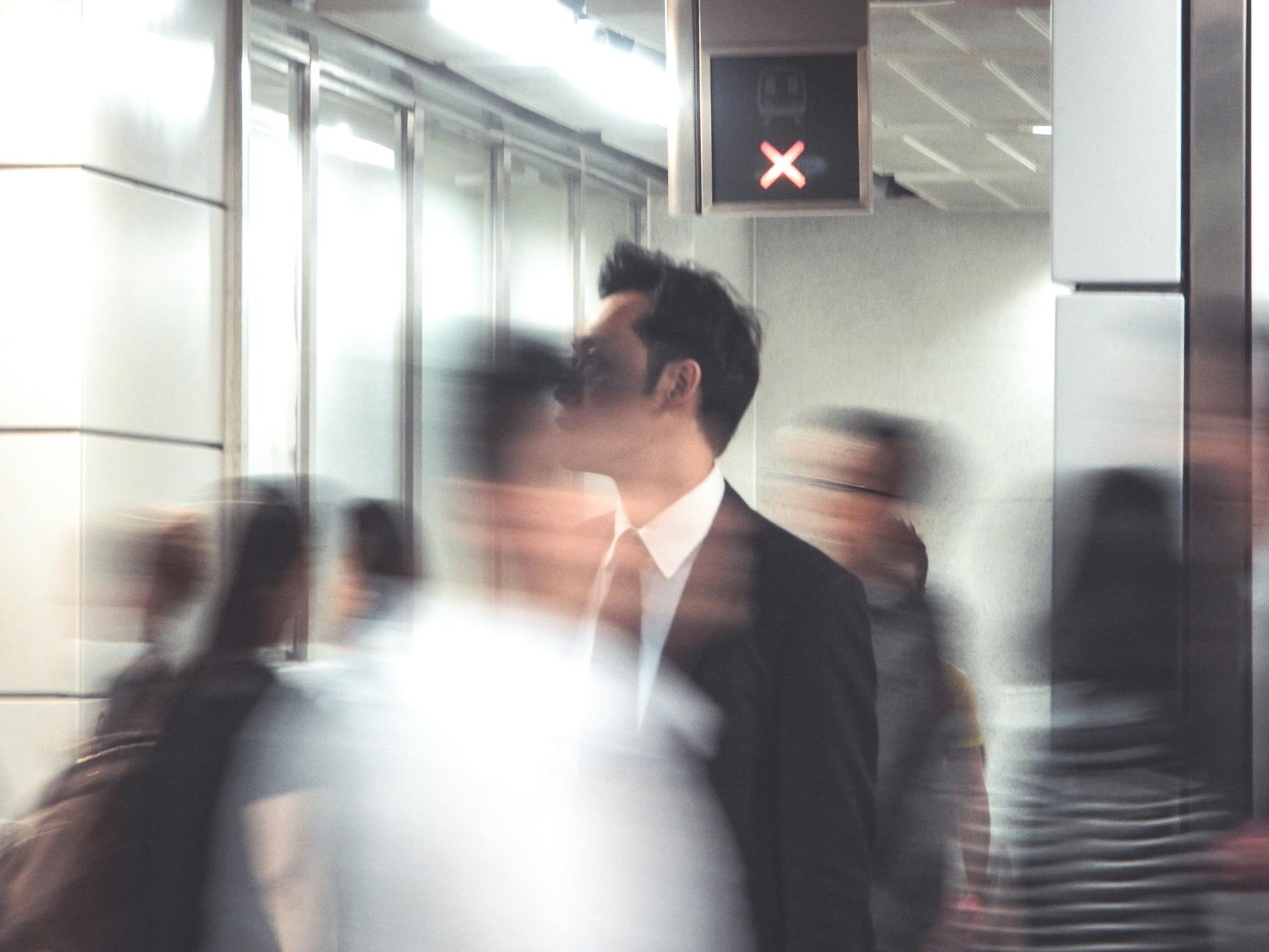
Central movement choices should match the meeting that follows. The MTR can be efficient for light, familiar routes. Taxis or cars may be better with formal clothing, samples, decks, rain, senior clients, or a tight arrival window. Walking can be useful, but only if slope, humidity, footwear, and presentation materials are realistic.
The traveler should know the exact tower entrance, lift bank, security process, pickup point, and return route before leaving the hotel. Showing up rushed, damp, or at the wrong lobby is a sales problem, not just a navigation problem.
- Choose MTR, taxi, car, ferry, or walking by clothing, materials, weather, timing, and client level.
- Check building entrance, security, elevators, pickup points, and covered routes in advance.
- Spend on transport when it protects the meeting outcome.
Use meals and evenings deliberately
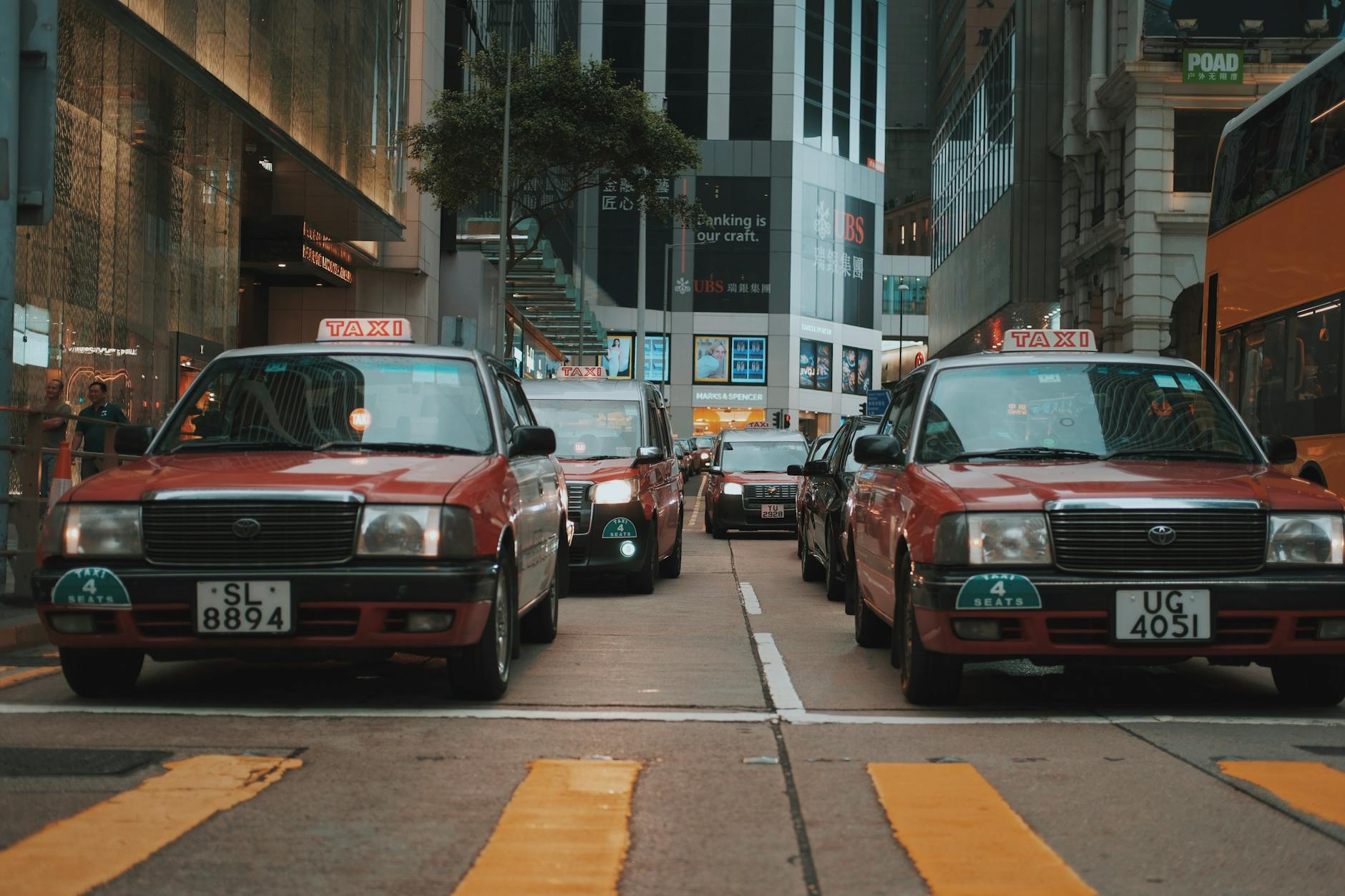
Central is excellent for sales meals, but that does not mean every meal should be expensive or late. Breakfast may be preparation time. Coffee may be a low-pressure introduction. Lunch may fit a buyer's schedule better than dinner. A formal dinner may be right for an executive relationship, but wrong before an early workshop.
Evening hosting should have a clear purpose and a clean ending. The traveler should know the venue tone, noise level, dietary fit, payment expectations, return route, and next-day obligations before accepting or proposing the plan.
- Match breakfast, coffee, lunch, dinner, and drinks to the sales purpose and client seniority.
- Check privacy, noise, dietary needs, payment, dress, and route back before hosting.
- Avoid extending an evening when it weakens the next meeting or follow-up work.
Protect follow-up before the trip ends
Sales value is often created after the meeting, when notes are captured, objections are clarified, next steps are sent, and internal teams receive useful context. A short Central trip can blur quickly if every open hour becomes another meeting or dinner. The traveler needs protected time to turn conversations into action.
Follow-up blocks should be planned around privacy, Wi-Fi, time zones, flight timing, and mental energy. A hotel room, business lounge, quiet cafe, or airport pause can all work if they are deliberately reserved.
- Reserve time for CRM notes, objections, proposals, internal updates, and next-step messages.
- Choose private work settings for sensitive account details and pricing conversations.
- Plan follow-up before departure so the trip produces movement, not just meetings.
When to order a short-term travel report
A sales traveler with one familiar account and a hosted hotel may not need a custom Central Hong Kong report. A report becomes useful when the traveler has multiple prospects, senior buyers, uncertain office locations, tight arrival timing, hosted meals, demo materials, pricing sensitivity, or a narrow window to create the next commercial step.
The report should test client geography, hotel fit, meeting sequence, transport, appearance risks, hosting options, weather, work blocks, follow-up windows, airport transfers, budget, and what to cut. The value is a Central sales trip that supports revenue rather than merely filling a calendar.
- Order when client geography, hotel choice, meeting sequence, hosting, or follow-up needs testing.
- Provide dates, client locations, meeting schedule, hotel options, materials, constraints, and budget.
- Use the report to keep the Central Hong Kong sales trip commercially focused.