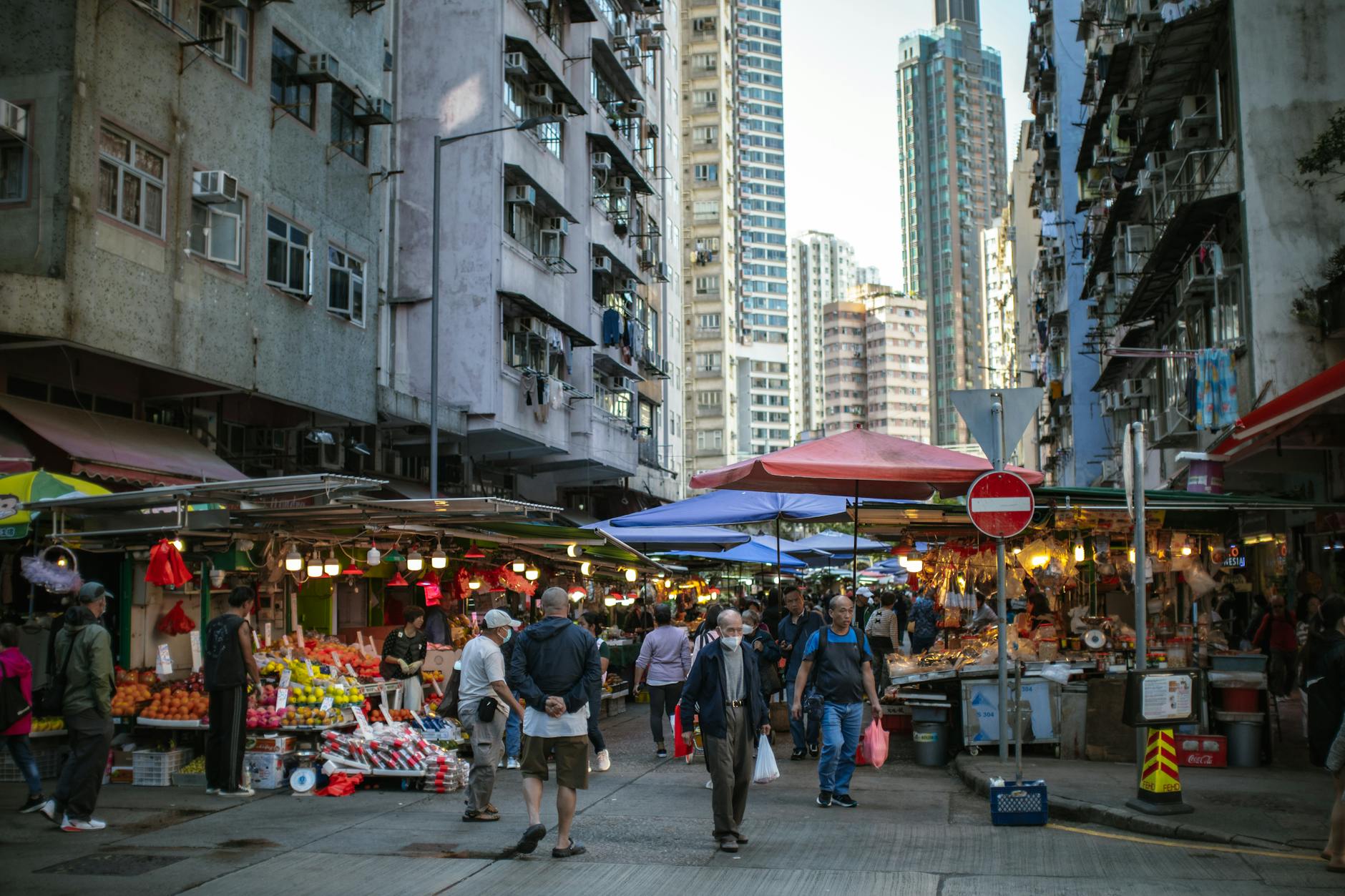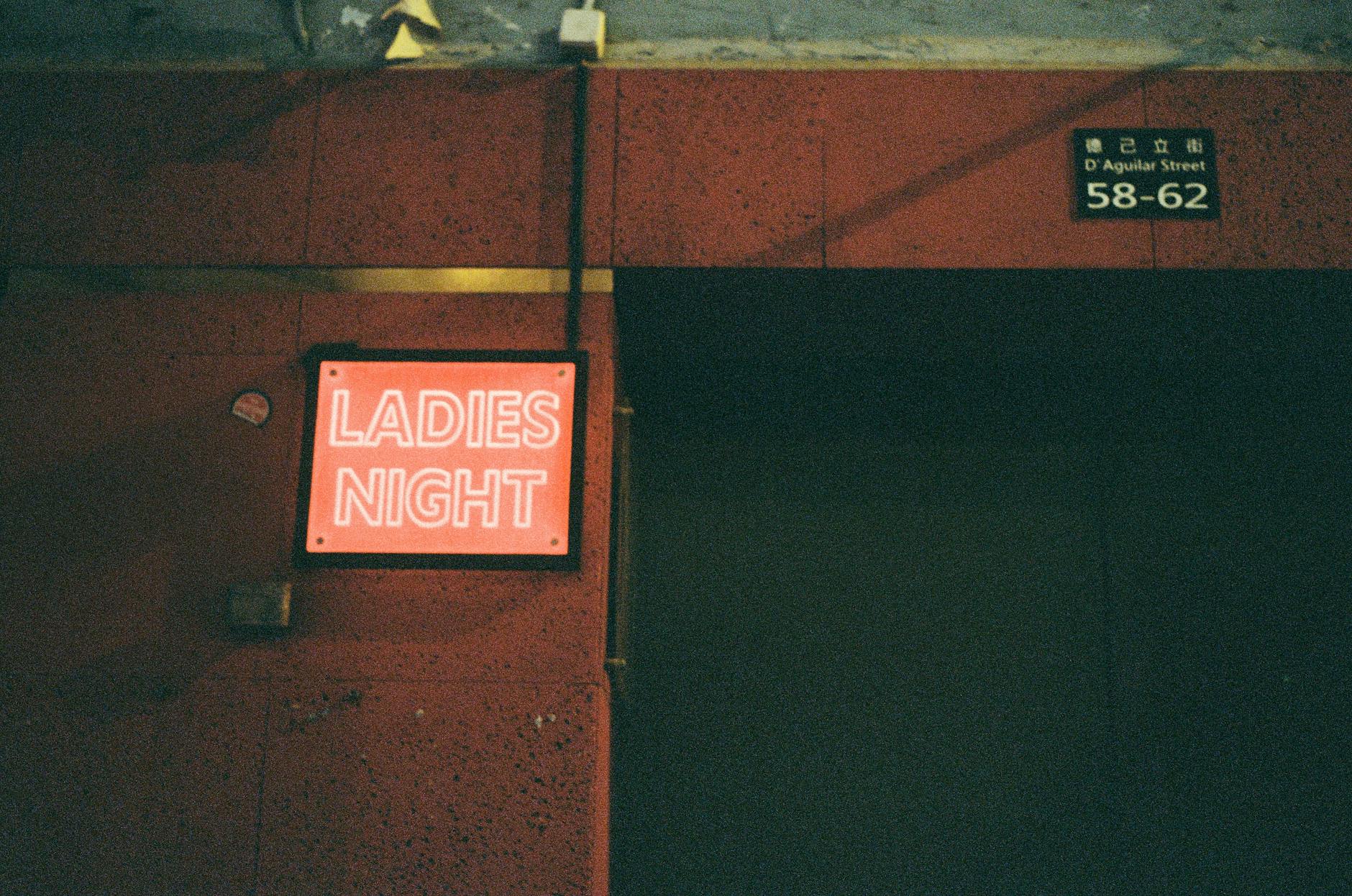
A repeat leisure visitor does not need Central Hong Kong explained as if it were a first stop. The question is different: how does the traveler make the return trip feel worthwhile rather than automatic? Central can still deliver, but the strongest visit may come from better timing, quieter streets, more deliberate food, smaller galleries, old favorites, and easier movement into adjacent districts. The repeat visitor should not simply rerun the Peak, malls, ferries, and skyline loop unless that is genuinely the point. A better return stay uses familiarity to reduce friction and make room for more specific choices.
Decide what should be different this time
Repeat visitors should start by naming what they want from the return. It may be better food, quieter hotel rhythm, galleries, small streets, harbor time, easier wellness, nightlife, shopping, old favorites, or using Central as a base for other districts. Without that decision, the trip can drift into a slightly diluted version of the first visit.
Central works well for repeat travel when the visitor turns familiarity into selectivity. The return trip does not need more stops. It needs better chosen stops.
- Name the reason for returning before booking hotel, meals, or activities.
- Choose whether the trip favors food, art, shopping, wellness, nightlife, views, or wider movement.
- Use familiarity to cut weak activities rather than add more of them.
Reconsider the hotel instead of repeating it by habit
A hotel that worked on a first visit may not be the best base for a repeat leisure stay. The traveler may now care less about obvious sights and more about sleep, restaurants, galleries, ferry access, quiet streets, spa time, or routes to Sheung Wan, Admiralty, Wan Chai, or Kowloon. The lodging decision should reflect this trip's purpose.
Central's hotel geography still matters. Slope, entrances, late returns, breakfast, taxi pickup, and nearby meals can either make the return feel easy or make the traveler wonder why the trip still feels like work.
- Recheck the old hotel against this trip's food, art, nightlife, wellness, or district priorities.
- Compare slope, entrance, breakfast, quiet, taxi pickup, MTR, ferry, and late-return routes.
- Move bases if a different Central edge fits the return trip better.
Go smaller on routes and deeper on choices
Repeat visitors can improve the trip by choosing smaller routes. A morning around Sheung Wan edges, an art-and-cafe block, a ferry-and-food loop, a gallery afternoon, or a quieter hillside walk can feel more rewarding than redoing the same high-volume sightseeing path.
The visitor should avoid turning deeper travel into scattered travel. Central still has hills, heat, crowds, and confusing connections. A focused half-day often beats a clever itinerary that crosses the district repeatedly.
- Build route blocks around food, art, ferries, streets, views, or neighborhoods instead of landmarks.
- Use Sheung Wan, Admiralty, Wan Chai, Kowloon, or harbor links deliberately, not randomly.
- Keep the route compact enough to enjoy details rather than chase novelty.
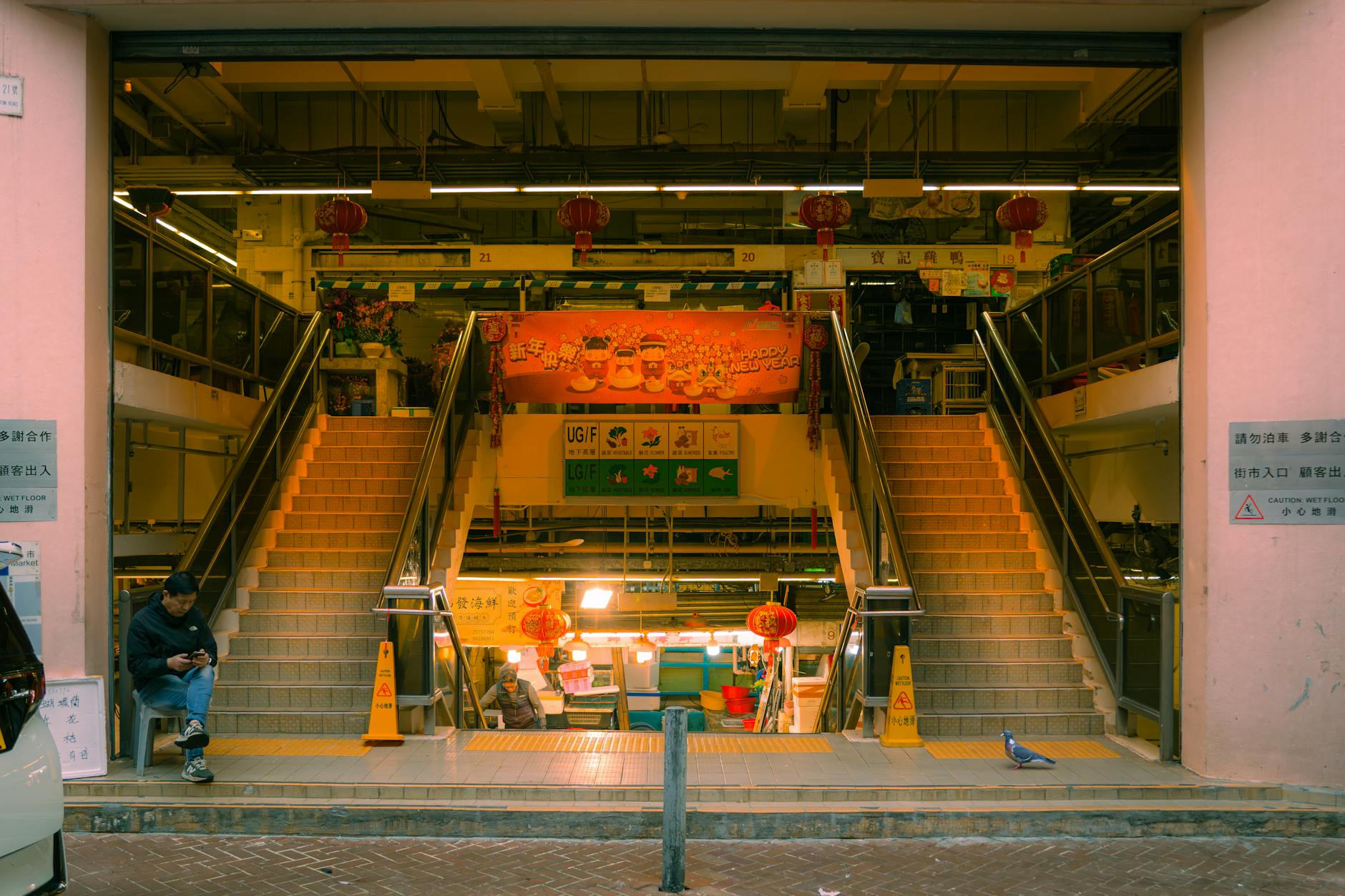
Use food and reservations as anchors
For many repeat leisure visitors, food is the best reason to come back. Central can support serious reservations, casual noodles, dim sum, bakeries, bars, hotel dining, coffee, and late snacks. The problem is not finding food; it is choosing meals that make the day coherent.
The traveler should anchor each day with one food priority, then let nearby streets, galleries, ferries, or shopping fill the edges. That keeps meals from becoming either overplanned or left until hunger forces a weak choice.
- Set one food priority per day and build the route around it.
- Balance reservations with casual backups for weather, fatigue, or changed mood.
- Check opening days, queue expectations, service charges, dress, and return route.
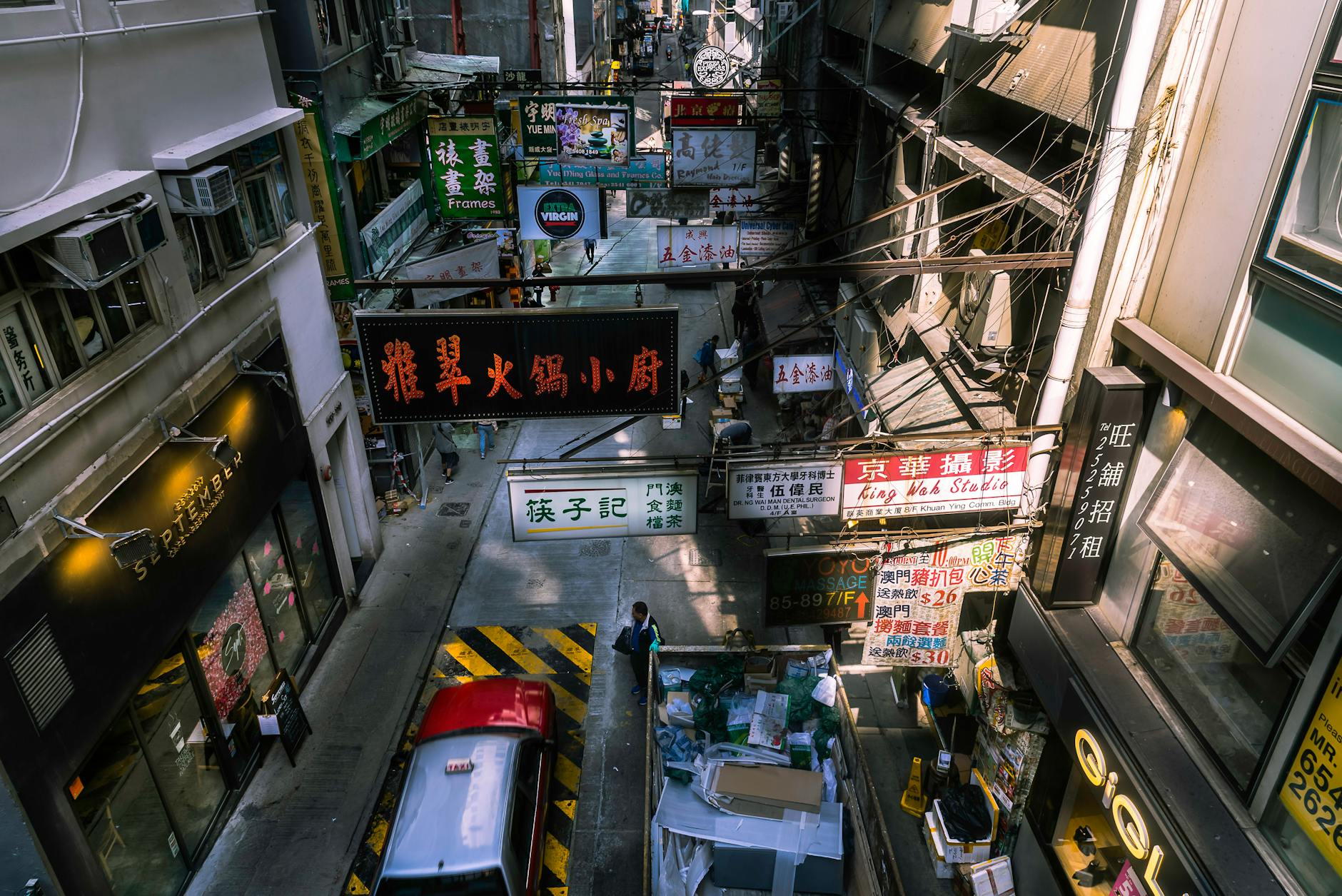
Avoid familiar crowd traps at the wrong time
Repeat visitors often know where the crowds are but still run into them because the schedule is casual. Central's peak periods, office rush, lunch crush, ferry timing, view queues, rainy taxi demand, and nightlife movement can still shape the trip. Familiarity should help the traveler avoid predictable friction.
The best return visit may use early mornings, slower afternoons, later meals, or rainy-day indoor routes more intelligently. The goal is not to avoid people. It is to stop letting known pressure points control the day.
- Plan around office rush, lunch crowds, ferry timing, view queues, rain, and late taxis.
- Use early, late, or indoor blocks when familiar sights are too crowded.
- Let weather and crowd signals change the day's sequence without guilt.
Make evenings feel intentional again
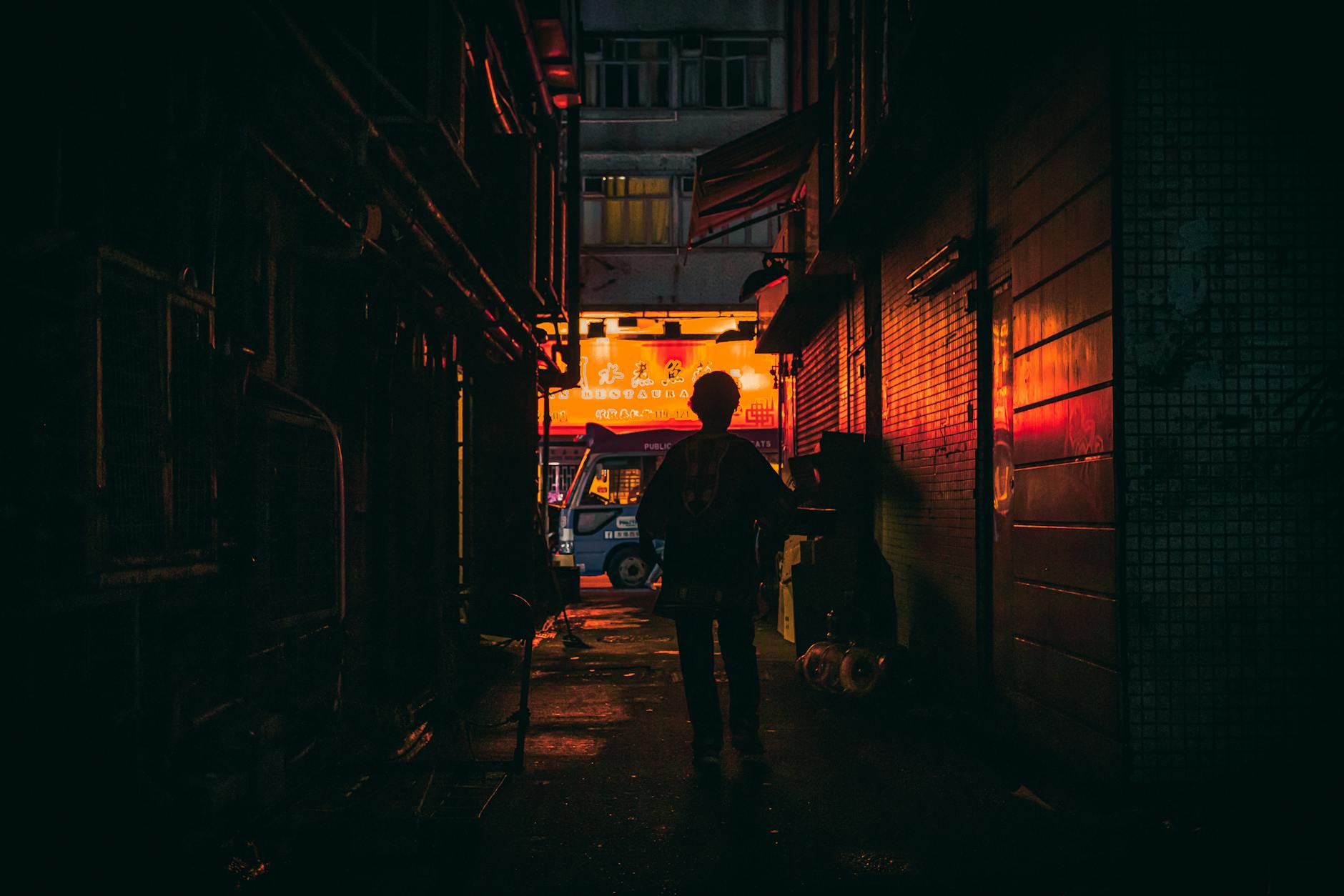
A repeat leisure visitor may already know Central's obvious evening pattern. That can lead to a better night or a lazy rerun. The traveler should decide whether the evening is about dinner, a quiet view, live energy, hotel bar ease, a ferry return, or one specific neighborhood rather than drifting from place to place.
Return planning still matters. Familiar streets can feel different after rain, alcohol, or fatigue. A good repeat evening has a clean ending, not just a strong beginning.
- Choose one evening purpose: dinner, view, nightlife, quiet drink, ferry, or hotel recovery.
- Plan the route home before the night starts, especially after rain or late dining.
- Skip familiar but mediocre stops that only fill time.
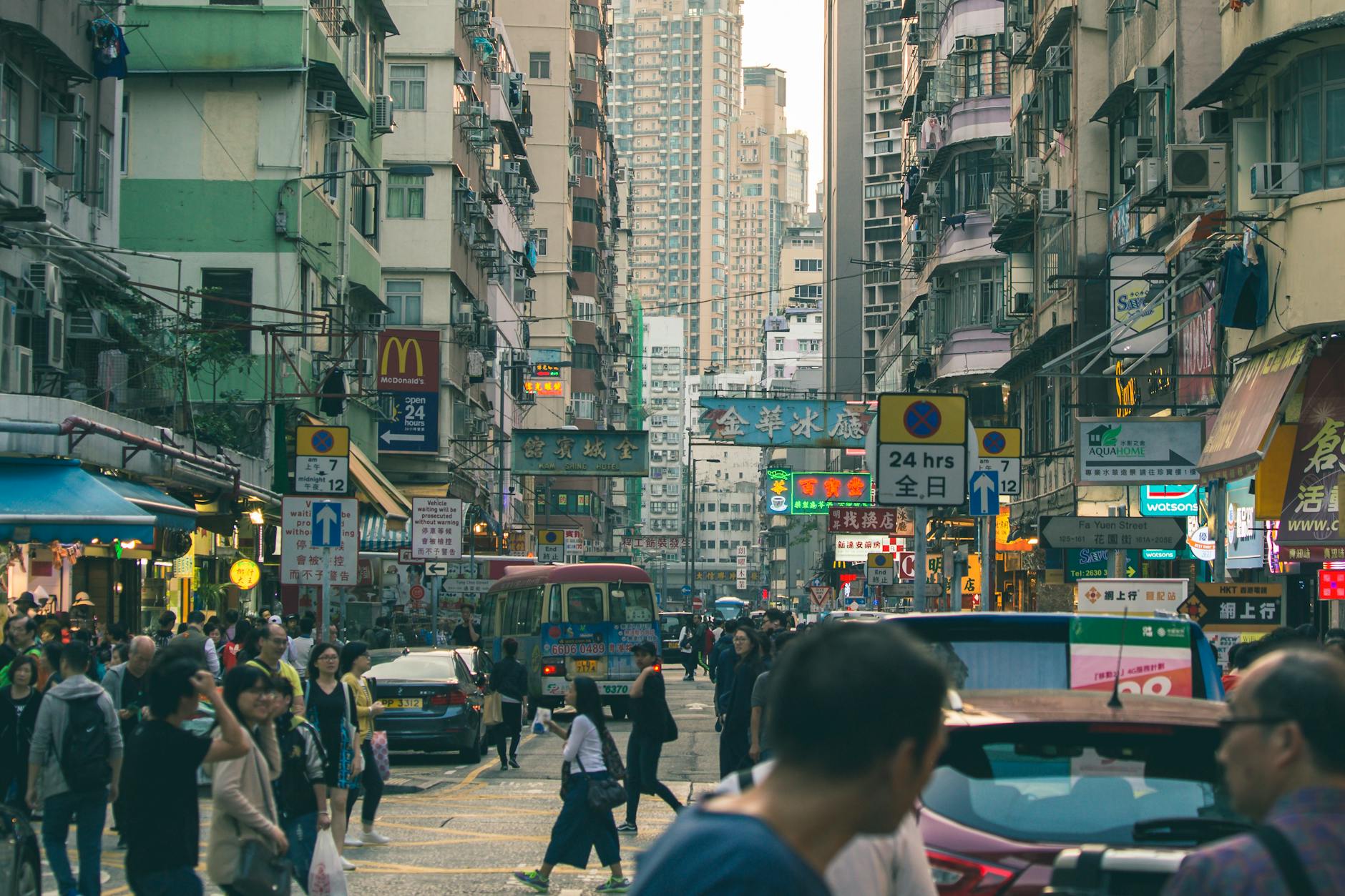
When to order a short-term travel report
A repeat visitor who already knows the hotel, food priorities, and district rhythm may not need a custom Central Hong Kong report. A report becomes useful when the traveler wants the return trip to feel substantially different, is choosing a new hotel, has limited nights, cares about food and gallery timing, wants better crowd avoidance, or is balancing Central with newer Hong Kong districts.
The report should test the return objective, hotel fit, food anchors, small routes, ferry and tram movement, crowd timing, weather, evening plans, budget, and what to cut. The value is a repeat stay that uses experience instead of repeating habit.
- Order when the return trip needs sharper food, hotel, route, crowd, or district choices.
- Provide prior-visit context, dates, hotel options, interests, dislikes, constraints, and budget.
- Use the report to make Central Hong Kong feel new without wasting familiar advantages.