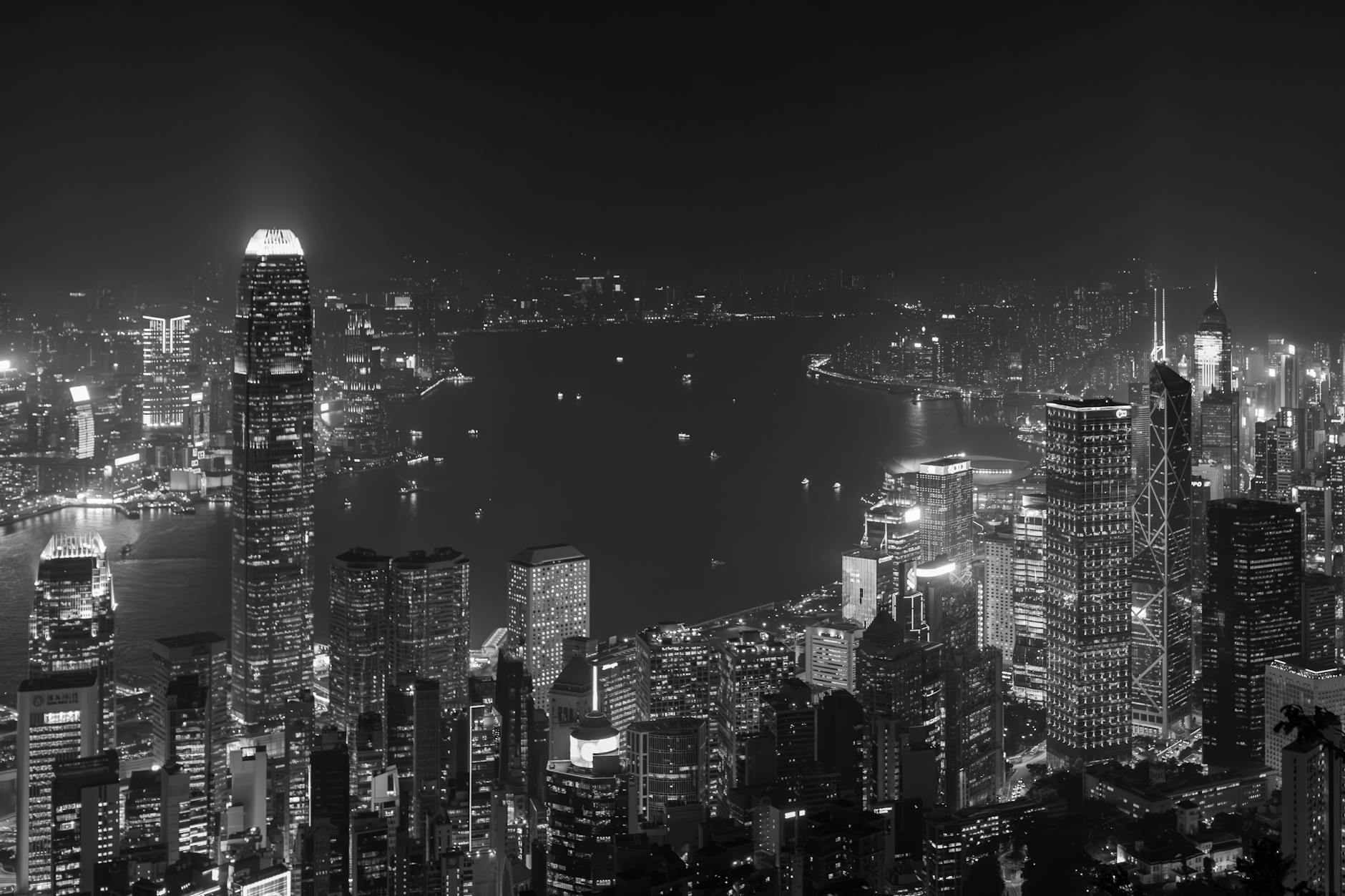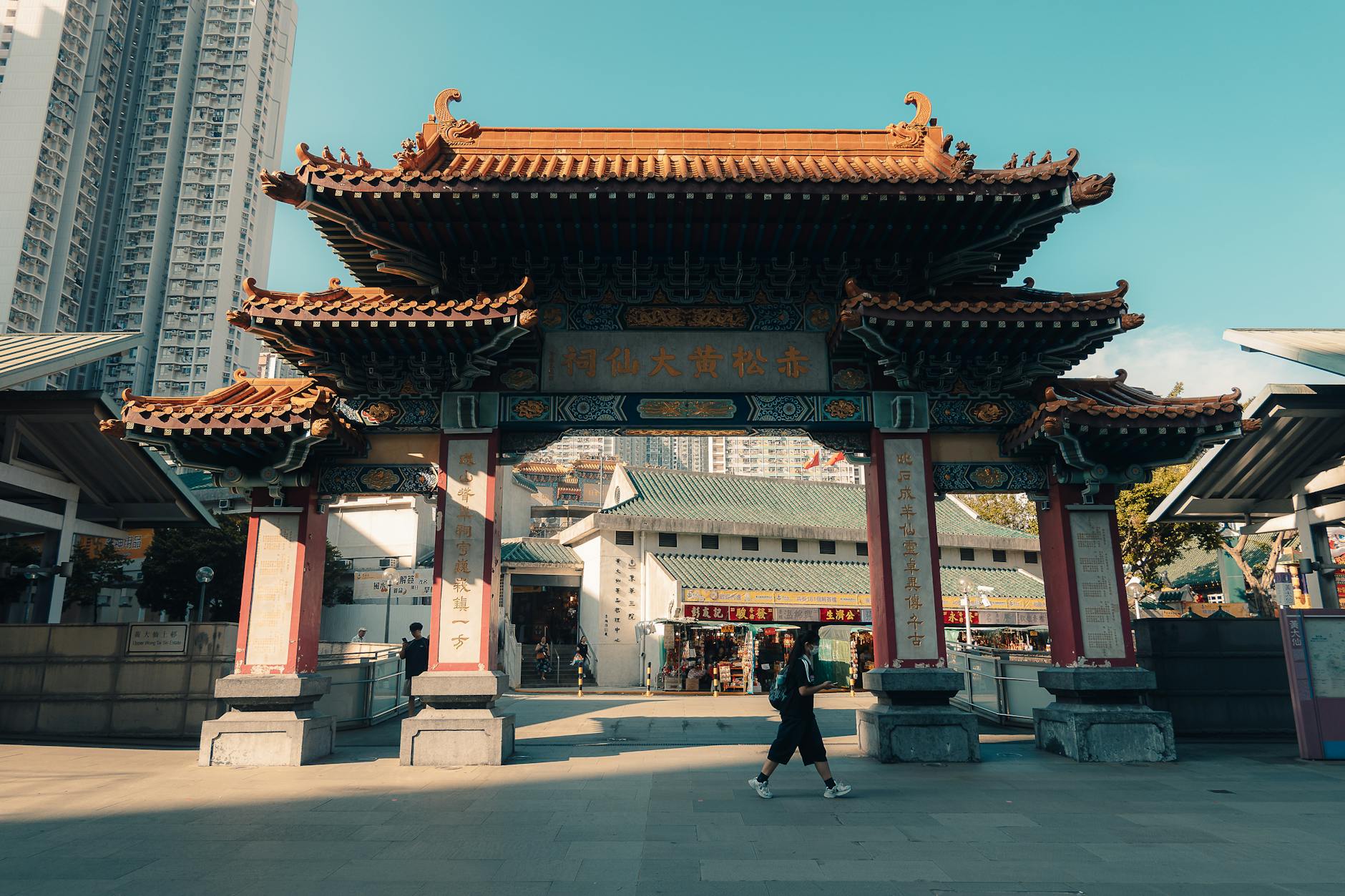
Central Hong Kong can support a religious or pilgrimage traveler better than many first-time visitors expect. St. John's Cathedral, Man Mo Temple in nearby Sheung Wan, Jamia Mosque in the Mid-Levels, Catholic sites, quiet chapels, ferries, parks, and strong transport links can all sit within a compact stay. The challenge is that Central is also steep, crowded, businesslike, humid, and full of routes that look simple until worship timing, dress, weather, and personal energy are added. A short faith-focused stay should define the purpose first. The traveler may be attending a service, visiting heritage sites, observing prayer times, accompanying family, studying religious history, or simply building quiet reflection into a city trip. Central works best when sacred time is protected from sightseeing pressure and when each site is approached as a living space, not just an attraction.
Name the faith purpose before building the route
Religious travel can mean worship, pilgrimage, family obligation, heritage study, quiet reflection, interfaith curiosity, or a practical stop during a wider itinerary. Each purpose changes the schedule. A traveler attending a Sunday service needs different timing from someone visiting temples, mosques, churches, or cemeteries as heritage sites.
The traveler should decide which moments are sacred obligations and which are optional context. Central's density makes it tempting to add shopping, views, meals, and ferries around every stop, but faith travel is usually better when the nonessential parts stay secondary.
- Define whether the trip is worship, pilgrimage, family obligation, heritage study, or reflection.
- Separate required sacred moments from optional sightseeing or dining around them.
- Protect religious purpose before adding Central's easier leisure or business-district distractions.
Map sacred sites by slope and timing
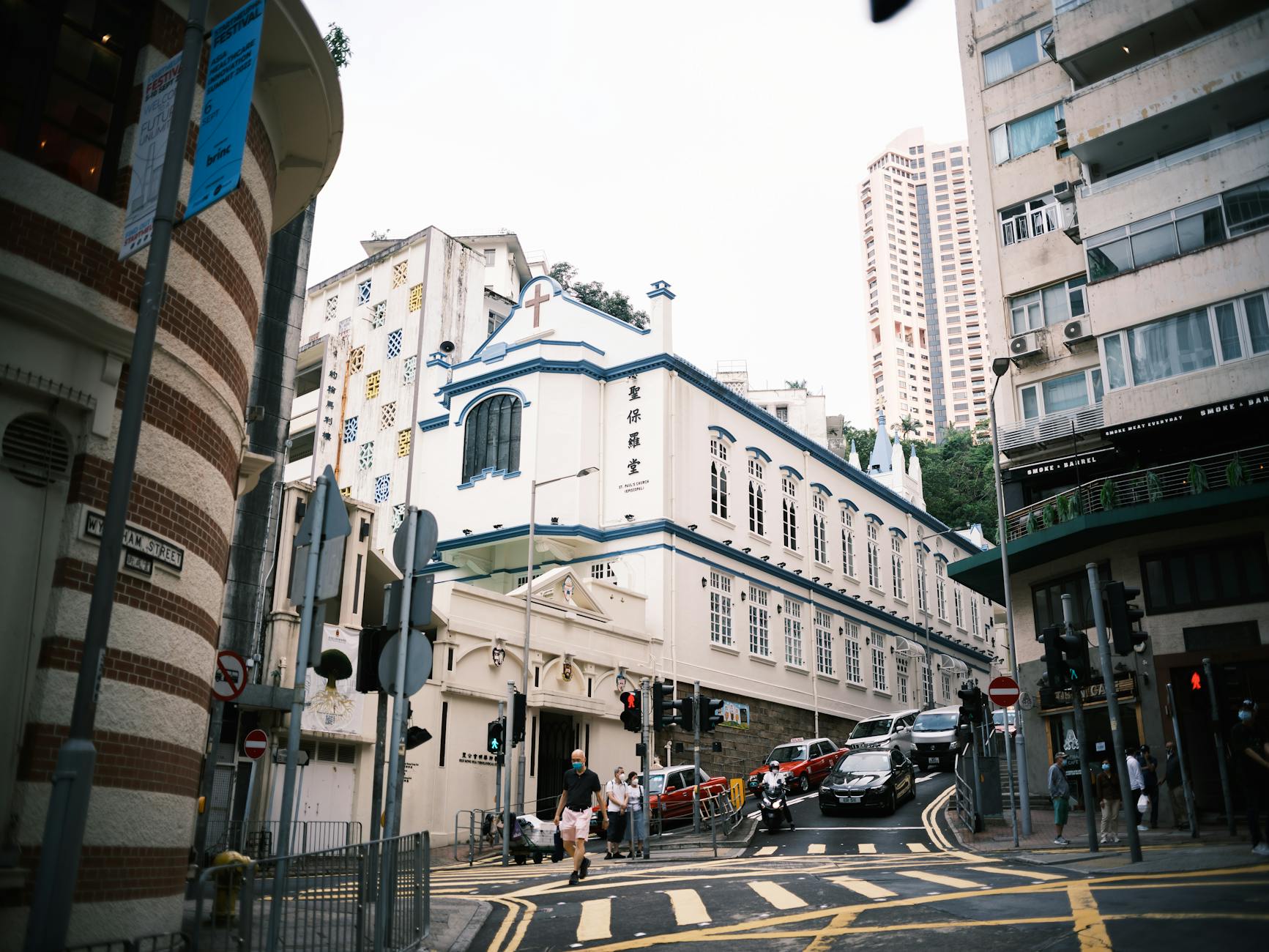
Central and its nearby districts include important religious sites, but they are not all flat, close, or equally simple to combine. St. John's Cathedral, Man Mo Temple, Jamia Mosque, Catholic sites, chapels, and other places of worship can involve hills, stairs, narrow streets, service schedules, quiet periods, or different rules around visitor access.
The traveler should map the exact entrance, service or prayer time, dress expectation, photography policy, and route from the hotel. A sacred-site route that looks compact can become tiring when heat, slopes, and crowds are added.
- Map exact entrances, worship times, visitor access, dress expectations, and photo rules.
- Account for hills, stairs, Mid-Levels routes, temple streets, and station exits before committing.
- Avoid combining too many sacred stops into one rushed heritage loop.
Choose lodging for worship access and recovery
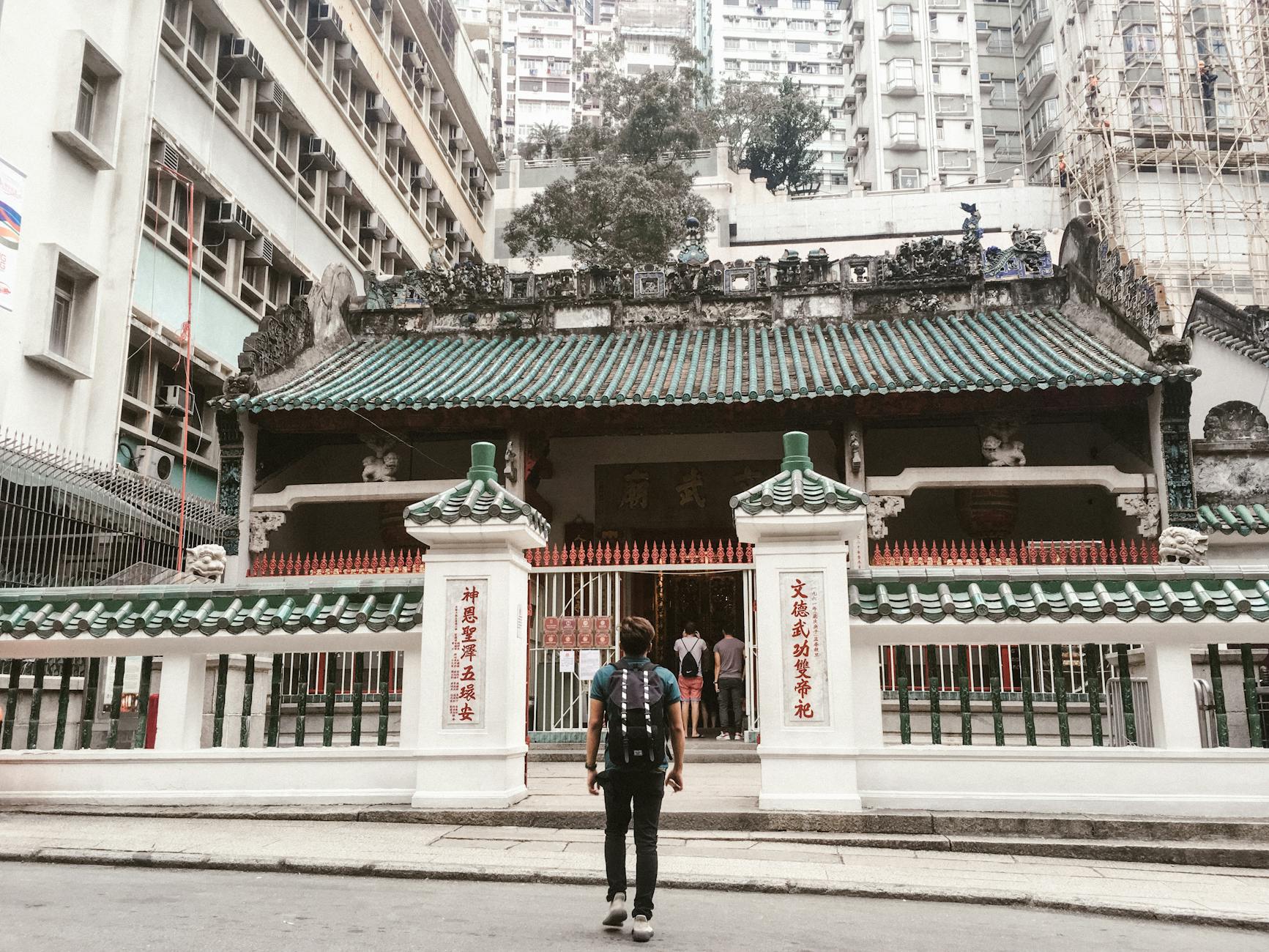
A religious traveler should judge lodging by more than comfort. The hotel should support early services, late returns, modest dress preparation, quiet rest, transport access, nearby food, and the ability to reset between spiritually important visits. A steep final approach or awkward taxi pickup can make repeated worship movement harder than expected.
If the trip includes Sabbath observance, prayer timing, dietary concerns, mobility limitations, family members, or elders, the hotel decision becomes even more important. Central can work, but the base should reduce friction rather than merely look convenient.
- Check hotel access to worship sites, taxi points, MTR exits, food, quiet, and early or late movement.
- Account for dress, rest, dietary needs, family needs, mobility limits, and observance requirements.
- Choose a base that makes sacred commitments easier to keep.
Use transport to preserve composure
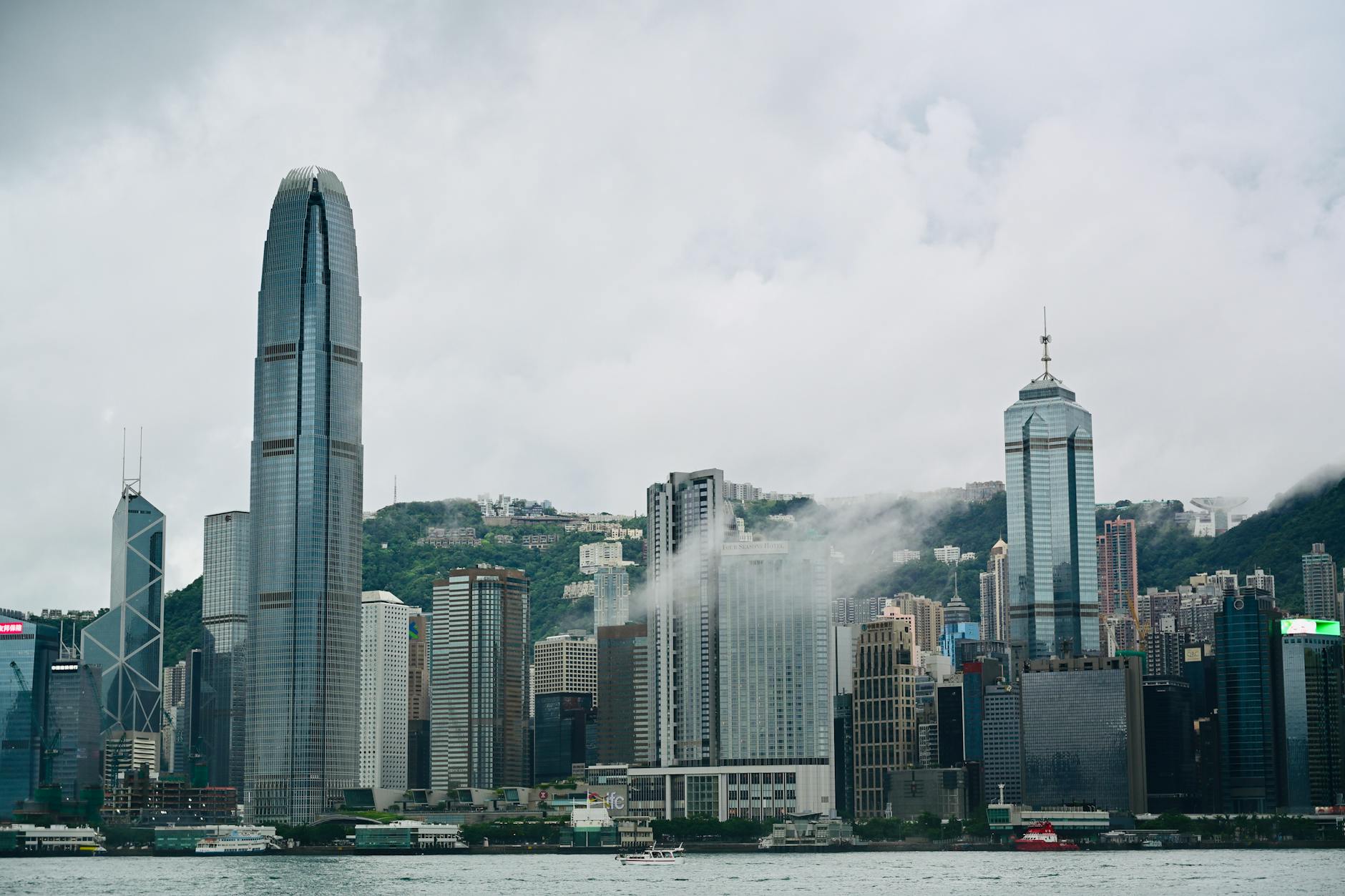
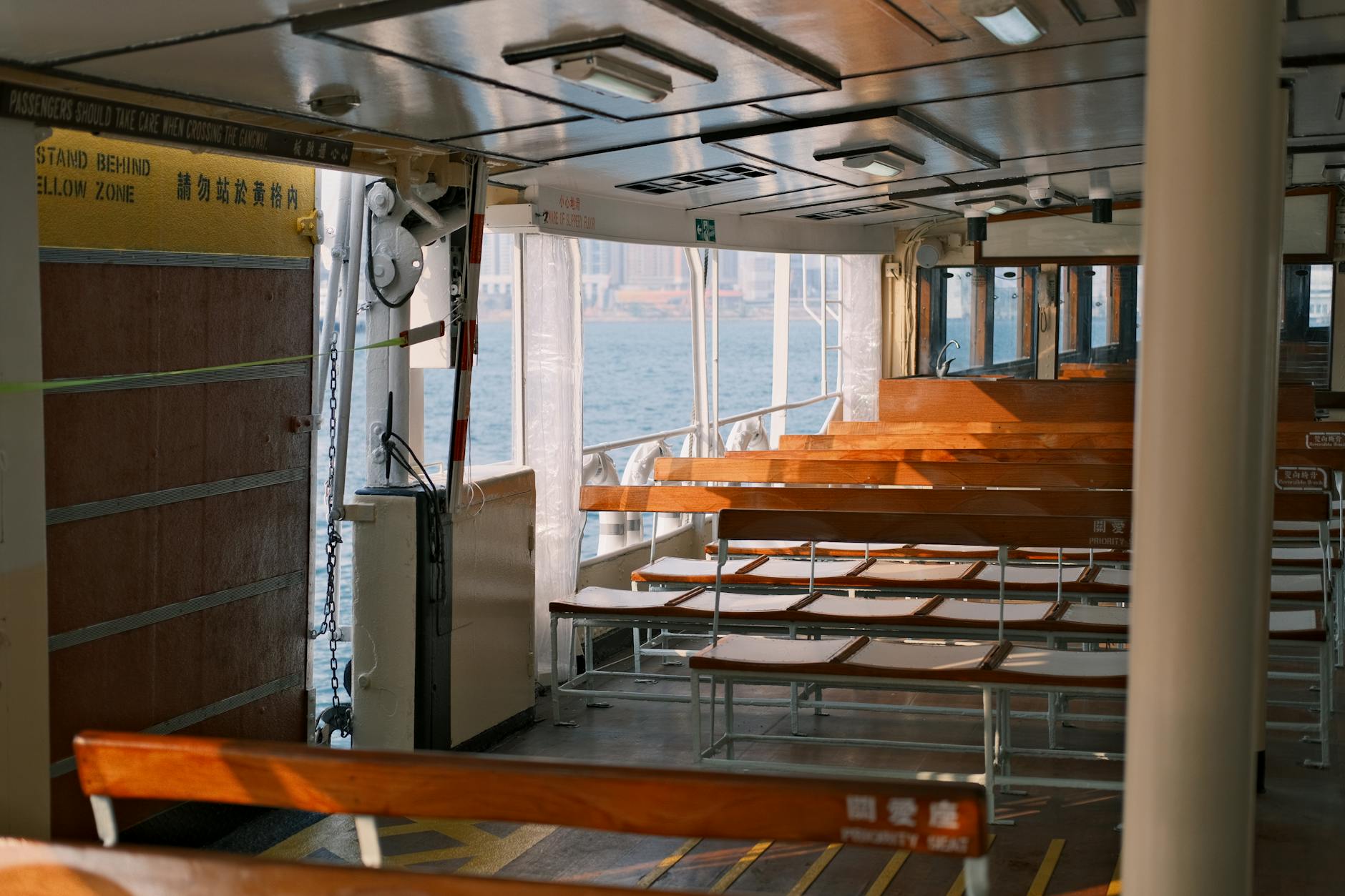
Central's transport options can help religious travelers move calmly when used correctly. The MTR is efficient for some routes. Taxis reduce hill and weather exposure. Ferries can make cross-harbor visits feel calmer. Walking may be meaningful, but only when the traveler has the clothing, footwear, stamina, and weather margin for it.
The route should protect the tone of the visit. Arriving overheated, late, or irritated is avoidable in many cases. The traveler should know when to spend on a taxi, when a covered walkway helps, and when a slower route better suits the purpose of the day.
- Choose MTR, taxi, ferry, car, or walking by dress, weather, stamina, timing, and sacred-site access.
- Check station exits, hill routes, taxi drop-offs, ferry piers, and covered paths before leaving.
- Use transport to arrive composed rather than merely cheaply or quickly.
Respect living religious spaces
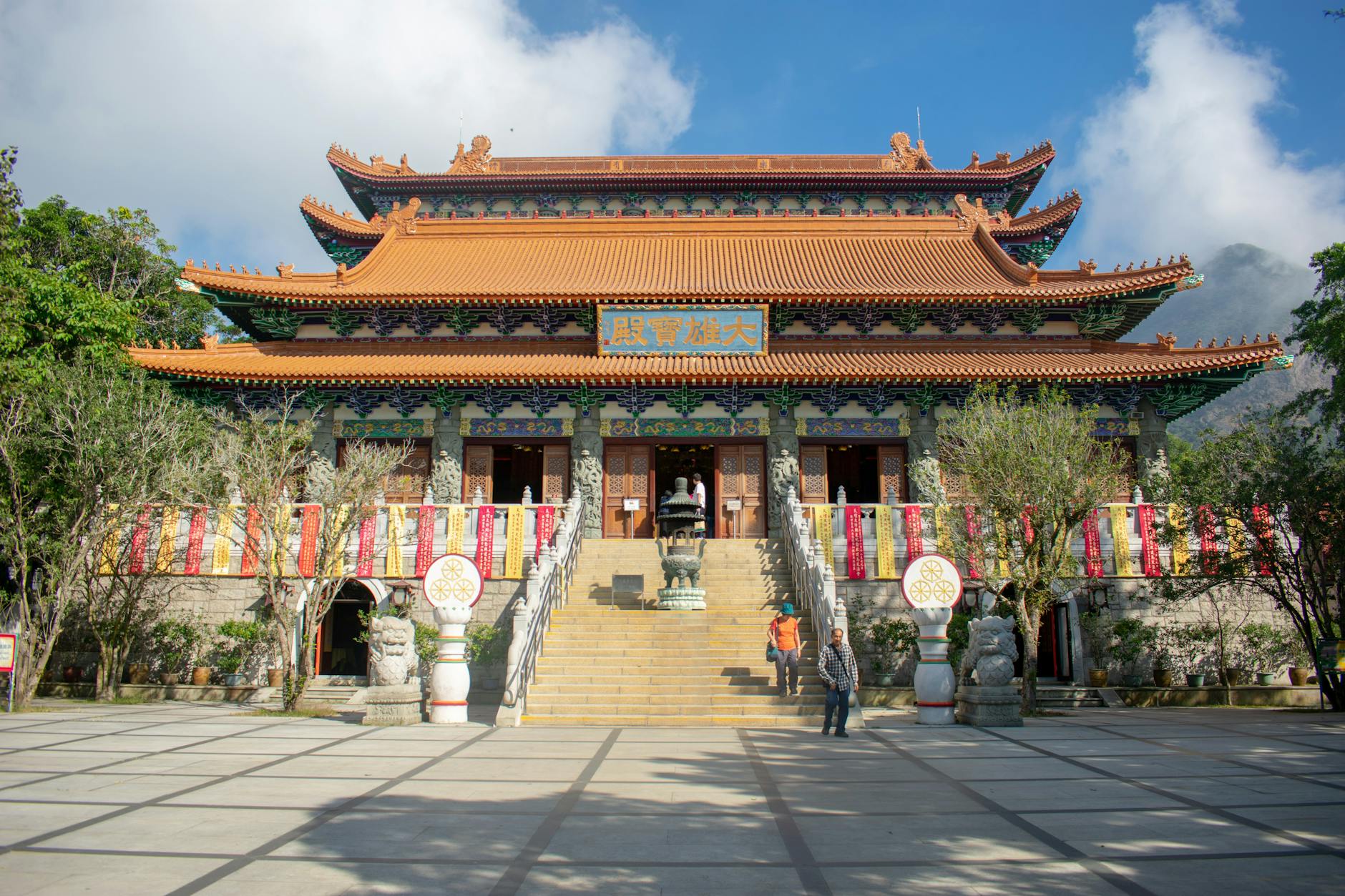
Religious sites in and around Central are not only visual heritage. They may be active worship spaces, community institutions, or quiet refuges inside a loud city. Visitors should treat services, prayer, offerings, incense, music, dress, photography, donations, and staff or clergy interactions with care.
A traveler does not need to perform unfamiliar rituals, but they should avoid treating sacred behavior as content. When uncertain, move slowly, ask quietly, follow posted signs, and give worshippers more space than a normal tourist setting would require.
- Follow rules for dress, photography, offerings, services, prayer areas, donations, and quiet behavior.
- Do not turn worshippers, rituals, or clergy into casual travel content.
- Ask quietly when uncertain and let active worship take priority over visitor convenience.
Balance devotion, meals, and ordinary city life
A strong religious trip still needs food, water, rest, bathrooms, and time between places. Central's restaurants, bakeries, malls, parks, ferries, and hotel lounges can support that rhythm if they are chosen deliberately. The mistake is treating meals and rests as interruptions rather than part of keeping the purpose of the trip intact.
The traveler should plan quiet intervals, especially after emotionally meaningful services or heritage visits. A ferry ride, park walk, simple meal, or hotel reset can help the day remain reflective instead of becoming a checklist of religious sites.
- Plan meals, water, bathrooms, rest, and quiet intervals around worship or pilgrimage timing.
- Use parks, ferries, simple food, and hotel resets to preserve the tone of the day.
- Avoid turning sacred travel into an overpacked sightseeing checklist.
When to order a short-term travel report
A religious traveler with one familiar service or a fully hosted faith itinerary may not need a custom Central Hong Kong report. A report becomes useful when the traveler has multiple sacred sites, observance requirements, dietary needs, mobility concerns, family members, elders, weather sensitivity, or uncertainty about how to combine worship with the rest of the city.
The report should test sacred-site geography, lodging, worship timing, dress, transport, meal planning, quiet intervals, etiquette, weather, medical access, family needs, budget, and what to cut. The value is a Central Hong Kong stay that respects the purpose of the trip.
- Order when worship timing, sacred-site access, lodging, observance, meals, or mobility need testing.
- Provide dates, faith needs, sites, service times, hotel options, dietary needs, constraints, and budget.
- Use the report to keep the Central Hong Kong religious trip respectful and practical.