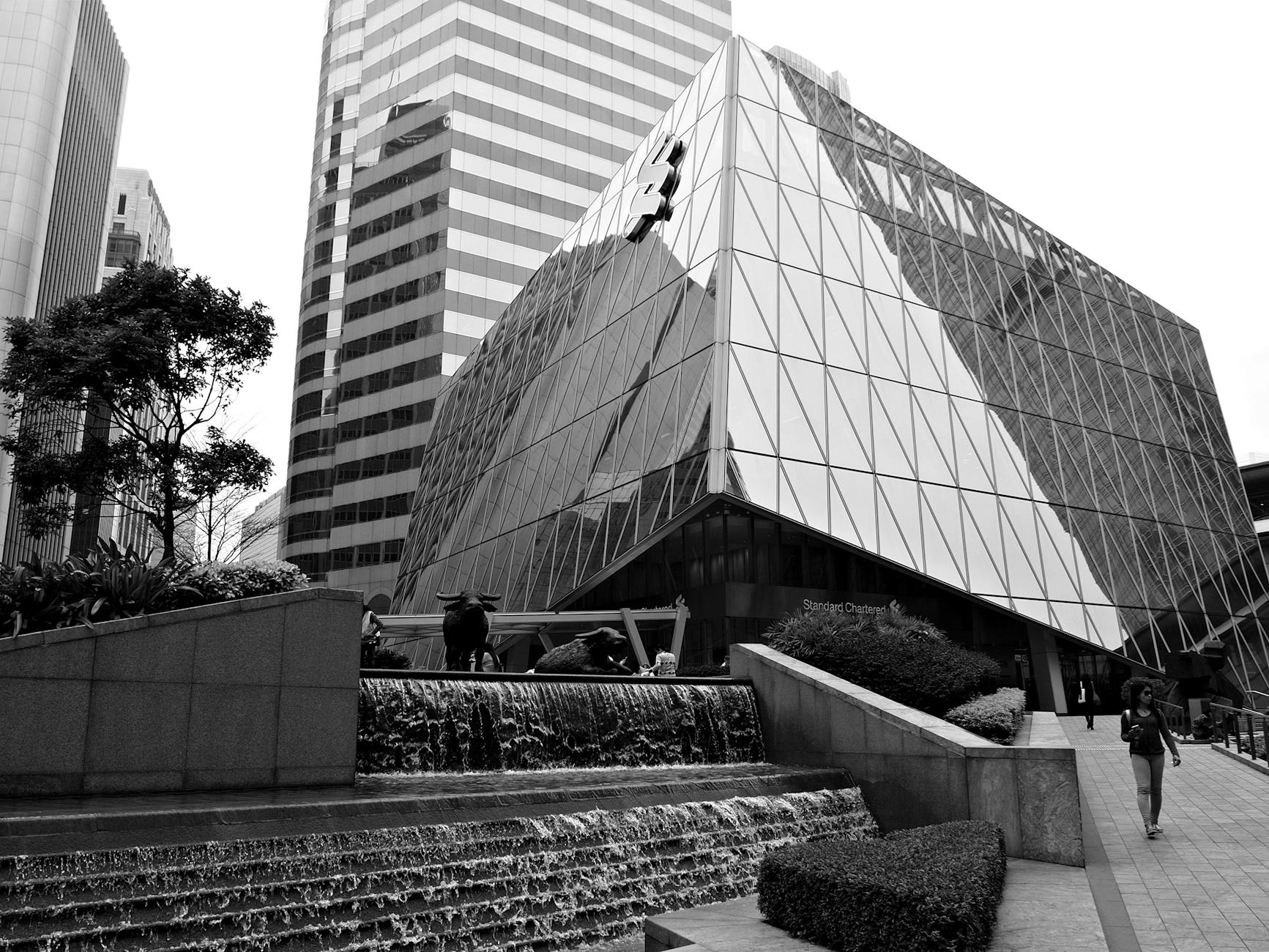
Central Hong Kong can be excellent for older travelers because it concentrates hotels, restaurants, transit, harbor access, medical resources, and high-quality services. It can also be tiring. The district is vertical, busy, humid at times, full of stairs and level changes, and not always intuitive from a map. A strong Central plan for an older traveler is not about avoiding the district. It is about using the right hotel, routes, transport, meal timing, rest blocks, and weather strategy so the traveler benefits from Central's capability without being worn down by its intensity.
Choose the hotel by access and recovery
Older travelers should judge Central hotels by more than quality. Entrance grade, elevator access, taxi pickup, covered routes, breakfast, room quiet, bathroom layout, medical proximity, MTR distance, and the ability to rest between outings can matter more than a famous name.
A hotel that reduces slopes, confusing entrances, and long walks can preserve energy for the actual trip. Central's best luxury is often not glamour; it is the ability to recover quickly and move cleanly.
- Check entrance grade, elevators, taxi pickup, covered routes, breakfast, quiet, and bathroom layout.
- Choose lodging near the activities and transport the traveler will actually use.
- Prioritize recovery and easy returns over a prettier but harder-to-use address.
Respect hills, stairs, exits, and level changes
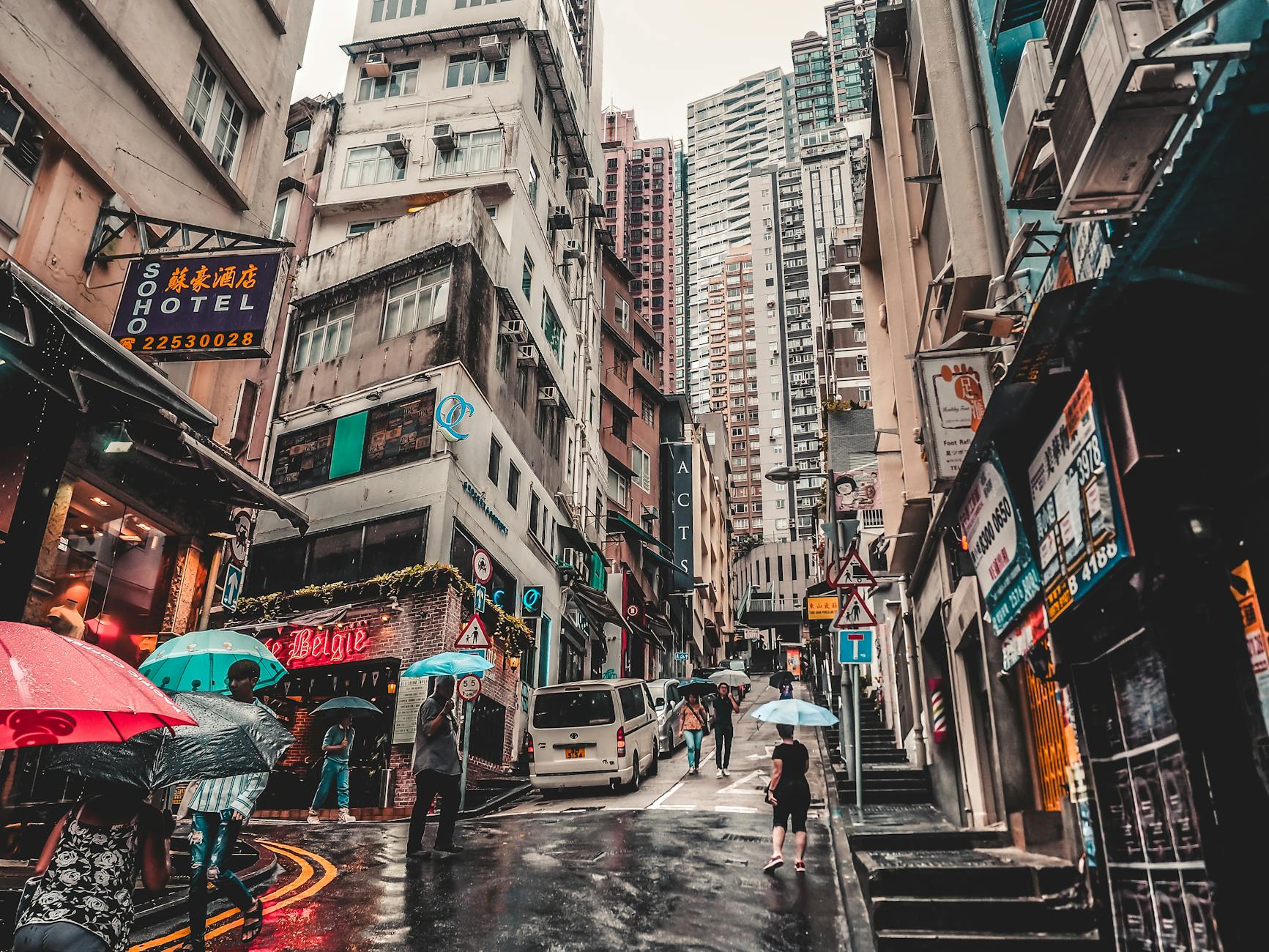
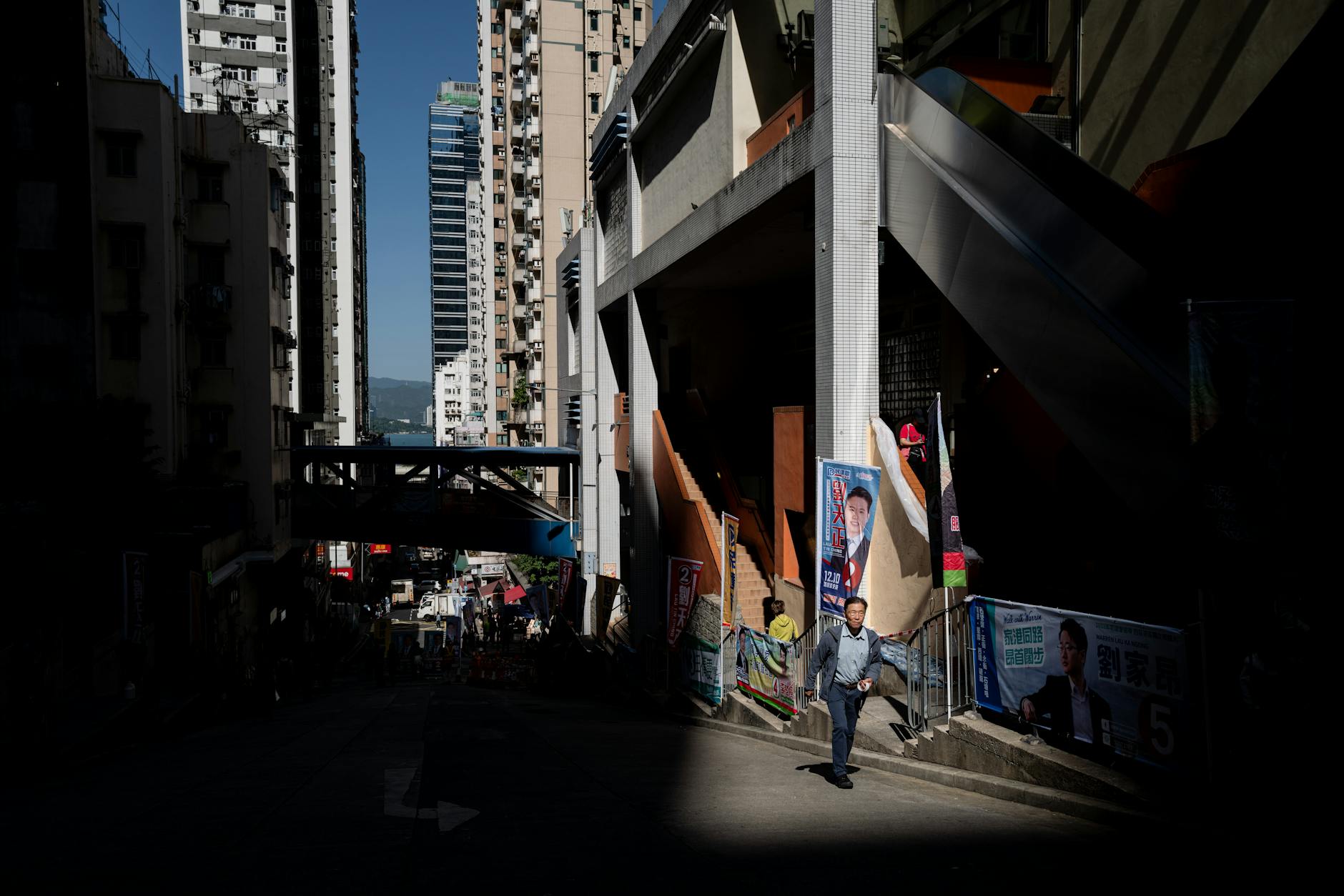
Central's map can understate effort. The district includes hills, footbridges, elevated walkways, station exits, mall connections, escalators, uneven pavements, stairs, and tower lobbies. A short route can become tiring if the traveler chooses the wrong exit or walks uphill in humidity.
The plan should identify step-light routes, lift access, covered paths, rest points, and taxi alternatives before the traveler is already tired. This is especially important for travelers with balance concerns, cardiac issues, joint pain, vision limitations, or heat sensitivity.
- Check MTR exits, elevators, escalators, footbridges, hills, stairs, and covered routes in advance.
- Build routes around rest points, shade, indoor passages, and taxi alternatives.
- Avoid letting map distance hide slope, heat, and level-change difficulty.
Use taxis, MTR, ferries, and walking with purpose
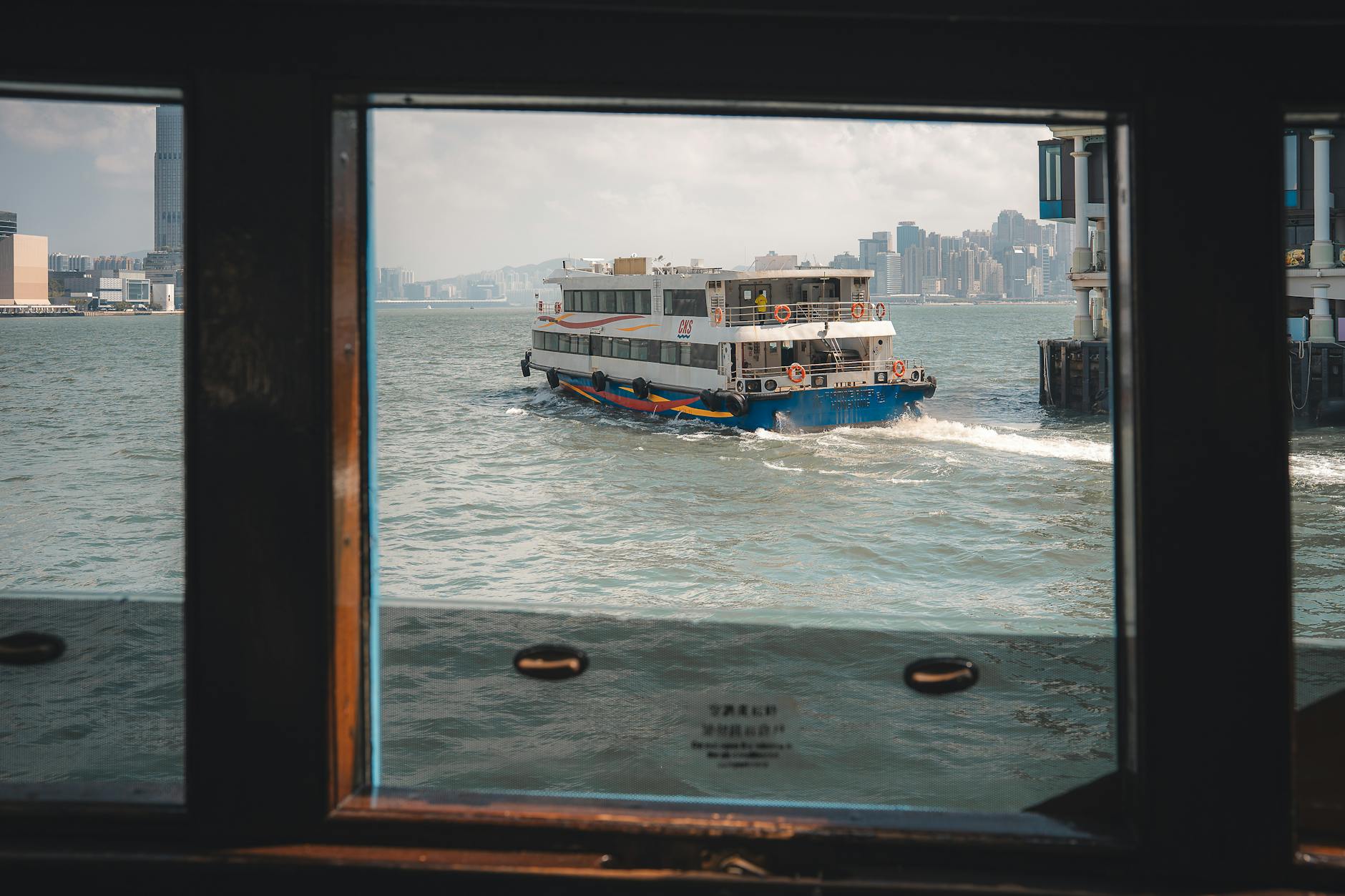
Older travelers can use Central well when each movement mode is chosen for the right job. The MTR can be efficient but may involve stairs, crowds, and long station walks. Taxis reduce walking but can be slowed by traffic and pickup-point confusion. Ferries can be pleasant, but piers still require timing and walking.
Walking should be treated as an experience, not the default answer. A short scenic walk can be worthwhile; repeated functional walks in heat may not be. The traveler should preserve energy for what matters.
- Use MTR when exits and walking distances are manageable; use taxis for heat, hills, luggage, or fatigue.
- Use ferries for pleasant harbor movement only when pier access and timing are realistic.
- Make walking a chosen activity rather than an accidental burden.
Build the day around heat, rain, and rest
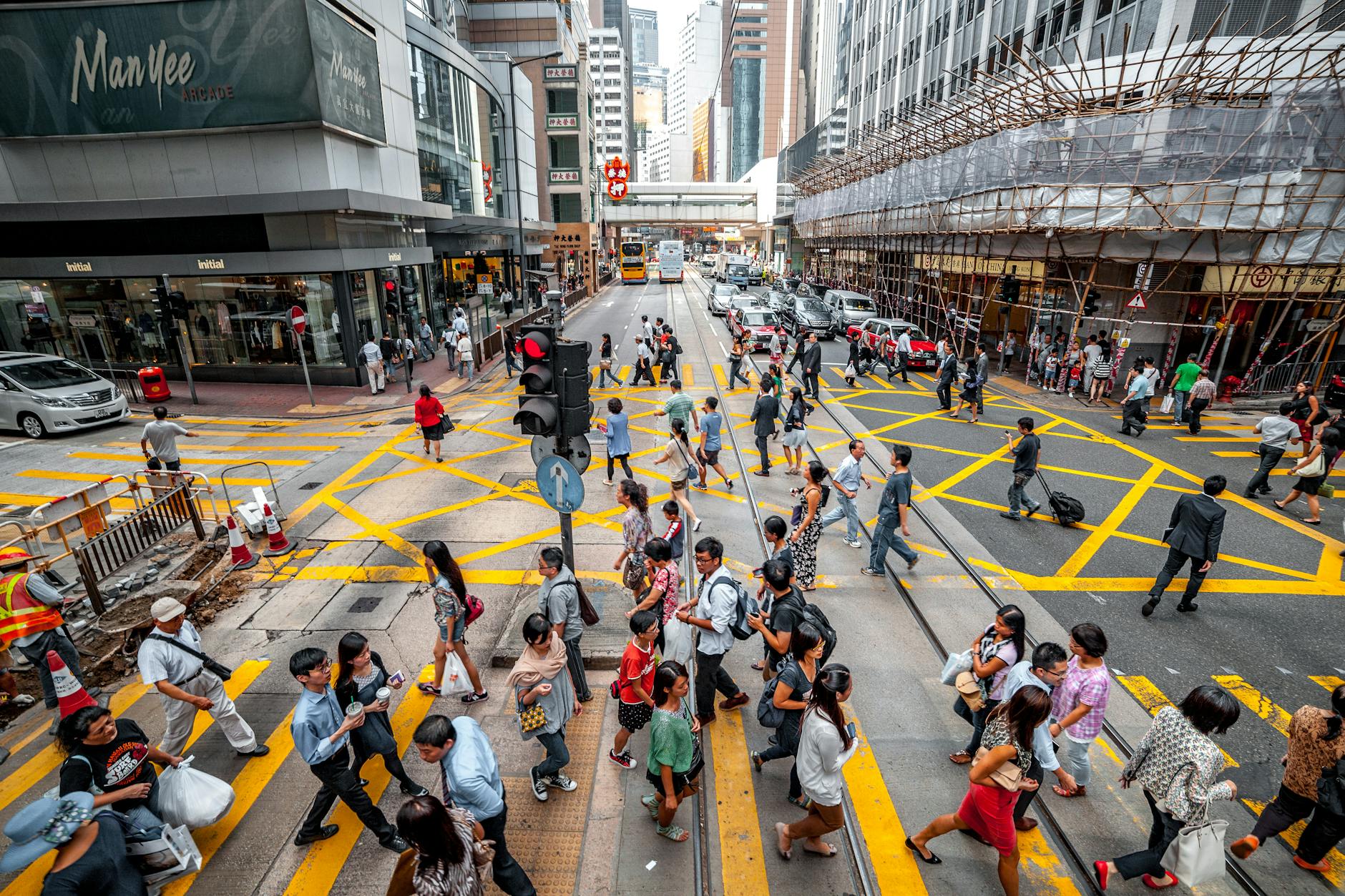
Central can demand more energy than expected because of humidity, rain, air conditioning, crowds, and vertical movement. Older travelers should plan outings in shorter blocks, with indoor resets, meal breaks, and flexible timing. Midday may be better for rest or a hotel reset than for slope-heavy walking.
Weather should change the plan, not simply make the traveler push harder. A covered mall route, taxi transfer, museum block, hotel lunch, or shorter view stop may be the better choice when conditions are rough.
- Use shorter outing blocks with meals, indoor resets, hotel breaks, and flexible timing.
- Plan for humidity, rain, air conditioning, crowded sidewalks, and steep routes.
- Switch to taxis, covered routes, or indoor stops when weather raises the effort level.
Plan food, medication, and medical access
Central has excellent dining, but older travelers may need quieter meals, earlier reservations, lower-noise settings, easier seating, dietary control, hydration, and proximity to the hotel. A glamorous dinner that requires a tiring return may not be the best choice.
Medication timing, prescriptions, travel insurance, mobility aids, emergency contacts, and medical access should be settled before arrival. Hong Kong has strong services, but a short trip is easier when the traveler knows where to go and how to communicate needs.
- Choose meals by noise, seating, timing, dietary needs, hydration, return route, and hotel proximity.
- Carry prescriptions, medication schedule, insurance details, emergency contacts, and medical notes.
- Know nearby medical options and how to reach them from hotel, restaurants, and major outings.
Keep evenings simple and returns predictable
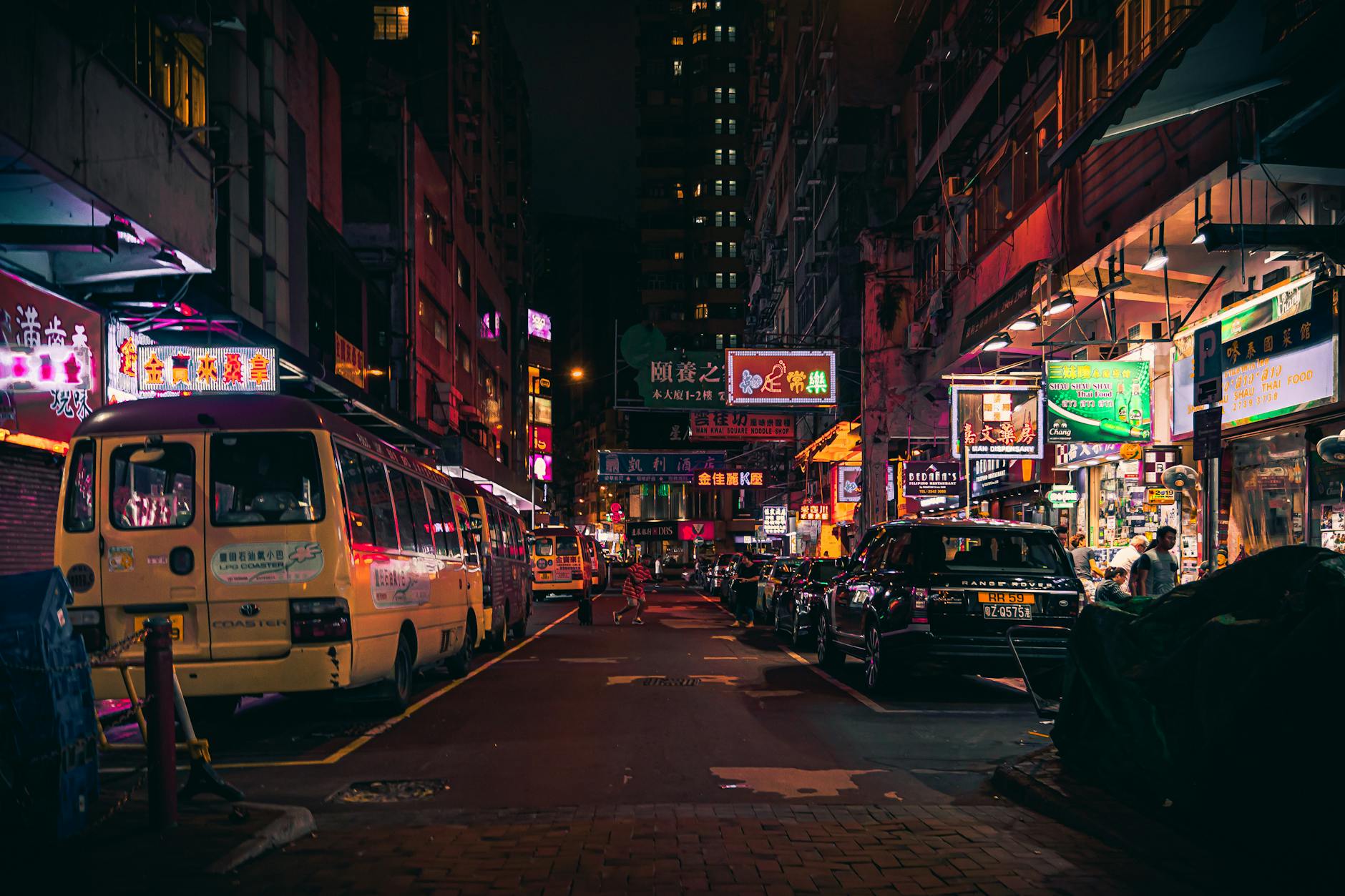
Central evenings can be lively, crowded, and steep. Older travelers may enjoy dinner, a harbor view, a hotel bar, or a short illuminated walk, but late-night wandering through hills, bar streets, and taxi queues can be tiring. The return should be planned before the evening starts.
The best evening may be closer, earlier, and cleaner than a more ambitious plan. A short trip should preserve sleep and next-day comfort, especially after long-haul flights or a dense sightseeing day.
- Choose dinner, views, and evening walks with the return route already settled.
- Avoid late uphill routes, crowded bar areas, and taxi uncertainty when fatigue is likely.
- Protect sleep and next-day comfort instead of stretching every evening.
When to order a short-term travel report
An older traveler staying in a well-sited hotel with a relaxed schedule may not need a custom Central Hong Kong report. A report becomes useful when mobility, heat, medical needs, hotel access, MTR exits, taxi timing, family coordination, meal planning, or cross-harbor movement could determine whether the trip feels comfortable.
The report should test hotel access, room practicality, routes, MTR and taxi choices, ferry access, meal pacing, medical access, weather, rest blocks, evening returns, budget, and what to cut. The value is a Central stay that uses Hong Kong's strengths without exhausting the traveler.
- Order when mobility, hotel access, medical needs, transport, weather, meals, or pacing require testing.
- Provide dates, hotel options, mobility details, medical constraints, interests, family needs, and budget.
- Use the report to make Central Hong Kong comfortable, capable, and realistic for an older traveler.