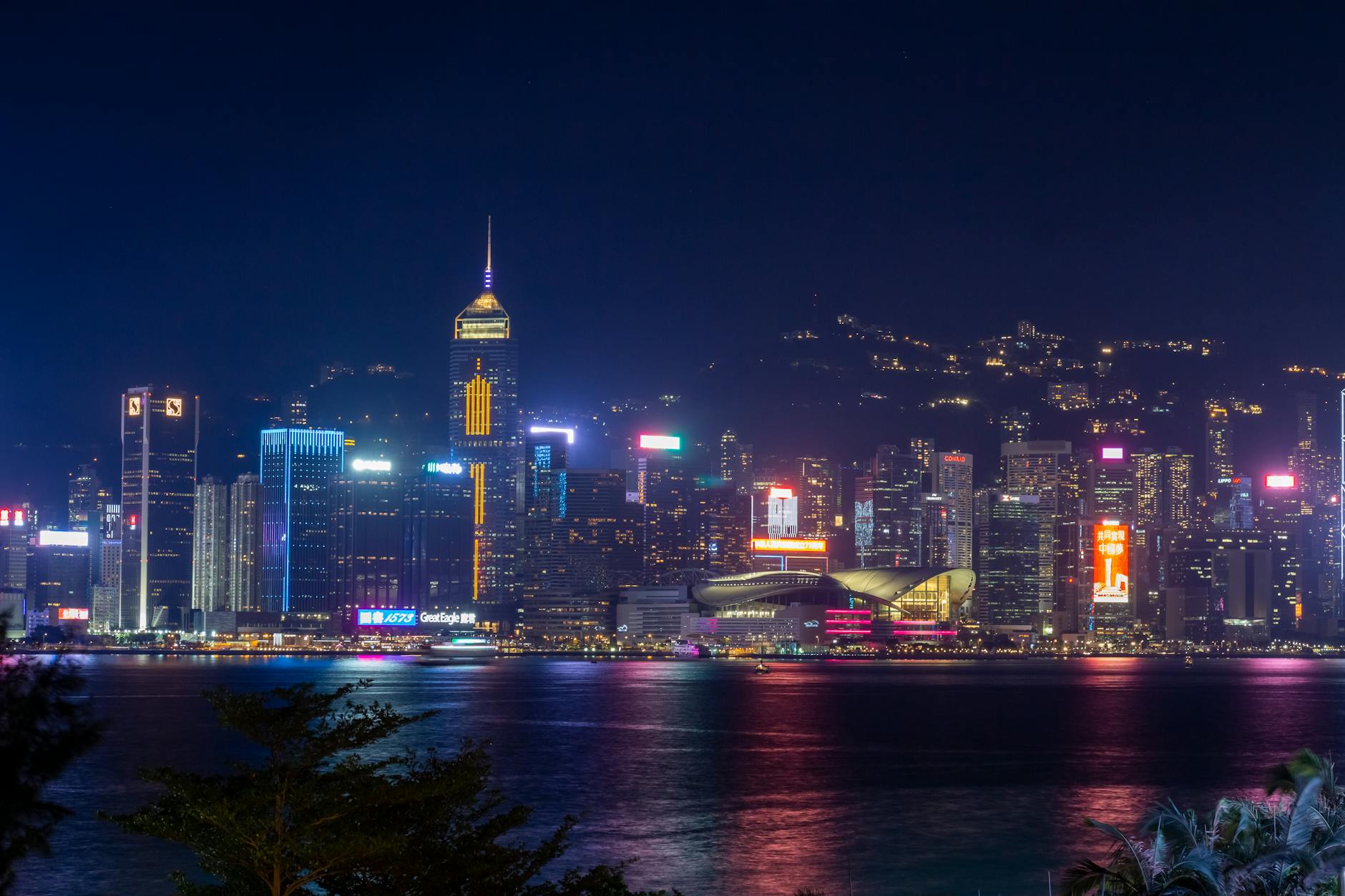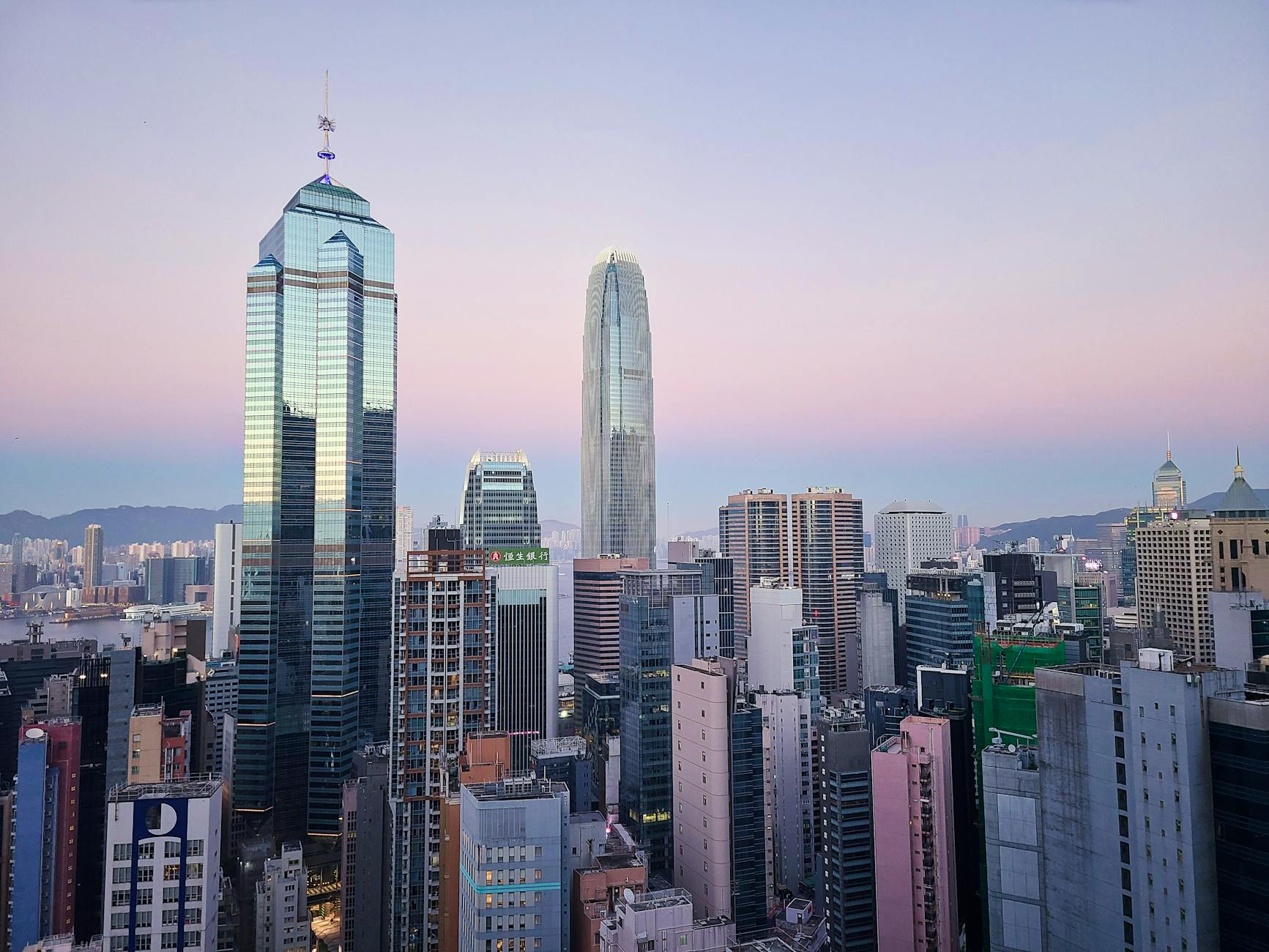
Central Hong Kong is built for high-end travel, but luxury in the district is not just a better room or a famous address. A short luxury stay may involve a suite, private transfer, fine dining, shopping, wellness appointments, harbor views, business-adjacent meetings, and evening plans around steep streets and busy venues. The traveler should make those pieces reinforce each other rather than compete for attention. The most expensive option is not automatically the best operating choice. Central's hotels, clubs, restaurants, malls, towers, and transport links sit close together, but hills, entrances, weather, traffic, and crowding still matter. A luxury traveler gets more value when service, geography, privacy, and pacing are planned as one system.
Treat hotel choice as the core luxury decision
Central has excellent hotels, but they solve different trips. One traveler may want harbor views and seamless airport handling. Another may need discreet access to offices, private dining, wellness, luxury shopping, or a quiet suite for recovery after a long-haul arrival. A hotel that looks perfect in photos can still be wrong if every movement requires a sweaty hill, confusing entrance, or awkward taxi pickup.
The traveler should test the hotel against the actual stay: arrival hour, luggage, room category, view priority, club access, spa time, restaurant bookings, shopping plans, dinner venues, and whether privacy matters. In Central, luxury is often the ability to reduce friction without losing the district's energy.
- Compare hotel options by view, access, privacy, service depth, dining, wellness, and return routes.
- Check entrance grade, taxi pickup, lift access, station or ferry reach, and weather exposure.
- Do not let a famous name override the practical rhythm of the trip.
Make arrival feel private and controlled
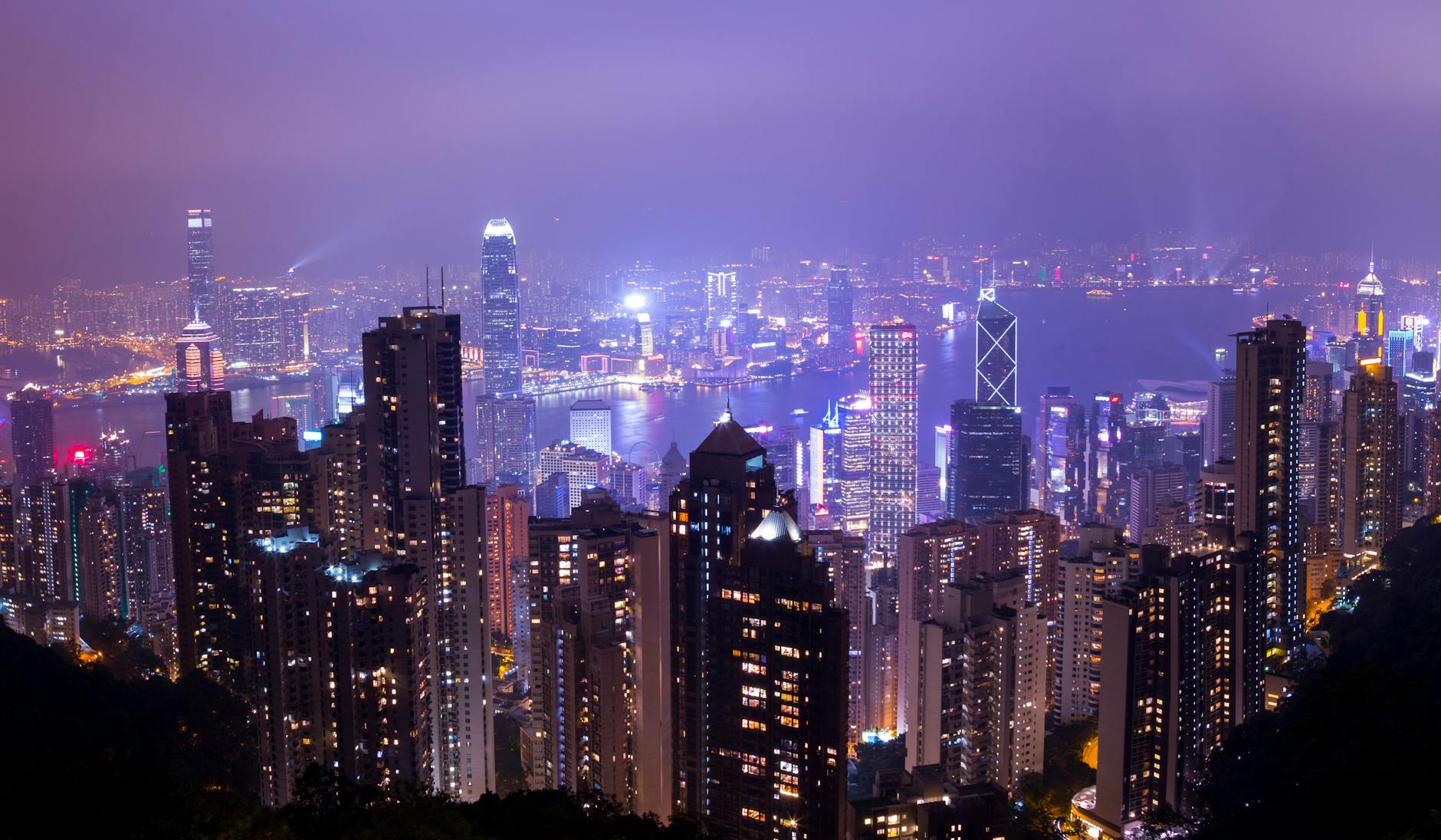
Luxury trips can still start badly if arrival is vague. The traveler should decide how airport arrival, luggage, immigration timing, driver contact, hotel check-in, early room access, and first meal will work before landing. Hong Kong's airport links can be efficient, but a premium stay may justify a car when privacy, fatigue, luggage, or timing matters.
Central also has building entrances, hotel drives, busy curb space, and weather swings that can make an arrival feel less polished than the hotel rate suggests. The right plan tells the traveler who is meeting them, where the vehicle goes, what happens if the room is not ready, and how the first few hours should feel.
- Decide between Airport Express, taxi, hotel transfer, or private car based on fatigue and privacy.
- Confirm driver contact, luggage handling, check-in timing, early-arrival plan, and first meal.
- Build a calm first block before adding shopping, meetings, or dinner obligations.
Plan dining before the schedule fills
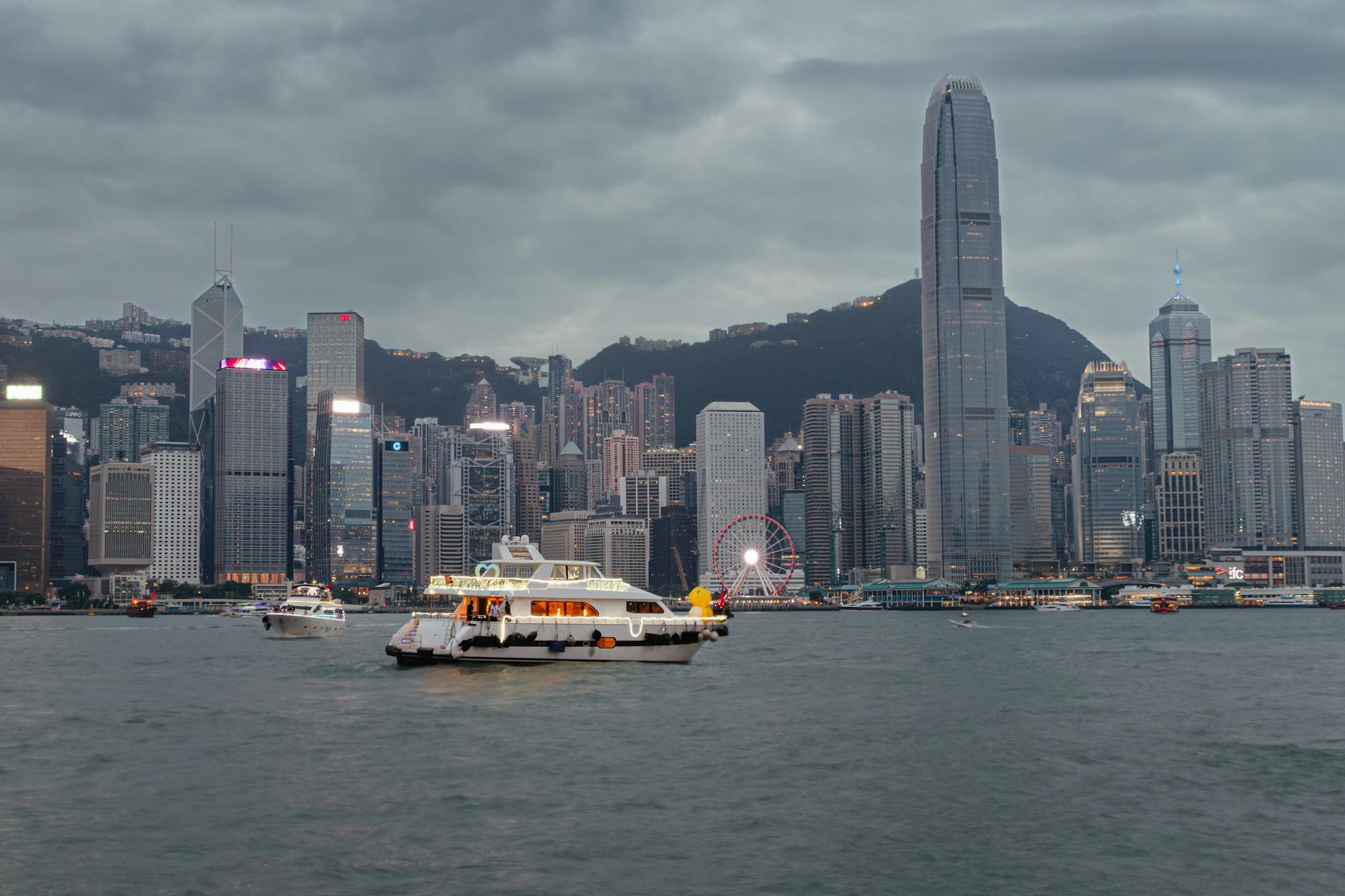
Central can support exceptional dining, but short luxury stays need prioritization. A traveler may be choosing among hotel restaurants, private rooms, tasting menus, bars, client dinners, dim sum, harbor-view meals, and spontaneous local meals. The issue is not a lack of options; it is making the right evening fit the travel day.
Reservations, dress, dietary needs, noise, alcohol, table timing, return route, and next-day energy should be considered together. A high-end meal after a long flight can be wasted if the traveler is fighting jet lag, while a well-timed second-night dinner can become the anchor of the stay.
- Secure key reservations early and match them to jet lag, dress, route, and next-day plans.
- Use hotel or nearby dining when recovery matters; save ambitious evenings for stronger energy.
- Check private-room, dietary, service-charge, wine, and return-route details before committing.
Separate shopping, art, and view priorities
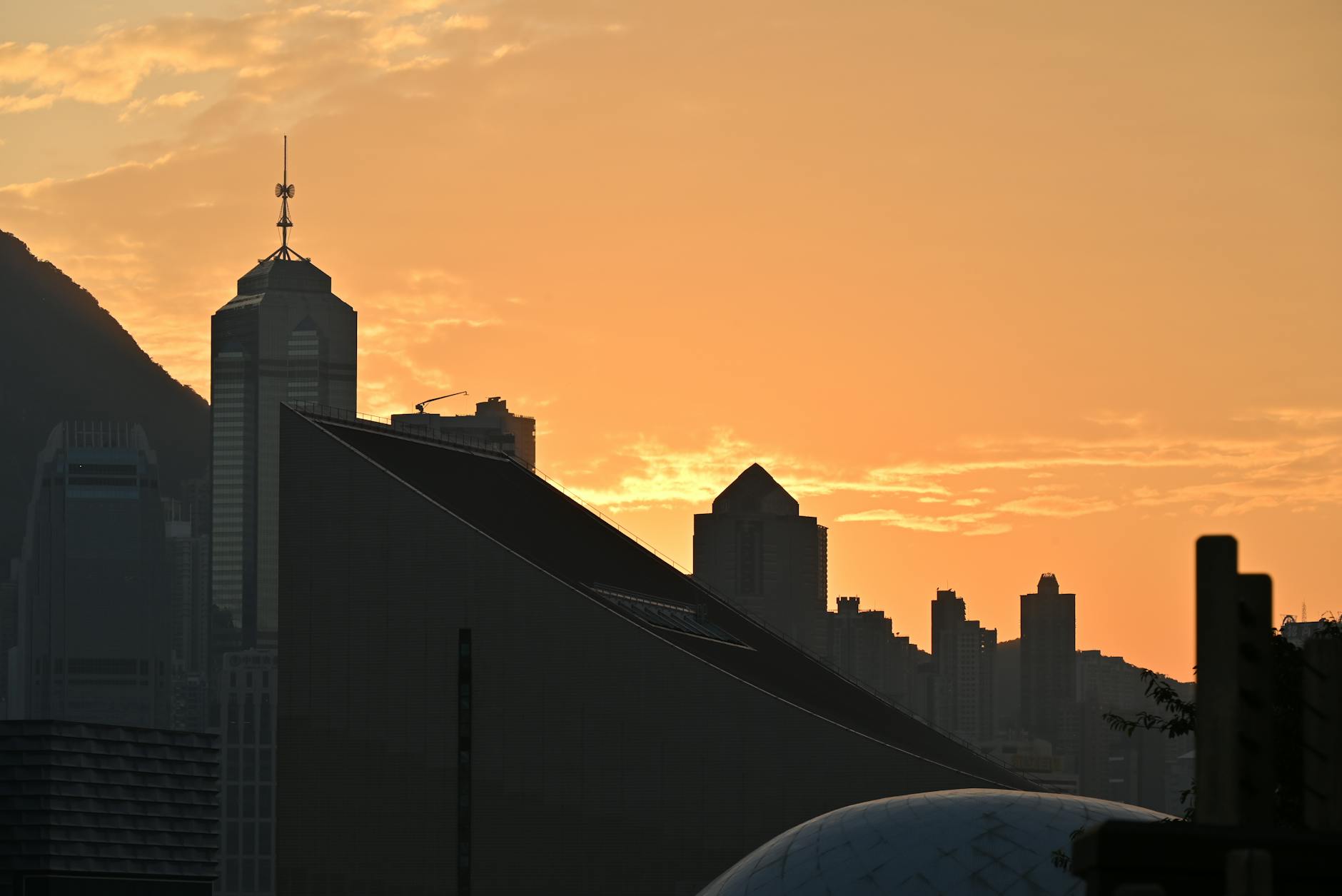
A luxury traveler can lose time by treating Central as one upscale zone. Landmark, IFC, galleries, boutiques, antiques, hotel arcades, private shopping, harbor views, and the Peak all create different timing and movement decisions. The traveler should know which experiences matter most rather than wandering through polished interiors until the day disappears.
Shopping and view plans also need weather and crowd judgment. A clear evening may justify a view-focused route. Heavy rain may make a mall, gallery, spa, or hotel lunch smarter. Luxury planning should protect the best moments rather than forcing a prestige checklist.
- Decide whether the stay favors fashion, watches, art, views, wellness, dining, or quiet recovery.
- Group shopping and gallery stops by geography instead of crossing Central repeatedly.
- Use weather and visibility to decide when view activities are worth the effort.
Protect privacy, devices, and service expectations
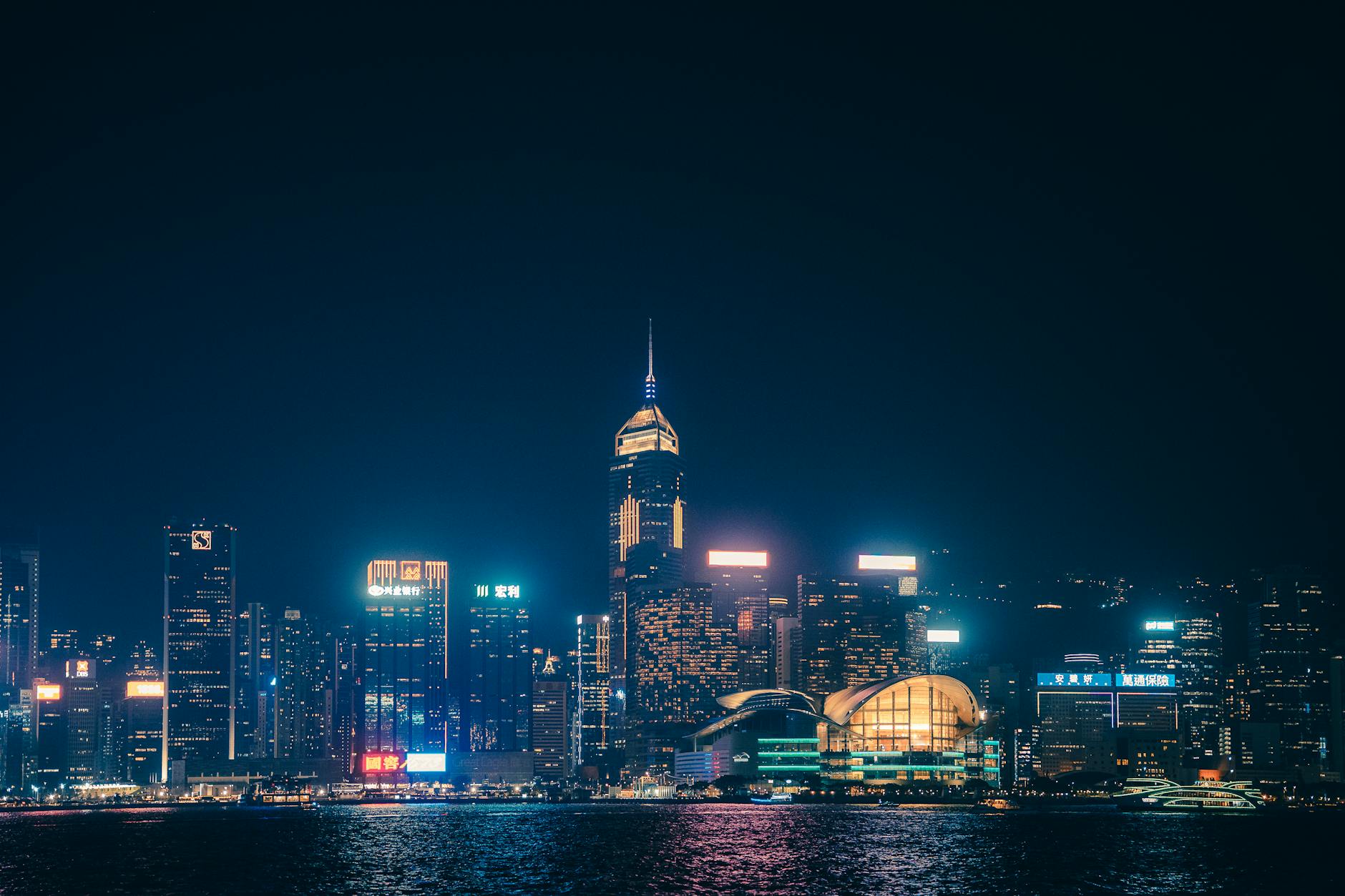
A high-end Central stay may involve visible luggage, jewelry, premium shopping bags, confidential calls, private meetings, or recognizable companions. The traveler should not become paranoid, but ordinary discretion matters. Public lobbies, bars, restaurants, ferries, taxis, and crowded walkways are not private spaces simply because the setting is upscale.
The hotel can help with secure storage, transport, restaurant changes, discreet entrances, and timing. The traveler should use that service deliberately, especially if carrying documents, expensive goods, or sensitive devices. Luxury works best when it reduces exposure instead of advertising it.
- Use hotel support for storage, transfers, restaurant changes, discreet timing, and recovery plans.
- Keep jewelry, shopping bags, devices, documents, and room details controlled in public spaces.
- Avoid sensitive calls or visible laptop work in cafes, bars, ferries, and busy lobbies.
Use cars, MTR, ferries, and walking without ego
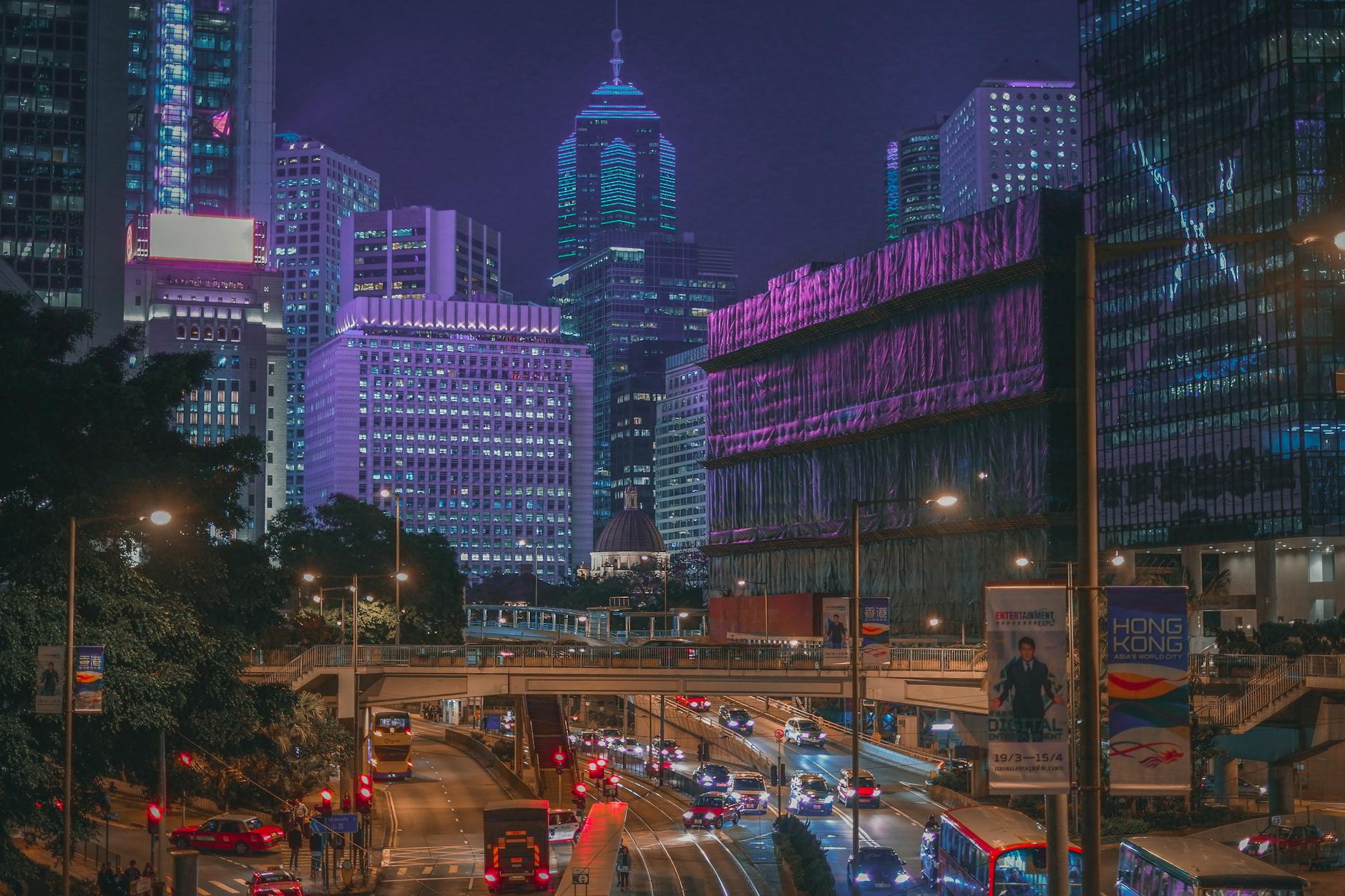
Luxury travelers sometimes default to cars, but Central is not always best solved by a vehicle. A car may be right for arrival, formal dinners, rain, privacy, luggage, or cross-district movement. The MTR may beat traffic for some trips. Ferries can make the harbor feel like part of the visit. Walking can be excellent when the route is short, scenic, and not uphill in humidity.
The best transport choice is the one that protects the experience. That may mean a car for a formal dinner, a ferry for a relaxed view, a covered walkway for a nearby meal, or simply staying close to the hotel after a long flight.
- Use cars for privacy, luggage, rain, formal arrivals, and late returns when they truly help.
- Use MTR, ferries, or walking when they improve timing or make the city more legible.
- Check pickup points and traffic before assuming a car is the premium answer.
When to order a short-term travel report
A luxury traveler staying at one known hotel with a relaxed schedule may not need a custom Central Hong Kong report. A report becomes useful when the traveler is choosing among high-end hotels, has limited nights, wants dining or shopping to be exact, needs privacy, has mobility or medical constraints, or must combine leisure with meetings or family needs.
The report should test hotel siting, room category tradeoffs, arrival handling, dining, shopping, wellness, views, transport, weather, privacy, service support, evening returns, budget, and what to cut. The value is not more luxury in the abstract. It is a Central stay that spends money where it changes the trip.
- Order when hotel selection, dining, privacy, transport, weather, or high-end timing need testing.
- Provide dates, hotel options, room preferences, dining goals, shopping interests, constraints, and budget.
- Use the report to make Central Hong Kong luxury precise, comfortable, and worth the spend.