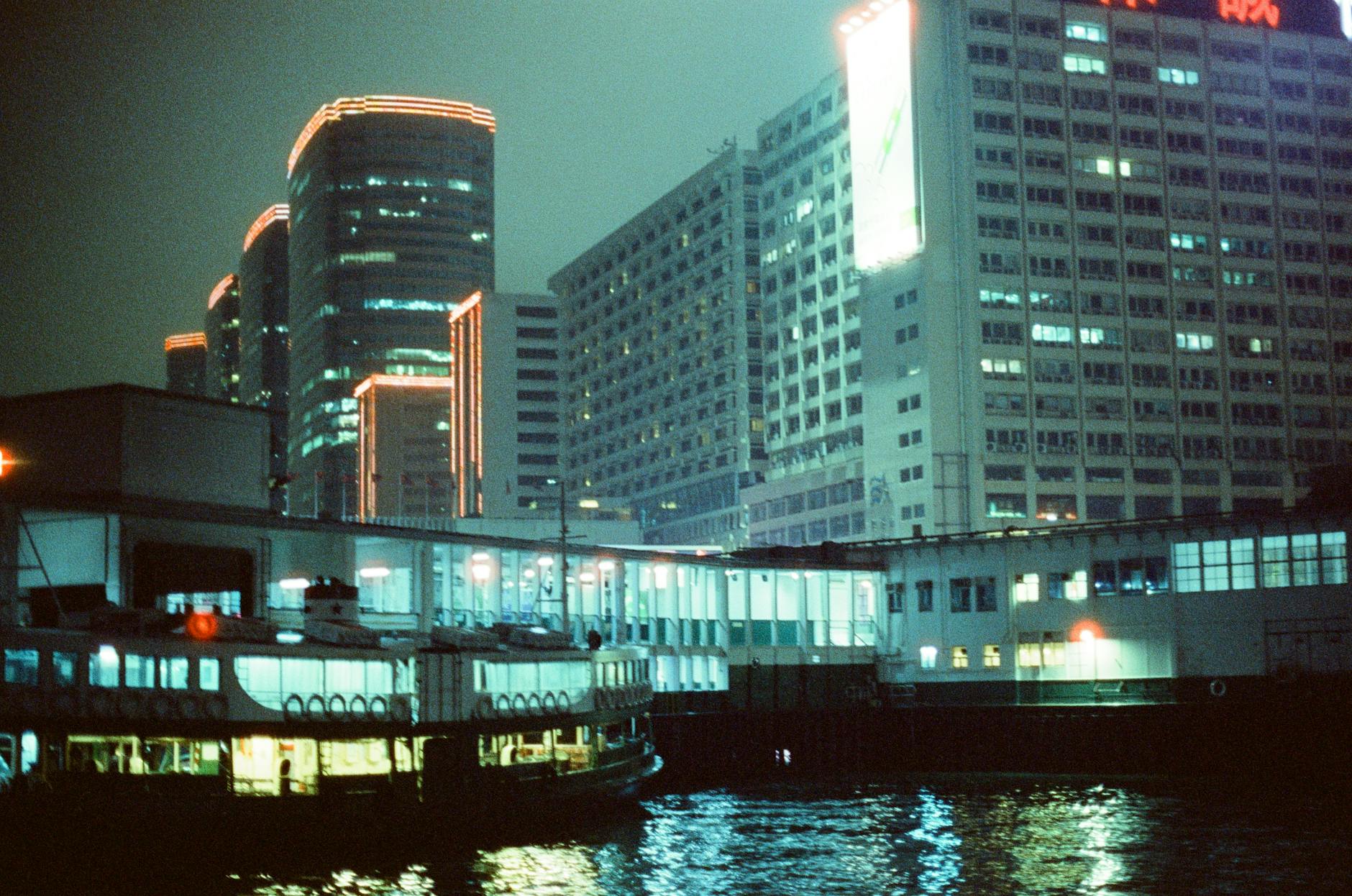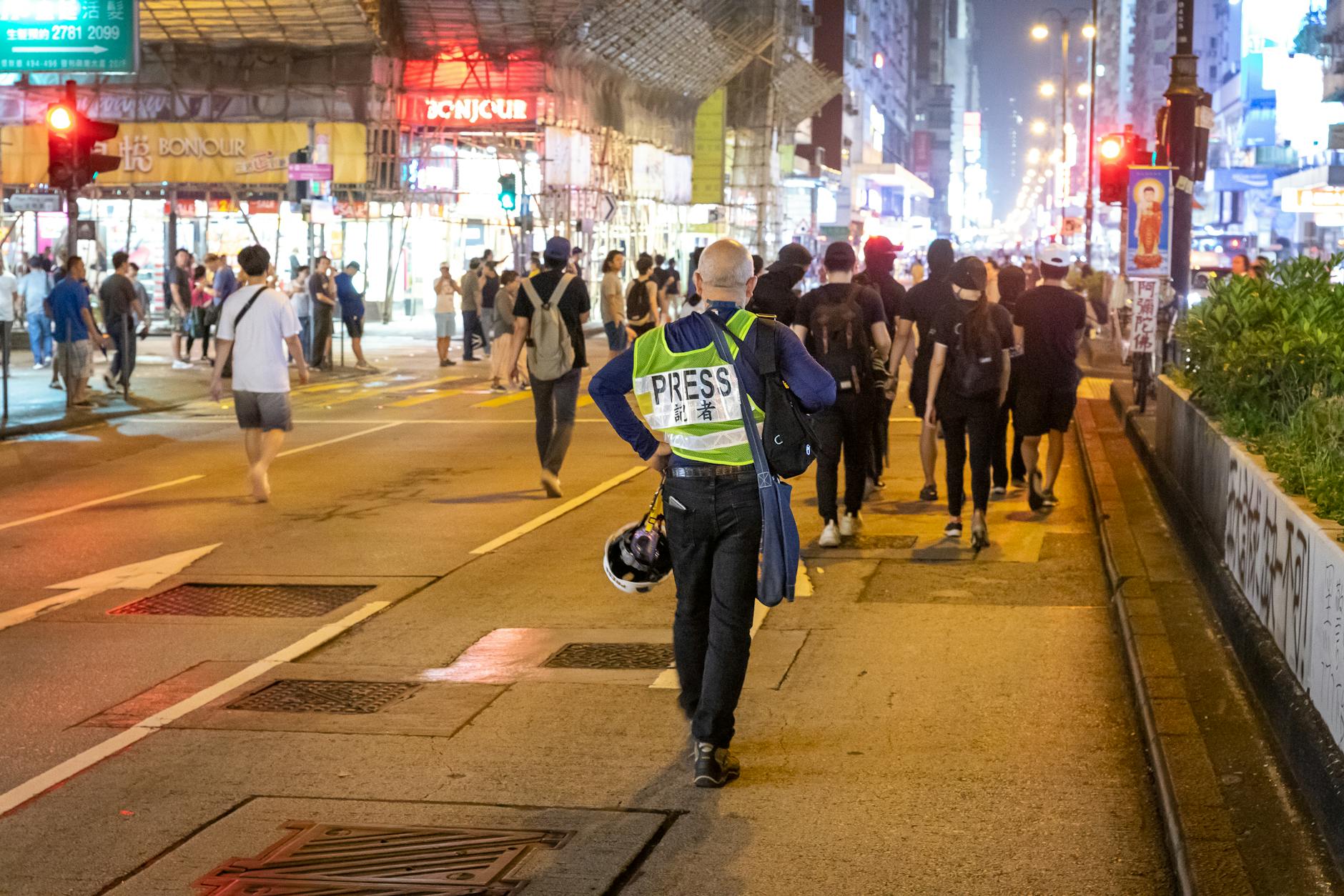
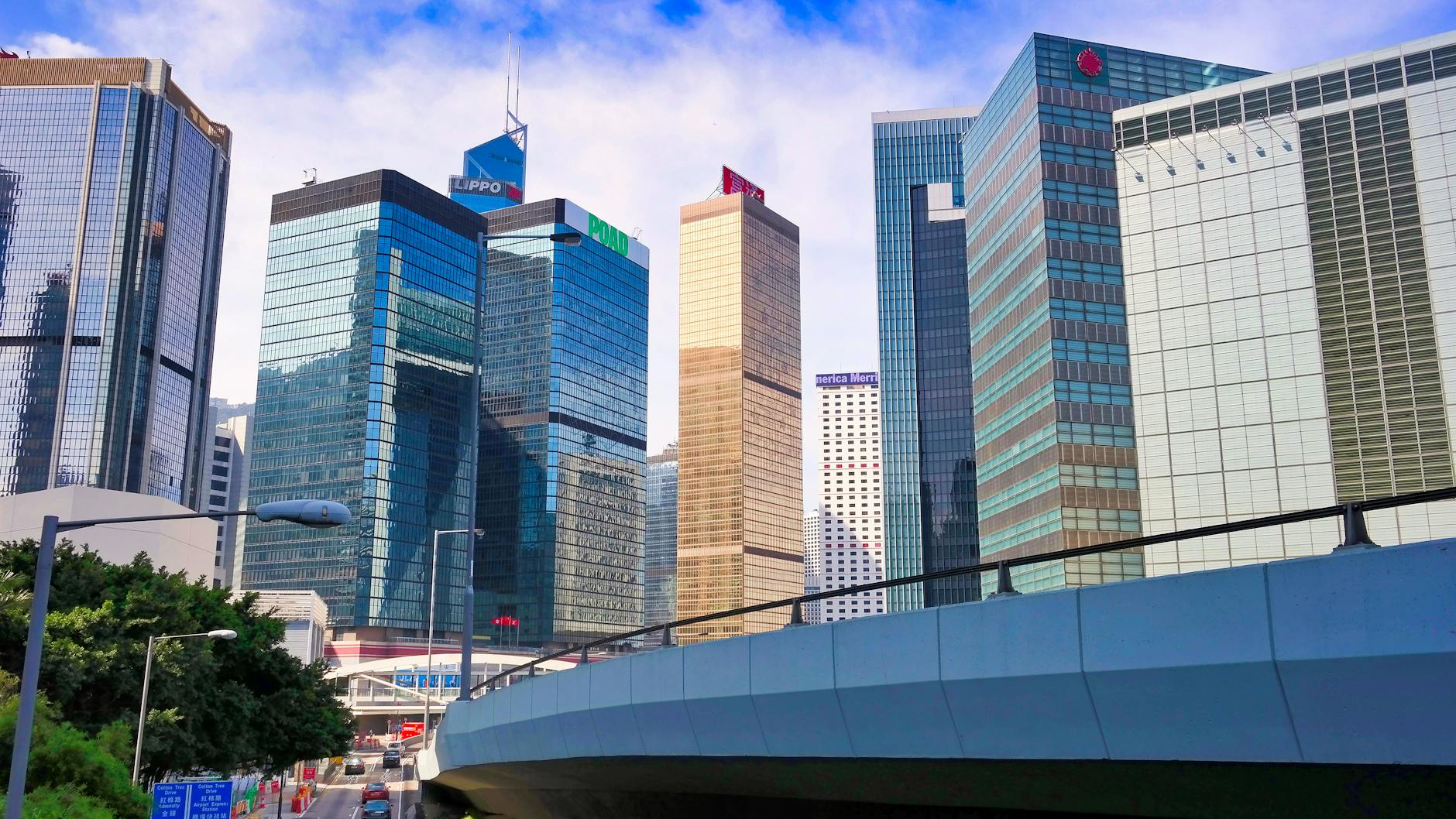
Central Hong Kong can be a useful base for journalists because it offers transport, government and business proximity, hotels, cafes, ferries, offices, courts, consulates, financial institutions, and access to sources across the city. It is also a dense, politically sensitive, commercially sophisticated environment where assumptions can create problems quickly. A short reporting trip should be built around the assignment, not the itinerary. The journalist needs to know where the story is, who can speak, what can be recorded, how deadlines align with movement, what equipment is essential, and where private work can happen. Central can support that work, but it does not remove the need for preparation.
Define the assignment before choosing the base
A journalist should first define the story geography. Central may be right for finance, courts, business, government-adjacent meetings, consulates, source coffees, or interviews with professional services. It may be less useful if the assignment is centered on communities, universities, industrial areas, ports, culture, housing, or district-level reporting elsewhere.
The lodging base should support source access, private work, deadline rhythm, and return routes. A polished address is not enough if it keeps the journalist far from the actual story or creates avoidable travel pressure before interviews.
- Map the story, sources, institutions, interview sites, newsroom needs, and airport links before booking.
- Choose Central when it supports the reporting, not simply because it is convenient or recognizable.
- Separate source access, field reporting, private writing, and deadline delivery as different needs.
Build source meetings with privacy and consent
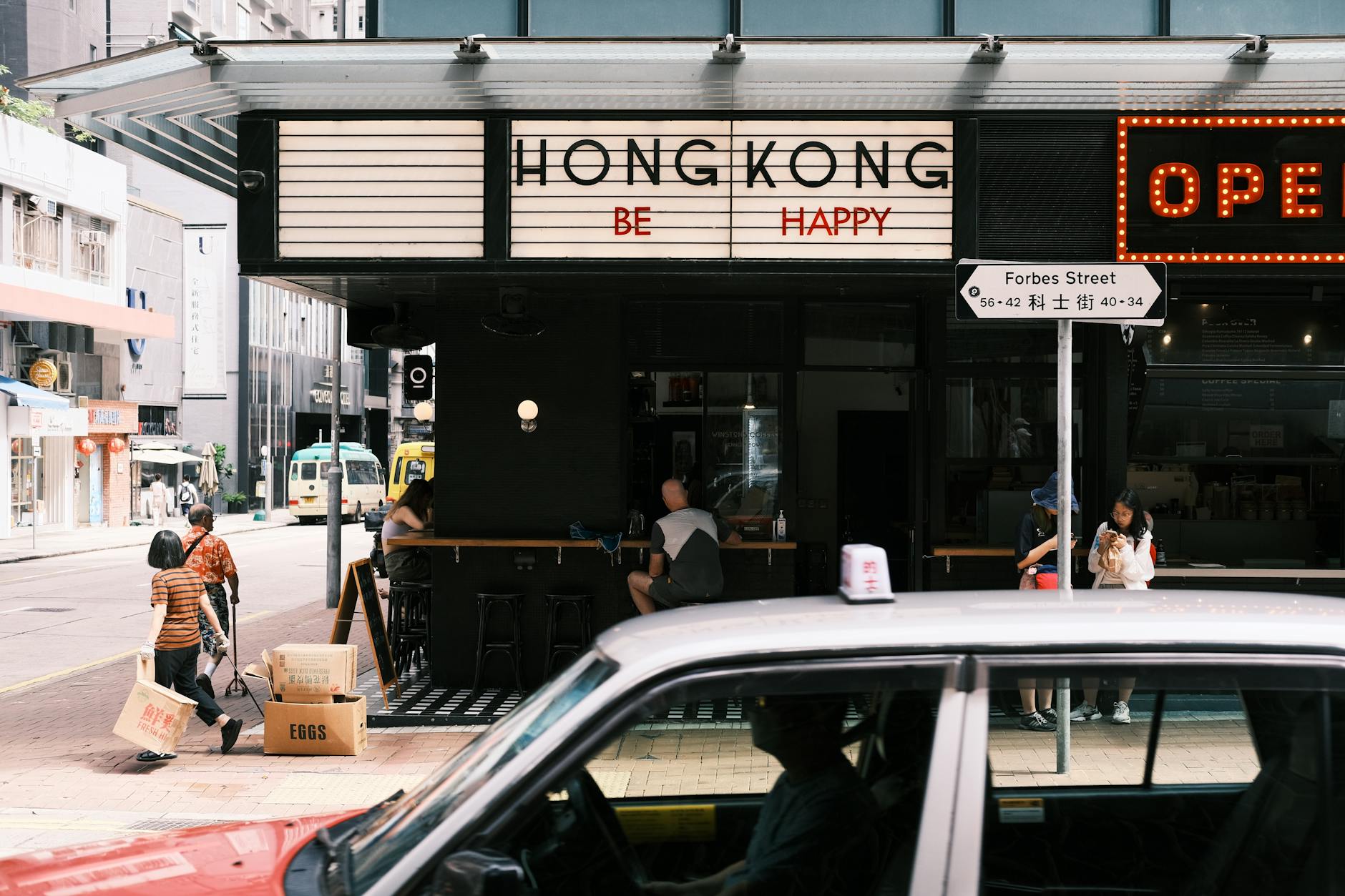
Central has plenty of cafes, hotel lounges, offices, and restaurants, but not every place is appropriate for a source conversation. The journalist should consider privacy, background noise, visibility, recording permission, translation needs, payment expectations, and whether the source is comfortable with the venue.
For sensitive topics, the meeting plan should be more conservative. Source safety, consent, identity handling, and how notes or recordings are stored should be addressed before the journalist is sitting across the table.
- Choose source venues by privacy, noise, visibility, comfort, recording permission, and route safety.
- Clarify consent, attribution, identity handling, translation, and note or recording security.
- Avoid forcing sources into settings that are convenient for the traveler but wrong for the story.
Plan equipment and movement together
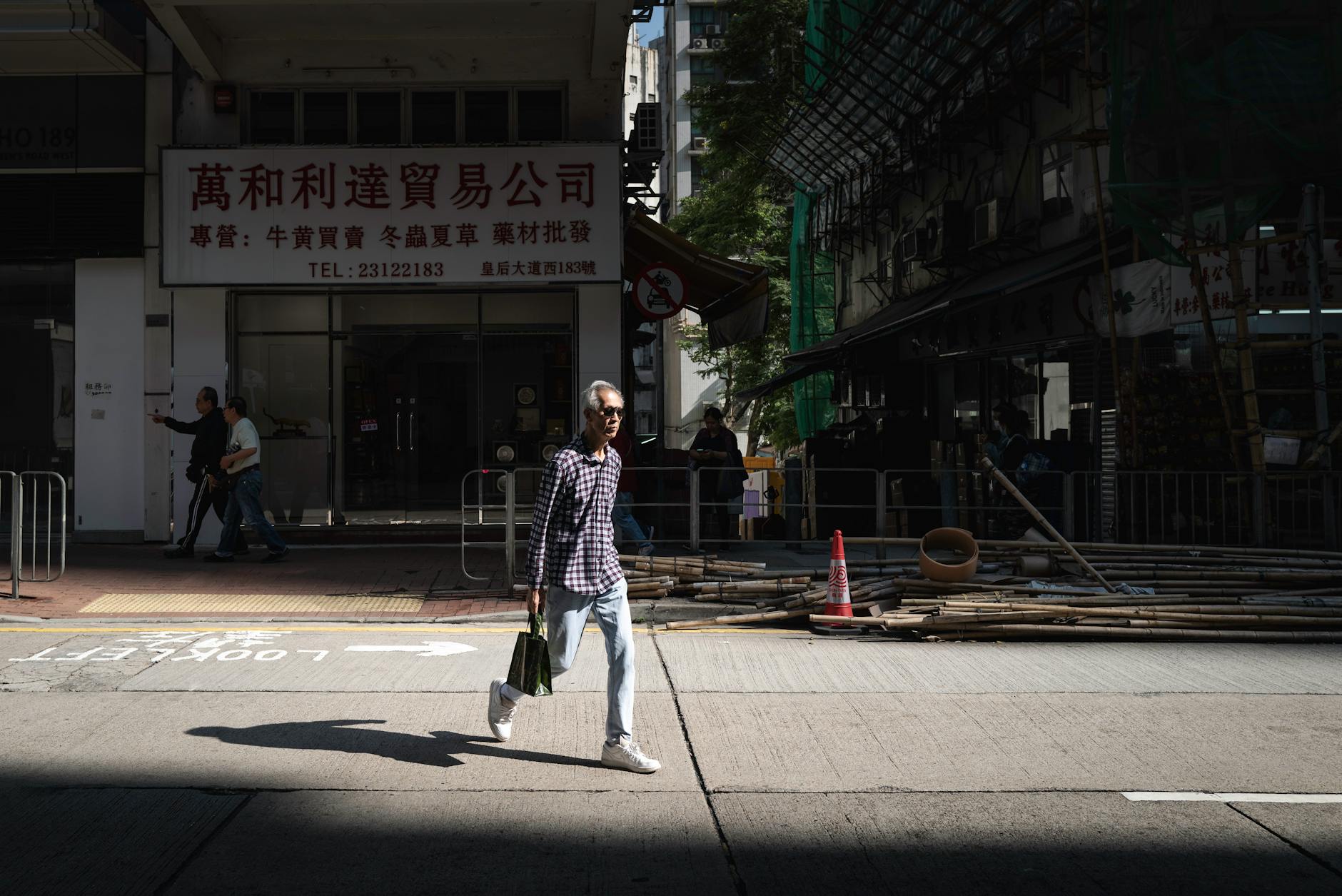
A journalist's transport choices depend on equipment. A phone-only reporting day is different from carrying camera bodies, audio gear, tripod, laptop, lighting, batteries, or checked bags. MTR and walking can be efficient, but taxis or cars may be better when gear, weather, source timing, or security concerns change the equation.
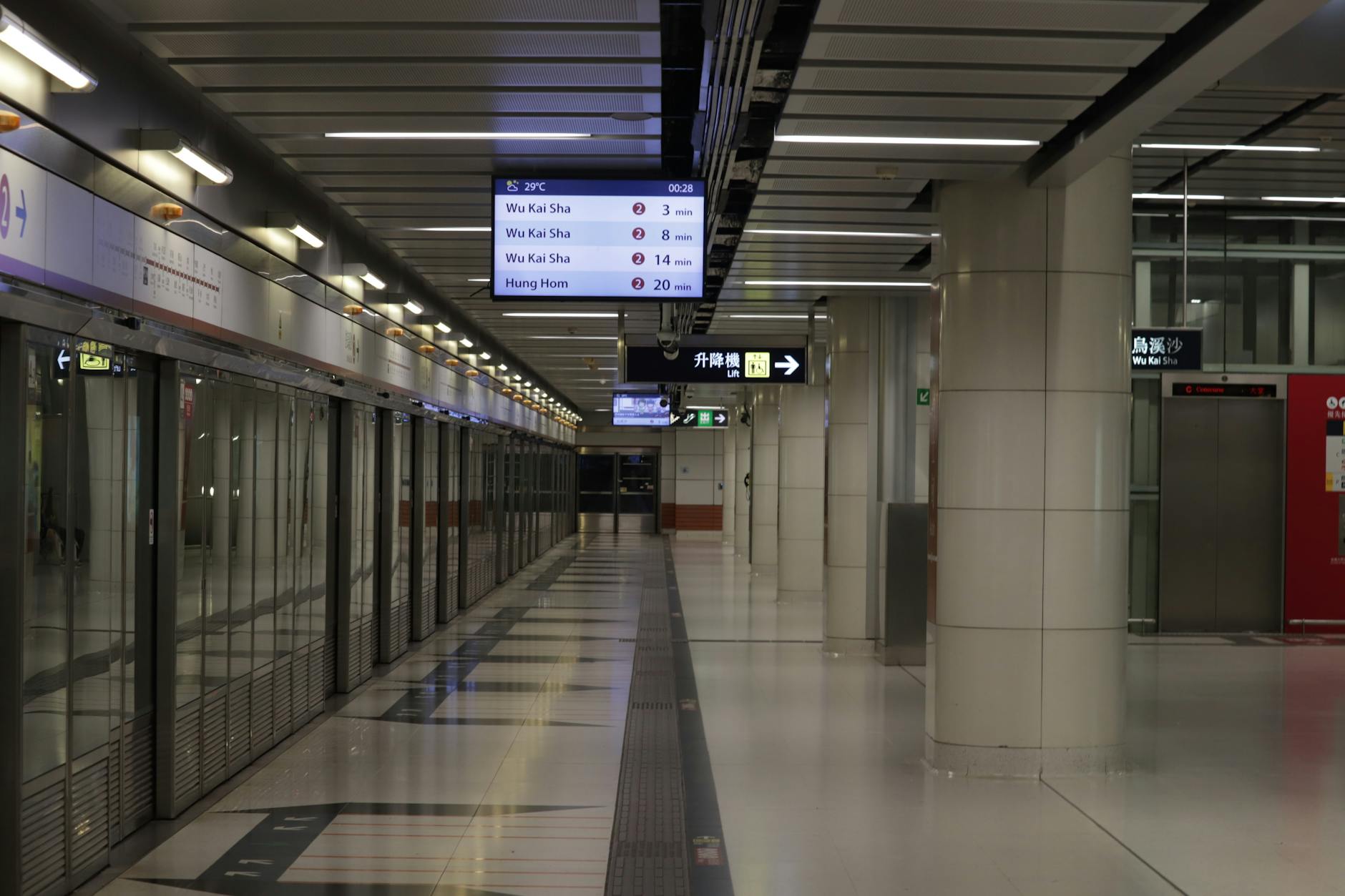
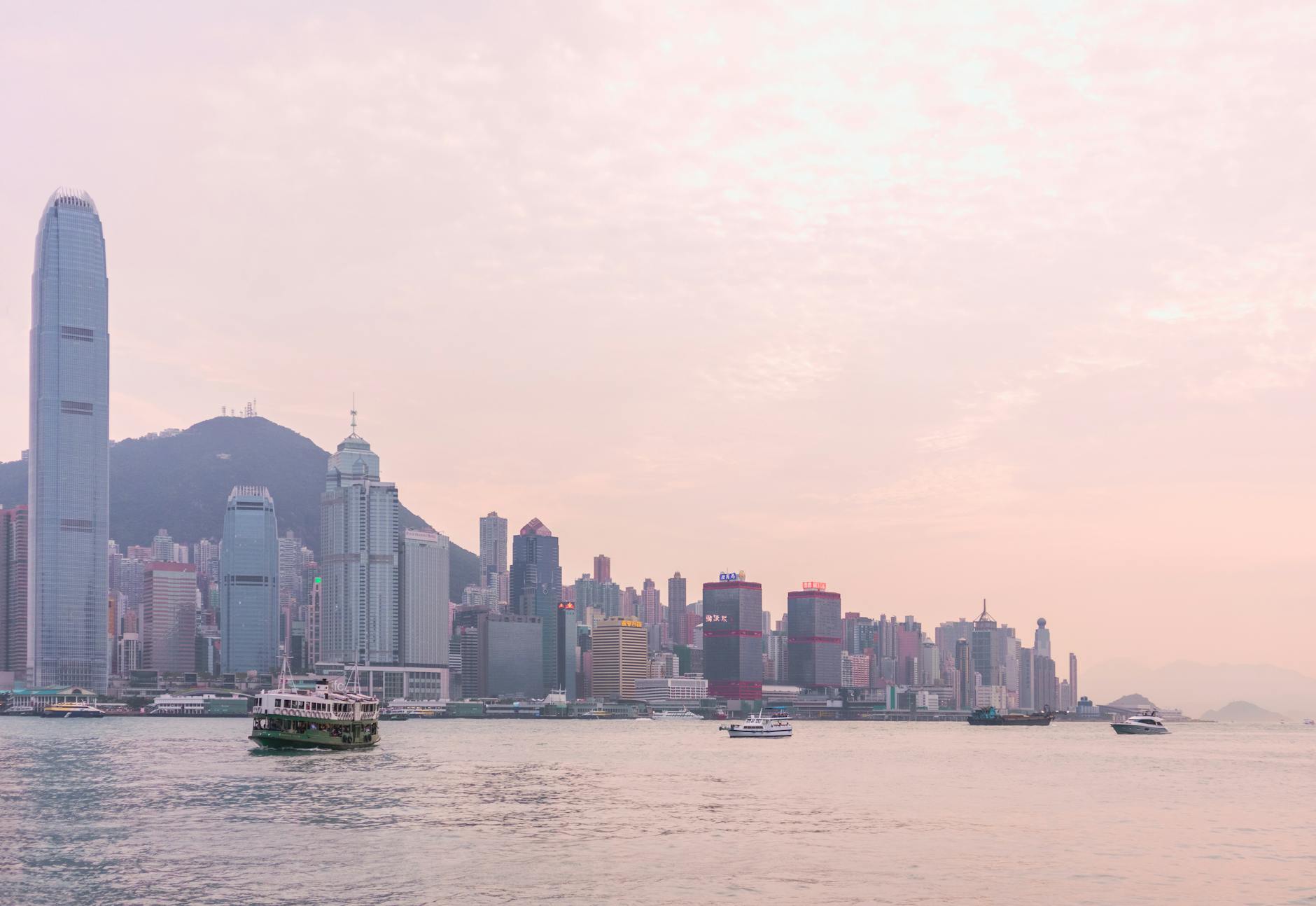
The journalist should know pickup points, station exits, building entrances, ferry timing, and weather cover before moving between assignments. A missed interview because of a confusing exit is a reporting failure, not just a travel inconvenience.
- Match MTR, taxi, ferry, car, or walking to gear, weather, timing, source sensitivity, and fatigue.
- Carry batteries, adapters, storage, backup audio, rain protection, and equipment inventory deliberately.
- Check station exits, pickup points, building entrances, and return routes before deadline days.
Protect writing, filing, and newsroom windows
Short reporting trips can fail when every open hour becomes another interview. The journalist needs time to transcribe, verify, check names, write, edit, send files, answer editors, and prepare the next conversation. Central has work-friendly spaces, but privacy and quiet are uneven.
A hotel room, business lounge, newsroom partner space, or carefully chosen cafe may be necessary. The journalist should also plan for time-zone deadlines, large file uploads, secure connections, and whether the accommodation Wi-Fi can support the work.
- Reserve time for transcription, verification, writing, edits, file transfer, and editor communication.
- Identify private workspaces with reliable Wi-Fi before deadlines arrive.
- Plan around newsroom time zones and upload needs, not only local interview timing.
Treat legal and political context seriously
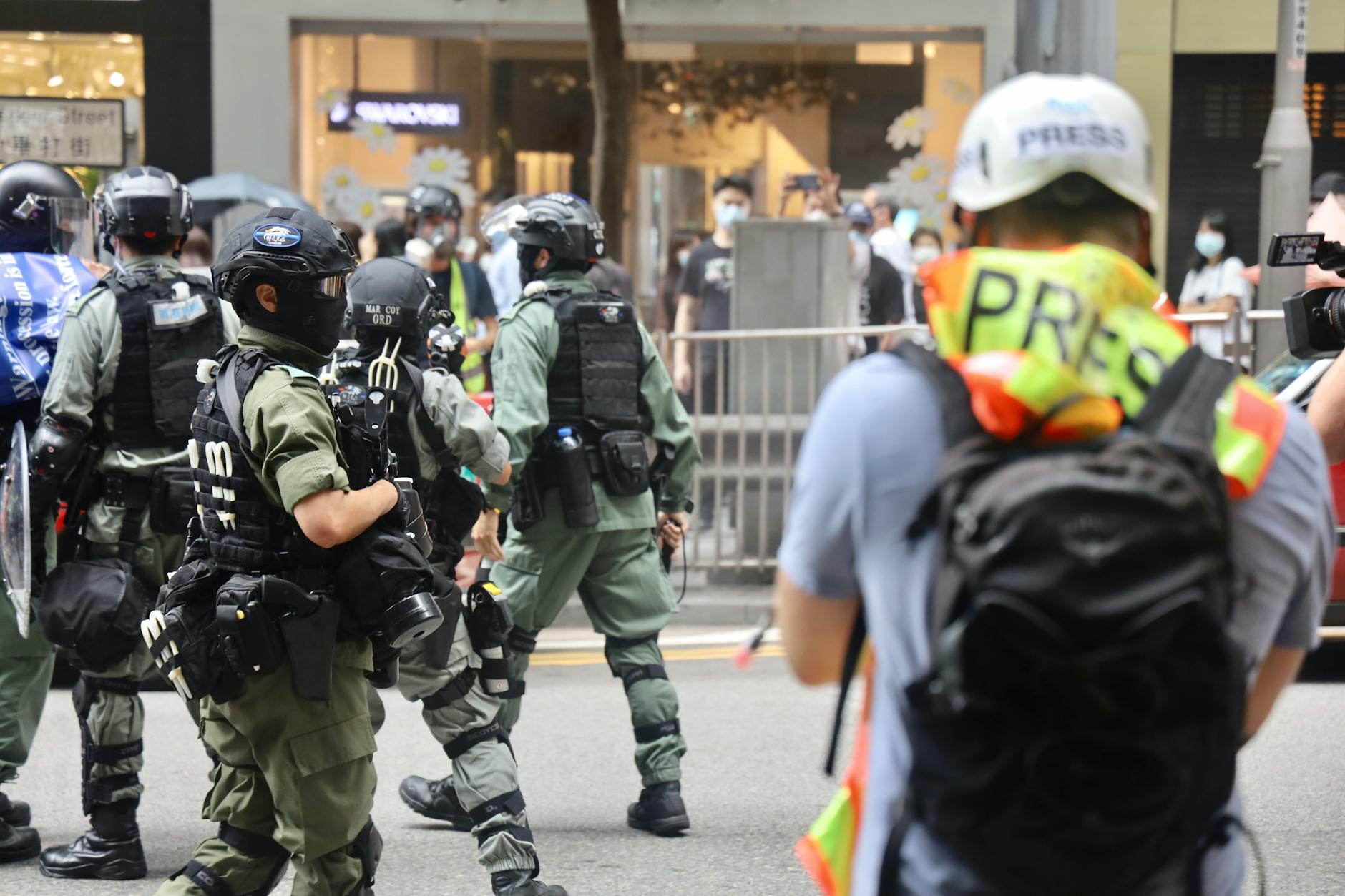
Hong Kong is a sophisticated reporting environment, but journalists should not treat it as context-free. Accreditation, visa status, filming rules, property access, court or government building protocols, data security, source protection, and topic sensitivity may all matter depending on the assignment.
The journalist should consult the commissioning outlet's guidance and local legal or fixer support when appropriate. The plan should define what can be filmed, where permits may be needed, how to handle protests or sensitive locations, and how to protect sources and devices.
- Check assignment-specific rules around accreditation, filming, court access, property access, and visas.
- Use local legal, fixer, or newsroom guidance when topics or locations are sensitive.
- Protect sources, notes, devices, and unpublished material as part of the travel plan.
Plan weather, fatigue, and personal exposure
Central can move from humid streets to cold interiors to heavy rain quickly. Journalists should plan clothing, spare shirt, rain protection, water, medication, phone battery, power bank, and backup payment. A long day of interviews, filming, and deadlines can drain judgment faster than a leisure itinerary would.
Personal exposure also matters. The journalist should be careful with visible gear, public conversations, hotel lobby meetings, late returns, and online posting that reveals location before the assignment requires it. The goal is steady reporting, not performative busyness.
- Prepare for humidity, rain, cold interiors, long standing time, batteries, water, and equipment fatigue.
- Avoid unnecessary exposure of gear, sources, hotel routines, and real-time locations.
- Protect sleep and reset time so deadline pressure does not erode judgment.
When to order a short-term travel report
A journalist with a single hosted interview and a flexible deadline may not need a custom Central Hong Kong report. A report becomes useful when the assignment involves multiple sources, sensitive topics, filming, tight deadlines, equipment, location uncertainty, source privacy, or independent movement across districts.
The report should test assignment geography, lodging privacy, source routes, transport, equipment load, legal context, filing windows, weather, personal exposure, food, airport transfers, budget, and what to cut. The value is a reporting trip that protects the story and the journalist's ability to deliver it.
- Order when assignment geography, sources, equipment, deadlines, privacy, or legal context need testing.
- Provide dates, story scope, source areas, lodging options, gear, deadlines, constraints, and budget.
- Use the report to keep the Central Hong Kong reporting trip controlled and source-aware.