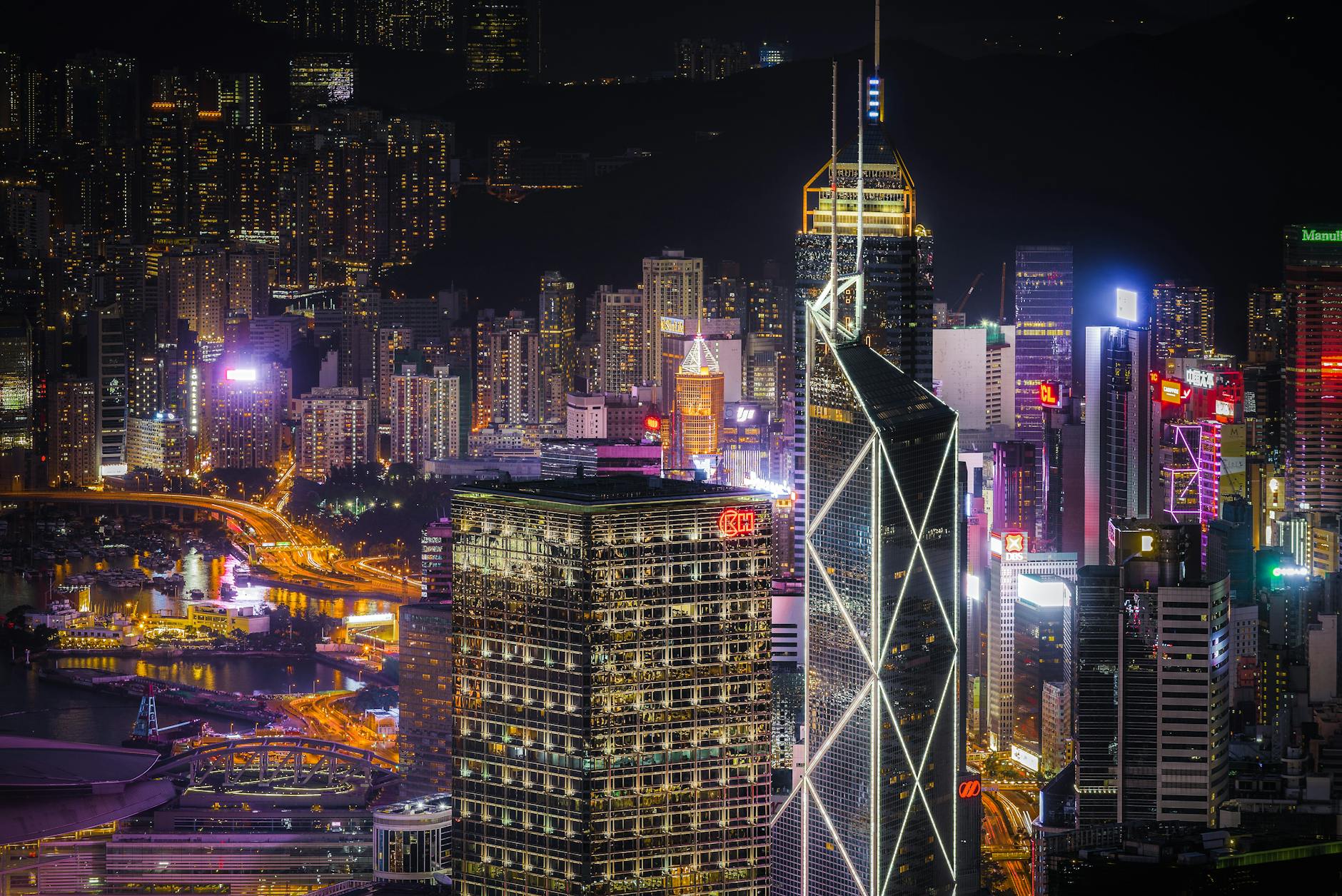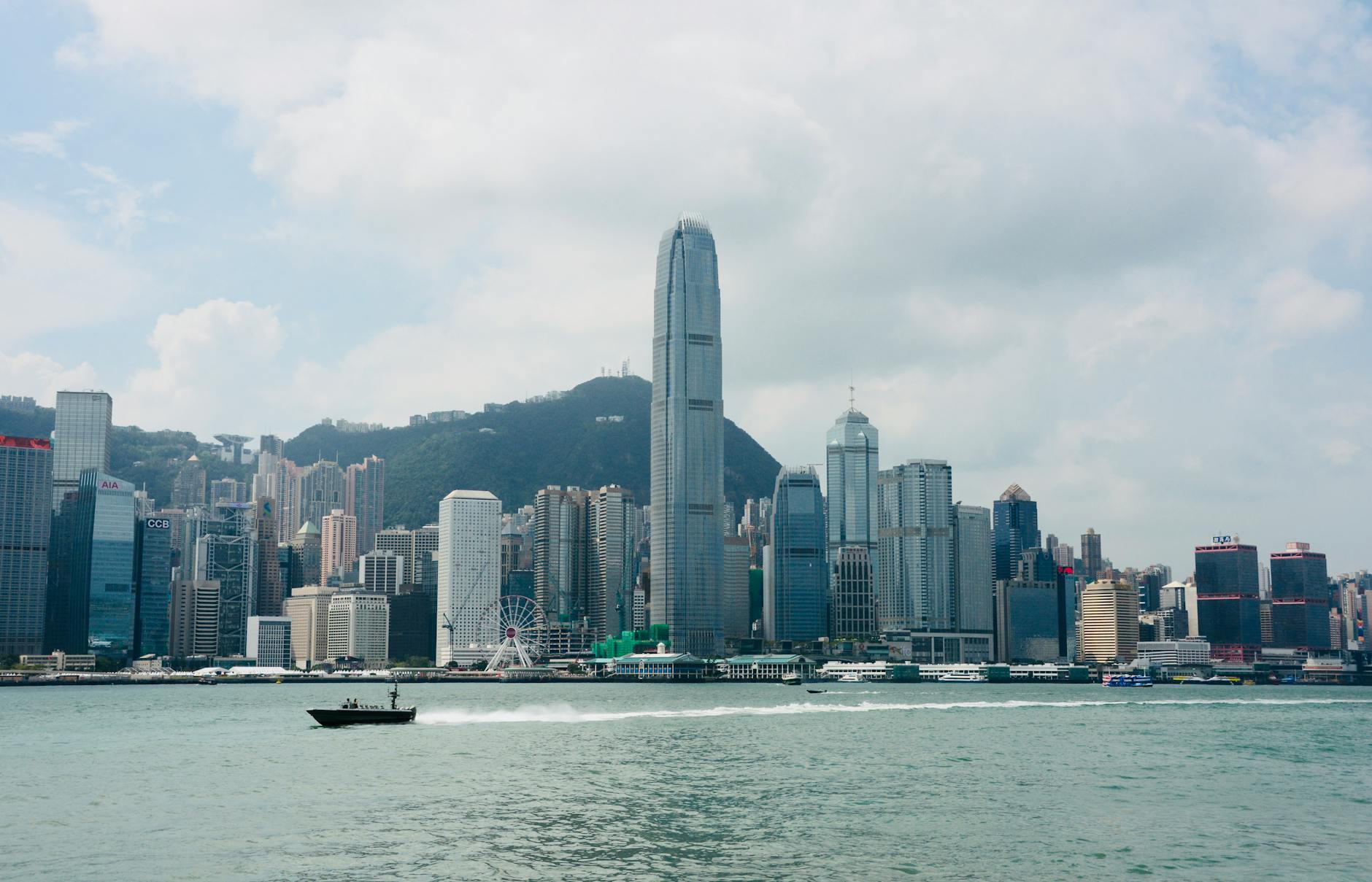
Central Hong Kong is one of the most useful districts in Asia for an investor or deal team member because it concentrates finance, legal, accounting, banking, advisory, private office, hotel, and dining infrastructure. That usefulness can create overconfidence. A deal trip is not just a business trip with nicer restaurants. It may involve confidential documents, sensitive negotiations, time-zone calls, diligence meetings, senior stakeholders, and little tolerance for wasted movement. The plan should be built around information control and decision quality. Where are the target, advisors, lenders, counsel, management, investors, and internal team members? What must remain private? When will the team need a secure work block? Which meals are relationship-building and which are noise? Central can handle the trip, but the itinerary must respect the stakes.
Map the deal geography before choosing a hotel
Deal travel should start with the location of the work. The target company, financial advisor, legal counsel, accounting team, lender, regulator-facing meeting, investor office, and management dinner may not all sit in the same district. Central may be ideal, but only if it reduces friction around the highest-stakes interactions.
The traveler should distinguish between formal meetings, private prep, side discussions, and hosting. A base that is perfect for advisor meetings may be wrong if management sessions or diligence rooms are elsewhere.
- Map target, advisors, counsel, accountants, lenders, investors, dinners, hotel, and airport links.
- Separate formal meetings, private prep, diligence sessions, side conversations, and hosting.
- Choose Central when it improves the deal workflow, not simply because it is the finance core.
Choose lodging for privacy and work control
An investor or deal team hotel should be judged by privacy, reliability, and work support. Quiet rooms, secure Wi-Fi practices, desk quality, private call locations, business services, printing options, breakfast speed, room service, laundry, taxi access, and discreet lobby flow can all matter.
The team should also consider who might see whom. A lobby, bar, lift, or breakfast room can become awkward if multiple parties in the same process are staying nearby. The hotel does not need to be secretive, but it should not create avoidable exposure.
- Check quiet rooms, desk setup, private calls, Wi-Fi, printing, laundry, room service, and taxi access.
- Consider whether lobby, bar, lift, or breakfast visibility creates process friction.
- Choose a base that protects work control and discretion as well as location.
Protect diligence time from meeting sprawl
Deal trips can collapse when every local contact asks for a meeting and no one protects analysis time. The team may need to review materials, reconcile numbers, prepare questions, update an investment committee, revise terms, or decide whether to push, pause, or walk away. Central has plenty of places to meet, but the schedule still needs white space.
The strongest itinerary reserves blocks for internal work before and after the most important external sessions. A dinner can be useful. A second coffee that destroys the team's prep window can be expensive in ways that never appear on the travel budget.
- Reserve time for document review, financial analysis, question prep, term updates, and internal calls.
- Avoid letting courtesy meetings consume diligence or decision time.
- Place private team blocks before and after the highest-stakes external sessions.
Handle documents, devices, and confidentiality deliberately
Sensitive travel needs more than a charged phone. The traveler should plan secure access to documents, offline backups where appropriate, adapters, VPN and device policy compliance, clean screen behavior, call privacy, printing needs, and how confidential papers will move between hotel, office, taxi, and airport.
Central is polished, but public spaces are still public spaces. Lifts, lounges, hotel bars, taxis, cafes, and airport lines are poor places to discuss a live process. The team should decide what can be said where before the trip creates awkward moments.
- Plan document access, adapters, device policy, screen privacy, call privacy, and printing needs.
- Avoid live-process discussion in lifts, taxis, lounges, cafes, hotel bars, and airport queues.
- Treat paper movement, laptop bags, and backup access as part of the itinerary.
Use movement choices to reduce exposure and fatigue
Central movement should be chosen by confidentiality, timing, materials, clothing, weather, and energy. The MTR may work for light routine movement. Taxis or cars may be better with sensitive documents, senior participants, tight timing, rain, or formal meetings. Walking can be efficient only when the route is known and the weather cooperates.
The team should know building entrances, pickup points, security procedures, and return routes. A late arrival to a management meeting or a confused lobby search can make the team look less controlled than it is.
- Choose MTR, taxi, car, ferry, or walking by confidentiality, documents, weather, timing, and fatigue.
- Check entrances, security, elevators, pickup points, and return routes before each meeting.
- Spend on movement when it protects discretion, punctuality, or decision quality.
Make meals serve the process
Central has the restaurants and private rooms to support a deal trip, but meals should be assigned a purpose. Management dinner, lender coffee, advisor lunch, team debrief, investor drink, and solo recovery meal all do different work. A prestigious room can help a conversation, but it can also add cost, noise, timing pressure, or visibility.
The traveler should decide who needs to be in the room, what can be discussed there, and how the team will get back to private work afterward. The best meal plan strengthens judgment rather than simply filling the evening.
- Assign each meal a purpose: management, advisor, lender, investor, team debrief, or recovery.
- Choose venues by privacy, noise, timing, visibility, dietary needs, and return route.
- Avoid meals that interfere with preparation, confidentiality, or next-day decision work.
When to order a short-term travel report
An investor or deal team member with a single hosted meeting may not need a custom Central Hong Kong report. A report becomes useful when the trip involves multiple advisors, confidential work, senior stakeholders, diligence materials, tight timing, client or target meals, unclear hotel choices, or a need to balance speed with discretion.
The report should test deal geography, hotel privacy, meeting sequence, transport, document handling, work blocks, meals, weather, time-zone calls, airport transfers, budget, and what to cut. The value is a Central deal trip that protects judgment and process control.
- Order when advisor geography, confidentiality, lodging, meeting sequence, or work blocks need testing.
- Provide dates, meeting locations, hotel options, team size, materials, timing, constraints, and budget.
- Use the report to keep the Central Hong Kong deal trip discreet, efficient, and decision-ready.