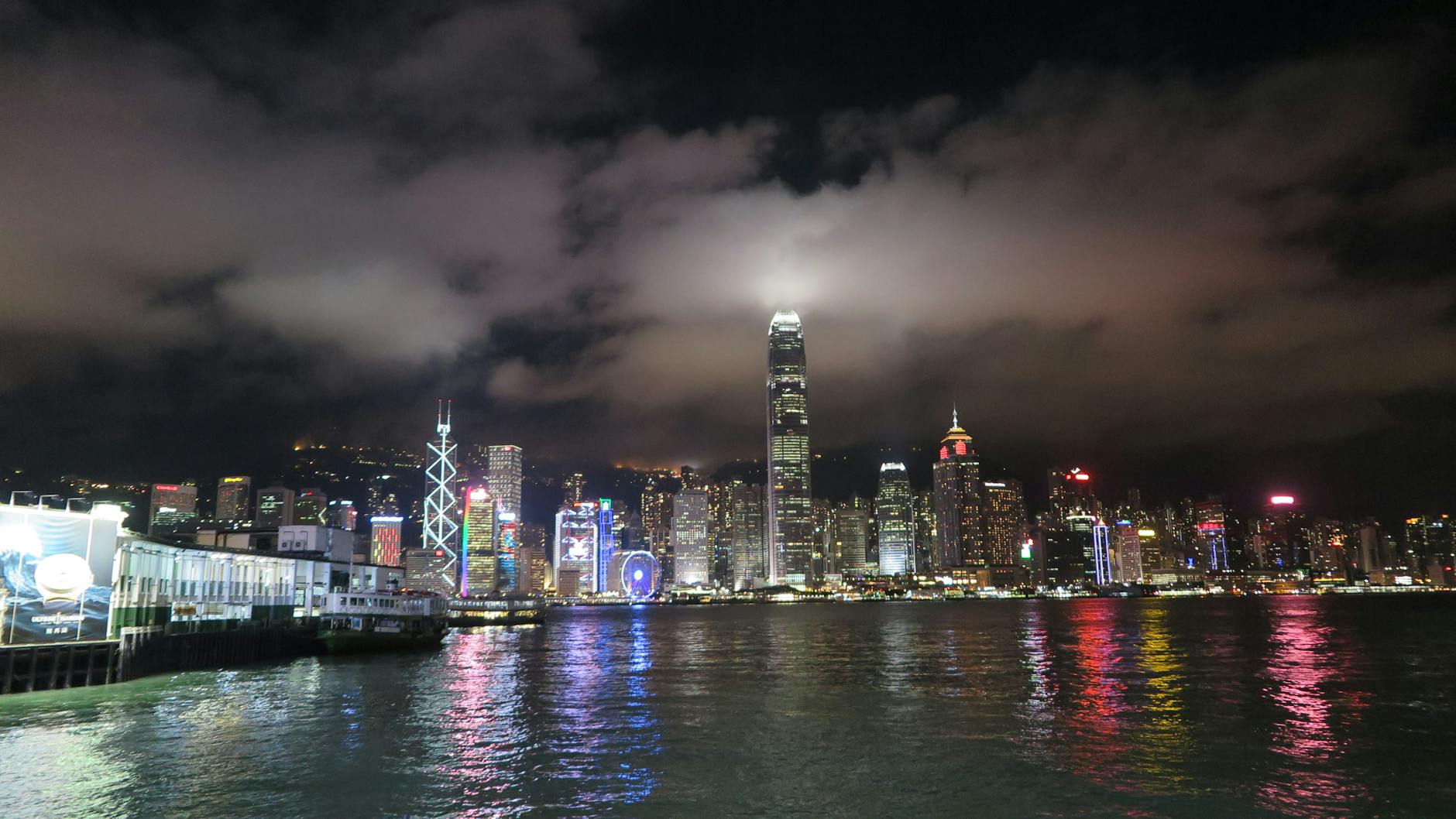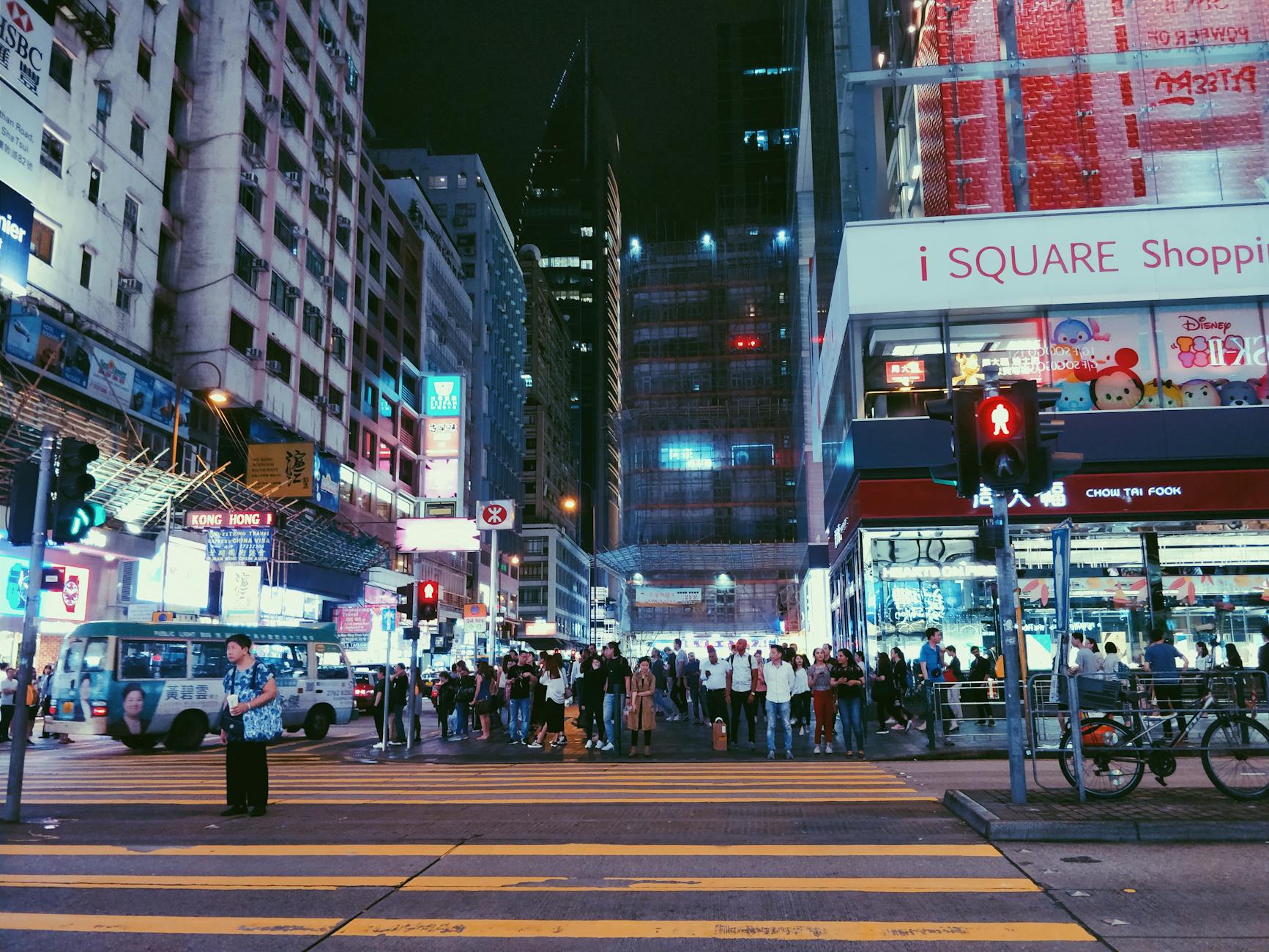
Central Hong Kong can be thrilling for a first-time visitor. It gives immediate access to skyline views, office towers, ferries, trams, hillside streets, luxury hotels, food, bars, malls, and strong transit. It also asks more of the traveler than the word central suggests. The district is vertical, crowded, humid at times, socially varied by block, and different in the morning, afternoon, and late at night. A first Central stay should help the visitor understand Hong Kong without exhausting them. The goal is not to conquer every sight on day one. The stronger plan uses Central as a base for orientation, harbor movement, food, one or two views, and clean returns to the hotel.
Understand that Central is layered, not simple
A first-time visitor can mistake Central for one compact downtown. In practice it is a district of harbor edges, office corridors, malls, elevated walkways, steep streets, escalators, nightlife blocks, luxury hotels, and transport nodes. The traveler should expect layers rather than a simple grid.
This matters because the first day can become disorienting. A route that looks short may involve slope, stairs, heat, crowds, or confusing building entrances. The visitor should start with a smaller orientation loop before adding wider Hong Kong ambitions.
- Treat Central as harbor, offices, malls, hills, escalators, dining streets, and transit nodes.
- Expect vertical routes, covered walkways, station exits, and building entrances to affect timing.
- Use a modest first-day loop before trying to connect too many sights.
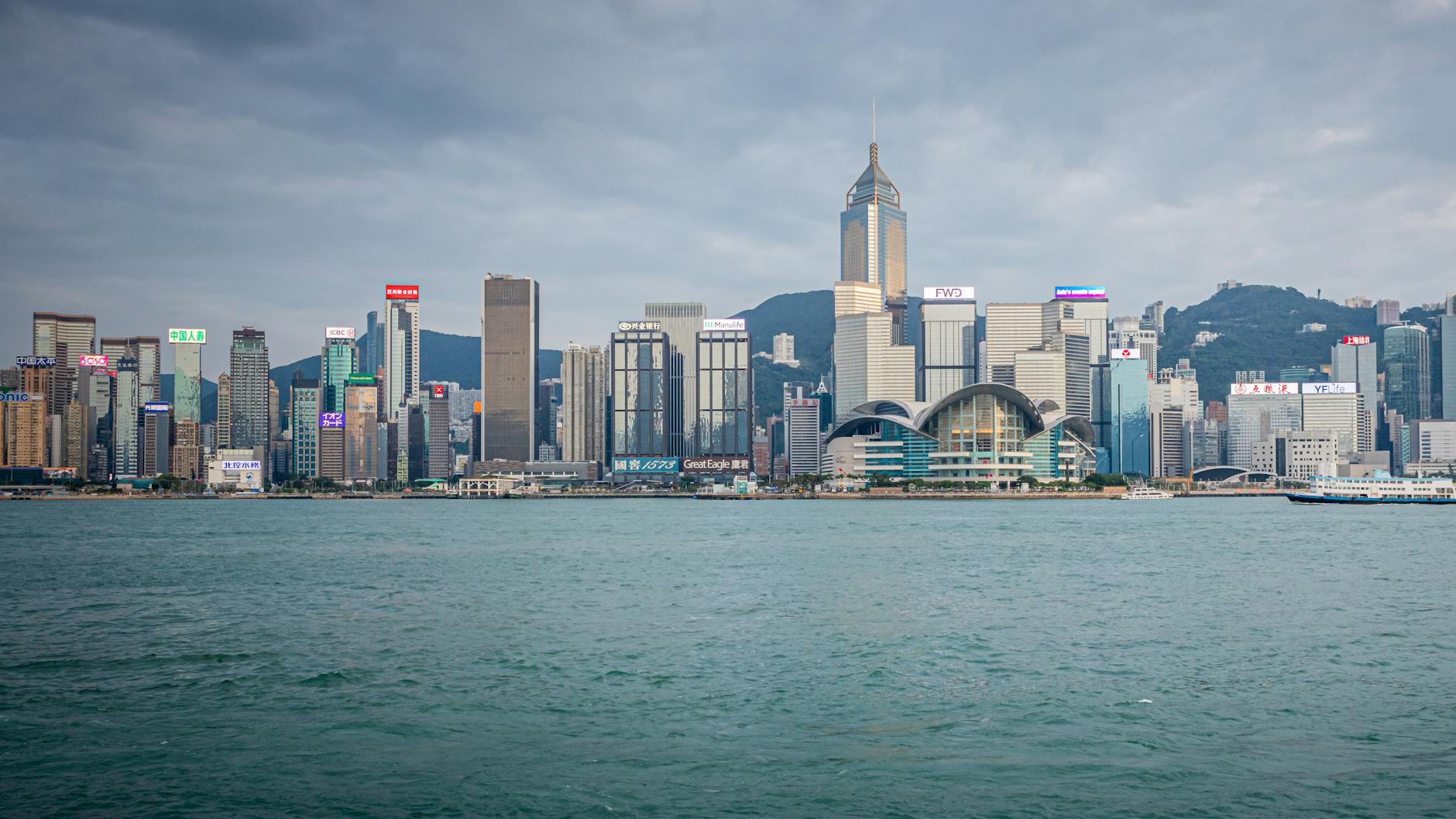
Choose the hotel for recovery and movement
The first-time visitor's hotel should solve more than sleep. It should make airport arrival, jet-lag recovery, breakfast, MTR access, ferry movement, taxi pickup, late returns, and weather escape easier. A scenic or prestigious hotel is less useful if every outing starts with confusing or tiring movement.
Travelers should decide whether they want harbor polish, office-district efficiency, nightlife proximity, quieter sleep, or easier cross-harbor access. Central can support each, but not from every hotel equally.
- Choose lodging by arrival ease, MTR access, taxi pickup, ferry reach, sleep, and late returns.
- Decide whether the stay should favor views, nightlife, quiet, business polish, or transit convenience.
- Check slope, station exits, elevators, and weather exposure before booking.
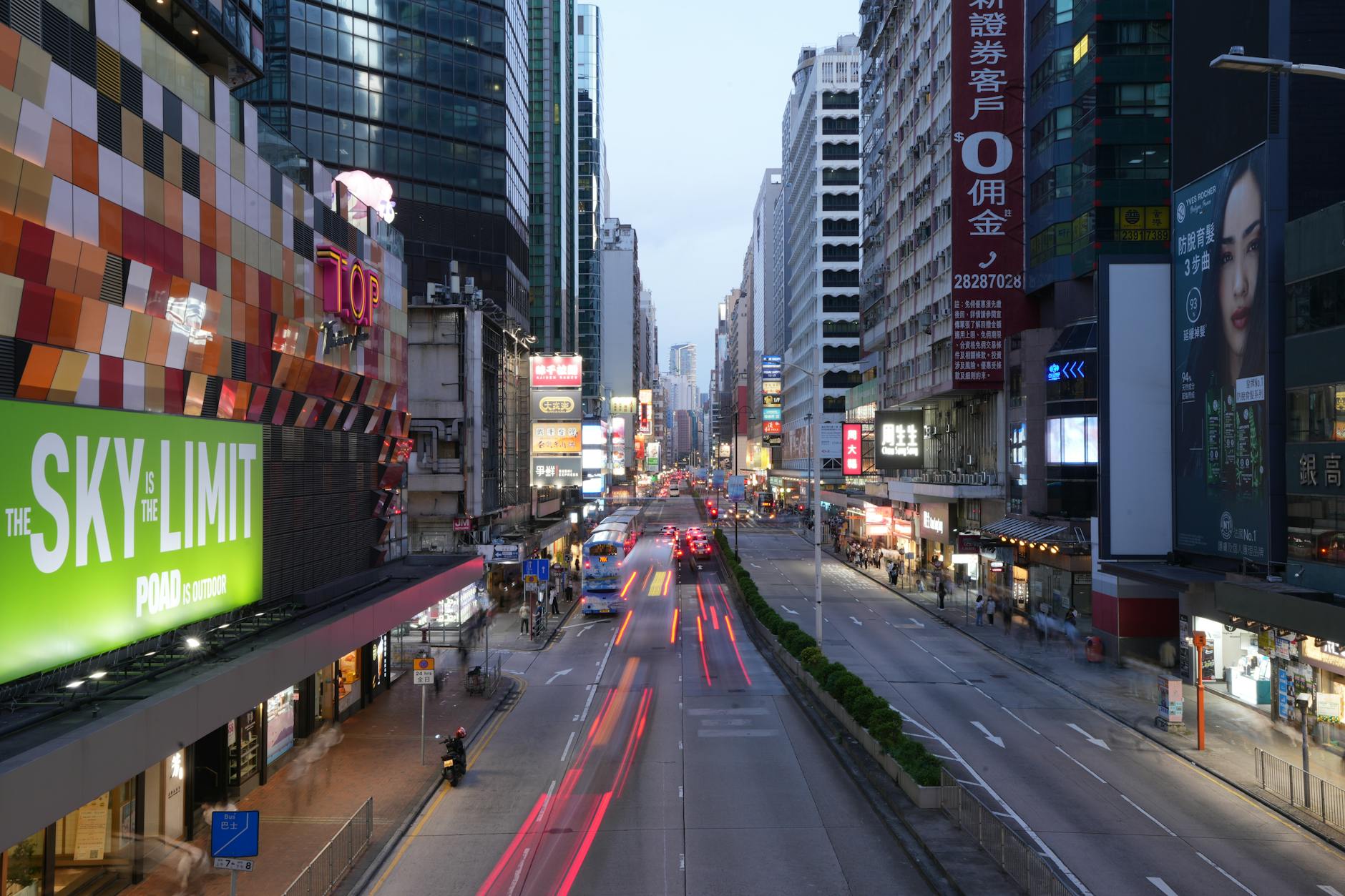
Use MTR, ferries, taxis, and walking for different jobs
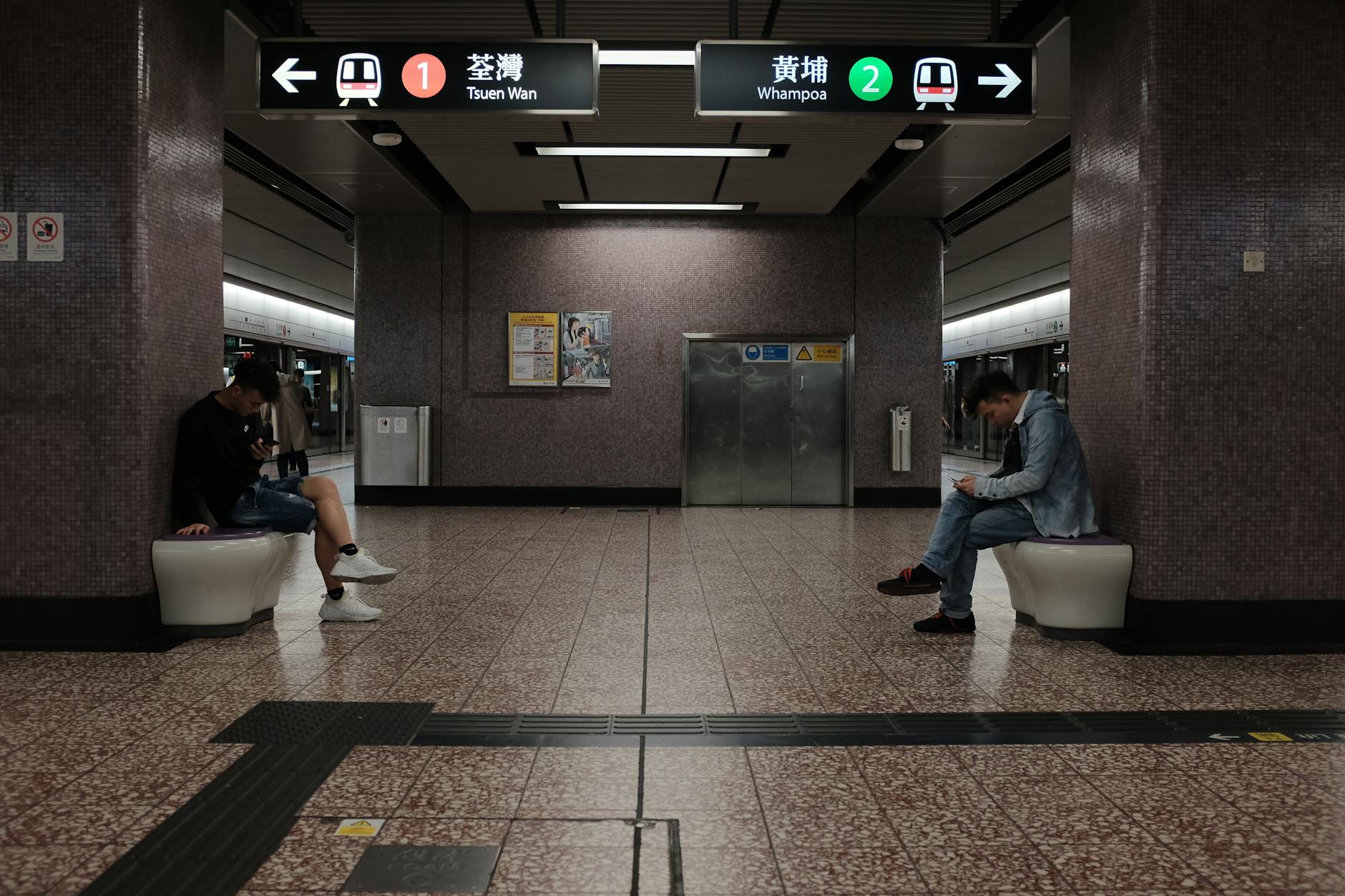
Central gives a first-time visitor several strong ways to move. The MTR is efficient for many city trips. Ferries make the harbor legible and memorable. Taxis help with weather, luggage, and late returns. Walking reveals the district, but only when the visitor respects heat, hills, crowds, and confusing crossings.
The visitor should avoid choosing one transport mode as a rule. Central becomes easier when each movement has a purpose and the traveler knows when to stop walking and switch.
- Use MTR for efficient city movement, ferries for harbor orientation, taxis for weather or luggage.
- Walk when the route is short, clear, and worth seeing at street level.
- Learn station exits and ferry locations before relying on them under time pressure.
Do not overload the first view day
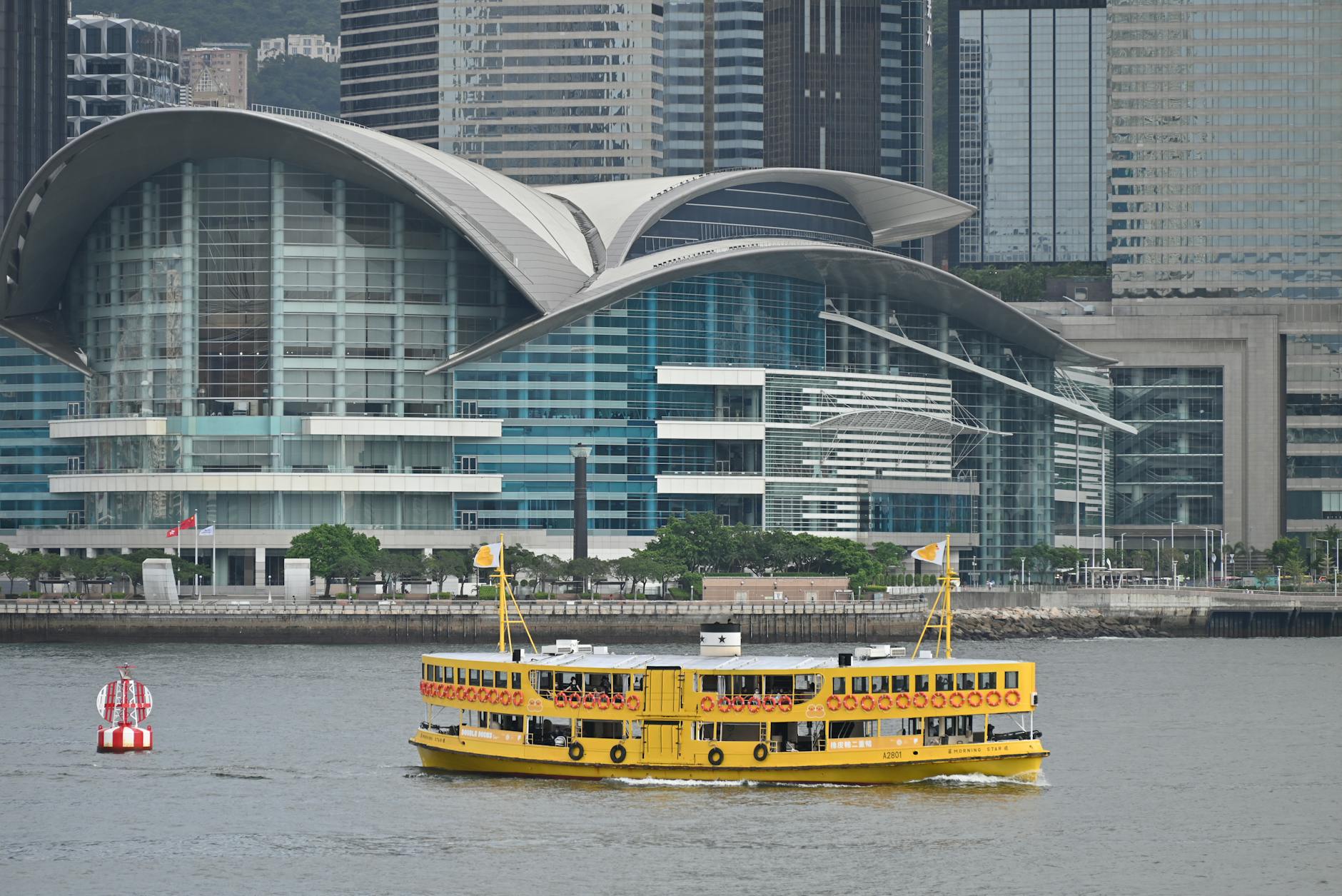
First-time visitors often try to stack skyline views, Peak plans, ferries, malls, markets, temples, dim sum, bars, and cross-harbor photos in one day. Central makes that tempting because so much is nearby. It is still too much if jet lag, heat, rain, or crowds are present.
A better first view day chooses one major view, one harbor movement, one meal focus, and enough margin to get oriented. The visitor will understand more by doing less with better timing.
- Choose one major view, one harbor movement, one meal focus, and one flexible evening plan.
- Do not stack Peak, ferries, skyline photos, shopping, markets, and bars without recovery time.
- Let weather and visibility decide whether a view activity is worth doing immediately.
Plan food and evening choices by energy level
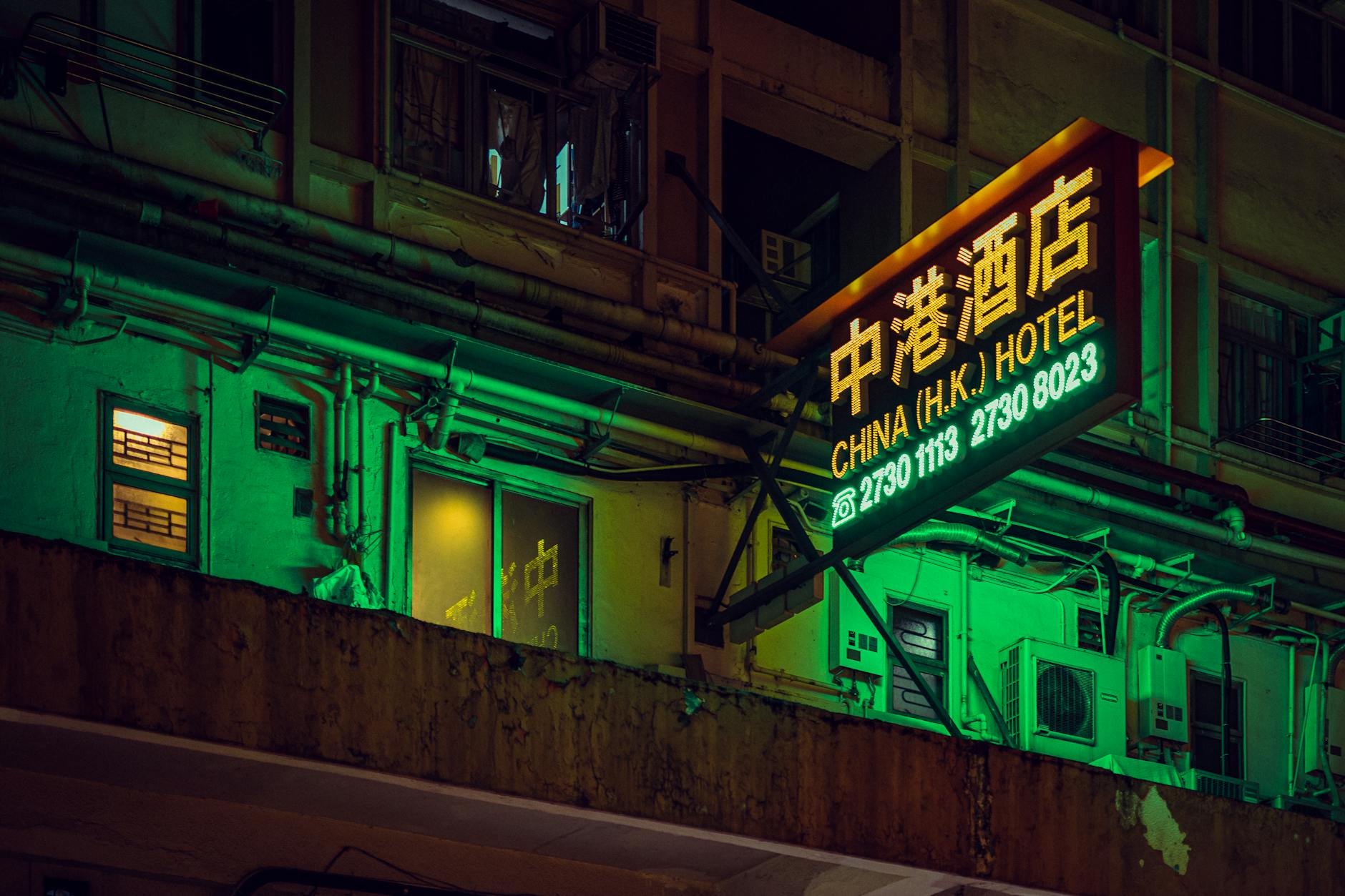
Central's food and bar options can be a highlight for first-time visitors, but they should be matched to energy. A long-haul arrival day may call for a simple meal near the hotel. A stronger second night may support a reservation, a bar, or a more deliberate neighborhood route.
The visitor should consider reservations, dress codes, budget, service charges, dietary needs, alcohol expectations, and the route home. A memorable night is better when the return is easy.
- Match dinner, snacks, bars, and dessert stops to jet lag, budget, and return route.
- Check reservations, dress codes, dietary needs, alcohol expectations, and payment norms.
- Use one good evening route instead of wandering uphill after fatigue has already set in.
Prepare for weather, crowds, and payment basics
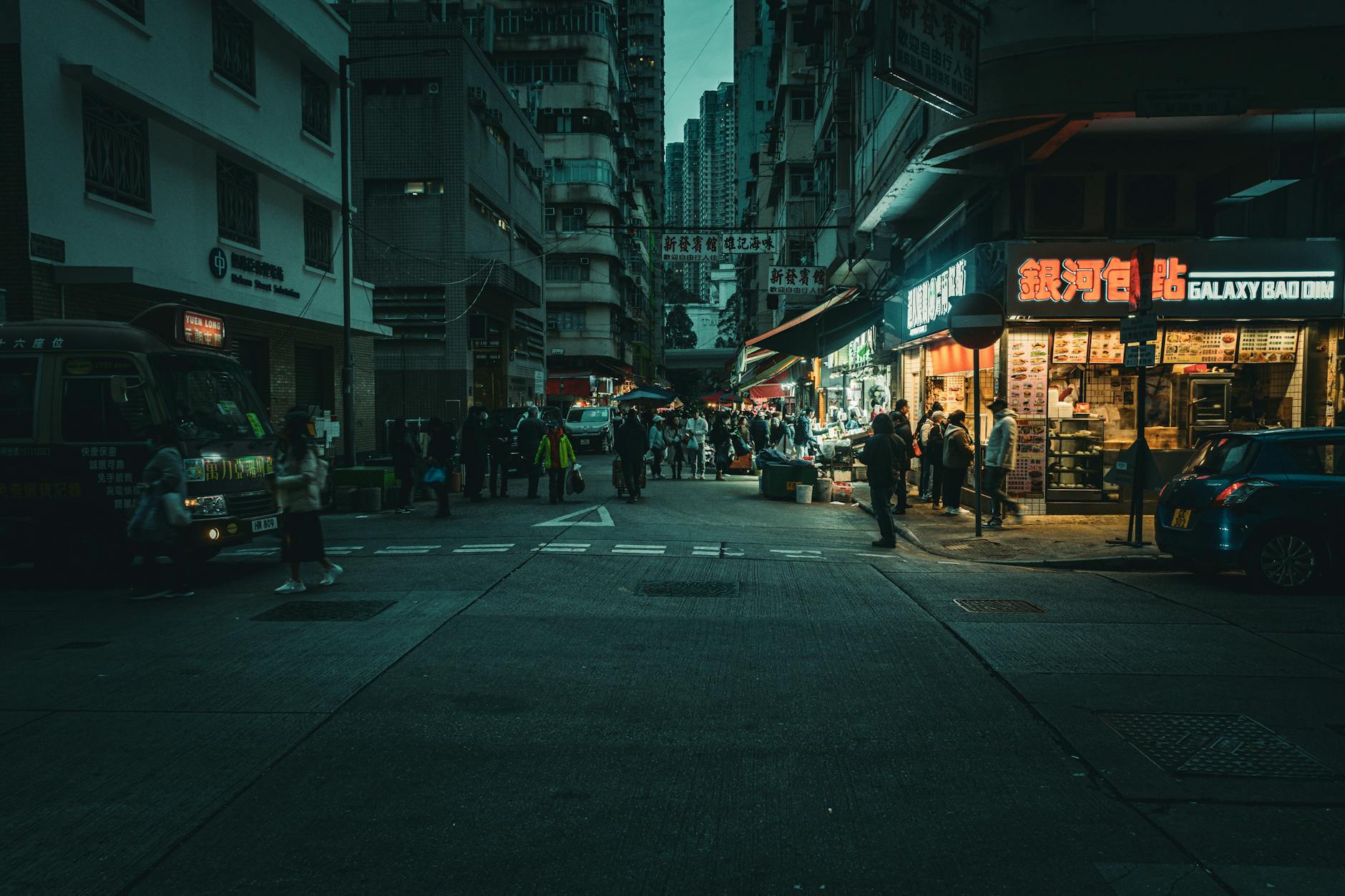
Central can be hot, humid, rainy, crowded, and air-conditioned all in the same afternoon. A first-time visitor should carry practical shoes, a light layer, water, umbrella or rain shell, phone battery, and a plan for when walking stops being worth it.
Payment and connectivity should be handled early. Cards are useful, but small purchases, transit, markets, taxis, and phone data still need attention. The traveler should not wait until tired to solve SIM, roaming, Octopus, cash, or route apps.
- Prepare for humidity, rain, air conditioning, crowds, hills, and long indoor-outdoor transitions.
- Sort phone data, maps, transit payment, cards, cash, and backup battery early.
- Use weather-protected routes and taxis when walking becomes inefficient rather than heroic.
When to order a short-term travel report
A first-time visitor with a flexible budget and several days may not need a custom Central Hong Kong report. A report becomes useful when the stay is short, the hotel choice is uncertain, the traveler wants strong food and view planning, jet lag is likely, mobility is limited, weather matters, or the trip must balance Central with other Hong Kong districts.
The report should test hotel siting, arrival, first-day pacing, MTR and ferry use, view timing, food, evening route, weather, payment basics, medical access, budget, and what to cut. The value is a first Hong Kong visit that feels exciting without becoming overwhelming.
- Order when hotel choice, first-day pacing, transport, food, views, weather, or mobility need testing.
- Provide dates, flights, hotel options, interests, mobility limits, food priorities, constraints, and budget.
- Use the report to make Central Hong Kong a clear first base rather than a confusing introduction.