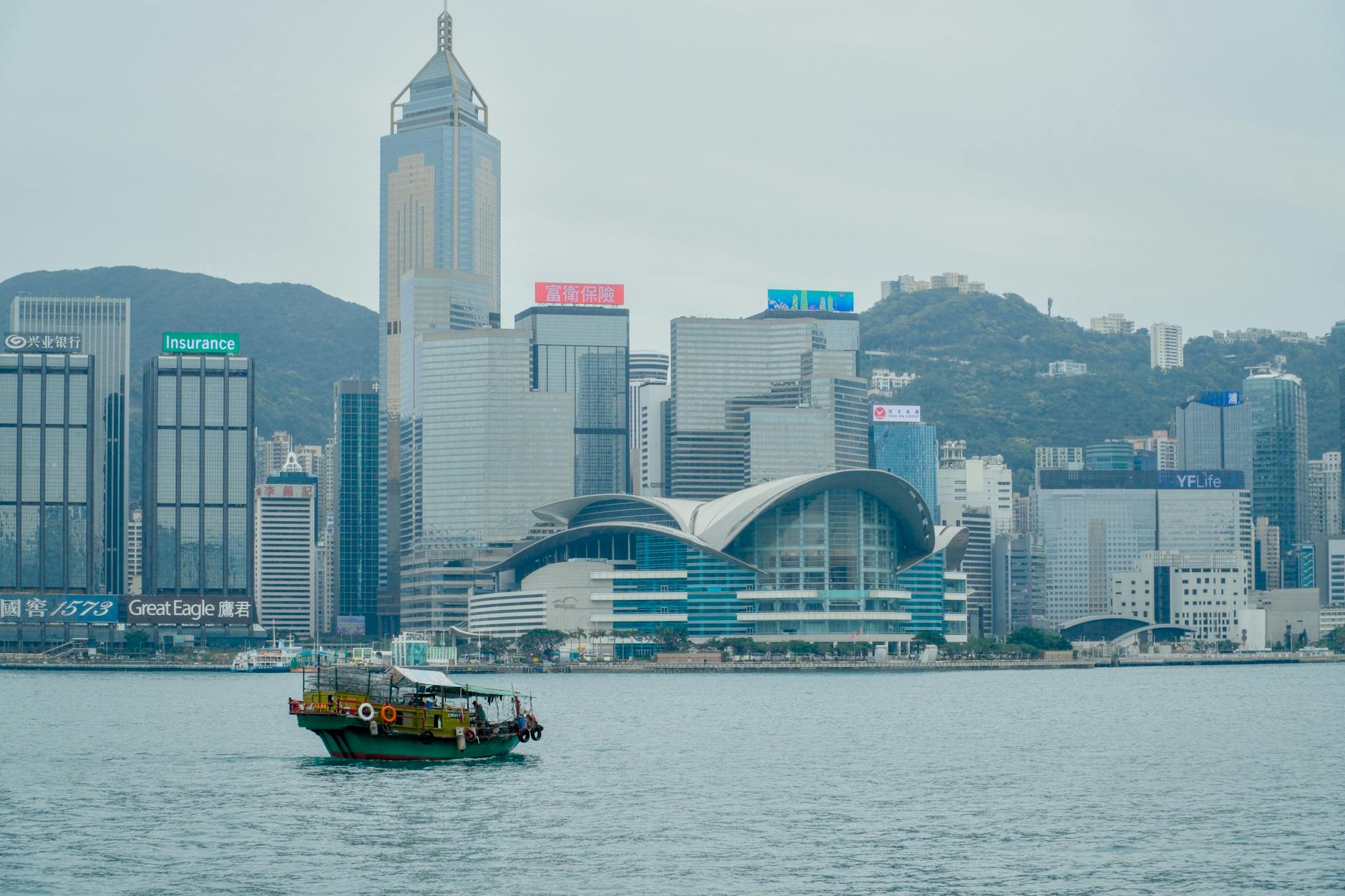
Central Hong Kong can work well for families because it offers strong hotels, transit, ferries, food, parks, malls, harbor views, and easy links to other parts of Hong Kong. It can also exhaust a family quickly. Slopes, stairs, station exits, crowds, humidity, taxis, late meals, and stroller logistics can turn a short route into a negotiation. A family should use Central's convenience without pretending it is flat or effortless. The best plan keeps the hotel practical, routes short, meals predictable, and days built around real child and parent energy. A family trip improves when the adults decide in advance what can be skipped.
Choose lodging by family movement, not only room quality
Central hotel selection for a family should start with daily movement. Room size matters, but so do entrance grade, elevators, stroller access, taxi pickup, breakfast, laundry, quiet sleep, nearby meals, medical access, and how quickly the family can retreat when children are tired. A polished hotel can still be inconvenient if every outing begins with stairs or slope.
Families should compare hotels by the first and last fifteen minutes of each day. Can everyone leave with bags or a stroller? Is food nearby? Is there a simple taxi plan? Can one adult return with a tired child while the other continues? Those questions matter more than another amenity.
- Check room layout, elevators, entrance grade, stroller access, breakfast, laundry, and quiet sleep.
- Choose lodging near usable meals, taxis, MTR or ferry access, and easy hotel returns.
- Prioritize the ability to reset quickly over a prettier but harder-to-use address.
Make arrival and departure boring on purpose
Family arrivals should be simple. Airport transfer, luggage, car seats or child restraints, stroller handling, hotel check-in, snacks, bathroom stops, and first meal should be planned before the family reaches Central. A tired parent should not be comparing transport options while children are hungry and bags are visible.
Departure deserves the same attention. Late checkout, bag storage, airport timing, ferry or MTR temptation, and the final meal can either protect the last day or turn it into a scramble. The best family logistics often feel unglamorous because they remove surprises.
- Set airport transfer, luggage handling, stroller plan, snacks, bathrooms, and first meal before arrival.
- Confirm late checkout, bag storage, final meal, and airport buffer before the last day.
- Use simpler transport when child fatigue or luggage makes efficiency less important than control.
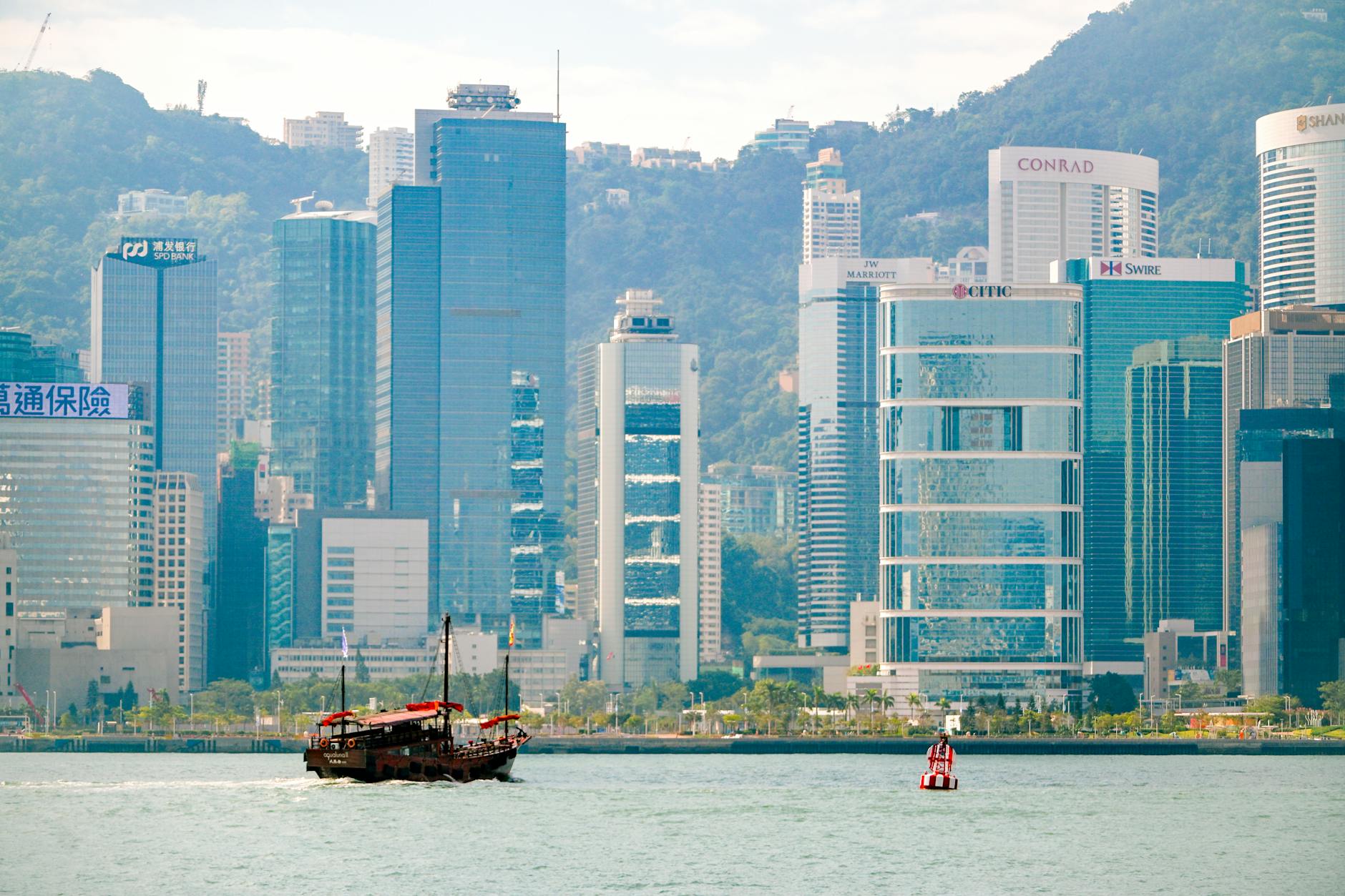
Use ferries, MTR, taxis, and walking by child stamina
Central gives families many ways to move, but the family should not treat them as interchangeable. The MTR can be efficient but may involve stairs, crowds, and station walks. Ferries can be memorable and easier to understand, but piers still require timing. Taxis can save energy but may involve waiting, traffic, and car-seat decisions. Walking can be pleasant until hills, humidity, or tired children change the equation.
Each outing should have a default route and a fallback. The family should know when to abandon the planned walk, when a taxi is worth it, and when the best choice is to return to the hotel.
- Choose MTR, ferries, taxis, or walking by stroller access, child stamina, heat, rain, and timing.
- Check station exits, pier access, taxi pickup, elevators, and step-heavy routes before going.
- Keep one fallback for every family outing, especially after lunch or in bad weather.
Build smaller days around one real anchor
Families often overestimate what Central can absorb in one day because attractions and transport look close. A better plan chooses one real anchor, then adds food, a view, a ferry ride, park time, or a mall reset around it. The day should have an obvious exit before the children are done.
Hong Kong Park, harbor movement, a Peak plan, a museum or gallery, shopping, or a cross-harbor outing can all work, but not all at once. The family should decide what matters most and let the rest become optional.
- Use one main anchor per day, then add meals, ferry, view, park, or indoor reset nearby.
- Avoid stacking Peak, ferries, shopping, markets, and late dinner into one family day.
- Keep optional activities truly optional so the day can shrink without collapsing.

Plan meals before hunger decides
Central has plenty of food, but families need meals that fit timing, seating, noise, child preferences, dietary needs, stroller storage, bathrooms, and the route back. A restaurant that is excellent for adults may be a poor choice if it requires a long wait or a steep tired return.
The family should identify breakfast, easy lunch, snack, and dinner options near the hotel and near each anchor. Reservations can help, but so can knowing which casual fallback is acceptable when the day changes.
- Map breakfast, snacks, lunch, dinner, bathrooms, and backup food near hotel and outing anchors.
- Match restaurants to seating, noise, timing, dietary needs, stroller storage, and return route.
- Avoid letting hunger force expensive or inconvenient choices late in the day.
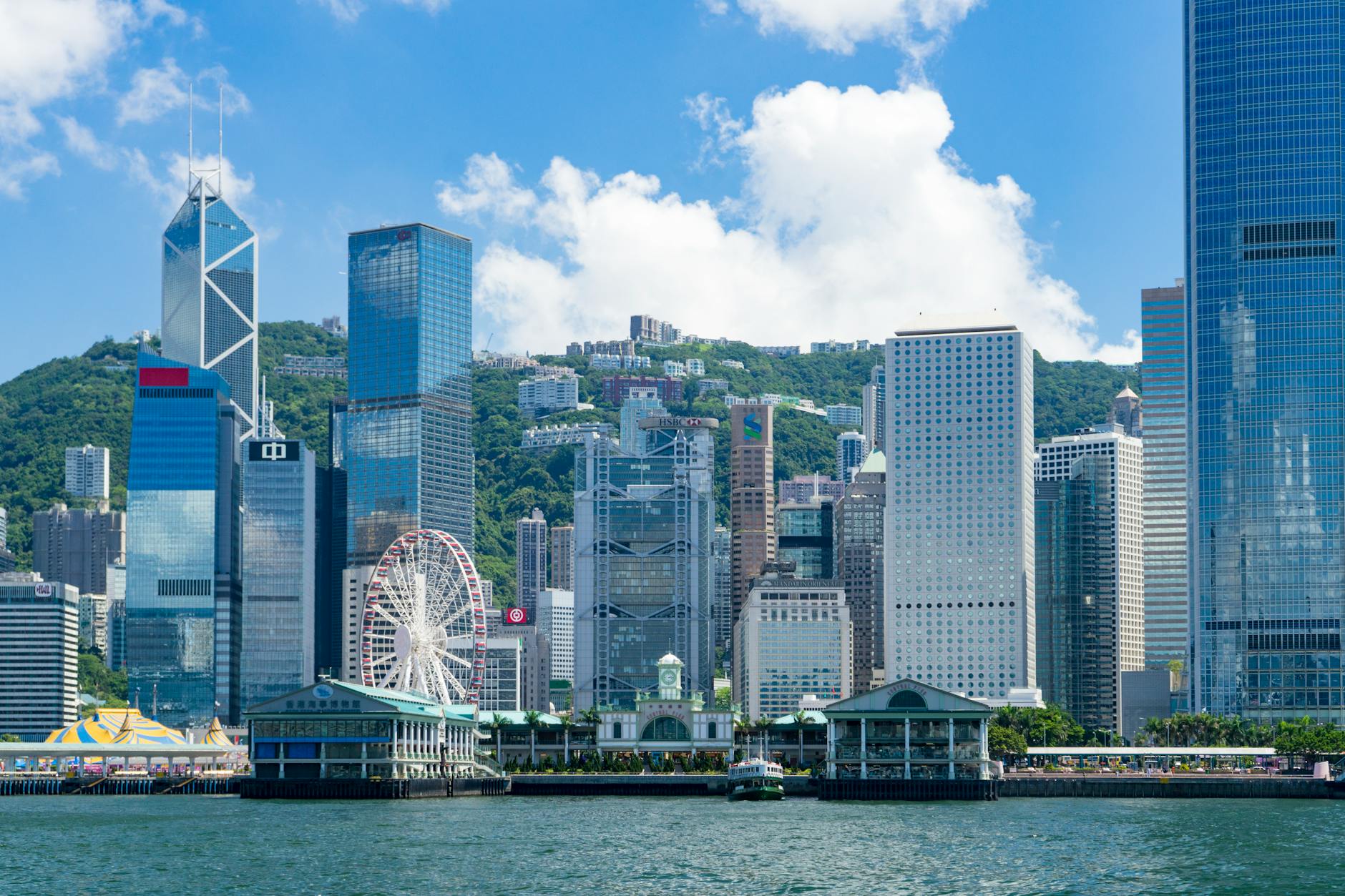
Respect heat, rain, naps, and parent fatigue
Central can be hot, rainy, air-conditioned, crowded, and vertical in a single day. Families should plan around water, snacks, bathroom breaks, sun, rain, nap windows, stroller shade, indoor resets, and parent fatigue. Children may handle one hard transition; several in a row can ruin the day.
A hotel reset is not wasted time. It can make the evening possible. A covered mall route, taxi, short ferry ride, or early dinner may be smarter than pushing through a route that only looks efficient on a map.
- Pack water, snacks, rain gear, light layers, sun protection, battery, medication, and child basics.
- Use indoor resets, taxis, covered routes, and hotel breaks before everyone is depleted.
- Protect nap windows and parent energy as real schedule constraints.
When to order a short-term travel report
A family with older children, a known hotel, and a relaxed schedule may not need a custom Central Hong Kong report. A report becomes useful when the trip is short, the family has young children, stroller or mobility needs, food constraints, jet lag, heat concerns, tight flights, or uncertainty about whether Central is the right base.
The report should test hotel access, room practicality, arrival, stroller routes, MTR and ferry choices, taxi plans, meal options, bathrooms, weather, nap windows, medical access, budget, and what to cut. The value is a Central family stay that feels possible instead of overbuilt.
- Order when hotel access, child stamina, stroller routes, meals, weather, or transfers need testing.
- Provide dates, ages, hotel options, stroller needs, mobility details, food needs, constraints, and budget.
- Use the report to make Central Hong Kong workable for the whole family, not just impressive on paper.