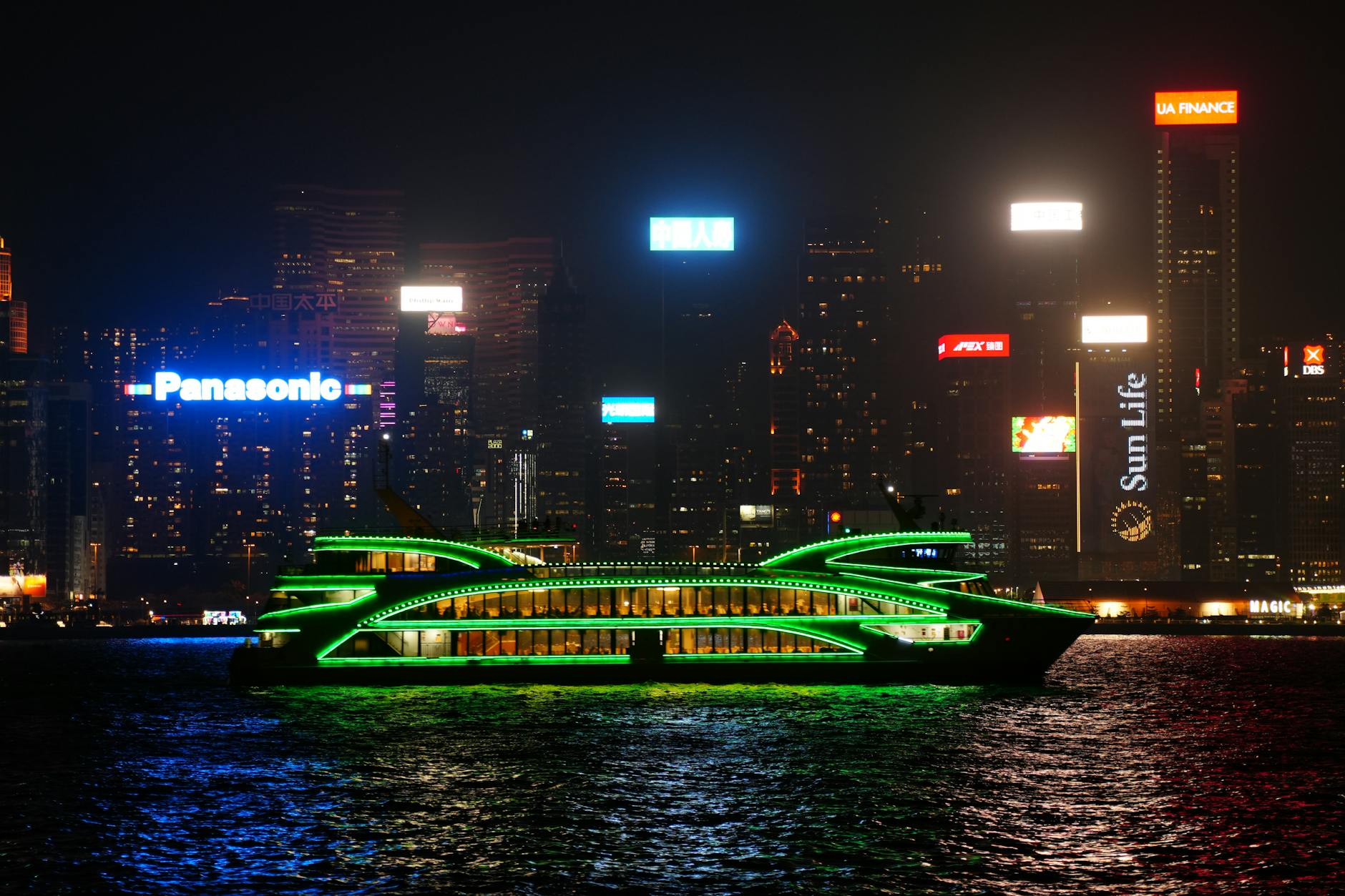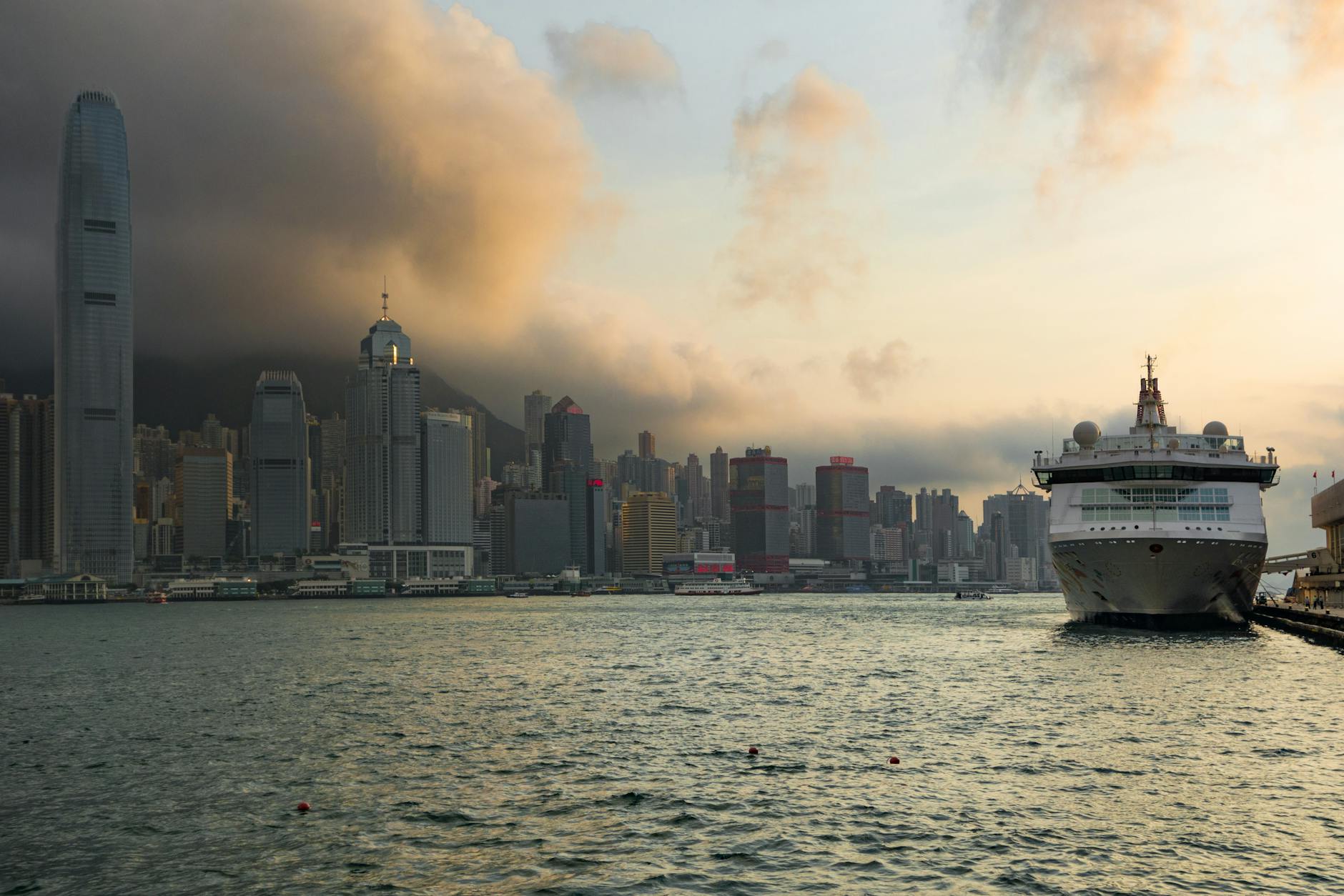
Central Hong Kong can be an excellent target for a cruise or port-call traveler, but it is rarely the same thing as the cruise terminal. The ship may dock at Kai Tak, Ocean Terminal near Tsim Sha Tsui, or another arrangement depending on itinerary and vessel. That means the Central day begins with a transfer problem, not with sightseeing. A strong port-call plan starts with the gangway schedule, immigration or shuttle process, terminal location, and all-aboard time. Central can give the traveler skyline views, ferries, dining, shopping, the Peak, heritage edges, and a compact sense of Hong Kong, but only if the day is built around return certainty. A port day is too short for heroic improvisation.
Confirm the dock before planning Central
A cruise passenger should not start by listing Central attractions. The first question is where the ship actually docks and how passengers are released. Kai Tak, Ocean Terminal, shuttles, taxi queues, immigration flow, tendering, and private transfer rules can produce very different days. A Central plan that ignores the terminal can fail before it starts.
The traveler should confirm gangway time, all-aboard time, shuttle details, taxi access, payment, luggage policy, and whether the cruise line's stated timing is optimistic. If the ship calls only briefly, Central may be the right target precisely because it is compact, but only after the transfer is understood.
- Confirm terminal, shuttle, immigration, taxi access, gangway time, and all-aboard time before choosing activities.
- Treat Kai Tak, Ocean Terminal, and private transfer scenarios as different plans.
- Build the Central day from terminal reality, not from a generic Hong Kong wish list.
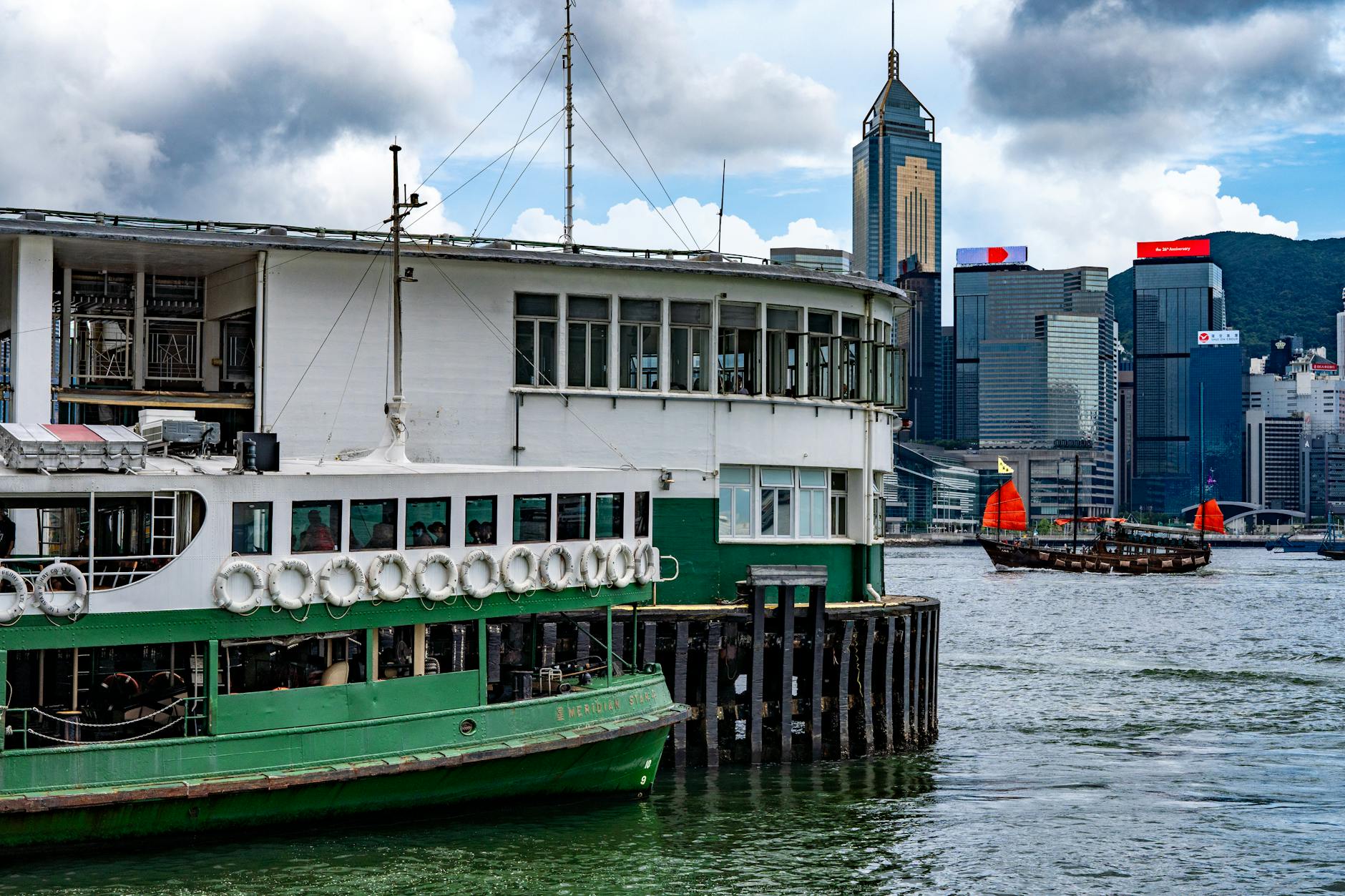
Count usable shore hours conservatively
Port days are shorter than they look. Disembarkation, terminal exit, transfer time, traffic, queues, rain, meals, shopping, and the return buffer all reduce usable time. The traveler should calculate the real Central window before adding the Peak, ferries, restaurants, museums, or cross-harbor movement.
A clean Central port day usually has one main anchor and one or two nearby supports. The traveler should decide early what matters most: skyline, food, shopping, Peak, ferry, heritage, or simply a polished city walk with no risk to the ship return.
- Subtract disembarkation, transfer, traffic, queues, meals, weather, and return buffer from the day.
- Choose one main Central anchor instead of trying to sample every famous Hong Kong experience.
- Keep optional additions close enough to cut without damaging the return plan.
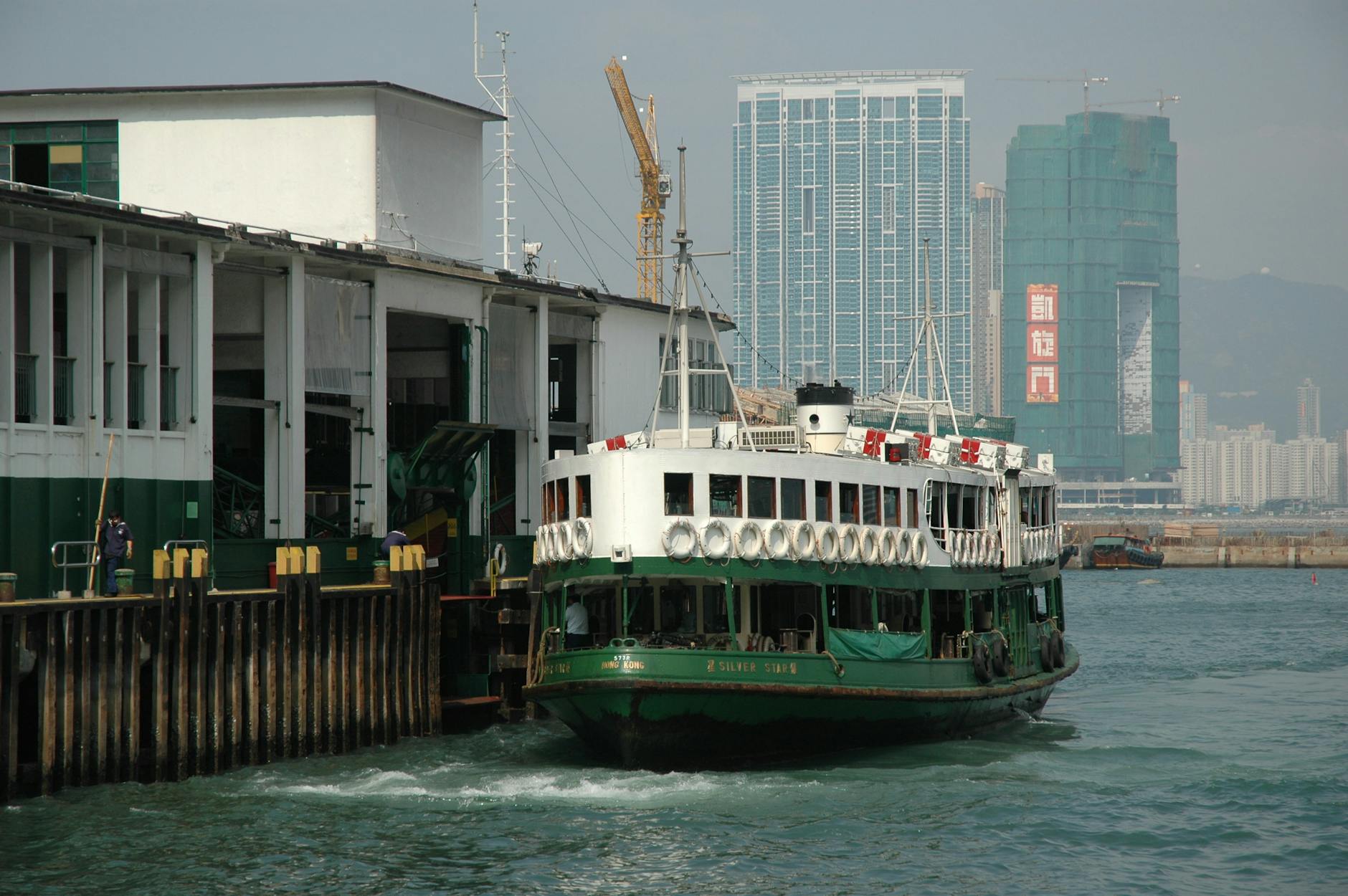
Make the transfer plan boring on purpose
The transfer between ship and Central should be simple, documented, and reversible. Taxis, private cars, cruise shuttles, MTR connections, ferries, and walking links can all be useful in the right scenario. They are not interchangeable when the traveler has a fixed all-aboard time.
The traveler should know both outbound and return routes, including pickup points, likely traffic, payment method, and what to do if rain or queueing changes the day. Saving a small amount on a complicated route can be a poor trade on a port call.
- Choose ship-to-Central and Central-to-ship routes before leaving the terminal.
- Check taxi pickup points, shuttle rules, MTR or ferry links, payment, traffic, and rain alternatives.
- Spend on transfer simplicity when the ship return is the hard deadline.
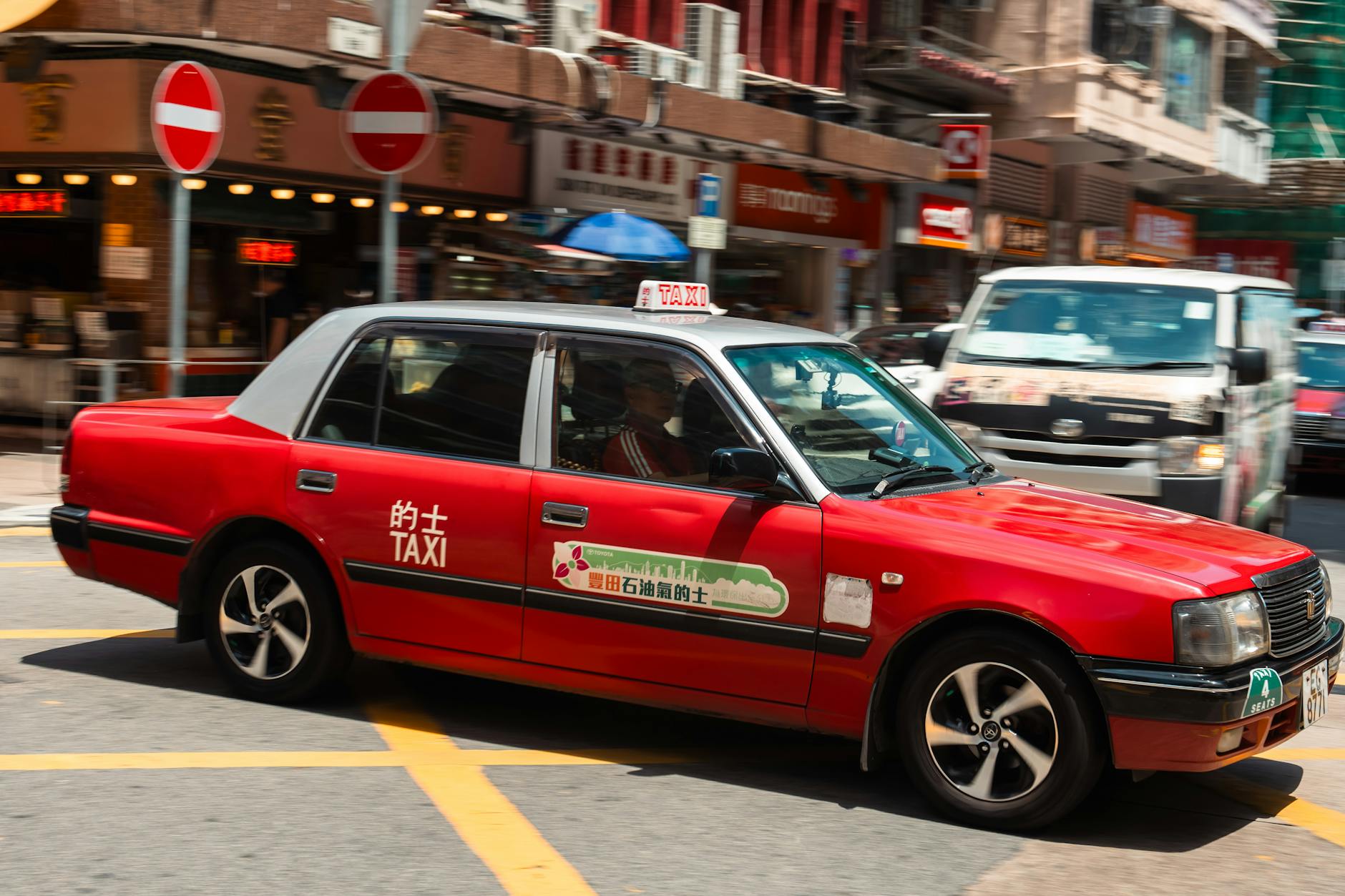
Use Central as a compact high-value day
Central works well for port calls because a short route can include skyline, ferries, walkways, shopping, parks, food, and a sense of the city's vertical business energy. The mistake is turning that compactness into overconfidence. Hills, crowds, humidity, station exits, and high-end malls can all slow the day.
The traveler should build a loop that can shrink. A harbor view, one meal, one shopping or heritage stop, and a ferry or Peak decision can be enough. A port-call traveler does not need to prove mastery of Hong Kong in a few hours.
- Build a Central loop around skyline, food, ferry, shopping, heritage, or park time.
- Account for hills, station exits, crowds, humidity, and rain before stacking stops.
- Let the day shrink gracefully if the ship release or transfer takes longer than expected.
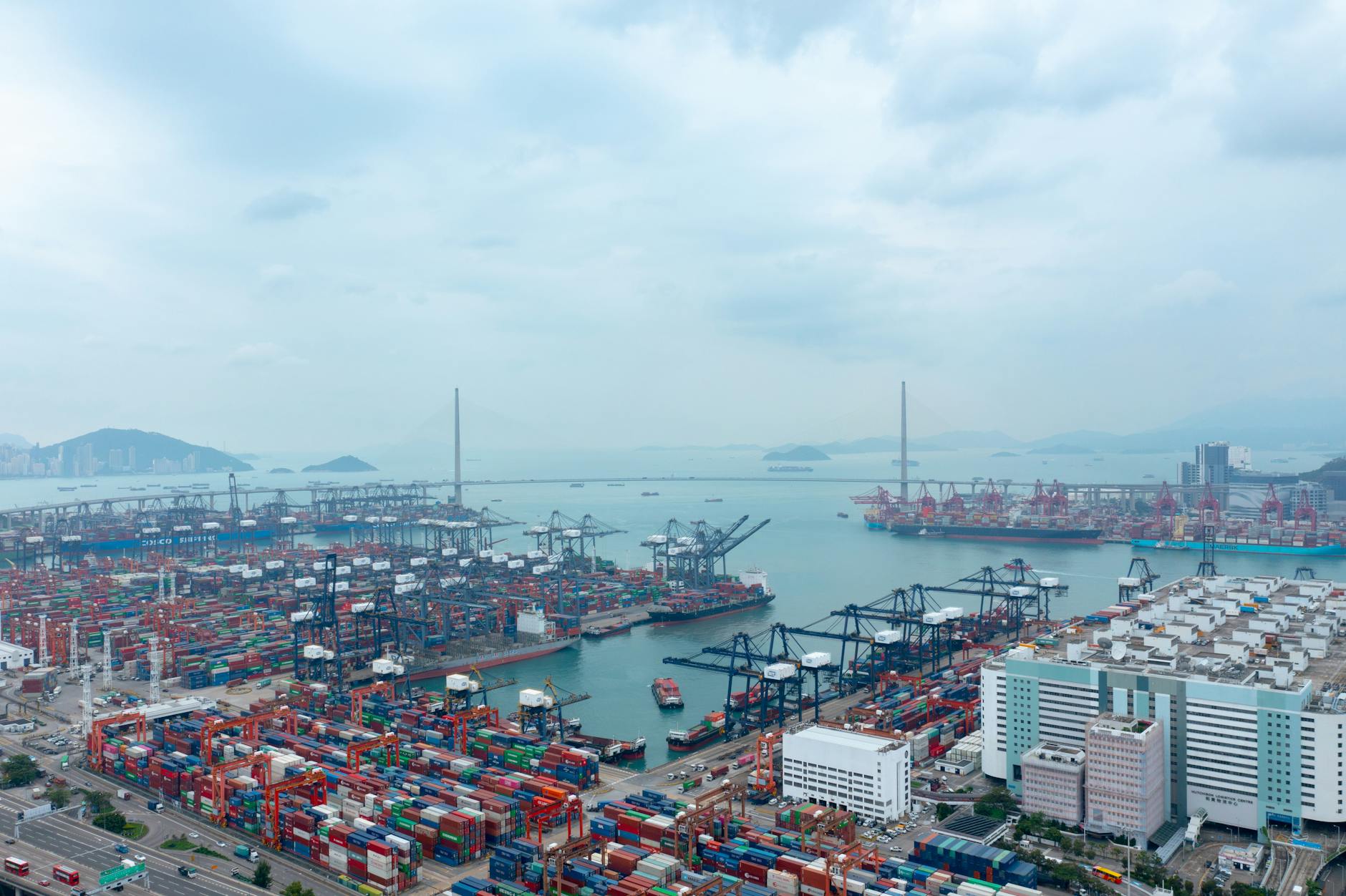
Be selective with the Peak and cross-harbor plans
The Peak can be a memorable port-call anchor, but it is not automatically a quick stop. Tram queues, taxis, weather, visibility, sunset timing, and the return route can turn a simple idea into a time sink. Cross-harbor movement has similar tradeoffs: ferries can be wonderful, but they still add timing dependencies.
The traveler should choose Peak or cross-harbor movement only when the port window supports it. If visibility is poor or time is tight, a waterfront and Central route may produce a better day with less risk.
- Check Peak queues, visibility, transport, return timing, and weather before committing.
- Use ferries when they improve the day, not just because they are iconic.
- Have a lower-risk Central route ready if the port window or weather tightens.
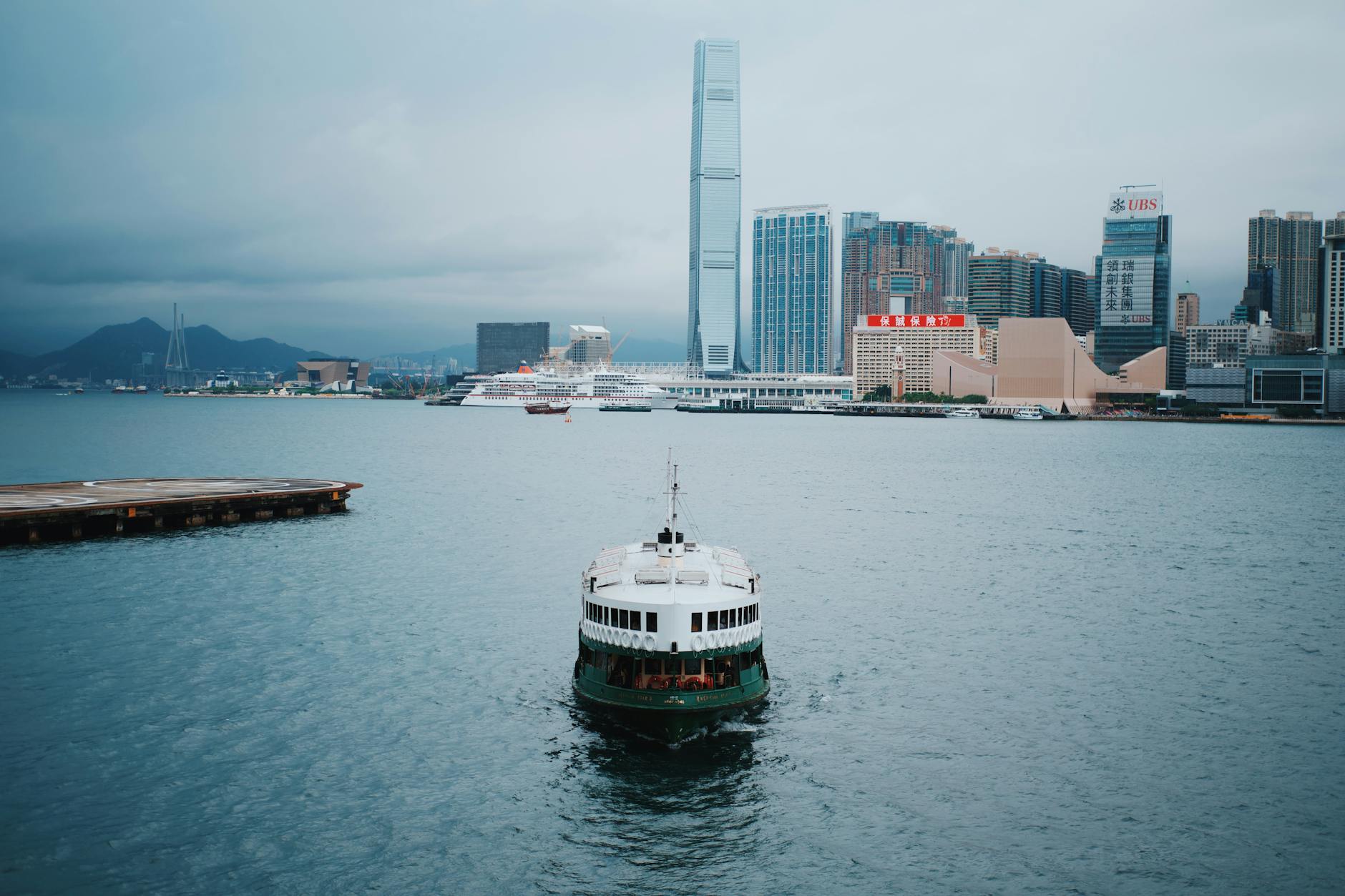
Plan meals, shopping, and rest around the ship return
Cruise passengers can lose time quickly to meals and shopping because Central offers too many choices. The traveler should identify one realistic food plan, one shopping or errand zone if needed, bathrooms, water, and a rest point. A leisurely restaurant can be a highlight or a trap depending on the port window.
The return plan should be visible throughout the afternoon. Purchases, tired feet, rain, and taxi queues can all make the final hour harder. The traveler should decide the latest safe departure from Central and respect it.
- Choose meals, shopping, bathrooms, water, and rest points before the day starts drifting.
- Set the latest safe departure from Central and keep it earlier than the cruise line's hard deadline.
- Avoid heavy purchases or late meals that make the return transfer harder.
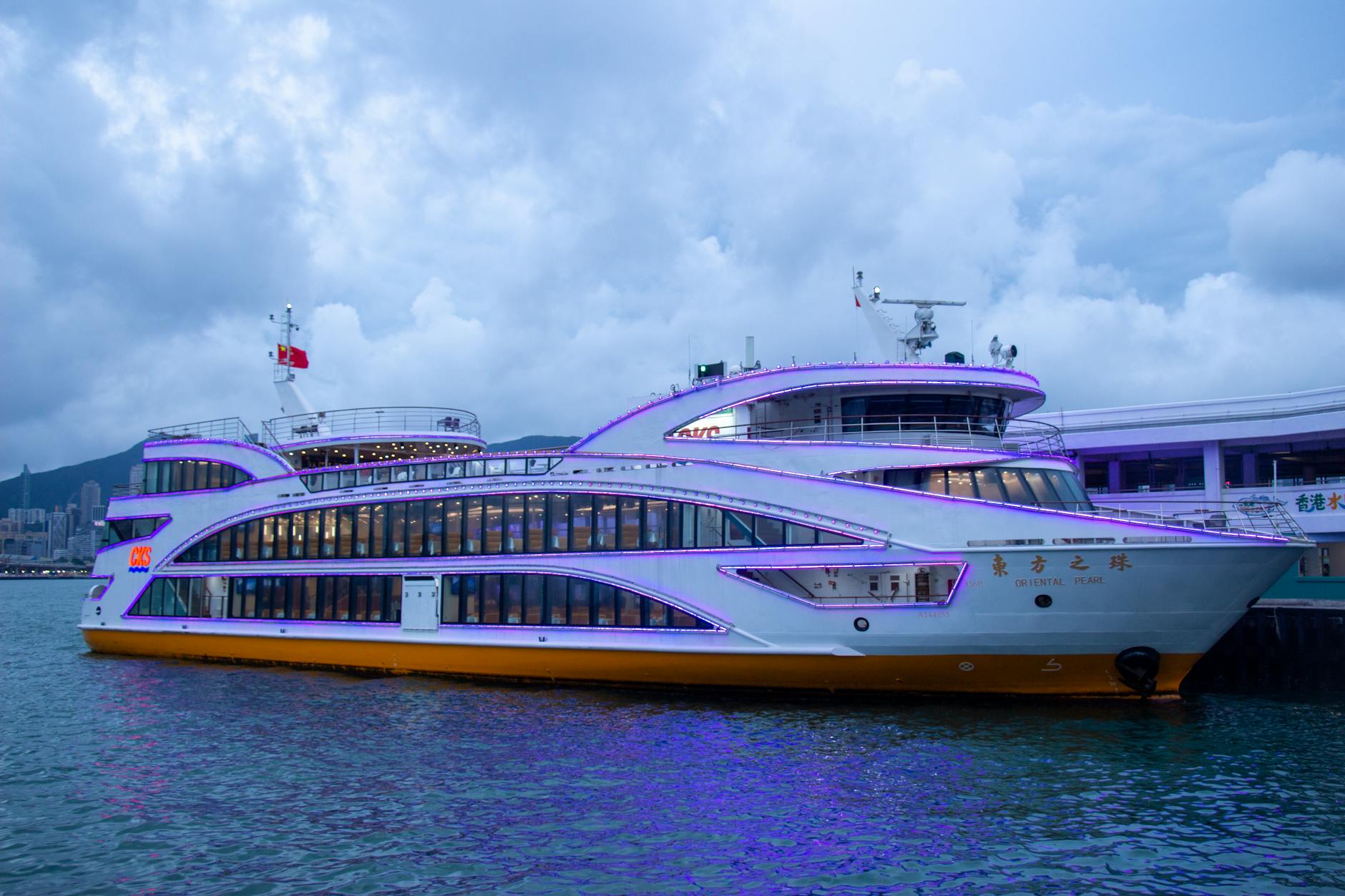
When to order a short-term travel report
A cruise traveler with a long port call and a ship-organized excursion may not need a custom Central Hong Kong report. A report becomes useful when the traveler wants to explore independently, has a short call, uncertain terminal details, mobility limitations, family members, private dining, shopping goals, or a desire to combine Central with the Peak or ferries without risking the ship return.
The report should test terminal location, disembarkation timing, transfers, Central route design, Peak feasibility, ferry options, meals, shopping, weather, mobility, return buffers, budget, and what to cut. The value is a port day that feels independent without becoming reckless.
- Order when terminal details, transfers, Peak timing, ferries, meals, shopping, or return buffers need testing.
- Provide cruise line, ship, port time, terminal if known, mobility needs, interests, and budget.
- Use the report to make Central Hong Kong work as a safe, satisfying port-call day.