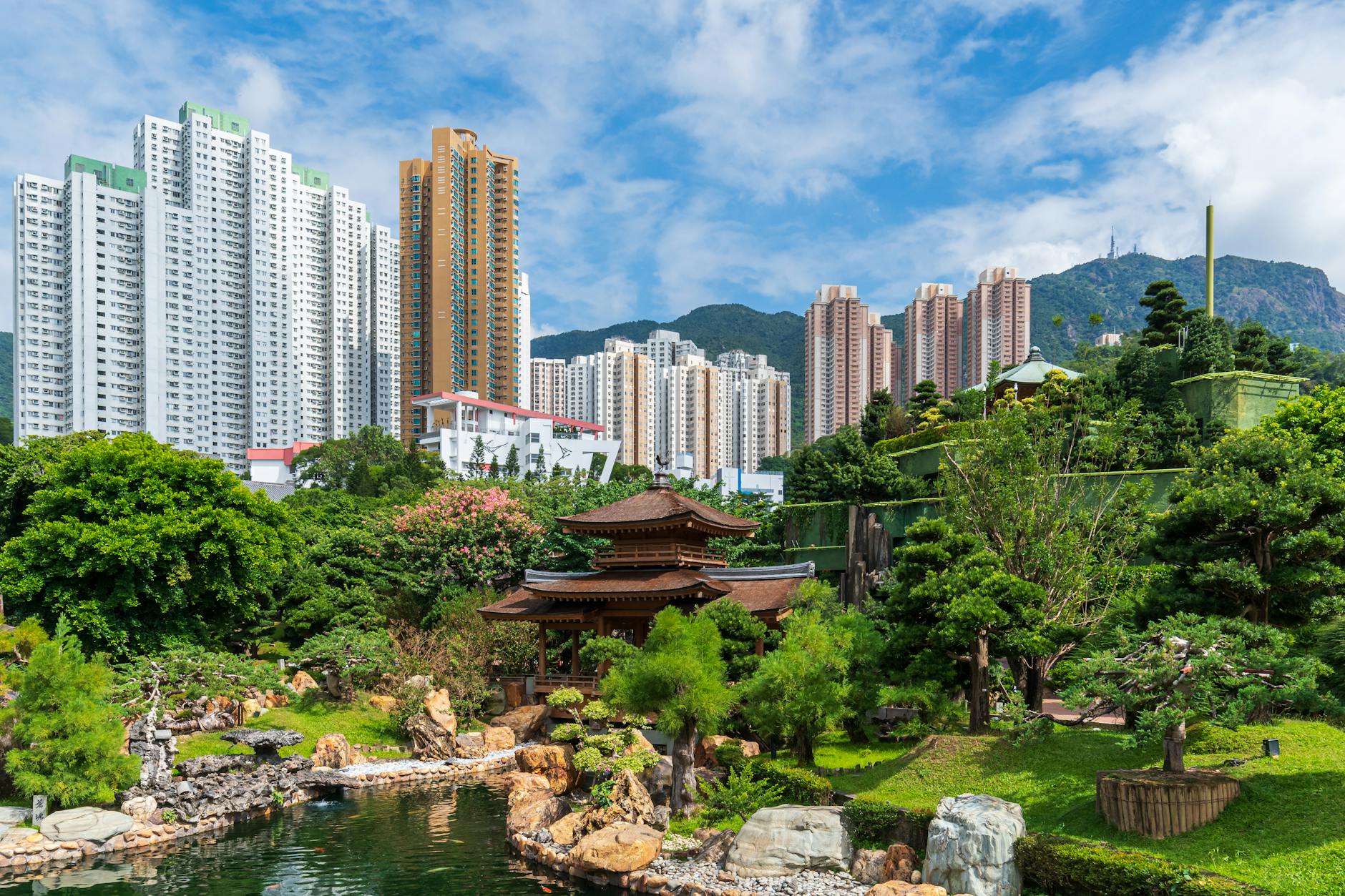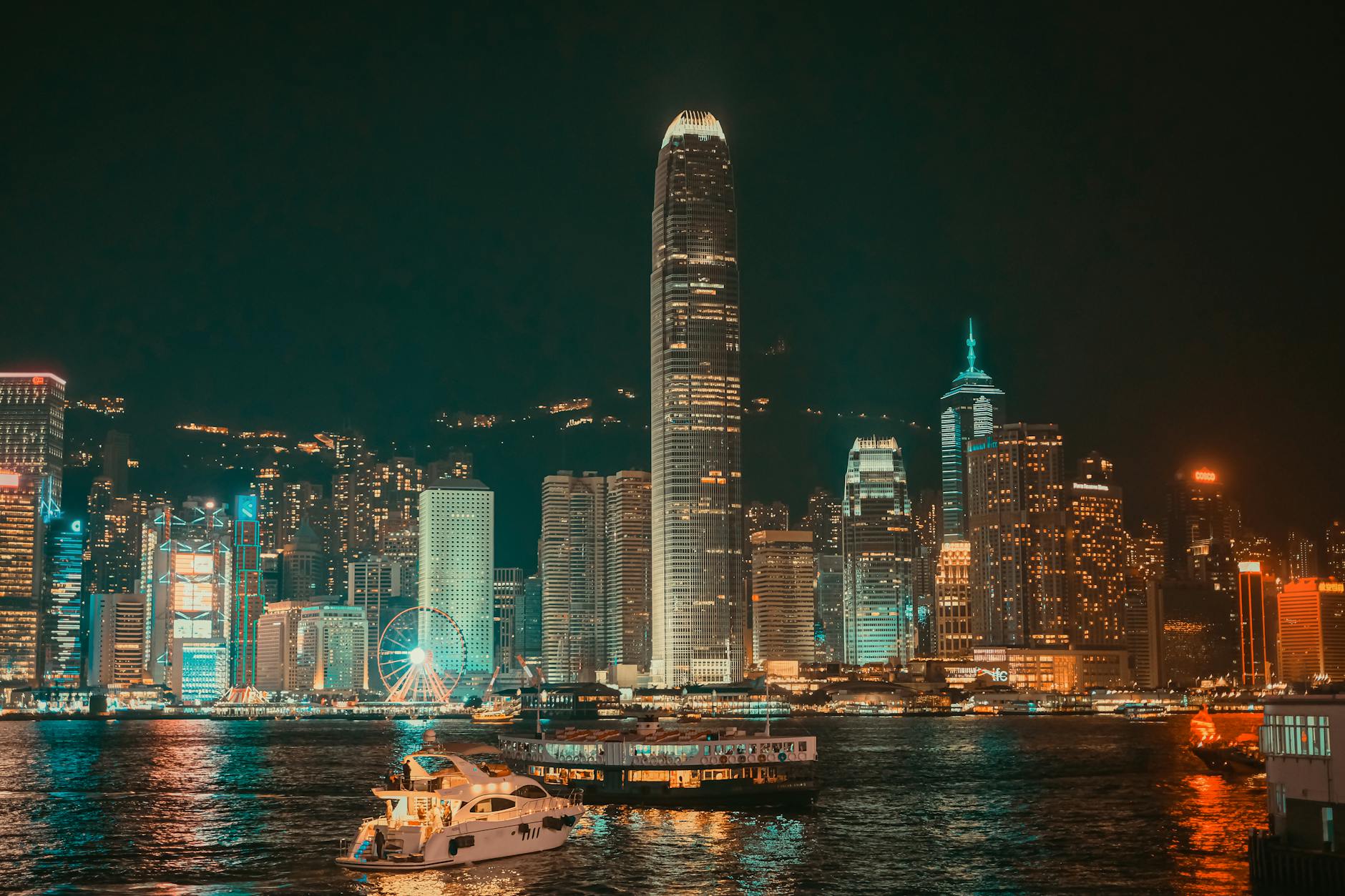
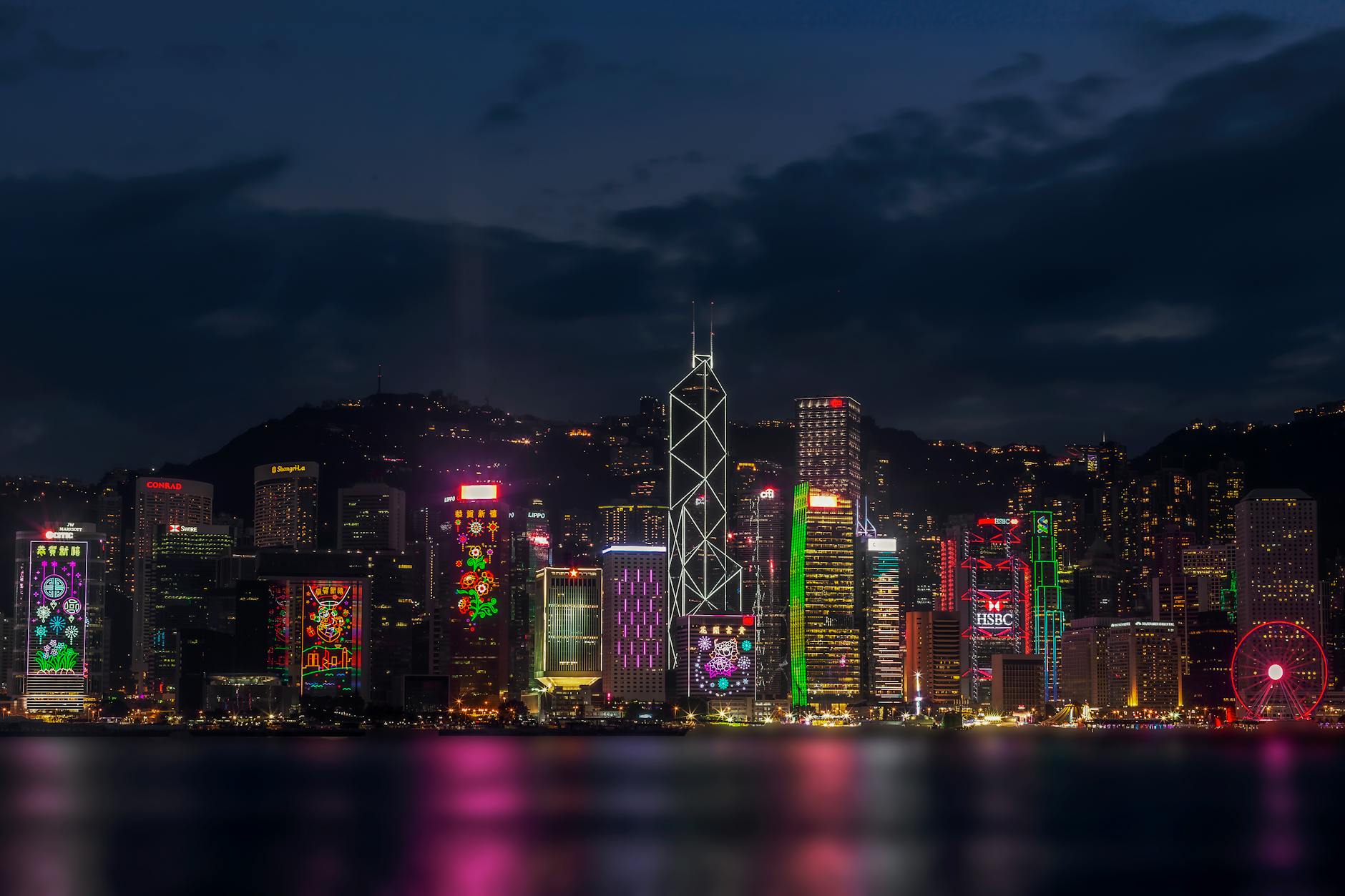
Central Hong Kong is visually rich for content creators: towers, ferries, walkways, hills, trams nearby, harbor views, parks, restaurants, bars, markets, and dense street transitions. It is also easy to waste time there. A creator who arrives without a shot plan can spend the day chasing light, fighting crowds, carrying gear up slopes, and missing the practical details that keep a short trip productive. The trip should define the content job before the route. A brand shoot, travel video, food series, architecture reel, business-district essay, nightlife package, or personal platform trip does not need the same base, timing, permissions, wardrobe, gear, or editing workflow. Central rewards creators who are selective rather than merely busy.
Define the content brief before building the route
Central can support many kinds of content, but trying to capture all of them in one short trip usually leads to generic output. The creator should decide whether the priority is skyline, street movement, food, hotel, business culture, harbor crossings, nightlife, shopping, or a personal narrative. Each brief has different timing and gear needs.
A strong plan names the must-have shots, secondary opportunities, weather alternatives, and what can be skipped. Central is too dense to treat every corner as equally important.
- Choose whether the trip is about skyline, street, food, hotels, business, harbor, nightlife, or narrative.
- List must-have shots, secondary shots, backup interiors, and cuts before arrival.
- Avoid generic coverage by giving each day a specific visual purpose.
Choose lodging for light, access, and workflow
A creator's hotel should support the work, not just the stay. Room light, view, desk, Wi-Fi, charging, storage, laundry, early breakfast, taxi pickup, lobby policy, and proximity to planned shots can all matter. If the creator is filming in the room or hotel spaces, permission and brand rules matter too.
Central hotels can be expensive, so the traveler should decide what the base needs to do. Sometimes the right answer is a photogenic view. Sometimes it is simply a quiet room with fast upload speed and easy access to the morning route.
- Check room light, view, Wi-Fi, desk, charging, storage, laundry, taxi pickup, and route access.
- Confirm filming or photography rules for hotel rooms, restaurants, bars, and public spaces.
- Choose the hotel that supports the workflow, not just the one that looks best online.
Plan timing around light, crowds, and heat
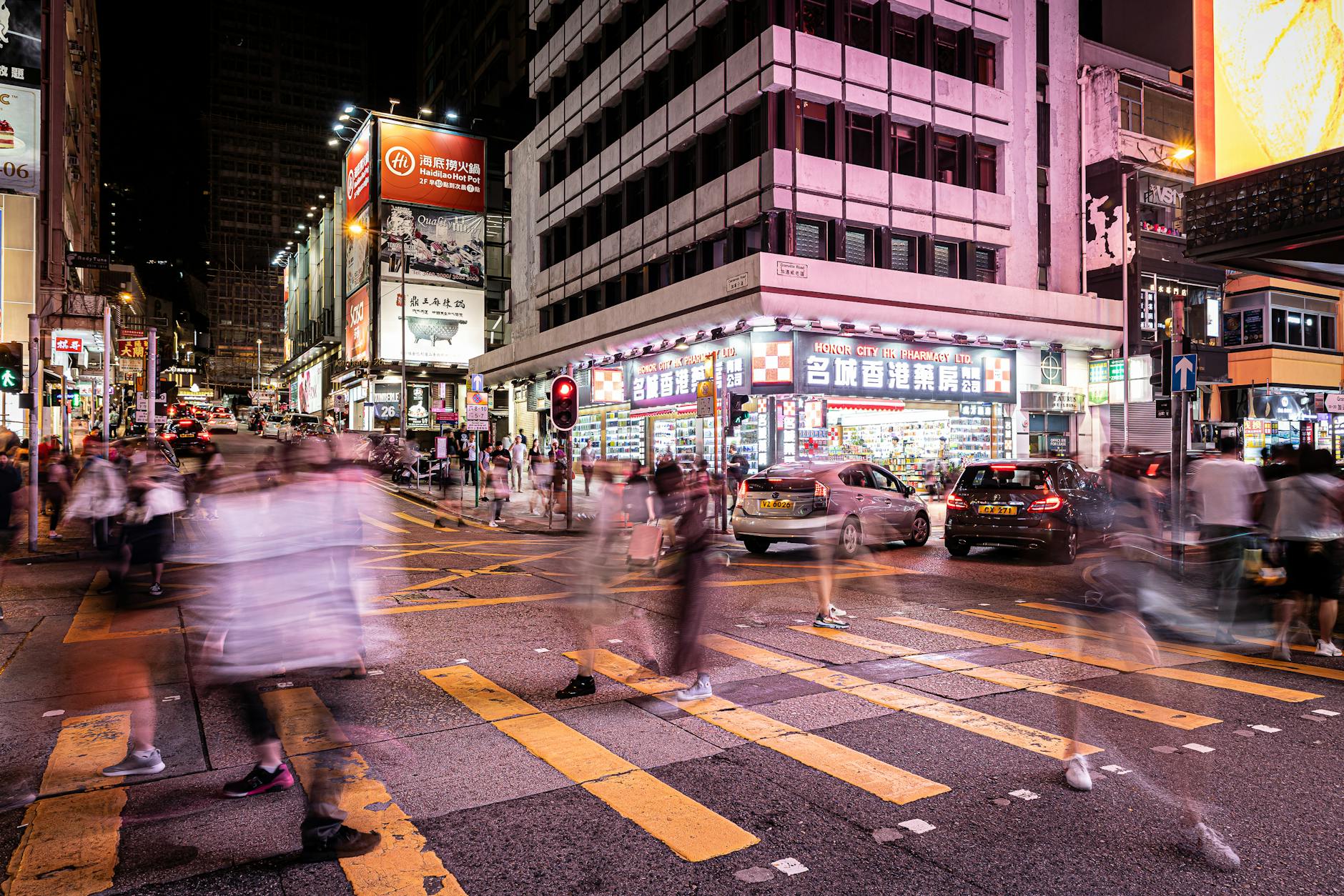
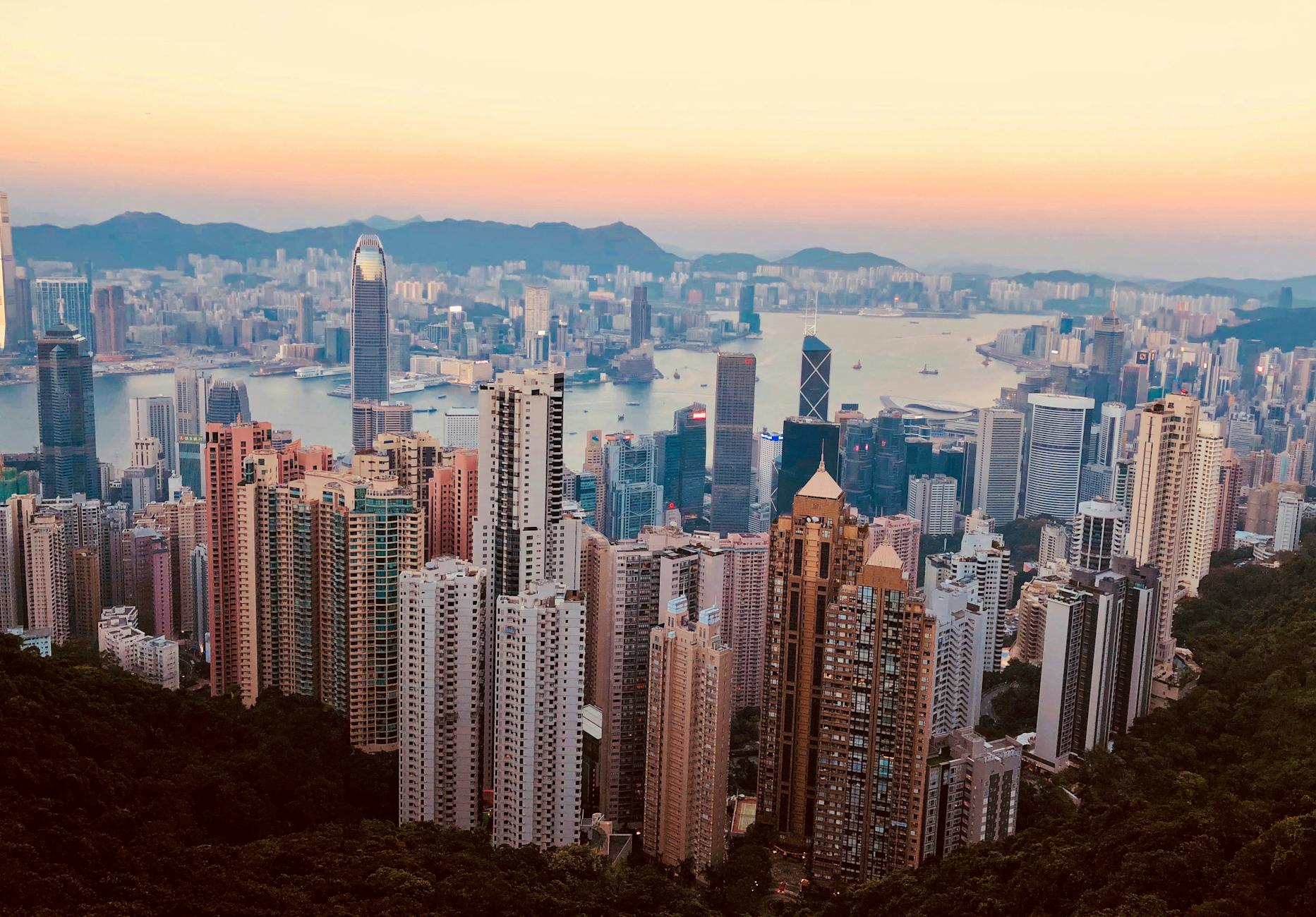
Central changes dramatically by hour. Morning streets, office rush, lunch crowds, afternoon glare, blue hour, ferry light, rain reflections, and late-night streets all produce different material. A creator should not leave timing to mood if paid deliverables or high-value shots are involved.
Weather also controls output. Humidity, sudden rain, haze, and cold interiors affect wardrobe, lenses, batteries, hair, makeup, audio, and stamina. The schedule should pair demanding outdoor work with indoor resets and backup locations.
- Plan morning, rush-hour, lunch, blue-hour, ferry, night, and rain-reflection shots deliberately.
- Account for humidity, rain, haze, cold interiors, gear protection, wardrobe, and battery drain.
- Use indoor backups and resets so weather does not erase the production day.
Move with gear, not against the city
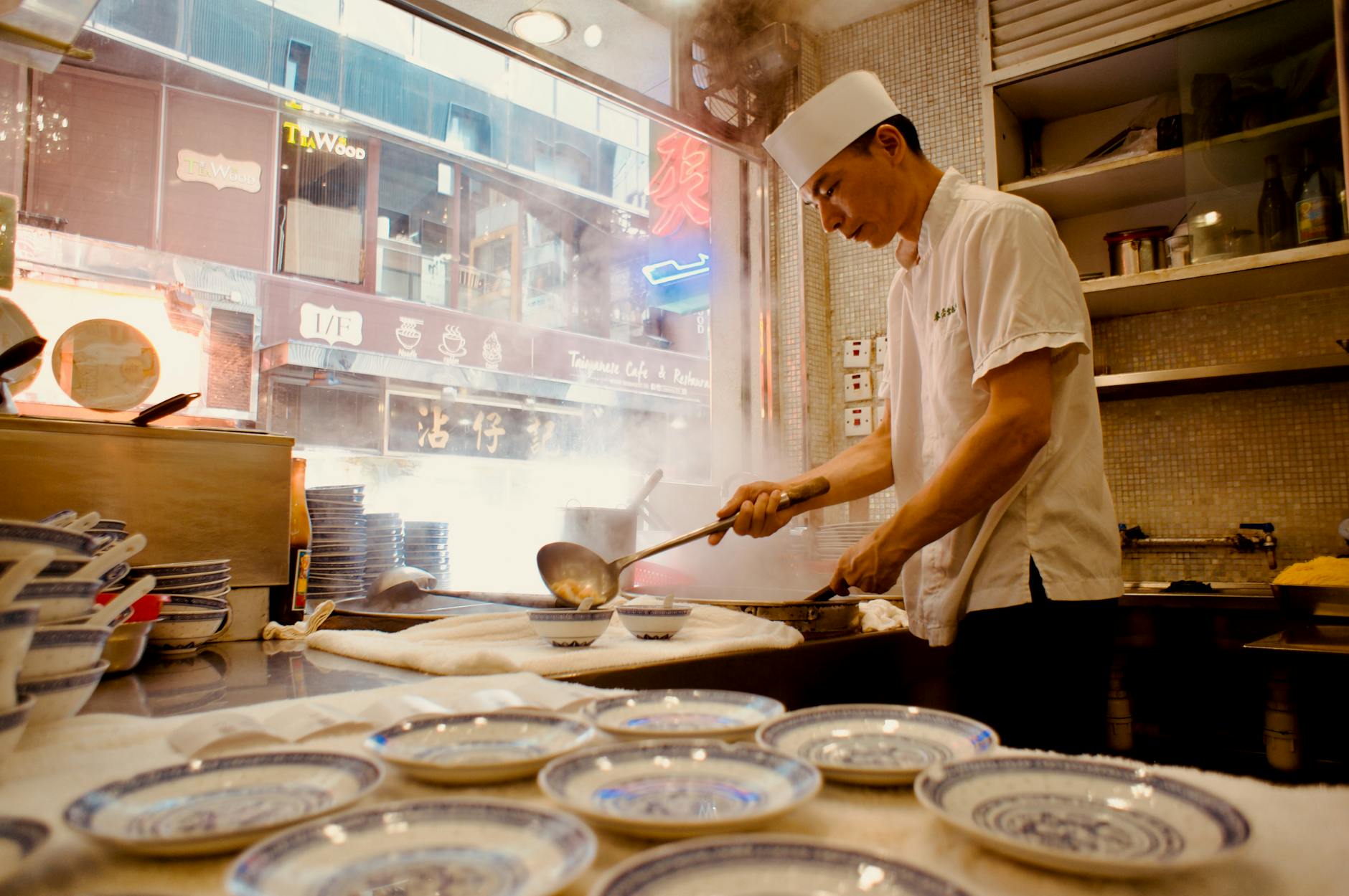
Central's hills, stairs, footbridges, malls, MTR exits, ferries, taxis, and crowded sidewalks are all manageable when the creator is realistic about gear. A phone and small camera can move differently from a gimbal, tripod, multiple lenses, wardrobe changes, lights, or audio kit.
The creator should choose each route by load, timing, weather, permissions, and how visible they want to be. Sometimes a taxi is a production cost. Sometimes walking is part of the shot. The problem is pretending those choices are interchangeable.
- Match route choice to camera kit, tripod, gimbal, audio, wardrobe, laptop, and bag weight.
- Check MTR exits, taxi points, ferry piers, stairs, hills, and covered routes before shoot blocks.
- Treat transport spend as part of production when it protects shots and energy.
Understand permissions and public-space manners
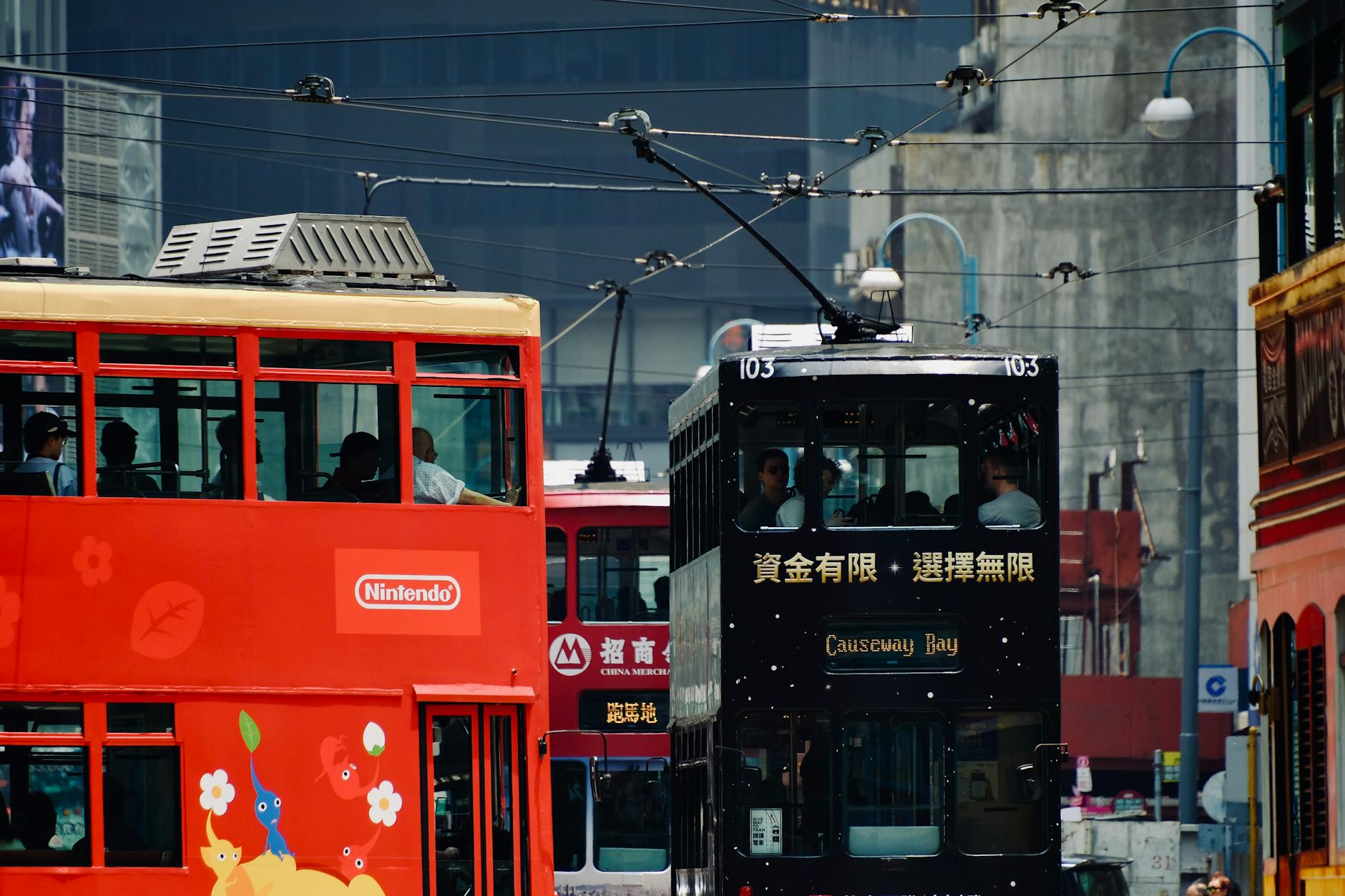
A creator should not assume every attractive location is available for filming. Malls, towers, hotels, restaurants, transport spaces, private terraces, shops, and events may have rules about tripods, commercial work, drones, audio, faces, and brand use. Public-space manners also matter in a dense city.
The creator should check permissions for paid shoots, sponsored content, professional equipment, interiors, and recognizable people. A discreet handheld shot may be easy; a commercial-looking production can attract attention fast.
- Check rules for malls, hotels, restaurants, towers, transport, events, drones, tripods, and interiors.
- Use consent and caution around recognizable people, children, staff, and private spaces.
- Keep public-space behavior compact so the shoot does not become the problem.
Protect upload, editing, and brand obligations
Content trips often fail after capture. The creator still needs file backup, fast upload, captions, approvals, disclosure language, sponsor requirements, metadata, notes, and editing time. Central has cafes and hotel workspaces, but the workflow should be planned before deadlines arrive.
The traveler should build in charging, backups, cloud sync, local storage, and private work periods. A strong shot list is not enough if files are lost, approvals are late, or the creator spends the final night trying to upload from weak Wi-Fi.
- Plan file backup, upload speed, charging, storage, captions, sponsor approvals, and disclosure needs.
- Reserve editing windows instead of assuming they will appear after shoot days.
- Test hotel or workspace Wi-Fi before relying on it for delivery.
When to order a short-term travel report
A creator with a flexible personal trip may not need a custom Central Hong Kong report. A report becomes useful when the trip has paid deliverables, brand obligations, hotel or restaurant shoots, limited days, weather-sensitive shots, gear load, permit uncertainty, budget pressure, or a need to cover Central alongside other Hong Kong districts.
The report should test shot geography, hotel fit, light timing, transport, permissions, indoor backups, food and rest stops, gear movement, upload workflow, weather, safety, budget, and what to cut. The value is a creator trip that produces usable material without turning Central into a scramble.
- Order when shot lists, hotel choice, light timing, permissions, gear, workflow, or budget need testing.
- Provide dates, deliverables, platforms, shot needs, gear, hotel options, constraints, and budget.
- Use the report to make Central Hong Kong visually productive and operationally realistic.