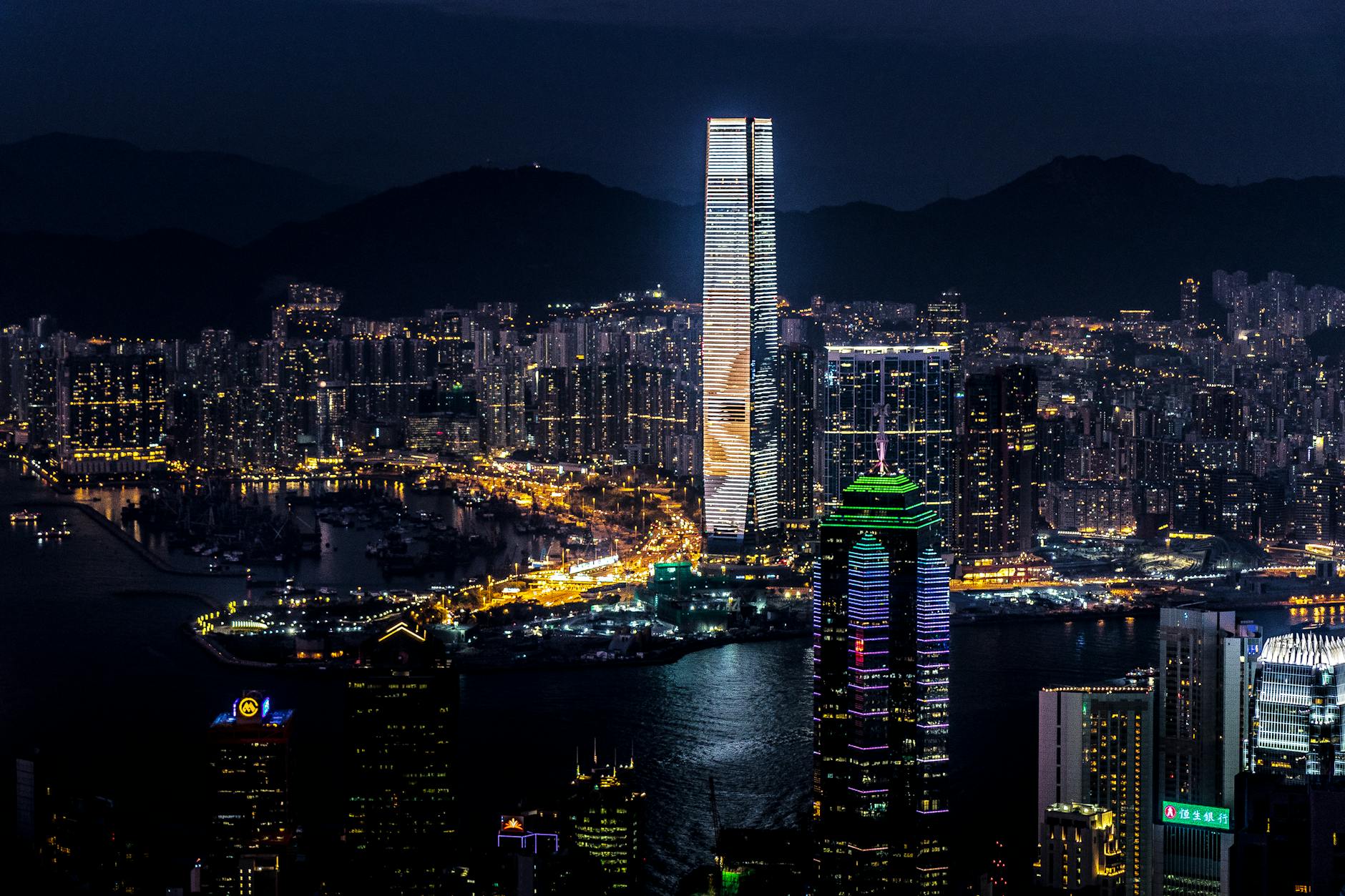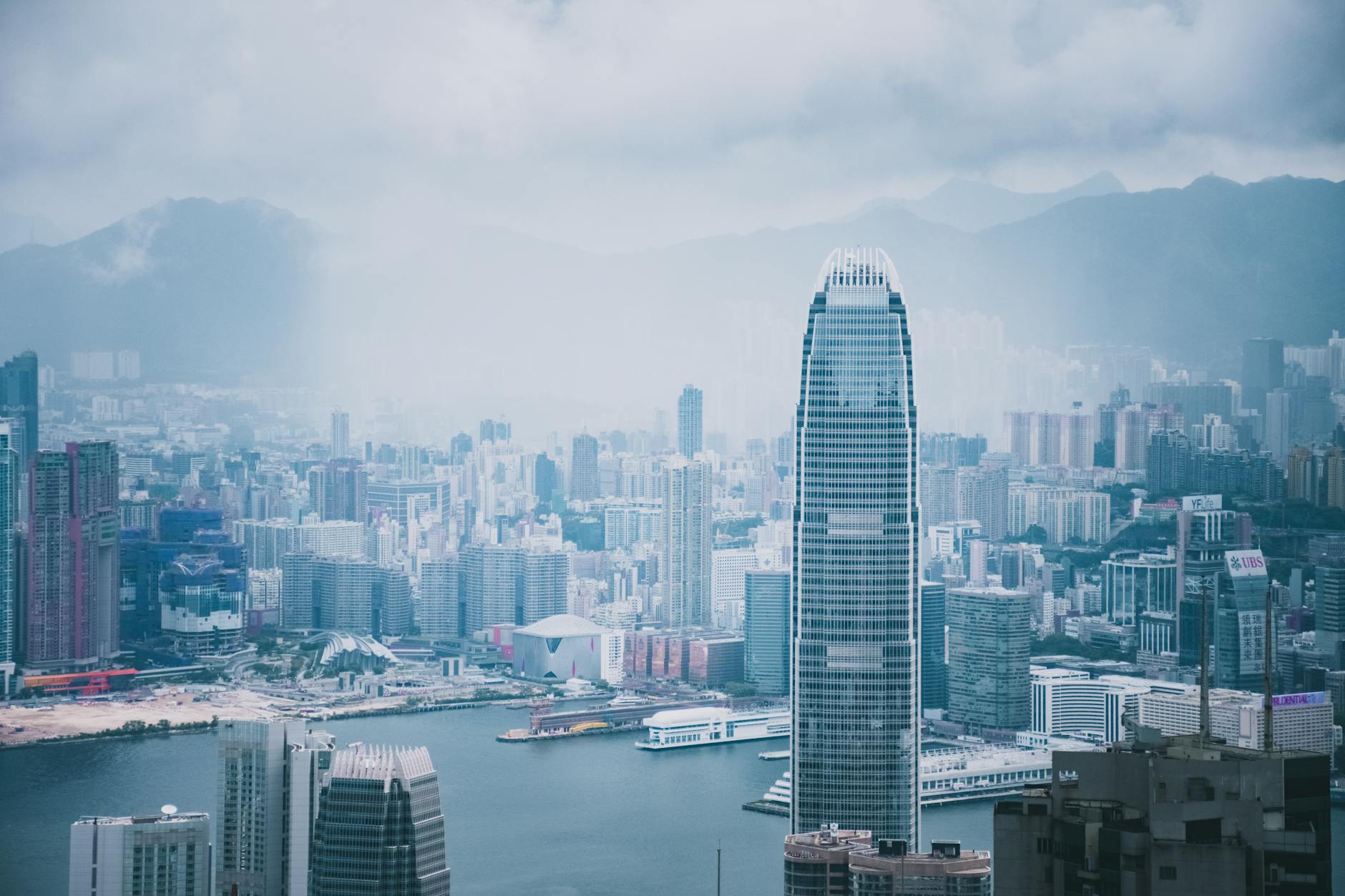
Central Hong Kong is a natural base for many consulting trips because it concentrates offices, banks, law firms, hotels, restaurants, private rooms, transit links, and client-hosting options. That concentration can hide the operational pressure of a short engagement. A consultant may need to move between towers, prepare in private, join calls across time zones, handle confidential material, and still arrive composed in humid weather. A good Central consulting plan starts with the work product. Where are the client meetings, what must be prepared, when are calls, what needs privacy, and how much recovery is required before the next session? Once those answers are clear, hotel, transport, meals, and evening choices become easier.
Define where the work actually happens
A consultant should begin with the engagement map, not the hotel map. The client office, boardroom, workshop site, partner firm, interview location, dinner venue, and airport route may all point to different choices. Central is often the correct base, but only if it protects the highest-value work moments.
The traveler should identify whether the trip is about delivery, discovery, stakeholder management, sales support, restructuring, diligence, training, or quiet analysis. Each version changes the need for privacy, transport, meeting margin, meals, and rest.
- Map client offices, workshops, partner meetings, dinners, airport links, and work locations.
- Define whether the trip is delivery, discovery, diligence, training, sales support, or analysis.
- Let the engagement purpose drive hotel, transport, meals, and work-block choices.
Choose the hotel as a work platform
For a consultant, a Central hotel is not just a bed. It may need to function as a prep room, call room, document review space, client pickup point, luggage hold, and recovery base. Desk quality, Wi-Fi, power, quiet, breakfast speed, room service, laundry, taxi access, and lobby discretion all matter.
A cheaper or more stylish hotel can be the wrong choice if it lacks a usable workspace or creates friction before meetings. The right hotel makes the consultant more reliable during the engagement.
- Check desk, Wi-Fi, power, quiet, breakfast, laundry, storage, taxi access, and lobby discretion.
- Confirm early arrival, late checkout, meeting prep space, and room-service practicality if needed.
- Choose the base that protects work readiness, not only the one with the best rate or view.
Plan movement by appearance and timing
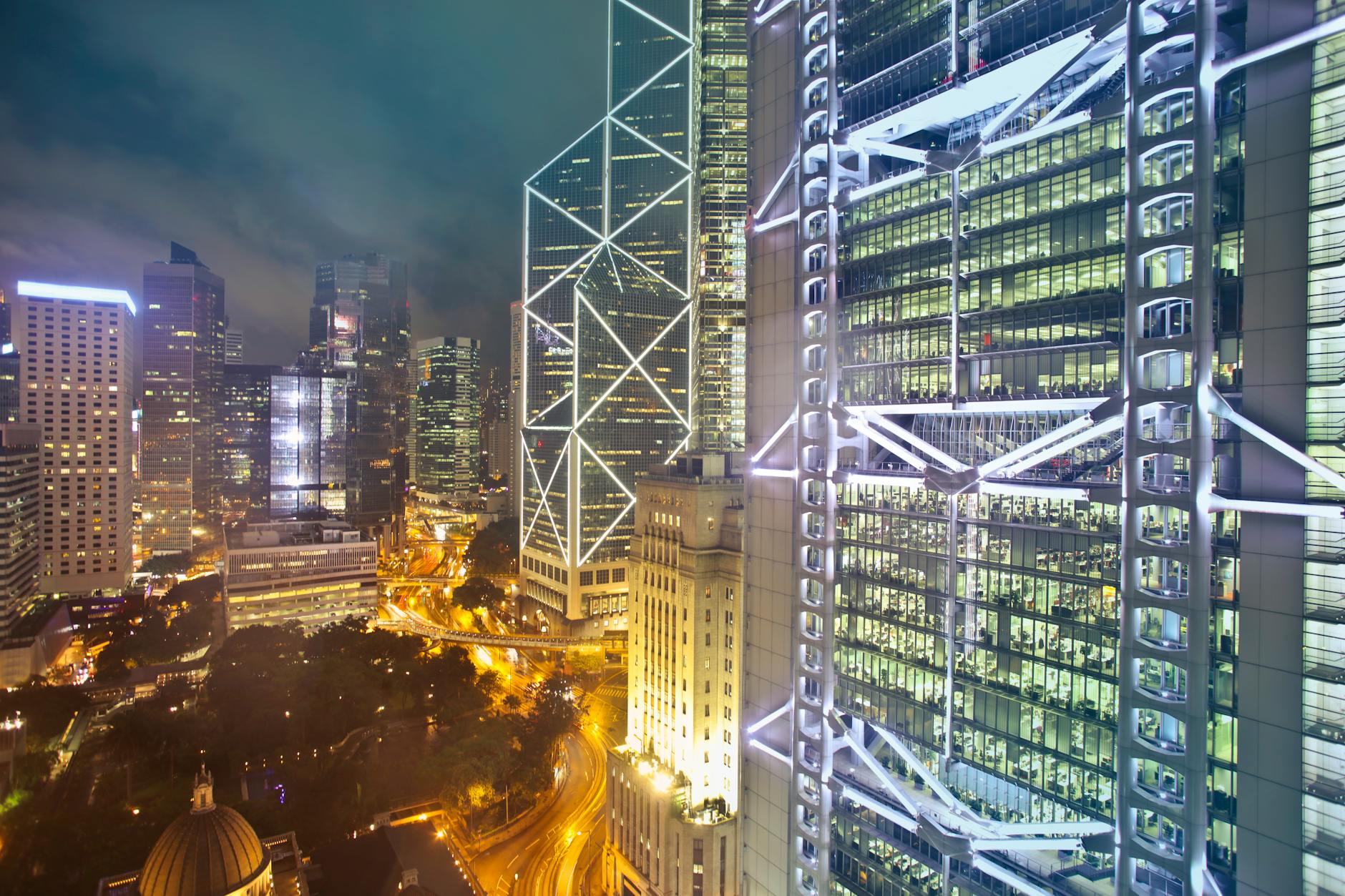
Central movement is easy until formal clothing, humidity, laptop bags, presentation materials, rain, slopes, and tower entrances are added. A consultant should choose transport based on the meeting that follows. The MTR may work for some trips. Taxis or cars may be better before senior meetings, workshops, or client dinners.
The route should include the exact building entrance, elevator bank, security process, and buffer. A consultant who arrives rushed, overheated, or at the wrong lobby has already spent credibility before the meeting starts.
- Choose MTR, taxi, car, ferry, or walking by clothing, materials, weather, timing, and client seniority.
- Check building entrances, security, elevators, taxi points, covered routes, and return paths.
- Buffer enough time to arrive composed rather than merely on time.
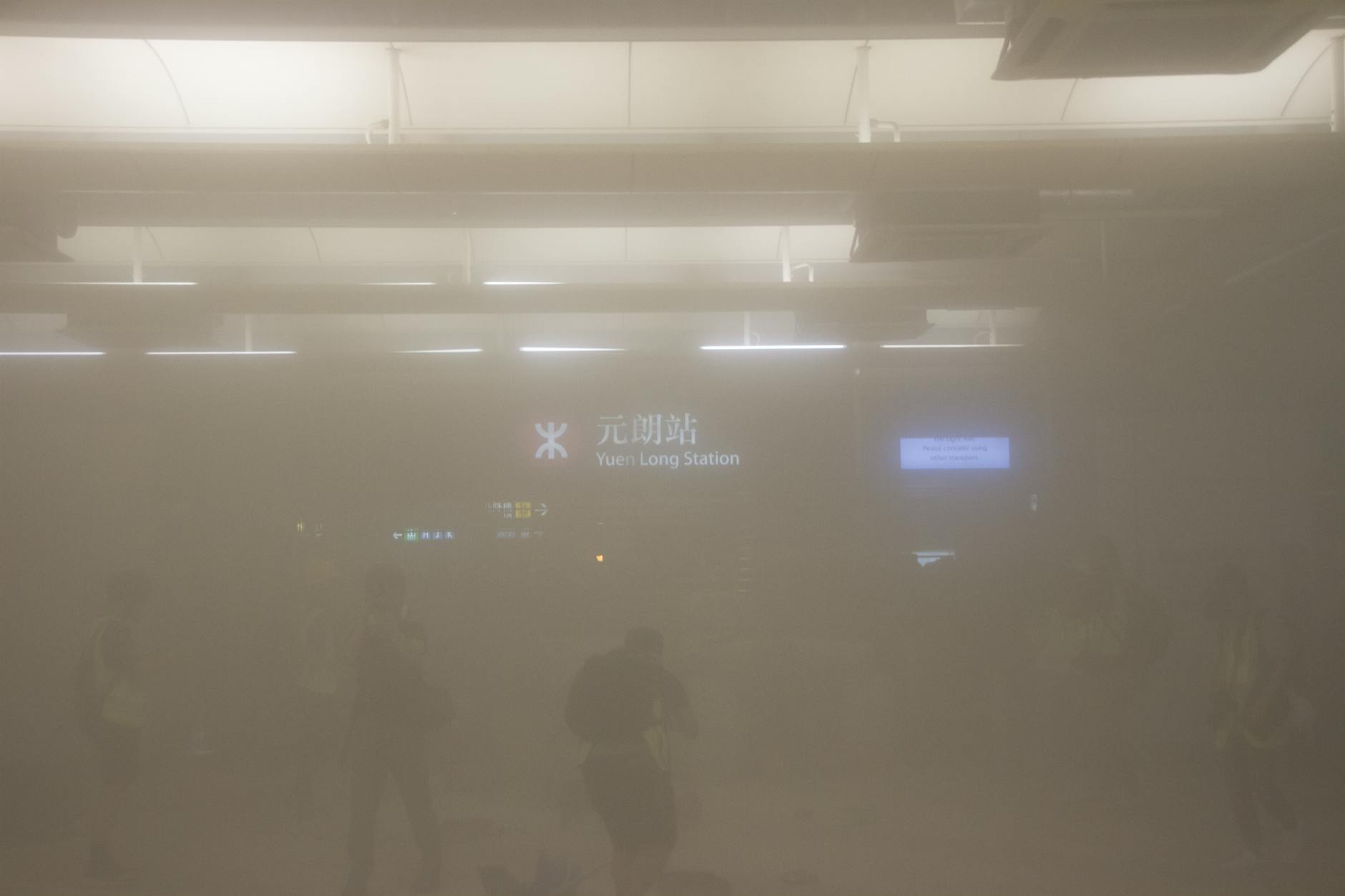
Protect confidential work and time-zone calls
Consulting trips often require private preparation outside formal meetings. The traveler may need to revise decks, discuss sensitive findings, review data, join calls with another region, or write follow-up notes. Central has many cafes and lounges, but not every attractive space is suitable for confidential work.
The consultant should identify private work windows before the schedule fills. A hotel room, business lounge, rented meeting room, quiet office space, or carefully chosen cafe may be necessary. The plan should also account for calls with Europe, North America, or regional teams that fall outside normal sightseeing hours.
- Identify private places for decks, data review, sensitive calls, notes, and follow-up.
- Plan time-zone calls before dinners, receptions, and jet lag consume the evening.
- Avoid discussing client-sensitive work in public lounges, lifts, taxis, or crowded cafes.
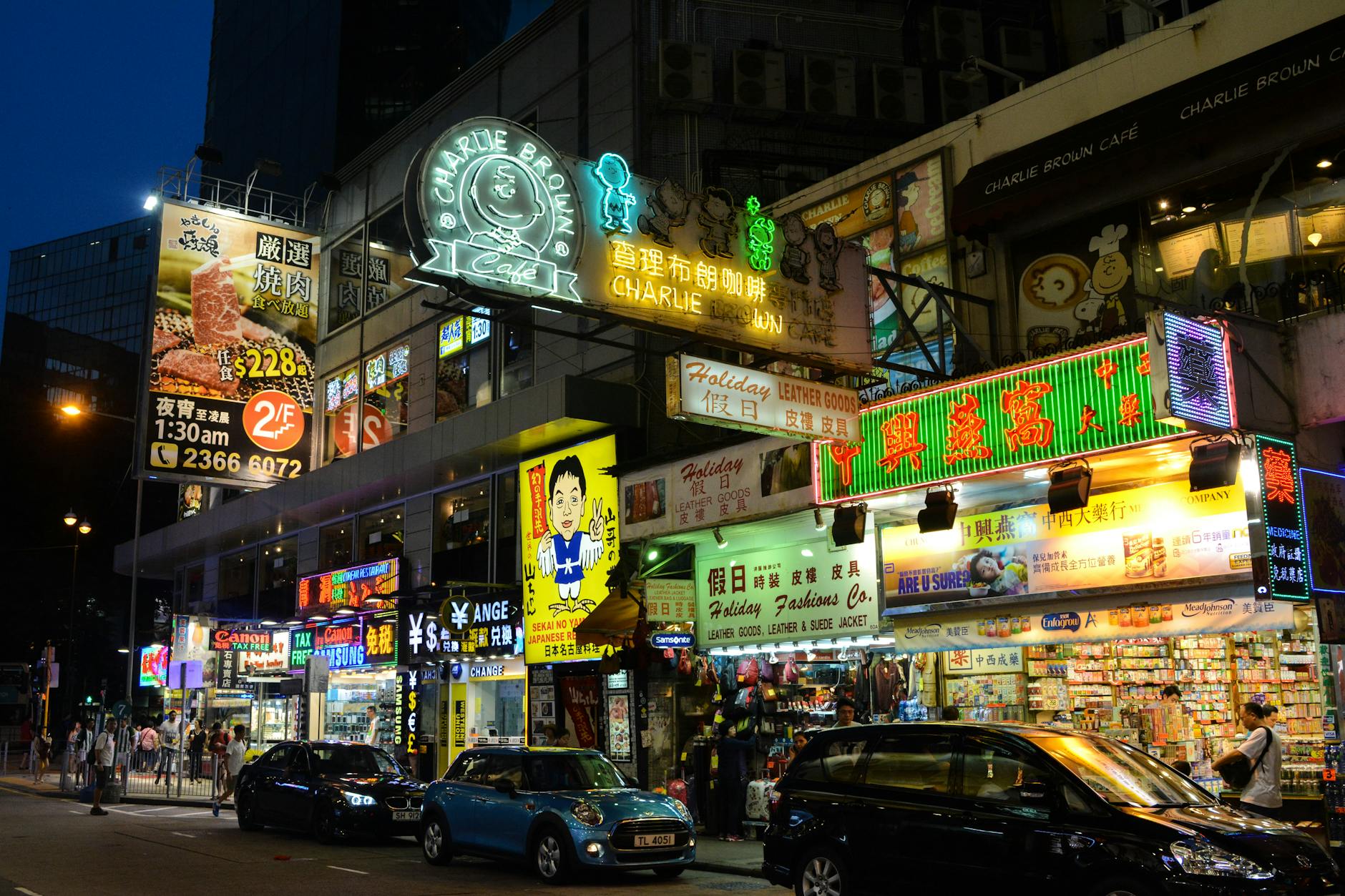
Use meals as part of the engagement
Meals in Central can support a consulting trip when they are chosen deliberately. Breakfast can be a preparation window. Coffee can be a low-pressure stakeholder meeting. Lunch can create a cleaner break between workshops. Dinner can reinforce senior relationships or become an unnecessary drain before the next day.
The consultant should select restaurants by noise, privacy, formality, travel time, dietary needs, and return route. A famous table is not automatically the best business setting if it makes conversation difficult or places the traveler far from the next obligation.
- Choose meals by privacy, noise, timing, dietary needs, formality, and route back to work.
- Use breakfast, coffee, lunch, and dinner for different engagement purposes.
- Do not let social hosting weaken next-day performance or follow-up work.
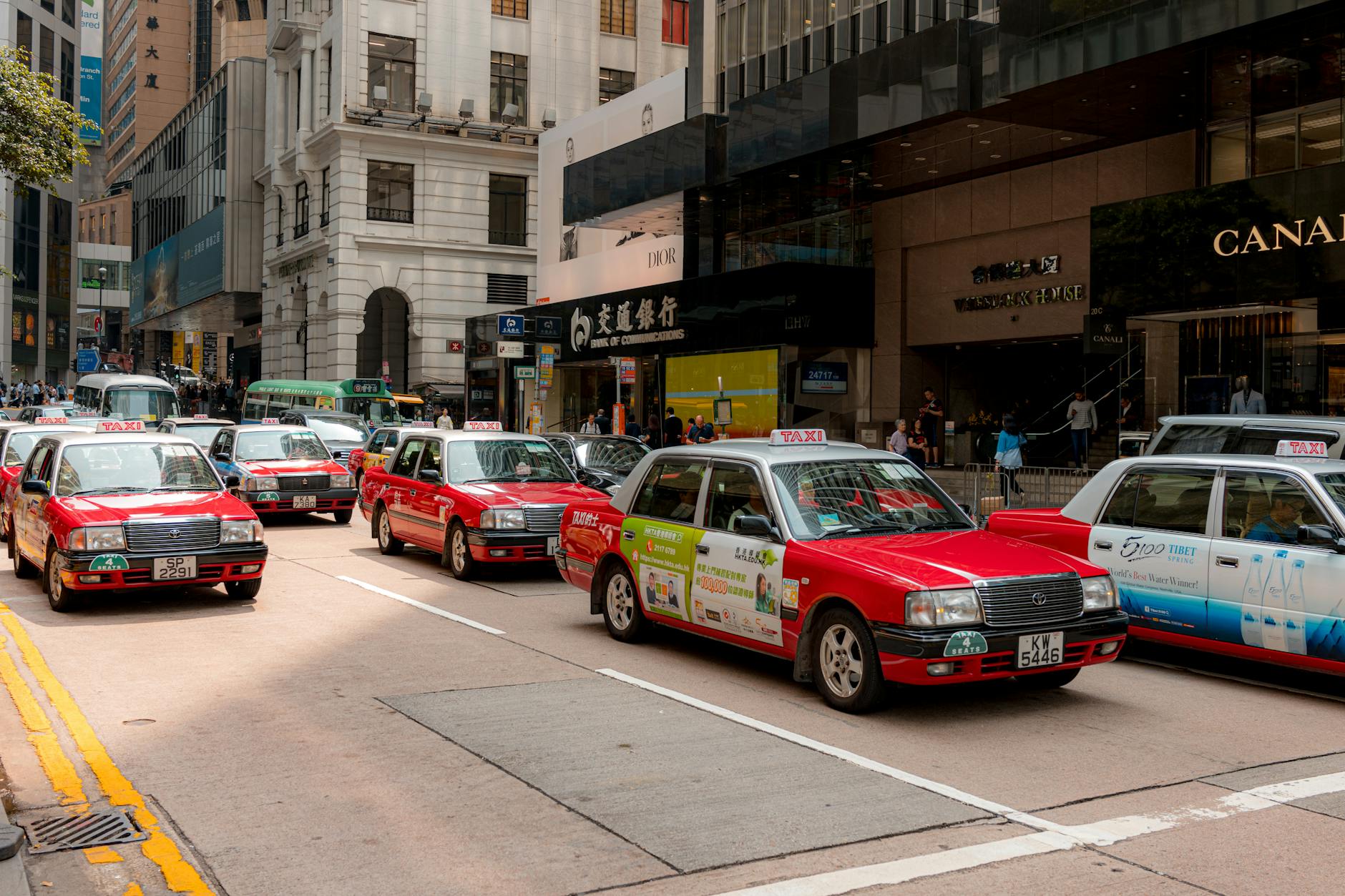
Account for weather, fatigue, and visible readiness
Central can put a consultant through humid streets, cold meeting rooms, rain, crowded lifts, late dinners, and early calls in the same day. Clothing, spare shirt, compact umbrella, chargers, adapters, medication, water, and backup payment are not minor details when the traveler has to perform professionally.
Fatigue should be managed before it becomes visible. The best consulting itineraries reserve time to reset at the hotel, clean up notes, prepare tomorrow's agenda, and avoid turning every open hour into another meeting.
- Prepare for humidity, rain, cold interiors, formal clothing, devices, adapters, and long days.
- Protect hotel reset time before senior meetings, presentations, and next-day workshops.
- Keep fatigue, appearance, notes, and follow-up under control before they affect the engagement.
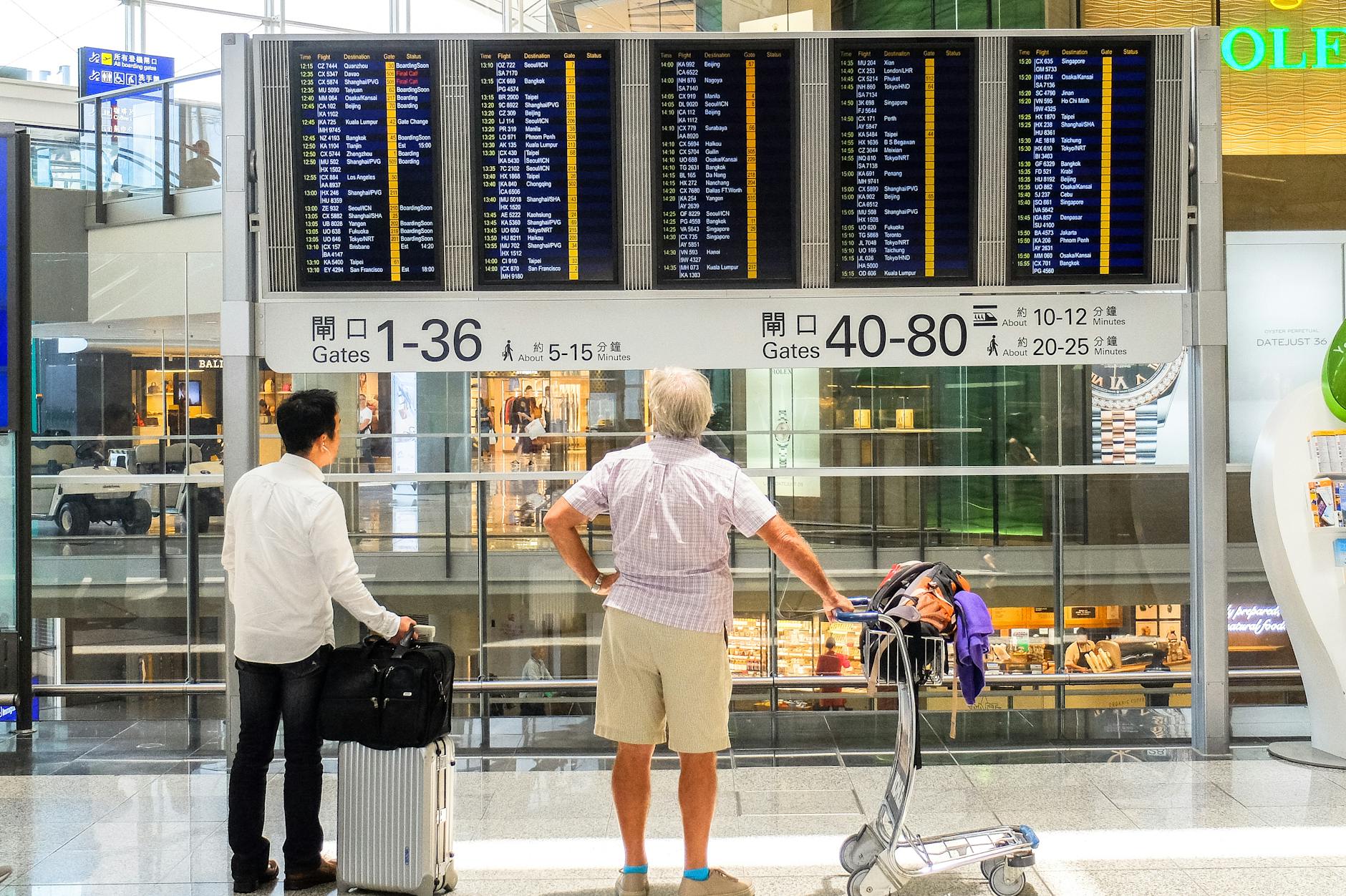
When to order a short-term travel report
A consultant with one familiar client office and a hosted hotel may not need a custom Central Hong Kong report. A report becomes useful when the engagement has multiple locations, senior meetings, confidential work, tight arrival timing, cross-border calls, uncertain hotel choices, client hosting, or a narrow window to produce useful follow-up.
The report should test client geography, hotel fit, arrival timing, transport, meeting routes, workspaces, confidentiality, time-zone calls, meals, weather, recovery, airport transfers, budget, and what to cut. The value is a Central consulting trip that supports the work instead of competing with it.
- Order when client geography, lodging, transport, work privacy, calls, hosting, or follow-up needs testing.
- Provide dates, client locations, hotel options, meeting schedule, work needs, constraints, and budget.
- Use the report to make the Central Hong Kong consulting trip professionally controlled.