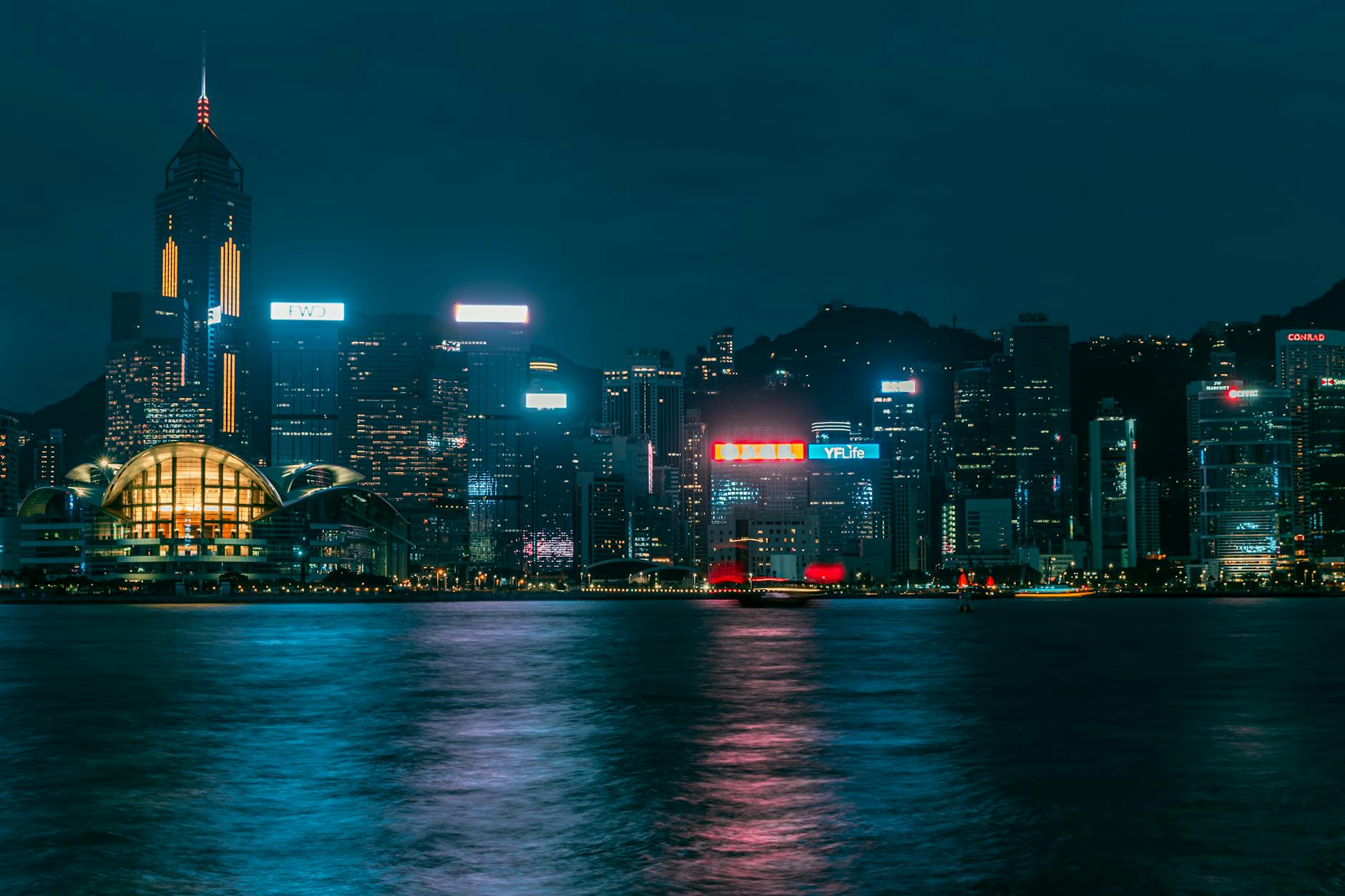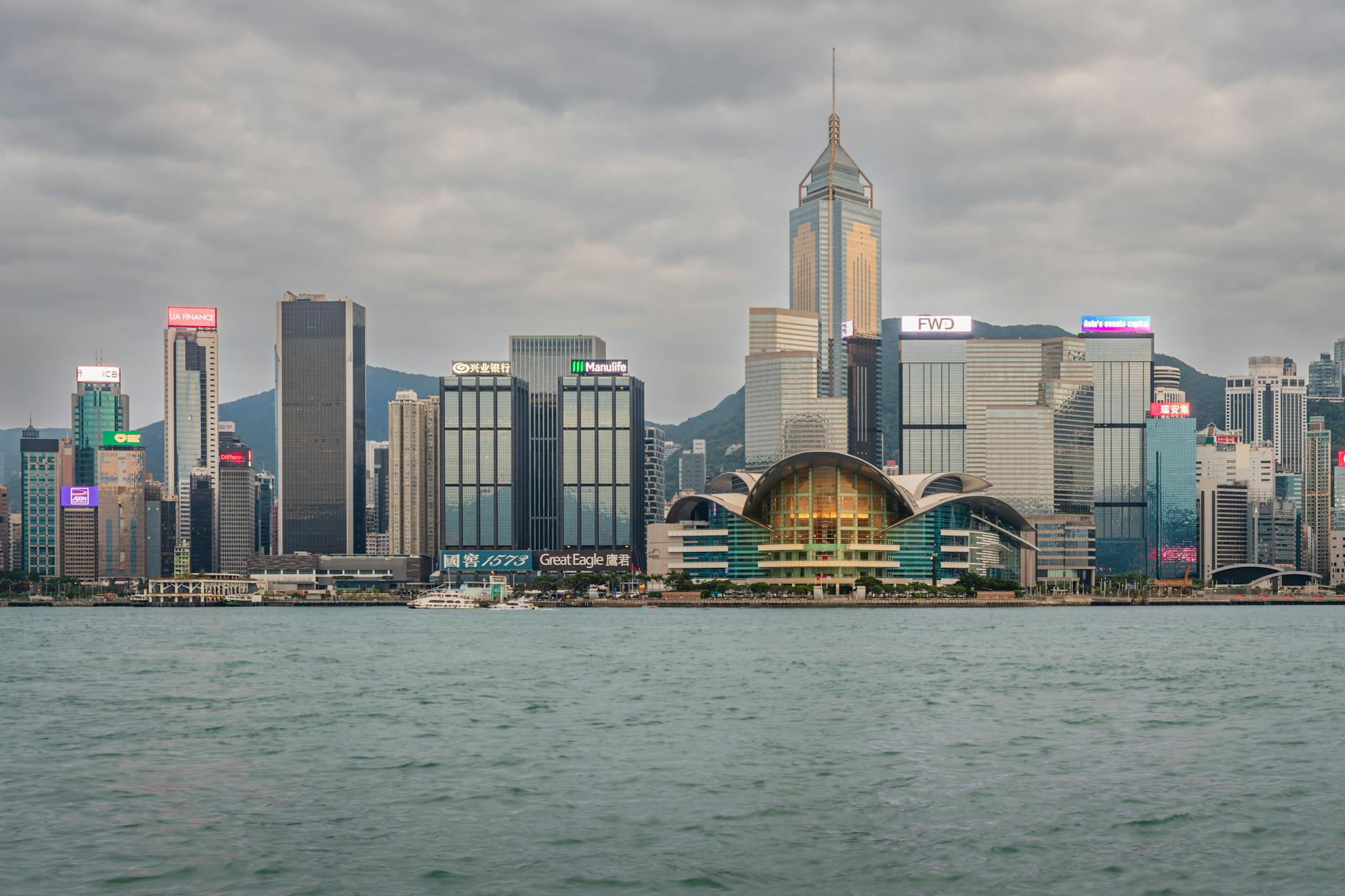
Central Hong Kong can be a strong base for a conference attendee, especially when the trip includes meetings, receptions, hotel events, client dinners, or office visits around the business core. It is not always the same as being next to the venue. A conference may pull the attendee toward Wan Chai, Admiralty, Tsim Sha Tsui, a hotel ballroom, a tower auditorium, or another district entirely. A short conference trip should be planned around the fixed obligations: badge pickup, first session, meetings, receptions, dinner, work calls, and departure. Central can support all of that when hotel choice, transport, clothing, weather, and evening returns are handled before the schedule gets crowded.
Confirm whether Central is the venue, base, or meeting district
The first conference question is geographical. Central may hold the hotel, a sponsor dinner, a private meeting, or a satellite event, while the main sessions may be in Wan Chai, Admiralty, Kowloon, or another venue. A traveler who assumes Central means close to everything can spend the conference moving back and forth under pressure.
The attendee should map the venue entrance, badge desk, session rooms, hosted meals, side meetings, hotel, and airport or rail links before booking. The best base is the one that protects the highest-value obligations, not necessarily the one with the best address.
- Map venue, badge pickup, sessions, side meetings, dinners, hotel, and airport links before booking.
- Treat Central, Wan Chai, Admiralty, Kowloon, and hotel venues as separate movement problems.
- Choose Central only when it improves the actual conference rhythm.
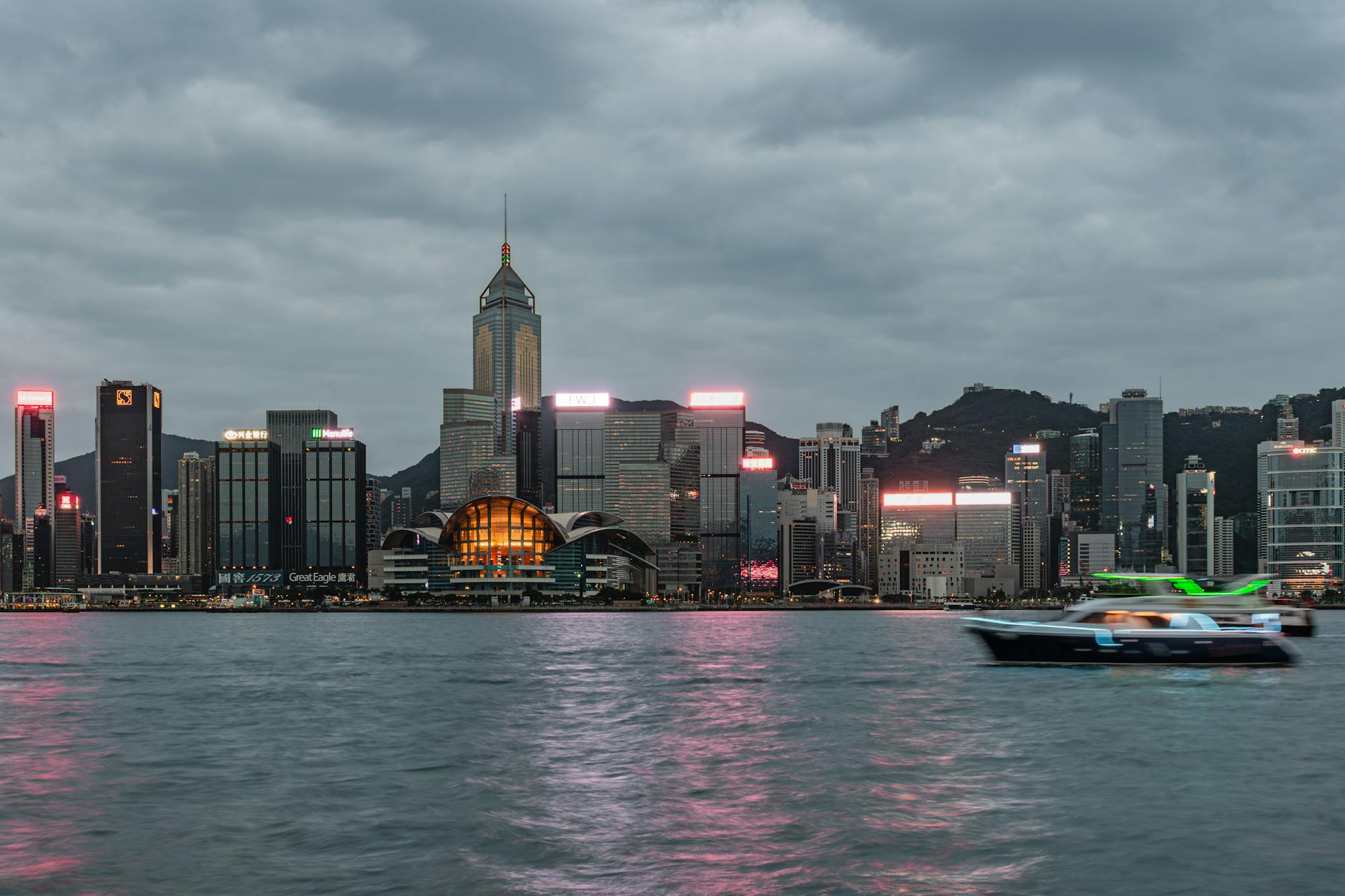
Choose the hotel around badge days and recovery
A conference hotel should help the attendee attend well. That means easy morning departures, practical clothing storage, reliable Wi-Fi, a desk, charging, breakfast, bag storage, quiet sleep, and a straightforward return after receptions. A glamorous Central address can still be inefficient if the venue route is awkward every morning.
The attendee should check whether staying near the venue, near Central meetings, or on a direct transport line is the best tradeoff. The right hotel may be less exciting but more protective of punctuality, work, and recovery.
- Compare hotels by venue route, breakfast, desk space, Wi-Fi, storage, sleep, and return path.
- Check morning and evening travel times rather than relying on midday map estimates.
- Use Central when it supports meetings and recovery, not just prestige.
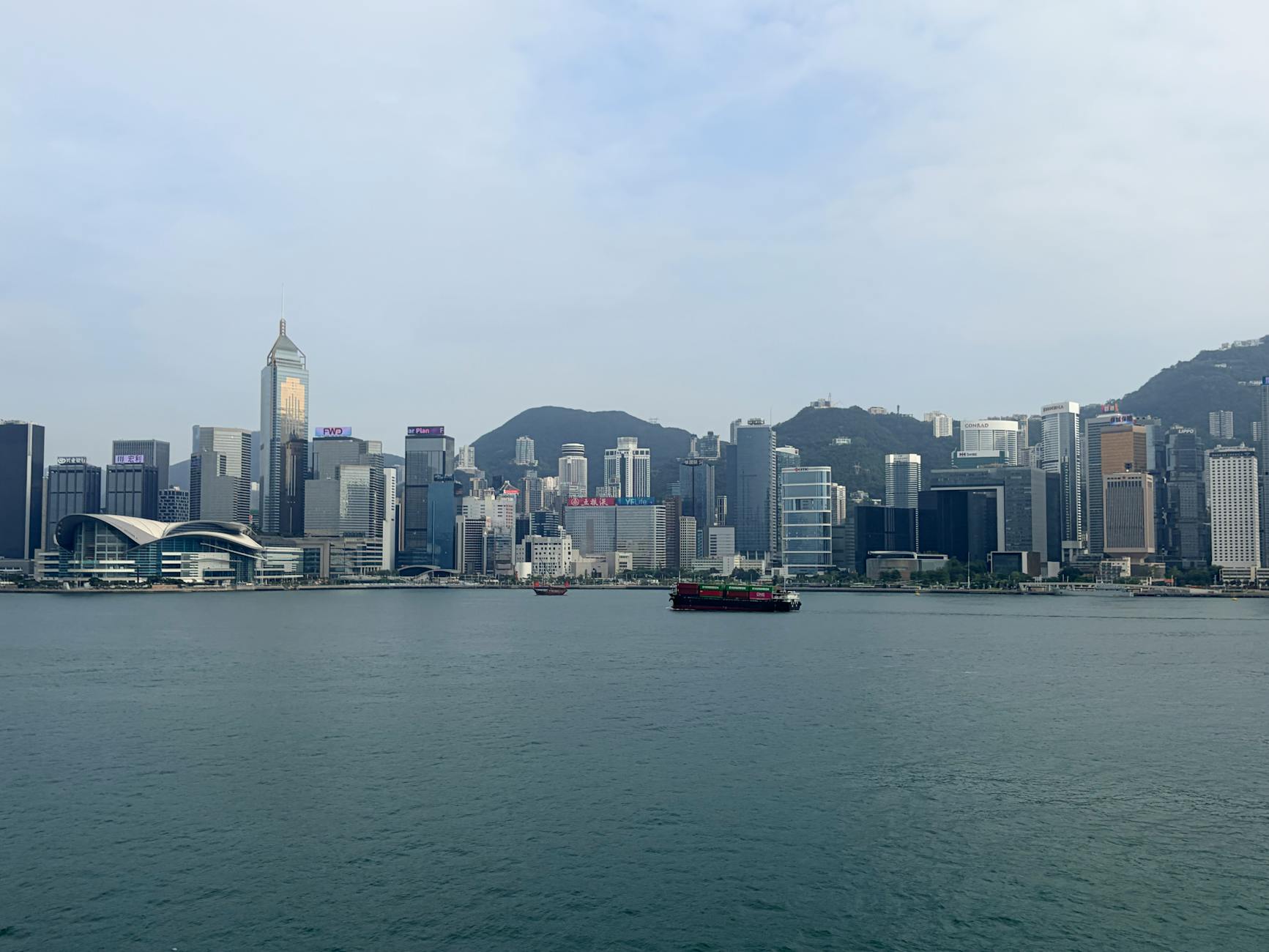
Build the first conference morning with margin
Badge pickup, security, elevators, venue entrances, coffee lines, weather, formal clothing, and route uncertainty can make the first conference morning fragile. The attendee should not plan to understand the venue five minutes before the opening session. A little extra time protects the rest of the day.
This is especially true when the attendee has a presentation, booth duty, hosted meeting, media interview, or senior networking slot. The first morning should include enough margin to arrive composed, find the room, and handle small problems without turning them into visible stress.
- Buffer badge pickup, security, elevators, room finding, coffee, clothing, and weather.
- Carry badge documents, chargers, adapters, cards, notes, and offline meeting details.
- Avoid scheduling an important private meeting immediately before the first fixed session.
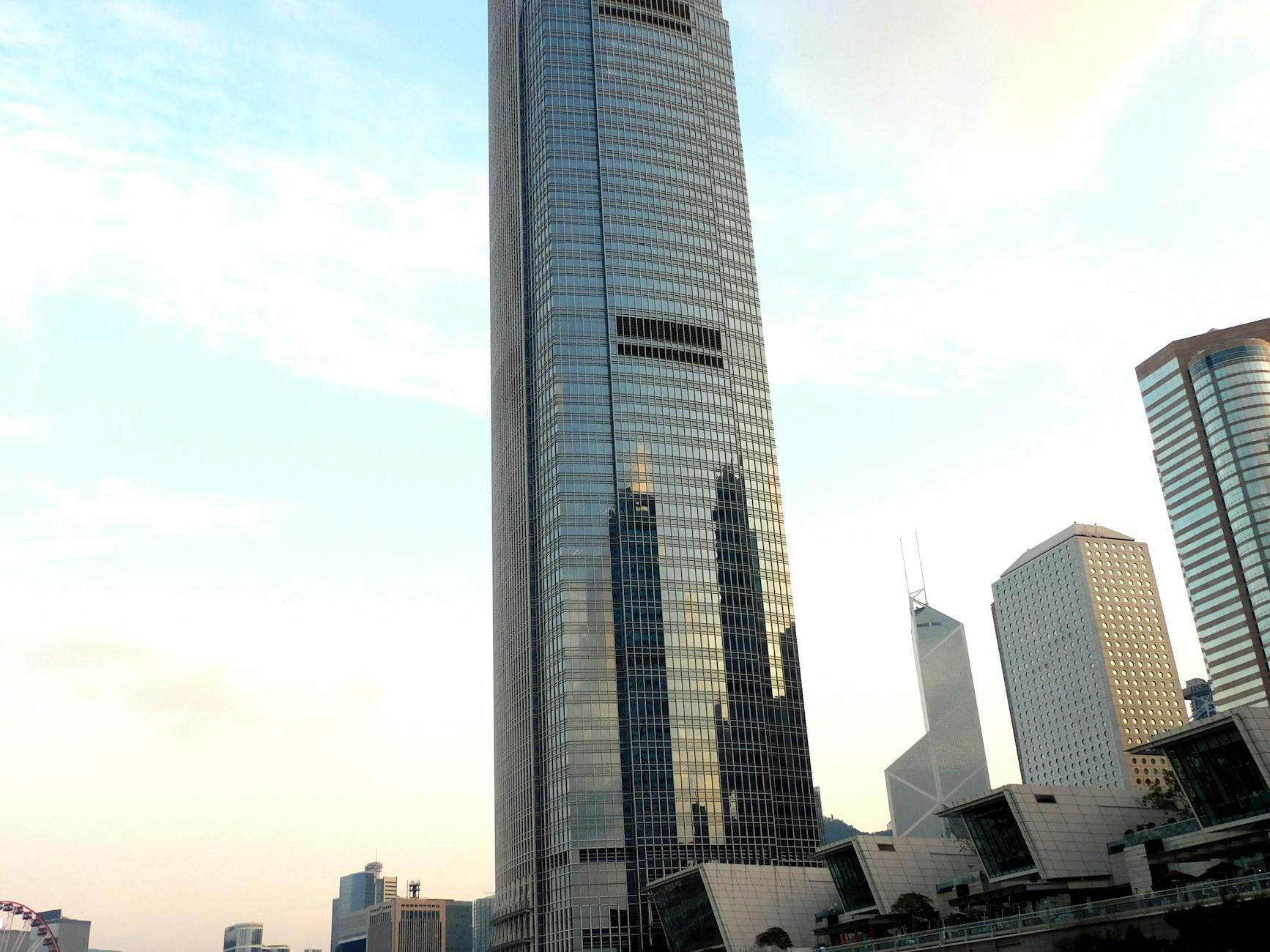
Use transport by clothing, timing, and venue shape
Central gives conference attendees choices, but each has a context. The MTR can be efficient for predictable movement. Taxis help with formal clothing, rain, booth material, luggage, or late receptions. Ferries may be useful and memorable for some cross-harbor plans. Walking works only when heat, slope, and footwear are honest.
The attendee should choose the mode that protects the business purpose of the day. A cheap route that leaves the traveler overheated before a session is not efficient. A car stuck in traffic is not premium. The route should be selected for that specific movement.
- Use MTR, taxi, car, ferry, or walking according to venue, clothing, materials, weather, and timing.
- Check exits, pickup points, footbridges, covered routes, and traffic before the first day.
- Plan separate routes for morning sessions, lunch meetings, receptions, and hotel returns.
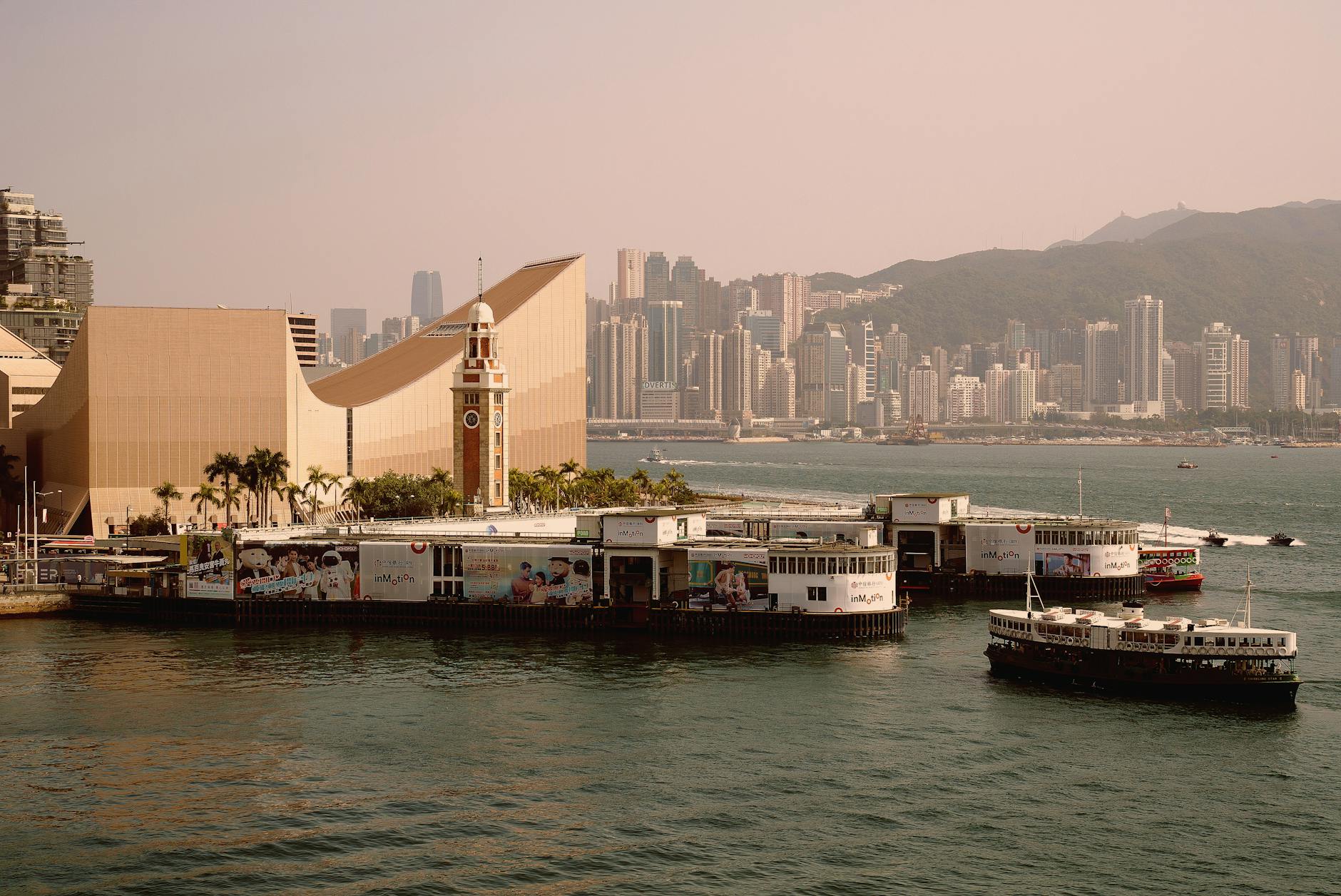
Protect work blocks and networking value
Conference trips often fail because the attendee treats every open hour as free. In practice, the traveler may need to answer work messages, revise slides, prepare a meeting, follow up with contacts, review exhibitor notes, or take a call with another time zone. Central has many cafes and lounges, but not every space supports focused or private work.
Networking should also be planned by value. A coffee near the venue, a Central dinner, a sponsor reception, and late drinks do not offer the same return. The attendee should protect the contacts that matter instead of saying yes until the schedule becomes unusable.
- Reserve time for calls, follow-up, meeting prep, notes, slide checks, and exhibitor review.
- Identify private or quiet work settings before the conference day becomes crowded.
- Choose networking events by value, location, return route, and next-day obligations.
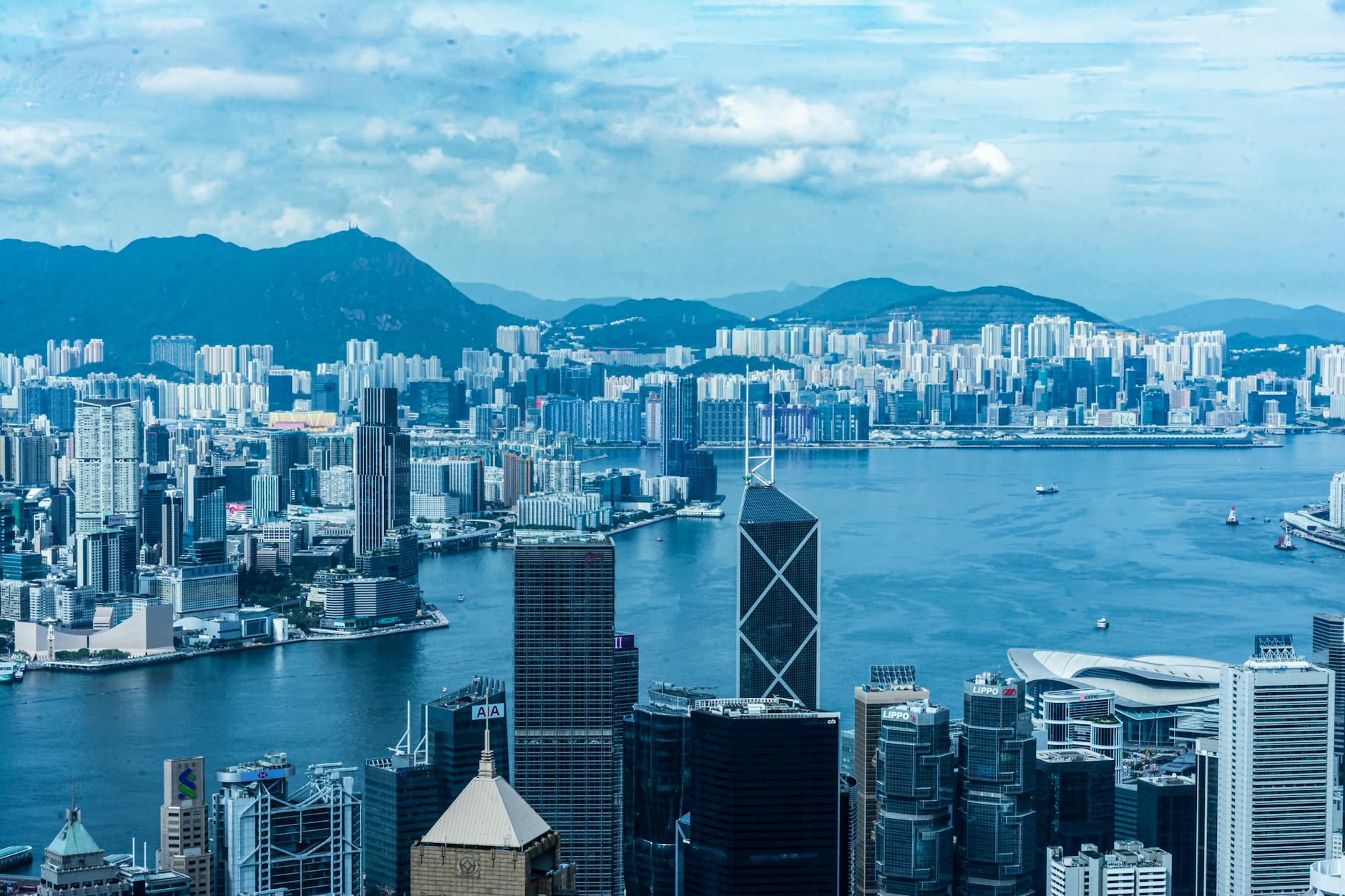
Account for weather, meals, and evening returns
Conference attendees in Central should plan for humidity, rain, air conditioning, formal clothing, crowded sidewalks, and late returns. A route that works in casual clothes may not work in business attire with a laptop bag or exhibition material. Meals also need attention because conference days can push lunch and dinner later than expected.
The evening return should be decided before receptions begin. Central's restaurants, bars, hills, taxis, and hotel lobbies can be easy when planned and irritating when solved after fatigue, alcohol, or rain.
- Prepare for humidity, rain, air conditioning, formal clothing, laptop bags, and venue materials.
- Plan breakfast, lunch, coffee, dinner, and hydration around the conference schedule.
- Set the return route from receptions and dinners before the evening starts.
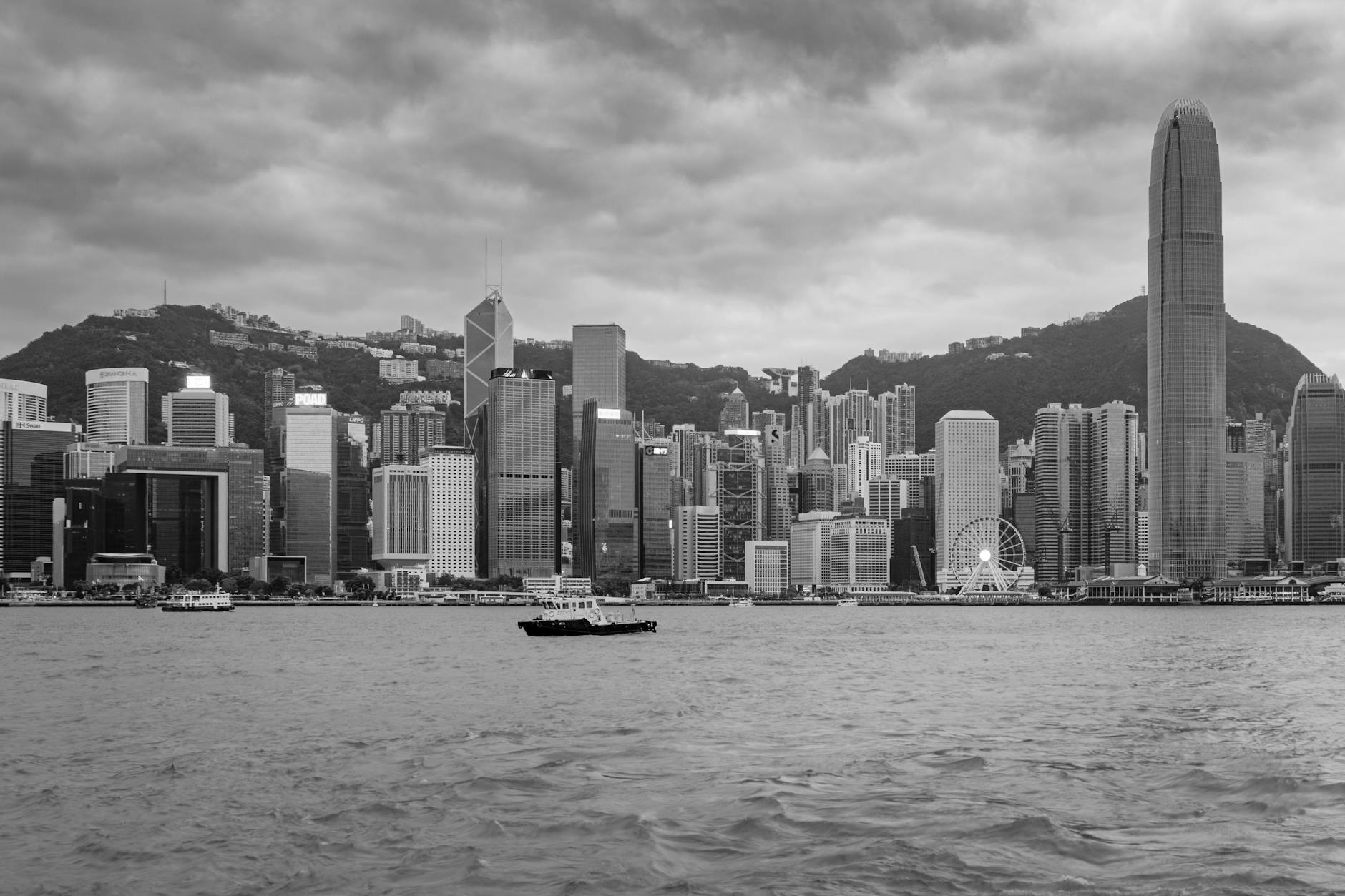
When to order a short-term travel report
A conference attendee with a hosted hotel and a flexible schedule may not need a custom Central Hong Kong report. A report becomes useful when the venue is outside Central, the traveler has presentations or booth duty, multiple side meetings, senior networking, weather-sensitive clothing, tight arrival timing, mobility constraints, or uncertain hotel choices.
The report should test venue geography, hotel siting, badge timing, MTR and taxi routes, work blocks, networking, meals, weather, evening returns, airport transfers, budget, and what to cut. The value is a conference trip that supports the actual purpose of attending.
- Order when venue geography, lodging, timing, transport, networking, weather, or work blocks need testing.
- Provide dates, venue, hotel options, session schedule, meetings, arrival details, constraints, and budget.
- Use the report to make the Central Hong Kong conference trip productive and realistic.