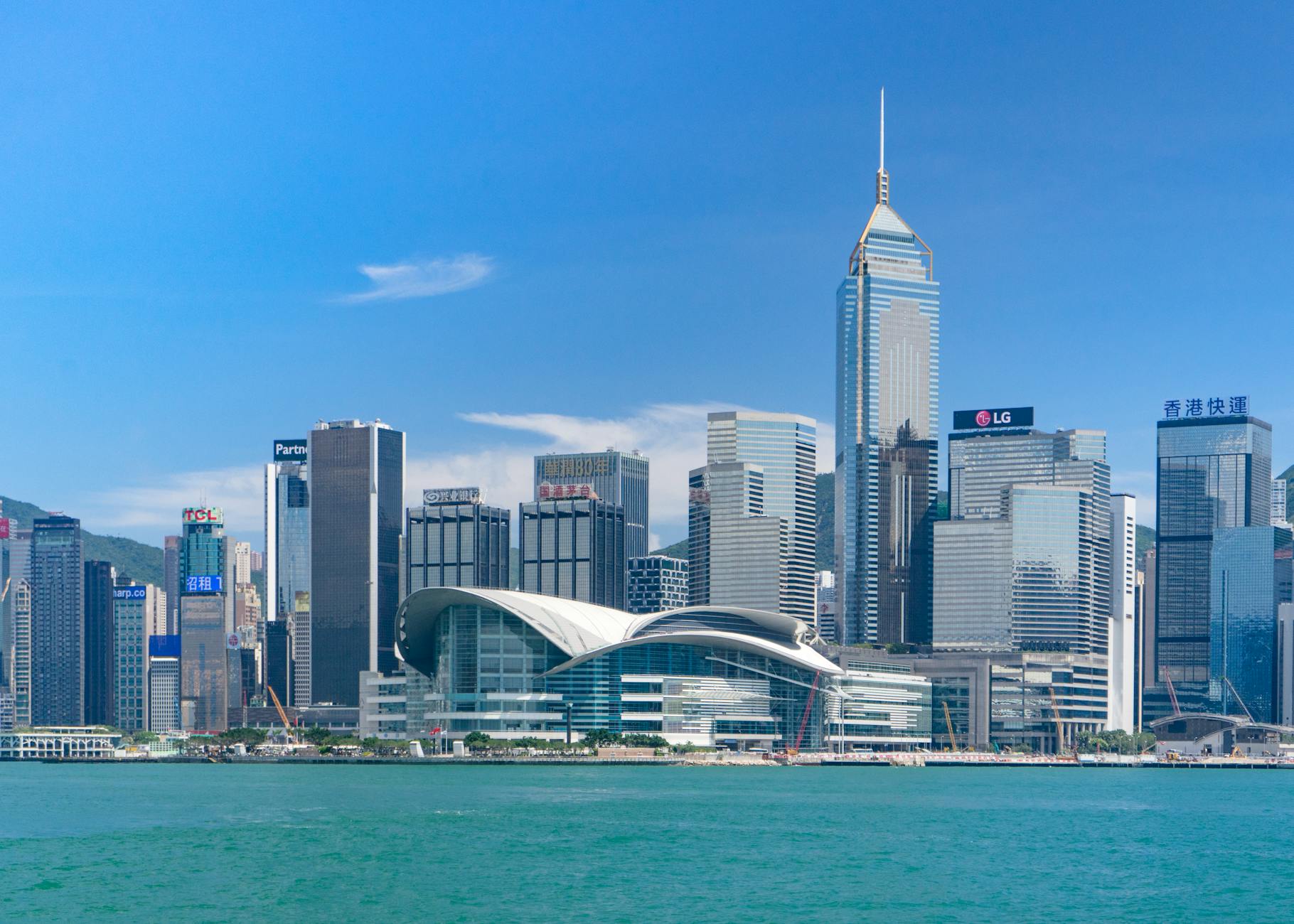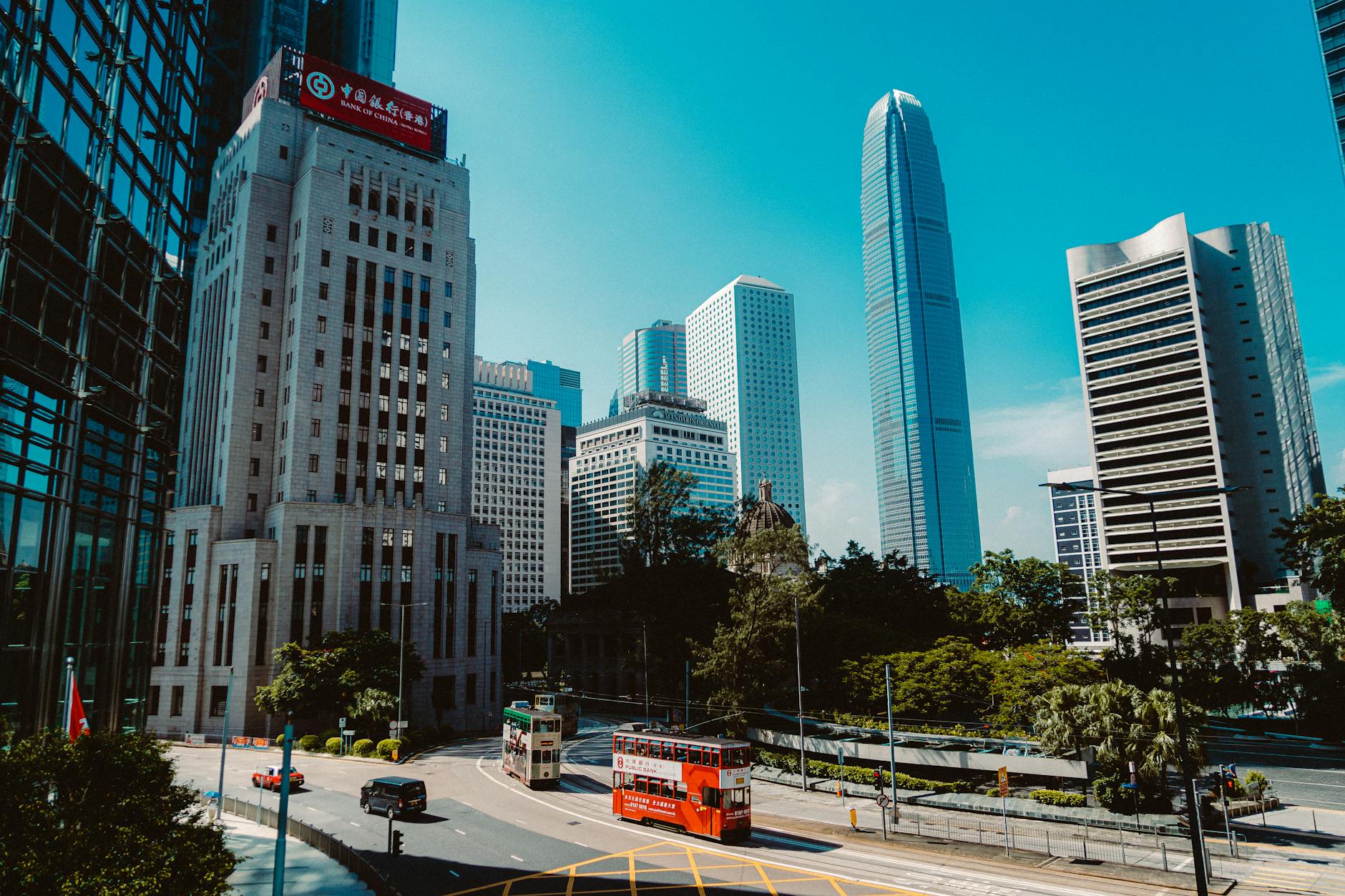
Central Hong Kong is one of the world's strongest business districts, but it is not effortless. The district compresses finance, law, luxury hotels, restaurants, hillside streets, harbor links, MTR access, taxis, private clubs, bars, and intense pedestrian movement into a small but vertical area. A short business visit can work extremely well if the traveler respects that operating logic. A business visitor should not treat Central as generic downtown Hong Kong. The difference between a harbor hotel, a hillside address, an office tower, a lunch venue, a ferry-linked meeting, and a late dinner can be measured in sweat, slope, elevator time, taxi friction, and social signal. The plan should make Central's density work for the trip rather than against it.
Choose the hotel by business rhythm, not brand alone
Central has strong hotels, but not every polished address solves the same business trip. A traveler with meetings in IFC, Admiralty, Sheung Wan, Mid-Levels, Lan Kwai Fong, a private club, or across the harbor needs to understand how the hotel sits against offices, slopes, MTR access, taxi pickup, dining, and late returns.
Brand quality matters, but siting can matter more on a short trip. A slightly better location can reduce weather exposure, elevator delays, taxi friction, and unnecessary walking before a high-stakes meeting.
- Map meetings, hotel, MTR, taxi pickup, restaurants, evening venues, and harbor links before booking.
- Choose the hotel by office access, slope, weather exposure, late returns, and work infrastructure.
- Do not assume every prestigious Central address creates the same daily rhythm.
Map meetings as vertical movement
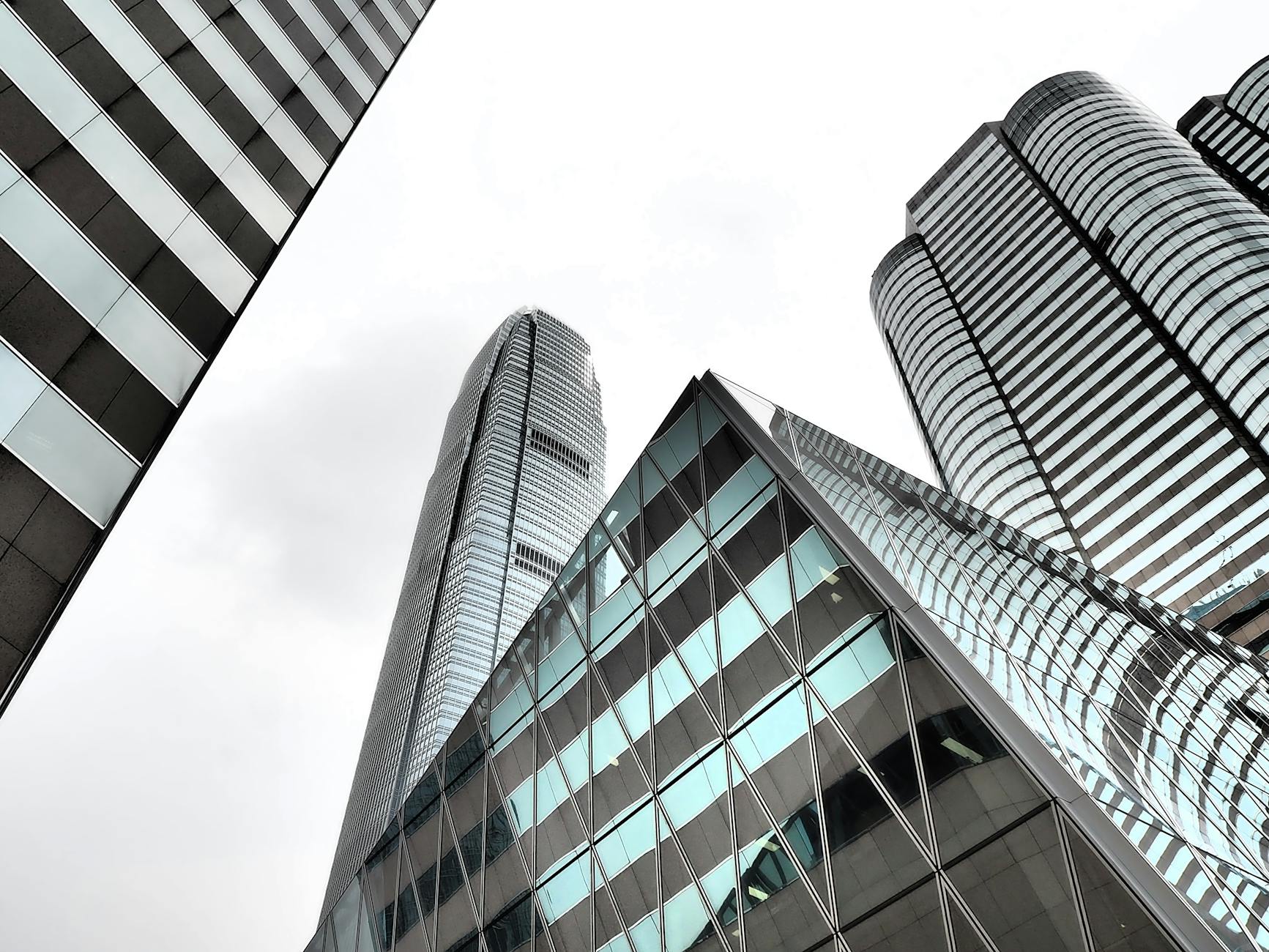
Central business movement is not just horizontal. Hills, footbridges, malls, elevators, escalators, lobbies, security desks, tower entrances, taxi ranks, and underground or elevated routes can all change arrival time. A meeting that looks close on a map may not feel close in heat, rain, formal shoes, or a crowded lunch hour.
The traveler should identify building entrances, lift banks, visitor registration, meeting-floor access, and whether walking, MTR, taxi, or a short car transfer is actually the cleanest option. Arriving composed is part of the business outcome.
- Check tower entrances, security desks, lift banks, visitor registration, and meeting-floor access.
- Treat hills, footbridges, malls, escalators, and weather-protected routes as part of timing.
- Leave more margin than the map distance suggests for formal meetings.
Use MTR, taxis, and cars selectively
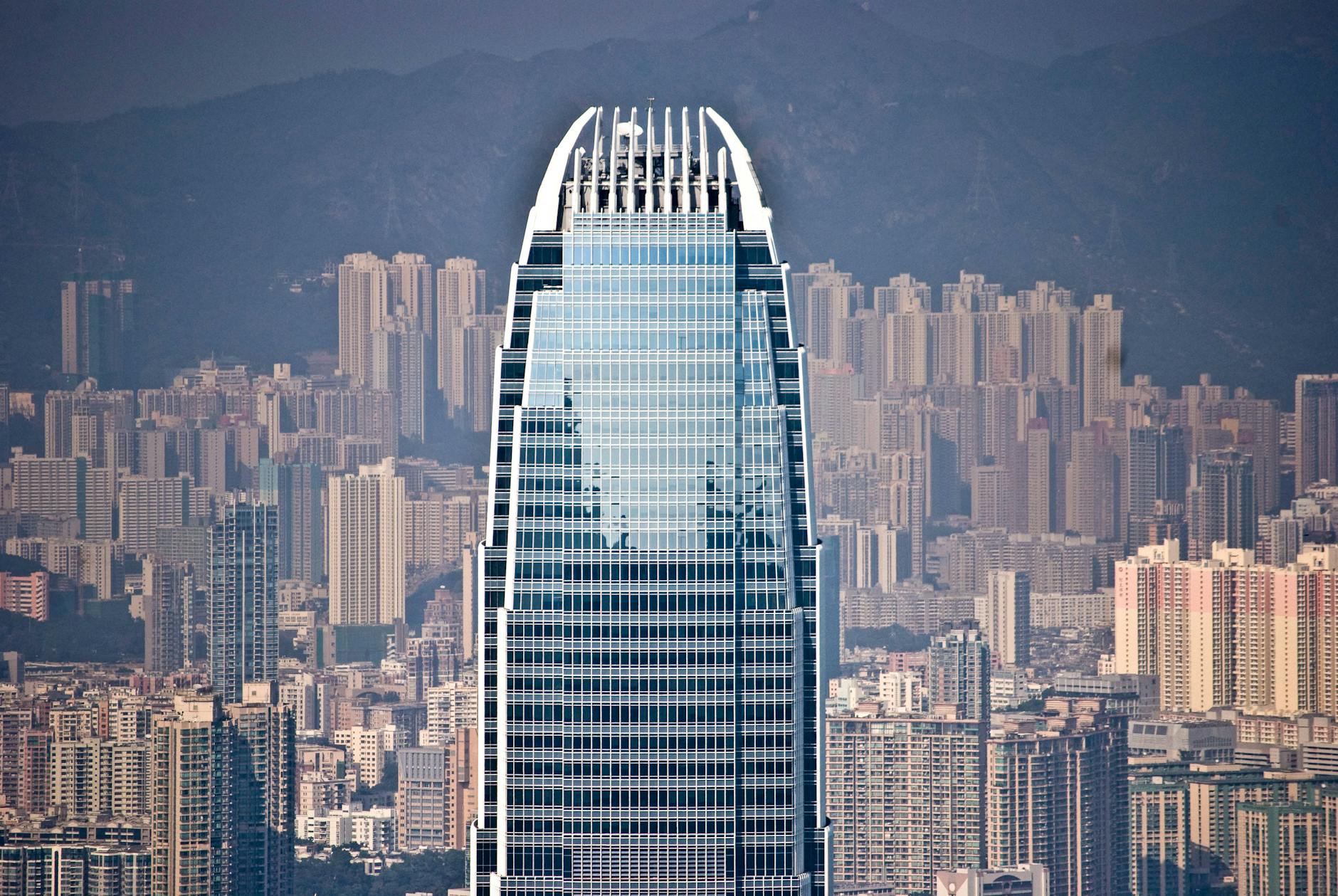
Central gives business travelers several strong movement options, but each has limits. The MTR can be fast and predictable; taxis can be useful but traffic, pickup points, and rain demand matter; private cars can reduce friction for senior meetings; walking can be efficient only when the route and weather are honest.
The traveler should decide by meeting stakes, clothing, luggage, weather, time of day, and whether crossing the harbor or moving to another district is involved. The wrong mode can make a short transfer feel chaotic.
- Use MTR for predictable district movement when clothing, luggage, and weather allow.
- Use taxis or cars for formal arrivals, rain, client hosting, luggage, or senior stakeholder movement.
- Confirm pickup points and traffic assumptions before relying on a car at peak times.
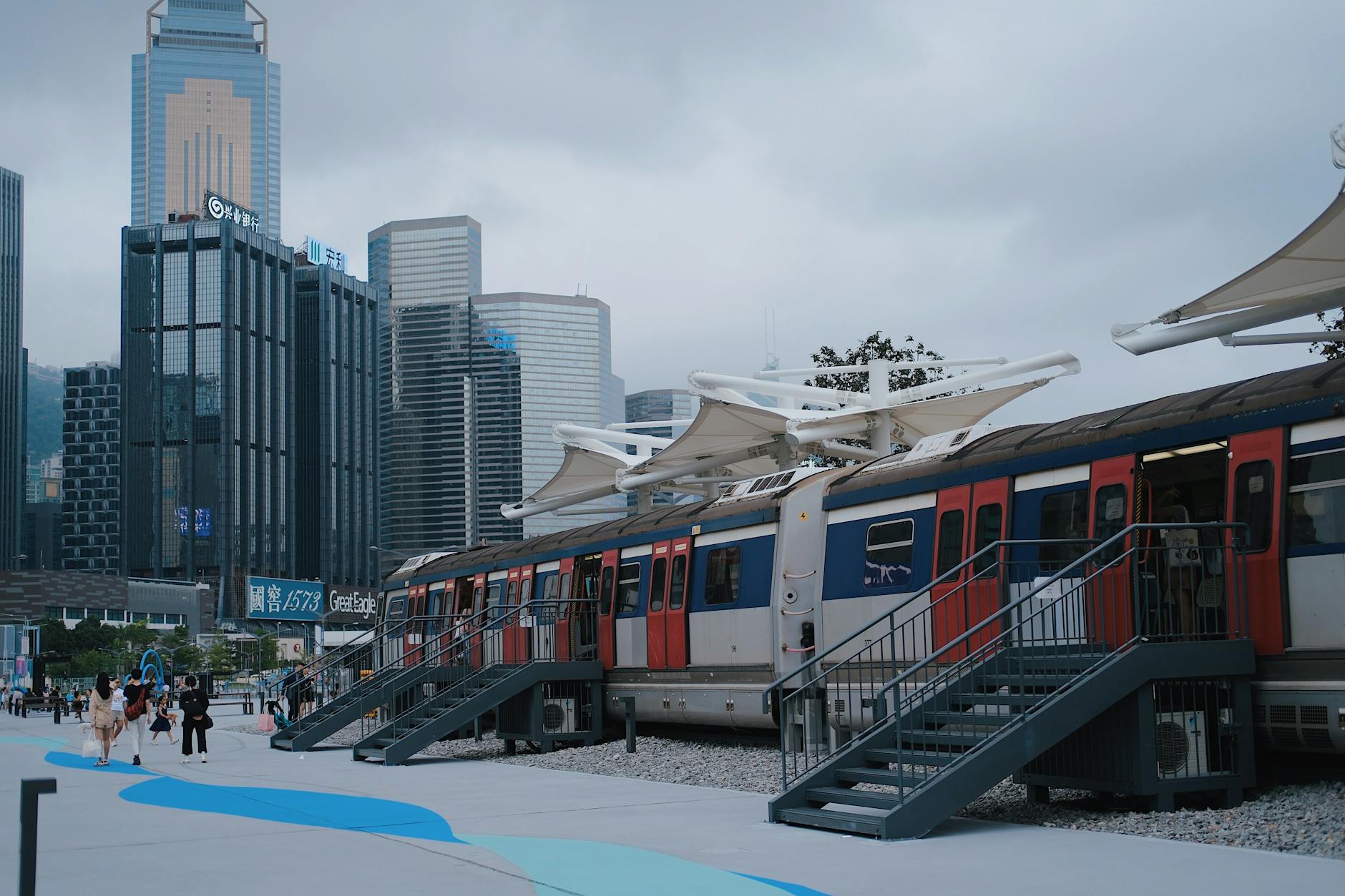
Protect work infrastructure between meetings
Central is full of places to work, but a business visitor should still know where private calls, document edits, secure file access, printing, quiet preparation, and quick wardrobe resets can happen. A lobby or cafe may be fine for email and useless for sensitive work.
If the trip includes remote colleagues, legal documents, decks, investor materials, or same-day follow-up, the hotel and office-host arrangements become part of the business infrastructure. The traveler should not discover weak Wi-Fi, no privacy, or no printing after the meeting day has started.
- Confirm Wi-Fi, mobile data, private call space, printing, scanning, desk space, and secure file access.
- Use the hotel or host office for sensitive work rather than relying on public cafes.
- Build quiet blocks for deck edits, follow-up, approvals, and remote colleague calls.
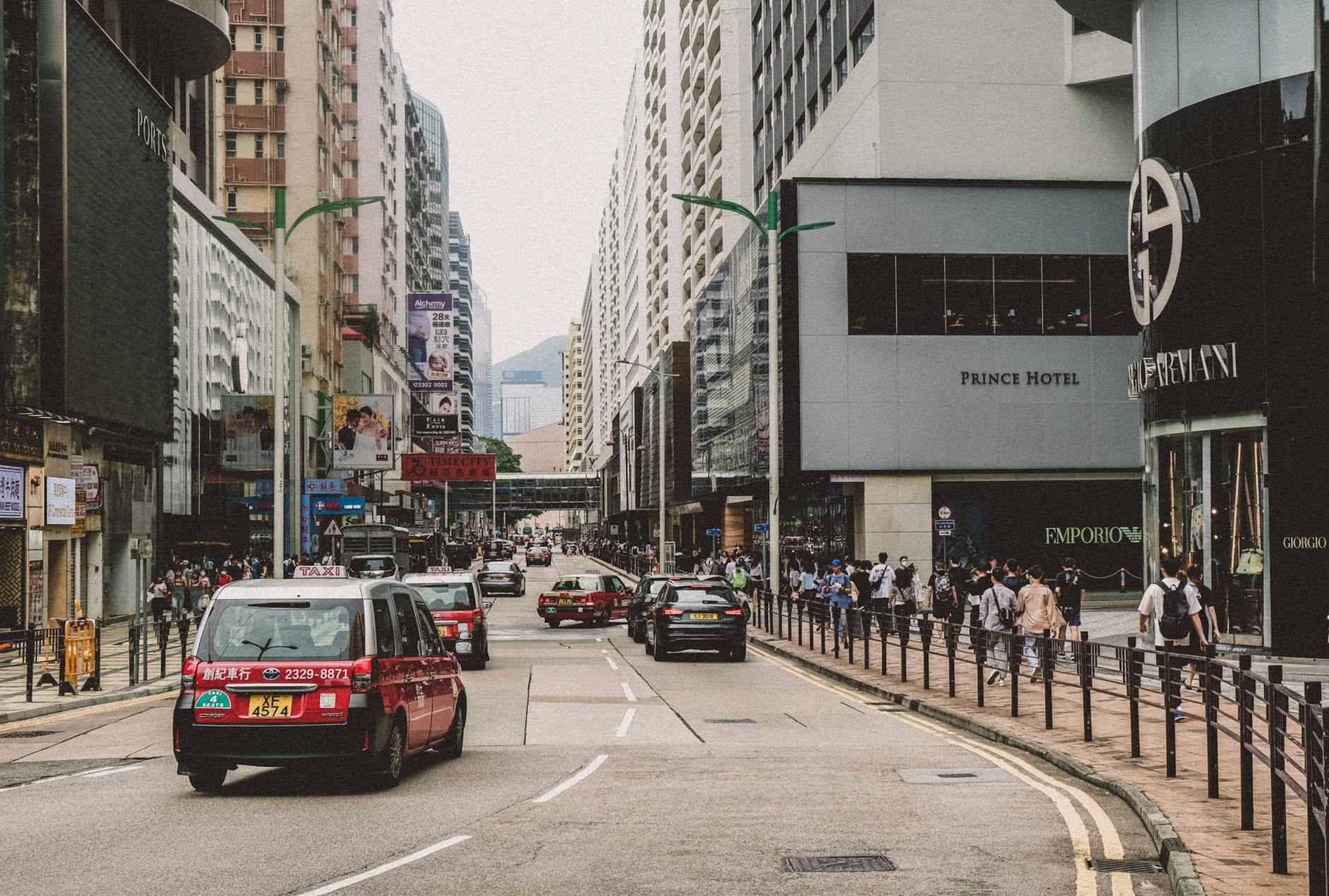
Plan meals and hosting by hierarchy and geography
Central business meals can be highly efficient or needlessly complicated. A breakfast near the hotel, lunch in a tower, coffee between meetings, dinner near Lan Kwai Fong, or harbor-side client event each carries different timing, dress, reservation, expense, and return implications.
The traveler should know who is hosting, how formal the meal is, whether dietary needs matter, how alcohol fits the setting, and how the route back to the hotel works. A business meal should support the relationship without consuming the next day's performance.
- Match breakfast, lunch, coffee, dinner, and drinks to meeting hierarchy and district geography.
- Clarify reservations, host protocol, dietary needs, alcohol expectations, expense handling, and return route.
- Avoid overextending evening hosting before early meetings or long travel days.
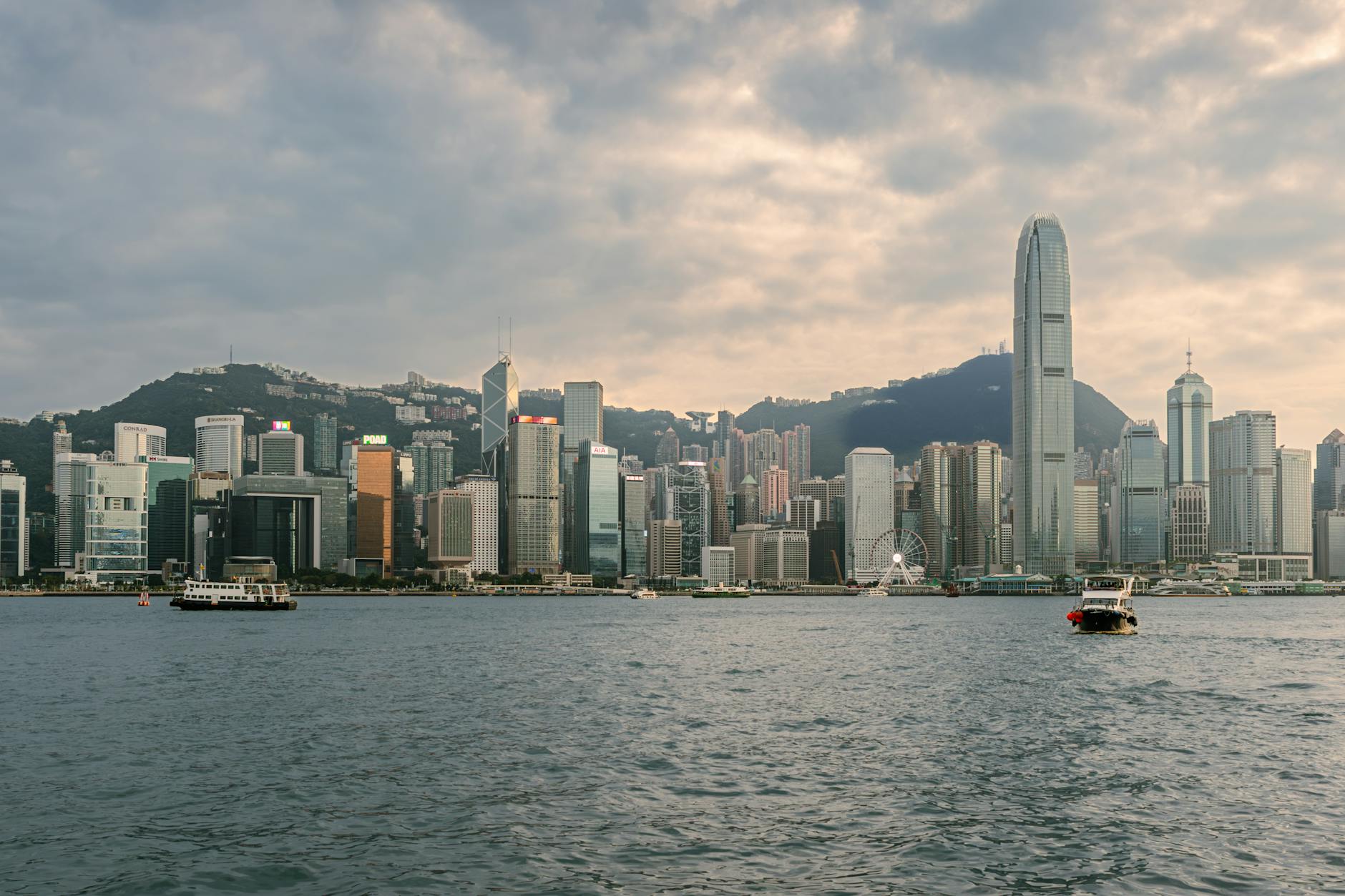
Account for weather, dress, and late returns
Central can be hot, humid, rainy, steep, and crowded. Business dress, formal shoes, laptop bags, umbrellas, air-conditioned interiors, outdoor transitions, and evening venues all need to be considered together. A polished outfit that cannot survive the route is not practical.
Late returns also deserve planning. Central's evening geography changes quickly between office exits, restaurants, bars, hills, and hotel lobbies. The traveler should know whether to walk, taxi, use MTR, or arrange a car before the evening starts.
- Pack for humidity, rain, air conditioning, formal rooms, outdoor transitions, and steep streets.
- Use hotels, cars, or weather-protected routes to preserve appearance before important meetings.
- Plan late returns from dinners or bars before fatigue, rain, or crowding changes the decision.
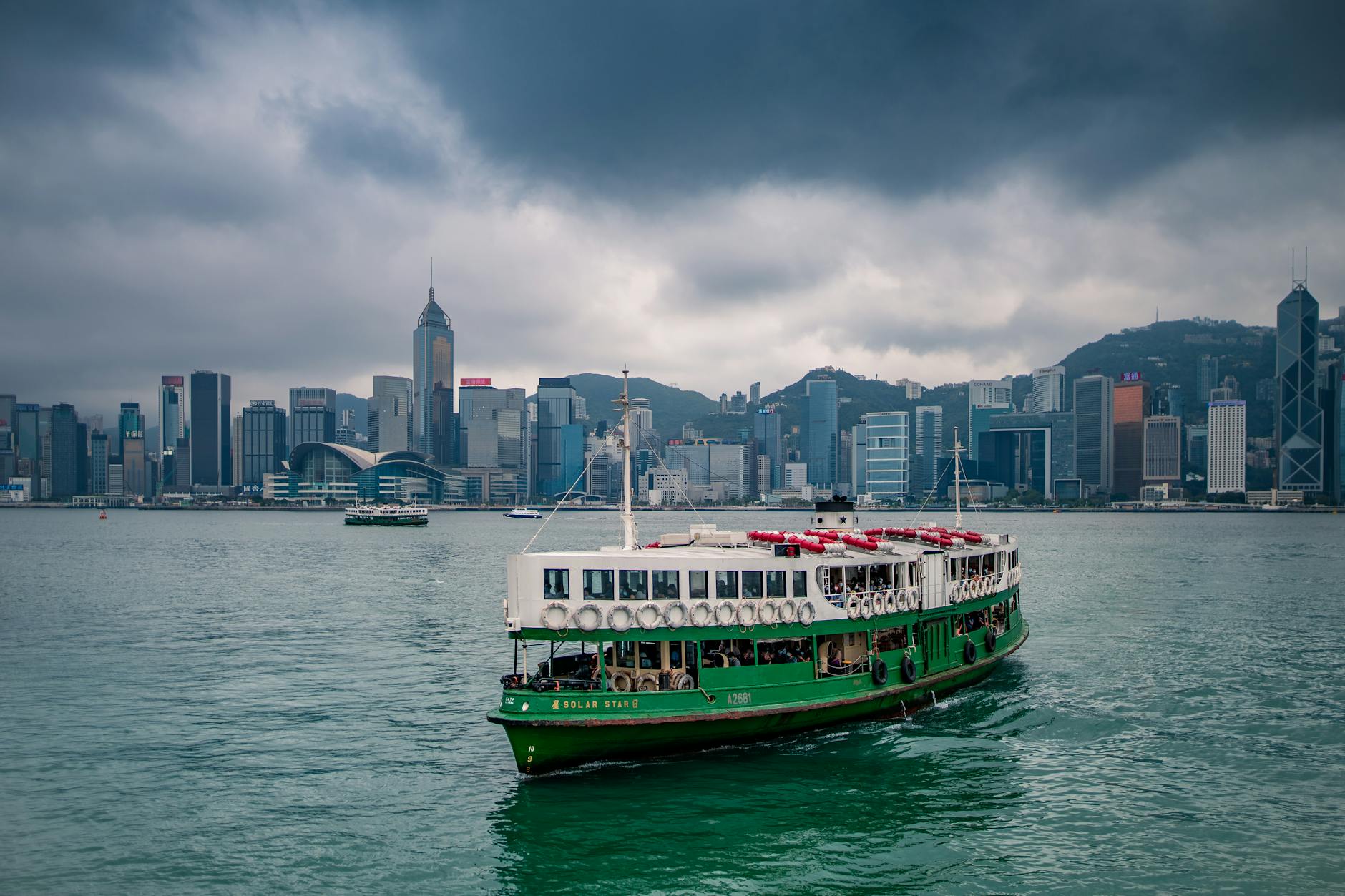
When to order a short-term travel report
A business visitor with one hosted meeting and a flexible hotel may not need a custom Central Hong Kong report. A report becomes useful when the trip includes multiple offices, formal client hosting, cross-harbor movement, tight airport timing, senior stakeholders, weather-sensitive dress, confidential work, or a need to choose between several hotel locations.
The report should test hotel siting, meeting geography, MTR and taxi choices, vertical movement, arrival timing, work infrastructure, dining, dress, weather, late returns, airport transfers, budget, and what to cut. The value is a Central business trip that feels controlled instead of merely prestigious.
- Order when hotel siting, meeting geography, transport, hosting, confidential work, or tight timing need testing.
- Provide dates, meeting locations, hotel options, airport details, dinner plans, constraints, and budget.
- Use the report to make the Central Hong Kong business visit precise, efficient, and socially readable.