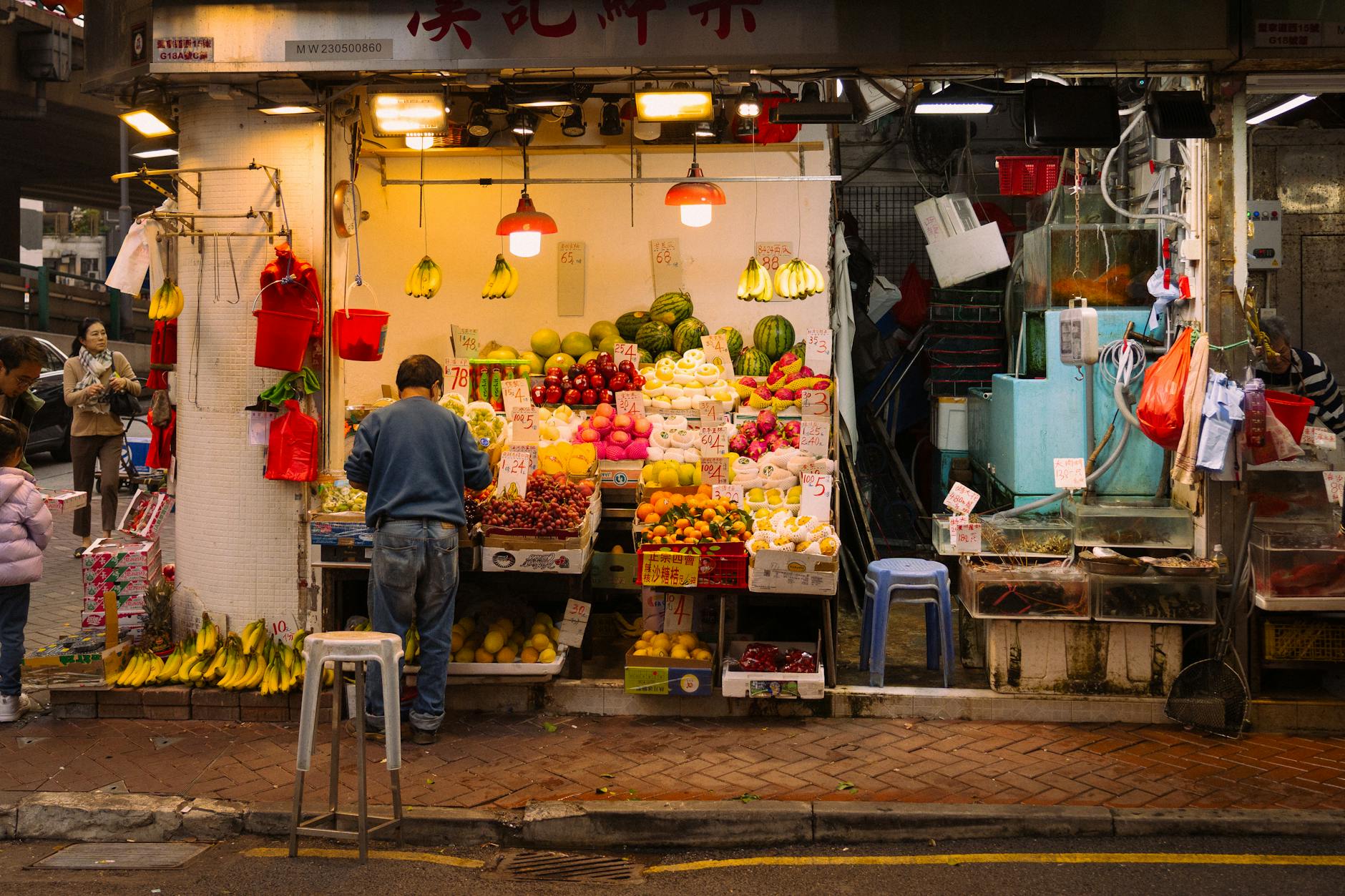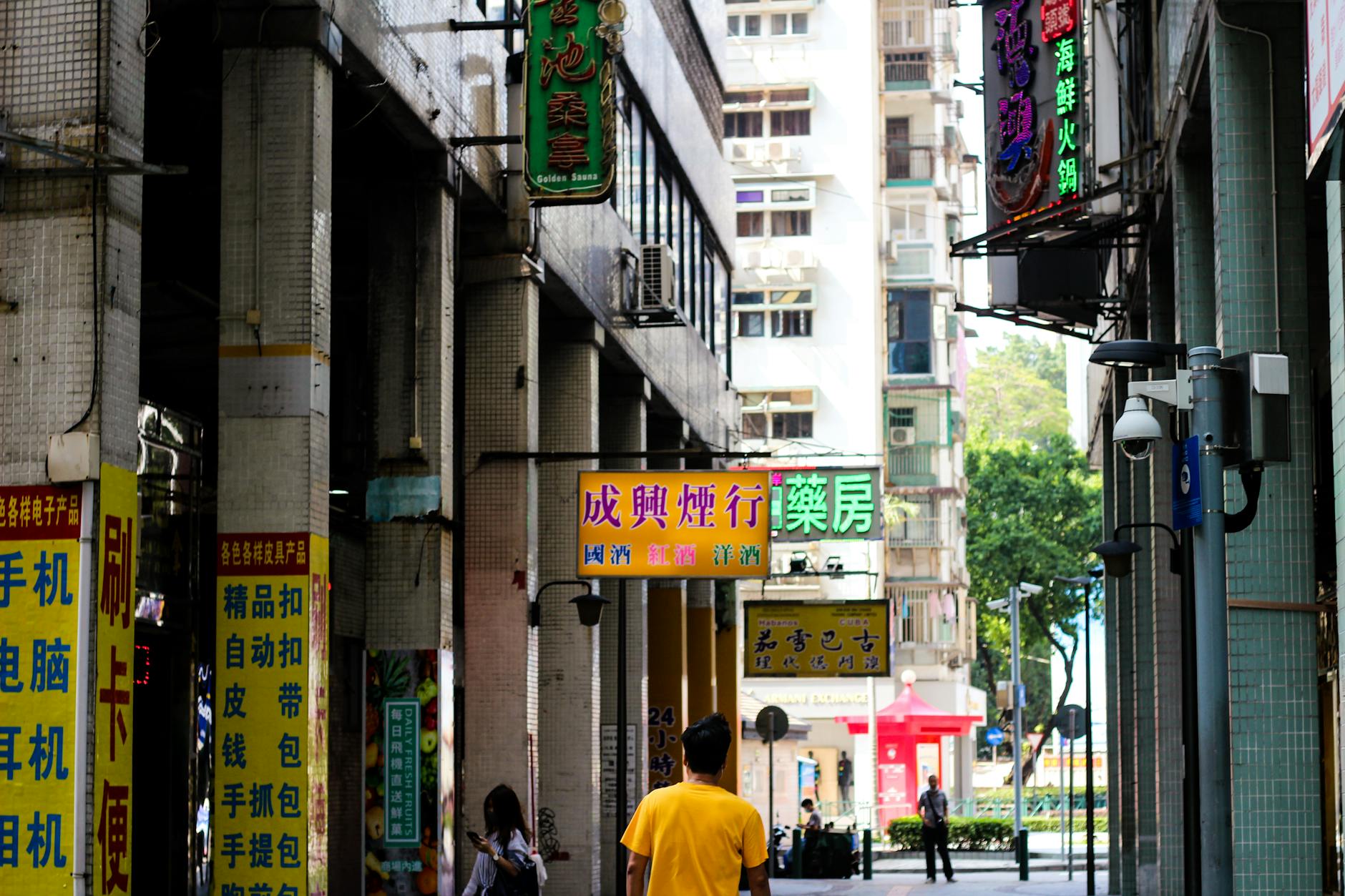
Central Hong Kong is not the easiest place to visit cheaply, but budget travel there is possible when the traveler is honest about tradeoffs. The district has free views, ferries, parks, street food, transit links, and walkable routes. It also has expensive lodging, premium dining, steep streets, humidity, and enough temptation to break a budget quickly. The budget traveler should decide where spending actually improves the trip. A cheaper bed far from the useful route may cost more in transport and fatigue. A paid transfer may be worth it after a late arrival. A simple meal plan can protect the budget better than vague promises to eat cheaply.
Be realistic about lodging tradeoffs
Budget lodging around Central can involve smaller rooms, older buildings, farther locations, shared facilities, hillier approaches, or less convenient transit. The traveler should not judge only by nightly rate. The useful question is whether the lodging preserves enough energy, sleep, safety, and movement efficiency for the short stay.
A cheaper base that forces long transfers or difficult late returns can be false economy. The traveler should compare Central, Sheung Wan, Wan Chai, Tsim Sha Tsui, and other bases against actual plans, not just the lowest price.
- Compare lodging by total movement cost, sleep, entrance access, luggage, and late returns.
- Check whether a cheaper address adds stairs, hills, long station walks, or awkward night routes.
- Treat location as part of the budget, not a separate luxury.
Use transit to control costs without wasting energy
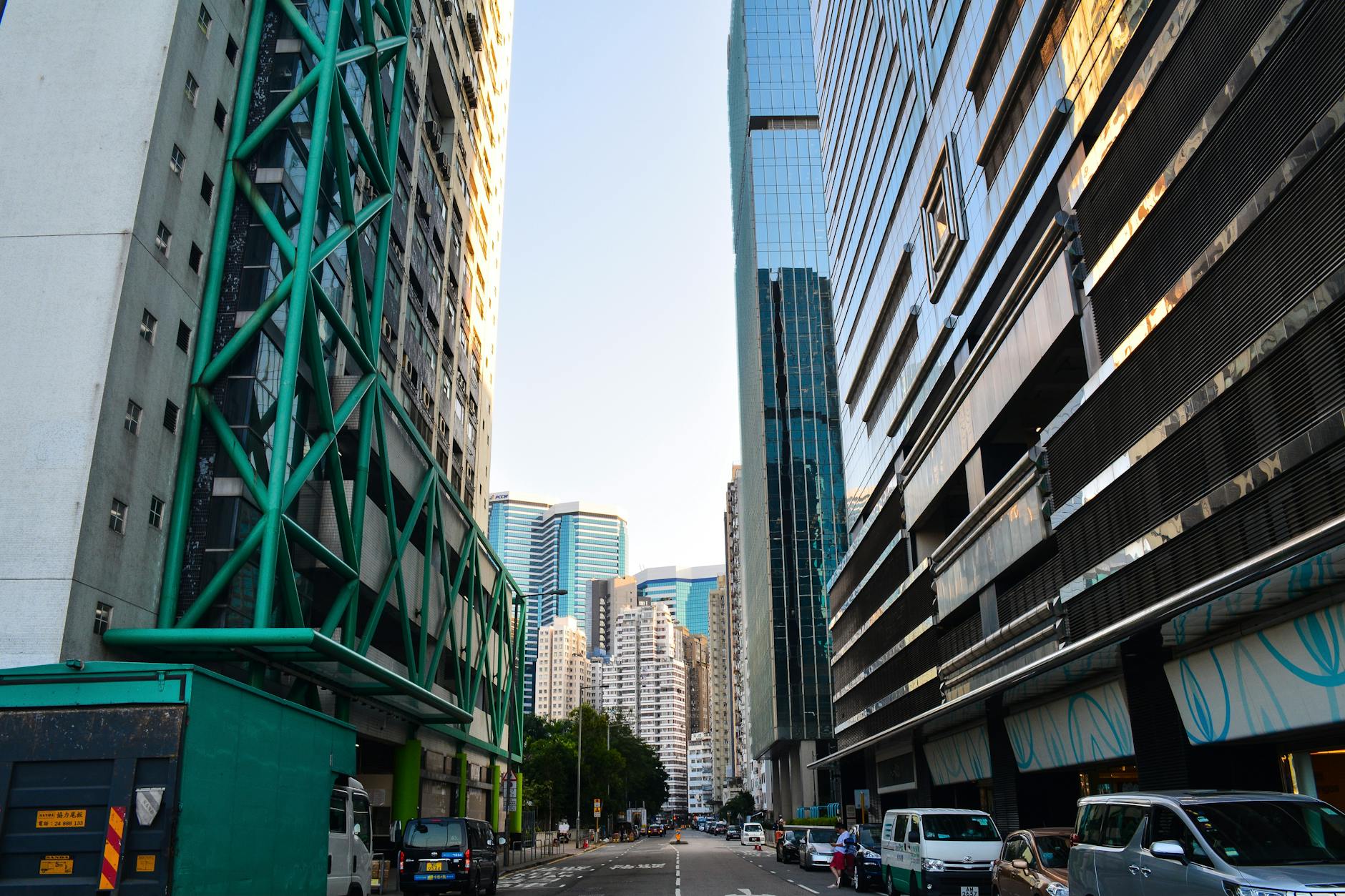
Central's transit can help budget travelers avoid expensive taxis, but cheap movement still needs planning. The MTR can be efficient, ferries can be both affordable and memorable, buses and trams may help on some routes, and walking is useful only when the slope, heat, and time cost are honest.
The traveler should know which trips deserve paid simplicity. A late arrival, heavy luggage, heavy rain, or a worn-down final evening may justify a taxi even on a budget. Saving money should not mean making the trip harder at the wrong moment.
- Use MTR and ferries for predictable savings, and walking only when the route is worth it.
- Budget for occasional taxis when luggage, rain, late hours, or fatigue make them practical.
- Sort transit payment, route apps, cash, and backup card before the first outing.
Build the trip around free and low-cost anchors
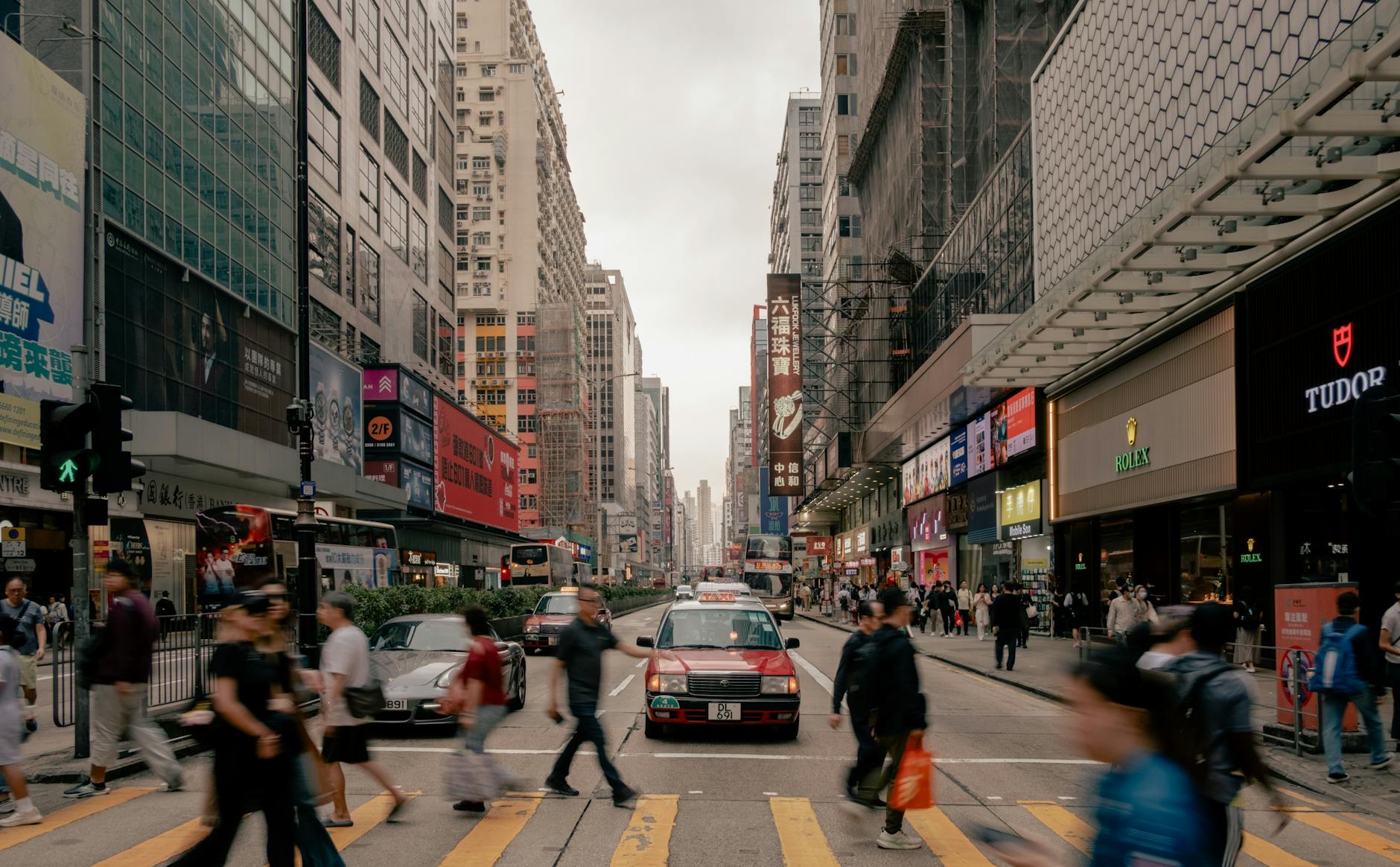
Budget travelers can still get a strong Central stay by using the district's low-cost strengths: harbor movement, free skyline views, parks, street wandering, markets nearby, public transport, mall cooling breaks, and carefully chosen food. The mistake is assuming free means effortless. Free routes still need weather and energy planning.
A good budget day might combine one paid anchor with several low-cost pieces. The traveler should protect money for the experience that matters most rather than leaking small amounts all day because nothing was planned.
- Use ferries, harbor views, parks, street routes, markets, and public transport as real anchors.
- Choose one paid priority instead of several weak paid add-ons.
- Plan free routes around heat, rain, stairs, crowds, and available recovery stops.
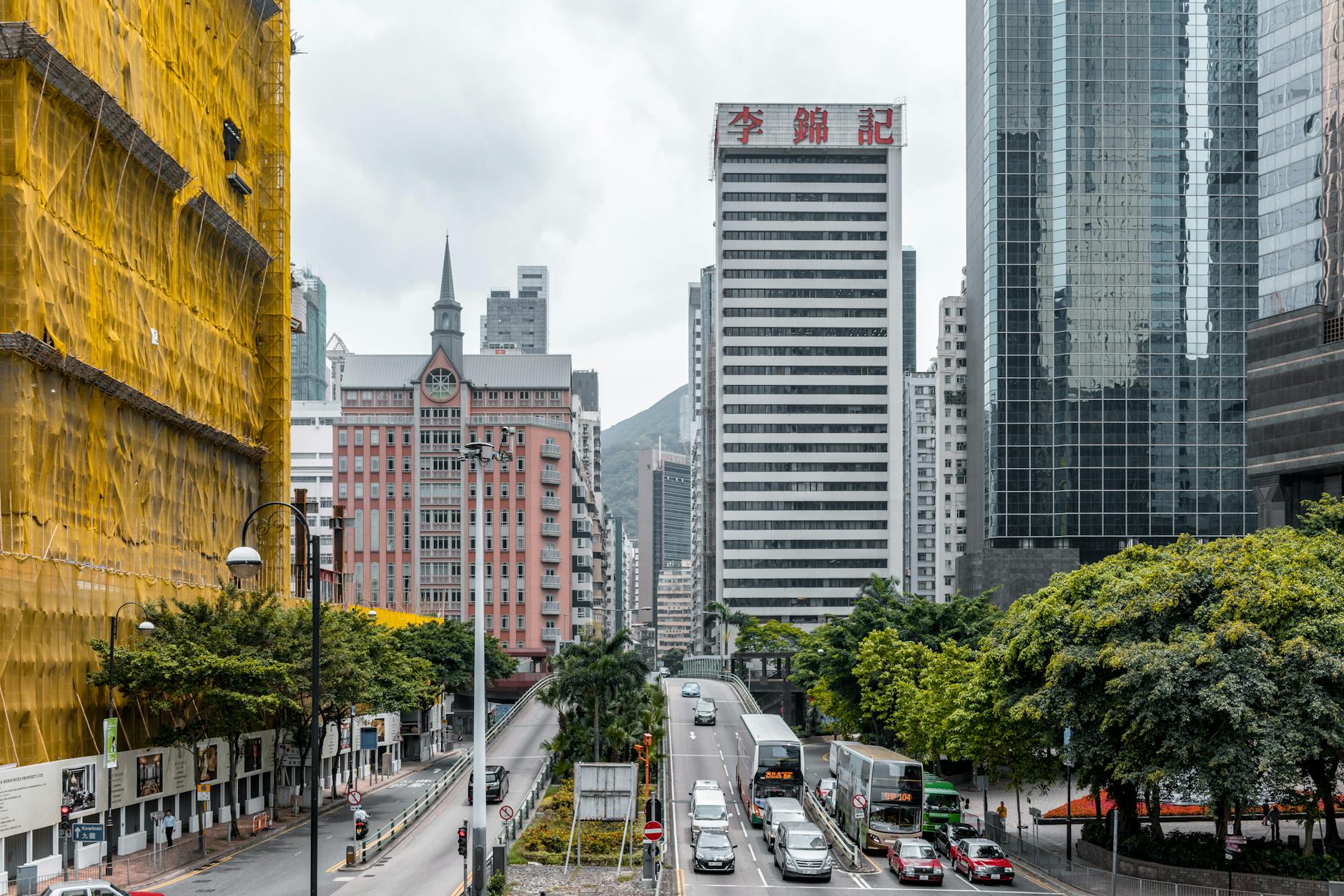
Make food affordable before hunger takes over
Central can drain a budget quickly if every meal happens near premium malls, hotel bars, or tourist corridors. Budget travelers should identify affordable food options before the day starts: bakeries, casual restaurants, noodles, market-adjacent routes, convenience stores, simple breakfasts, and one planned splurge if desired.
The traveler should also consider timing. Waiting until tired and hungry often leads to paying more for something less satisfying. A cheaper meal is easier to find when it is built into the route.
- Map affordable breakfasts, snacks, casual meals, convenience stores, and one possible splurge.
- Avoid premium food zones by default when a nearby casual route would work better.
- Use meal timing to avoid expensive last-minute choices after fatigue sets in.
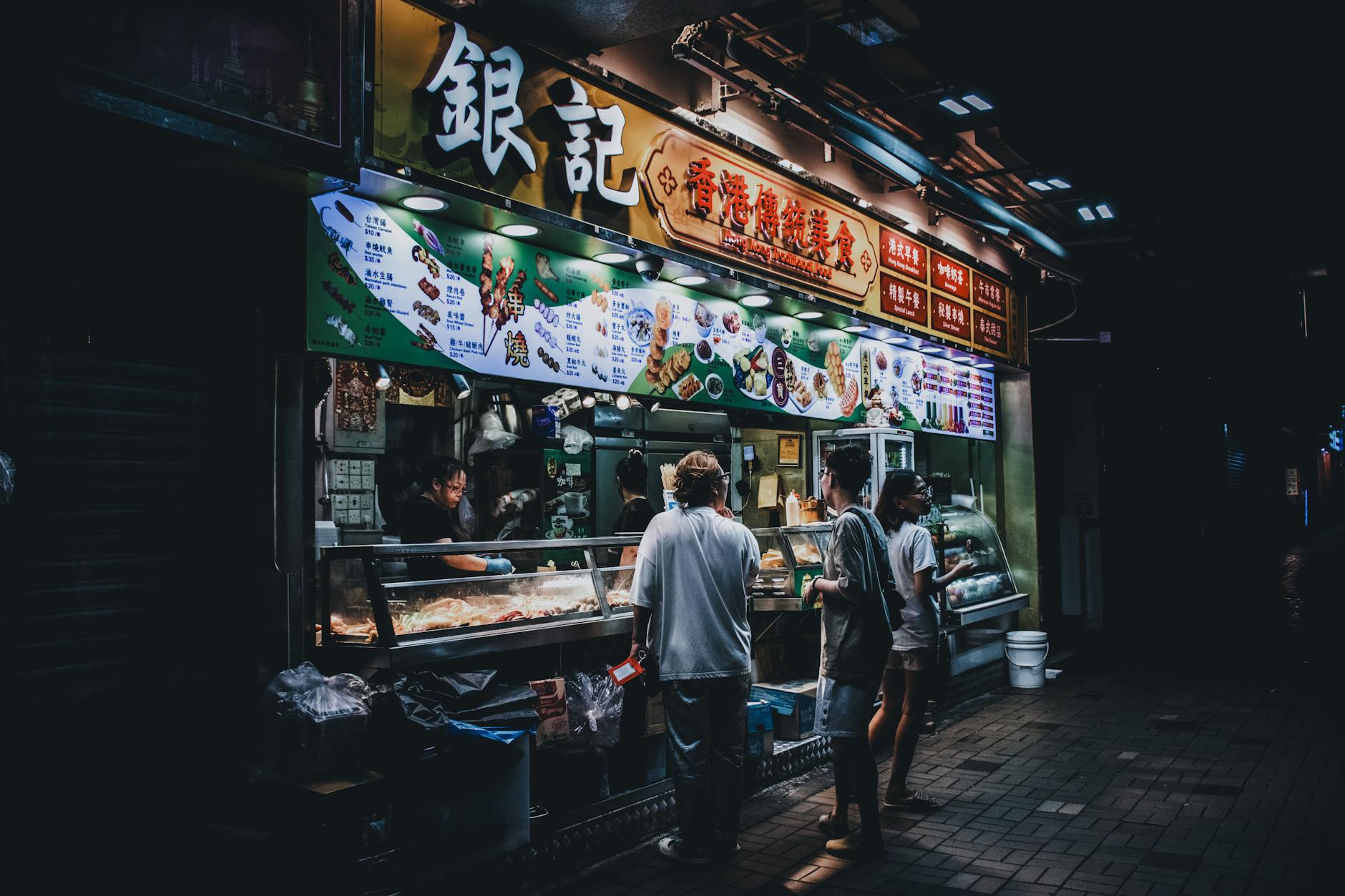
Do not let walking become false savings
Walking can be the budget traveler's friend in Central, but it can also become a hidden cost. Heat, hills, rain, crowds, stairs, and confusing walkways can drain energy that would have made the rest of the day better. A long free walk is not free if it ruins the evening or forces a late expensive fix.
The traveler should treat walking as an activity, not simply a way to avoid spending. Sometimes the best budget choice is a short MTR ride, ferry, tram, or taxi because it protects the rest of the day.
- Walk for scenery and short links, not to prove every transfer can be free.
- Account for slope, humidity, rain, footwear, luggage, and crowds before choosing to walk.
- Spend small amounts on transport when it preserves energy for higher-value parts of the trip.
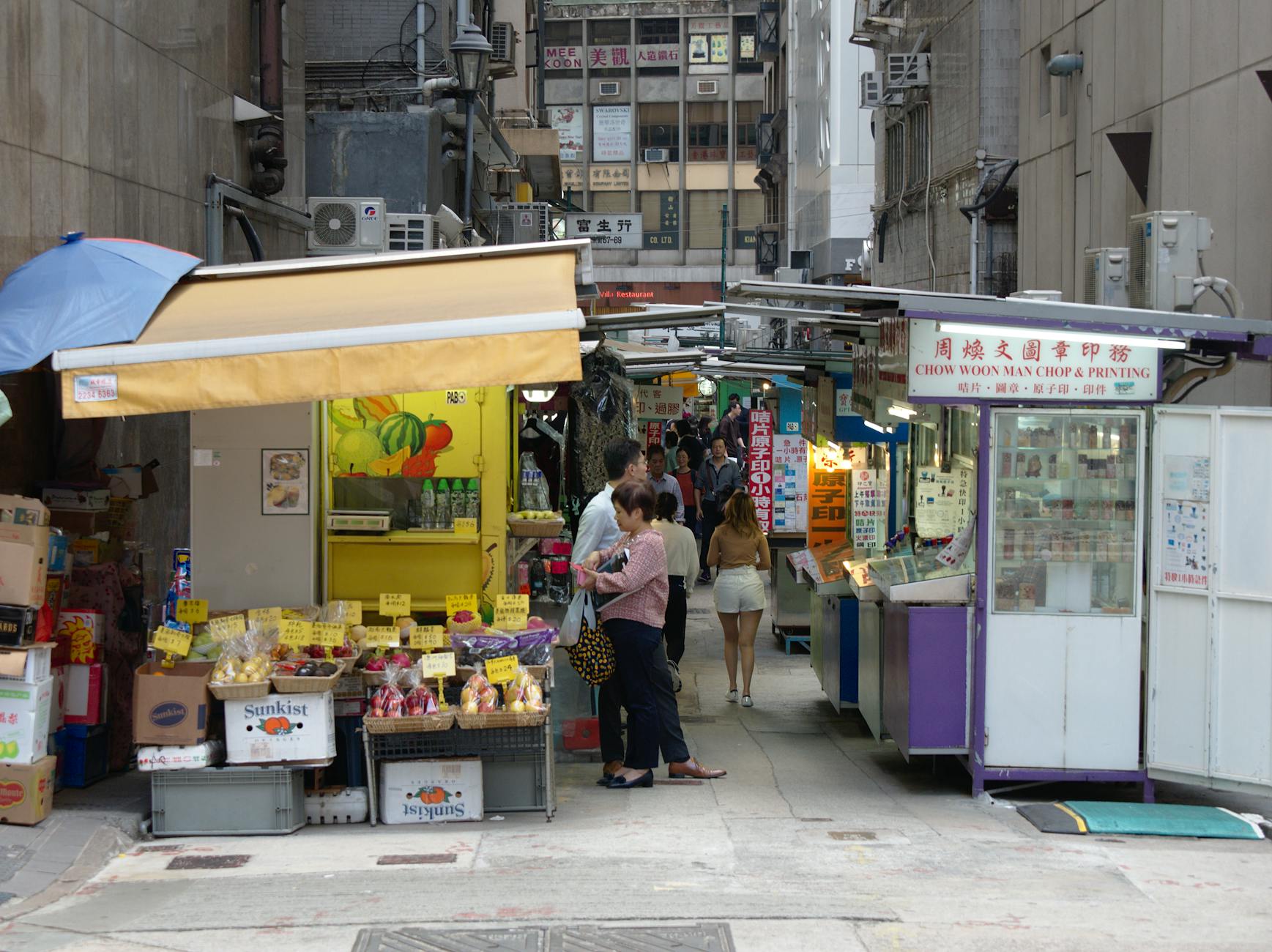
Protect the budget after dark
Evenings are where Central can quietly break a budget. Drinks, taxis, cover charges, premium restaurants, late snacks, and convenience purchases can add up quickly. Budget travelers should decide which nights deserve spending and which evenings should stay simple.
Late returns also need a plan. A traveler who refuses every taxi may end up with a stressful or unsafe-feeling route. A traveler who takes taxis casually may burn the budget. The answer is to choose the evening and return method before the night begins.
- Set evening spending limits for dinner, drinks, taxis, snacks, and paid activities.
- Choose low-cost harbor, food, or view plans when nightlife is not the priority.
- Plan the return before fatigue, rain, alcohol, or crowds make the decision more expensive.
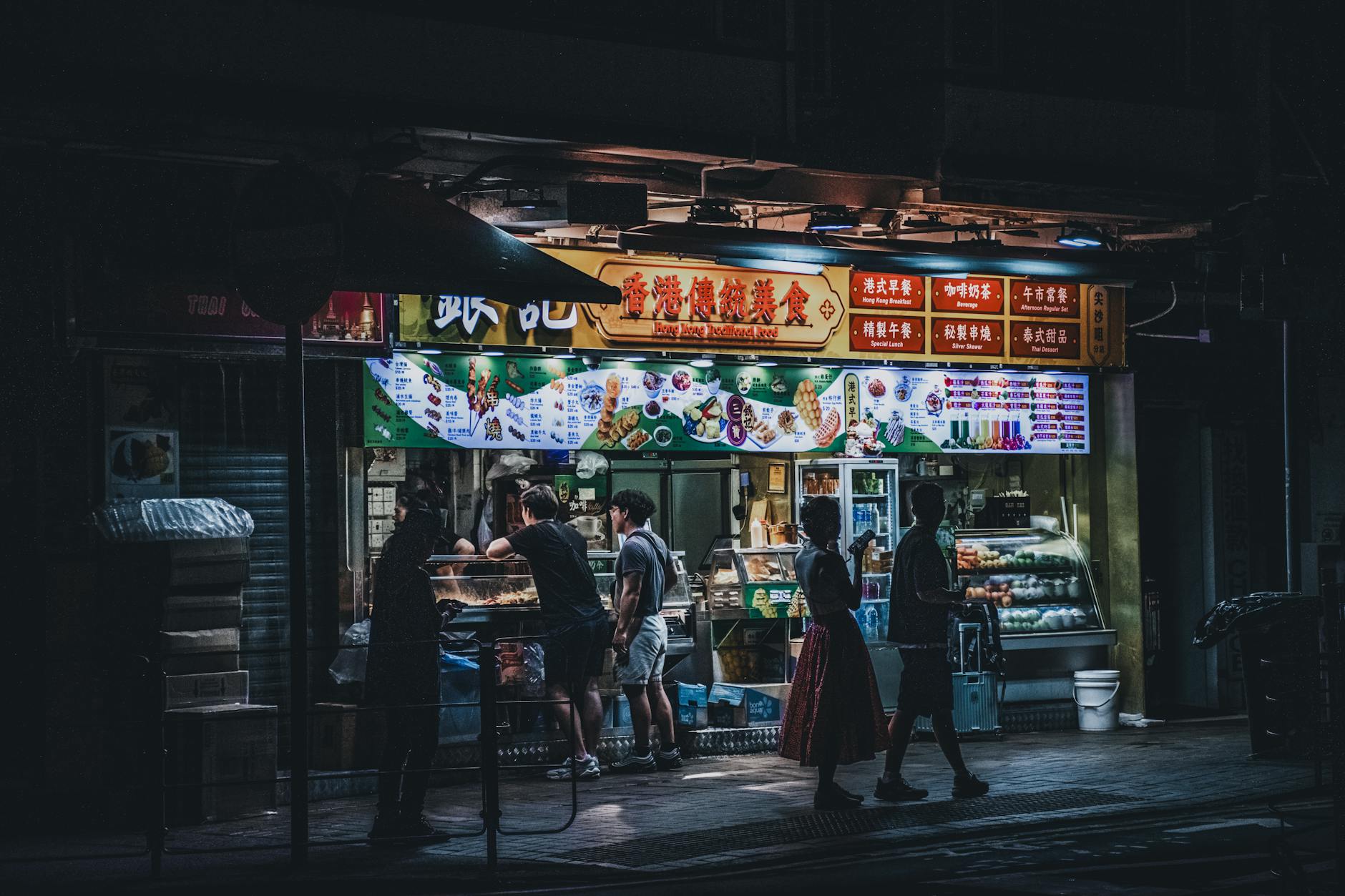
When to order a short-term travel report
A budget traveler who already has lodging and a loose schedule may not need a custom Central Hong Kong report. A report becomes useful when the traveler has only a few days, lodging tradeoffs are unclear, the budget is tight, arrival is late, mobility is limited, food costs matter, or the plan needs to balance Central with cheaper bases and wider Hong Kong movement.
The report should test lodging, transit, arrival, low-cost anchors, food, walking limits, weather, evening returns, payment setup, medical access, budget, and what to cut. The value is a Central stay that stays affordable without becoming punishing.
- Order when lodging, transport, food, weather, walking, or total cost tradeoffs need testing.
- Provide dates, flights, lodging options, budget ceiling, interests, mobility limits, and food preferences.
- Use the report to make Central Hong Kong affordable in practice, not just on paper.