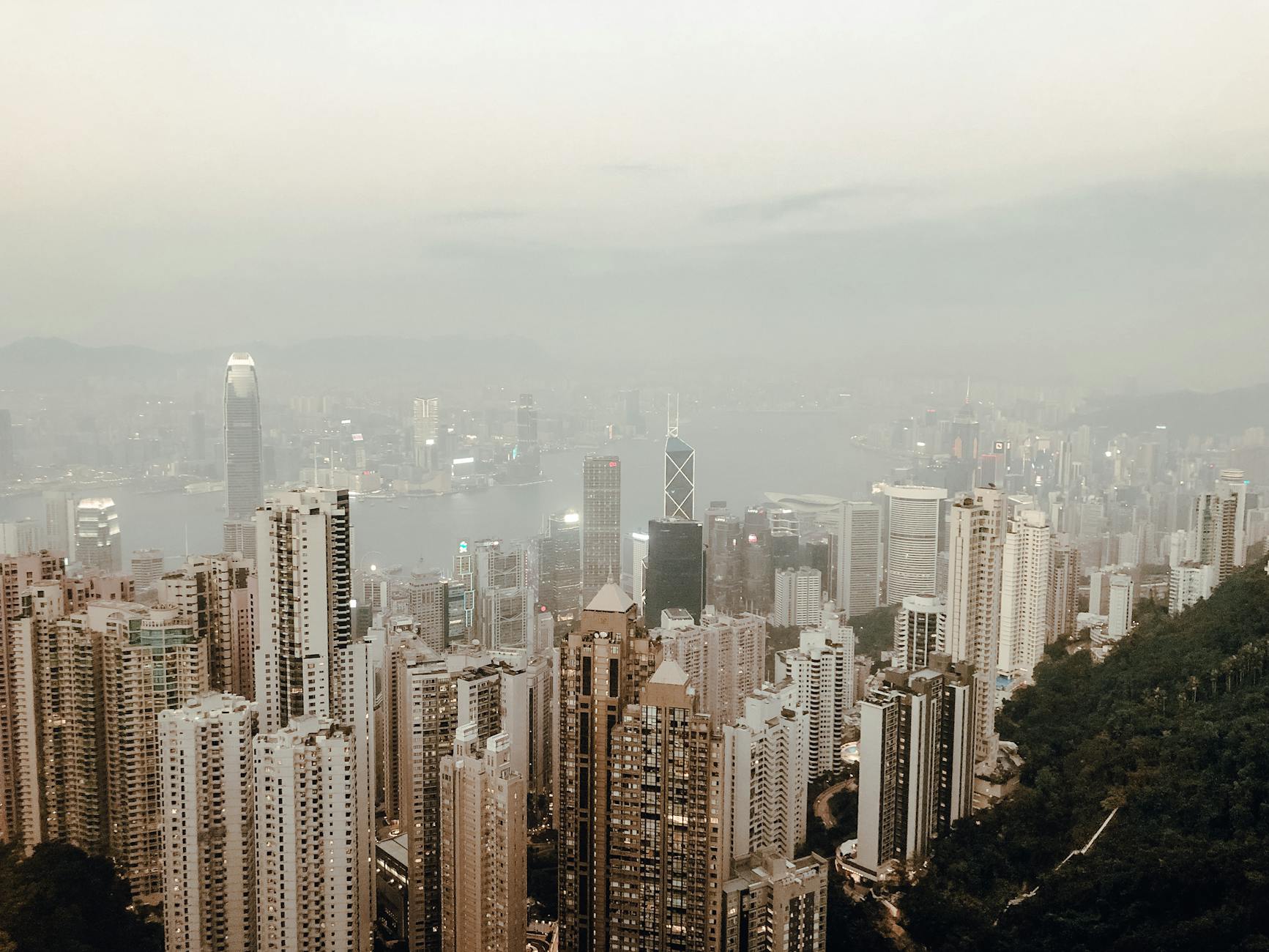
Central Hong Kong is not a wilderness base, but it can be a surprisingly useful launch point for an outdoor-focused short trip. Victoria Peak routes, harbor ferries, Hong Kong Park, hillside stairs, waterfront movement, island day trips, and access to larger hikes such as Dragon's Back or Lamma routes can all fit around a Central stay. The catch is that the city makes outdoor travel operational rather than casual. Heat, humidity, sudden rain, steep approaches, crowded transport, ferry timing, trailhead transfers, and recovery windows matter. The traveler should decide whether the trip is about urban outdoor movement, serious hiking, scenic viewpoints, island wandering, or simply adding active days to a city stay. Central works best when ambition is matched to weather and logistics.
Choose the outdoor version of the trip
Outdoor travel from Central can mean several different things. Some travelers want a Peak walk, ferry movement, parks, viewpoints, and a high-energy city day. Others want real hiking, island routes, beaches, or trailheads outside the business district. The plan should be honest about which version is leading.
A short stay cannot absorb every outdoor idea without losing quality. The traveler should choose whether Central is the outdoor destination, the recovery base, or the launch point for bigger Hong Kong movement.
- Decide whether the trip is urban outdoor, Peak-focused, hiking-heavy, ferry-based, or island-oriented.
- Use Central as base, destination, or launch point consciously, not all at once.
- Cut outdoor ideas that do not fit the weather, transfer time, or recovery window.
Treat the Peak as terrain, not just a view
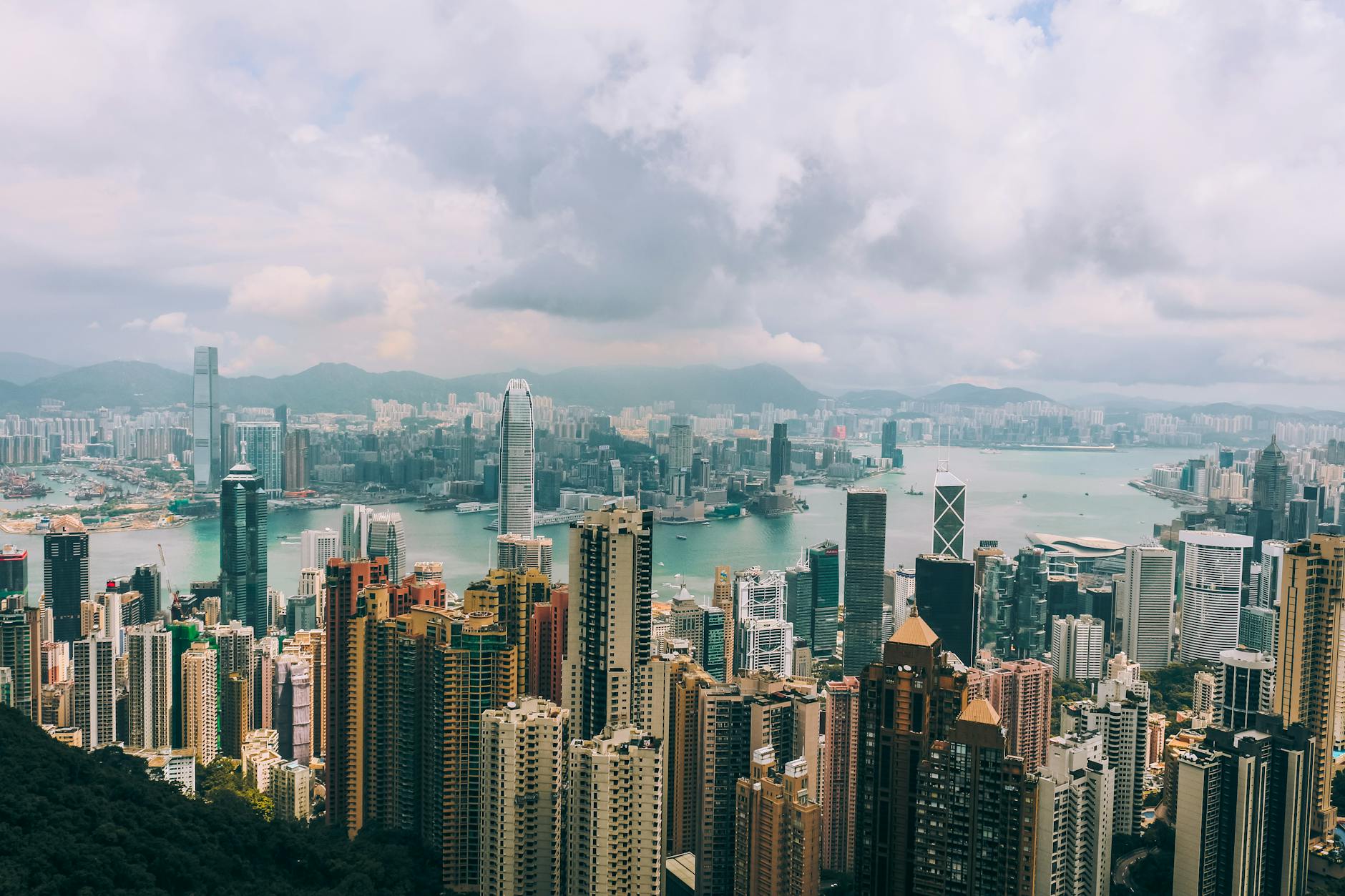
Victoria Peak is one of the obvious outdoor anchors from Central, but it should be planned as terrain. Tram queues, road traffic, walking routes, stairs, humidity, shade, sunset crowds, and return logistics all affect the experience. A Peak plan can be easy, active, scenic, or frustrating depending on timing and route choice.
The traveler should decide whether they are hiking up, taking transport up and walking around, timing sunset, or using the Peak as one part of a larger active day. The return route matters as much as the ascent.
- Plan Peak movement by tram, taxi, bus, walking route, crowds, weather, and return method.
- Account for humidity, stairs, shade, sunset timing, and post-view fatigue.
- Avoid treating the Peak as a quick add-on when the route itself is part of the day.
Use ferries and waterfront movement intelligently
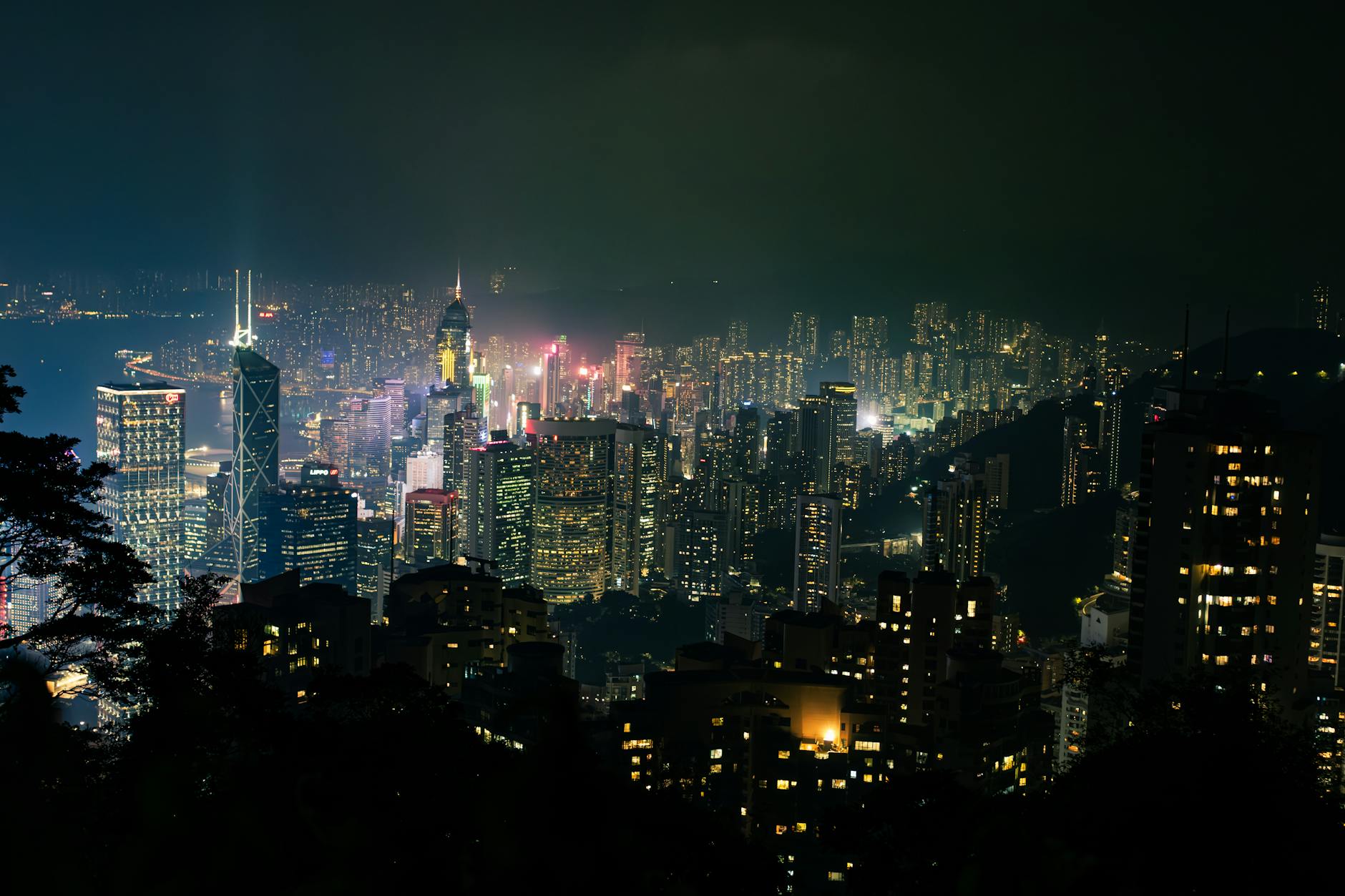
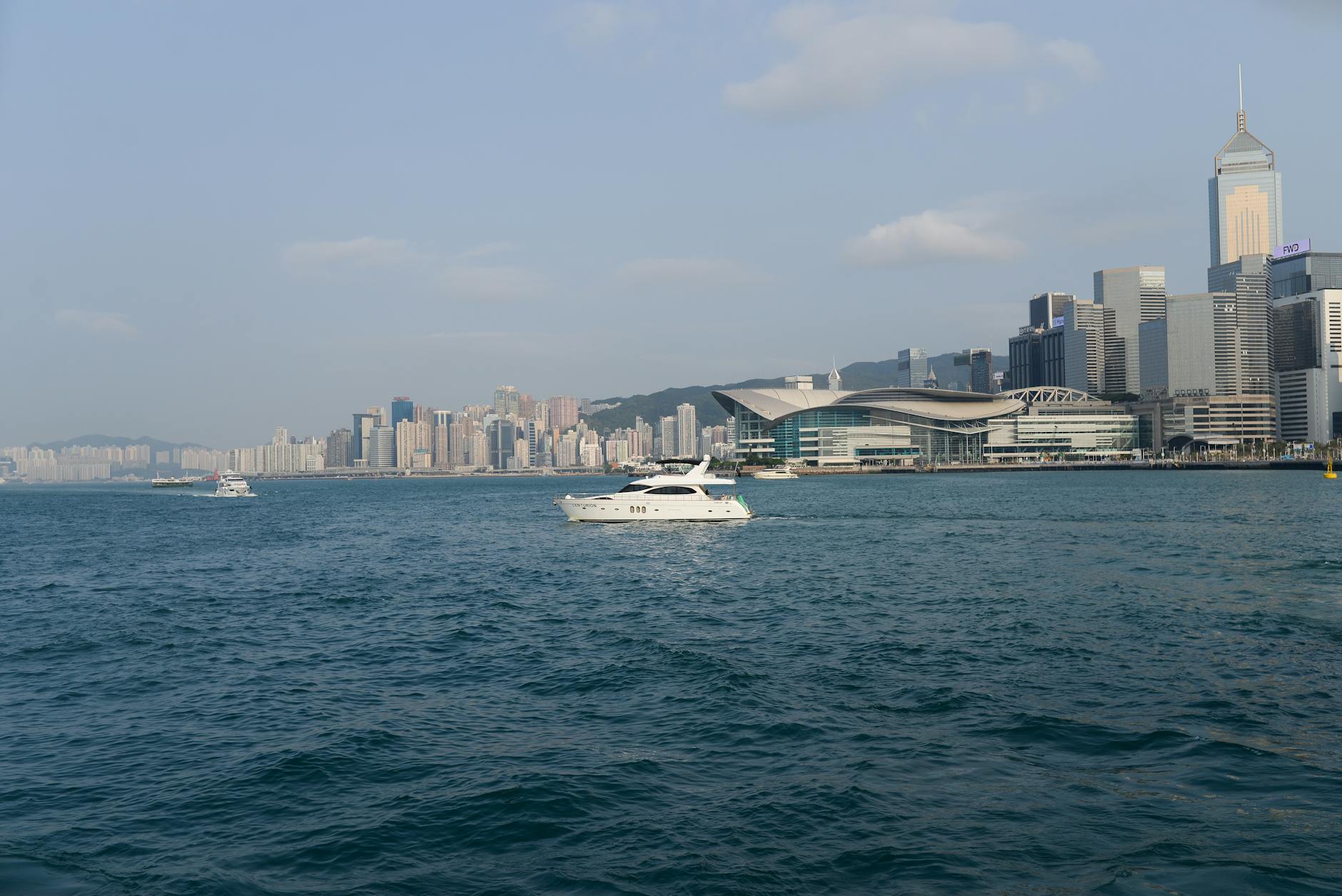
Central's piers make harbor movement one of the easiest outdoor pleasures in Hong Kong. Ferries can connect a city day to Kowloon views, islands, waterfront walks, or simply a breezier reset between dense streets. But ferry timing, pier distance, weather, seasickness, and return plans still matter.
The traveler should use ferries as planned anchors rather than random add-ons. A ferry can make an active day feel cleaner, but only if the route on both sides has been considered.
- Use ferries for harbor views, island access, waterfront pacing, and cooler movement when timing fits.
- Check pier location, schedules, weather, return options, and walking distance after arrival.
- Do not add ferry movement casually when it weakens the main outdoor objective.
Respect heat, rain, stairs, and air conditioning
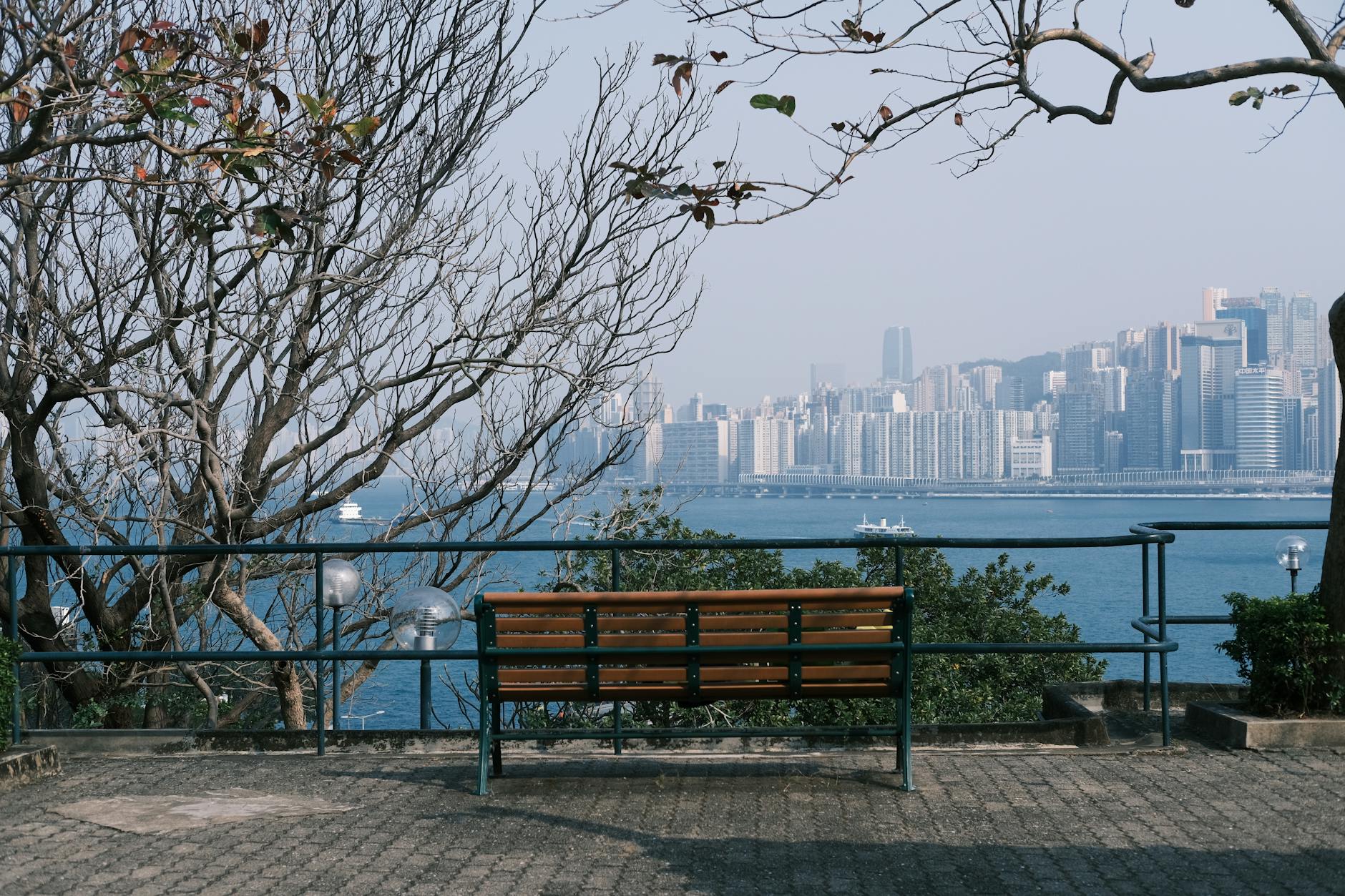
Central outdoor travel can be physically confusing because the day moves between humid streets, steep stair routes, cold malls, wet pavement, parks, footbridges, and exposed viewpoints. The traveler should plan footwear, water, light layers, rain protection, sun protection, and a realistic pace.
The city can make a mild route feel harder than expected. A traveler who is fit on trails may still be worn down by stop-start urban heat, crowds, and stairs. Recovery stops are part of the outdoor plan, not evidence that the day failed.
- Pack for humidity, rain, sun, cold interiors, stairs, wet pavement, and long urban transitions.
- Use parks, malls, ferries, cafes, and the hotel as real recovery tools.
- Do not let fitness confidence override Central's climate and vertical movement.
Plan trail transfers before choosing big hikes
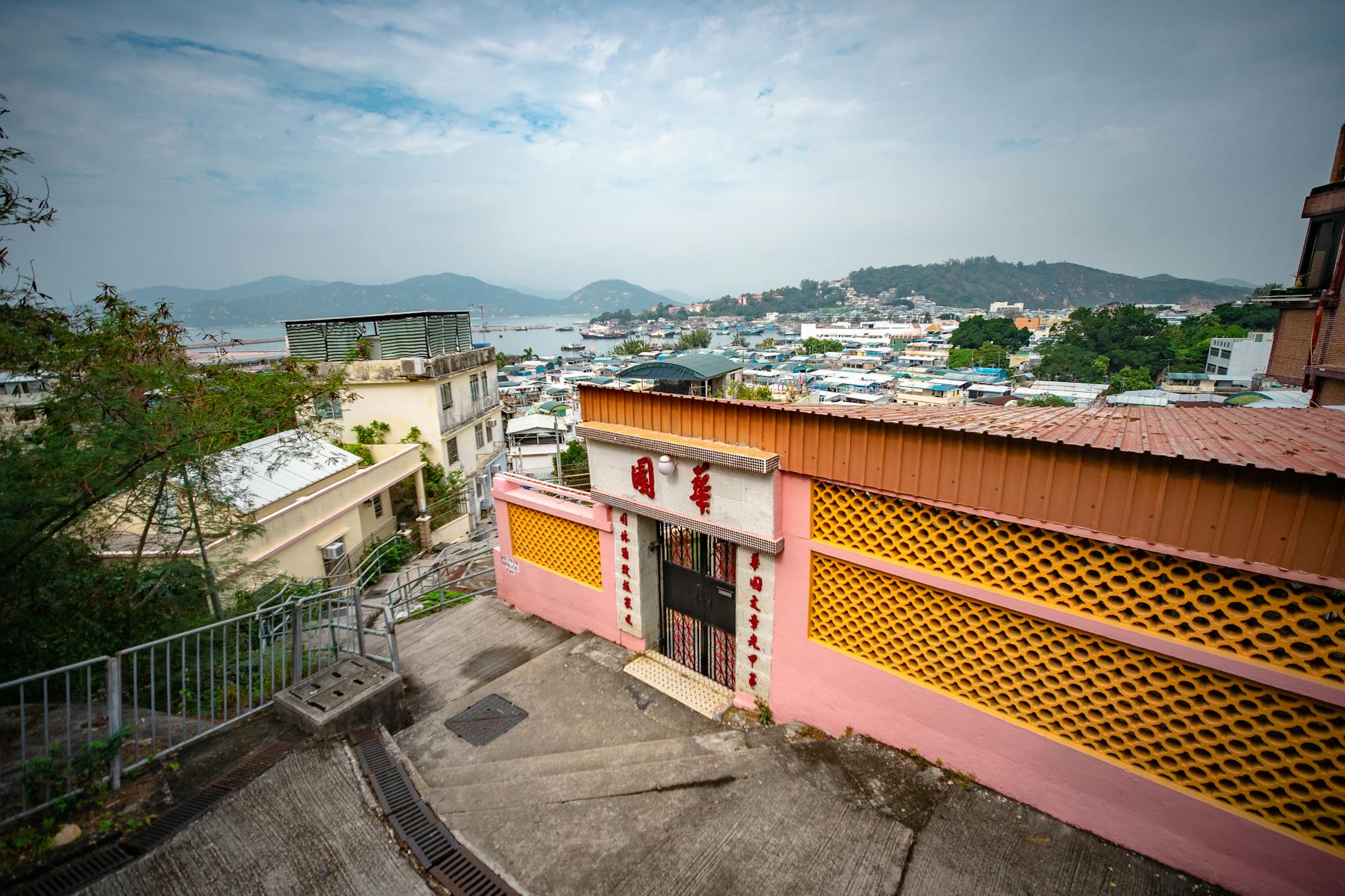
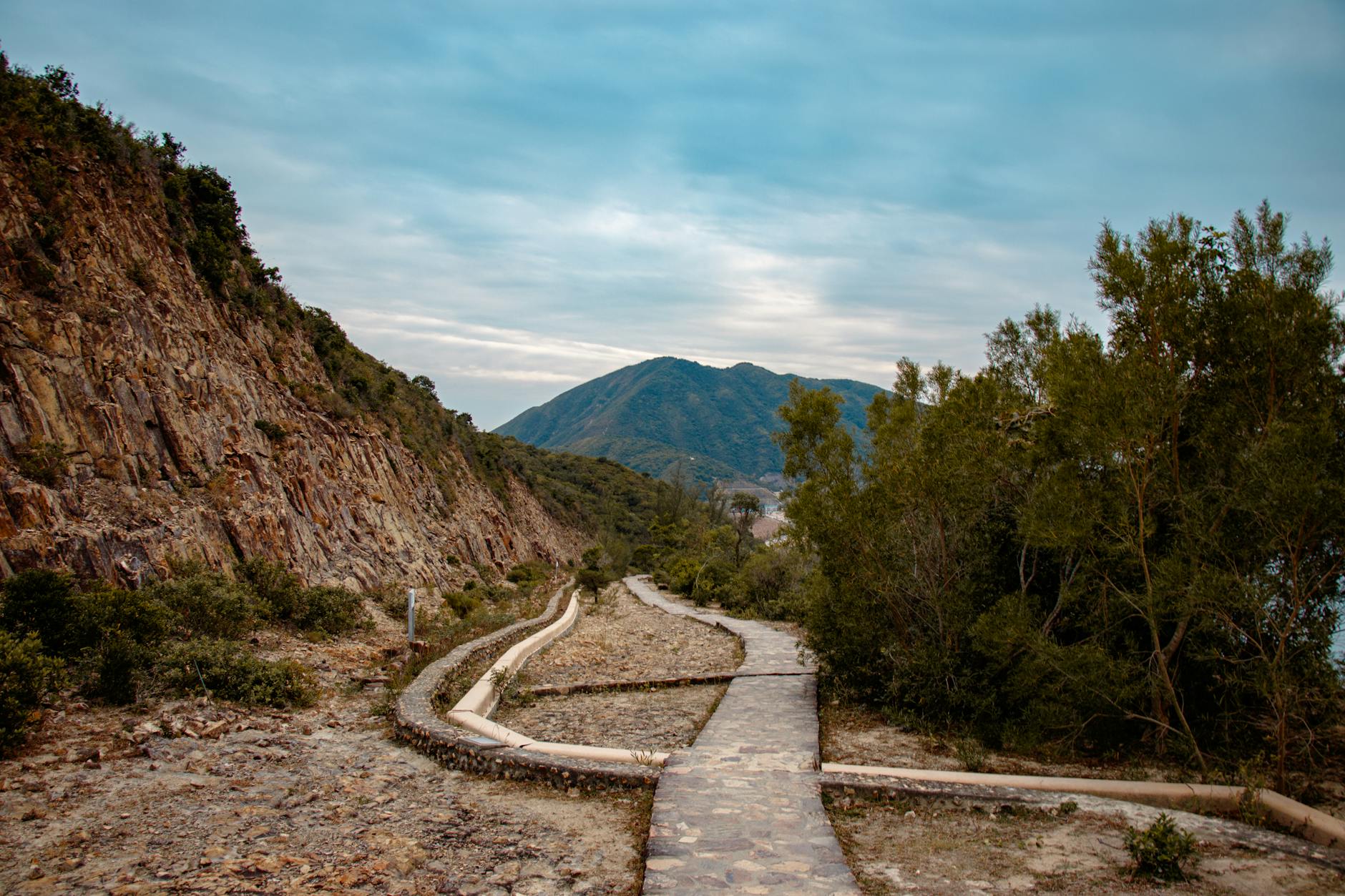
Hong Kong has excellent outdoor options beyond Central, but the transfer is part of the adventure. Dragon's Back, Lamma, Sai Kung, beaches, country parks, and coastal routes may require MTR, bus, taxi, ferry, or a combination. The traveler should calculate door-to-trailhead time, return time, food, water, bathrooms, and weather exposure.
A serious hike can be the highlight of the trip, but it should not be squeezed between late nights and early flights. The traveler should also know when a shorter Peak or harbor day is a better choice than a famous route with weak timing.
- Check door-to-trailhead time, return route, food, water, bathrooms, taxis, buses, and ferries.
- Avoid major hikes on tight arrival, departure, or late-night recovery days.
- Choose a smaller outdoor day when weather or timing makes a famous trail inefficient.
Keep gear simple and weather-aware
Outdoor travelers in Central should pack for mixed city and trail conditions. Lightweight shoes, rain cover, water, electrolyte plan, sun protection, phone battery, offline maps, small towel, spare shirt, and medication can matter more than heavy specialized gear. The best kit is the one the traveler can carry comfortably through hills, transit, meals, and hotel lobbies.
If the trip includes serious trails, the traveler should add route-specific equipment and check conditions. If it is mostly urban outdoor movement, overpacking can become its own burden.
- Carry water, sun protection, rain cover, battery, maps, medication, and a spare layer or shirt.
- Match footwear and bag weight to hills, stairs, ferries, transit, and possible trail sections.
- Add serious gear only when the selected route genuinely requires it.
When to order a short-term travel report
An outdoor traveler who wants only a Peak view and ferry ride may not need a custom Central Hong Kong report. A report becomes useful when the traveler has limited days, wants real hikes, is balancing nightlife with outdoor plans, has weather concerns, needs ferry or trailhead logistics, has mobility limits, or wants Central as a base for several active routes.
The report should test outdoor goals, lodging, Peak routes, ferries, trail transfers, weather, gear, food, recovery windows, medical access, airport timing, budget, and what to cut. The value is an outdoor Hong Kong trip that fits the city instead of fighting it.
- Order when Peak routes, ferries, trail transfers, weather, gear, recovery, or timing need testing.
- Provide dates, fitness level, outdoor priorities, hotel options, mobility concerns, gear, and budget.
- Use the report to make Central Hong Kong an effective base for active travel.