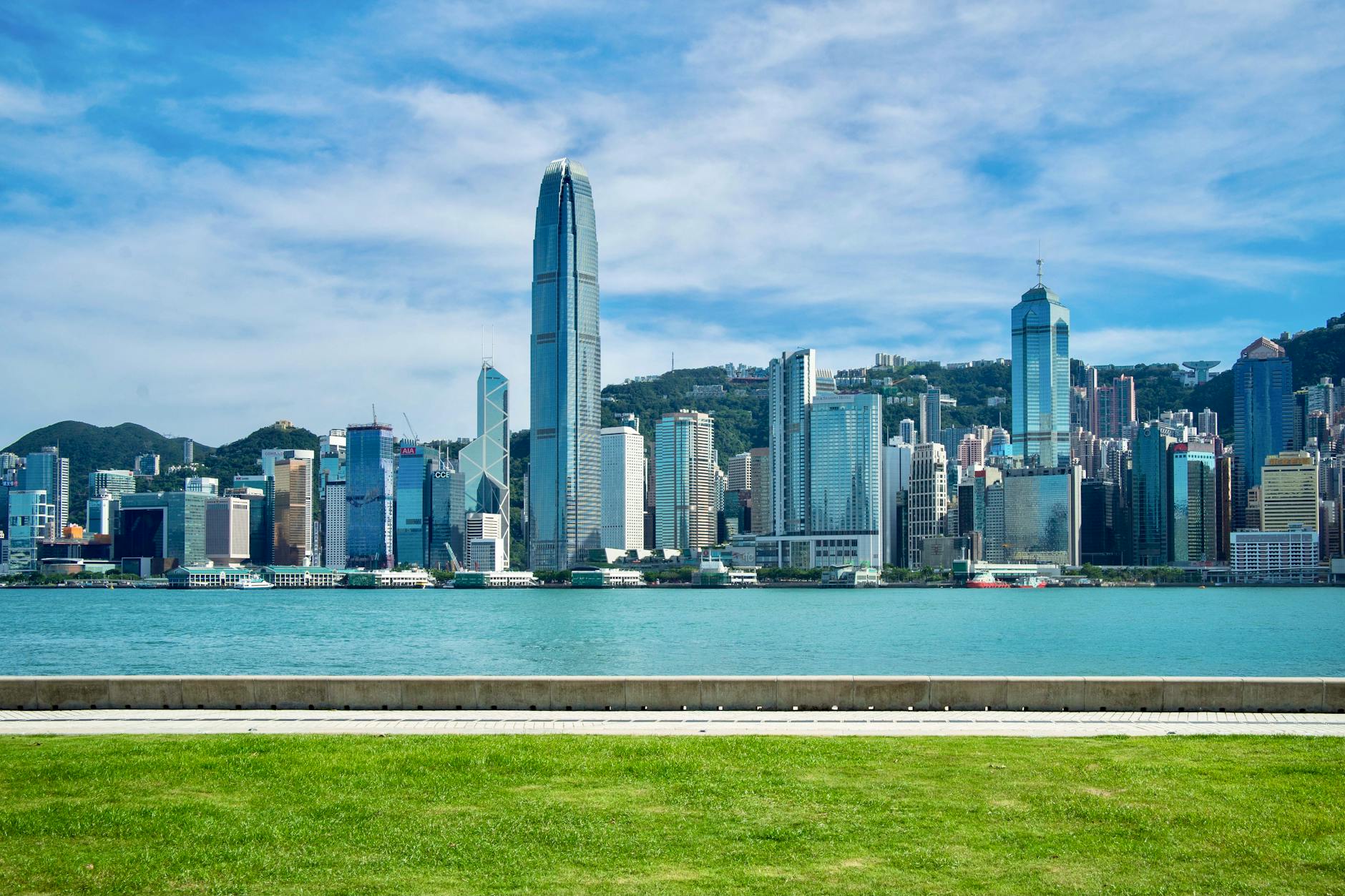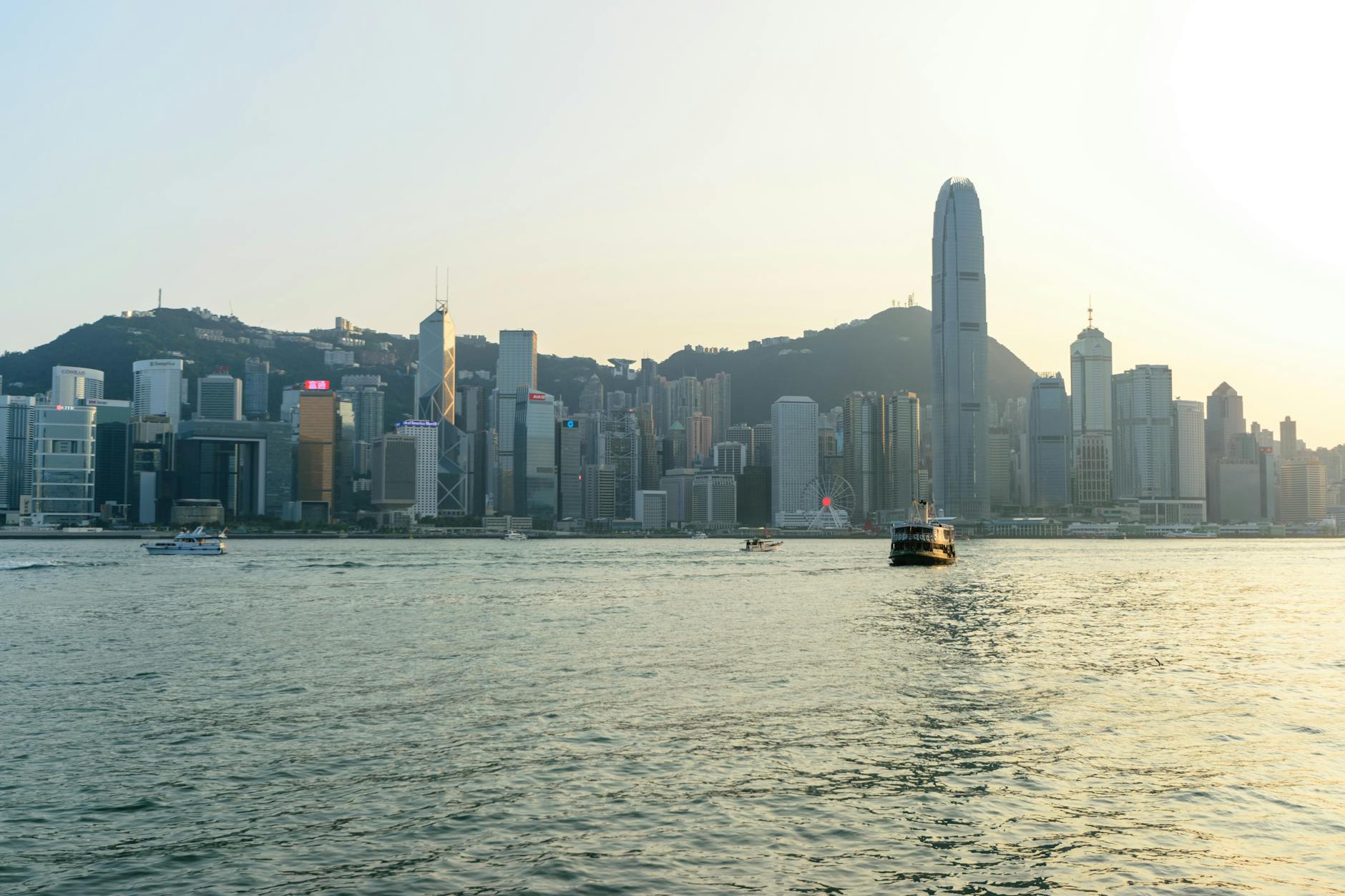
Central Hong Kong can be an excellent base for an academic conference, but it is rarely a passive one. The attendee may be sleeping in Central while sessions, receptions, university meetings, publisher events, research interviews, or dinners sit in Admiralty, Wan Chai, Sheung Wan, Kowloon, or another campus-linked area. The district works best when the attendee treats it as an operating base rather than just a prestigious address. A short conference trip should protect the reason for travel: presenting well, attending the right sessions, meeting the right people, and returning with useful academic or professional value. Central's density can support that if hotel choice, transfer timing, work blocks, and evening commitments are planned with some discipline.
Confirm whether Central is the venue base or the operating base
An academic conference attendee should first decide what Central is solving. The district may be where the hotel is, where a reception is hosted, where senior colleagues are meeting, or simply the most efficient base for moving to a venue elsewhere in Hong Kong. Those are different planning problems.
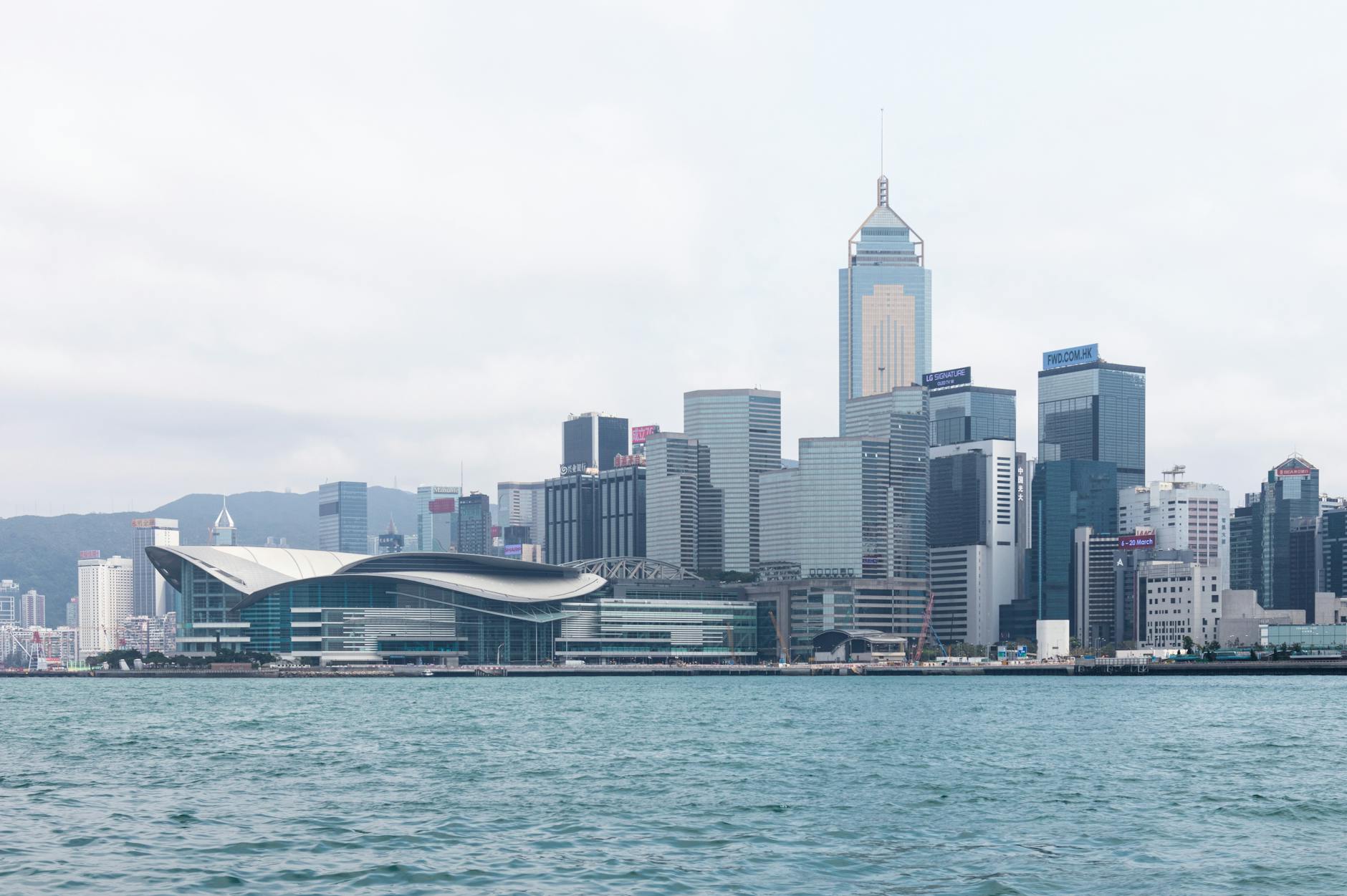
If sessions are at a convention venue, university, hotel ballroom, office auditorium, or cross-harbor location, the attendee should map each required trip before booking. Central can still be the right base, but only if it reduces friction rather than adding a commute to every important session.
- Map the hotel, conference venue, receptions, meetings, university visits, dinners, and airport links.
- Decide whether Central is the conference site, lodging base, networking base, or transfer hub.
- Avoid paying for Central if the conference day repeatedly pulls the attendee elsewhere without benefit.
Build the presentation day around arrival margins
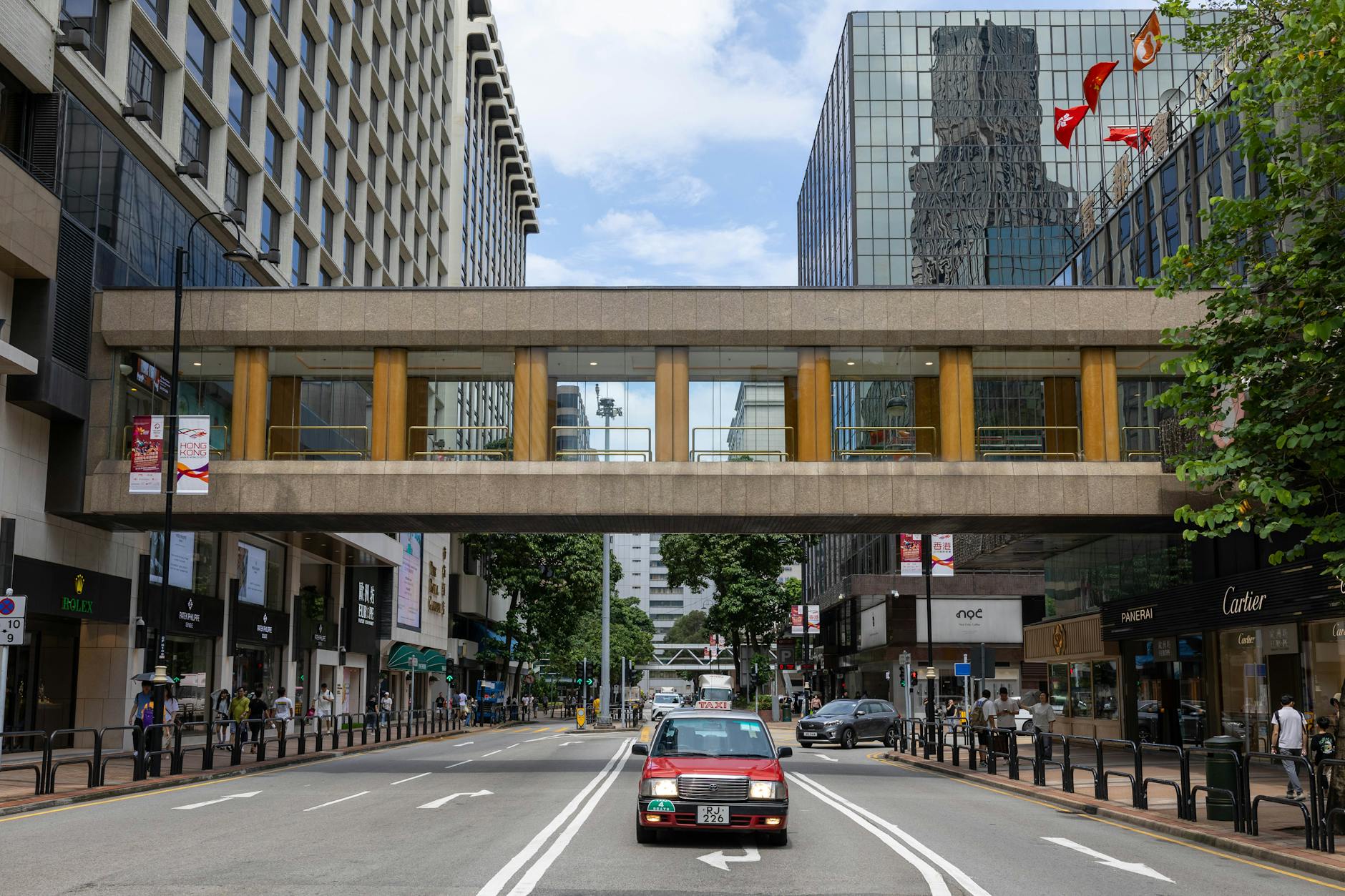
Presentation days need more margin than ordinary sightseeing days. The attendee should account for jet lag, breakfast, formal clothing, humidity, rain, laptop checks, adapter needs, slide files, badge pickup, venue security, elevator time, and the possibility of a crowded MTR or taxi delay.
The presentation kit should be redundant. Slides, notes, handouts, posters, chargers, adapters, clicker, backup files, and offline copies should be ready before the attendee leaves the hotel. Central can make last-minute fixes easier, but relying on that is still weak planning.
- Buffer breakfast, clothing, weather, transfers, badge pickup, security, elevators, and room finding.
- Carry slides, notes, posters, adapters, chargers, clicker, backup files, and offline copies.
- Avoid scheduling high-value meetings immediately before a presentation block.
Use transit intelligently, not automatically
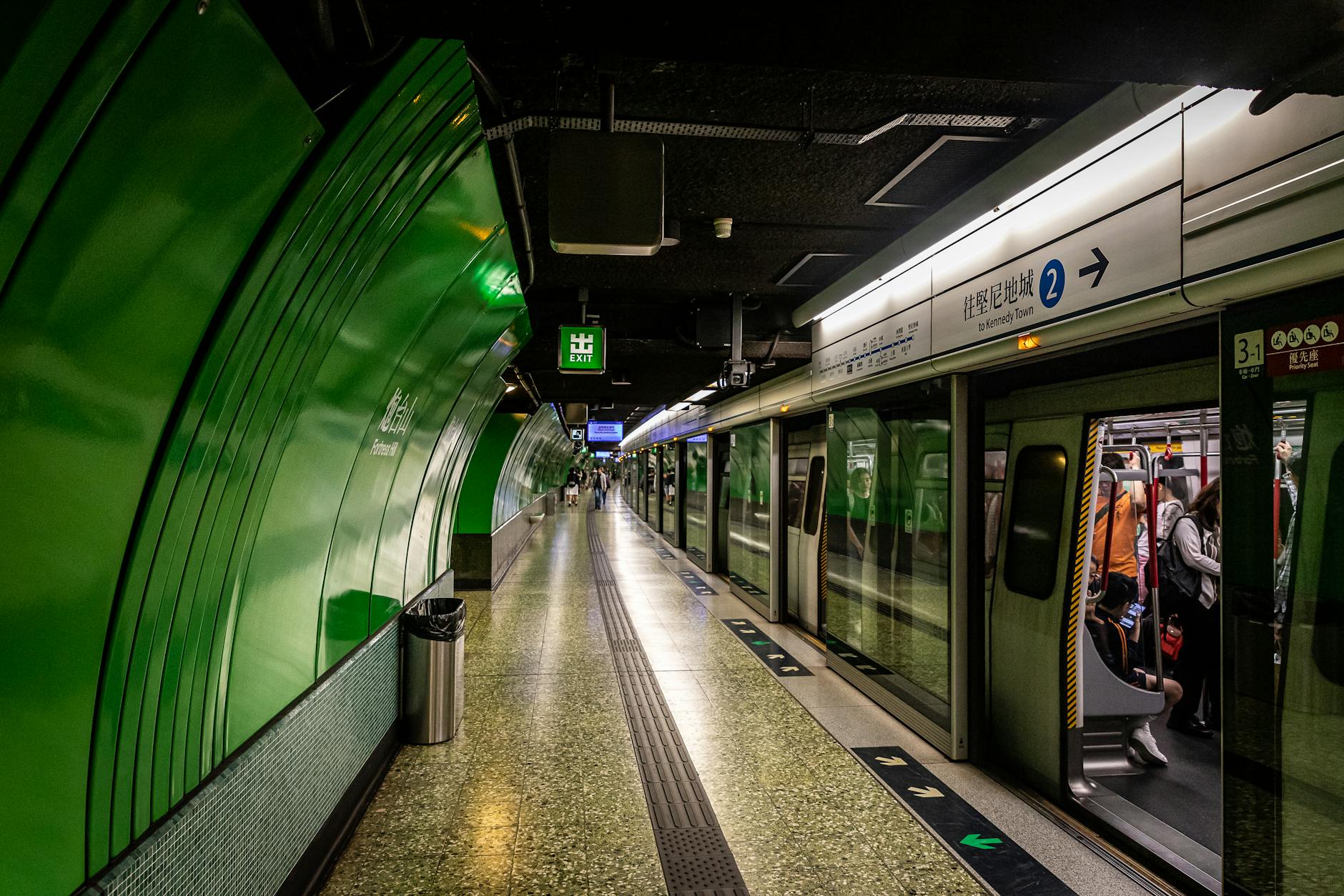
Central gives conference attendees strong transport choices, but none should be used by reflex. The MTR may be the fastest option for predictable movement. Taxis can help with formal dress, rain, posters, or luggage, but pickup points and traffic matter. Walking can be efficient only when slope, heat, and crowding are honest.
Conference days often involve repeated short movements: hotel to venue, venue to lunch, lunch to poster session, reception to dinner, dinner back to hotel. The attendee should make those decisions in advance rather than re-solving the city between sessions.
- Use MTR, taxis, cars, ferries, or walking based on venue, clothing, weather, luggage, and time of day.
- Check station exits, taxi pickup points, footbridges, hills, and covered routes before the first session.
- Plan evening returns from receptions and dinners as carefully as morning arrivals.
Protect work time between sessions
A conference trip is not only attendance. The attendee may need to revise slides, send meeting follow-ups, review abstracts, handle teaching duties, answer coauthors, file reimbursement notes, prepare questions, or join remote calls. Central has many cafes and lounges, but not every public space is suitable for academic work.
The hotel should support quiet preparation, stable Wi-Fi, printing, charging, private calls, and a place to reset between humid transfers. A strong conference plan includes work blocks before the schedule fills with optional sessions.
- Reserve time for slide edits, coauthor calls, abstracts, follow-ups, reimbursement notes, and prep.
- Check hotel Wi-Fi, desk space, printing, charging, quiet areas, and private-call options.
- Use public cafes selectively when privacy and concentration do not matter.
Treat networking as a route and energy problem
Academic networking in Central can be extremely productive: coffee near offices, publisher meetings, alumni dinners, faculty introductions, small receptions, or late drinks after sessions. It can also become exhausting if every invitation requires hill work, taxi hunting, dress changes, or a late return before an early panel.
The attendee should prioritize contacts before arriving. It is better to have three useful conversations with enough energy than a full calendar of marginal events that leaves no time for notes, follow-up, or rest.
- Prioritize faculty, collaborators, publishers, funders, alumni, and research contacts before arrival.
- Cluster coffees, lunches, receptions, and dinners by geography where possible.
- Leave time after networking to record notes and send concrete follow-up while memory is fresh.
Plan for jet lag, weather, and formal dress
Hong Kong heat, rain, air conditioning, hills, and crowding can affect a conference attendee more than expected. Formal clothes, posters, laptops, bags, umbrellas, and shoes should be chosen for the actual route, not only for the session room. A short walk can be less comfortable than it looks on a map.
Jet lag is another practical issue. The attendee should decide which sessions are essential, where recovery blocks fit, and whether late dinners will compromise presentation quality. A conference trip should not let ambition erase basic performance.
- Pack for humidity, rain, air conditioning, formal rooms, hills, crowded trains, and long indoor days.
- Choose shoes, bags, and layers that support the actual route between hotel, venue, and meals.
- Use rest blocks to protect presentations, meetings, and the return travel day.
When to order a short-term travel report
An academic attendee with a single hosted conference hotel may not need a custom Central Hong Kong report. A report becomes useful when the venue is outside Central, the attendee has a presentation, multiple networking meetings, poster logistics, budget pressure, mobility concerns, tight flights, or uncertainty about whether Central is the right base.
The report should test hotel siting, venue geography, MTR and taxi choices, presentation logistics, work blocks, networking route, food, jet lag, weather, airport timing, budget, and what to cut. The value is a conference trip that produces academic value instead of only attendance.
- Order when venue geography, presentation logistics, networking, hotel choice, or tight timing need testing.
- Provide dates, venue, hotel options, presentation needs, meeting list, flights, constraints, and budget.
- Use the report to make the Central Hong Kong conference trip productive and realistically paced.