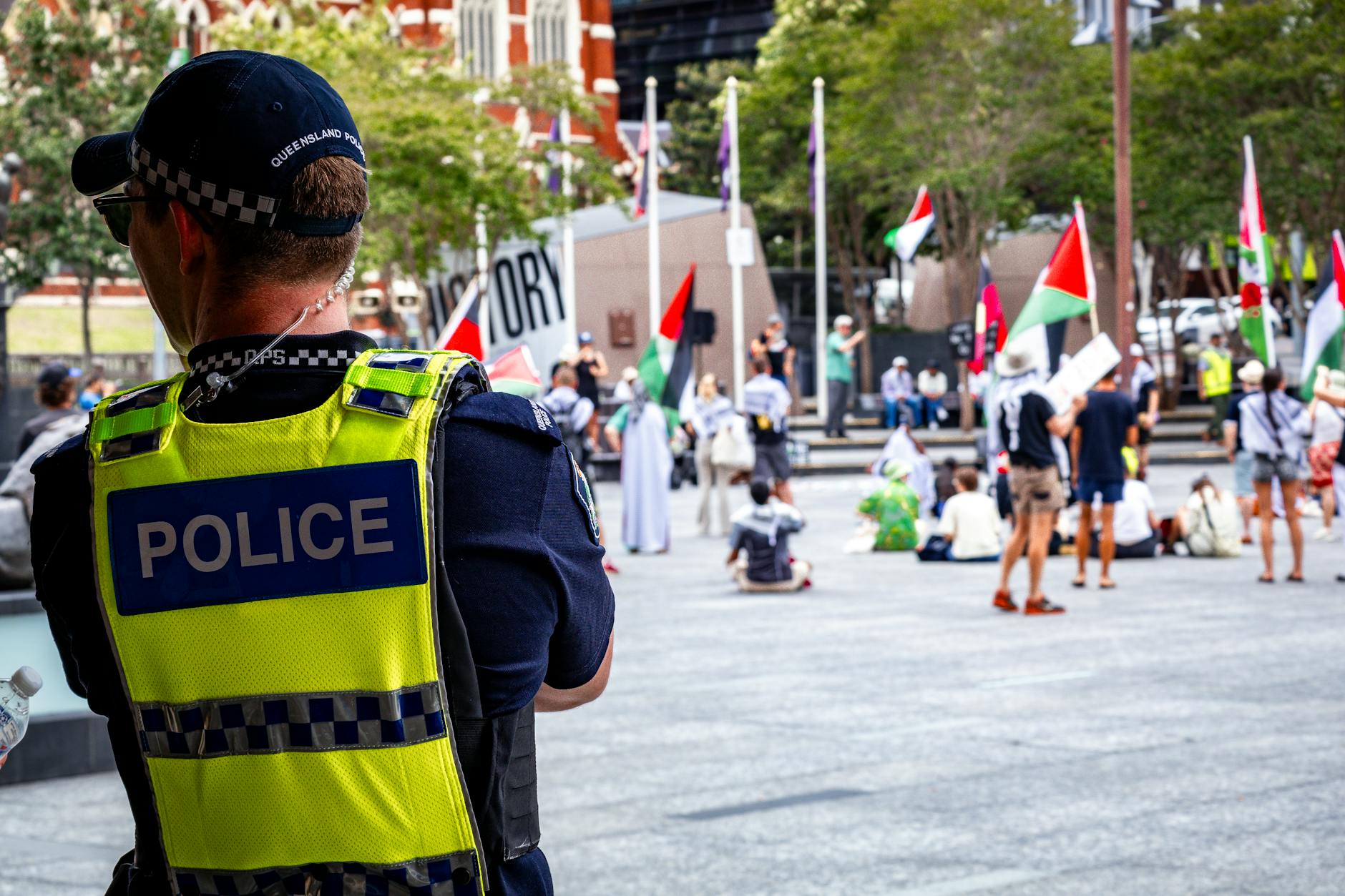
Confirm the partner, scope, and boundaries
The traveler should know exactly who they are supporting, where they are expected, what tasks are appropriate, and what is outside scope. A short NGO visit can create friction if expectations, permissions, safeguarding rules, or local leadership are vague.
The partner's needs should lead the schedule.
- Confirm contact names, worksite addresses, daily hours, dress code, background checks, and required paperwork.
- Ask what tasks are actually helpful during a short visit and what should be left to local staff.
- Avoid promising outcomes, photos, donations, or public posts before the partner approves them.
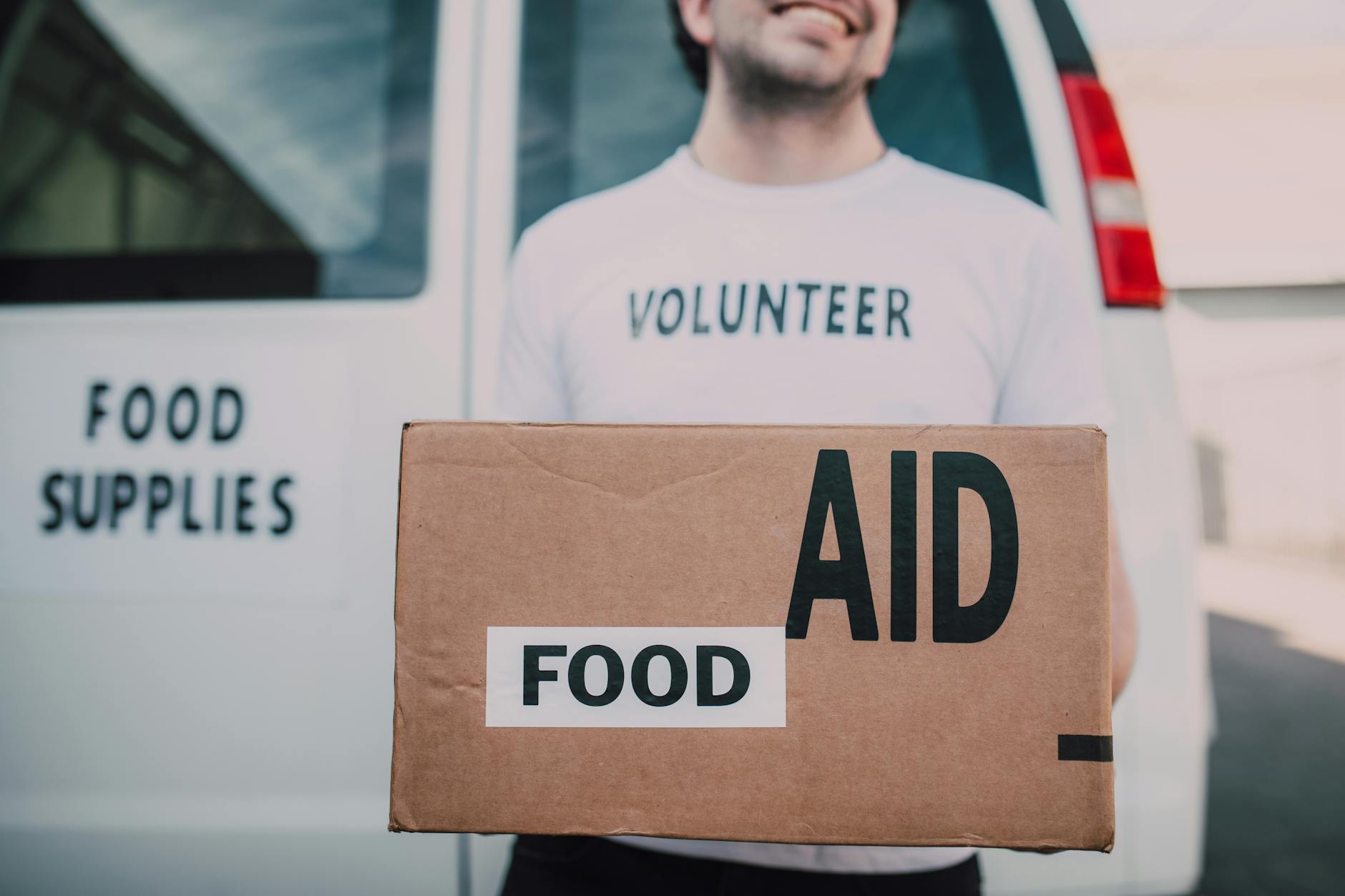
Choose lodging near the work rhythm
The best base may be near a community center, field site, partner office, hospital, shelter, university, warehouse, or transport corridor. Brisbane's river and cross-city movement can turn a simple-looking route into a daily drain.
The hotel should support the service schedule.
- Choose lodging by worksite access, morning travel, late returns, laundry, food, quiet sleep, and storage.
- Check whether public transport, rideshare, parking, or partner pickup works reliably for the actual work hours.
- Avoid a tourist base if it adds friction to early volunteer shifts or field visits.

Treat field logistics and safety as core planning
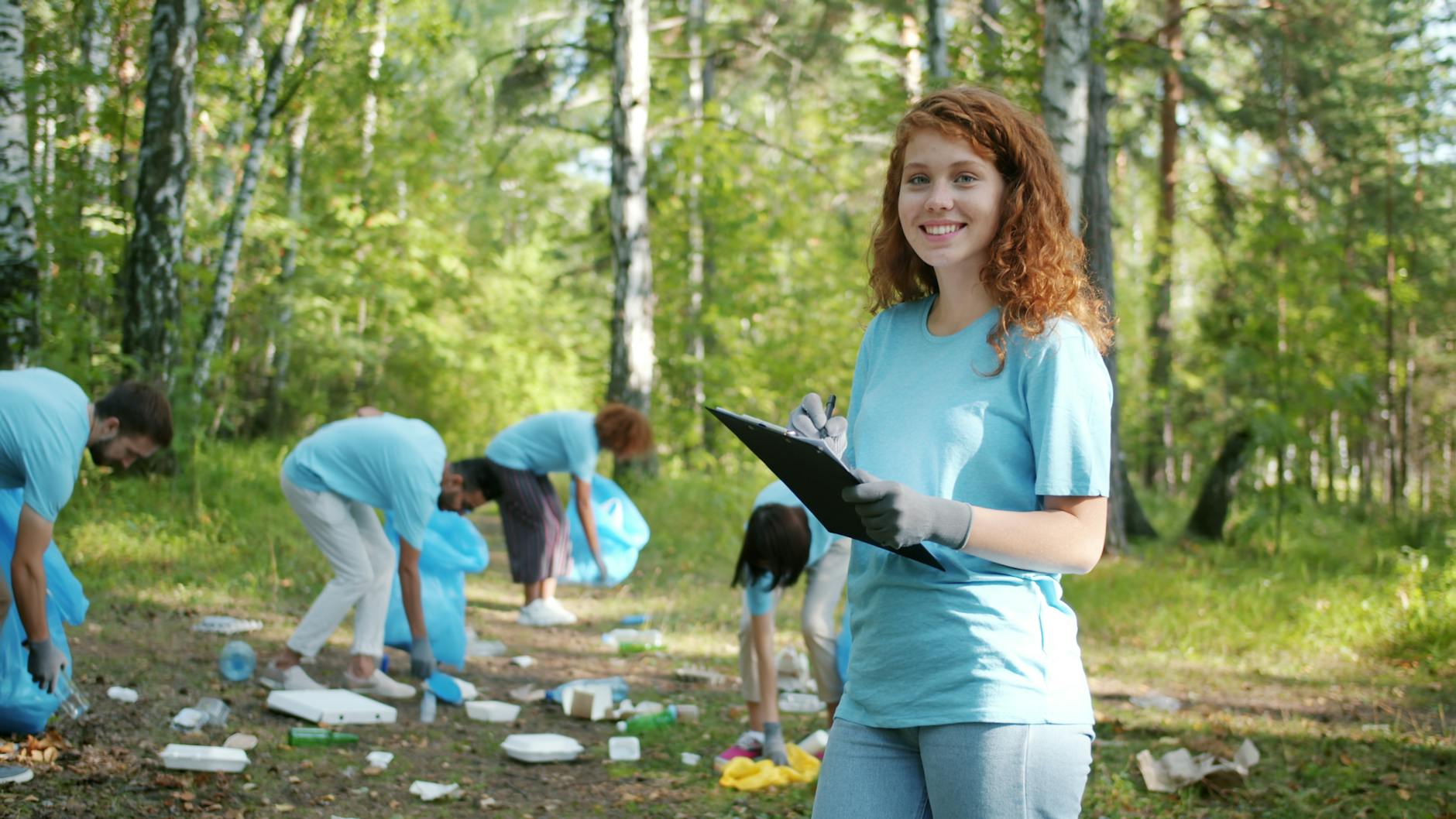
Volunteer work can involve warehouses, community outreach, environmental cleanup, clinics, food distribution, meetings, or advocacy events. The traveler should understand access, supervision, insurance, safety gear, weather exposure, and emergency contacts before arriving.
Good intentions do not replace field preparation.
- Confirm supervision, transport, safety gear, emergency process, insurance, and whether the traveler should work alone.
- Carry water, sun protection, closed shoes, medication, ID, phone battery, and partner contact details.
- Keep a conservative plan for heat, storms, long standing periods, or emotionally heavy work.
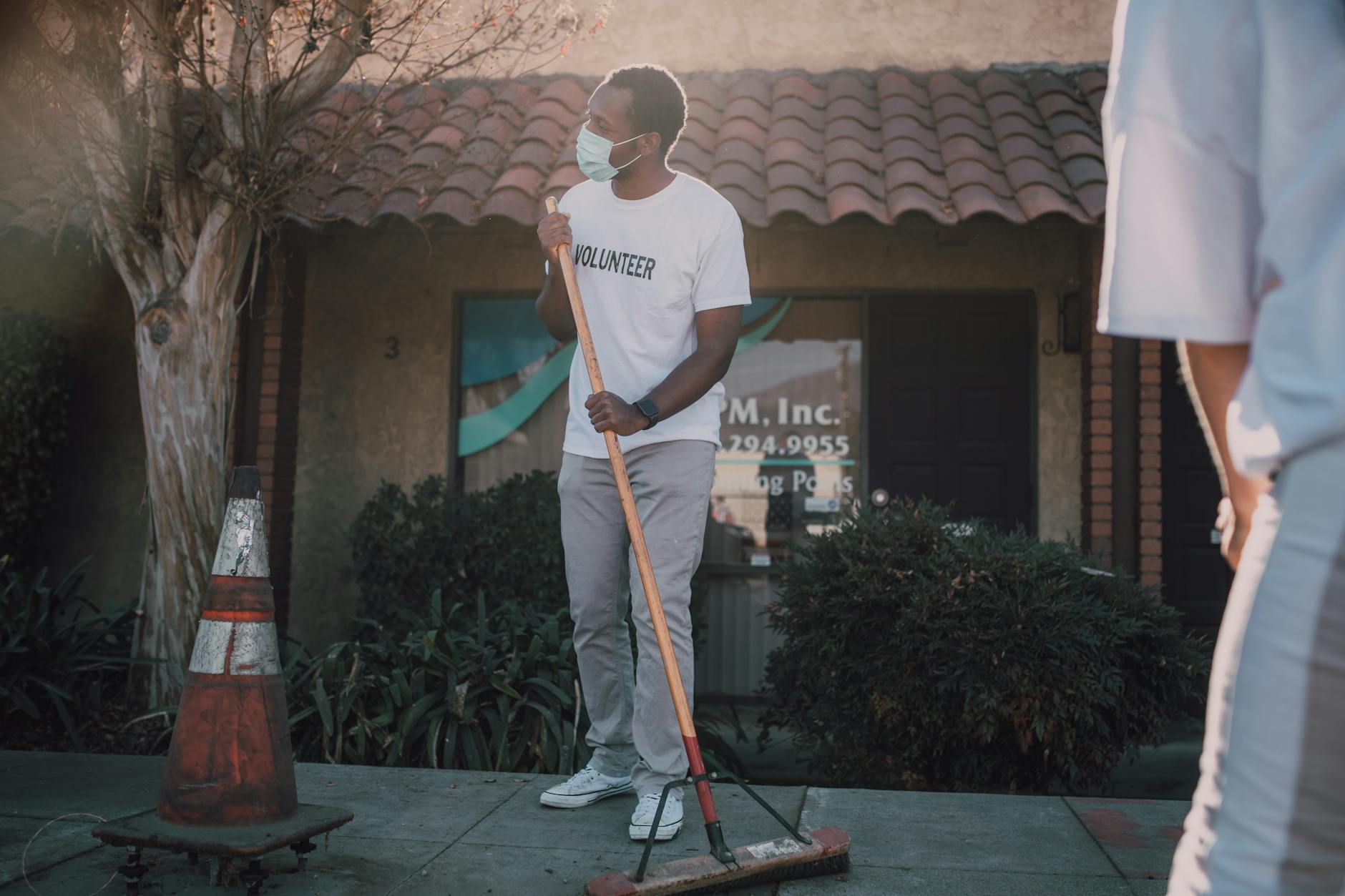
Manage supplies, donations, and storage carefully
Supplies can help or burden a partner depending on timing, relevance, customs rules, storage, and distribution plans. A short Brisbane NGO traveler should confirm what is needed before packing or buying anything.
Donations should solve a real problem.
- Ask for a current needs list before bringing supplies, clothing, food, equipment, or printed material.
- Confirm delivery address, storage, labeling, expiry dates, and whether cash support is more useful.
- Avoid arriving with bulky donations the partner did not request or cannot distribute.
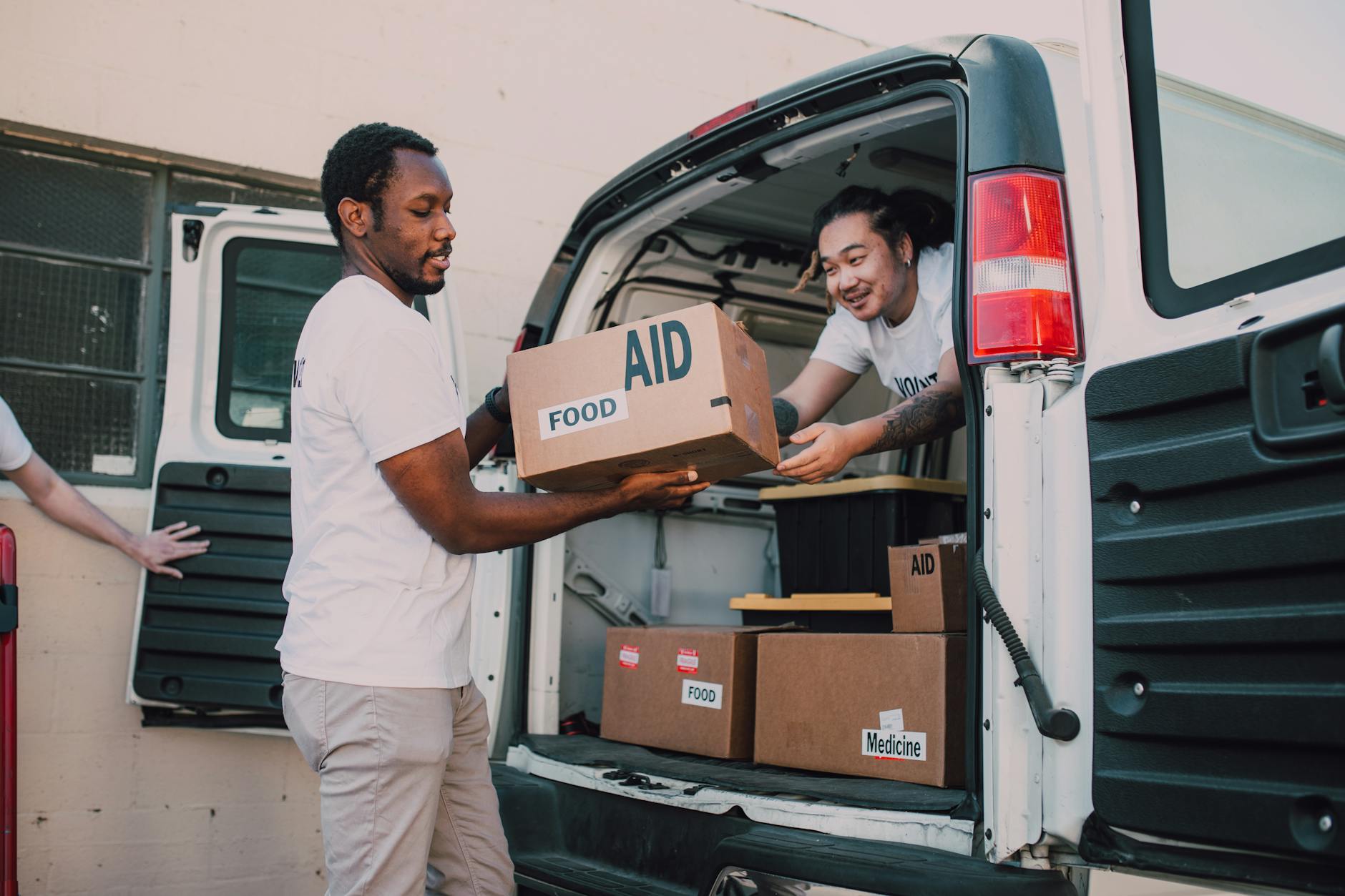
Respect documentation and community dignity
Photos, notes, interviews, and social posts can affect privacy and trust. Brisbane NGO work may involve vulnerable people, sensitive advocacy, children, health needs, shelters, or community-led programs. The traveler should ask before documenting anything.
Permission is part of the work.
- Follow the partner's rules for photos, names, locations, interviews, and social media.
- Avoid identifying vulnerable participants, private addresses, or operational details without approval.
- Use notes to support the work, not to turn the visit into personal branding.
Leave time for recovery and local context
A short volunteer trip can be physically and emotionally full. The traveler should leave space for rest, debriefing, ordinary meals, laundry, and a modest understanding of Brisbane beyond the worksite.
Recovery helps the traveler stay useful.
- Build in breaks after long field days, difficult meetings, or outdoor work in heat.
- Use simple local time around South Bank, the river, gardens, or cafes without crowding the work schedule.
- Keep departure day light enough for handoff notes, partner thanks, packing, and airport transfer.

When to order a short-term travel report
A volunteer or NGO traveler with a fully arranged placement may not need a custom report. A report becomes useful when partner coordination, lodging, field sites, supplies, documentation rules, safety, weather, and airport timing need to fit into a short Brisbane stay.
The report should test partner addresses, worksite routes, hotel options, supply logistics, documentation limits, safety needs, meals, weather exposure, recovery time, and departure buffers. The value is a Brisbane NGO trip that is useful to the partner and manageable for the traveler.
- Order when partner logistics, field sites, supplies, lodging, documentation, safety, or departure timing need coordination.
- Provide dates, flight details, partner contacts, worksite addresses, task scope, supply plans, health needs, and budget.
- Use the report to make the Brisbane volunteer trip respectful, practical, and low-friction.